
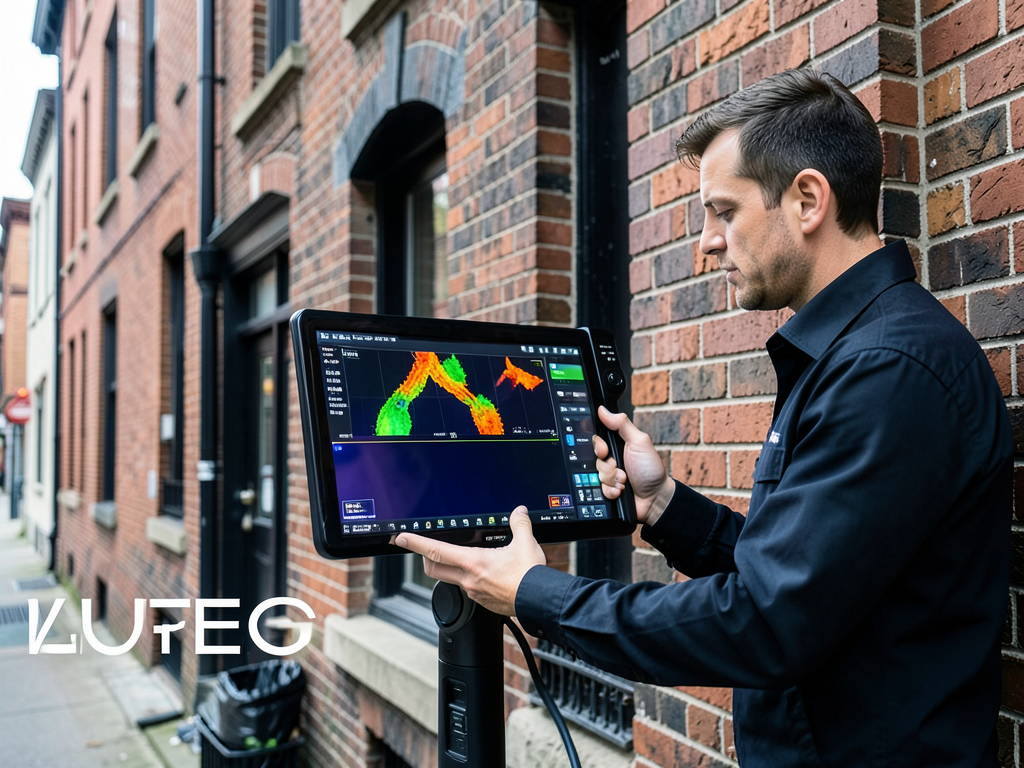
Hidden Moisture Detection & Leak Discovery in Boston’s North End
The brick facades of Boston’s North End tell a story of history and craftsmanship, but beneath those charming exteriors, hidden moisture can silently destroy your property. North End homes face unique risks due to their age, construction methods, and proximity to Boston Harbor’s high humidity levels. The problem is that moisture trapped behind brick doesn’t always show obvious signs until structural damage has already begun. Water Damage Restoration Newton.
Early detection through professional moisture mapping and thermal imaging can save you thousands in repair costs and prevent mold growth that threatens your family’s health. Our Boston-based team specializes in finding hidden leaks in historic brick structures using advanced diagnostic equipment that sees what the naked eye cannot. EPA mold guidelines.
Why Hidden Moisture is a Critical Risk for North End Properties
North End brick buildings constructed before 1940 used different mortar compositions than modern structures. The lime-based mortar in these historic homes is softer and more porous than today’s Portland cement mixtures. This creates a perfect environment for capillary action, where water moves through tiny pores in the mortar and brick. Risks of DIY Water Cleanup.
Boston’s freeze-thaw cycles compound this problem. When moisture trapped behind brick freezes, it expands by approximately 9% in volume. This expansion creates pressure that can crack mortar joints and push bricks outward. The Massachusetts State Building Code 780 CMR Section 1405.1 requires proper drainage systems in masonry walls, but many North End buildings predate these regulations. Massachusetts State Building Code 780 CMR.
Coastal humidity from Boston Harbor averages 75-85% during summer months, significantly higher than inland areas. This constant moisture in the air accelerates deterioration of historic brick and mortar. The tight urban layout of the North End means buildings often share walls, making it difficult to identify which property has a moisture problem when multiple units show signs of damage.. Read more about Why Your Kitchen Sink in the North End is Suddenly Leaking Into the Cabinet.
Our Advanced Detection Technology
Professional moisture detection goes far beyond visual inspection. Our technicians use FLIR E-series thermal cameras that detect temperature differences as small as 0.05°C. When moisture is present behind brick, it creates a cooler surface temperature that appears as dark blue or purple on thermal imaging scans. Professional sump pump failure cleanup for Newton homeowners.
Moisture meters with deep-penetrating probes can read moisture content through brick up to 1.5 inches deep. Normal brick should read below 15% moisture content. Readings above 20% indicate active moisture intrusion requiring immediate attention. We also use pinless moisture meters for scanning larger wall areas without damaging historic surfaces. Getting immediate help for a burst pipe in your Back Bay brownstone.
Ultrasonic leak detection equipment can identify water movement through pipes at frequencies humans cannot hear. This technology is particularly useful for finding leaks in shared wall cavities where moisture might travel between North End row houses before becoming visible in any single unit.. Read more about A guide to understanding water damage categories in Allston rentals.
Common Signs of Secret Leaks in Historic Homes
Efflorescence appears as white, chalky deposits on brick surfaces. This occurs when water dissolves salts inside the brick and carries them to the surface as it evaporates. While efflorescence itself is harmless, it indicates active moisture movement through the masonry.. Read more about Professional water extraction for historic properties in Beacon Hill.
Musty odors in basements or crawl spaces often signal hidden mold growth feeding on moisture trapped behind walls. The human nose can detect mold at concentrations as low as 10 parts per billion. If you notice persistent damp smells, professional testing is warranted.. Read more about How to tell if your Roslindale basement has a foundation leak or just humidity.
Paint bubbling or peeling on interior walls adjacent to exterior brick often indicates moisture pushing through from the outside. The moisture breaks the bond between paint and substrate, creating bubbles that eventually crack and peel away.
Unexplained increases in water bills can indicate hidden plumbing leaks within brick wall cavities. A single dripping pipe can waste over 3,000 gallons annually while remaining completely invisible behind finished surfaces.
The Detection-to-Restoration Process
Our moisture detection process begins with a comprehensive thermal imaging scan of all exterior brick surfaces. We document temperature variations that indicate moisture presence, creating a detailed moisture map of your property. This mapping process typically takes 2-3 hours for an average North End brownstone.. Read more about How long it really takes for mold to grow after a leak in Mattapan.
Next, we use moisture meters to verify thermal imaging findings and determine moisture content levels in different wall sections. This step helps us understand the extent of water intrusion and identify the most likely entry points. We document all readings with photographs and create a moisture content report following IICRC S500 standards.
Based on our findings, we develop a targeted drying plan that may include dehumidification, air circulation, or controlled demolition of affected areas. For historic brick, we often recommend specialized drying techniques that preserve the original masonry while removing trapped moisture.
Throughout the process, we maintain detailed documentation for insurance purposes. Our reports include thermal imaging photos, moisture meter readings, and professional recommendations that insurance adjusters recognize and accept.
Local North End Case Study
A Hanover Street property owner contacted us after noticing paint bubbling on interior walls of their 1890s brick row house. Our thermal imaging scan revealed a 15-square-foot area behind the living room wall showing moisture temperatures 8-12°F cooler than surrounding areas. Steps to Take After a Flood.
Moisture meter readings confirmed 28% moisture content in the affected wall section, well above the 15% threshold for safe conditions. Further investigation using ultrasonic leak detection identified a corroded copper pipe joint in the shared wall cavity between units.
The leak had been active for approximately 6-8 months, creating ideal conditions for mold growth. Our remediation process included controlled demolition of the affected wall section, mold remediation following EPA guidelines, pipe repair, and specialized drying of the historic brick cavity. Total restoration took 14 days, preventing what could have become a $30,000+ structural repair project.
Preventing Future Moisture Problems
Regular maintenance of mortar joints is crucial for North End brick homes. Repointing deteriorated mortar with appropriate lime-based mortar prevents water infiltration. The North End’s harsh winters make annual inspections particularly important.
Proper gutter and downspout maintenance directs water away from foundation walls. Clogged gutters cause water to overflow and saturate brick near the foundation, where it can wick upward through the wall assembly.
Foundation grading should slope away from the building at a minimum 5% grade for at least 10 feet. Many North End properties have settled over time, creating negative slopes that direct water toward foundation walls.
Why Professional Detection Matters
Hidden moisture behind brick doesn’t resolve itself. It continues to cause damage until properly addressed. The cost of professional detection typically ranges from $400-900 but can prevent $15,000-50,000 in structural repairs if caught early.
DIY moisture detection often misses the extent of the problem. Consumer-grade moisture meters lack the depth penetration and accuracy of professional equipment. What appears to be a small area of dampness might actually be a much larger moisture problem hidden from view.
Insurance companies increasingly require professional documentation for moisture-related claims. Our IICRC-certified technicians provide the detailed reports and testing protocols that insurance adjusters need for claim approval.
Emergency Response Available 24/7
Water emergencies don’t wait for business hours. Our Boston-based team responds to emergency calls within 60 minutes, providing immediate moisture assessment and damage control. Whether you’re dealing with a burst pipe in your North End brownstone or suspect hidden moisture behind your brick facade, we’re ready to help.
Call (617) 789-8099 today to schedule your professional moisture inspection. Early detection is the key to protecting your historic North End property from costly water damage.. Read more about Protecting your Beacon Hill antiques during a water damage emergency.
Frequently Asked Questions
How much does professional moisture detection cost?
Professional moisture detection typically costs between $400-900 for a comprehensive inspection of a North End brick home. This includes thermal imaging, moisture meter testing, and a detailed report. The cost varies based on property size and the extent of testing required.
Can I detect moisture myself with a home moisture meter?
Consumer-grade moisture meters lack the depth penetration and accuracy needed for brick walls. Professional equipment can read moisture content through 1.5 inches of brick and detect temperature variations as small as 0.05°C. DIY testing often misses significant moisture problems.
How long does the moisture detection process take?
A comprehensive moisture inspection for an average North End brownstone takes 2-3 hours. This includes thermal imaging of all exterior surfaces, moisture meter testing at multiple depths, and documentation of findings. Larger properties or those with suspected extensive damage may require additional time.
You may also find this helpful. What every Mission Hill landlord should know about ice dam water damage.
You may also find this helpful. How to Spot a Roof Leak Before It Ruins Your Top Floor in East Boston.
You may also find this helpful. That White Crusty Powder on Your South End Brick Walls Explained.
{
“@context”: “https://schema.org”,
“@type”: “BlogPosting”,
“headline”: “Spotting the warning signs of hidden moisture behind North End brickwork”,
“description”: “Learn to detect hidden moisture in North End brick homes before costly damage occurs. Our Boston experts use thermal imaging and moisture mapping to find leaks.”,
“wordCount”: 1397,
“datePublished”: “2026-03-06T15:04:00.000Z”,
“dateModified”: “2026-03-06T15:04:00.000Z”,
“inLanguage”: “en-US”,
“mainEntityOfPage”: {
“@type”: “WebPage”,
“@id”: “https://firstchoicewaterdamagerestorationboston.com”
},
“publisher”: {
“@type”: “LocalBusiness”,
“name”: “First Choice Water Damage Restoration Boston”,
“url”: “https://firstchoicewaterdamagerestorationboston.com”
},
“author”: {
“@type”: “Organization”,
“name”: “First Choice Water Damage Restoration Boston”,
“url”: “https://firstchoicewaterdamagerestorationboston.com”
},
“image”: {
“@type”: “ImageObject”,
“url”: “https://firstchoicewaterdamagerestorationboston.com/wp-content/uploads/2026/03/spotting-the-warning-signs-of-hidden-moisture-behi-1.png”
}
}
{
“@context”: “https://schema.org”,
“@type”: “LocalBusiness”,
“name”: “First Choice Water Damage Restoration Boston”,
“url”: “https://firstchoicewaterdamagerestorationboston.com”,
“address”: {
“@type”: “PostalAddress”,
“addressLocality”: “Boston”
},
“areaServed”: {
“@type”: “City”,
“name”: “Boston”
}
}
{
“@context”: “https://schema.org”,
“@type”: “FAQPage”,
“mainEntity”: [
{
“@type”: “Question”,
“name”: “How much does professional moisture detection cost?”,
“acceptedAnswer”: {
“@type”: “Answer”,
“text”: “Professional moisture detection typically costs between $400-900 for a comprehensive inspection of a North End brick home. This includes thermal imaging, moisture meter testing, and a detailed report. The cost varies based on property size and the extent of testing required.”
}
},
{
“@type”: “Question”,
“name”: “Can I detect moisture myself with a home moisture meter?”,
“acceptedAnswer”: {
“@type”: “Answer”,
“text”: “Consumer-grade moisture meters lack the depth penetration and accuracy needed for brick walls. Professional equipment can read moisture content through 1.5 inches of brick and detect temperature variations as small as 0.05°C. DIY testing often misses significant moisture problems.”
}
},
{
“@type”: “Question”,
“name”: “How long does the moisture detection process take?”,
“acceptedAnswer”: {
“@type”: “Answer”,
“text”: “A comprehensive moisture inspection for an average North End brownstone takes 2-3 hours. This includes thermal imaging of all exterior surfaces, moisture meter testing at multiple depths, and documentation of findings. Larger properties or those with suspected extensive damage may require additional time.”
}
}
]
}
{
“@context”: “https://schema.org”,
“@type”: “BreadcrumbList”,
“itemListElement”: [
{
“@type”: “ListItem”,
“position”: 1,
“name”: “Home”,
“item”: “https://firstchoicewaterdamagerestorationboston.com”
},
{
“@type”: “ListItem”,
“position”: 2,
“name”: “Blog”,
“item”: “https://firstchoicewaterdamagerestorationboston.com/blog”
},
{
“@type”: “ListItem”,
“position”: 3,
“name”: “Spotting the warning signs of hidden moisture behind North End brickwork”
}
]
}
{
“@context”: “https://schema.org”,
“@type”: “Service”,
“serviceType”: “Water Damage Restoration”,
“provider”: {
“@type”: “LocalBusiness”,
“name”: “First Choice Water Damage Restoration Boston”,
“url”: “https://firstchoicewaterdamagerestorationboston.com”
},
“areaServed”: {
“@type”: “City”,
“name”: “Boston”
},
“description”: “Learn to detect hidden moisture in North End brick homes before costly damage occurs. Our Boston experts use thermal imaging and moisture mapping to find leaks.”
}