Menu

Soggy Insulation in Boston – Expert Diagnosis and Complete Removal Before Mold Takes Hold

When water saturates your attic or crawlspace insulation, you need more than a fan and hope. Our team identifies the source, removes water damaged insulation safely, and restores thermal protection before mold colonies spread through your home.

Slider Image 1
Slider Image 2
Slider Image 3
Slider Image 4
Slider Image 5
Slider Image 7
Slider Image 8
Slider Image 9
Slider Image 10
Slider Image 11

Why Boston Homes Battle Wet Insulation Year-Round

Boston's climate punishes insulation. Winter ice dams form when snowmelt refreezes at roof edges, forcing water backward under shingles and directly into attic insulation. Spring nor'easters dump horizontal rain that finds every gap in older triple-deckers and brownstones. Summer humidity keeps crawlspaces damp for months. Fall hurricanes push water through compromised building envelopes.

Saturated insulation does not dry out on its own. Fiberglass absorbs water like a sponge and holds it against wooden joists and rafters. Cellulose insulation becomes a soggy mass that compresses under its own weight, losing all R-value. Spray foam rarely gets wet, but when it does, water trapped behind it rots framing you cannot see.

You notice the problem when ceilings sag, drywall stains brown, or your heating bills spike in winter. Sometimes you smell it first. That musty odor means microbial growth already started in damp insulation. The longer soaked insulation sits, the more damage spreads to structural lumber, electrical wiring, and HVAC ducts.

Boston's older housing stock makes this worse. Many homes built before 1950 lack vapor barriers. Roof ventilation is often inadequate. Plumbing runs through unheated spaces where pipes freeze and burst. When water enters insulation in these homes, it stays there until someone removes it physically.

Wet insulation is not a cosmetic issue. It is a structural and health hazard that requires immediate action.

Why Boston Homes Battle Wet Insulation Year-Round
How We Remove Water Damaged Insulation Correctly

How We Remove Water Damaged Insulation Correctly

Most contractors treat soggy insulation as a roofing problem or a plumbing problem. We treat it as a water damage problem that requires containment, removal, drying, and verification.

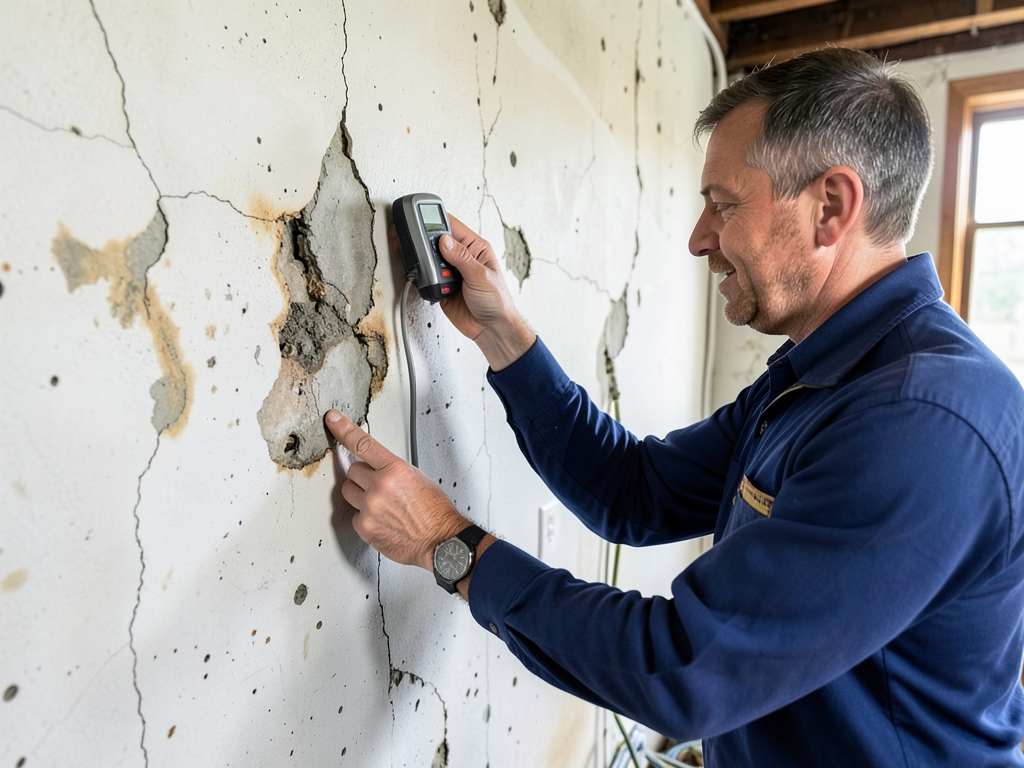
We start with thermal imaging to map the full extent of saturation. Moisture meters give surface readings. Infrared cameras show you where water traveled through walls and ceilings, even if those areas look dry. This prevents incomplete removal that leaves hidden pockets of damp insulation behind.

Containment comes next. We seal off the work area with polyethylene barriers and run negative air pressure to prevent cross-contamination. Water damaged insulation often contains microbial growth. If disturbed incorrectly, spores spread through your HVAC system and into living spaces.

Removal depends on insulation type. Fiberglass batts pull out in sections. We bag them immediately in contractor-grade disposal bags. Blown cellulose requires vacuum extraction. Spray foam must be cut and scraped if compromised. We remove all affected material, plus one foot beyond visible damage as a safety margin.

After removal, we treat exposed framing with antimicrobial solutions and run commercial dehumidifiers until wood moisture content drops below 15 percent. We verify dryness with pin-type moisture meters at multiple depths. Only then do we approve the space for re-insulation.

We also fix the entry point. If an ice dam caused the problem, we address attic ventilation and insulation depth. If a plumbing leak soaked crawlspace insulation, we repair the pipe and improve drainage. Removing soaked insulation without fixing the source guarantees you will call us again next year.

What Happens During Your Insulation Water Damage Restoration

Soggy Insulation in Boston – Expert Diagnosis and Complete Removal Before Mold Takes Hold
01

Emergency Assessment and Containment

We arrive within hours of your call. Our technician uses thermal imaging and moisture meters to map saturated insulation throughout your attic, walls, or crawlspace. We identify the water source, shut it down if possible, and establish containment barriers with negative air machines to prevent microbial spread. You get a detailed scope of work before we touch anything.
02

Safe Removal and Structural Drying

We extract all water damaged insulation using HEPA-filtered vacuums and manual removal techniques. Wet material goes directly into sealed disposal bags. We treat exposed framing with antimicrobial solutions and run industrial dehumidifiers and air movers until wood moisture content reaches safe levels. This phase takes 48 to 72 hours depending on saturation depth and ambient humidity.
03

Verification and Re-Insulation Approval

Before we clear the site, we take final moisture readings at multiple points across all exposed surfaces. You get a written report showing moisture levels below 15 percent, which is the industry standard for safe re-insulation. We document the water source repair and recommend insulation upgrades that improve thermal performance and reduce future risk. Your space is ready for new insulation or drywall closure.

Why Boston Homeowners Trust Atlas Water Damage Restoration Providence for Insulation Issues

We work in Boston homes every day. We know the difference between a Victorian with horsehair plaster and a 1970s ranch with fiberglass batts. We understand how triple-deckers share attic spaces and why row houses have party walls that hide water damage. This local knowledge changes how we diagnose and remediate soggy insulation.

Boston's building codes are strict. Any work that involves structural access or mold remediation must follow Massachusetts state regulations. We pull permits when required. We follow IICRC S500 water damage standards and S520 mold remediation protocols. Our technicians hold certifications in water damage restoration and applied structural drying. We document everything for insurance claims and code compliance.

Insurance companies trust us because we provide detailed moisture mapping, photographic evidence, and moisture logs that justify coverage. Many policies cover water damage from sudden pipe bursts but exclude long-term leaks or maintenance issues. We help you understand the difference and document the cause accurately so your claim has the best chance of approval.

We also move fast. Saturated insulation starts growing mold within 24 to 48 hours under the right conditions. Boston's high humidity creates those conditions year-round. When you call us, we treat your problem as urgent even if the water stopped flowing days ago. The damage continues inside your walls until we stop it.

We serve neighborhoods from Charlestown to Dorchester, Jamaica Plain to East Boston. We know the housing stock in each area. We know which homes have cast iron drain stacks that crack, which buildings have flat roofs that pond water, and which streets flood during coastal storms. That local expertise means faster diagnosis and fewer surprises during remediation.

What You Can Expect When You Call Us

Response Time and Availability

We answer calls 24 hours a day, seven days a week. When you describe soggy insulation, we dispatch a technician immediately. Most Boston-area customers see us within two to four hours. We work nights and weekends because water damage does not wait for business hours. If you discover soaked insulation at 2 AM, we will be there by sunrise with containment equipment and moisture meters. Speed matters because every hour of delay increases microbial risk and structural damage. We bring everything needed for assessment and emergency containment on the first visit. You get a written estimate before we begin full removal.

The Initial Inspection Process

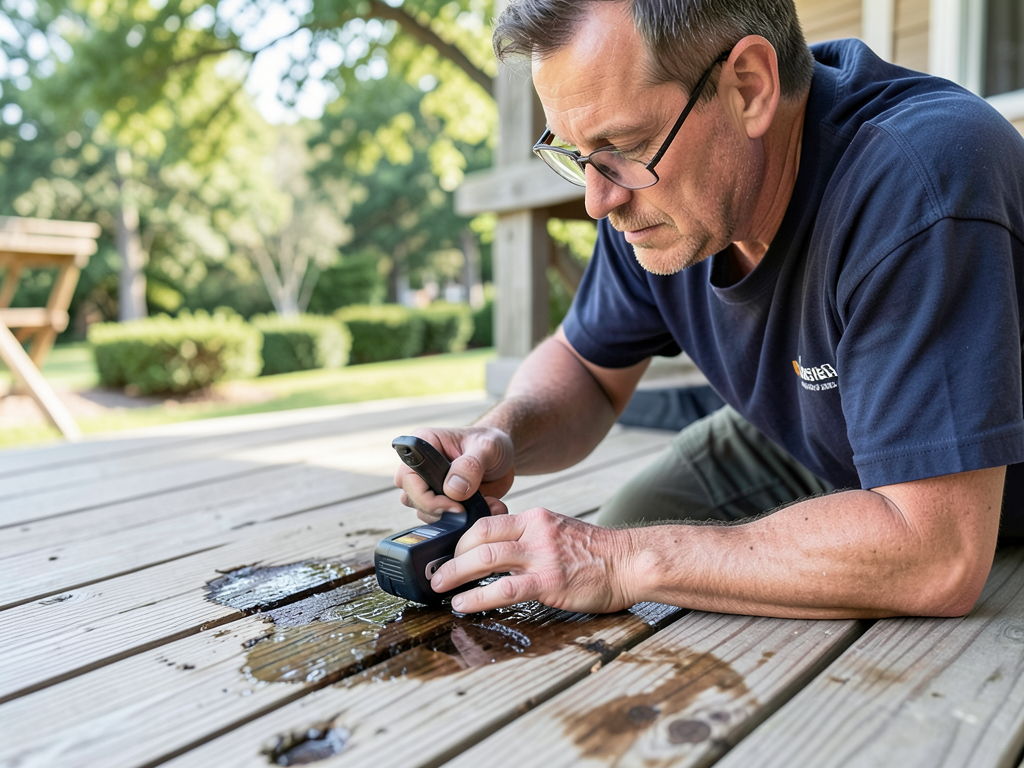
Our technician starts with a visual inspection of the affected area. We ask when you first noticed the problem and whether you have seen active leaks. We use thermal imaging cameras to scan walls and ceilings for hidden moisture. Moisture meters give us exact readings at multiple depths. We check attic ventilation, crawlspace drainage, and plumbing penetrations to identify the water source. You get a detailed report that explains what happened, how far the damage spread, and what must be done to fix it. We break down the scope of work step by step so you understand exactly what you are paying for and why each step is necessary.

The Quality of the Final Result

When we finish, your attic or crawlspace is clean, dry, and safe for re-insulation. All water damaged insulation is gone. Exposed framing shows moisture readings below 15 percent. We treat all surfaces with antimicrobial solutions to prevent future growth. We repair or replace any damaged vapor barriers. We provide written documentation of final moisture levels and photographs of the completed work. If we identified a plumbing leak or roofing failure, we confirm it is repaired before we leave. Your space is ready for a licensed insulator to restore thermal protection. You also get a detailed invoice that breaks down labor, equipment, and disposal costs for insurance submission.

Follow-Up and Ongoing Support

We follow up 48 hours after completion to confirm no new moisture appeared. If you smell anything unusual or see staining after we leave, we return at no charge to verify the area remains dry. We do not re-insulate spaces ourselves, but we work with licensed insulation contractors and can recommend trusted partners. We also provide recommendations for preventing future problems, like improving attic ventilation or upgrading sump pumps in wet crawlspaces. If you file an insurance claim, we provide supplemental documentation if your adjuster requests it. Our goal is complete resolution, not just removing damp insulation and walking away. We want you to trust your home is safe and dry for years to come.

Frequently Asked Questions

You Have Questions,
We Have Answers

Will wet insulation ever dry out? +

Wet insulation rarely dries out properly on its own. Fiberglass and cellulose insulation absorb water like a sponge and lose thermal efficiency when saturated. Even if the surface dries, moisture trapped inside promotes mold growth and structural damage. In Boston's humid climate, drying time extends significantly due to seasonal dampness and freeze-thaw cycles. Compressed or clumped wet insulation never regains its original R-value. If your insulation got soaked from a pipe burst, roof leak, or flooding, removal and replacement is usually the only fix. Trying to dry it in place wastes time and allows hidden mold to spread behind walls and in attics.

How to fix wet insulation? +

Remove wet insulation immediately to prevent mold and structural rot. First, identify and stop the water source, whether it's a leaking roof, burst pipe, or foundation seepage. Wear protective gear including gloves, goggles, and an N95 mask. Pull out saturated fiberglass or cellulose batts carefully and bag them for disposal. Check wall cavities and floor joists for moisture damage. Use fans and dehumidifiers to dry framing and subfloors thoroughly before installing new insulation. In Boston's older homes, this often means addressing ventilation issues or repairing aging plumbing. Do not reinstall insulation until moisture readings confirm the area is completely dry.

Why is my insulation getting wet? +

Insulation gets wet from roof leaks, plumbing failures, foundation cracks, or poor ventilation. In Boston, ice dams are a major culprit during winter. Snow melts, refreezes at roof edges, and forces water under shingles into attic insulation. Condensation from inadequate ventilation also soaks insulation in crawl spaces and attics. Old cast iron pipes common in Boston brownstones and triple-deckers corrode and leak inside walls. Basement flooding from heavy rainstorms or sewer backups saturates floor insulation. Poor grading around foundations lets groundwater seep into rim joists. Identifying the source requires careful inspection of roofing, plumbing, and drainage systems.

Will mold grow on wet insulation? +

Yes. Mold grows aggressively on wet insulation. Fiberglass, cellulose, and mineral wool provide organic material and moisture that mold spores need to colonize. Once insulation stays damp for 24 to 48 hours, mold begins spreading. Boston's humid summers and damp basements create perfect conditions for rapid growth. Mold hidden inside wall cavities or attic insulation goes unnoticed until it causes health problems or visible staining. Black mold, Aspergillus, and Penicillium species are common on saturated insulation. The paper backing on fiberglass batts is particularly vulnerable. Wet insulation must be removed quickly because mold remediation becomes far more expensive once colonies establish.

How long does it take for mold to grow on wet insulation? +

Mold can start growing on wet insulation within 24 to 48 hours under the right conditions. Boston's humidity and seasonal temperature swings accelerate this timeline. If insulation remains damp and temperatures stay above 40 degrees, visible mold colonies appear within three to five days. Cellulose insulation with organic wood fibers grows mold faster than fiberglass. Hidden moisture inside wall cavities or under floors creates microclimates where mold spreads undetected for weeks. The paper backing on batts turns black first. By the time you smell mildew, spores have already spread throughout affected areas. Speed matters. Remove wet insulation immediately to prevent health risks and expensive remediation.

Does it matter if insulation gets wet during build? +

Yes, it matters. Wet insulation during construction must be replaced before closing walls. Even brief exposure to rain compromises thermal performance and invites mold. Fiberglass batts lose R-value permanently when compressed by water weight. In Boston, autumn rain and winter storms frequently soak open framing on job sites. Contractors sometimes install damp insulation anyway to stay on schedule. This creates long-term problems. Moisture trapped behind drywall grows mold inside finished walls. Building codes require dry materials at installation. If your builder got insulation wet, demand replacement. Trying to dry it wastes time and guarantees callback issues. Install it dry or not at all.

Can mold grow under spray foam insulation? +

Yes, mold can grow under spray foam insulation if moisture is present before application. Spray foam creates an airtight seal, trapping existing dampness against wood framing or masonry. In Boston's older homes, this is common when spray foam is applied over wet basement walls or unrepaired roof leaks. Closed-cell foam blocks moisture vapor, but it does not stop liquid water. If water infiltrates through foundation cracks or leaking flashing, it sits against framing and rots wood unseen. Mold grows on the substrate, not the foam itself. Always fix water intrusion and dry surfaces completely before spraying foam. Otherwise, you seal in a mold factory.

What does water damaged insulation look like? +

Water damaged insulation appears discolored, compressed, or sagging. Fiberglass batts turn brown or gray and lose their fluffy texture. Cellulose clumps into hard, dark masses. Paper backing on batts shows water stains, black mold spots, or tears. Wet insulation in attics sags between joists. In wall cavities, it compresses and pulls away from studs, leaving gaps. You might see rust stains from corroded staples or drip marks on drywall below. In Boston basements, damaged insulation smells musty and feels damp to the touch. Rigid foam board warps or separates at seams. If insulation looks matted, stained, or compressed, it failed and needs replacement.

Why is it hard to sell a house with spray foam insulation? +

Spray foam insulation complicates home sales because it hides structural problems and limits future repairs. Buyers worry about trapped moisture, hidden rot, or improper application. In Boston's old housing stock, spray foam applied over brick or stone foundations traps moisture and accelerates masonry decay. Closed-cell foam makes it impossible to inspect plumbing or wiring without demolition. Some lenders flag spray foam as a defect because removal costs thousands. Off-gassing concerns and ventilation issues scare buyers. FHA appraisers sometimes require foam removal if improperly installed. If you plan to sell, get documentation proving proper installation, moisture barriers, and code compliance. Disclosure prevents deal-killing surprises.

How long does it take wet insulation to dry an attic? +

Wet attic insulation takes one to three weeks to dry under ideal conditions, but Boston's climate extends this significantly. High humidity, poor ventilation, and seasonal dampness slow evaporation. Thick cellulose or fiberglass batts hold moisture deep inside for months. Running dehumidifiers and fans speeds surface drying, but trapped water remains. If insulation got soaked from a roof leak or ice dam, do not wait. The longer it sits wet, the more mold grows and wood framing rots. Professional moisture meters confirm dryness before reinstalling insulation. In most cases, replacement beats waiting. Time lost trying to dry saturated insulation costs more than new material.

How Boston's Ice Dam Season Creates Chronic Insulation Water Damage

Boston winters guarantee ice dams on older homes. When heated interior air leaks into attics, it warms the roof deck. Snow melts, runs downward, and refreezes at cold eaves. The resulting ice ridge traps meltwater behind it, forcing water backward under shingles and directly into attic insulation. This happens every winter on triple-deckers, colonials, and bungalows with inadequate attic insulation or ventilation. Many homeowners discover saturated insulation only when ceilings stain or sag in late winter. By then, the damage already spread to rafters, drywall, and electrical wiring. Preventing recurrence requires both insulation removal and ventilation upgrades.

Atlas Water Damage Restoration Providence has worked in Boston-area homes for years. We understand how the city's older housing stock responds to water intrusion. Many neighborhoods contain homes built before modern building codes required vapor barriers or proper roof ventilation. We navigate these challenges daily. Insurance adjusters and general contractors refer clients to us because we document water damage accurately and follow Massachusetts remediation standards. When you hire us, you get a team that knows Boston's climate, housing types, and code requirements. We do not treat soggy insulation as a generic problem. We treat it as a local issue that requires local expertise.

Water Damage Restoration Services in The Boston Area

You can see our service area and our location on the map below. We are proud to serve the entire Boston area and surrounding communities. We're always ready to dispatch our team to your home or business, no matter where you are. We’re committed to a fast, reliable response and ensuring we’re always there when you need us most.

Address:
First Choice Water Damage Restoration Boston, 44 School St., Boston, MA, 02108

Additional Services We Offer

Our news updates

Latest Articles & News from The Blogs

Professional Water Damage Restoration for Retail Stores in Harvard Square Harvard Square retail stores face unique water damage risks from…

Professional Water Damage Restoration for Retail Stores in Harvard Square

Professional Water Damage Restoration for Retail Stores in Harvard Square Harvard Square retail stores face unique water damage risks from…

How to Dry Out a Damp Crawl Space in Your Belmont Home (And Stop the Smell)

How to Dry Out a Damp Crawl Space in Your Belmont Home (And Stop the Smell) Musty odors creeping up…

Emergency Dishwasher Leak Cleanup for Busy Kitchens in Arlington

Emergency Dishwasher Leak Cleanup for Busy Kitchens in Arlington Did you walk into your kitchen and find water pooling around…

Contact Us

Soggy insulation does not dry on its own. Every day you wait increases the risk of mold, structural rot, and higher repair costs. Call Atlas Water Damage Restoration Providence now at (617) 789-8099 for emergency assessment and containment. We respond fast, work clean, and restore your home to safe conditions.