Menu

Black Mold Symptoms in Boston – Expert Diagnosis and Complete Remediation by Certified Specialists

Persistent cough, headaches, or respiratory issues after water damage? Atlas Water Damage Restoration Providence delivers certified mold inspection, lab-verified testing, and complete black mold removal to protect your family's health and your property value.

Slider Image 1
Slider Image 2
Slider Image 3
Slider Image 4
Slider Image 5
Slider Image 7
Slider Image 8
Slider Image 9
Slider Image 10
Slider Image 11

Why Black Mold Thrives in Boston Homes and How to Recognize the Warning Signs

Boston's coastal climate creates the perfect breeding ground for stachybotrys chartarum. High humidity levels, frequent nor'easters, and aging triple-deckers with inadequate ventilation trap moisture in wall cavities, basements, and attics. When you combine this with the city's older housing stock, many built before modern moisture barriers existed, you get chronic water intrusion that goes undetected until health problems appear.

Signs of black mold exposure often mimic seasonal allergies or common colds, which is why residents dismiss them. You might notice a persistent cough that worsens at night, unexplained headaches, or chronic sinus congestion that never fully clears. Toxic mold health effects escalate when exposure continues. Fatigue, difficulty concentrating, and skin rashes emerge. Children and elderly residents face the highest risk.

Black mold poisoning symptoms appear gradually. You may experience wheezing, throat irritation, or watery eyes. The musty odor is unmistakable once you recognize it, but by that point, the colony has established itself. Stachybotrys chartarum symptoms extend beyond respiratory distress. Neurological effects include memory problems, mood swings, and dizziness.

Black mold health risks increase with prolonged exposure. Immunocompromised individuals can develop severe infections. Asthma worsens. Chronic inflammatory response syndrome develops in some cases. The fungus releases mycotoxins into the air, which you inhale every time you enter the affected space. Dismissing these symptoms as environmental allergies or stress allows the problem to compound while the colony expands behind your walls.

Why Black Mold Thrives in Boston Homes and How to Recognize the Warning Signs
Our Certified Mold Assessment and Remediation Protocol

Our Certified Mold Assessment and Remediation Protocol

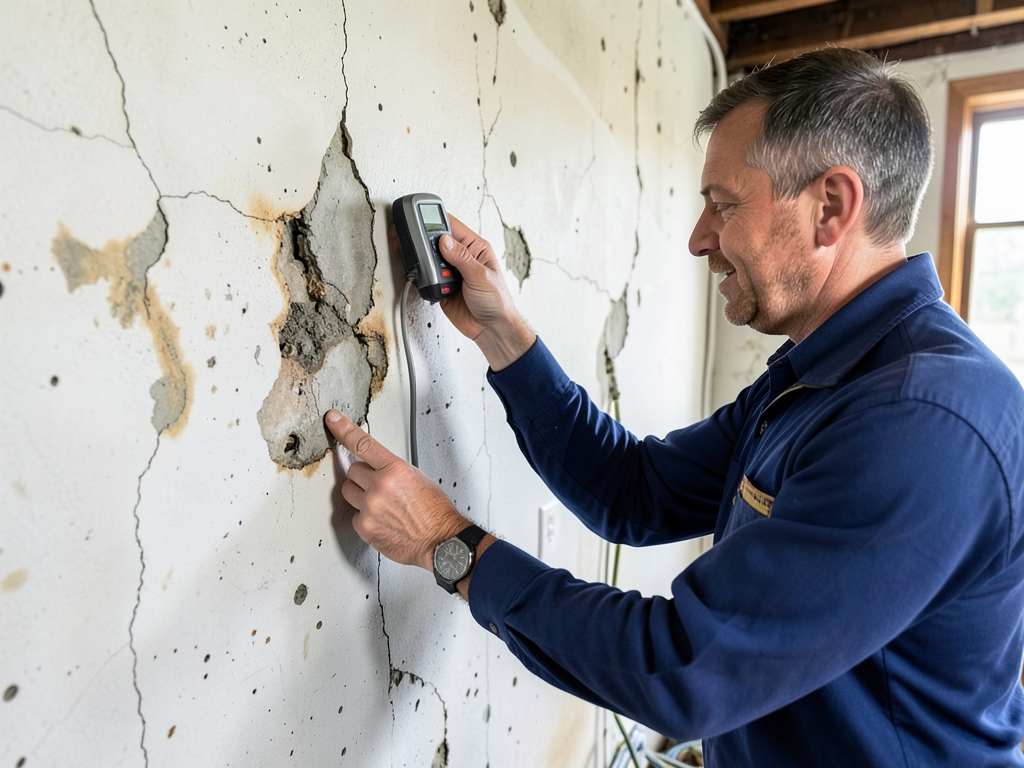
We start with thermal imaging and moisture mapping to identify the water source feeding the mold growth. Black mold does not appear without a moisture problem, and surface treatment without addressing the underlying leak guarantees recurrence. Our technicians use infrared cameras to detect hidden moisture in wall assemblies, under flooring, and above ceiling planes.

Air sampling and surface sampling follow. We collect samples and send them to an independent mycology lab for species identification. This determines whether you are dealing with stachybotrys chartarum or another species. The lab quantifies spore concentration, which guides our containment and removal strategy. Generic cleaning does not work. The remediation protocol depends on the species, concentration, and affected materials.

Containment comes next. We establish negative air pressure chambers using HEPA-filtered air scrubbers to prevent cross-contamination. Porous materials like drywall and insulation that harbor mold get removed and disposed of according to Massachusetts waste regulations. Non-porous surfaces undergo HEPA vacuuming followed by antimicrobial treatment.

We address the moisture source simultaneously. Roof leaks, foundation cracks, failed window flashing, or plumbing leaks get identified and corrected. Installing dehumidifiers, improving ventilation, or upgrading bathroom exhaust systems prevents future growth. Post-remediation testing verifies that spore counts have returned to normal ambient levels. We provide documentation for insurance claims and future property transactions.

This approach differs from surface cleaning or encapsulation methods that leave the colony intact. We remove the contaminated material, eliminate the moisture source, and verify clearance through independent testing.

What Happens During Your Black Mold Inspection and Removal

Black Mold Symptoms in Boston – Expert Diagnosis and Complete Remediation by Certified Specialists
01

Initial Assessment and Testing

Our certified inspector arrives within 24 hours to conduct visual inspection, moisture detection, and air quality sampling. We document all visible growth, test hidden cavities using thermal imaging, and collect samples for lab analysis. You receive a detailed report identifying mold species, concentration levels, and the moisture source feeding the growth. This data determines the remediation scope and provides documentation for insurance claims.
02

Containment and Removal

We establish containment barriers using polyethylene sheeting and negative air pressure to isolate the work area. HEPA-filtered air scrubbers run continuously to capture airborne spores. Contaminated materials get bagged and removed following Massachusetts regulations. Non-porous surfaces undergo HEPA vacuuming and antimicrobial treatment. We repair the underlying moisture problem, whether it involves roof leaks, foundation issues, or plumbing failures, to prevent recurrence.
03

Clearance Testing and Prevention

After remediation, we conduct post-clearance air sampling to verify that spore counts have returned to safe levels. An independent lab analyzes the samples and issues a clearance report. We provide recommendations for humidity control, ventilation improvements, and moisture monitoring to prevent future growth. You receive complete documentation including lab reports, remediation protocols, and before-and-after photos for your records and any insurance or real estate requirements.

Why Boston Residents Trust Atlas Water Damage Restoration Providence for Mold Remediation

Mold remediation requires specific expertise that general contractors lack. Our technicians hold certifications from the Institute of Inspection, Cleaning and Restoration Certification and follow protocols established by the Environmental Protection Agency. We understand Massachusetts regulations governing mold removal and disposal, which protects you from liability and ensures the work meets legal standards.

Boston's housing stock presents unique challenges. Victorian brownstones, triple-deckers, and pre-war apartment buildings were constructed before vapor barriers and modern waterproofing techniques existed. These structures require careful assessment to avoid damaging historic materials while effectively removing contamination. We have worked in every neighborhood from Beacon Hill to Dorchester, addressing mold problems in century-old brick buildings and modern construction alike.

Our relationship with local mycology labs ensures fast turnaround on testing. When you are dealing with health symptoms, waiting two weeks for results is unacceptable. We prioritize your samples and typically receive species identification within 48 hours. This allows us to begin remediation quickly while your family's health is at risk.

We coordinate directly with your insurance carrier to document the claim properly. Mold coverage varies significantly between policies, and improper documentation leads to denied claims. We photograph the damage, provide detailed scope of work estimates, and communicate with adjusters to maximize your coverage. Many restoration companies avoid this process, leaving you to navigate insurance bureaucracy alone.

The difference shows in our clearance rates. We do not consider a job complete until independent testing confirms that spore concentrations have returned to normal ambient levels. This protects your family's health and provides documentation that satisfies real estate disclosure requirements if you sell the property.

What You Can Expect During the Mold Remediation Process

Rapid Response and Scheduling

We dispatch an inspector within 24 hours of your call. Initial assessment typically takes two to three hours depending on property size. Lab results return within 48 hours for standard testing, though rush processing is available for urgent situations. Remediation scheduling depends on the scope, but we typically begin work within 72 hours of receiving test results. Small projects involving a single bathroom or closet take one to two days. Whole-house remediation requiring extensive demolition and reconstruction can take one to two weeks. We provide a detailed timeline after the initial assessment so you can plan accordingly.

Comprehensive Inspection and Diagnosis

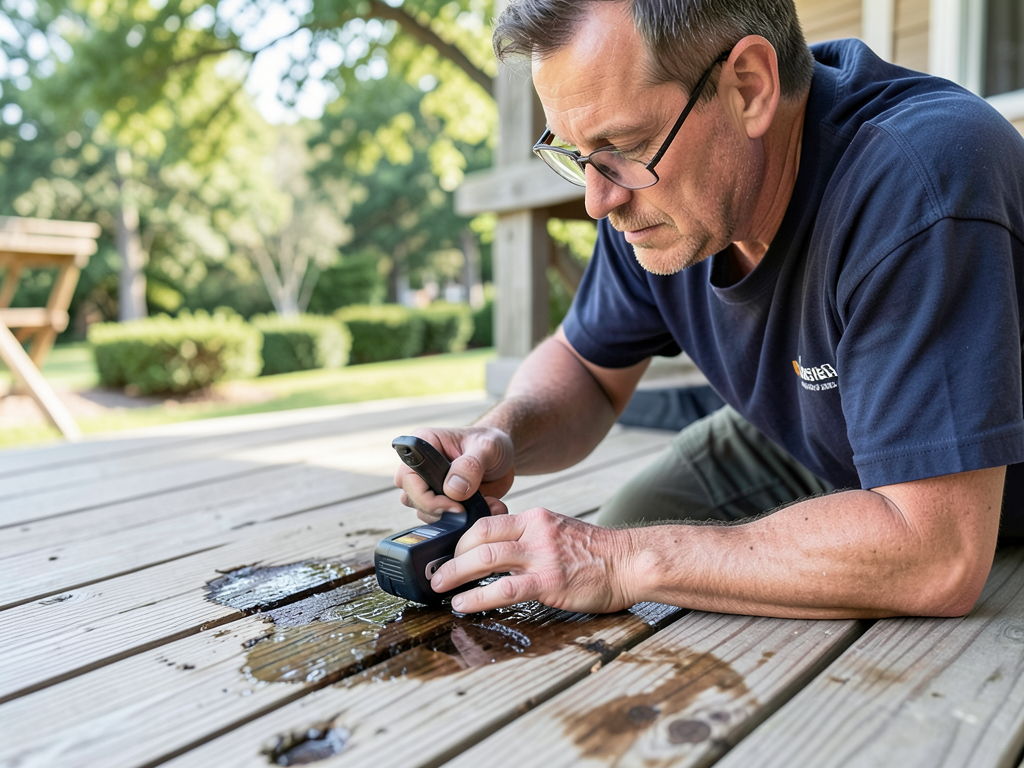
Our inspection goes beyond visible mold. We use moisture meters to measure water content in building materials, thermal imaging to detect hidden leaks, and borescopes to inspect wall cavities without destructive demolition. Air sampling captures airborne spore concentrations throughout your home. Surface sampling identifies specific growth on walls, floors, or HVAC systems. All samples go to an independent lab for species identification and concentration analysis. You receive a written report detailing findings, affected areas, moisture sources, and recommended remediation scope. This documentation supports insurance claims and provides baseline data for post-remediation clearance testing.

Complete Mold Removal and Restoration

We remove all contaminated materials down to clean substrate. Drywall, insulation, carpeting, and other porous materials that cannot be effectively cleaned get removed and properly disposed of. Structural elements like framing and subfloors undergo HEPA vacuuming and antimicrobial treatment. We repair the underlying water problem, whether it involves fixing roof leaks, sealing foundation cracks, or replacing failed plumbing. After remediation, we rebuild affected areas using mold-resistant materials. New drywall, insulation, and finishes restore your space to pre-damage condition. The final result eliminates the health hazard and prevents recurrence through proper moisture control.

Clearance Testing and Prevention Guidance

Post-remediation clearance testing verifies that our work successfully eliminated the mold problem. We conduct air sampling after completion and send samples to the same independent lab that performed initial testing. Results must show spore concentrations at or below normal ambient levels before we consider the project complete. You receive a clearance certificate documenting the successful remediation. We also provide specific recommendations for preventing future growth, including ideal humidity levels, ventilation improvements, and moisture monitoring strategies. These guidelines help you maintain a healthy indoor environment long after we complete the work.

Frequently Asked Questions

You Have Questions,
We Have Answers

What does mold poisoning feel like? +

Mold poisoning feels different for everyone, but most people report persistent fatigue, brain fog, and headaches that do not go away with rest. You might experience sinus congestion, sore throat, or watery eyes. Some people develop skin rashes or chronic coughing. Respiratory symptoms worsen in damp areas of your home. Many Boston residents mistake these symptoms for seasonal allergies or the common cold, which delays proper diagnosis. If symptoms improve when you leave your home and return when you come back, mold exposure is likely the culprit. Track your symptoms and consult a doctor immediately.

How do you know if you have black mold? +

Black mold appears as dark greenish-black patches with a slimy or fuzzy texture. You will often smell a strong, musty odor before you see it. Check areas with water damage, like under sinks, around leaky pipes, basement walls, and attic corners. In Boston homes, black mold thrives in poorly ventilated bathrooms and basements where humidity stays high year-round. Look behind wallpaper, under carpets, and inside HVAC ducts. If you spot discoloration or smell mildew, you need a professional inspection. Do not disturb suspected mold growth, as this releases spores into the air and worsens exposure.

How long does it take to heal from mold toxicity? +

Recovery from mold toxicity varies based on exposure duration and your overall health. Mild cases clear up within weeks after removing the mold source and improving air quality. Chronic exposure can take months to fully heal, requiring medical intervention and complete mold remediation. Your body needs time to eliminate mycotoxins from your system. Boston's damp climate can slow recovery if you remain in a contaminated environment. Work with a doctor who understands mold illness. Address the source immediately through professional remediation. Continued exposure delays healing and worsens symptoms. Complete removal is the only path to full recovery.

Can you live in a house with black mold? +

You should not live in a house with active black mold growth. Short-term exposure causes respiratory issues, headaches, and allergic reactions. Long-term exposure leads to serious health problems, including chronic respiratory disease and immune system damage. Children, elderly residents, and people with asthma face the highest risk. Boston's older housing stock and humid conditions make mold growth common, but that does not make it safe. Vacate affected areas immediately and hire certified professionals for remediation. Do not attempt DIY removal on large infestations. Proper containment and removal protect your health and prevent spore spread throughout your home.

What are the 10 warning signs of mold toxicity? +

The 10 warning signs of mold toxicity include chronic fatigue that rest does not fix, brain fog and memory problems, persistent headaches, sinus congestion without infection, skin rashes or irritation, chronic coughing, shortness of breath, watery or itchy eyes, joint pain without explanation, and digestive issues. Boston residents often mistake these symptoms for seasonal allergies or stress. If multiple symptoms appear together and worsen at home, suspect mold exposure. Symptoms improve when you leave the house and return upon re-entry. Track when symptoms occur. Seek medical evaluation and professional mold inspection immediately if you recognize this pattern.

What kills black mold instantly? +

Nothing kills black mold instantly and safely. Professional remediation involves containment, HEPA filtration, antimicrobial treatments, and complete removal of affected materials. Bleach does not kill mold on porous surfaces and creates toxic fumes when mixed with ammonia. Vinegar and hydrogen peroxide work on small, surface-level growth but fail on deep infestations. Boston homes with water damage need professional assessment because mold penetrates drywall, insulation, and structural wood. DIY treatments spread spores and worsen contamination. Certified remediation companies use EPA-approved biocides, proper containment barriers, and negative air pressure to remove mold without spreading it throughout your home.

How can I test myself for black mold? +

You cannot reliably test yourself for black mold at home. Mold testing requires professional air sampling, surface sampling, or bulk material analysis by certified labs. Your symptoms indicate exposure, but medical tests like mycotoxin blood panels or urine tests show toxin levels in your body. These require a doctor's order and specialized labs. Many Boston-area physicians offer environmental medicine services. Home mold test kits only confirm mold presence, not species or toxicity levels. If you suspect exposure, schedule both a medical evaluation and professional mold inspection. Address the source while treating your symptoms. Self-diagnosis delays proper care.

How quickly does black mold affect you? +

Black mold affects people differently based on exposure level and individual sensitivity. Some people react within hours, developing headaches, coughing, or eye irritation. Others take weeks or months to show symptoms. High concentrations cause immediate respiratory distress, especially in people with asthma or compromised immune systems. Boston's older homes with hidden water damage create prolonged low-level exposure that builds up over time. Children and elderly residents react faster than healthy adults. Even brief exposure releases mycotoxins that accumulate in your body. Symptoms worsen with continued contact. Remove yourself from the environment immediately upon discovery and seek professional remediation.

What is commonly mistaken for black mold? +

Dark mildew, dirt buildup, soot, and certain types of efflorescence are commonly mistaken for black mold. Mildew appears powdery and wipes away easily, while black mold has a slimy texture and deeper penetration. Efflorescence, common in Boston basements with moisture issues, looks like white or gray crystalline deposits on concrete and brick. Soot from candles or fireplaces creates black staining without the musty odor. Dirt accumulation in corners lacks the distinctive smell and texture. Only lab testing confirms true black mold. If you see dark growth with water damage or smell mildew, treat it as mold until proven otherwise.

Can you test for mold in your body? +

Yes, you can test for mold in your body through specialized medical tests. Mycotoxin urine tests measure toxin levels your kidneys are filtering. Blood tests check for mold-specific antibodies and immune system responses. Some doctors use visual contrast sensitivity tests to assess neurological effects from mold exposure. These tests require ordering through physicians familiar with environmental illness. Many Boston-area functional medicine doctors and environmental health specialists offer these services. Standard medical tests often miss mold toxicity. Request specific mycotoxin panels if you suspect exposure. Testing confirms exposure but does not replace removing the mold source from your environment.

How Boston's Coastal Climate and Aging Housing Stock Create Perfect Conditions for Black Mold Growth

Boston experiences average relative humidity above 60 percent year-round, with levels frequently exceeding 80 percent during summer months. Coastal fog, frequent rain, and proximity to the Atlantic Ocean keep moisture levels elevated. The city's older housing stock compounds the problem. Triple-deckers built in the early 1900s lack vapor barriers, have minimal insulation, and often feature inadequate ventilation. Basement foundations constructed from stone or brick absorb groundwater through capillary action. These conditions create chronic moisture problems that feed mold growth in wall cavities, attics, and crawl spaces where air circulation is limited.

Massachusetts does not require mold remediation licensing, which means anyone can claim expertise without training or certification. Atlas Water Damage Restoration Providence employs technicians certified by the Institute of Inspection, Cleaning and Restoration Certification, the industry standard for remediation professionals. We follow EPA guidelines and Massachusetts waste disposal regulations to protect your health and legal interests. Our established relationships with local mycology labs, insurance adjusters, and building inspectors ensure your project proceeds smoothly. Choosing a certified local provider means working with professionals who understand Boston's unique construction methods and regulatory environment.
Water Damage Restoration Services in The Boston Area

You can see our service area and our location on the map below. We are proud to serve the entire Boston area and surrounding communities. We're always ready to dispatch our team to your home or business, no matter where you are. We’re committed to a fast, reliable response and ensuring we’re always there when you need us most.

Address:
First Choice Water Damage Restoration Boston, 44 School St., Boston, MA, 02108

Additional Services We Offer

Our news updates

Latest Articles & News from The Blogs

Professional Water Damage Restoration for Retail Stores in Harvard Square Harvard Square retail stores face unique water damage risks from…

Professional Water Damage Restoration for Retail Stores in Harvard Square

Professional Water Damage Restoration for Retail Stores in Harvard Square Harvard Square retail stores face unique water damage risks from…

How to Dry Out a Damp Crawl Space in Your Belmont Home (And Stop the Smell)

How to Dry Out a Damp Crawl Space in Your Belmont Home (And Stop the Smell) Musty odors creeping up…

Emergency Dishwasher Leak Cleanup for Busy Kitchens in Arlington

Emergency Dishwasher Leak Cleanup for Busy Kitchens in Arlington Did you walk into your kitchen and find water pooling around…

Contact Us

Respiratory symptoms, headaches, and persistent odors demand immediate attention. Call Atlas Water Damage Restoration Providence at (617) 789-8099 for certified mold inspection and lab-verified testing. We respond within 24 hours to assess your property and protect your family's health.