Menu

Frozen Pipe Burst Cleanup in Boston | 24/7 Emergency Response Stops Water Damage in Minutes

Atlas Water Damage Restoration Providence deploys certified technicians to Boston homes within 60 minutes of your call. We stop the flooding, extract standing water, and begin structural drying before catastrophic damage spreads to your walls, floors, and foundation.

Slider Image 1
Slider Image 2
Slider Image 3
Slider Image 4
Slider Image 5
Slider Image 7
Slider Image 8
Slider Image 9
Slider Image 10
Slider Image 11

Why Frozen Pipes Explode in Boston Homes Every Winter

Boston's brutal freeze-thaw cycles create perfect conditions for burst pipe disasters. When temperatures plunge below 20 degrees, water inside uninsulated pipes expands with enough force to split copper and PVC. The pipe does not leak immediately. It ruptures when the ice thaws, releasing hundreds of gallons per hour into your walls, ceilings, and crawlspaces.

Homes in Dorchester, Charlestown, and South Boston face elevated risk because many were built before modern insulation codes. Exterior walls contain pipes that freeze solid during January cold snaps. By the time you notice water staining your ceiling or pooling on hardwood floors, hidden damage has already started. Drywall absorbs moisture like a sponge. Subflooring warps. Mold spores colonize wet framing within 48 hours.

Emergency burst pipe water removal requires immediate action. Every minute counts. Standing water penetrates deeper into porous materials, increasing demolition costs and repair timelines. Burst pipe water damage restoration is not just about mopping up visible water. It requires professional-grade water extraction equipment, thermal imaging to locate hidden saturation, and industrial dehumidifiers to prevent secondary damage.

Frozen pipe flood cleanup demands speed and precision. You cannot wait for business hours. You cannot use a shop vacuum and hope for the best. You need certified technicians who understand how water migrates through Boston's older building stock and what it takes to stop structural degradation before it compounds.

Why Frozen Pipes Explode in Boston Homes Every Winter
How We Execute Frozen Pipe Burst Remediation in Boston Properties

How We Execute Frozen Pipe Burst Remediation in Boston Properties

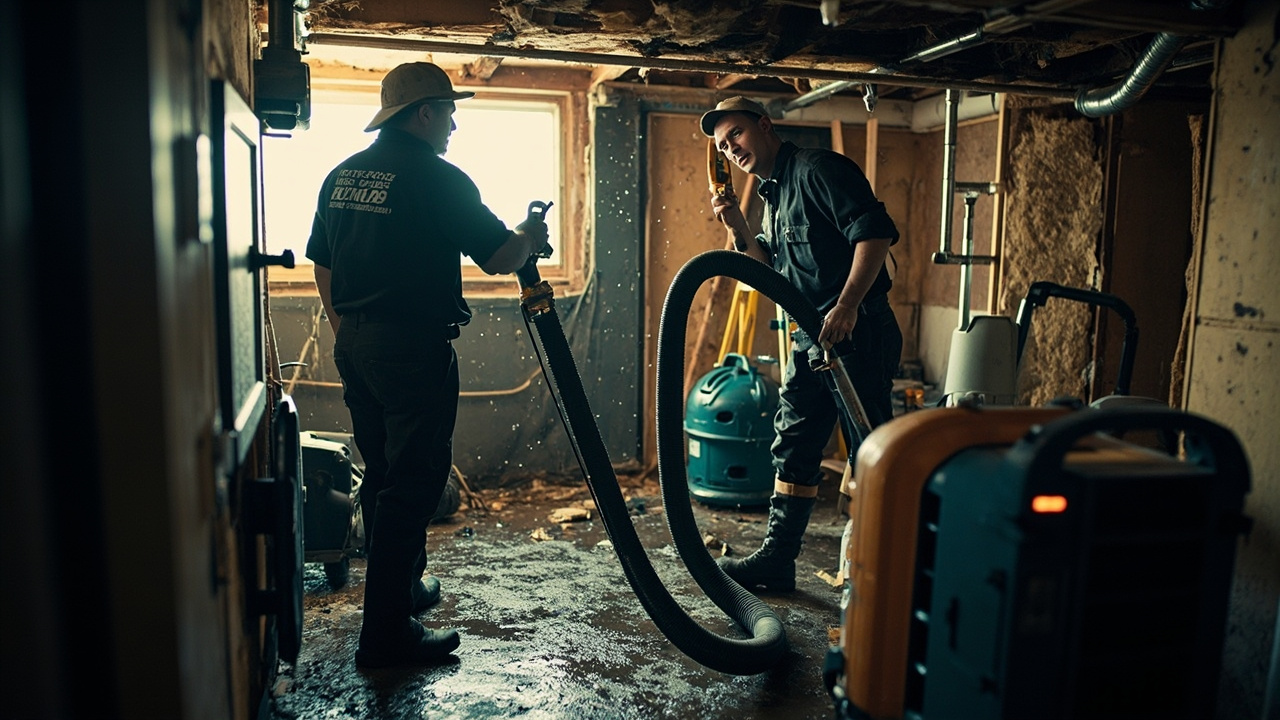
We arrive with truck-mounted extraction units capable of removing 150 gallons per minute. Our first priority is stopping active water flow and preventing additional saturation. We locate the burst section, isolate the damaged line, and stabilize your plumbing system before beginning water extraction for frozen pipes.

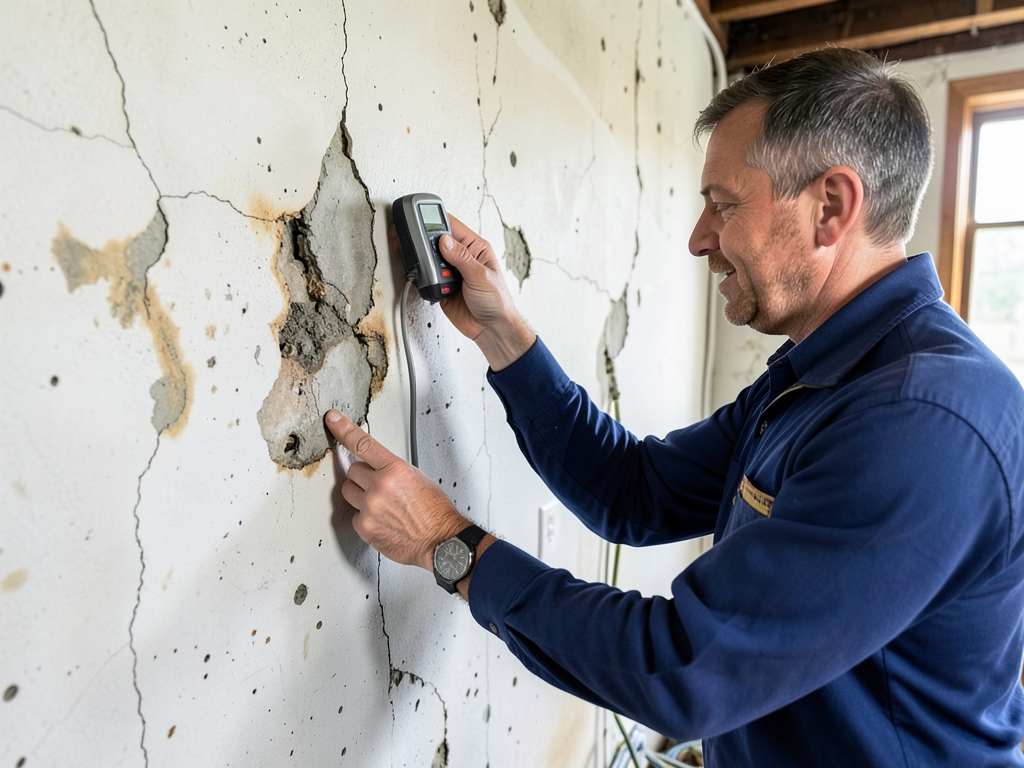
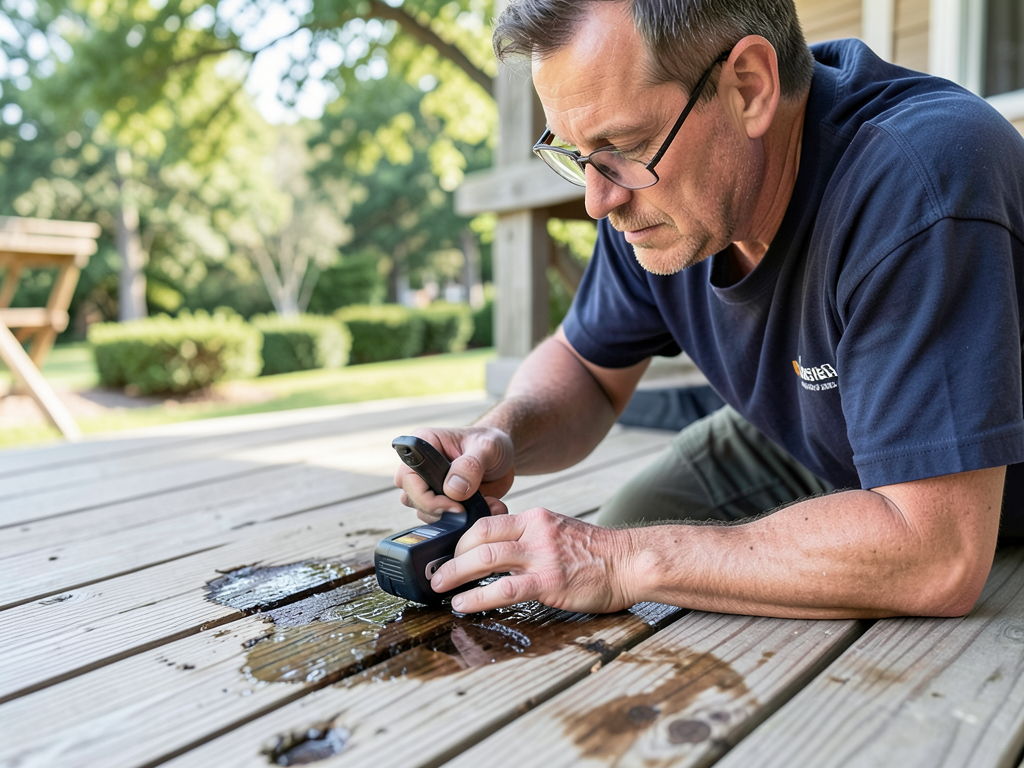
Our technicians use thermal imaging cameras to map moisture intrusion through wall cavities and subfloor assemblies. You cannot see water trapped inside insulation or beneath hardwood. We measure moisture content with pin-type and non-invasive meters, documenting saturation levels in framing, drywall, and flooring materials. This data drives our drying strategy and provides the documentation your insurance adjuster needs.

We deploy axial air movers to create rapid airflow across wet surfaces. These units force moisture out of materials and into the air. Our LGR dehumidifiers then capture that airborne moisture, dropping indoor humidity below 40 percent. This combination prevents mold growth and stops wood rot before it starts.

Boston's older homes require adapted techniques. Plaster walls dry differently than drywall. Hardwood flooring over tongue-and-groove subfloors needs different airflow patterns than laminate over concrete. We adjust our equipment placement and drying protocols based on your building's construction.

We monitor drying progress with daily moisture readings. Most frozen pipe burst remediation projects reach dry standard in three to five days, depending on the severity of saturation and materials affected. We do not pull equipment until psychrometric measurements confirm complete moisture removal. Removing dehumidifiers too early allows residual moisture to trigger mold growth and structural damage weeks after we leave.

What Happens When You Call for Emergency Pipe Burst Service

Frozen Pipe Burst Cleanup in Boston | 24/7 Emergency Response Stops Water Damage in Minutes
01

Immediate Dispatch and Assessment

We dispatch a crew within minutes of your call. Our technicians arrive with extraction pumps, moisture meters, and thermal cameras. We perform an immediate damage assessment, locate the burst pipe, shut off water if still flowing, and document the extent of flooding. You receive a clear explanation of what happened, what needs to happen next, and how we will prevent further damage. We also contact your insurance carrier to initiate your claim.
02

Water Extraction and Controlled Drying

We remove standing water using truck-mounted extractors and portable pumps. After extraction, we place air movers and dehumidifiers in strategic positions to create optimal drying conditions. We remove wet insulation, pull baseboards if necessary, and drill weep holes in walls to vent trapped moisture. Our equipment runs continuously under remote monitoring. We check moisture levels daily and adjust equipment placement to accelerate drying in problem areas.
03

Final Verification and Restoration Prep

We do not consider the job complete until moisture meters confirm your structure has returned to dry standard. We provide a final moisture map showing all affected areas have stabilized. You receive documentation proving your property is safe from mold growth and secondary damage. We coordinate with your insurance adjuster and provide referrals to trusted plumbers and contractors for rebuild work. Your home is safe, dry, and ready for repairs.

Why Boston Property Owners Trust Atlas Water Damage Restoration Providence

Boston's building stock is unique. Three-deckers in Somerville, brownstones in Back Bay, and colonial-era homes in Cambridge each present different challenges during burst pipe water damage restoration. We understand how water behaves in brick foundations, plaster walls, and century-old framing. Our technicians adapt drying strategies based on construction type, not generic formulas.

We respond to frozen pipe emergencies across the greater Boston metro 24 hours a day. Our dispatch system prioritizes active flooding situations. You do not wait in a queue while water destroys your home. We mobilize immediately, and our crews carry enough equipment to handle multi-room flooding without delays.

We work directly with all major insurance carriers. Our estimates follow Xactimate pricing standards, and we provide the documentation adjusters require to process claims quickly. We photograph damage, document moisture readings, and prepare detailed scope reports. This eliminates back-and-forth negotiations and gets your claim approved faster.

Our technicians hold IICRC certifications in water damage restoration and applied structural drying. They understand psychrometrics, material science, and the physics of moisture migration. This is not a crew with shop vacuums and fans. This is trained professionals using calibrated equipment and proven drying science.

We serve residential and commercial properties throughout Boston. Whether you own a single-family home in Roslindale or manage an apartment building in Allston, we have the capacity and equipment to handle your emergency. Our response vehicles carry enough air movers, dehumidifiers, and extraction equipment to start drying immediately without waiting for additional shipments.

What You Can Expect During the Frozen Pipe Cleanup Process

Emergency Response Time and Availability

We maintain 24/7 dispatch for frozen pipe emergencies throughout Boston. When you call, you speak with a live person who immediately assigns a crew to your property. Most clients in Boston proper receive service within 60 minutes. Outer neighborhoods like West Roxbury and Hyde Park typically see response times under 90 minutes. We do not schedule appointments for active flooding. We deploy immediately because every hour of delay increases damage severity and restoration costs. Our crews work nights, weekends, and holidays without premium charges.

Initial Damage Assessment and Moisture Mapping

Our technicians use thermal imaging cameras and moisture meters to locate hidden water damage inside walls, ceilings, and subfloors. You receive a detailed moisture map showing which materials are wet, how deep the saturation extends, and what areas require focused drying. We document everything with photographs and moisture readings. This assessment drives our drying strategy and provides the evidence your insurance carrier needs. We explain what we found, what needs to happen next, and how long the drying process will take based on the materials affected and severity of saturation.

Complete Structural Drying and Verification

We do not remove equipment until your property meets dry standard as defined by IICRC S500 guidelines. Our technicians take daily moisture readings and adjust equipment placement to optimize drying. You receive progress updates showing how moisture levels are dropping in affected materials. Most frozen pipe burst cleanup projects reach completion in three to five days, depending on construction type and saturation severity. We provide final documentation proving your structure is dry, safe from mold growth, and ready for reconstruction. This verification protects you from future problems and satisfies insurance requirements.

Insurance Coordination and Post-Drying Support

We handle direct communication with your insurance adjuster. Our estimates follow industry-standard pricing, and we provide the documentation carriers require to process claims without delays. You receive copies of all moisture logs, photographs, and scope reports. After drying is complete, we provide referrals to licensed plumbers for pipe repairs and contractors for reconstruction work. We remain available to answer questions from your adjuster or contractor about the drying process and affected areas. Our goal is making the entire restoration process as smooth as possible while you focus on getting back to normal.

Frequently Asked Questions

You Have Questions,
We Have Answers

What to do when a pipe freezes and bursts? +

Shut off your main water supply immediately to stop flooding. Turn off electricity if water reaches outlets or appliances. Move furniture and valuables to dry areas. Document all damage with photos for insurance. Call a 24/7 emergency water damage restoration team right away. Boston winters cause rapid freezing in unheated basements and crawl spaces, and burst pipes can dump hundreds of gallons per hour. Do not attempt to thaw frozen sections yourself. Professionals use industrial extractors, dehumidifiers, and moisture meters to prevent hidden water damage in walls and subfloors. Time matters. Mold starts growing within 24 hours.

Should you drip faucets during a freeze? +

Yes. When Boston temperatures drop below 20 degrees, letting faucets drip prevents pressure buildup in your pipes. A slow drip keeps water moving, which reduces freezing risk in vulnerable lines. Focus on faucets along exterior walls, in unheated basements, or near crawl spaces. Both hot and cold taps should drip slightly. This small water waste costs less than emergency pipe repairs and cleanup. Dripping works best combined with pipe insulation and cabinet doors left open to circulate warm air. During extreme cold snaps, this simple step protects older homes in Dorchester, Charlestown, and South Boston where pipes run through uninsulated spaces.

How to clean up after a pipe burst? +

Stop the water source first. Extract standing water with pumps or wet vacuums. Remove soaked materials like carpets, insulation, and drywall within 24 hours to prevent mold. Use fans and dehumidifiers to dry structural elements completely. Boston's high humidity slows drying, making professional equipment necessary. Check hidden areas like wall cavities and subfloors with moisture meters. Disinfect all affected surfaces. Do not skip this step. Sewage or contaminated water requires specialized cleaning. Document everything for insurance claims. Professional restoration teams complete this process in 3-5 days, depending on damage extent. Delays cause secondary damage and mold growth.

How much do plumbers charge to unfreeze pipes? +

Plumbers in Boston typically charge between $200-$500 for unfreezing pipes, depending on location and access difficulty. Emergency after-hours service costs more. If pipes already burst, you need water damage restoration, not just a plumber. Restoration addresses flooding, structural drying, and mold prevention. Costs vary based on water volume, affected square footage, and material damage. Most homeowners insurance covers sudden pipe bursts. Focus on stopping damage fast, not price shopping during an emergency. A delayed response turns a $2,000 cleanup into a $10,000 mold remediation project. Get professionals onsite within hours, then work with your insurance adjuster on coverage.

What not to do if pipes are frozen? +

Do not use open flames or torches to thaw pipes. This causes fires and pipe damage. Do not ignore partially frozen pipes. They will burst under pressure. Do not turn up your thermostat to extreme temperatures. This wastes energy and does not target problem areas. Do not pour boiling water directly on frozen pipes. Rapid temperature changes crack pipes. Do not wait to call professionals if you suspect a freeze. Boston's freeze-thaw cycles worsen small cracks into full ruptures overnight. Do not assume thawed pipes are fine. Hidden cracks leak slowly, causing concealed water damage in walls and ceilings that leads to mold and structural rot.

Does homeowners insurance cover frozen pipes? +

Most homeowners policies cover sudden pipe bursts caused by freezing, but not gradual damage from neglect. If you maintained heat and took reasonable precautions, coverage applies. However, if you left your Boston home unheated during winter or ignored known pipe issues, insurers may deny claims. Policies typically cover water damage restoration, structural repairs, and damaged belongings. Deductibles apply. Document everything immediately. Take photos, save receipts, and get a professional damage assessment fast. Insurance adjusters need proof of prompt mitigation efforts. Waiting days to start cleanup gives insurers grounds to reduce payouts for preventable secondary damage like mold.

At what temperature should you start dripping faucets? +

Start dripping faucets when temperatures drop to 20 degrees or below. Boston experiences this threshold regularly from December through February. Pay attention to wind chill. A 25-degree night with strong winds poses the same risk as 15 degrees calm. Focus on vulnerable pipes along exterior walls, in unheated areas, or running through crawl spaces. Older triple-deckers in neighborhoods like Jamaica Plain and Allston have pipes in uninsulated cavities. A pencil-thin stream is enough. Both hot and cold lines should flow. This simple step costs pennies in water but prevents thousands in damage. Set weather alerts on your phone for freeze warnings.

Is it better to put your outside faucets on a drip or to wrap them and cover them with a foam cover? +

Do both. Disconnect hoses first. Drain exterior faucets completely using indoor shutoff valves if available. Install foam faucet covers as a protective barrier against wind and direct cold. During extreme cold, let outside faucets drip slightly if they remain active. Boston's coastal winds make windchill a major factor. Wrapping alone fails when temperatures drop below 15 degrees for extended periods. Foam covers prevent freeze damage to the faucet itself but do not protect supply lines. For maximum protection, shut off exterior water supplies from inside, drain lines, and add insulated covers. This combination approach handles Boston's unpredictable winter temperature swings.

At what temperature should you run water so pipes don't freeze? +

Run water at a steady drip when temperatures fall to 20 degrees or colder. A stream the width of a pencil lead is sufficient. This keeps water moving through pipes, preventing ice formation. Focus on faucets connected to pipes in exterior walls, unheated basements, or crawl spaces. In Boston's older housing stock, many pipes run through uninsulated voids. Cold air infiltration through balloon framing or rim joists creates freeze zones. During prolonged cold snaps below 10 degrees, consider a slightly faster drip. The small water cost is trivial compared to emergency repairs. Combine dripping with cabinet doors left open to circulate warm air around plumbing.

How to prevent mold after burst pipe? +

Start drying within 24 hours. Extract all standing water immediately. Use commercial dehumidifiers and air movers to dry walls, floors, and hidden cavities completely. Boston's humidity slows natural drying, creating mold-friendly conditions. Remove wet insulation, drywall, and flooring that cannot dry within 48 hours. Check moisture levels with meters, not guesswork. Aim for below 15 percent moisture content in wood and subfloors. Apply antimicrobial treatments to affected surfaces. Do not rely on fans alone. Professional equipment creates airflow patterns that dry structural cavities. Seal and dispose of moldy materials properly. Hidden moisture in wall cavities causes mold months later. Thorough drying now prevents costly remediation.

How Boston's Freeze-Thaw Cycles Make Frozen Pipe Bursts More Destructive

Boston experiences more freeze-thaw cycles per winter than cities farther north because temperatures fluctuate above and below freezing repeatedly. A pipe freezes solid overnight, then partially thaws during the day, then refreezes harder. This cycle creates microfractures in copper and PVC that weaken pipes until they rupture completely. Homes built before 1980 often have exterior walls with no insulation around supply lines. When wind chill drops below zero, these pipes freeze in hours. The burst occurs when indoor heat thaws the ice plug and releases water under full pressure. Emergency burst pipe water removal becomes critical because older Boston homes have wood framing that absorbs water rapidly, making frozen pipe burst remediation more complex than in newer construction.

Atlas Water Damage Restoration Providence understands Boston's building patterns because we have worked in these neighborhoods for years. We know which areas contain older homes with vulnerable plumbing configurations. We understand how brick foundations, plaster walls, and balloon framing affect water extraction for frozen pipes. Our technicians adapt drying techniques based on your property's construction rather than applying generic approaches. We maintain relationships with local plumbers who specialize in replacing burst sections quickly. When you call us for frozen pipe flood cleanup, you work with a team that knows Boston properties and delivers burst pipe water damage restoration that accounts for your building's specific challenges.

Water Damage Restoration Services in The Boston Area

You can see our service area and our location on the map below. We are proud to serve the entire Boston area and surrounding communities. We're always ready to dispatch our team to your home or business, no matter where you are. We’re committed to a fast, reliable response and ensuring we’re always there when you need us most.

Address:
First Choice Water Damage Restoration Boston, 44 School St., Boston, MA, 02108

Additional Services We Offer

Our news updates

Latest Articles & News from The Blogs

Professional Water Damage Restoration for Retail Stores in Harvard Square Harvard Square retail stores face unique water damage risks from…

Professional Water Damage Restoration for Retail Stores in Harvard Square

Professional Water Damage Restoration for Retail Stores in Harvard Square Harvard Square retail stores face unique water damage risks from…

How to Dry Out a Damp Crawl Space in Your Belmont Home (And Stop the Smell)

How to Dry Out a Damp Crawl Space in Your Belmont Home (And Stop the Smell) Musty odors creeping up…

Emergency Dishwasher Leak Cleanup for Busy Kitchens in Arlington

Emergency Dishwasher Leak Cleanup for Busy Kitchens in Arlington Did you walk into your kitchen and find water pooling around…

Contact Us

Water is destroying your property right now. Every minute increases repair costs. Call Atlas Water Damage Restoration Providence at (617) 789-8099 for immediate dispatch. We are standing by 24/7 to stop the flooding and begin emergency drying before catastrophic damage occurs.