Menu

Wet Carpet & Padding in Boston – Expert Diagnosis and Permanent Solutions

From basement floods to broken pipes, we identify the source of your soaked carpeting and underlay, extract hidden moisture from the cushion and subfloor, and prevent mold growth before it starts.

Slider Image 1
Slider Image 2
Slider Image 3
Slider Image 4
Slider Image 5
Slider Image 7
Slider Image 8
Slider Image 9
Slider Image 10
Slider Image 11

Why Wet Carpet and Padding Are Such a Problem in Boston

Boston's freeze-thaw cycles, combined with aging triple-decker apartments and century-old row homes, create a perfect storm for water intrusion. When temperatures swing from below freezing to 40 degrees in a single day, ice dams form on your roof. The melt finds its way through shingles, down walls, and onto your floors. You wake up to saturated carpet and cushion in your living room or bedroom.

In neighborhoods like Charlestown and South Boston, cast-iron sewer lines dating back to the 1920s still run under homes. When these lines crack or back up during heavy rain, wastewater seeps through basement slabs and floods carpeting. The problem is not just the visible water. The real danger hides in the carpet pad and the wooden subfloor beneath. Boston's humid summers mean that once your flooded carpet and underpad get soaked, they stay wet. Moisture trapped under carpeting creates the ideal environment for mold spores to colonize within 24 to 48 hours.

If you smell a musty odor or notice darker patches spreading across your carpet, you already have microbial growth. Water damaged carpet and pad also warp hardwood subfloors, rot floor joists, and damage drywall at the baseboard. You cannot fix this with a shop vacuum and a fan. The water has already penetrated deeper than you can see. You need extraction equipment, moisture mapping, and controlled drying to stop the damage.

Why Wet Carpet and Padding Are Such a Problem in Boston
How We Handle Soaked Carpeting and Underlay the Right Way

How We Handle Soaked Carpeting and Underlay the Right Way

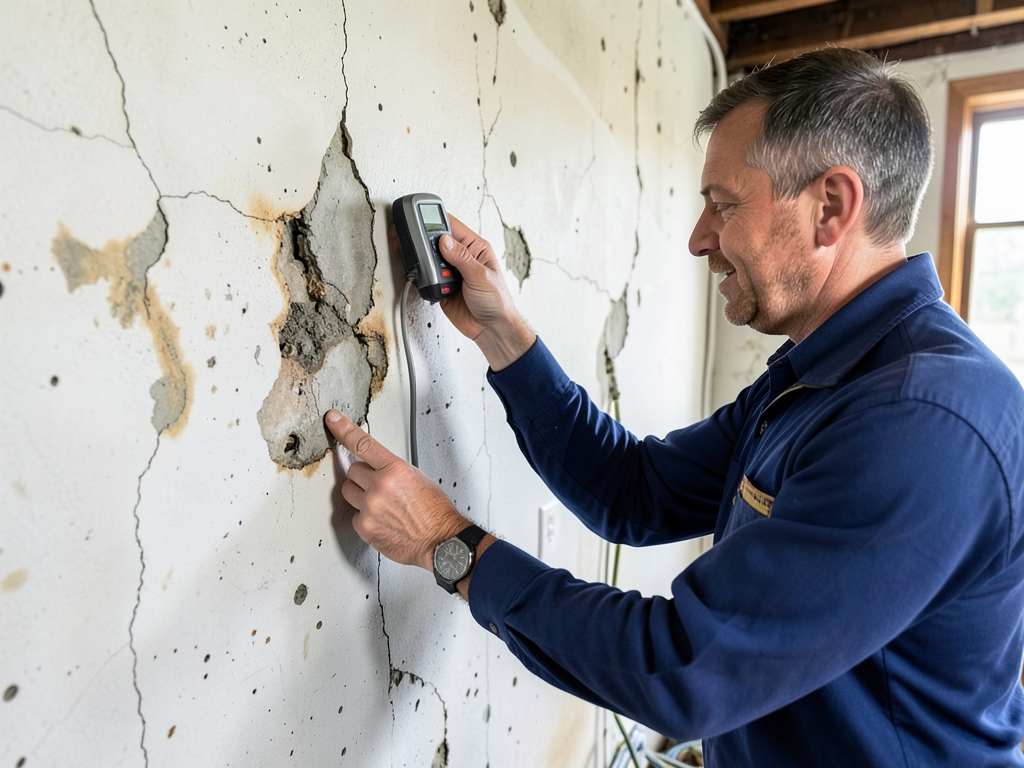
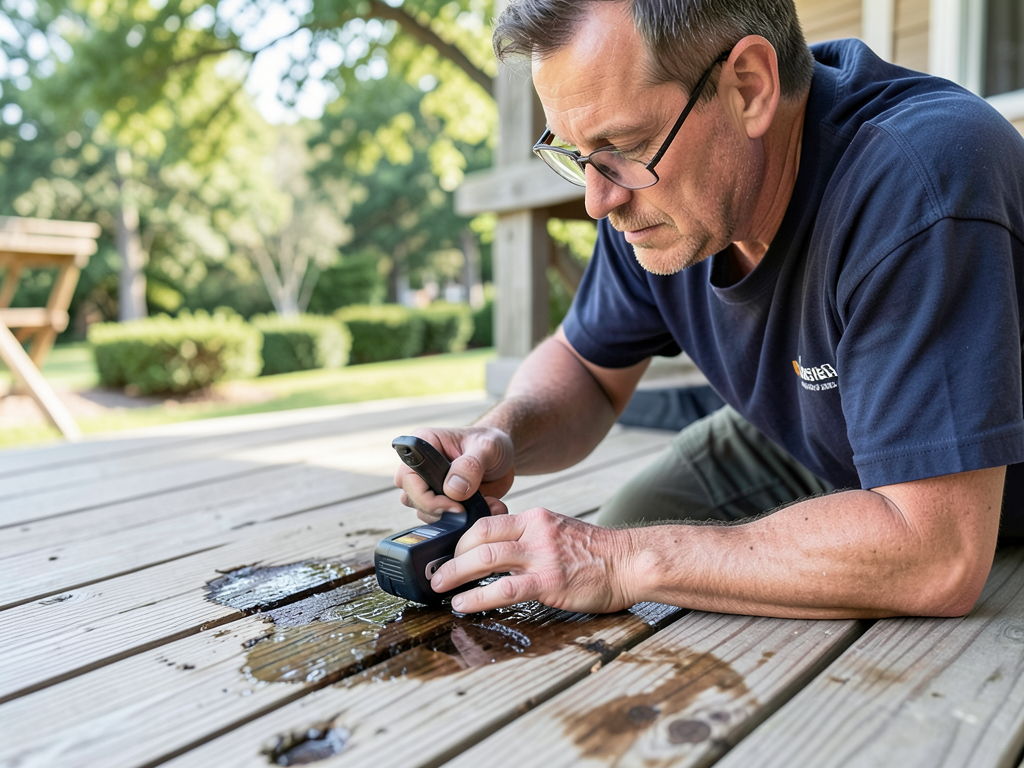
We do not guess. We measure. Our technicians use thermal imaging cameras and penetrating moisture meters to map exactly where water has traveled. Wet carpet underlayment holds far more moisture than the carpet fiber itself. The pad acts like a sponge. Even after you extract surface water, the cushion remains saturated. We pull back carpeting at the seams to inspect the pad and subfloor directly. If the pad is soaked, we remove it. You cannot dry a flooded carpet and underpad in place without damaging the subfloor beneath.

We use truck-mounted extraction units that pull water from deep within the carpet backing and pad. These systems generate far more vacuum power than any portable machine. After extraction, we measure the moisture content of the subfloor using a tramex meter. If the wood reads above 16 percent moisture content, we know it needs active drying. We place commercial air movers to create airflow across the floor surface and use low-grain refrigerant dehumidifiers to pull moisture from the air. This creates a controlled drying environment.

We do not rely on open windows or box fans. Boston's humidity fluctuates too much. On a summer day, outdoor air can carry more moisture than the air inside your home. We monitor drying progress every 24 hours, taking new moisture readings to confirm the subfloor is returning to baseline. Once the wood moisture content drops below 12 percent, we know the structure is dry. Only then do we reinstall carpeting or recommend replacement if the carpet or pad sustained permanent damage.

What Happens When You Call Us About Water Damaged Carpet and Pad

Wet Carpet & Padding in Boston – Expert Diagnosis and Permanent Solutions
01

Emergency Water Extraction

We arrive with truck-mounted extraction equipment designed to remove water from saturated carpet and cushion in a single pass. Our technicians pull the carpet back at seams to inspect the pad and subfloor, then extract standing water and moisture trapped in the underlayment. We measure moisture levels in the wood to determine if the subfloor is compromised.
02

Controlled Structural Drying

We set up commercial air movers and dehumidifiers to create a controlled drying environment, targeting the carpet backing, pad, and subfloor. We do not open windows or rely on ambient air. We monitor humidity levels and wood moisture content every 24 hours using penetrating meters and adjust equipment placement based on real-time data to ensure complete drying.
03

Mold Prevention and Restoration

Once moisture readings return to baseline, we treat affected areas with antimicrobial agents to prevent mold growth. If the carpet or pad is permanently damaged, we provide documentation for your insurance claim and coordinate replacement. If the materials are salvageable, we sanitize, deodorize, and reinstall them. You get a dry, safe floor with no hidden moisture or mold risk.

Why Boston Homeowners Trust Us With Flooded Carpet and Underpad

We understand how Boston homes are built. Triple-deckers in Dorchester and Jamaica Plain have balloon framing, which means water travels vertically between floors through open wall cavities. If your second-floor bathroom overflows, the water does not stop at the ceiling below. It runs down the wall and soaks the first-floor carpet. We know to check for hidden moisture in wall cavities and floor joists, not just the visible carpet.

Our team has worked in homes with knob-and-tube wiring, plaster walls, and original hardwood subfloors from the 1800s. We know how to dry these structures without causing additional damage. We do not rip out materials unless they are unsalvageable. We document everything for insurance claims, including moisture readings, photos, and equipment logs. Most insurance adjusters in the Boston area recognize our reports because we follow IICRC S500 standards for water damage restoration.

We also understand the urgency. If you live in a condo building in Back Bay or the North End, you cannot leave wet carpeting and underlay in place for days. Your downstairs neighbor is at risk. We respond the same day you call. Our trucks carry everything we need to extract water, set up drying equipment, and contain the damage. You do not wait for a second visit or a separate crew. We handle the full scope from extraction to final drying verification. You get one point of contact, one timeline, and one team accountable for the result.

What to Expect When You Hire Us for Soaked Carpeting and Underlay

Immediate Response and Availability

We answer your call 24 hours a day, seven days a week. Most emergency water extraction jobs in Boston begin within two to four hours of your initial call. Our dispatch team confirms your address, asks about the water source, and sends the nearest truck. You do not wait until morning or the next business day. We arrive with extraction equipment, moisture meters, and air movers ready to deploy. The faster we start, the less damage your subfloor sustains.

Thorough Moisture Assessment and Documentation

Our technicians do not eyeball the damage. We use thermal imaging to identify wet areas you cannot see and penetrating moisture meters to measure water content in the carpet pad and subfloor. We map the affected area, take baseline readings, and document everything with photos and notes. This documentation supports your insurance claim and gives you a clear picture of the scope. You know exactly what is wet, how wet it is, and how long drying will take.

Complete Drying and Verification

We do not remove equipment until the subfloor is dry. Our goal is to bring wood moisture content below 12 percent and relative humidity in the affected space below 50 percent. We take new readings every 24 hours and adjust equipment as needed. When drying is complete, we provide a final report with all moisture readings. You get proof that the structure is dry and safe. No guesswork, no lingering moisture, no mold risk.

Insurance Coordination and Claims Support

We work directly with your insurance company to streamline the claims process. Our technicians provide detailed reports, moisture logs, and photographic evidence of the damage. We explain the difference between salvageable and non-salvageable materials, so your adjuster understands the scope. If your carpet or pad needs replacement, we document the damage and provide a scope of work. You do not navigate the claims process alone.

Frequently Asked Questions

You Have Questions,
We Have Answers

Is carpet padding ruined if it gets wet? +

Yes, most carpet padding is ruined once it gets wet. Padding absorbs water like a sponge and holds moisture against the subfloor. This creates the perfect environment for mold growth, odors, and structural damage. Foam and fiber padding deteriorate quickly when saturated. In Boston homes, where humidity already runs high during summer months, wet padding compounds the problem. Even if the surface carpet dries, moisture trapped in padding continues to spread. Replacement is usually necessary. Attempting to salvage wet padding often leads to bigger problems down the road, including floor damage and health hazards.

How to dry out wet carpet padding? +

You cannot effectively dry carpet padding in place. The material is too dense and moisture-retentive. You must pull back the carpet, remove the padding, and dry the subfloor separately. Use commercial air movers and dehumidifiers to dry the exposed flooring. Check for moisture with a meter before installing new padding. In Boston's humid climate, drying can take 48 to 72 hours even with equipment. If padding stayed wet for more than 24 hours, mold spores likely started colonizing. Skip the DIY route. Professional extraction and drying prevent secondary damage to floor joists and subflooring.

How long can carpet be wet before it is ruined? +

Carpet can survive wet conditions for 24 to 48 hours before permanent damage occurs. After that window, mold begins growing, backing adhesives break down, and dyes can bleed. The timeline shrinks in Boston during warm, humid months when mold spores thrive. If water came from a contaminated source like sewage or flooding, the carpet is compromised immediately. Speed matters. Extract standing water within the first few hours. The longer water sits, the deeper it penetrates into padding and subfloor. After 48 hours, replacement often costs less than restoration attempts.

Can mold grow under carpet padding? +

Yes, mold grows easily under carpet padding. Padding traps moisture against the subfloor, creating a dark, damp environment where mold thrives. You will not see it until you pull back the carpet. Mold can colonize padding within 24 to 48 hours of water exposure. Boston's older homes with less ventilation and higher indoor humidity make this worse. Mold under padding releases spores into your indoor air, triggering allergies and respiratory issues. Once mold takes hold in padding, you must remove and replace it. Surface cleaning does not reach embedded growth.

How quickly can mold grow under wet carpet? +

Mold can start growing under wet carpet in as little as 24 hours. In Boston's humid summer conditions, that timeline can shrink to 12 hours. Mold spores are always present in the air. They just need moisture, darkness, and organic material like carpet fibers or padding to colonize. Once water saturates the padding, mold spreads fast. You might not smell it immediately, but spores are already multiplying. By 48 hours, you have active growth. By 72 hours, visible colonies form. This is why immediate water extraction and drying matter.

Will wet carpet dry on its own? +

Wet carpet will not dry properly on its own, and waiting creates serious problems. Surface moisture may evaporate, but water trapped in padding and subfloor stays wet for days or weeks. This leads to mold growth, odors, and structural damage. Boston's humidity slows natural evaporation even more. You need airflow, dehumidification, and extraction equipment to dry carpet and underlying materials correctly. Relying on air drying risks health hazards and expensive repairs. Professional equipment removes moisture fast enough to prevent mold colonization and save flooring materials when possible.

What pulls moisture out of carpet? +

Industrial wet vacuums and extraction equipment pull the most moisture from carpet. These machines use suction to remove water from fibers and padding. After extraction, air movers and dehumidifiers finish the job by evaporating remaining moisture and pulling humidity from the air. Household fans and shop vacs lack the power for effective drying. In Boston, where indoor humidity often exceeds 60 percent, dehumidification is critical. The combination of extraction, airflow, and dehumidification creates conditions where moisture cannot hide. Professionals use moisture meters to confirm complete drying before removing equipment.

What are signs of mold in carpet? +

Signs of mold in carpet include a musty, earthy smell, visible discoloration or black spots, and increased allergy symptoms like sneezing or coughing. The carpet may feel damp or spongy even when the surface looks dry. In Boston homes, check areas near windows, basements, and exterior walls where condensation builds up. Mold often grows on the carpet backing or padding first, so you might smell it before you see it. If you pull back the carpet and find dark spots or a powdery substance on padding or subfloor, you have active mold growth.

How to dry a wet carpet asap? +

To dry wet carpet fast, extract standing water immediately with a wet vacuum or pump. Pull back the carpet and remove soaked padding. Set up air movers to create airflow across the carpet and exposed subfloor. Run a commercial dehumidifier to pull moisture from the air. Open windows only if outdoor humidity is lower than indoor levels. In Boston's humid climate, outdoor air often makes things worse. Use moisture meters to track progress. This process works best within the first 24 hours. After that, mold risk increases and drying becomes harder.

What kills mold in wet carpet? +

Nothing kills mold in wet carpet reliably enough to make it safe. Antimicrobial treatments can slow surface growth, but mold embeds deep into fibers and padding where chemicals cannot reach. The EPA does not recommend trying to clean mold from porous materials like carpet. If mold growth exceeds a small area, replacement is the only safe option. In Boston, where humidity encourages regrowth, treating mold without removing the source just delays the problem. Professional remediation involves removing contaminated materials, treating subfloors with antimicrobials, and confirming complete removal before installing new flooring.

How Boston's Old Housing Stock Makes Wet Carpet and Padding More Dangerous

Most homes in Boston were built before 1940. This means wooden subfloors, plaster walls, and minimal vapor barriers. When water soaks through your carpet and pad, it does not evaporate quickly. The wood absorbs it. Unlike modern plywood subfloors with tongue-and-groove joints, older plank subfloors have gaps between boards. Water seeps through these gaps into the ceiling below or into floor joists. If you live in a triple-decker, this means your wet carpet on the second floor can damage the first-floor ceiling. The freeze-thaw cycle makes it worse. Water that freezes in the subfloor expands, cracking the wood and creating permanent damage.

Boston's building codes require licensed water damage professionals to handle Category 2 and Category 3 water intrusion, which includes sewage backups and floodwater. If your basement flooded due to a sewer backup, you cannot legally dry the carpet yourself and claim it is safe. You need professional extraction, antimicrobial treatment, and documentation. Insurance companies in Massachusetts require IICRC-certified documentation for claims involving structural drying. We provide that documentation. Our team knows how to work with Boston's housing stock without causing additional damage to plaster, lath, or original hardwood.
Water Damage Restoration Services in The Boston Area

You can see our service area and our location on the map below. We are proud to serve the entire Boston area and surrounding communities. We're always ready to dispatch our team to your home or business, no matter where you are. We’re committed to a fast, reliable response and ensuring we’re always there when you need us most.

Address:
First Choice Water Damage Restoration Boston, 44 School St., Boston, MA, 02108

Additional Services We Offer

Our news updates

Latest Articles & News from The Blogs

Professional Water Damage Restoration for Retail Stores in Harvard Square Harvard Square retail stores face unique water damage risks from…

Professional Water Damage Restoration for Retail Stores in Harvard Square

Professional Water Damage Restoration for Retail Stores in Harvard Square Harvard Square retail stores face unique water damage risks from…

How to Dry Out a Damp Crawl Space in Your Belmont Home (And Stop the Smell)

How to Dry Out a Damp Crawl Space in Your Belmont Home (And Stop the Smell) Musty odors creeping up…

Emergency Dishwasher Leak Cleanup for Busy Kitchens in Arlington

Emergency Dishwasher Leak Cleanup for Busy Kitchens in Arlington Did you walk into your kitchen and find water pooling around…

Contact Us

Every hour you wait, moisture spreads deeper into your subfloor and walls. Call Atlas Water Damage Restoration Providence at (617) 789-8099 right now. We will send a truck to your location in Boston today and start extraction immediately.