



Everett sits at the confluence of the Mystic River and Island End River, surrounded by water on three sides. This coastal location creates persistent moisture challenges for the city's aging housing stock. Many homes in neighborhoods like Glendale and Woodlawn were built before modern waterproofing standards, with foundations vulnerable to groundwater intrusion during spring thaws and heavy rainfall.
The city's flat topography compounds drainage problems. When storms overwhelm aging combined sewer systems, basement flooding hits streets near Everett Square and Ferry Street hard. Winter freeze-thaw cycles crack pipes in older triple-deckers throughout the city, and Everett's dense urban development means water damage in one unit quickly affects neighbors.
Massachusetts building codes require rapid moisture mitigation to prevent mold growth, which can start within 24 to 48 hours in our humid climate. The state's strict mold remediation standards mean property owners can't afford delays. Insurance companies demand professional documentation and EPA-approved drying protocols. Without immediate action, minor leaks become major claims, and recoverable situations become total losses.
We answer emergency calls in Everett within 60 minutes because we know water doesn't stop spreading while you wait for help. Our crews train specifically on the water damage patterns common to Everett's housing types, from the brick multi-families in the Broadway corridor to the wood-frame homes near Glendale Park. We've extracted water from hundreds of Everett basements and dried out commercial spaces from Everett Square to Wellington Circle.
Every technician on our team holds IICRC certification in water damage restoration and applied structural drying. We don't send generalists to complex jobs. Our moisture detection equipment maps water migration through walls and floors that look dry to the naked eye. We document everything with thermal imaging and moisture meters because insurance adjusters demand proof, and we know how to speak their language.
We maintain relationships with Everett's major insurance carriers and work as your advocate during claims. You won't chase paperwork or fight for coverage alone. We photograph damage, log equipment placement, and track drying progress in formats insurers accept. When questions arise about coverage or scope, we provide the technical documentation that moves claims forward.
Our guarantee is simple: we dry structures to industry standards or keep working at no additional cost. We don't leave jobs half-finished or hand you a moisture problem disguised as a completed project. You get the same crew from start to finish, and you get our direct phone line for questions after hours.

When water damage strikes your Everett property, our crews dispatch immediately. We arrive within 60 minutes with truck-mounted extraction equipment and industrial dehumidifiers. Fast response prevents secondary damage and reduces total restoration costs. You get a technician on-site while water is still spreading, not hours later when damage has compounded.

We handle documentation and communication with your insurance carrier from first call to final invoice. Our crews photograph damage, create moisture maps, and log daily drying progress in formats adjusters require. We've worked with every major insurer covering Everett properties and know exactly what documentation prevents claim delays or denials.
Every crew member holds current certification from the Institute of Inspection, Cleaning and Restoration Certification. We follow IICRC S500 standards for water damage restoration and S520 protocols for mold prevention. You get technicians who understand moisture science, structural drying principles, and antimicrobial treatment, not just operators running equipment.
We've worked in Everett's triple-deckers, brick apartment buildings, and commercial spaces for years. Our crews understand how water moves through balloon-frame construction, how to access crawlspaces in older homes, and where moisture hides in multi-unit buildings. Local knowledge means faster diagnosis and more effective drying strategies.
Water damage restoration requires more than removing standing water. Effective remediation means extracting moisture from every affected material, preventing mold growth, and restoring structures to pre-loss condition. We provide complete water removal services from emergency extraction through final repairs.
Our service range covers every water damage scenario Everett property owners face. Burst pipes flood finished basements. Sewer backups contaminate ground floors. Roof leaks saturate insulation and drywall. Appliance failures damage kitchens and laundry rooms. Each situation demands different equipment, techniques, and safety protocols.
We separate our services into emergency response, structural drying, and restoration phases. Emergency water damage cleanup stops active damage and stabilizes the property. Structural drying removes moisture from building materials using commercial dehumidifiers and air movers. Water damage repair rebuilds affected areas to original condition. Most jobs require all three phases, but we customize our approach based on damage extent and your priorities.
When water floods your property, our crews deploy truck-mounted extractors and submersible pumps to remove standing water fast. We pull soaked carpets, pad furniture, and remove damaged materials that can't be saved. Emergency board-up services protect exposed areas from weather. Water damage mitigation includes identifying the source, stopping active leaks, and documenting damage for insurance. Speed determines how much we can save, so we work around the clock until your property is stabilized.
Removing visible water is just the first step. Moisture trapped in walls, subfloors, and framing causes mold and rot if not properly dried. We position commercial-grade dehumidifiers and air movers based on moisture meter readings and thermal imaging. Daily monitoring tracks drying progress until materials return to normal moisture levels. Our water damage remediation follows IICRC protocols that insurance companies require. We don't pull equipment until structures meet industry standards for dryness.
After structures dry completely, we rebuild damaged areas to match existing construction. Water damage repair includes replacing drywall, installing new flooring, repainting walls, and reconstructing anything water destroyed. We handle plumbing repairs, electrical work, and carpentry in-house. One team manages your entire project from emergency call to final walkthrough. You don't coordinate multiple contractors or manage separate bids. We restore your property to pre-loss condition under one contract.
Everett's location creates specific water intrusion patterns. The city's proximity to the Mystic River means high water tables that push groundwater into basements during heavy rain. Spring snowmelt overwhelms drainage systems in low-lying areas near the waterfront. Aging infrastructure contributes to problems as cast iron drain pipes crack and galvanized supply lines corrode in homes built before 1960.
Dense urban development means water damage rarely affects just one unit. In Everett's multi-family buildings, a leak on the third floor damages apartments below. Shared plumbing stacks mean one clog can back up sewage into multiple units. Property owners face unique challenges coordinating restoration across tenants and dealing with water that crosses property lines. These situations require experience with Massachusetts tenant law and multi-unit restoration logistics.
Everett's high water table forces groundwater through foundation cracks and floor drains during storms. Older homes lack proper exterior waterproofing, and failed sump pumps allow water to rise. We extract standing water, dry structural elements, and identify entry points. Proper basement drying prevents mold in spaces that stay damp long after visible water disappears.
Massachusetts winters freeze pipes in unheated areas like crawlspaces and exterior walls. When pipes burst, water floods homes before residents notice the leak. Burst pipe damage affects multiple floors as water travels through wall cavities and ceiling joists. We contain water spread, remove soaked insulation, and dry framing before mold starts growing in hidden spaces.
Combined sewer overflows push sewage into Everett homes during heavy rain when the city's system exceeds capacity. Tree roots infiltrate old clay sewer lines, causing backups through floor drains and toilets. Sewage contamination requires specialized cleaning with EPA-registered disinfectants. We remove contaminated materials, sanitize affected areas, and follow Massachusetts Department of Public Health protocols for Category 3 water damage.
Water travels between units in Everett's triple-deckers and apartment buildings. A single leak affects multiple tenants, creating complex restoration scenarios and insurance claims. We coordinate access across units, document damage for each affected party, and manage drying equipment that serves multiple spaces. Property managers need one contractor who understands shared building systems and tenant coordination.
Water damage creates chaos, but our process is designed to bring order fast. From your first call to final invoice, you work with professionals who understand the stress of property damage and the complexity of insurance claims. We explain what's happening, what comes next, and what costs to expect before work starts.
You get direct communication throughout the project. The crew chief managing your job gives you a cell number for questions or concerns. We don't hide behind office staff or make you wait for callbacks. When you need answers about drying progress, insurance documentation, or timeline, you talk to the person doing the work.
Our goal is simple: remove uncertainty and restore your property as fast as possible without cutting corners. You shouldn't need to become an expert in moisture science or fight with insurance adjusters while dealing with displaced tenants or damaged belongings. We handle technical and administrative complexity so you can focus on getting back to normal.
Your emergency call puts a crew in motion within 60 minutes. We arrive with extraction equipment, moisture detection tools, and documentation cameras. The crew chief inspects all affected areas, identifies the water source, and creates a scope of damage. You receive a detailed explanation of what happened, what's at risk, and what needs to happen next. We photograph everything for your insurance claim and begin water removal immediately while damage is still spreading.
Drying takes days, not hours. Our technicians visit daily to check moisture levels, adjust equipment, and document progress. You get updates on drying status and timeline adjustments if we find hidden moisture. We explain what moisture meter readings mean and why certain materials take longer to dry. Equipment stays in place until structures meet IICRC standards, not until they look dry. You never wonder what's happening or when crews will return.
We don't call a job complete until moisture readings confirm dry conditions throughout affected areas. The final walkthrough includes showing you meter readings and thermal images that prove structures are safe from mold. You receive complete documentation for insurance, including daily logs, equipment placement photos, and before-after moisture data. If issues arise after we leave, we return at no charge. Our work meets Massachusetts standards for water damage restoration and mold prevention.
Every water damage job follows the same basic sequence: stop the damage, dry the structure, and rebuild what can't be saved. We've refined this process through hundreds of Everett projects.
Our crew arrives with truck-mounted extractors and portable pumps to remove standing water immediately. We identify the water source and stop active leaks or flooding. Soaked materials that can't be saved get removed to prevent contamination spread. We document initial damage with photos and moisture readings. Equipment placement begins while water is still present. This phase typically takes 4 to 8 hours depending on water volume and affected area size.
Commercial dehumidifiers and air movers run continuously to pull moisture from building materials. We monitor progress daily with moisture meters and thermal imaging cameras. Drying time varies based on materials affected, but most jobs take 3 to 5 days. We adjust equipment based on readings, not assumptions. Hidden moisture in wall cavities and subfloors gets addressed through targeted air flow and strategic dehumidifier placement. This phase ends when all materials return to normal moisture content.
Once structures are completely dry, we rebuild damaged areas to match existing construction. Drywall goes up, flooring gets installed, and painting restores original appearance. We handle all trades in-house from plumbing repairs to electrical work. You don't manage multiple contractors or separate bids. Timeline depends on damage extent, but most reconstruction takes 1 to 2 weeks. The final walkthrough includes showing you completed work and handing over all documentation for your insurance claim.
Professional water damage restoration in Massachusetts follows strict protocols established by the Institute of Inspection, Cleaning and Restoration Certification. The IICRC S500 Standard guides water damage restoration, while S520 covers mold remediation. These aren't optional guidelines. Insurance companies require IICRC compliance, and Massachusetts courts reference these standards in disputes over proper restoration practices.
Water is classified into three categories based on contamination level. Category 1 is clean water from supply lines or rain. Category 2 is gray water from appliances or toilet overflow without feces. Category 3 is black water containing sewage or serious contaminants. Each category requires different handling, disposal, and disinfection protocols. Massachusetts regulations mandate specific antimicrobial treatments for Category 3 water through the Department of Public Health.
Drying follows psychrometric principles. We measure air temperature, relative humidity, and material moisture content to calculate vapor pressure and drying potential. Dehumidifiers remove moisture from air, while air movers increase evaporation rates from wet materials. The goal is creating proper drying conditions, not just running equipment. Materials have different drying classifications. Hardwood floors dry differently than drywall. Concrete holds moisture longer than framing lumber.
Massachusetts building codes require mold prevention measures during restoration. The state's Mold Remediation Standard (Appendix R to 527 CMR 1.00) mandates containment barriers, HEPA filtration, and specific cleaning protocols when mold is present. Even without visible mold, any water damage lasting over 48 hours creates mold risk that requires preventive antimicrobial treatment. Restoration contractors must document compliance with these standards.
Insurance claims depend on proper documentation. Adjusters need proof that damage existed, restoration was necessary, and work followed industry standards. We photograph initial damage, log daily moisture readings, track equipment runtime, and document final dry conditions. This paper trail supports your claim and prevents disputes over coverage. Without documentation, insurance companies can deny claims or reduce payouts based on incomplete evidence.
Category 1 clean water becomes Category 2 gray water after 48 hours on porous materials. Category 3 black water requires complete removal of affected porous materials and intensive disinfection of structural elements. Proper classification determines restoration approach, disposal requirements, and costs. Misclassifying sewage backup as clean water creates health risks and violates Massachusetts health codes.
Thermal imaging cameras reveal moisture patterns invisible to the naked eye. Water travels through wall cavities, under flooring, and along framing members. Infrared technology shows temperature differences that indicate wet materials. Penetrating moisture meters measure moisture content deep in wood and drywall, not just surface dampness. This technology finds hidden water that causes problems months after visible damage is repaired.
State law requires specific protocols when water damage creates mold risk. Containment barriers prevent spore spread during demolition. HEPA air scrubbers capture airborne contamination. Antimicrobial treatments kill mold on structural elements that can't be removed. Documentation must prove compliance with Massachusetts Department of Public Health standards. These requirements protect occupant health and support insurance claims.
Professional explanation of water damage restoration process in Everett, Massachusetts. Covers emergency water removal, structural drying techniques, IICRC standards, insurance documentation requirements, and mold prevention protocols. Details unique water intrusion challenges in Everett properties including groundwater flooding, frozen pipe bursts, and multi-unit building damage. Explains moisture detection technology, water contamination categories, and Massachusetts restoration regulations for property owners.
First Choice Water Damage Restoration Boston maintains rapid response capabilities throughout Everett's diverse neighborhoods. We serve the historic homes in Glendale, where turn-of-the-century construction presents unique challenges with balloon framing and plaster walls that hide water damage. Our crews know these houses well, from the triple-deckers on Broadway to the single-families near Glendale Park.
The dense multi-family buildings around Everett Square and Ferry Street require specialized experience with shared plumbing systems and coordinated tenant access. We've dried apartments, managed multi-unit water damage, and worked with property managers who need minimal disruption and fast turnaround. Water travels quickly through these older buildings, so our 60-minute response time prevents damage from spreading across units.
Residents near the Mystic River waterfront in areas like Island End face persistent groundwater intrusion and flood risk. We understand the drainage challenges in low-lying Everett neighborhoods and deploy appropriate extraction equipment based on water volume and basement configuration. The Woodlawn section's housing stock includes many properties with finished basements vulnerable to sewer backup when the city's combined system overflows during heavy rain.
Commercial properties from Wellington Circle to the Route 99 corridor rely on our ability to work around business operations. We've handled water damage in retail spaces, office buildings, and industrial facilities where downtime costs money. Night and weekend work keeps businesses running while we extract water and dry structures.
Our service area extends beyond Everett proper to neighboring communities including Malden, Medford, Chelsea, and Revere. Proximity matters during water emergencies. We stage equipment throughout Greater Boston to ensure fast response regardless of time or day. When water damage happens to your Everett property, you get a local crew that knows the area and arrives before damage compounds.
Water damage restoration in Everett addresses flooding, leaks, and moisture problems in your home or business. The process includes water extraction, drying, dehumidification, and repairs to prevent mold growth and structural damage. Everett's climate brings heavy rain and high humidity, making prompt response essential. Professional restoration teams use industrial equipment to remove water and moisture from walls, floors, and hidden spaces. Acting within 24-48 hours significantly reduces repair needs and health risks. Your homeowner's insurance often covers water damage from sudden incidents like burst pipes or storm flooding.
The restoration process starts with an inspection to assess damage severity and water category. Technicians extract standing water using pumps and vacuums. Next, they place air movers and dehumidifiers to dry affected areas completely. Moisture meters track progress to ensure thorough drying. The team removes damaged materials like soaked drywall or flooring if needed. They treat surfaces with antimicrobial solutions to prevent mold. Final steps include repairs and reconstruction. The entire process takes 3-7 days depending on damage extent. Professional teams document everything for your insurance claim.
Water damage falls into three categories. Category 1 is clean water from supply lines or rain. Category 2 is gray water from appliances or washing machines, containing some contaminants. Category 3 is black water from sewage or flooding, posing serious health risks. Each category requires different handling protocols and safety measures. Clean water becomes contaminated after 48 hours of sitting. Black water demands protective equipment and specialized cleaning. Understanding these categories helps you communicate with restoration professionals and insurance adjusters about your specific situation.
Water damage restoration in Everett addresses flooding, leaks, and moisture problems in your home or business. The process includes water extraction, drying, dehumidification, and repairs to prevent mold growth and structural damage. Everett's climate brings heavy rain and high humidity, making prompt response essential. Professional restoration teams use industrial equipment to remove water and moisture from walls, floors, and hidden spaces. Acting within 24-48 hours significantly reduces repair needs and health risks. Your homeowner's insurance often covers water damage from sudden incidents like burst pipes or storm flooding.
The restoration process starts with an inspection to assess damage severity and water category. Technicians extract standing water using pumps and vacuums. Next, they place air movers and dehumidifiers to dry affected areas completely. Moisture meters track progress to ensure thorough drying. The team removes damaged materials like soaked drywall or flooring if needed. They treat surfaces with antimicrobial solutions to prevent mold. Final steps include repairs and reconstruction. The entire process takes 3-7 days depending on damage extent. Professional teams document everything for your insurance claim.
Water damage falls into three categories. Category 1 is clean water from supply lines or rain. Category 2 is gray water from appliances or washing machines, containing some contaminants. Category 3 is black water from sewage or flooding, posing serious health risks. Each category requires different handling protocols and safety measures. Clean water becomes contaminated after 48 hours of sitting. Black water demands protective equipment and specialized cleaning. Understanding these categories helps you communicate with restoration professionals and insurance adjusters about your specific situation.
Act immediately when you discover water damage. Turn off the water source if possible. Contact a restoration company right away. Move furniture and belongings to dry areas. Remove standing water with towels or a wet vacuum if safe. Open windows for ventilation if weather permits. Take photos and videos for insurance documentation. Avoid entering rooms with deep water or electrical hazards. Remove area rugs to prevent dye transfer. Place aluminum foil under furniture legs to protect floors. Quick action prevents secondary damage and reduces restoration time and expenses.
Mold begins growing within 24-48 hours in damp conditions. Everett's humidity accelerates this timeline. Visible mold appears as black, green, or white patches on surfaces. You might notice musty odors before seeing growth. Mold spreads through microscopic spores and affects indoor air quality. Exposure causes respiratory issues, allergic reactions, and asthma symptoms. Professional restoration includes mold prevention through rapid drying and antimicrobial treatments. If mold already exists, specialists perform containment and remediation. Never ignore water damage, as hidden moisture creates ideal conditions for widespread mold growth behind walls.
Professionals bring specialized equipment your household tools cannot match. Industrial dehumidifiers remove moisture 10 times faster than consumer units. Thermal imaging cameras detect hidden water in walls and ceilings. Moisture meters measure exact humidity levels in materials. Air movers create optimal drying conditions. Technicians understand building materials and proper drying techniques for each surface. They prevent secondary damage like warping or mold. Certified restorers follow industry standards and safety protocols. They handle contaminated water safely. Professional documentation supports your insurance claim. Attempting DIY restoration often leads to incomplete drying and future problems.
Your insurance policy typically covers sudden and accidental water damage. This includes burst pipes, appliance malfunctions, storm damage, and roof leaks. Most policies exclude gradual damage from neglected maintenance or flooding from external sources. Flood insurance requires a separate policy through the National Flood Insurance Program. Document everything with photos and videos immediately. Contact your insurance company within 24 hours. Keep receipts for emergency repairs and temporary housing. Professional restoration companies work directly with insurance adjusters and understand claim requirements. Review your policy to know your coverage limits and deductibles.
Look for water stains on ceilings and walls. Check for warped or buckling floors. Feel for soft spots in drywall or baseboards. Notice any musty smells in closets or basements. Watch for peeling paint or wallpaper. Examine areas around plumbing fixtures and appliances. Look for rust on pipes or fittings. Check your water bill for unexplained increases. Inspect your attic after heavy rain. Feel carpets for dampness. Early detection prevents extensive damage. Address small leaks immediately before they become major problems. Regular home inspections help catch hidden issues.
Response time directly affects damage severity. Water spreads quickly through porous materials. Within minutes, water saturates carpets and furniture. After 24 hours, drywall begins deteriorating and mold starts forming. Within a week, structural damage occurs and restoration costs increase significantly. Everett restoration companies offer 24/7 emergency services. Call immediately when you discover water damage. Teams arrive within hours to begin extraction and drying. Fast response saves your belongings, reduces repair needs, and protects your health. Delays turn minor incidents into major renovations. Time is your most valuable asset in water emergencies.
Choose a restoration company with proper certifications from the Institute of Inspection, Cleaning and Restoration Certification. Ask about their emergency response time. Verify they have experience with your specific type of water damage. Check online reviews and local references. Ensure they provide detailed estimates and work with insurance companies. Ask about their equipment and drying methods. Confirm they offer complete services from extraction through reconstruction. Local Everett companies understand regional issues like heavy rainfall and humidity patterns. Avoid companies demanding full payment upfront. Established professionals offer transparent communication throughout the restoration process.
Act immediately when you discover water damage. Turn off the water source if possible. Contact a restoration company right away. Move furniture and belongings to dry areas. Remove standing water with towels or a wet vacuum if safe. Open windows for ventilation if weather permits. Take photos and videos for insurance documentation. Avoid entering rooms with deep water or electrical hazards. Remove area rugs to prevent dye transfer. Place aluminum foil under furniture legs to protect floors. Quick action prevents secondary damage and reduces restoration time and expenses.
Mold begins growing within 24-48 hours in damp conditions. Everett's humidity accelerates this timeline. Visible mold appears as black, green, or white patches on surfaces. You might notice musty odors before seeing growth. Mold spreads through microscopic spores and affects indoor air quality. Exposure causes respiratory issues, allergic reactions, and asthma symptoms. Professional restoration includes mold prevention through rapid drying and antimicrobial treatments. If mold already exists, specialists perform containment and remediation. Never ignore water damage, as hidden moisture creates ideal conditions for widespread mold growth behind walls.
Professionals bring specialized equipment your household tools cannot match. Industrial dehumidifiers remove moisture 10 times faster than consumer units. Thermal imaging cameras detect hidden water in walls and ceilings. Moisture meters measure exact humidity levels in materials. Air movers create optimal drying conditions. Technicians understand building materials and proper drying techniques for each surface. They prevent secondary damage like warping or mold. Certified restorers follow industry standards and safety protocols. They handle contaminated water safely. Professional documentation supports your insurance claim. Attempting DIY restoration often leads to incomplete drying and future problems.
Your insurance policy typically covers sudden and accidental water damage. This includes burst pipes, appliance malfunctions, storm damage, and roof leaks. Most policies exclude gradual damage from neglected maintenance or flooding from external sources. Flood insurance requires a separate policy through the National Flood Insurance Program. Document everything with photos and videos immediately. Contact your insurance company within 24 hours. Keep receipts for emergency repairs and temporary housing. Professional restoration companies work directly with insurance adjusters and understand claim requirements. Review your policy to know your coverage limits and deductibles.
Look for water stains on ceilings and walls. Check for warped or buckling floors. Feel for soft spots in drywall or baseboards. Notice any musty smells in closets or basements. Watch for peeling paint or wallpaper. Examine areas around plumbing fixtures and appliances. Look for rust on pipes or fittings. Check your water bill for unexplained increases. Inspect your attic after heavy rain. Feel carpets for dampness. Early detection prevents extensive damage. Address small leaks immediately before they become major problems. Regular home inspections help catch hidden issues.
Response time directly affects damage severity. Water spreads quickly through porous materials. Within minutes, water saturates carpets and furniture. After 24 hours, drywall begins deteriorating and mold starts forming. Within a week, structural damage occurs and restoration costs increase significantly. Everett restoration companies offer 24/7 emergency services. Call immediately when you discover water damage. Teams arrive within hours to begin extraction and drying. Fast response saves your belongings, reduces repair needs, and protects your health. Delays turn minor incidents into major renovations. Time is your most valuable asset in water emergencies.
Choose a restoration company with proper certifications from the Institute of Inspection, Cleaning and Restoration Certification. Ask about their emergency response time. Verify they have experience with your specific type of water damage. Check online reviews and local references. Ensure they provide detailed estimates and work with insurance companies. Ask about their equipment and drying methods. Confirm they offer complete services from extraction through reconstruction. Local Everett companies understand regional issues like heavy rainfall and humidity patterns. Avoid companies demanding full payment upfront. Established professionals offer transparent communication throughout the restoration process.
You can see our service area and our location on the map below. We are proud to serve the entire Boston area and surrounding communities. We're always ready to dispatch our team to your home or business, no matter where you are. We’re committed to a fast, reliable response and ensuring we’re always there when you need us most.
Address:
Everett, MA, 2149
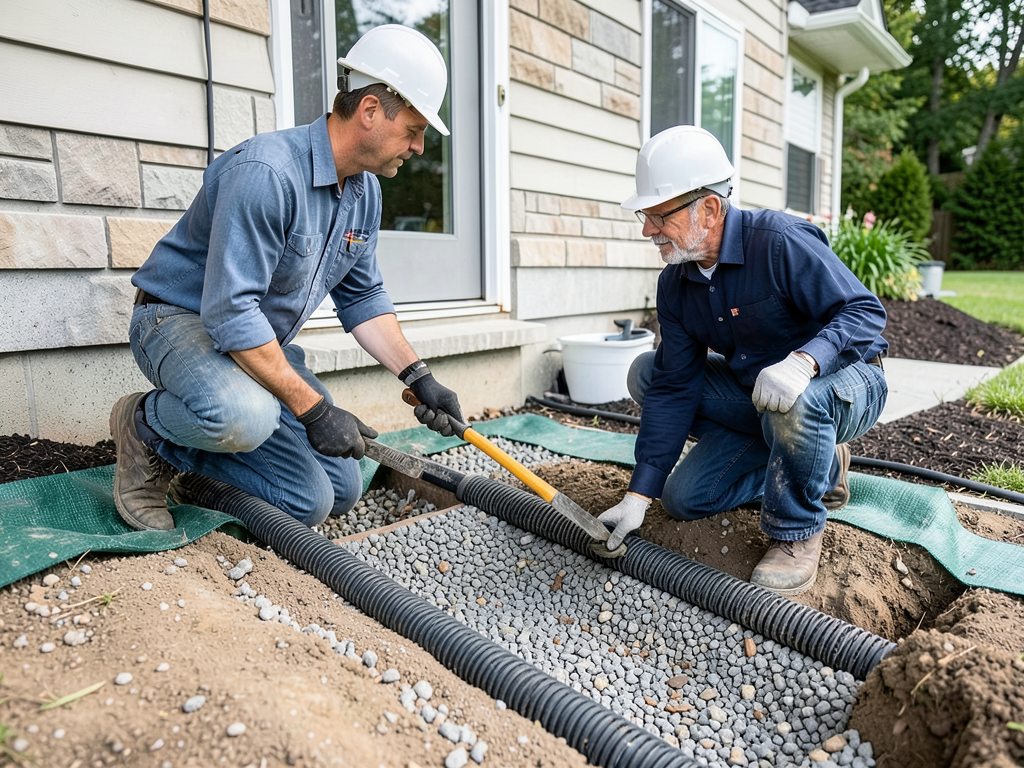
Using Smart Landscaping to Keep Surface Water Away from Your Concord Foundation Your Concord home sits on land shaped by ancient glaciers and fed by seasonal rains. Every year, snowmelt from the Middlesex County watershed…
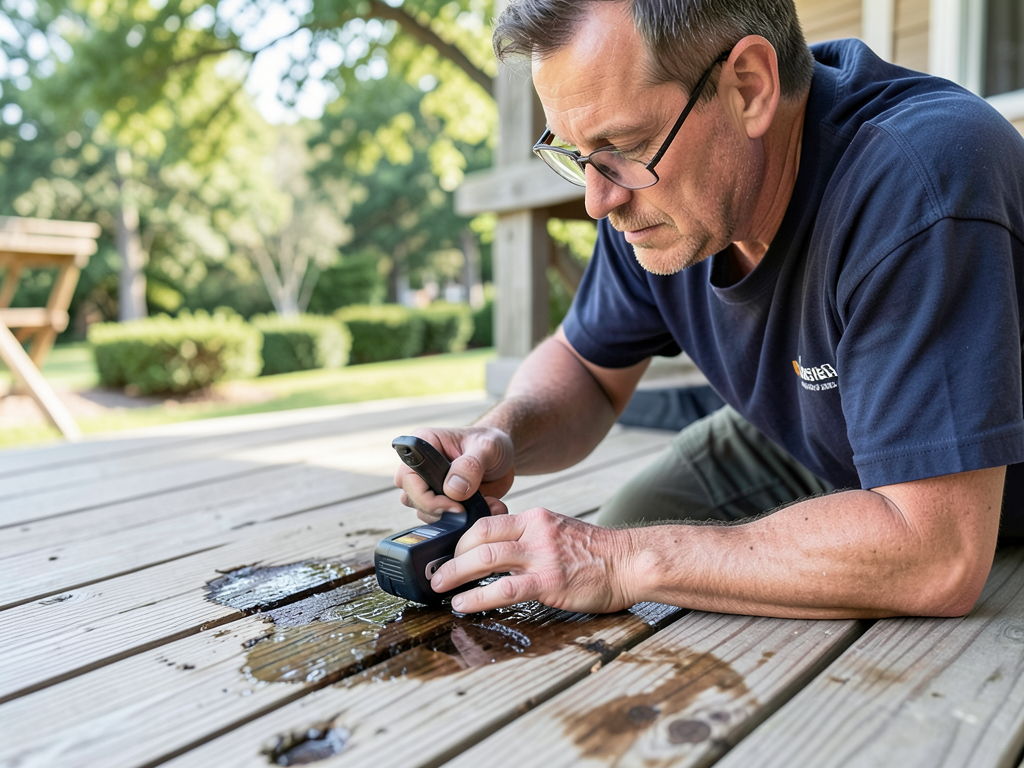
How to Find a Hidden Water Leak Under Your Marblehead Outdoor Deck Living in Marblehead…
When a pipe bursts in your Chestnut Hill home the damage goes far beyond soaked…
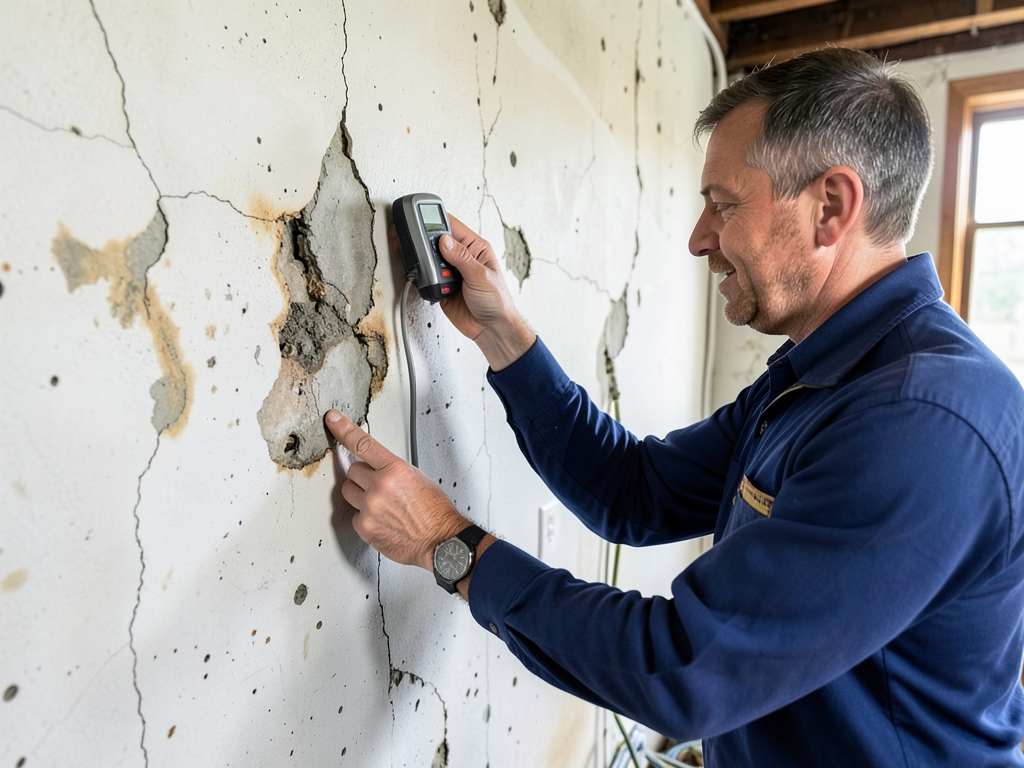
Preparing Your Inland Needham Home for Hurricane Season Flooding Living in Needham means enjoying quiet…
Water spreads fast. Our crews respond faster. Call First Choice Water Damage Restoration Boston at (617) 789-8099 right now for immediate dispatch. We answer 24/7, extract water within 60 minutes, and work directly with your insurance company. Don't wait while damage gets worse.