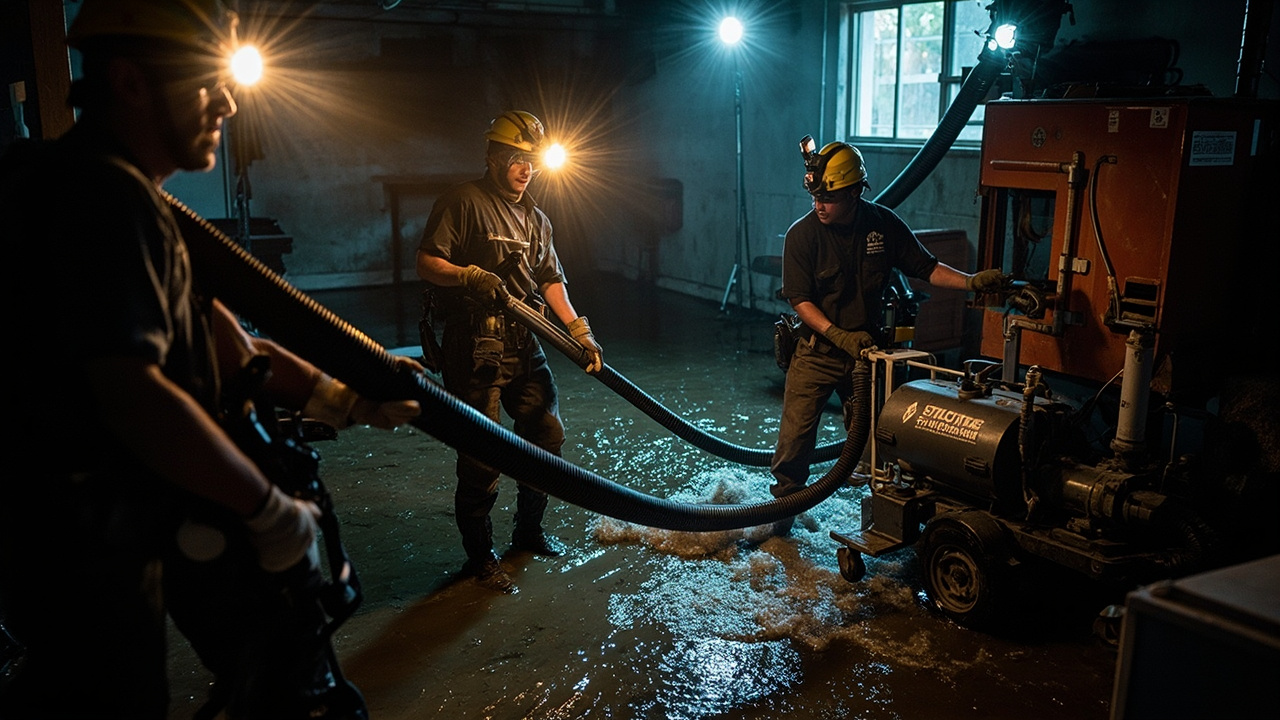

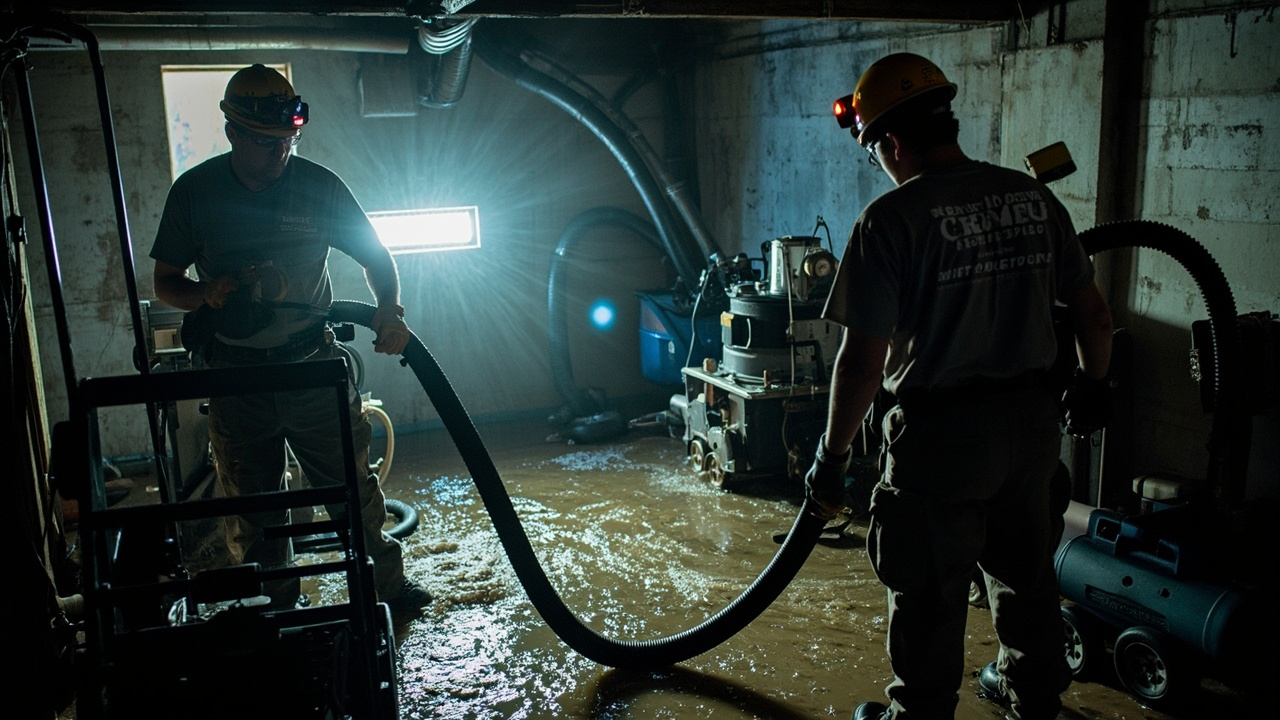
Boston sits on filled land barely above sea level, making it uniquely vulnerable to coastal storm surge, king tides, and groundwater intrusion. Neighborhoods like the Seaport, Back Bay, and East Boston were built on filled tidal flats and marshland, where the water table remains high year-round. When nor'easters bring storm surge coinciding with high tide, seawater overwhelms seawalls and floods street-level properties. The city's combined sewer system, designed in the 1800s, cannot handle modern stormwater volumes. During heavy rain, sewage backs up through basement drains across Dorchester, Roxbury, and South Boston. These conditions make immediate flood pumping and professional extraction critical, not optional.
Boston's restoration companies must navigate strict local regulations and historic building requirements. Properties in Beacon Hill, the South End, and Back Bay often fall under Landmarks Commission jurisdiction, requiring specialized drying techniques that preserve historic plaster, wood, and masonry. Massachusetts mold regulations are among the strictest in the nation, requiring licensed professionals for remediation projects. Local expertise means understanding these requirements before starting work, not discovering them mid-project. We work with Boston building inspectors, historic preservation specialists, and environmental health officials regularly, ensuring your flood extraction and drying project meets all local standards while protecting your property investment.