


Menu

How to Handle Insurance Claims in Boston – Expert Guidance for Water Damage Recovery and Maximum Coverage

Filing a water damage claim in Boston requires precise documentation, quick action, and knowledge of Massachusetts insurance regulations. We guide you through every step of the water damage insurance claim process to protect your property and maximize your settlement.

Slider Image 1
Slider Image 2
Slider Image 3
Slider Image 4
Slider Image 5
Slider Image 7
Slider Image 8
Slider Image 9
Slider Image 10
Slider Image 11

Why Water Damage Claims Are Particularly Complex in Boston

Boston homeowners face unique challenges when filing a water damage claim. The city's aging infrastructure, combined with harsh freeze-thaw cycles, creates conditions where pipes burst without warning. When your basement floods or your ceiling starts dripping in a triple-decker in Dorchester or a brownstone in Back Bay, you need to act fast.

The water damage insurance claim process becomes complicated when you factor in Massachusetts-specific coverage limitations. Many policies exclude gradual seepage or ice dam damage, which are common in Boston's winter climate. You might discover your policy does not cover foundation cracks caused by groundwater infiltration, a frequent problem in neighborhoods built on filled tidal land like the South End.

Insurance adjusters work for the carrier, not for you. They will look for reasons to reduce your payout or deny your claim entirely. Common tactics include attributing damage to "lack of maintenance" or claiming the loss falls under an exclusion. When you are navigating water restoration claims after a pipe burst at 2 a.m., you need someone who understands both the technical restoration work and the insurance language.

The stakes are high. A improperly documented claim can leave you paying thousands out of pocket. Filing a water damage claim requires photos, moisture readings, detailed timelines, and professional estimates. Miss one piece of documentation, and your claim gets delayed or reduced. Boston property owners need advocates who speak both insurance and restoration fluently.

Why Water Damage Claims Are Particularly Complex in Boston
How Atlas Water Damage Restoration Providence Protects Your Claim

How Atlas Water Damage Restoration Providence Protects Your Claim

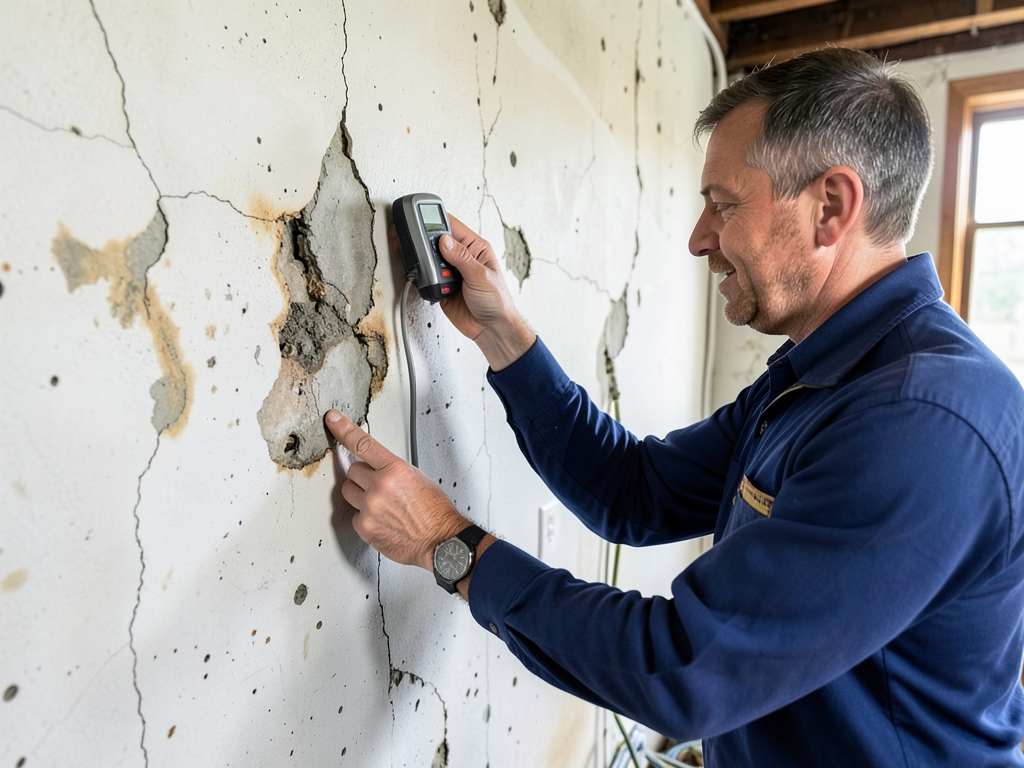
We document every aspect of your loss with insurance requirements in mind. Our technicians use thermal imaging cameras and moisture meters to create a complete picture of the damage, including hidden moisture behind walls or under flooring. This documentation becomes the foundation of your claim.

When we extract water from your property, we photograph the standing water depth, document the affected materials, and log the equipment deployed. Insurance carriers want to see proof of mitigation efforts. We provide detailed daily logs showing our drying progress, including temperature, humidity, and moisture content readings at multiple locations. These readings prove we followed IICRC S500 standards for water damage restoration.

Our estimates break down every cost component using Xactimate, the same software most insurance adjusters use. This eliminates disputes over pricing. When we identify structural damage, we explain exactly how the water intrusion caused it. For example, if your hardwood floors buckled, we document the moisture content that exceeded the threshold for dimensional stability.

We communicate directly with your adjuster and attend on-site inspections. Many times, an adjuster will try to limit the scope of work or suggest you can clean up Category 3 water yourself. We push back with technical explanations and code references. Massachusetts building codes require specific treatments after sewage contamination, and we make sure those costs get covered.

Tips for water damage insurance claims often focus on documentation, but execution matters more. We handle the technical restoration while protecting your financial interests. You get a fully restored property and the maximum settlement your policy allows.

Your Path From Water Crisis to Claim Settlement

How to Handle Insurance Claims in Boston – Expert Guidance for Water Damage Recovery and Maximum Coverage
01

Emergency Response Documentation

Within 60 minutes of your call to (617) 789-8099, our technicians arrive with documentation equipment. We photograph and video every room before touching anything. This preserves the loss scene exactly as the adjuster needs to see it. We measure standing water depth, identify the source, and document visible damage to floors, walls, and contents. This initial documentation establishes your baseline and starts your claim on solid ground.
02

Mitigation With Audit Trail

As we extract water and set drying equipment, we create a detailed equipment log showing placement, duration, and readings. We document which materials we remove and why, photographing non-salvageable items before disposal. Daily moisture readings track drying progress and prove we achieved the industry standard of less than 15% moisture content in wood framing. This creates an irrefutable record of proper mitigation, which directly impacts your claim approval and amount.
03

Estimate and Adjuster Coordination

We generate a comprehensive Xactimate estimate covering all restoration work, from structural drying to rebuild. When your adjuster schedules an inspection, we walk them through the property and explain the scope. We advocate for hidden damage investigation, like checking wall cavities for mold growth. After the adjuster writes their estimate, we compare line items and negotiate any discrepancies. You receive a final settlement that covers the full restoration, not a reduced amount based on shortcuts.

Why Boston Property Owners Trust Our Insurance Claim Expertise

We have worked with every major insurance carrier operating in Massachusetts. We know which companies pay quickly and which ones fight every line item. This experience lets us anticipate objections before they arise. When Liberty Mutual questions our drying timeline or Safety Insurance disputes our asbestos abatement costs, we respond with documentation and code references that shut down the argument.

Boston's housing stock presents unique challenges that out-of-town restoration companies miss. When we work on a three-story Victorian in Jamaica Plain, we understand the balloon framing means water can travel vertically through wall cavities to floors below the leak source. We check for this hidden migration and document it before the adjuster arrives. If we miss it, you pay for that restoration out of pocket months later when the damage appears.

We understand Massachusetts insurance regulations, including the requirement that carriers respond to claims within specific timeframes. If your carrier delays unreasonably, we document the timeline and help you file a complaint with the Division of Insurance. This often accelerates the process dramatically.

Managing water mitigation claims requires balancing speed with thoroughness. Move too fast, and you miss damage that shows up later. Move too slow, and secondary damage like mold growth reduces your settlement because the carrier claims you failed to mitigate. We hit the sweet spot, working fast enough to prevent additional damage while documenting thoroughly enough to maximize your claim.

Atlas Water Damage Restoration Providence serves the greater Boston metro with a focus on claim success. Your neighbors in Charlestown, Roxbury, and East Boston have recovered fully covered by insurance because we built bulletproof claims from day one.

What You Can Expect When We Handle Your Claim

Immediate Response and Documentation

We arrive within 60 minutes of your call, 24 hours a day. Our trucks carry professional documentation equipment, not just extraction tools. Before we move anything, we create the photo and video evidence your claim needs. We measure moisture levels in multiple materials and map the full extent of damage, including areas you might not see. This initial documentation happens while we also stop the water source and begin extraction. You get emergency mitigation and claim protection simultaneously, not as separate steps that delay your recovery.

Transparent Communication Throughout

You receive daily updates on drying progress with actual moisture readings, not vague statements. We explain what we find in plain language, then document it in technical terms for the insurance company. When we discover additional damage during demolition, like rotted sill plates or corroded plumbing, we photograph it, explain why it happened, and update the estimate before proceeding. You never get surprised by uncovered damage that might not be covered. We also copy you on all communications with your adjuster, so you know exactly what is being discussed and agreed upon.

Complete Restoration Under Insurance

Our goal is full restoration covered by your policy, not just adequate repairs. We match materials exactly, using the same tile, flooring, or paint specifications as your original installation. When your policy includes code upgrade coverage, we identify every opportunity to use it, like upgrading old cast iron drain pipes to PVC during the repair. The result looks better than before the loss, feels permanent, and costs you only your deductible. We handle the rebuild phase with the same attention to insurance requirements as the emergency response.

Post-Settlement Verification and Support

After restoration completes, we provide a final moisture map showing all areas returned to normal levels. This documentation protects you if any issues appear later. We also keep detailed records of all work performed, materials installed, and equipment used for seven years. If your carrier audits the claim or you need documentation for a future sale, we have it. We also provide guidance on preventing future losses, like insulating pipes in unheated areas or installing a sump pump with battery backup. Our relationship does not end when the check clears.

Frequently Asked Questions

You Have Questions,
We Have Answers

What not to say during an insurance claim? +

Never speculate about the cause of damage or admit fault. Avoid phrases like "I think," "maybe," or "I'm not sure." Do not exaggerate damage, but do not downplay it either. Refrain from saying damage is minor before a professional inspection. Never give recorded statements without consulting a public adjuster or attorney first. In Boston, where water damage from freeze-thaw cycles and coastal storms is common, stick to facts only. Document everything with photos and timestamps. Let restoration professionals assess the full extent. Your job is to report what happened, not diagnose why or who is responsible.

What is the 80% rule in insurance? +

The 80% rule requires you to insure your property for at least 80% of its replacement cost to receive full claim payouts. If you insure for less, you become a co-insurer and face penalties. For example, if your Boston home requires $400,000 to rebuild but you only carry $250,000 in coverage, you will not receive full reimbursement even on smaller claims. Given rising construction costs in Massachusetts and the prevalence of older housing stock requiring costly historic restoration, many Boston homeowners unknowingly fall below this threshold. Review your policy limits annually with your insurer.

What are the 3 D's of insurance claims? +

The 3 D's of insurance claims are Detect, Document, and Deploy. First, detect the damage immediately. Water damage in Boston properties can escalate quickly due to humidity and freeze-thaw conditions. Second, document everything with photos, videos, and detailed notes before any cleanup. Third, deploy professionals fast. Contact your insurer and a certified water damage restoration company within 24 hours. Mold can start growing in 48 hours in Boston's humid climate. These three steps protect your claim and your property. Speed and thorough documentation determine whether your claim gets approved or denied.

What are the 7 rules of insurance? +

The 7 rules of insurance include insurable interest, utmost good faith, indemnity, subrogation, contribution, proximate cause, and loss minimization. For Boston homeowners, loss minimization matters most during water damage. You must take reasonable steps to prevent further damage, like shutting off water or covering a roof breach. Proximate cause determines if flood damage from coastal storms qualifies under your policy. Utmost good faith means full disclosure when filing. Violating these rules can void your claim. Massachusetts law enforces these principles strictly, so understand your obligations before disaster strikes. Document every mitigation action you take.

What is the 3/6 second rule? +

The 3/6 second rule is not an insurance term. You may be thinking of auto safety rules or decision-making frameworks. In insurance claims, the critical timeline is 24 to 48 hours. Report water damage to your insurer within 24 hours. Begin mitigation within hours to prevent mold. In Boston, where older homes and humidity accelerate deterioration, every hour counts. If you meant a different rule, clarify with your adjuster. What matters for water damage claims is immediate action, thorough documentation, and professional assessment. Delays cost you coverage and increase out-of-pocket expenses.

What's the biggest mistake people often make when dealing with an insurance claim? +

The biggest mistake is delaying mitigation and documentation. Boston homeowners often wait to call their insurer or restoration company, allowing water damage to spread. Mold grows within 48 hours in humid conditions. Another error is inadequate documentation. Take extensive photos and videos before any cleanup. Many people also accept the first settlement offer without hiring a public adjuster or getting independent estimates. Massachusetts insurance law allows you to negotiate. Failing to read your policy exclusions, like sewer backup or flood coverage gaps, also derails claims. Act fast, document everything, and know your policy limits.

What is the golden rule of insurance? +

The golden rule of insurance is indemnity. You should be restored to your financial position before the loss, no better and no worse. Insurers compensate for actual loss, not profit. For Boston water damage claims, this means your policy covers necessary repairs to return your property to pre-loss condition. It does not cover upgrades unless required by current building codes. Depreciation may reduce payouts on older roofs or fixtures. Understand that insurance is not a maintenance plan. It covers sudden, accidental damage, not wear and tear. Keep detailed records to prove your property's condition before the loss.

Is it better to have a $500 deductible or $1 000 health insurance? +

This question addresses health insurance, not property insurance. For Boston homeowners dealing with water damage claims, focus on your property deductible. Higher deductibles lower premiums but increase out-of-pocket costs per claim. In areas prone to coastal storms and freeze-thaw damage, frequent claims are possible. A lower deductible may make sense if you face higher risk. Evaluate your savings and risk tolerance. If you can afford a $1,000 deductible and want lower premiums, choose that. If you want predictability during emergencies, a $500 deductible provides more coverage upfront. Review your specific property risks annually.

What is the 1 N rule in insurance? +

The 1 N rule is not a standard insurance term. You may be referring to a specific carrier's internal guideline or a misunderstood concept. In Massachusetts property insurance, focus on standard principles like replacement cost, actual cash value, and policy limits. If you heard this term from your adjuster, ask for clarification in writing. Boston homeowners should prioritize understanding their coverage limits, exclusions, and depreciation schedules. Do not rely on jargon without confirmation. Request your policy documents and review them with a public adjuster if needed. Clear communication with your insurer prevents misunderstandings and claim denials.

How Boston's Historic Architecture Complicates Water Damage Claims

Boston's housing stock predates modern building codes by decades or even centuries. When water damages a property built in 1880, you face complications that do not exist in newer construction. Plaster walls require different drying techniques than drywall. Balloon framing creates vertical channels where water travels between floors. Knob-and-tube wiring becomes a shock hazard when wet, requiring immediate attention. Insurance adjusters from other regions often underestimate the complexity and cost of restoring these older properties. We document the specific challenges your property presents, explain why standard approaches do not work, and justify the higher costs that proper restoration requires in historic Boston neighborhoods.

Massachusetts requires licensed construction supervisors for projects over a certain threshold. We maintain all necessary licenses and pull permits when required, which protects your claim from denial based on unlicensed work. We also understand Boston's strict historical district regulations. If your property sits in Beacon Hill or Bay Village, certain repairs require historical commission approval. We factor these review timelines into our estimates and communicate them to your adjuster upfront. This local knowledge prevents claim delays and ensures your restoration meets both insurance requirements and city regulations. Choosing a Boston-based restoration company means choosing someone who navigates these local complexities daily.

Water Damage Restoration Services in The Boston Area

You can see our service area and our location on the map below. We are proud to serve the entire Boston area and surrounding communities. We're always ready to dispatch our team to your home or business, no matter where you are. We’re committed to a fast, reliable response and ensuring we’re always there when you need us most.

Address:
First Choice Water Damage Restoration Boston, 44 School St., Boston, MA, 02108

Additional Services We Offer

Our news updates

Latest Articles & News from The Blogs

How to Find a Hidden Water Leak Under Your Marblehead Outdoor Deck Living in Marblehead means dealing with coastal moisture,…

How to Find a Hidden Water Leak Under Your Marblehead Outdoor Deck

How to Find a Hidden Water Leak Under Your Marblehead Outdoor Deck Living in Marblehead means dealing with coastal moisture,…

Saving a Luxury Walk In Closet and Designer Wardrobe After a Pipe Burst in Chestnut Hill

When a pipe bursts in your Chestnut Hill home the damage goes far beyond soaked carpets and warped baseboards. For…

Preparing Your Inland Needham Home for Hurricane Season Flooding

Preparing Your Inland Needham Home for Hurricane Season Flooding Living in Needham means enjoying quiet suburban streets and tree-lined neighborhoods.…

Contact Us

Water damage requires immediate action to protect both your property and your insurance claim. Call Atlas Water Damage Restoration Providence at (617) 789-8099 for emergency response with full documentation. We arrive within 60 minutes, stop the damage, and build your claim from the first photo. Do not let poor documentation cost you thousands.