Menu

Cupping or Buckling Wood Floors in Boston – Expert Diagnosis and Permanent Restoration

When you see warped hardwood flooring, swollen wood planks, or lifting floorboards, you need more than surface fixes. Atlas Water Damage Restoration Providence delivers precision moisture mapping, subfloor evaluation, and proven restoration techniques that address the root cause of cupping or buckling wood floors in Boston homes.

Slider Image 1
Slider Image 2
Slider Image 3
Slider Image 4
Slider Image 5
Slider Image 7
Slider Image 8
Slider Image 9
Slider Image 10
Slider Image 11

Why Boston Wood Floors Fail After Water Exposure

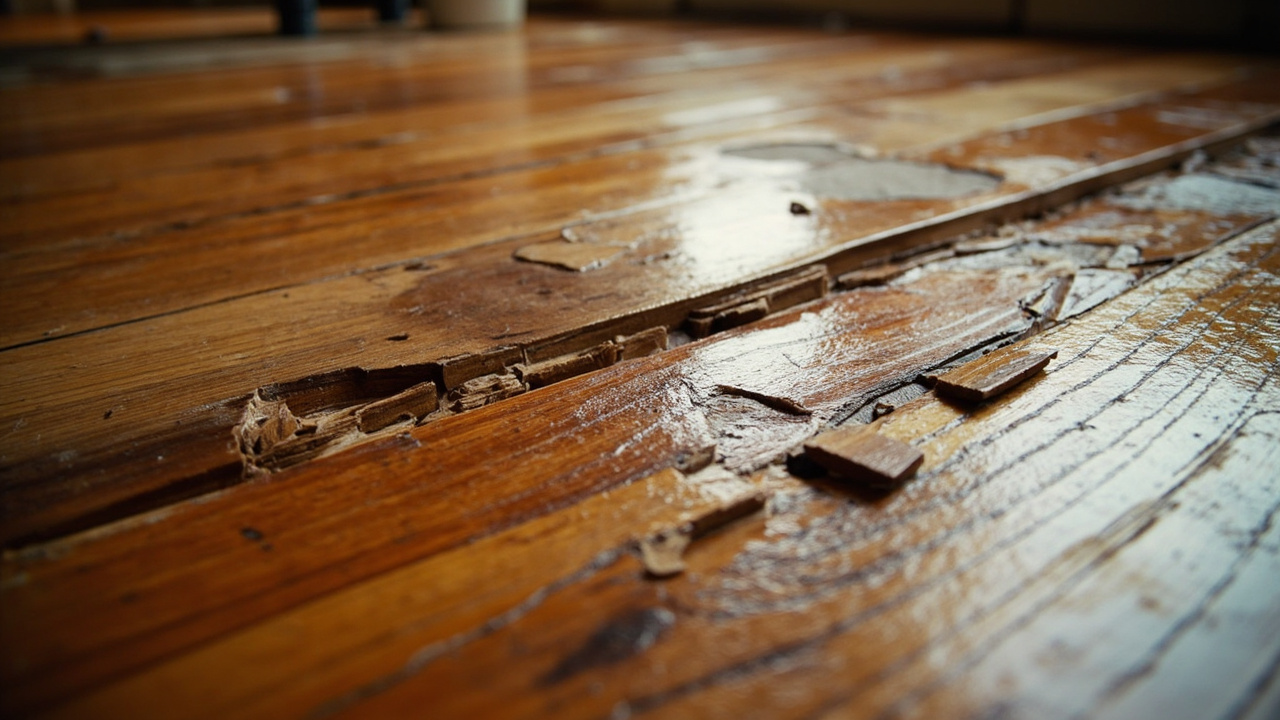
You walk across your hardwood floor and feel a ridge. The boards no longer lie flat. What you see are peaking hardwood joints, raised wood floor edges, or boards that cup upward at the edges and dip in the center.

Boston's climate creates the perfect conditions for this failure. The city experiences humid summers where indoor moisture levels spike, combined with cold winters that force heating systems to dry out interior air. This seasonal swing causes wood to absorb moisture and then release it, creating stress in the fibers. When water intrusion occurs from a burst pipe, roof leak, or foundation seepage, the problem accelerates.

Hardwood flooring installed over concrete slabs or crawl spaces is especially vulnerable in Boston's older neighborhoods like South End, Dorchester, and Jamaica Plain, where moisture barriers were often omitted during original construction. The wood absorbs water from below, causing swollen wood planks that push against each other. The boards have nowhere to expand, so they buckle upward or cup along the edges.

Lifting floorboards signal subfloor saturation. The plywood or OSB beneath the hardwood has absorbed water and expanded, lifting the finish floor with it. You might also notice gaps between boards when the wood dries too quickly after water exposure.

These are not cosmetic issues. Warped hardwood flooring indicates structural moisture problems that will worsen without intervention. The longer you wait, the more likely you face permanent floor replacement instead of restoration.

Why Boston Wood Floors Fail After Water Exposure
How We Reverse Wood Floor Damage at the Source

How We Reverse Wood Floor Damage at the Source

We do not sand down cupped floors and call it fixed. That approach removes the high spots but ignores the moisture imbalance causing the problem. When the wood equilibrates, the floor cups again.

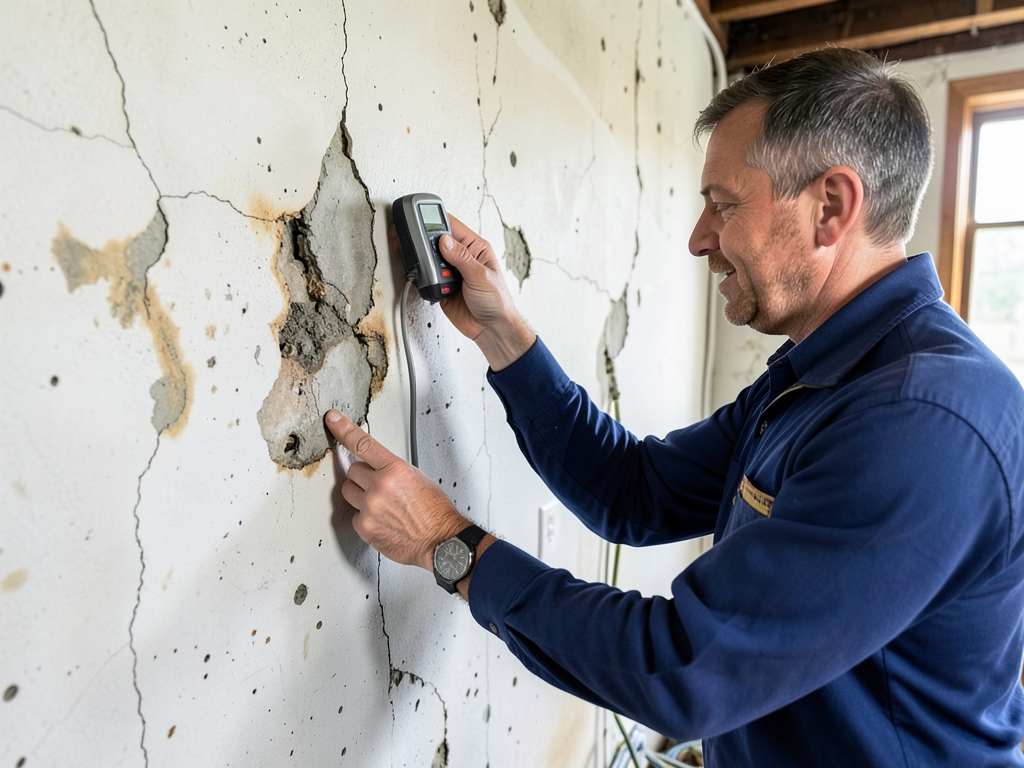
Our process starts with moisture mapping using calibrated pin and pinless meters. We measure moisture content in the hardwood, subfloor, and surrounding framing to identify the saturation gradient. This tells us whether the water source is above the floor, below it, or both.

Next, we inspect the subfloor. Swollen wood planks often result from OSB or plywood subfloor expansion. We remove sample boards to evaluate the substrate condition. If the subfloor is delaminating or has lost structural integrity, we replace it before addressing the finish floor.

We then deploy targeted drying equipment. For cupping caused by top-down moisture, we use dehumidifiers and air movers to pull moisture from the surface. For buckling caused by bottom-up moisture, we create controlled airflow beneath the flooring using injection drying systems or panel removal to access the subfloor cavity.

We monitor daily moisture readings until the wood reaches equilibrium moisture content for Boston's climate, which ranges from 6% to 9% depending on the season. Rushing this process causes the wood to overdry and create new problems.

Once the floor stabilizes, we evaluate whether the boards will flatten naturally or require intervention. Minor cupping often resolves as the wood acclimates. Severe buckling or peaking hardwood joints may require board replacement or re-nailing to the subfloor. We make that determination based on the wood's response to drying, not a predetermined timeline.

What Happens When You Call Us About Warped Floors

Cupping or Buckling Wood Floors in Boston – Expert Diagnosis and Permanent Restoration
01

Onsite Moisture Assessment

We arrive with professional-grade moisture meters and thermal imaging cameras. You show us the affected areas, and we map moisture levels across the entire floor system, including joists, subfloor, and finish flooring. We identify the water source, whether it is an active leak, residual saturation, or vapor transmission from below. This data drives every decision we make about drying strategy and equipment placement.
02

Controlled Structural Drying

We position commercial dehumidifiers, air movers, and specialty drying equipment based on the moisture map. For subfloor saturation, we may remove baseboards or drill small access holes to direct airflow beneath the flooring. We monitor moisture readings twice daily and adjust equipment as the wood releases water. The goal is gradual, even drying that prevents secondary damage like cracking or splitting in the hardwood planks.
03

Final Evaluation and Repair

After the floor reaches stable moisture content, we evaluate the results. Boards that flattened during drying are re-secured if needed. Boards with permanent deformation are marked for replacement. We provide a written assessment of what restored successfully and what requires replacement, along with documentation for insurance claims. You get a floor system returned to pre-loss condition, not a temporary fix.

Why Boston Homeowners Trust Atlas for Floor Restoration

Boston's housing stock includes centuries-old row houses, triple-deckers with shared plumbing walls, and modern condos with radiant floor heating. Each building type presents unique challenges for water damage restoration.

We work in this city every day. We know that brownstones in Back Bay often have cast iron drain pipes that corrode and leak behind finished walls, saturating floors before you see visible water. We know that triple-deckers in Charlestown and East Boston share plumbing stacks that run through multiple units, meaning a leak on the third floor can damage hardwood on the first. We know that high-rise condos along the Seaport use concrete slab construction with thin-set hardwood installations that require specialized drying techniques.

This local knowledge matters when you are dealing with lifting floorboards or swollen wood planks. A contractor unfamiliar with Boston construction methods might remove your entire floor when targeted drying would have saved it. Or worse, they might dry the surface while ignoring subfloor saturation, leaving you with hidden mold growth and recurring warping.

We also understand the permitting and code requirements for structural work in Boston. If your water damage requires subfloor replacement or modifications to floor framing, we navigate the Inspectional Services Department process and ensure the work meets current building codes. You do not get surprised by failed inspections or compliance issues.

Our relationships with local flooring suppliers mean we can source period-appropriate hardwood for historic homes or match exotic species in luxury properties. When replacement is necessary, the new boards blend seamlessly with your existing floor.

You get a team that knows your building, your neighborhood, and the specific risks that Boston properties face.

What to Expect When We Restore Your Hardwood Floors

Response Time and Availability

Water damage requires immediate attention. We answer calls 24 hours a day and dispatch crews within two hours for emergencies in Boston and surrounding communities. For non-emergency situations like discovered moisture issues or chronic dampness causing gradual warping, we schedule assessments within 24 hours. The faster we intervene, the more of your original flooring we can save. Delays allow moisture to penetrate deeper into the wood, increasing the likelihood of permanent cupping or buckling that requires full replacement instead of restoration.

Initial Assessment Process

Your assessment begins with a visual inspection of the warped areas, followed by moisture testing of the flooring, subfloor, and underlying structure. We use thermal imaging to detect hidden moisture in walls or floor cavities. You receive a written scope of work that identifies the moisture source, the extent of saturation, and our recommended drying strategy. We explain what equipment we will use, how long drying typically takes for your floor type, and what percentage of the flooring we expect to save versus replace. No surprises, no upselling.

Restoration Outcome

A properly restored floor returns to its original profile with no raised wood floor edges, peaking hardwood joints, or springy areas. The boards lie flat and stable. The finish may show minor water staining that requires refinishing, but the structural integrity is intact. When replacement is necessary, we match wood species, grain pattern, and board width so the repair blends with the original installation. You get detailed documentation of all work performed, moisture readings throughout the drying process, and photos showing before and after conditions for insurance purposes.

Post-Restoration Support

We provide written care instructions specific to your floor type and the restoration work performed. This includes recommended humidity levels for your home, signs of recurring moisture problems, and maintenance tips to prevent future warping. If refinishing is needed after restoration, we coordinate with trusted local floor finishing contractors who understand the work we performed. We remain available for questions or follow-up inspections at no charge. If you experience any issues related to our restoration work, we return to evaluate and address them.

Frequently Asked Questions

You Have Questions,
We Have Answers

What is the difference between cupping and buckling floors? +

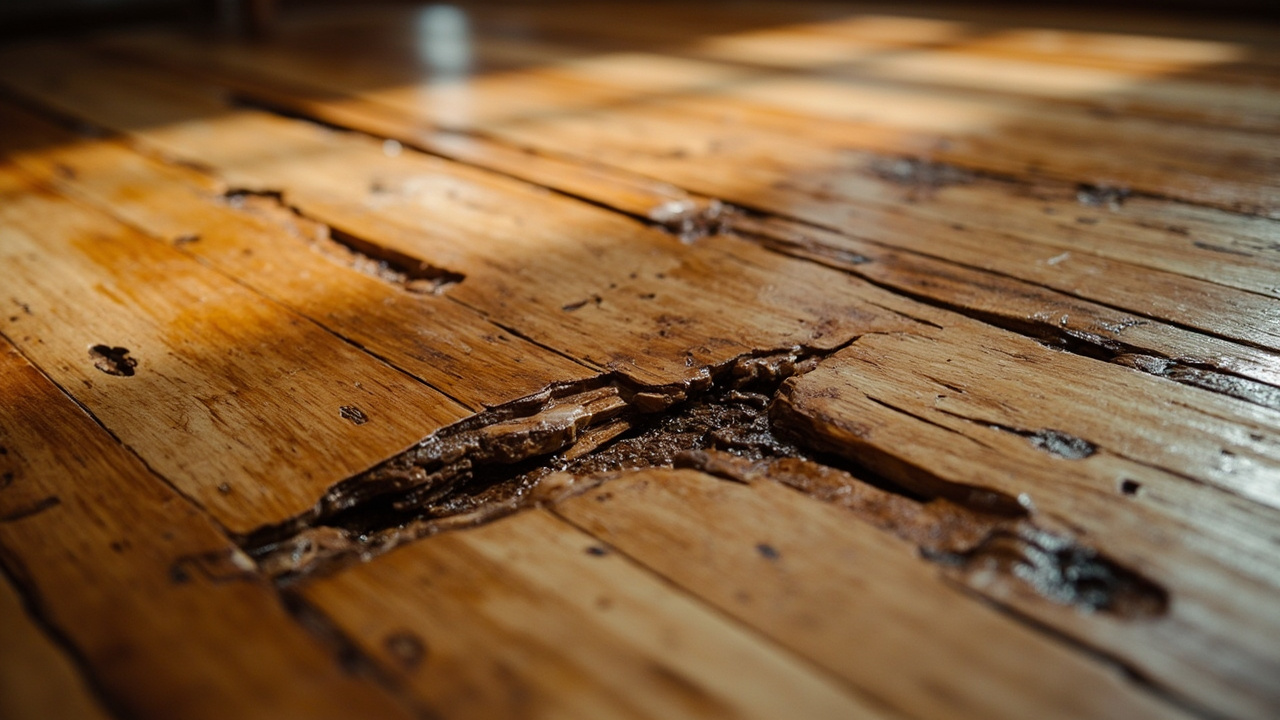
Cupping happens when moisture penetrates from below, causing the edges of hardwood planks to rise higher than the center. The board creates a concave shape like a shallow cup. Buckling is more severe. Entire boards lift completely off the subfloor, creating visible peaks and gaps. Buckling typically results from significant water intrusion or prolonged exposure. In Boston homes with basements prone to humidity and seasonal freeze-thaw cycles, cupping often starts as a warning sign. If ignored, it can progress to full buckling, requiring complete floor replacement rather than simple drying and refinishing.

What does hardwood cupping look like? +

Cupped hardwood planks show edges that sit higher than the center of each board. Run your hand across the floor and you will feel a washboard texture. Visually, the planks look slightly concave when viewed from the side. Gaps may appear between boards as edges pull upward. In Boston's older triple-deckers and row houses, cupping often appears near exterior walls, bathrooms, or above damp crawlspaces. The wood grain may look darker along the edges where moisture has penetrated. Severe cupping creates visible waves across the entire floor surface when viewed at an angle.

How to fix a hardwood floor that is cupping? +

First, identify and eliminate the moisture source. Check for plumbing leaks, foundation cracks, or high basement humidity common in Boston's older housing stock. Use dehumidifiers to dry the area slowly over several weeks. Do not rush this process with heat, which can cause cracking. Once the moisture content normalizes, allow the floor to acclimate for 30 to 60 days. Minor cupping may self-correct. If cupping persists, professionals can sand and refinish the floor flat. Severe cases may require board replacement. Never sand cupped floors immediately as they may crown during drying.

Will cupped hardwood floors flatten out? +

Yes, cupped hardwood floors can flatten if you address the moisture problem early. After removing the water source and properly drying the space, most floors need 30 to 90 days to acclimate. Boston's seasonal humidity swings mean patience is critical. The wood must release trapped moisture gradually. Boards often return to near-original flatness if the cupping was caught within weeks of starting. Severe cupping from long-term moisture exposure may not fully reverse. Even if boards flatten, staining or finish damage may remain. Professional moisture testing confirms when the floor has stabilized enough for refinishing decisions.

Will buckled hardwood floors go back to normal? +

Buckled floors rarely return to normal without intervention. The severe lifting indicates structural failure beyond simple moisture absorption. Nails or adhesive have released from the subfloor, and the wood has expanded past its elastic limit. In Boston homes where burst pipes or flooding caused buckling, you must remove and replace affected boards. The subfloor underneath also needs inspection for rot or mold. Simply drying the area leaves a permanently distorted floor. Professional restoration involves controlled demolition, subfloor repair, moisture barrier installation, and new hardwood installation. Quick response minimizes the buckled area and total replacement costs.

Can cupping hardwood floors be reversed? +

Cupping can be reversed if addressed quickly and properly. The key is removing the moisture source first, whether that is a leaking pipe, foundation seepage, or high basement humidity typical in Boston's clay soil areas. Dry the space with dehumidifiers and allow extended acclimation time. The wood fibers need to release moisture slowly to avoid permanent damage. Minor cupping often self-corrects within two to three months. Moderate cupping may require professional sanding once stabilized. Severe or long-term cupping can cause cell structure damage that makes full reversal impossible. Early detection makes the biggest difference in successful reversal.

What does a buckled hardwood floor look like? +

Buckled hardwood floors show dramatic lifting where entire boards or sections pull completely away from the subfloor. You will see visible height differences, sometimes an inch or more. Boards create tent-like peaks across the floor surface. Gaps open underneath the raised sections. Walking on buckled floors produces hollow sounds and flexing movement. In Boston's South End and Back Bay, buckling often appears after radiator leaks or toilet overflows. The finish may crack along stress lines. Severe buckling breaks tongue-and-groove connections between boards. The damage looks catastrophic compared to the gentle waves of cupping.

Is hardwood floor cupping normal? +

No, hardwood floor cupping is not normal. It always signals excess moisture from below the floor. In Boston, common causes include basement humidity, crawlspace condensation, plumbing leaks, or foundation water intrusion. Our city's freeze-thaw cycles and older housing stock make moisture problems frequent but never normal. Even minor cupping warrants investigation. Wood floors should remain flat with consistent gaps between boards. Seasonal expansion and contraction are normal, but visible cupping means moisture levels have exceeded safe thresholds. Ignoring early cupping leads to worsening damage, potential mold growth, and expensive repairs. Address the moisture source immediately.

How to detect water leak under wood floor? +

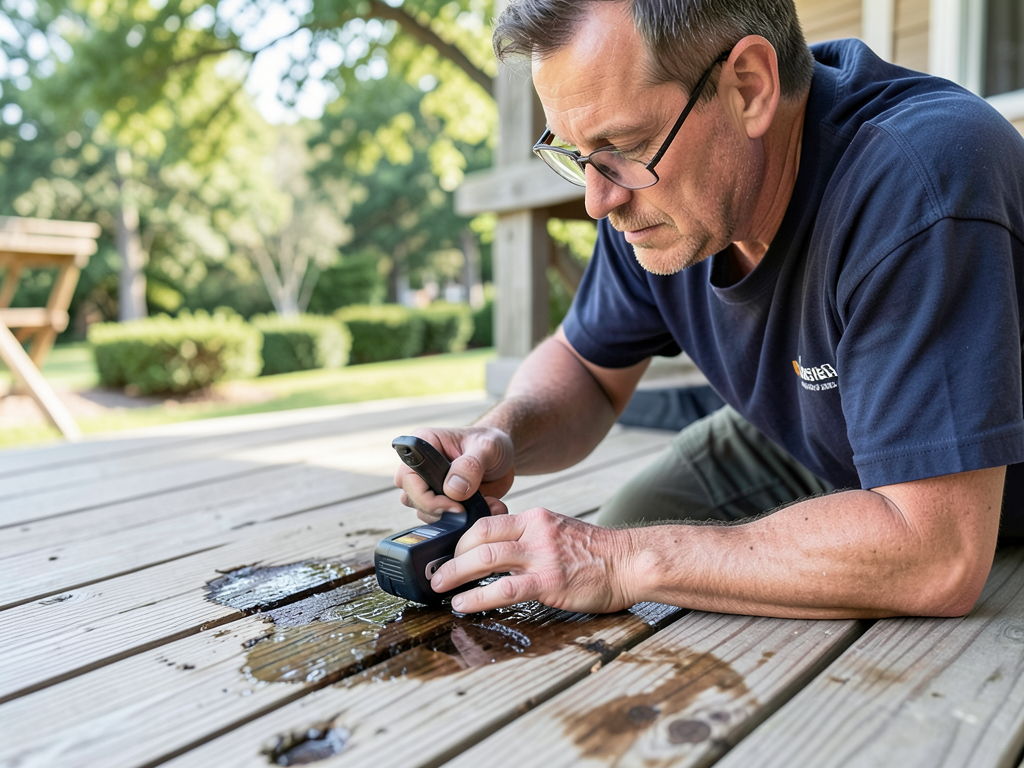
Look for dark staining or discoloration on floorboards, particularly along seams. You may notice a musty odor that intensifies in specific areas. Check for soft spots by walking slowly and noting where boards flex abnormally. Use a moisture meter on suspected areas. Readings above 12 percent indicate problems. In Boston homes, examine floors near bathrooms, kitchens, and exterior walls first. Feel for temperature differences, as water-damaged areas stay cooler. Listen for hollow sounds when tapping boards. Visible cupping or warping confirms water presence. Check basement ceilings below affected floors for stains or drips.

How much does it cost to repair cupping wood floors? +

Repair costs vary widely based on damage extent and home access. Minor cupping requiring only drying and monitoring costs little beyond dehumidifier rental. Professional moisture remediation runs several hundred dollars. Sanding and refinishing to flatten moderately cupped floors costs between three and eight dollars per square foot for materials and labor. Severe damage requiring board replacement adds significant expense. Boston's housing stock often requires additional work on old subfloors or addressing foundation moisture issues. Full restoration projects can reach thousands of dollars. Early intervention dramatically reduces costs. Get professional moisture assessment before deciding on repair approaches.

How Boston's Seasonal Humidity Swings Accelerate Wood Floor Damage

Boston experiences relative humidity swings from 30% in winter to 80% in summer. Hardwood flooring expands when it absorbs moisture and contracts when it releases moisture. This constant movement creates stress in the wood fibers and fasteners. When a water intrusion event occurs during high humidity months, the wood is already at maximum expansion. Additional moisture from a leak or flood pushes the planks beyond their elastic limit, causing permanent cupping or buckling. Winter leaks create a different problem. Cold, dry air pulls moisture from the surface while the subfloor remains saturated, creating differential drying that leads to cracking and checking in the wood. You need a restoration approach that accounts for seasonal conditions, not generic drying protocols.

Atlas Water Damage Restoration Providence serves Boston neighborhoods where historic homes meet modern construction standards. We understand that a water damage restoration company based outside the region might apply drying techniques appropriate for arid climates or consistently humid zones, but those methods fail in Boston's variable environment. Our moisture targets account for seasonal norms. Our drying equipment is calibrated for the specific humidity levels in your home during the restoration period. We work with local building inspectors who know us and trust our methods. You get restoration services tailored to Boston conditions, not imported from a national playbook.
Water Damage Restoration Services in The Boston Area

You can see our service area and our location on the map below. We are proud to serve the entire Boston area and surrounding communities. We're always ready to dispatch our team to your home or business, no matter where you are. We’re committed to a fast, reliable response and ensuring we’re always there when you need us most.

Address:
First Choice Water Damage Restoration Boston, 44 School St., Boston, MA, 02108

Additional Services We Offer

Our news updates

Latest Articles & News from The Blogs

Professional Water Damage Restoration for Retail Stores in Harvard Square Harvard Square retail stores face unique water damage risks from…

Professional Water Damage Restoration for Retail Stores in Harvard Square

Professional Water Damage Restoration for Retail Stores in Harvard Square Harvard Square retail stores face unique water damage risks from…

How to Dry Out a Damp Crawl Space in Your Belmont Home (And Stop the Smell)

How to Dry Out a Damp Crawl Space in Your Belmont Home (And Stop the Smell) Musty odors creeping up…

Emergency Dishwasher Leak Cleanup for Busy Kitchens in Arlington

Emergency Dishwasher Leak Cleanup for Busy Kitchens in Arlington Did you walk into your kitchen and find water pooling around…

Contact Us

Warped hardwood flooring will not fix itself. The longer moisture remains in the floor system, the less we can save. Call Atlas Water Damage Restoration Providence at (617) 789-8099 right now. We answer 24 hours a day and dispatch crews immediately across Boston.