Menu

Storm Flooding Emergency Service in Boston – We're On-Site in Under 90 Minutes, 24/7

When storm flooding hits your Boston property, every minute counts. Atlas Water Damage Restoration Providence dispatches certified crews immediately to stop water damage, extract standing water, and begin emergency drying before structural failure or mold takes hold.

Slider Image 1
Slider Image 2
Slider Image 3
Slider Image 4
Slider Image 5
Slider Image 7
Slider Image 8
Slider Image 9
Slider Image 10
Slider Image 11

Storm Flooding Destroys Boston Properties in Hours, Not Days

Boston's coastal location and aging stormwater infrastructure create a perfect storm for catastrophic flooding. When Nor'easters dump 3-plus inches of rain in hours, combined sewers overflow. Basements in Back Bay, South Boston, and East Boston fill with contaminated water faster than gravity drains can handle. The Charles River Basin floods low-lying properties. Storm surges push seawater inland.

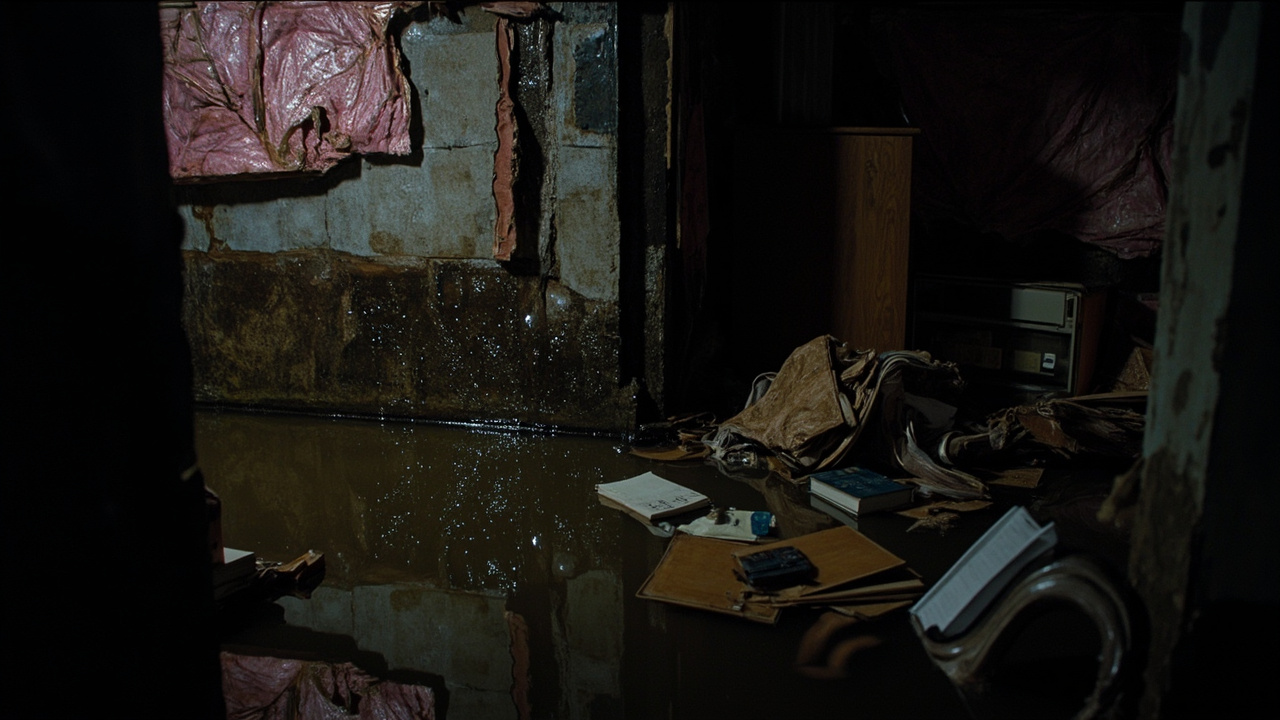
You are watching water rise. Furniture floats. Electrical outlets spark. The smell of sewage fills the air. Panic sets in.

Here is what happens in the first six hours. Water wicks up drywall through capillary action. Wooden floor joists absorb moisture and begin to swell. Subfloor delamination starts. Category 3 contaminated floodwater introduces bacteria, viruses, and chemical pollutants into porous materials. Mold spores activate in 24 to 48 hours under ideal moisture conditions. Structural wood loses load-bearing capacity.

Storm flooding is not a DIY problem. You cannot shop-vac your way out of this. The water you see is only part of the problem. Hidden moisture in wall cavities, insulation, and crawlspaces causes the real damage. You need emergency storm damage restoration, not a bucket and a mop.

Atlas Water Damage Restoration Providence operates 24/7 flood water removal crews trained in rapid storm water extraction. We deploy truck-mounted extractors, commercial dehumidifiers, and thermal imaging cameras to find hidden moisture. We stop the damage progression while you are still on the phone.

Storm Flooding Destroys Boston Properties in Hours, Not Days
How Urgent Flood Cleanup Services Actually Stop Structural Damage

How Urgent Flood Cleanup Services Actually Stop Structural Damage

Most homeowners think water damage stops when the water stops flowing. Wrong. The damage accelerates after the visible water recedes. This is why emergency flood repair company protocols focus on moisture content, not just standing water.

We deploy truck-mounted extraction units capable of removing hundreds of gallons per minute. Portable extractors handle stairs and tight spaces. We pull water from carpet padding, subflooring, and concrete slabs using weighted extraction tools. Surface drying is not enough.

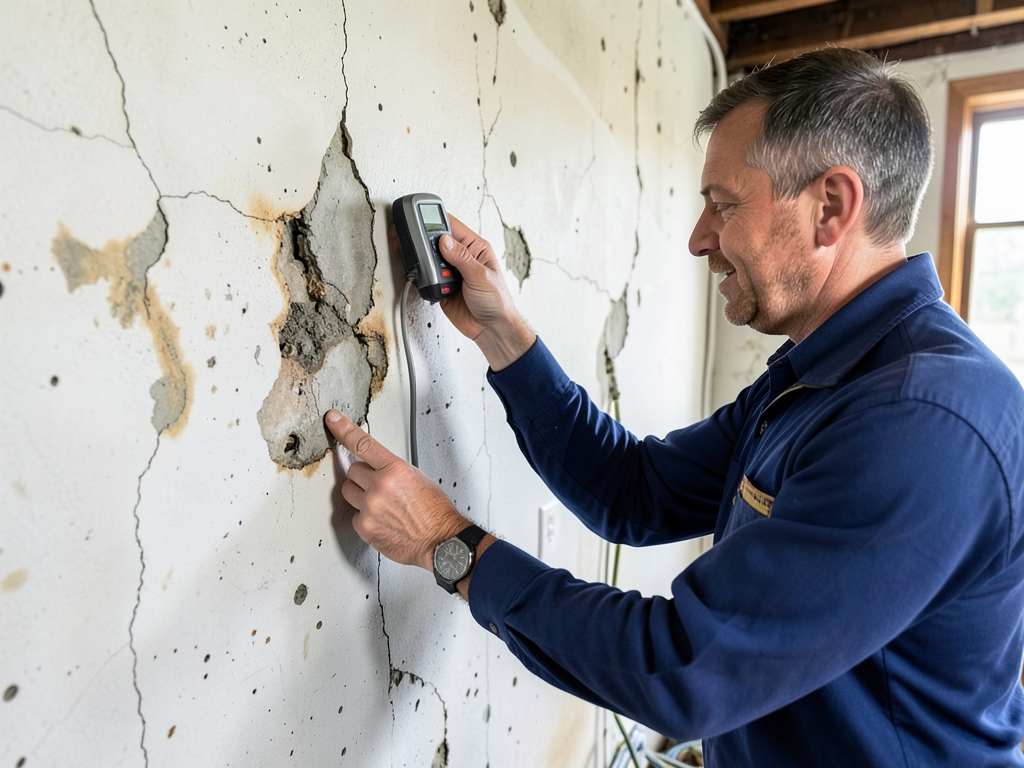
Next comes moisture mapping. We use pin-type and pinless moisture meters to measure water content in framing lumber, drywall, and insulation. Thermal imaging cameras reveal temperature differentials that indicate hidden moisture in wall cavities and ceilings. We document every reading for insurance adjusters.

Air movement is critical. We position axial fans to create airflow across wet surfaces at 400 to 600 CFM per fan. This breaks the boundary layer of saturated air clinging to materials. Low-grain refrigerant dehumidifiers pull moisture from the air, dropping relative humidity below 40 percent. We monitor grains per pound using psychrometric calculations.

Antimicrobial application prevents microbial growth on affected surfaces. We apply EPA-registered disinfectants to all Category 2 and Category 3 water-damaged materials. This includes sewage backups common in Boston storm flooding events.

We do not guess. We measure, document, and adjust equipment daily until moisture content returns to dry standard. This is the difference between emergency storm damage restoration and a guy with a wet-dry vacuum.

What Happens When You Call for Storm Flooding Emergency Service

Storm Flooding Emergency Service in Boston – We're On-Site in Under 90 Minutes, 24/7
01

Immediate Dispatch and Assessment

Your call triggers immediate crew dispatch. We arrive in under 90 minutes anywhere in Boston. Our first priority is safety. We assess electrical hazards, structural stability, and contamination level. We identify the water source, stop active intrusion if possible, and classify the water category. You get a verbal assessment and action plan before we move equipment. We document everything with photos and moisture readings for your insurance claim.
02

Water Extraction and Containment

We extract standing water using truck-mounted and portable equipment. Weighted tools pull water from carpet and padding. We remove unsalvageable materials like soaked insulation and delaminated subflooring. Containment barriers prevent cross-contamination to unaffected areas. We place air movers and dehumidifiers based on psychrometric calculations, not guesswork. Every placement is intentional. You see measurable progress within hours as humidity drops and surfaces begin to dry.
03

Monitoring and Final Verification

We monitor your property daily with moisture meters and thermal imaging until all materials reach dry standard. This takes three to seven days depending on conditions. We adjust equipment placement and output as needed. Final verification includes comprehensive moisture testing and documentation for insurance and future buyers. You receive a certificate of drying completion. Your property is safe, dry, and ready for reconstruction. No hidden moisture. No mold risk.

Why Boston Properties Need Local Storm Flooding Expertise

Boston is not Phoenix. Storm flooding here involves contaminated water, not clean supply line breaks. The combined sewer system in older neighborhoods means floodwater contains raw sewage. You cannot treat this like a burst pipe.

Our crews understand Boston building construction. Triple-deckers in Dorchester have balloon framing that allows water to travel vertically through wall cavities into upper units. Brick rowhouses in the South End have no vapor barriers. Water penetrates mortar joints and wicks through masonry. Basement apartments in Allston and Brighton flood repeatedly because they sit below the water table.

We know which materials must be removed and which can be saved. Massachusetts building code requires specific drying standards before reconstruction. Insurance companies operating in Massachusetts have specific documentation requirements. Out-of-state companies miss these details and you pay for it in denied claims or failed inspections.

Atlas Water Damage Restoration Providence works with every major insurance carrier operating in Massachusetts. We provide detailed moisture logs, equipment manifests, and psychrometric charts that adjusters require. We photograph and document every step. Your claim gets paid because we speak the language adjusters understand.

We also understand Boston weather patterns. When a Nor'easter hits, we are already staged with extra crews and equipment. We do not scramble. We do not make you wait three days while we drive in from New York. We are here, equipped, and ready.

Local expertise means we understand the Charles River Dam system, the MWRA stormwater capacity, and which neighborhoods flood first. We have dried hundreds of Boston properties. We know what works.

What to Expect During Emergency Storm Flooding Response

Response Time and Availability

We operate 24 hours a day, 365 days a year. Storm flooding does not wait for business hours. Our average response time in Boston is under 90 minutes from your call. During major weather events, we stage crews in high-risk neighborhoods to cut response time further. You speak to a live person, not an answering service. We dispatch immediately. You receive an ETA and crew contact information before you hang up. No waiting. No excuses. We arrive ready to work with truck-mounted extraction equipment, dehumidifiers, air movers, and moisture detection tools. First-hour response determines how much of your property we can save.

On-Site Assessment and Documentation

Our crew performs a complete property assessment before moving equipment. We identify safety hazards like electrical shorts and structural instability. We classify water category to determine contamination level and required protective equipment. Moisture meters and thermal imaging cameras map affected areas. We photograph and document every affected room and material. You receive a verbal explanation of the damage, the proposed mitigation plan, and a written scope of work. This documentation goes directly to your insurance company. We handle the adjuster communication. You focus on your family and getting back to normal. Our assessment is thorough, accurate, and insurance-compliant.

Drying Results and Completion

We do not leave until your property meets dry standard. This means moisture content in all structural materials matches unaffected areas. We measure daily with pin-type and pinless meters. You see the numbers. Thermal imaging confirms no hidden pockets of moisture remain. Most properties reach dry standard in three to seven days depending on building materials and extent of saturation. We provide daily progress updates and adjust equipment as needed. Upon completion, you receive a certificate of drying with final moisture readings, equipment logs, and psychrometric data. This documentation protects you if mold appears later. You have proof the job was done right.

Follow-Up and Prevention Guidance

After drying is complete, we walk you through the results and explain what caused the flooding. We identify vulnerabilities like inadequate sump pump capacity, failed check valves, or grading problems directing water toward your foundation. You get actionable recommendations to prevent future flooding. We do not sell you services you do not need. If your basement floods because the city's combined sewer overflows, we tell you. If tree roots crushed your foundation drain, we explain that too. We connect you with qualified contractors for repairs outside our scope. Our follow-up is educational, not a sales pitch. You make informed decisions about protecting your property.

Frequently Asked Questions

You Have Questions,
We Have Answers

Is flooding considered an emergency? +

Yes. Flooding is an emergency when water enters your home or business. Storm flooding in Boston happens fast, especially in low-lying neighborhoods near the Charles River or during coastal surges. Water causes structural damage within hours and breeds mold within 24 to 48 hours. If you see standing water, active leaks, or rising levels in your basement, act immediately. Shut off electricity to affected areas if safe, move valuables to higher ground, and call a water damage restoration company. Time matters. Every minute of exposure increases repair costs and health risks.

Who to call to report flooding? +

Call a licensed water damage restoration company first for emergency extraction and mitigation. If flooding threatens life or safety, call 911. For non-emergency street flooding or storm drain issues in Boston, contact 311 or the Boston Water and Sewer Commission. If you suspect sewer backup, report it immediately to prevent contamination. Document the damage with photos before cleanup begins for your insurance claim. Do not wait for city response times to address water inside your property. Professional restoration crews respond 24/7 and start mitigation while you handle municipal reports and insurance calls.

How to apply for FEMA $750? +

FEMA's $750 Serious Needs Assistance is available after a federally declared disaster. Apply online at DisasterAssistance.gov or call 1-800-621-3362. You need a FEMA registration number, proof of occupancy, and documentation of disaster-related expenses. This payment covers immediate needs like food, water, medication, and temporary shelter. It does not cover full home repairs. Boston residents affected by declared storms must apply within 60 days of the disaster declaration. Keep all receipts and damage photos. This is separate from your homeowners insurance claim. File both simultaneously to maximize recovery.

Who to call during a flood? +

During active flooding, call 911 if anyone is in danger. For property damage control, call a 24/7 water damage restoration company immediately. They dispatch emergency crews to extract water, dry structures, and prevent mold. If flooding is storm-related or involves sewer backup in Boston, also notify your insurance company and the Boston Water and Sewer Commission. Do not enter flooded basements if electrical panels are submerged. Do not wait for water to recede on its own. Every hour of exposure worsens structural damage and increases restoration costs.

What is the average insurance payout for water damage? +

Water damage insurance payouts in Boston range from $3,000 to $15,000, but totals vary widely based on damage extent, coverage limits, and cause. Burst pipes and appliance failures are typically covered. Storm flooding and groundwater seepage usually require separate flood insurance. Your adjuster evaluates structural damage, contents loss, and necessary mitigation costs. Document everything with photos and keep receipts for emergency repairs. Work with a certified restoration company that communicates directly with adjusters. Coverage caps and deductibles apply. Review your policy before filing to understand limits and exclusions specific to your home.

What are four types of emergencies? +

The four main types of emergencies are natural disasters, technological hazards, public health crises, and security threats. In Boston, natural disasters include nor'easters, coastal flooding, blizzards, and hurricanes. Technological hazards involve chemical spills, power grid failures, or gas leaks. Public health crises include disease outbreaks or water contamination. Security threats range from active shooters to terrorism. For property owners, storm flooding falls under natural disasters and demands immediate response. Knowing your risk profile helps you prepare. Keep emergency contacts saved, including 24/7 restoration services, and maintain flood insurance if you live in flood-prone neighborhoods near Boston Harbor or the Charles River.

Who to call if you have a flood? +

Call a certified water damage restoration company immediately. Professionals arrive with industrial pumps, dehumidifiers, and moisture meters to stop damage fast. If the flood threatens life or involves electrical hazards, call 911 first. Contact your insurance company to start a claim and document all damage with photos and video. In Boston, also report street flooding or sewer backups to 311. Do not attempt major cleanup yourself. Contaminated floodwater carries bacteria and sewage. Restoration crews follow IICRC protocols to extract water, sanitize surfaces, and dry structures properly. Speed prevents mold growth and structural collapse.

Does homeowners insurance cover water flooding? +

Standard homeowners insurance does not cover flooding from storms, heavy rain, or coastal surges. You need separate flood insurance through the National Flood Insurance Program or private carriers. Standard policies do cover sudden internal water damage like burst pipes or roof leaks caused by wind damage. Boston homeowners near the Charles River, Boston Harbor, or low-elevation zones should carry flood insurance. Check your policy declarations page for water damage exclusions. If storm flooding damages your property, file a flood insurance claim immediately. Many Boston residents mistakenly assume standard coverage applies and face denied claims after disasters.

When to call 911 vs 311? +

Call 911 for life-threatening emergencies like active flooding with people trapped, electrical fires, medical crises, or carbon monoxide alarms. Call 311 for non-emergency city services like reporting street flooding, broken streetlights, pothole complaints, or clogged storm drains in Boston. If floodwater enters your home but no one is in immediate danger, call a water damage restoration company first, then 311 to report infrastructure issues. Do not tie up 911 for property damage alone. Boston dispatchers prioritize life safety. For restoration emergencies, certified contractors respond faster than city crews and handle private property mitigation immediately.

What is the $1000 disaster payment? +

The $1,000 disaster payment is often confused with FEMA's Critical Needs Assistance, which provides up to $800 for immediate emergency expenses after a federally declared disaster. This one-time payment covers urgent needs like food, water, prescriptions, and temporary shelter. It is not automatic. You must apply through DisasterAssistance.gov within 60 days of the declaration and prove you suffered disaster-related hardship. Boston residents affected by major storms or flooding must register with FEMA and provide documentation. This payment does not replace insurance or cover full repairs. It is emergency relief only while you navigate longer-term recovery options.

Why Boston's Combined Sewer System Makes Storm Flooding More Dangerous

Boston operates one of the oldest combined sewer systems in the country. When storm drains and sanitary sewers share the same pipes, heavy rain causes sewage backups into basements. This is not clean water. This is Category 3 contaminated water containing human waste, bacteria, viruses, and chemical pollutants. Standard drying is not enough. Affected materials require antimicrobial treatment or removal. Porous materials like drywall and insulation cannot be saved after sewage exposure. The risk of illness from direct contact is real. Children and immunocompromised individuals face serious health risks. Emergency storm damage restoration protocols for Boston must account for contamination, not just volume.

Massachusetts requires specific licensing and training for water damage restoration work. Our technicians hold IICRC certifications in water damage restoration and applied structural drying. We follow Massachusetts building code requirements for drying and antimicrobial treatment. Local building inspectors know our work meets code. Insurance adjusters in Boston recognize our documentation standards. We have working relationships with claims managers at every major carrier operating in Massachusetts. Your claim moves faster because adjusters trust our numbers. Choosing a local emergency flood repair company means you get someone who understands Boston building construction, Massachusetts insurance requirements, and local code enforcement. That matters when you need rapid storm water extraction and accurate documentation.

Water Damage Restoration Services in The Boston Area

You can see our service area and our location on the map below. We are proud to serve the entire Boston area and surrounding communities. We're always ready to dispatch our team to your home or business, no matter where you are. We’re committed to a fast, reliable response and ensuring we’re always there when you need us most.

Address:
First Choice Water Damage Restoration Boston, 44 School St., Boston, MA, 02108

Additional Services We Offer

Our news updates

Latest Articles & News from The Blogs

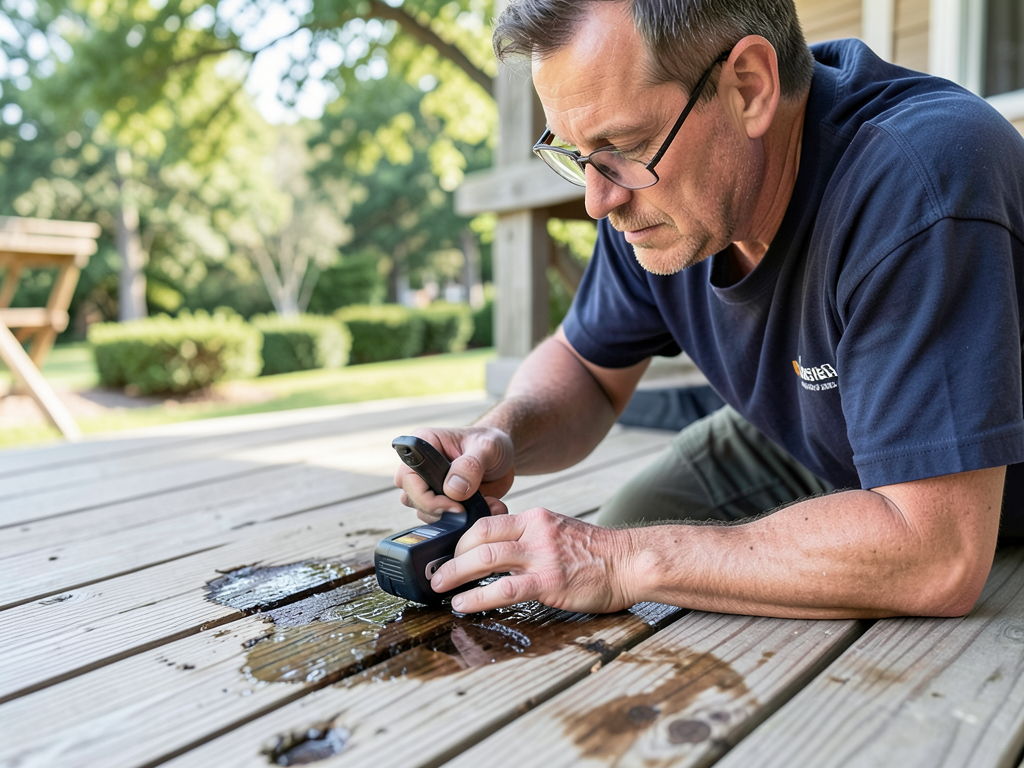
How to Find a Hidden Water Leak Under Your Marblehead Outdoor Deck Living in Marblehead means dealing with coastal moisture,…

How to Find a Hidden Water Leak Under Your Marblehead Outdoor Deck

How to Find a Hidden Water Leak Under Your Marblehead Outdoor Deck Living in Marblehead means dealing with coastal moisture,…

Saving a Luxury Walk In Closet and Designer Wardrobe After a Pipe Burst in Chestnut Hill

When a pipe bursts in your Chestnut Hill home the damage goes far beyond soaked carpets and warped baseboards. For…

Preparing Your Inland Needham Home for Hurricane Season Flooding

Preparing Your Inland Needham Home for Hurricane Season Flooding Living in Needham means enjoying quiet suburban streets and tree-lined neighborhoods.…

Contact Us

Storm flooding gets worse every hour you wait. Call (617) 789-8099 right now for immediate dispatch. We are on-site in under 90 minutes with extraction equipment and certified crews. 24/7 emergency response across Boston. Stop the panic. Start the recovery.