Menu

Condensation on Windows & Walls in Boston – Expert Diagnosis and Permanent Solutions for Hidden Moisture Problems

Atlas Water Damage Restoration Providence delivers comprehensive moisture assessments and targeted remediation for condensation on windows and walls, protecting Boston homes from mold growth, structural decay, and indoor air quality degradation.

Slider Image 1
Slider Image 2
Slider Image 3
Slider Image 4
Slider Image 5
Slider Image 7
Slider Image 8
Slider Image 9
Slider Image 10
Slider Image 11

Why Boston Homes Battle Condensation Year-Round

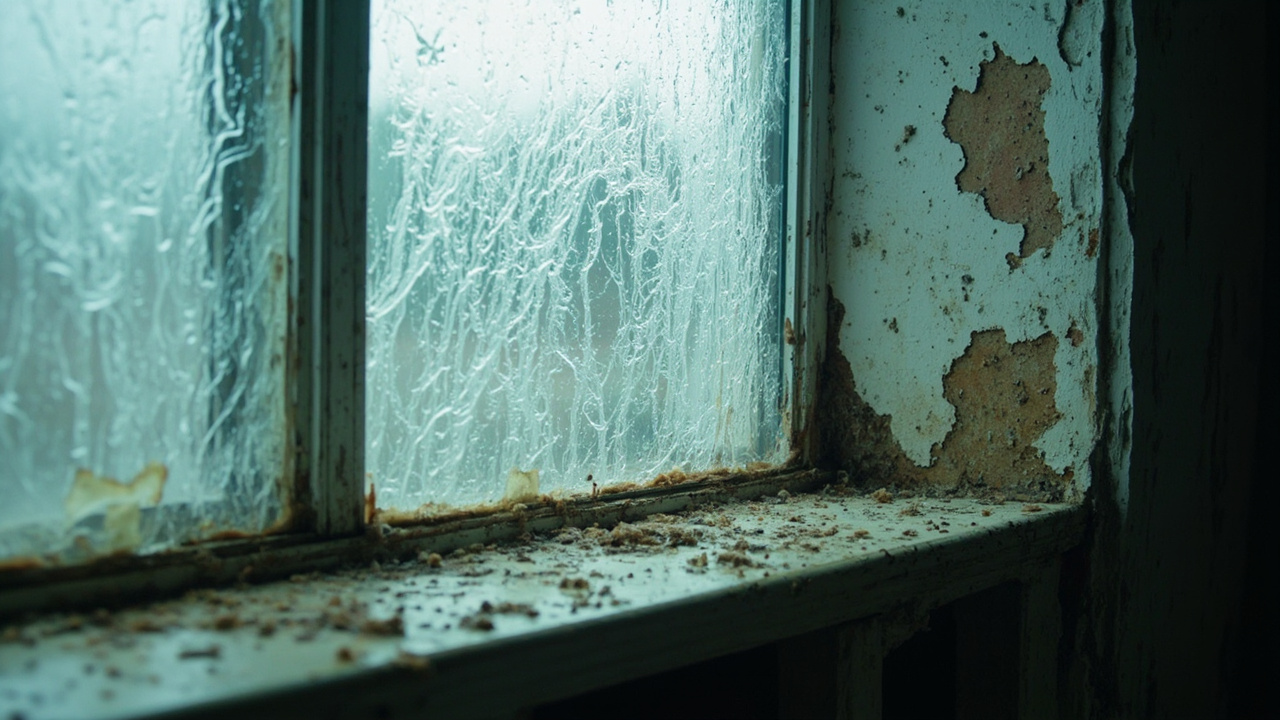
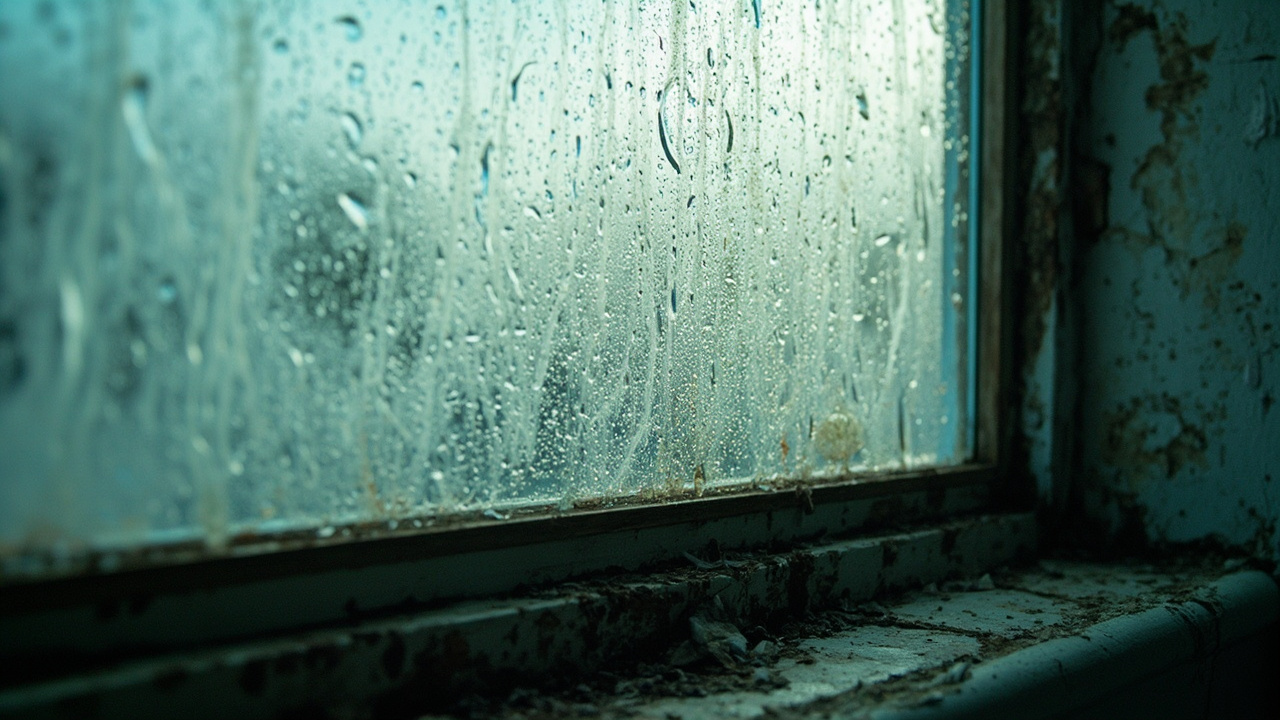
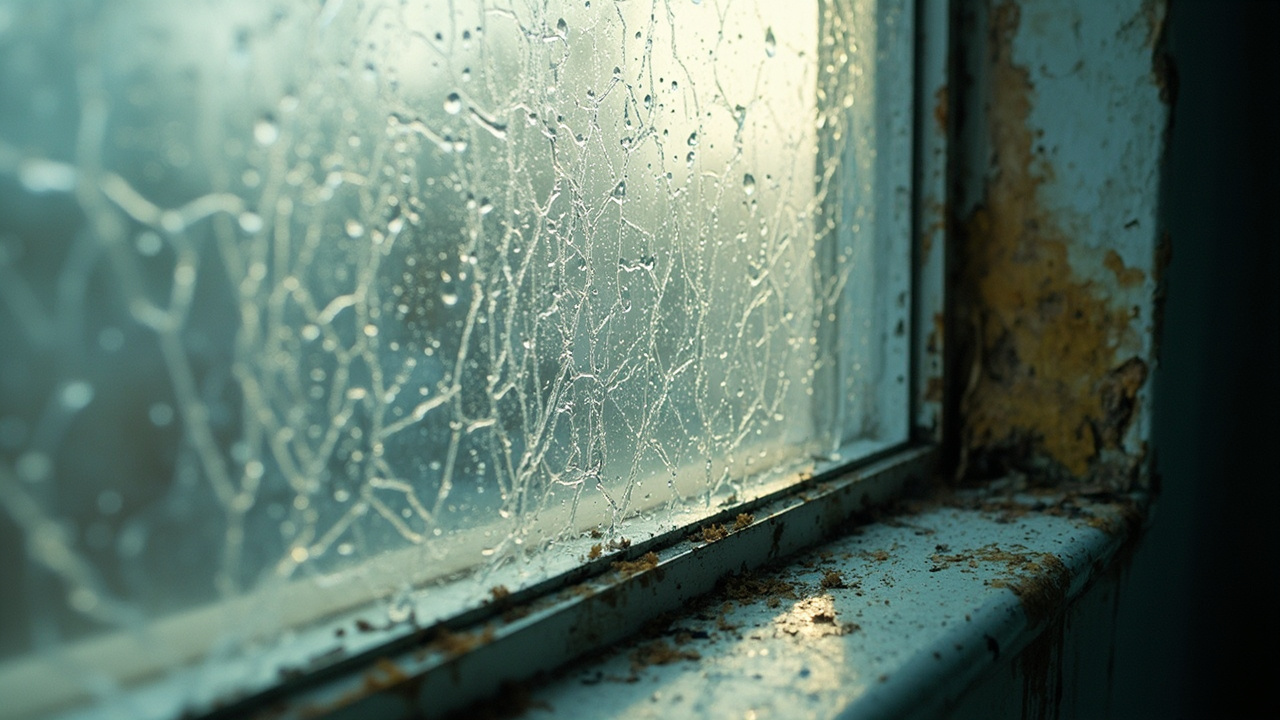
You wake up to weeping window panes dripping onto sills. By afternoon, you notice moisture buildup on walls in your bedroom. This is not normal wear and tear. Boston's coastal humidity and dramatic temperature swings create perfect conditions for interior glass condensation and damp drywall patches.

The problem intensifies during winter when Boston's average indoor heating raises interior temperatures to 68 degrees while outdoor air plummets to 20 degrees. That 48-degree differential drives window sweating and moisture accumulation on cold surfaces. Triple-deckers and older brick row homes in Dorchester and Charlestown face amplified risk because many lack vapor barriers or proper attic ventilation.

Spring and fall fog rolling in from Boston Harbor adds another moisture layer. When warm, humid exterior air contacts your air-conditioned walls in summer, you get reverse condensation. Water vapor condenses inside wall cavities where you cannot see it. By the time you spot visible damp drywall patches, mold colonies may already be established behind wallpaper or paint.

Boston's housing stock complicates the issue. Historic homes in Beacon Hill and Back Bay were built before modern HVAC systems. Adding central air to a 1890s brownstone without addressing vapor drive creates condensation problems the original builders never anticipated. Modern spray foam insulation installed incorrectly in older homes traps moisture instead of managing it.

If you see water droplets on windows every morning or feel dampness when you touch exterior walls, you have a moisture balance problem that will worsen. Condensation does not fix itself. It accelerates rot, feeds mold, and degrades indoor air quality your family breathes every day.

Why Boston Homes Battle Condensation Year-Round
How We Stop Condensation at the Source

How We Stop Condensation at the Source

We do not just wipe down wet windows and call it solved. Atlas Water Damage Restoration Providence identifies why moisture is condensing in your specific home and corrects the underlying vapor drive, thermal bridging, or ventilation failure causing it.

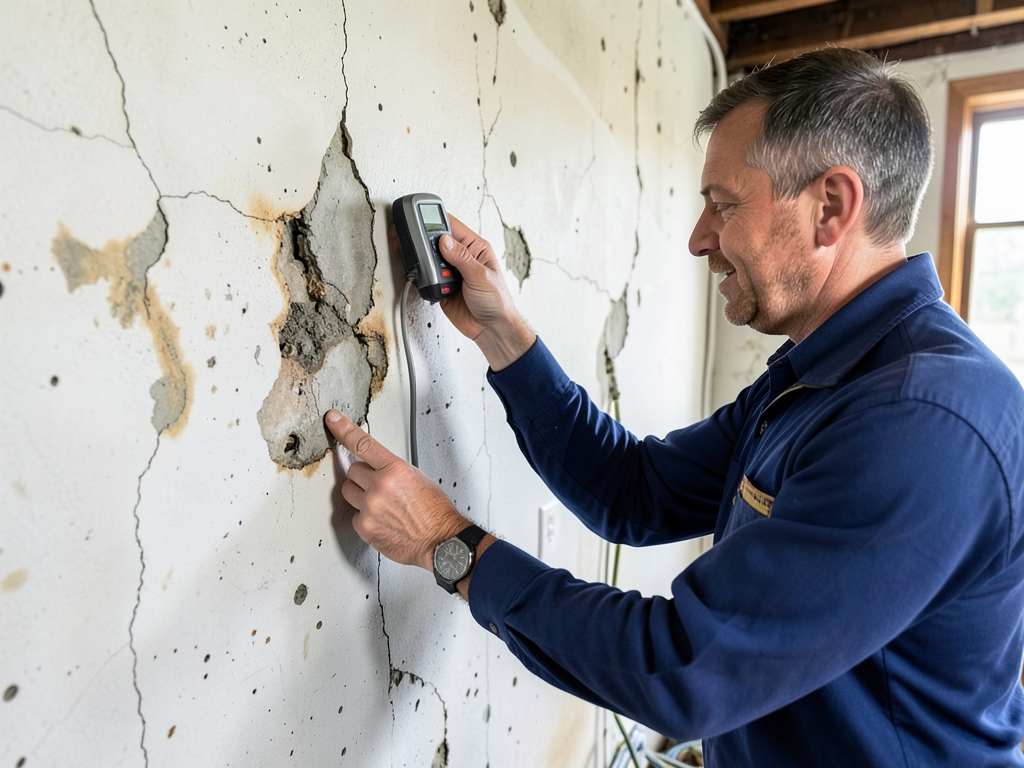
Our process starts with thermal imaging to map cold spots where condensation forms. We use calibrated hygrometers to measure relative humidity in each room and psychrometric calculations to determine your home's dew point. This tells us exactly when and where water vapor will condense into liquid. We inspect attic ventilation ratios, check for bathroom and kitchen exhaust venting directly outdoors, and evaluate whether your HVAC system is properly sized and balanced.

We trace condensation patterns to their root causes. Window sweating on north-facing windows in winter indicates insufficient glazing performance or interior humidity levels above 45 percent. Moisture buildup on exterior walls near bathrooms points to failed vapor barriers or exhaust fans venting into wall cavities instead of outside. Damp drywall patches on cathedral ceilings suggest attic condensation dripping down through insulation.

For thermal bridging, we identify uninsulated rim joists, thermal breaks at old window frames, and areas where insulation has compressed or fallen away from wall sheathing. We measure ventilation rates using blower door testing to ensure your home exchanges stale humid air for fresh dry air at proper rates without creating negative pressure that pulls humid air through building cavities.

Once we pinpoint causation, we implement targeted fixes. This might include upgrading to low-e windows, installing vapor barriers on warm-in-winter surfaces, adding mechanical ventilation with heat recovery, or rebalancing your HVAC system to control humidity actively. We fix the physics driving condensation in your home.

What Happens During Your Condensation Assessment

Condensation on Windows & Walls in Boston – Expert Diagnosis and Permanent Solutions for Hidden Moisture Problems
01

Initial Site Inspection

We document every location where you see interior glass condensation, damp drywall patches, or weeping window panes. Our technicians photograph damage patterns and use moisture meters to measure water content in drywall, trim, and window sills. We note whether condensation appears seasonally or year-round and whether it concentrates on specific walls or rooms. This survey establishes baseline conditions and helps us correlate moisture patterns with building features like north-facing walls or rooms above unconditioned spaces.
02

Diagnostic Testing

We perform thermal imaging scans to reveal temperature differentials causing condensation. Hygrometers measure indoor relative humidity and we calculate dew point temperatures for each zone. Blower door testing quantifies air leakage and identifies negative pressure issues. We inspect attics, crawl spaces, and wall cavities for vapor barrier integrity, insulation performance, and ventilation adequacy. This diagnostic phase reveals whether your condensation stems from humidity control failure, thermal bridging, or vapor drive through building assemblies.
03

Remediation Plan Delivery

You receive a written report explaining exactly why condensation forms in your home and what fixes will eliminate it. We prioritize solutions by impact and cost, distinguishing between critical repairs and optimization upgrades. The plan specifies whether you need ventilation improvements, humidity control equipment, insulation upgrades, or vapor barrier installation. We explain how each intervention addresses the specific moisture physics causing your window sweating and moisture buildup on walls. You get clear scope, timeline, and next steps.

Why Boston Homeowners Choose Atlas for Condensation Problems

Condensation issues require building science expertise, not just surface-level drying. Atlas Water Damage Restoration Providence applies hygrothermal analysis to Boston's specific climate zone and housing stock. We understand how vapor pressure drives moisture through the brick veneer common in Jamaica Plain or how insufficient soffit venting creates attic condensation in South Boston triple-deckers.

We have resolved condensation problems in every Boston neighborhood. We know that Beacon Hill brownstones need different approaches than vinyl-sided colonials in West Roxbury. Historic homes built before 1950 often lack any vapor control layers. Modern renovations that add insulation without addressing vapor drive can make condensation worse. We account for these variables in every assessment.

Boston's coastal humidity creates year-round moisture challenges most inland cities never face. Summer dew points above 65 degrees drive reverse condensation when air conditioning cools walls below ambient temperature. Winter indoor heating creates strong vapor drive from interior spaces toward cold exterior surfaces. We calibrate our solutions for Boston's humidity patterns, not generic best practices from dry climates.

We work within the constraints of Boston's strict building codes and historic district regulations. Some neighborhoods prohibit exterior changes that would improve ventilation or vapor control. We design solutions that comply with local preservation standards while still solving your condensation problem effectively. Our familiarity with Boston Inspectional Services requirements keeps your project compliant and moving forward.

When we trace condensation to its source, we fix that source. You do not get temporary relief that fails next season. You get permanent moisture control that protects your investment and your family's health for decades.

What to Expect When You Call Atlas

Response Time and Availability

We schedule condensation assessments within 48 hours of your call. Morning condensation patterns require early observation, so we accommodate scheduling that lets us see your home when moisture problems are most visible. Assessments typically take two to three hours depending on home size and complexity. We operate throughout Boston and surrounding communities six days per week. While condensation rarely constitutes a true emergency, we understand the stress of watching moisture damage accumulate daily. Our scheduling accommodates your availability and the timing needed to properly observe moisture behavior in your specific home.

The Assessment Process

Your assessment includes visual inspection, moisture content readings, thermal imaging, and humidity measurements in each affected area. We inspect attics, basements, and crawl spaces where condensation often originates but goes unnoticed. We review your heating and cooling system operation and airflow patterns. You walk through with our technician as we explain what we find in real time. We answer your questions about why condensation appears where it does and what factors are contributing. You receive a written report with thermal images, moisture readings, and identified deficiencies. The report explains the physics driving your moisture problems in clear language you can understand and use.

The Remediation Outcome

Proper condensation remediation eliminates visible moisture on windows and walls. Your indoor relative humidity stabilizes in the healthy 30 to 50 percent range year-round. Damp patches dry out permanently. Window sweating stops. Air quality improves as mold spores decline. Paint and wallpaper no longer peel from moisture exposure. Wood trim and sills stop showing water staining or rot. The result is a home that maintains comfortable humidity levels without excess moisture condensing on cold surfaces. You stop worrying about what is growing behind your walls. Your home becomes healthier and more durable.

Follow-Up and Monitoring

After remediation, we provide humidity monitoring guidelines so you can verify the problem stays solved. We explain seasonal variations you should expect and what readings indicate trouble. For complex projects involving multiple interventions, we schedule a follow-up inspection three to six months after completion to verify all moisture control measures are functioning as designed. We show you how to use a hygrometer to spot problems early and maintain proper ventilation habits. You get direct contact information if new moisture issues appear. Our goal is permanent moisture control, not a temporary fix that requires repeat service calls.

Frequently Asked Questions

You Have Questions,
We Have Answers

How to stop condensation on windows and walls? +

Reduce indoor humidity first. Run exhaust fans in bathrooms and kitchens during and after use. A dehumidifier helps in basements and poorly ventilated rooms. Improve air circulation by opening interior doors and using ceiling fans. Check that dryer vents exhaust outside, not into the home. In Boston's humid summers and cold winters, maintaining consistent indoor temperatures prevents warm, moist air from hitting cold surfaces. Seal air leaks around windows and doors with weatherstripping. If condensation persists after these steps, you may have a hidden moisture source or ventilation problem that needs professional assessment.

Does condensation on windows mean poor insulation? +

Not always. Condensation happens when warm, humid indoor air contacts cold window glass. Single-pane windows or older double-pane units with broken seals lose heat faster, making condensation more likely. However, excessive indoor humidity causes condensation even on well-insulated windows. Boston homes built before 1980 often have inadequate window insulation, but the real culprit is usually moisture buildup from cooking, showering, or basement dampness. If you see condensation only on certain windows, insulation may be weak there. If all windows fog up, reduce humidity levels before replacing windows.

Does condensation on windows mean the house is too cold? +

Not necessarily. Condensation forms when indoor air is too humid, regardless of overall temperature. Cold windows create a surface where moisture condenses out of warmer air. In Boston winters, even a well-heated home can develop window condensation if humidity runs high. The issue is the temperature difference between air and glass, not room temperature alone. If your thermostat reads 68 degrees but windows still fog, you have excess moisture. Cold drafts near windows worsen the problem by creating localized cold spots where water vapor condenses rapidly.

Is it normal to have condensation on the inside of house windows? +

Some condensation is normal during extreme weather. Boston winters bring outdoor temps below freezing while indoor heating creates warmth. A little morning fog that disappears quickly is not concerning. Heavy condensation that drips down glass, pools on sills, or persists all day signals a humidity problem. Older homes with storm windows may trap moisture between panes. New, tightly sealed homes without proper ventilation can trap humidity inside. If you see frost patterns or ice on interior glass during cold snaps, address ventilation and humidity immediately to prevent mold and wood rot.

Should I wipe condensation off windows? +

Yes, wipe it off daily. Condensation left on glass drips onto wooden sills and frames, causing rot, paint failure, and mold growth. Use a squeegee or absorbent towel each morning. Empty the water outside, not into sinks where it adds to indoor humidity. Wiping is a temporary fix, not a solution. You still need to reduce moisture sources and improve ventilation. In Boston's freeze-thaw cycles, condensation can freeze overnight and expand in cracks, damaging window frames. Consistent wiping prevents water damage while you address the root humidity issue.

What to put on walls to stop condensation? +

Apply mold-resistant primer and paint to walls prone to condensation. These coatings resist moisture but do not stop condensation from forming. The real fix is reducing indoor humidity and improving insulation. Add rigid foam board or spray foam insulation to cold exterior walls, common in Boston's older brick and wood-frame homes. Install vapor barriers on the warm side of insulation during renovations. Increase air circulation with fans. If condensation appears on interior walls, you likely have inadequate insulation or a hidden moisture intrusion from outside requiring professional inspection.

When should I be worried about condensation on windows? +

Worry when condensation appears on walls, ceilings, or interior surfaces beyond windows. This signals dangerously high humidity or severe insulation failure. Ice buildup on windows in winter, water pooling on sills, or black mold spots around frames demand immediate action. Condensation on basement walls or in crawl spaces can lead to structural damage and mold. Boston homes with finished basements often trap moisture in lower levels. If condensation persists after running dehumidifiers and improving ventilation, you may have a hidden leak, foundation issue, or failed vapor barrier needing professional diagnosis.

How to know if it's condensation or a leak? +

Condensation forms evenly across cold surfaces and appears during temperature changes, especially mornings. It wipes away easily. Leaks create isolated wet spots, streaks, or stains that reappear in the same location regardless of weather. Water from leaks often carries dirt or discoloration. Check for dampness in surrounding drywall or insulation. In Boston, ice dams cause leaks that mimic condensation on upper-floor ceilings. Run your hand along walls and window frames. Condensation feels cool and damp. Leak water soaks deeper into materials and may smell musty. Persistent wetness in one spot indicates a leak.

What are signs of excessive condensation? +

Watch for musty odors, visible mold on walls or ceilings, and peeling paint or wallpaper. Wood window frames that feel soft or show discoloration indicate prolonged moisture exposure. Warped flooring near exterior walls signals humidity problems. Boston homes often show condensation damage in poorly ventilated bathrooms and north-facing rooms. Foggy windows that never clear, even midday, mean humidity is too high. Water stains on ceilings below bathrooms or around HVAC vents point to condensation in hidden spaces. If relatives with allergies or asthma feel worse indoors, excess moisture may be fueling mold growth.

What temperature should I keep my house to prevent condensation? +

Keep your home between 68 and 72 degrees with indoor humidity below 40 percent in winter. Boston's cold winters require this balance to prevent condensation without wasting energy. Use a hygrometer to monitor humidity levels. In summer, run air conditioning to control both temperature and moisture. Avoid large temperature swings that cause surfaces to cool rapidly. Basements should stay above 60 degrees to prevent condensation on cold concrete. Consistent heating prevents cold spots where moisture condenses. Adjust humidity lower during extreme cold snaps when outdoor temps drop below 20 degrees.

How Boston's Marine Climate Intensifies Window and Wall Condensation

Boston's proximity to the Atlantic Ocean and Boston Harbor creates persistently elevated humidity levels that drive condensation problems year-round. Summer dew points regularly exceed 65 degrees, making your air-conditioned walls colder than the air's saturation temperature. Moisture condenses inside wall cavities where vapor barriers were never installed in homes built before 1970. Winter storms bring moisture-laden air that infiltrates through brick mortar joints and clapboard gaps. When this humid air contacts your heated interior walls, water vapor condenses and soaks insulation. Boston's freeze-thaw cycles compound the damage as trapped moisture expands when frozen, cracking masonry and forcing water deeper into wall assemblies.

Atlas Water Damage Restoration Providence has diagnosed condensation problems in every Boston neighborhood from Roslindale to East Boston. We understand how triple-deckers in Dorchester condensation differently than brick row homes in South End or wood-frame colonials in Hyde Park. Our technicians recognize the signs of failed roof ventilation common in Boston's hip roof designs and know how to trace moisture paths through balloon-framed walls prevalent in pre-1940 construction. We work within Boston's historic district regulations when recommending exterior modifications and maintain relationships with local building inspectors who understand our moisture control approaches. When you choose local expertise, you get solutions calibrated for Boston's specific housing stock and climate challenges.

Water Damage Restoration Services in The Boston Area

You can see our service area and our location on the map below. We are proud to serve the entire Boston area and surrounding communities. We're always ready to dispatch our team to your home or business, no matter where you are. We’re committed to a fast, reliable response and ensuring we’re always there when you need us most.

Address:
First Choice Water Damage Restoration Boston, 44 School St., Boston, MA, 02108

Additional Services We Offer

Our news updates

Latest Articles & News from The Blogs

How to Find a Hidden Water Leak Under Your Marblehead Outdoor Deck Living in Marblehead means dealing with coastal moisture,…

How to Find a Hidden Water Leak Under Your Marblehead Outdoor Deck

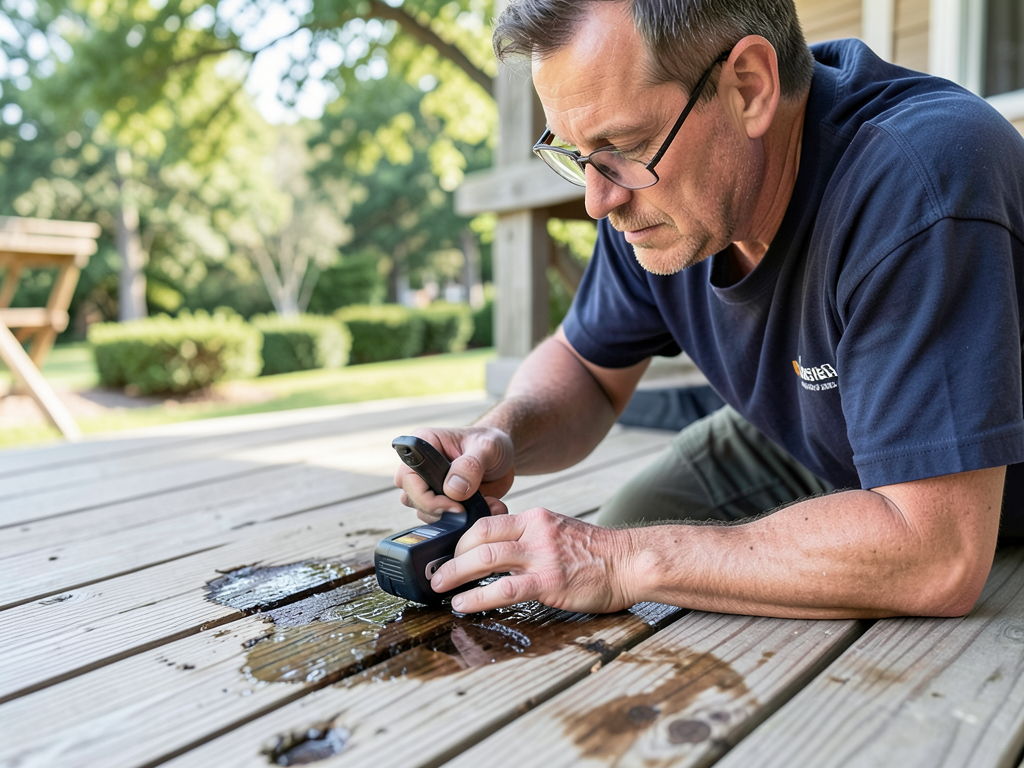
How to Find a Hidden Water Leak Under Your Marblehead Outdoor Deck Living in Marblehead means dealing with coastal moisture,…

Saving a Luxury Walk In Closet and Designer Wardrobe After a Pipe Burst in Chestnut Hill

When a pipe bursts in your Chestnut Hill home the damage goes far beyond soaked carpets and warped baseboards. For…

Preparing Your Inland Needham Home for Hurricane Season Flooding

Preparing Your Inland Needham Home for Hurricane Season Flooding Living in Needham means enjoying quiet suburban streets and tree-lined neighborhoods.…

Contact Us

Condensation feeds mold and rots structural wood every day it continues. Call Atlas Water Damage Restoration Providence at (617) 789-8099 now to schedule your comprehensive moisture assessment. We will identify exactly why your windows and walls are wet and provide the permanent solution your Boston home needs.