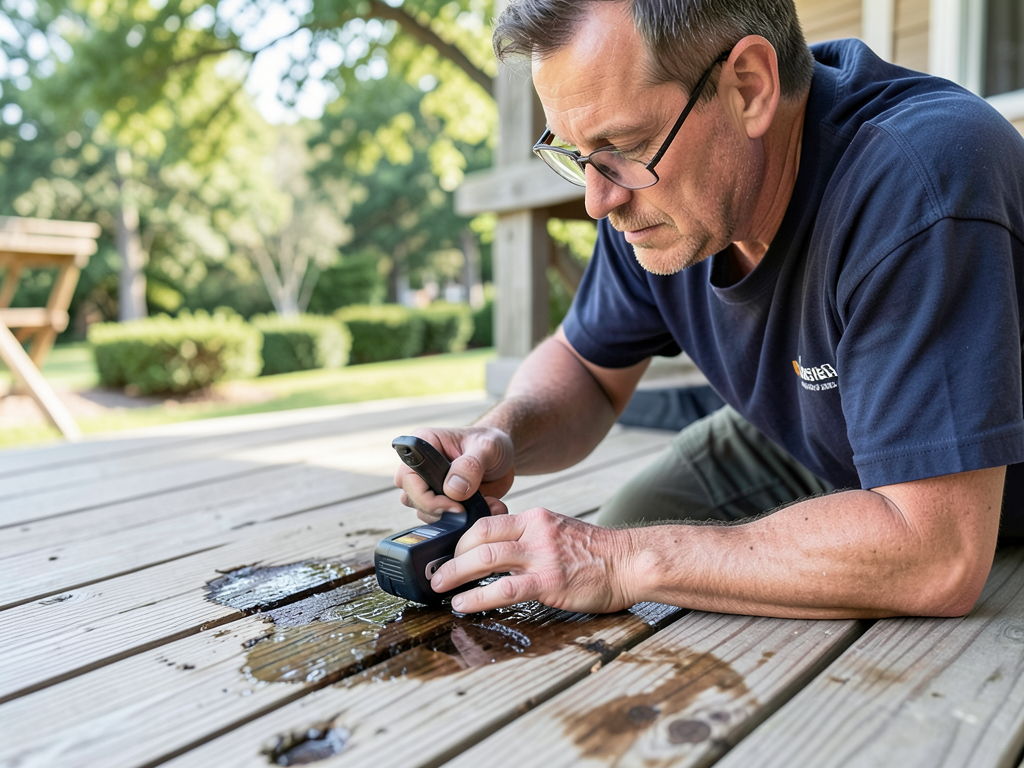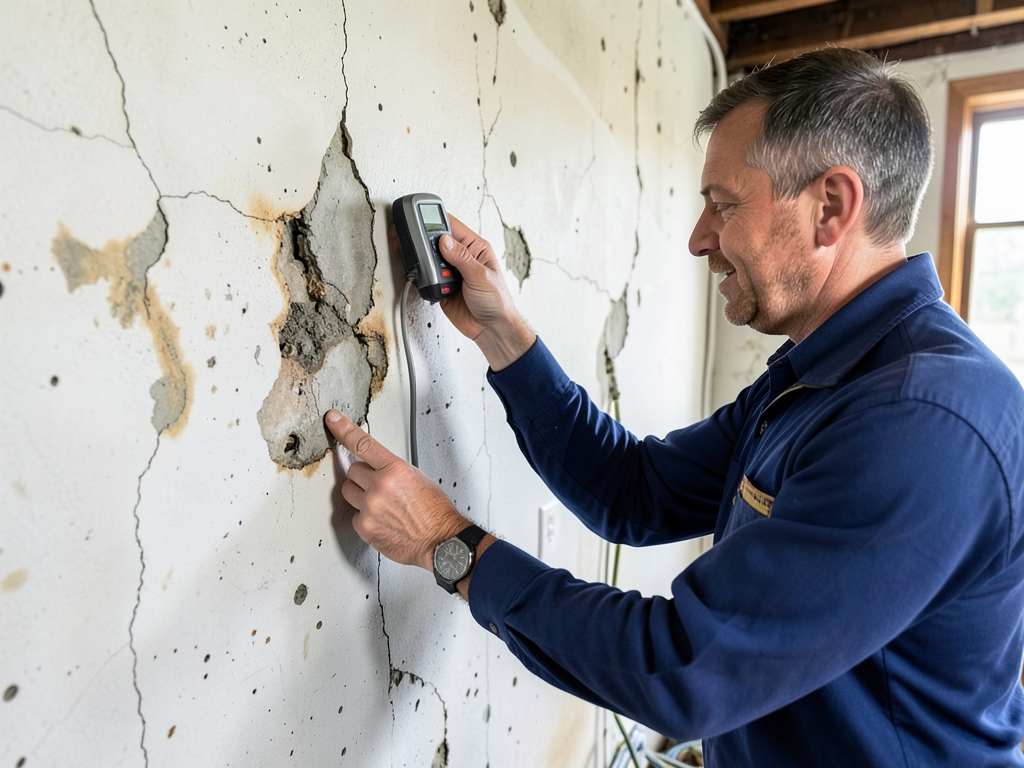


Boston experiences more freeze-thaw cycles annually than cities just 100 miles south, creating unique challenges for foundation waterproofing. When water penetrates concrete or masonry and freezes, it expands with 9 percent more volume. This expansion creates internal pressure exceeding 25,000 pounds per square inch, enough to crack the strongest concrete. Each cycle widens existing cracks and creates new pathways for water intrusion. Homes in Boston can experience 40 or more freeze-thaw events between November and March. This repetitive stress degrades waterproofing membranes, fractures foundation walls, and separates mortar joints faster than in climates with fewer temperature swings. Your water damage prevention checklist must account for this accelerated deterioration by including twice-yearly crack inspections and aggressive moisture control best practices.
Boston's building stock includes thousands of homes built before modern waterproofing materials existed. Properties in Charlestown, South Boston, and the South End often have foundations constructed with rubble stone or brick laid with lime mortar. These materials were never designed to stay dry, they were built to shed water and dry quickly. Modern waterproofing strategies for these older foundations require different approaches than new construction. You cannot simply coat the exterior with asphalt emulsion and expect success. Instead, effective strategies focus on managing bulk water with proper drainage, controlling interior humidity, and using breathable sealers that allow moisture vapor to escape. Atlas Water Damage Restoration Providence understands these distinctions because we work with Boston's diverse housing stock daily.