Menu

Toilet Overflow Cleanup in Boston – Emergency Response in 60 Minutes or Less

When sewage floods your bathroom, you need immediate toilet overflow cleanup in Boston that stops the contamination and protects your health. Our crews arrive fast, extract hazardous water safely, and restore your space the same day.

Slider Image 1
Slider Image 2
Slider Image 3
Slider Image 4
Slider Image 5
Slider Image 7
Slider Image 8
Slider Image 9
Slider Image 10
Slider Image 11

Why Toilet Overflows Turn Critical Fast in Boston Homes

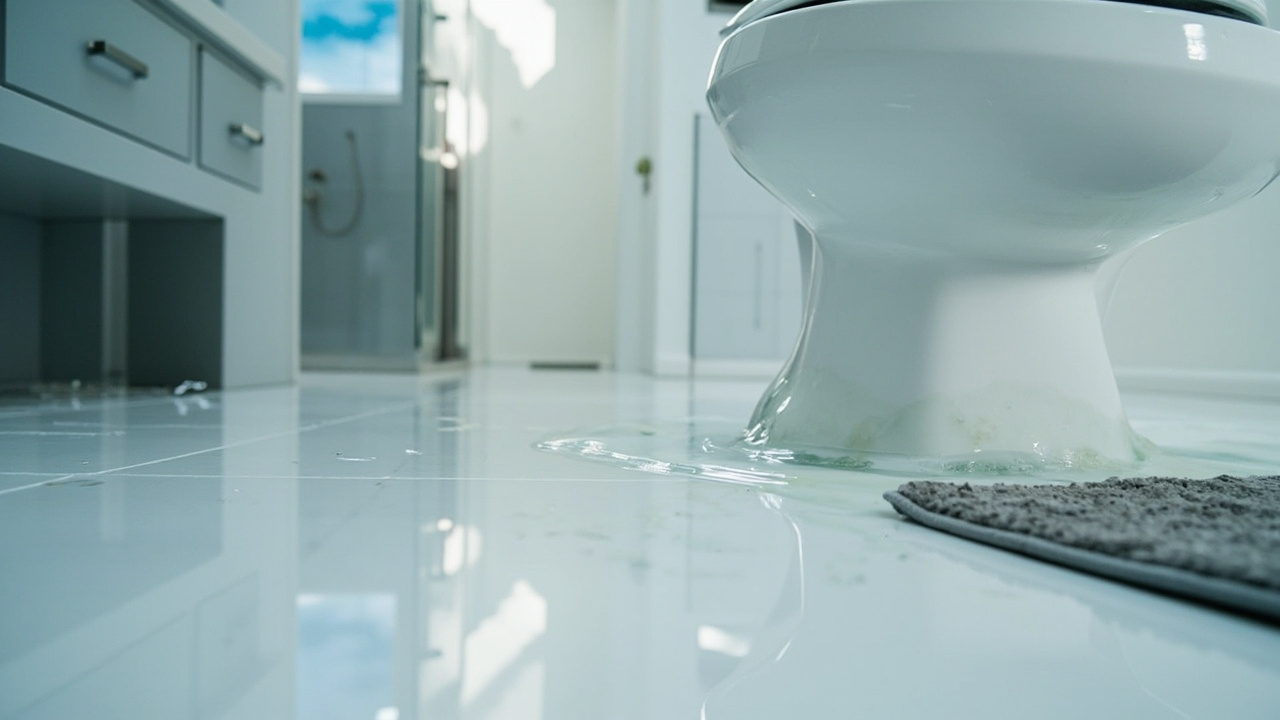
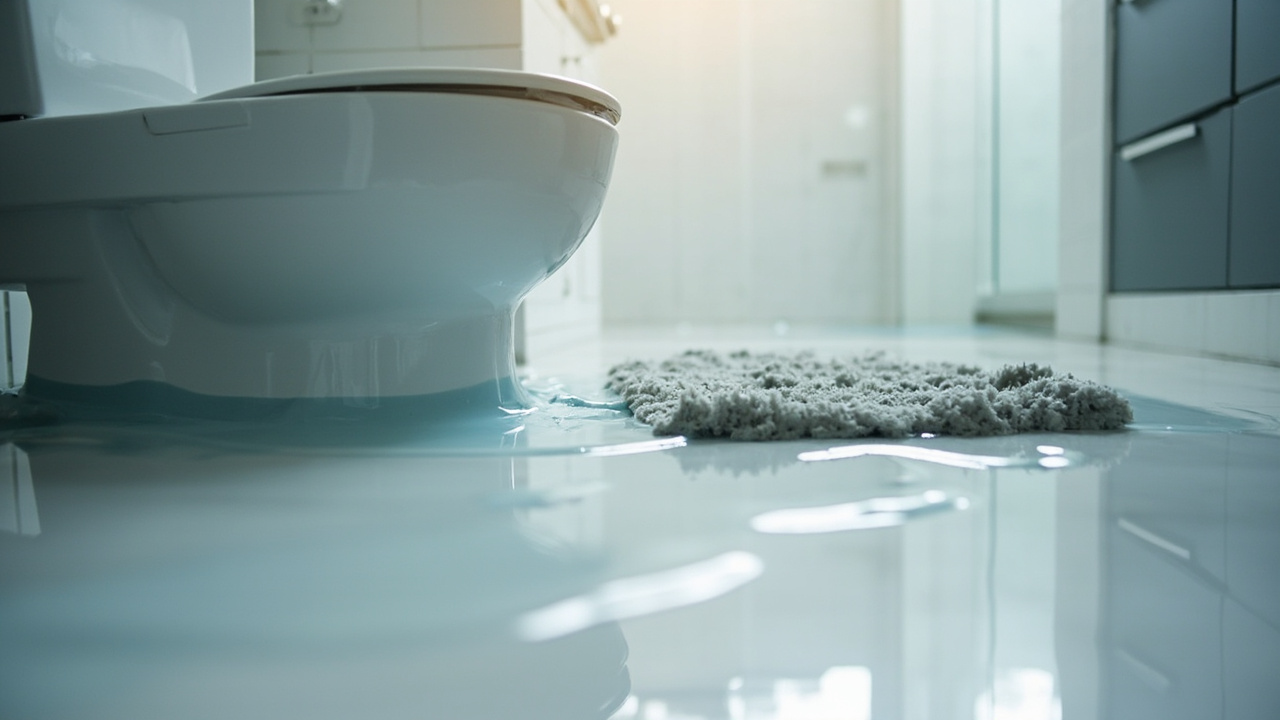
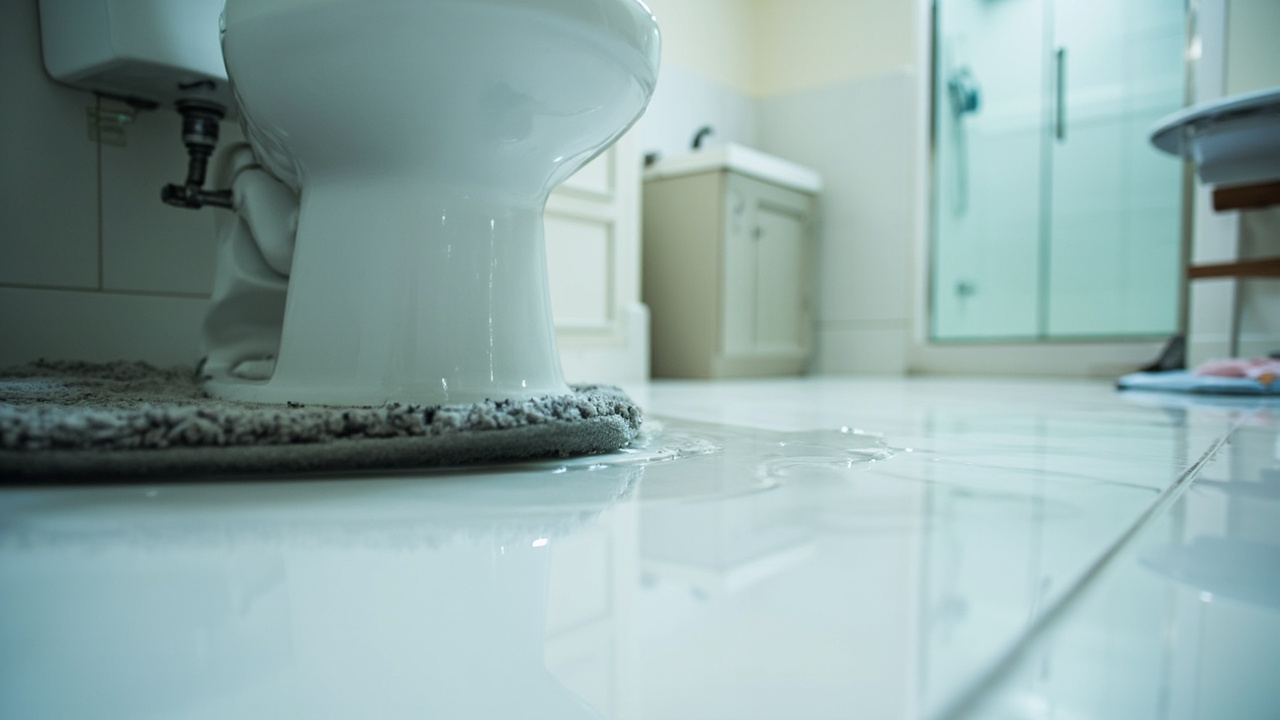
A toilet overflow is not just water. It is Category 3 sewage, which means it carries bacteria, viruses, and pathogens that create immediate health risks. In Boston's older housing stock, where many homes in Dorchester, Jamaica Plain, and the South End feature original plumbing from the 1920s and earlier, the risk multiplies. Cast iron drain lines corrode from the inside out. Tree roots from mature maples and oaks invade sewer laterals. When a toilet backs up, contaminated water spreads across tile grout, soaks into subflooring, and seeps into wall cavities within minutes.

Boston's freeze-thaw cycle makes this worse. Pipes expand and contract all winter. Small cracks become full breaks. When spring thaw arrives, sudden surges overwhelm aging systems. You see water pooling around the base of your toilet. You smell sewage. You panic.

That is the right response. Toilet sewage removal must happen immediately. Emergency toilet water extraction is not optional. Every hour you wait allows bacteria to colonize porous materials. Hardwood floors warp. Drywall wicks contamination up the wall. The longer sewage sits, the more you lose.

Toilet flood restoration is time-sensitive. You need a crew that understands the difference between clean water and black water. You need proper containment, antimicrobial treatment, and controlled drying. This is not a job for a wet vac and a mop. Overflowing toilet cleanup requires professional-grade equipment and adherence to IICRC S500 standards. Toilet overflow remediation done wrong leaves you with hidden mold and lingering contamination.

Why Toilet Overflows Turn Critical Fast in Boston Homes
How Professional Toilet Overflow Cleanup Actually Works

How Professional Toilet Overflow Cleanup Actually Works

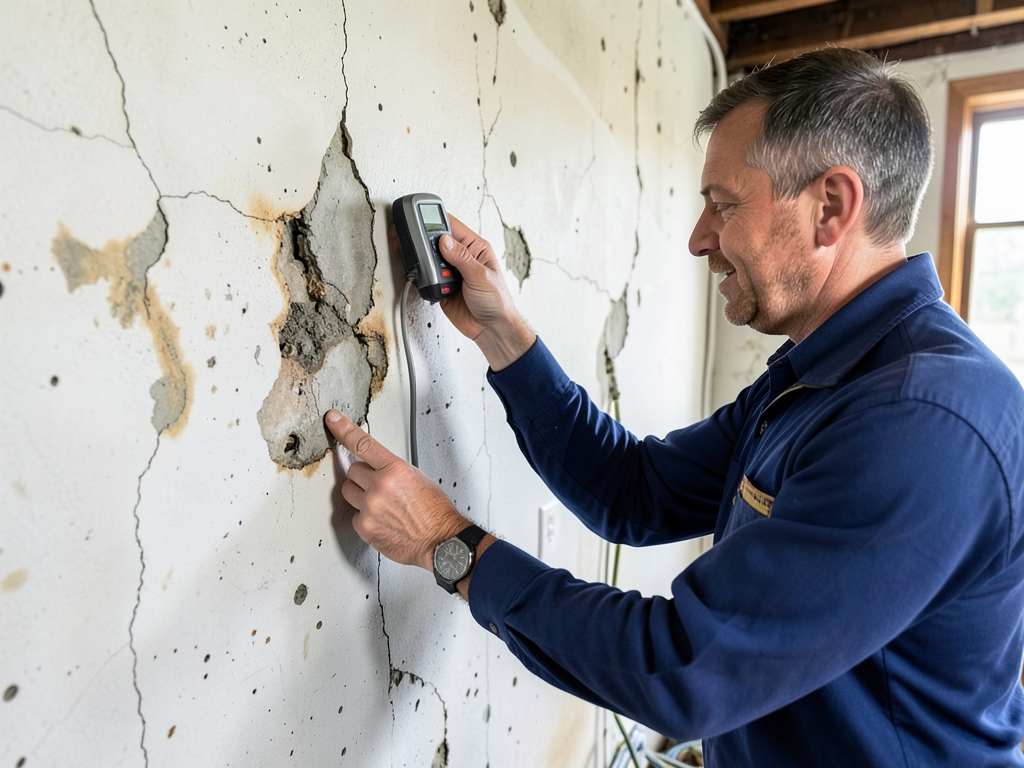
We do not guess. We test. When you call First Choice Water Damage Restoration Boston, our first step is moisture mapping using infrared thermography and penetrating moisture meters. This shows us exactly where sewage has traveled, even behind walls and under cabinets. We mark contaminated zones with physical barriers to prevent cross-contamination.

Next, we extract standing water using truck-mounted extraction units that create negative pressure. This is not a shop vac. We are pulling hundreds of gallons per hour while filtering airborne particulates through HEPA filtration. Simultaneously, we remove all non-salvageable materials. Drywall that contacted sewage gets cut 12 inches above the visible water line. Baseboards come off. Soggy insulation is bagged and disposed of as biohazard waste.

Then we apply EPA-registered antimicrobial agents to all affected surfaces. This is not bleach. We use hospital-grade disinfectants that kill C. diff, E. coli, and norovirus on contact. After treatment, we set up a drying chamber using commercial dehumidifiers and axial air movers positioned to create airflow across all wet surfaces. We monitor grain depression and vapor pressure deficit every 12 hours until materials reach equilibrium moisture content.

For subfloor drying, we use injectidry systems that force heated air beneath flooring without removal. This saves your hardwood in many cases. We also deploy hydroxyl generators to eliminate odor at the molecular level, not just mask it.

Final verification includes ATP swab testing to confirm microbial load reduction and a final moisture survey. We document everything with photo logs and moisture readings for your insurance claim. You get a certificate of microbial remediation when the job is complete.

What Happens When You Call for Emergency Toilet Overflow Service

Toilet Overflow Cleanup in Boston – Emergency Response in 60 Minutes or Less
01

Immediate Dispatch and Assessment

You call our emergency line at (617) 789-8099. We dispatch a crew within 15 minutes. While en route, our technician calls you to walk through immediate safety steps, like shutting off the water supply valve and evacuating anyone with compromised immunity. We arrive with containment barriers, PPE, and extraction equipment ready. The first 30 minutes on-site focus on stopping the source, containing the spread, and mapping the full extent of contamination using moisture detection technology.
02

Extraction and Contamination Control

We set up a physical containment zone using polyethylene sheeting and create negative air pressure with air scrubbers equipped with HEPA filters. This prevents airborne pathogens from migrating to clean areas of your home. We extract all standing sewage using truck-mounted pumps, then remove porous materials that cannot be salvaged. Antimicrobial fogging follows, treating every exposed surface. This phase typically takes two to four hours depending on the affected area and severity of contamination.
03

Drying and Final Verification

We install industrial dehumidifiers and air movers calibrated to your space's cubic footage and moisture load. Drying takes 48 to 72 hours under continuous monitoring. We check moisture levels twice daily and adjust equipment as needed. Once all materials reach dry standard, we perform a final microbial verification test and odor assessment. You receive documentation showing before and after moisture readings, photos of all work performed, and a scope of loss report for your insurance carrier.

Why Boston Homeowners Trust Local Expertise for Sewage Emergencies

Boston is not a generic city. Your home is not a generic home. If you live in a triple-decker in Charlestown, your plumbing configuration is different from a brownstone in Back Bay or a ranch in West Roxbury. We know this because we work here every day. We understand how Boston's building codes evolved from the 1900s to today. We know which neighborhoods have combined sewer systems that overwhelm during heavy rain. We know how to navigate narrow streets and tight staircases with industrial equipment.

When you call a national franchise, you get a call center in another state. When you call First Choice Water Damage Restoration Boston, you get a technician who lives 15 minutes away and has worked on homes exactly like yours. We know the local plumbing inspectors. We know which restoration methods the Boston Fire Department accepts for reoccupancy permits. We know how to communicate with adjusters from the insurance companies that dominate this market.

Local expertise also means faster response. Our trucks are staged in Boston proper, not in a regional hub 40 miles out. When you have sewage on your floor, 40 minutes matters. We also carry relationships with local contractors for rebuild work, local waste haulers who handle biohazard disposal, and local suppliers for emergency materials.

Trust is built on proximity and accountability. We do not disappear after the job. If you have a question two weeks later, you call the same number and talk to the same people. Our reputation is tied to this community. We sponsor youth sports leagues in Roslindale. We hire locally. We pay taxes here. When we say we will be there in 60 minutes, we mean it, because our credibility depends on it.

What You Can Expect During the Toilet Overflow Cleanup Process

Response Time and Availability

We operate 24 hours a day, 365 days a year. That includes Christmas, nor'easters, and Patriots game days. When you call (617) 789-8099, a live person answers, not a voicemail system. We dispatch a crew within 15 minutes of your call. Average arrival time across Boston is 45 to 60 minutes depending on traffic and your location. We do not put you on a wait list. Sewage exposure is a health emergency, and we treat it that way. You will receive a call from your assigned technician while they are en route with an accurate ETA.

Initial Assessment and Scope Development

Our technician arrives with thermal imaging cameras, moisture meters, and borescope inspection tools. We inspect not just the visible damage, but also check wall cavities, subfloors, and adjacent rooms for hidden moisture migration. You receive a verbal walkthrough of what we find and a written scope of work before we begin extraction. This scope includes what materials can be saved, what must be removed, and the estimated timeline. We also coordinate directly with your insurance carrier to document the loss and streamline your claim.

Quality of Restoration and Completion Standards

We follow IICRC S500 standards for water damage restoration and S520 standards for mold remediation when applicable. All antimicrobial treatments use EPA-registered products with proven efficacy against sewage-borne pathogens. Drying equipment runs until materials reach 15 percent moisture content or lower, verified with calibrated meters. You receive before and after photos, daily moisture logs, and a certificate of completion. The space is returned to you clean, dry, and safe for reoccupancy. No shortcuts. No guesswork.

Post-Remediation Support and Documentation

After we complete drying and disinfection, you receive a full report package that includes moisture documentation, equipment logs, antimicrobial product data sheets, and waste disposal manifests. This is critical for insurance claims and for your records if you ever sell the property. We also provide guidance on rebuild contractors if structural work is needed. If you experience any odor or moisture issues within 30 days, we return to reassess at no charge. Our goal is not just to fix the immediate crisis, but to give you confidence the problem is fully resolved.

Frequently Asked Questions

You Have Questions,
We Have Answers

Will toilet overflow cause mold? +

Yes. Toilet overflow can cause mold in as little as 24 to 48 hours. When water soaks into drywall, subflooring, or baseboards, it creates the perfect environment for mold spores to colonize. Boston's high humidity makes this worse, especially in poorly ventilated bathrooms common in older triple-deckers and brownstones. Black water from toilet overflows contains bacteria and organic matter that feeds mold growth. If you see standing water or damp materials after an overflow, act fast. Extract water immediately, dry affected areas with fans and dehumidifiers, and sanitize all surfaces. Ignoring moisture leads to hidden mold behind walls.

How to clean a toilet overflow tube? +

The overflow tube inside your tank does not typically need cleaning. It is a vertical pipe that prevents tank water from spilling onto your floor if the fill valve fails. If you notice buildup or discoloration, turn off the water supply, flush to empty the tank, then use a small brush or cloth with white vinegar to wipe the exterior of the tube. Do not force anything inside the tube opening. If debris blocks it, you may need to replace the fill valve assembly. For persistent clogs or overflow issues in Boston homes, call a licensed plumber to inspect the flush valve and flapper.

Will hydrogen peroxide dissolve toilet paper? +

Hydrogen peroxide will not dissolve toilet paper. It is an oxidizer that kills bacteria and breaks down organic stains, but it does not have the chemical structure to break down cellulose fibers in paper. If you have a clog from excess toilet paper, use a plunger or closet auger to physically remove the blockage. Hot water can help soften some paper, but do not pour boiling water into porcelain fixtures as it can crack them. In Boston's older plumbing systems with cast iron or galvanized pipes, aggressive clogs often need professional hydro-jetting to clear safely without damaging pipes.

Can you pour vinegar in a toilet overflow tube? +

You can pour white vinegar into the overflow tube to help remove mineral deposits and freshen your tank, but it will not fix mechanical problems. Pour one to two cups directly into the tube and let it sit for 30 minutes before flushing. Vinegar dissolves calcium and lime buildup common in Boston's hard water. Do this quarterly as preventive maintenance. However, if your toilet keeps running, overflows, or drains slowly, vinegar will not solve it. You likely have a faulty flapper, fill valve, or partial clog. Address the root cause before minor issues become emergency overflows requiring water damage restoration.

How do Japanese bathrooms not get mold? +

Japanese bathrooms resist mold because they are designed as wet rooms with superior ventilation and waterproofing. Walls, floors, and ceilings use moisture-resistant materials like tile or resin panels with sealed joints. Most have powerful exhaust fans that run continuously or automatically after showers. The layout separates the toilet from the bathing area, reducing cross-contamination. Boston bathrooms, especially in older homes, often lack proper ventilation, use porous materials like drywall, and trap humidity. To reduce mold here, install exhaust fans vented to the exterior, use mold-resistant paint, squeegee surfaces after use, and keep humidity below 60 percent year-round.

What are the first signs of mold sickness? +

The first signs of mold sickness include persistent coughing, sneezing, nasal congestion, itchy eyes, skin rashes, and headaches. Some people experience fatigue, dizziness, or difficulty concentrating. Symptoms often worsen inside the home and improve outdoors. Those with asthma or allergies react more severely. If you recently had a toilet overflow in your Boston home and now feel sick, mold exposure may be the cause. Black water contains pathogens that compound health risks. Do not ignore respiratory symptoms. Evacuate affected areas, ventilate the space, and contact a water damage restoration professional to assess hidden mold behind walls or under flooring before health problems escalate.

What are two things you should never flush down a toilet? +

Never flush wipes or feminine hygiene products. Even wipes labeled flushable do not break down like toilet paper. They snag on pipe joints, create blockages, and cause backups throughout Boston's aging sewer lines. Tampons, pads, and applicators absorb water and expand, lodging in traps and causing overflows. Also avoid flushing dental floss, cotton swabs, paper towels, cat litter, medications, and grease. These materials damage pipes, harm wastewater treatment systems, and lead to expensive emergency calls. Dispose of them in trash cans. If you already flushed something you should not have and your toilet overflows, shut off the water and call a plumber immediately.

How to sanitize floor after toilet overflow? +

Shut off the water, remove standing water with towels or a wet vacuum, then sanitize with an EPA-registered disinfectant designed for sewage contamination. Toilet overflow is black water containing fecal bacteria, viruses, and pathogens. Spray or mop the floor with a hospital-grade disinfectant, let it sit for 10 minutes, then wipe clean. Dispose of contaminated materials in sealed bags. Wear gloves and eye protection. In Boston homes with hardwood or tile, check for water that seeped into grout lines or under baseboards. Use fans and dehumidifiers to dry completely within 48 hours. For large overflows, hire a certified water damage restoration company with proper extraction and antimicrobial equipment.

How to get rid of black gunk in a plug hole? +

Black gunk in drains is biofilm, a slimy buildup of bacteria, soap scum, hair, and organic matter. Remove the stopper or drain cover, scrape out visible debris with a brush or old toothbrush, then flush with hot water. For deeper cleaning, pour half a cup of baking soda followed by white vinegar down the drain, let it fizz for 15 minutes, then flush with boiling water. Repeat weekly to prevent buildup. In Boston's older buildings with corroded pipes, black gunk can indicate pipe deterioration. If odors persist or drains run slow, call a plumber to inspect for hidden clogs or pipe damage before minor issues escalate.

What do plumbers recommend to clean toilet tanks? +

Plumbers recommend white vinegar or a commercial toilet tank cleaner without bleach for regular maintenance. Pour two cups of vinegar into the tank, let it sit for one hour, scrub internal components with a brush, then flush twice to rinse. Vinegar dissolves mineral deposits from Boston's hard water without damaging rubber flappers or fill valves. Avoid bleach tablets, which corrode tank parts and cause leaks. Clean tanks every three to six months to prevent buildup that affects flushing performance. If you notice rust, sediment, or persistent running water, replace worn components immediately. Neglected tank issues lead to overflows and expensive water damage repairs.

How Boston's Aging Sewer Infrastructure Increases Toilet Overflow Risk

Boston's sewer system is one of the oldest in the country. Many neighborhoods still rely on infrastructure installed before 1950. Combined sewer systems in areas like the North End and East Boston carry both sewage and stormwater in the same pipes. During heavy rain or spring snowmelt, the system overflows. Sewage backs up into homes through floor drains and toilets. The Boston Water and Sewer Commission has ongoing projects to separate these systems, but thousands of homes remain vulnerable. If you live in a combined sewer zone, you face higher risk of toilet overflow incidents, especially during coastal storms and king tides that overwhelm outfalls.

Working in Boston means understanding local building codes and health regulations. The Inspectional Services Department requires specific protocols for sewage cleanup in occupied buildings. We maintain open communication with local inspectors and follow City of Boston guidelines for biohazard waste disposal. Our technicians are trained on Massachusetts state plumbing codes and know how to identify violations that may have contributed to the overflow. Choosing a local company means you work with professionals who understand these requirements and can help you navigate permitting if structural repairs are needed. National companies often miss these local nuances.
Water Damage Restoration Services in The Boston Area

You can see our service area and our location on the map below. We are proud to serve the entire Boston area and surrounding communities. We're always ready to dispatch our team to your home or business, no matter where you are. We’re committed to a fast, reliable response and ensuring we’re always there when you need us most.

Address:
First Choice Water Damage Restoration Boston, 44 School St., Boston, MA, 02108

Additional Services We Offer

Our news updates

Latest Articles & News from The Blogs

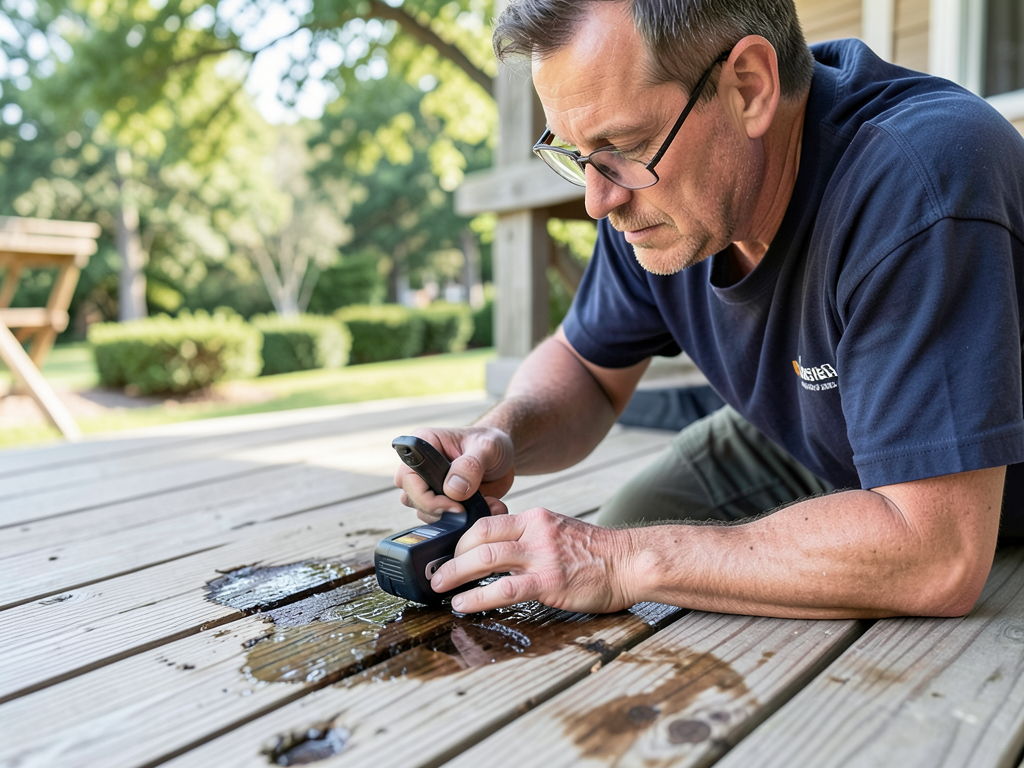
How to Find a Hidden Water Leak Under Your Marblehead Outdoor Deck Living in Marblehead means dealing with coastal moisture,…

How to Find a Hidden Water Leak Under Your Marblehead Outdoor Deck

How to Find a Hidden Water Leak Under Your Marblehead Outdoor Deck Living in Marblehead means dealing with coastal moisture,…

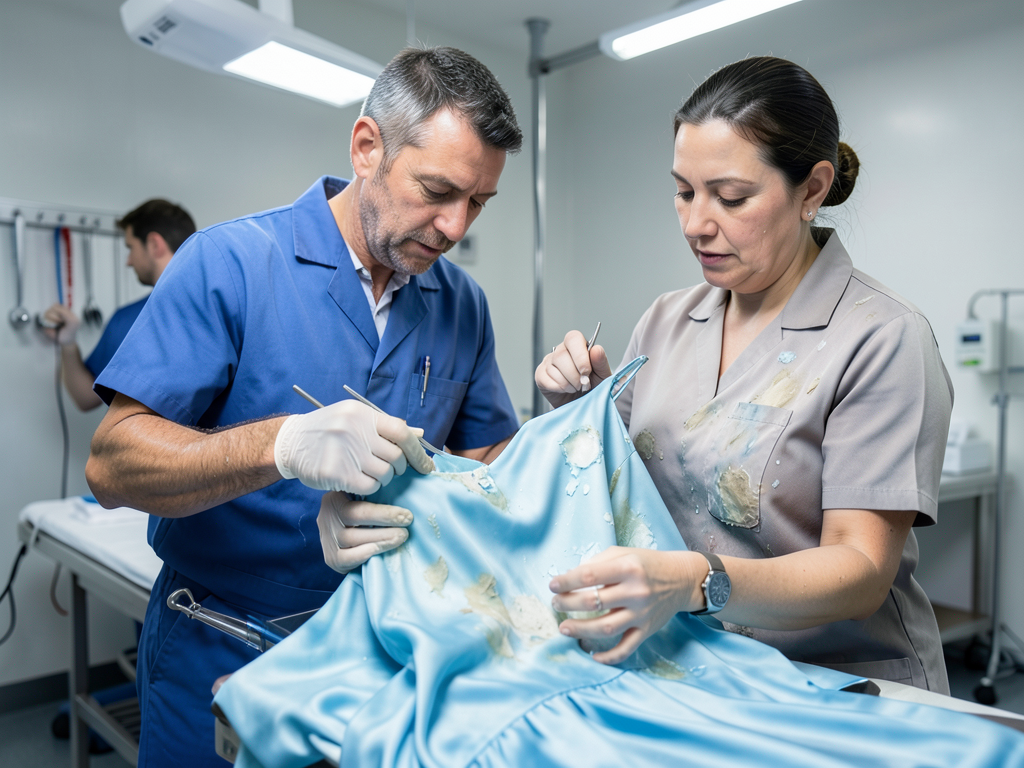
Saving a Luxury Walk In Closet and Designer Wardrobe After a Pipe Burst in Chestnut Hill

When a pipe bursts in your Chestnut Hill home the damage goes far beyond soaked carpets and warped baseboards. For…

Preparing Your Inland Needham Home for Hurricane Season Flooding

Preparing Your Inland Needham Home for Hurricane Season Flooding Living in Needham means enjoying quiet suburban streets and tree-lined neighborhoods.…

Contact Us

Every minute counts when sewage is in your home. Call (617) 789-8099 now for emergency toilet overflow cleanup in Boston. Our crews are standing by 24/7 with the equipment and expertise to contain the damage, eliminate contamination, and restore your space safely.