Menu

Warehouse Flood Restoration in Boston – Industrial-Grade Recovery That Keeps Your Operations Moving

Atlas Water Damage Restoration Providence delivers warehouse flood restoration designed for business continuity. We deploy commercial-grade equipment and expedited protocols to minimize downtime, protect inventory, and restore operations across Boston's industrial corridors.

Slider Image 1
Slider Image 2
Slider Image 3
Slider Image 4
Slider Image 5
Slider Image 7
Slider Image 8
Slider Image 9
Slider Image 10
Slider Image 11

Boston Warehouses Face Unique Flood Vulnerabilities

Boston's coastal position and aging industrial infrastructure create compounded flood risks for warehouse operators. When hurricanes push storm surge up the Fort Point Channel or nor'easters dump rain faster than combined sewer systems can drain, facilities in the Seaport, Newmarket, and South Boston Waterfront flood fast. The city's flat topology means water spreads laterally across concrete slabs, infiltrating loading docks and seeping under racking systems before you notice the breach.

Commercial flood remediation for warehouses is not residential work scaled up. You are managing inventory liability, operational downtime measured in revenue per hour, and regulatory compliance with local fire codes that govern sprinkler system integrity post-flood. When saltwater intrusion corrodes electrical conduit or contaminated floodwater violates OSHA standards, you need industrial water damage cleanup that addresses the full scope.

Boston's freeze-thaw cycles add a secondary threat. Pipes burst in unheated sections during January cold snaps, then thaw into full flooding when temperatures spike. Distribution centers storing temperature-sensitive goods face dual exposure: the flood itself and the inventory loss from climate control failure.

Atlas Water Damage Restoration Providence responds to warehouse water mitigation emergencies with industrial extractors, desiccant dehumidifiers rated for spaces exceeding 50,000 square feet, and documentation protocols that satisfy both insurance adjusters and municipal inspectors. We understand that your facility is not just a building. It is a logistics node. Downtime cascades through your supply chain, and we engineer our response to stop that cascade.

Boston Warehouses Face Unique Flood Vulnerabilities
How Industrial Flood Recovery Differs from Standard Water Damage Work

How Industrial Flood Recovery Differs from Standard Water Damage Work

Warehouse flood restoration requires equipment capacity and technical knowledge that residential crews do not carry. We deploy trailer-mounted extractors capable of removing thousands of gallons per hour, not the 20-gallon shop vacs used in basements. Our desiccant dehumidifiers pull moisture from concrete slabs and steel structural members without the limitations of refrigerant units, which fail in low-temperature or high-volume scenarios.

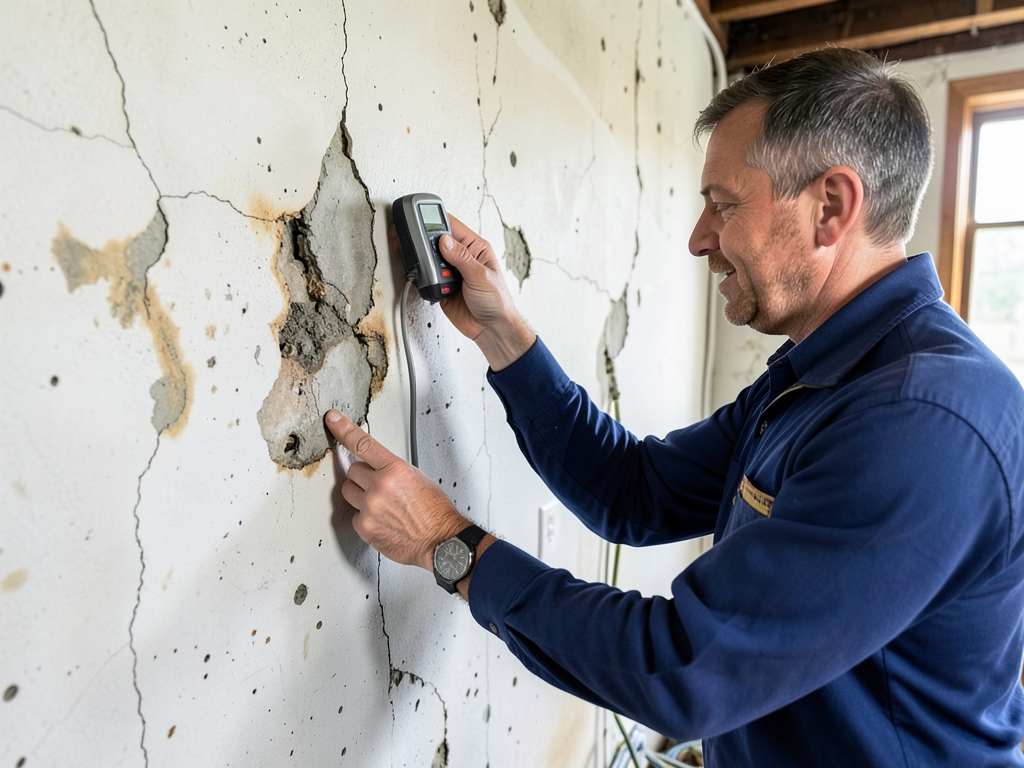
We assess your facility in zones. Loading docks and slab-on-grade areas drain differently than mezzanine offices or refrigerated sections. We map moisture migration using thermal imaging and penetrating moisture meters, identifying hidden saturation in insulated wall panels and beneath epoxy coatings that trap water against the substrate.

Your operations cannot pause for a week while floors dry. We implement sectional drying that allows partial occupancy. If the west bay can be isolated, we contain drying equipment there while the east bay resumes fork traffic. We coordinate with your logistics manager to sequence restoration around shift schedules and inbound freight windows.

Industrial flood recovery includes contamination assessment. Boston's combined sewer overflows mean floodwater often carries sewage. We test for coliform bacteria and treat affected areas with EPA-registered antimicrobials, then document remediation for your risk management and insurance files.

Atlas Water Damage Restoration Providence does not treat your warehouse like an oversized house. We calculate air changes per hour based on ceiling height, account for thermal bridging through steel columns, and manage vapor drive through concrete using empirical data, not guesswork. We speak the language of facility managers, addressing HVAC impacts, electrical safety lockouts, and the difference between cosmetic drying and structural drying that prevents long-term corrosion.

Our Warehouse Flood Restoration Workflow

Warehouse Flood Restoration in Boston – Industrial-Grade Recovery That Keeps Your Operations Moving
01

Emergency Water Extraction

We arrive with truck-mounted extraction units and portable pumps rated for solids-laden floodwater. Our crew removes standing water from floor drains, sump pits, and low points first, then extracts surface water using wide-path extractors that clear aisles in single passes. We document pre-extraction conditions with photo evidence and moisture readings for your insurer.
02

Structural Drying and Monitoring

We position commercial air movers and desiccant dehumidifiers to create controlled airflow across wet surfaces. We monitor drying progress with daily moisture readings logged in a drying chart that tracks each zone. We adjust equipment placement as readings drop, ensuring even drying and preventing secondary damage from over-drying or mold growth in hidden cavities.
03

Clearance and Documentation

Once moisture levels match the dry standard for your building type, we provide a clearance report documenting compliance with IICRC S500 standards. This report includes final moisture readings, equipment logs, and photographic evidence of restored conditions. You receive a complete file for insurance submission, tenant notification, or regulatory review if required by city inspectors.

Why Boston Warehouse Operators Choose Atlas Water Damage Restoration Providence

Boston's warehouse districts operate under dual pressure: rising property costs and aging infrastructure. The facilities lining Dorchester Avenue and the Newmarket industrial zone were built when flood maps looked different. The 2021 FEMA remapping placed many warehouses in higher-risk zones, and insurers now scrutinize flood response plans before renewing policies.

Atlas Water Damage Restoration Providence brings Boston-specific knowledge to every job. We know which streets flood first when the Fort Point Channel overtops. We know that Boston Water and Sewer Commission requires backflow preventer inspections post-flood if your facility connects to the municipal storm system. We work with local engineering firms that understand the city's combined sewer overflow patterns and can design mitigation for repeat events.

Our response time matters when your lease obligates you to maintain operations or face penalty clauses. We stage equipment in Providence and mobilize to Boston within two hours of your call. We carry commercial liability coverage that satisfies the requirements of landlords leasing to multi-tenant warehouse operations, and we provide certificates of insurance within 24 hours for time-sensitive claims.

You need a crew that understands the difference between remediating a suburban home and restoring a 100,000-square-foot distribution center. We coordinate with your property manager, your insurer, and your tenants. We provide daily updates that include drying metrics, not vague assurances. We do not leave until moisture levels meet the dry standard and you have documentation proving it.

Boston's commercial real estate market moves fast. Downtime is measured in lost contracts and tenant complaints. Atlas Water Damage Restoration Providence engineers solutions that get you back online, not next week, but in days.

What to Expect When You Call Atlas Water Damage Restoration Providence

Response Time and Availability

We operate 24/7 dispatch with crews on standby. When you call (617) 789-8099, you reach a project manager who can mobilize equipment immediately, not an answering service that takes messages. Our average response time to Boston warehouse locations is under two hours. We arrive with enough equipment to start extraction on first arrival, not after a second trip for gear. You receive an estimated timeline within the first hour on-site, based on water volume, affected square footage, and building construction. We do not make promises we cannot keep.

Initial Assessment and Scope Development

Our assessment includes moisture mapping using thermal cameras and penetrating meters, not just visual inspection. We document affected materials, identify safety hazards like compromised electrical systems, and develop a drying plan specific to your building envelope. You receive a written scope that outlines equipment deployment, estimated drying time, and access requirements. We coordinate with your operations team to minimize disruption. If you need sectional restoration to keep part of your facility operational, we design the plan around your workflow, not our convenience.

The Final Outcome and Certification

You receive a facility restored to pre-loss moisture conditions, documented with empirical data. Our final report includes moisture readings for all affected materials, equipment logs showing dehumidifier run times and air mover placement, and photo documentation of the restoration. This report satisfies insurance requirements and provides a defensible record if future mold claims arise. We do not consider the job complete until moisture levels match the dry standard for your building type. You sign off only when you have proof the work meets industry standards.

Follow-Up and Future Mitigation

After restoration, we provide a follow-up inspection at 30 days to verify no secondary moisture issues have developed. We also offer consultation on flood mitigation: backflow preventer installation, sump pump upgrades, and drainage improvements that reduce future risk. If your insurer requires a mitigation plan for policy renewal, we connect you with engineers who design systems specific to Boston's combined sewer challenges. We remain available for questions and provide priority response if you experience another event. Our relationship does not end when the equipment leaves.

Frequently Asked Questions

You Have Questions,
We Have Answers

How Boston's Combined Sewer System Amplifies Warehouse Flood Risk

Boston operates one of the oldest combined sewer systems in the country, where stormwater and sanitary waste share the same pipes. During heavy rain, the system overwhelms, triggering combined sewer overflows that discharge directly into the Fort Point Channel and Boston Harbor. Warehouses in the Seaport and South Boston sit in the direct path of these overflows. When flooding occurs, it is not clean rainwater. It is contaminated with sewage, requiring industrial water damage cleanup that includes antimicrobial treatment and adherence to OSHA bloodborne pathogen standards. The city's ongoing separated sewer projects have not yet reached many industrial zones, leaving warehouse operators exposed to this recurring contamination risk.

Atlas Water Damage Restoration Providence maintains relationships with Boston's commercial property management firms and understands the city's permit requirements for post-flood electrical and plumbing work. We coordinate with licensed electricians and plumbers familiar with Boston's municipal code, ensuring that any flood-damaged systems are brought back to compliance before reinstatement. Our crews know which inspections the Inspectional Services Department requires and how to document remediation for buildings in Historic Districts, where additional oversight applies. Choosing a local firm means faster coordination with city agencies and contractors who know Boston's regulatory environment.
Water Damage Restoration Services in The Boston Area

You can see our service area and our location on the map below. We are proud to serve the entire Boston area and surrounding communities. We're always ready to dispatch our team to your home or business, no matter where you are. We’re committed to a fast, reliable response and ensuring we’re always there when you need us most.

Address:
First Choice Water Damage Restoration Boston, 44 School St., Boston, MA, 02108

Additional Services We Offer

Our news updates

Latest Articles & News from The Blogs

Why Your Milton Chimney is Actually the Source of That Living Room Water Stain That brown water stain on your…

Why Your Milton Chimney is Actually the Source of That Living Room Water Stain

Why Your Milton Chimney is Actually the Source of That Living Room Water Stain That brown water stain on your…

How to Safely Move and Store Your Furniture After a Major Flood in West Roxbury

How to Safely Move and Store Your Furniture After a Major Flood in West Roxbury West Roxbury homes often feature…

Understanding Your Rights as a Boston Tenant When Mold Becomes an Issue

As a Boston tenant facing mold growth in your apartment you need to know your legal rights under Massachusetts law…

Contact Us

Call Atlas Water Damage Restoration Providence at (617) 789-8099 now. We respond to warehouse floods across Boston with industrial-grade equipment and protocols designed for business continuity. Every hour of delay increases your loss. We mobilize immediately.