Menu

Dishwasher Leak Emergency in Boston – 24/7 Response Teams Arrive in Under 60 Minutes

When your dishwasher floods your kitchen, every minute counts. Our emergency dishwasher water cleanup crews are on standby across Boston neighborhoods, stopping water damage before it spreads to subflooring, cabinets, and adjacent rooms.

Slider Image 1
Slider Image 2
Slider Image 3
Slider Image 4
Slider Image 5
Slider Image 7
Slider Image 8
Slider Image 9
Slider Image 10
Slider Image 11

Why Dishwasher Leaks Escalate Fast in Boston Homes

A dishwasher leak doesn't wait for business hours. Water flows under cabinets, soaks into engineered hardwood floors, and seeps through ceiling joists into basements. In Boston's older triple-deckers and brownstones, where kitchens often sit above living spaces or share walls with neighboring units, a flooded kitchen dishwasher cleanup becomes a multi-floor crisis.

Boston's housing stock complicates the problem. Many homes in Dorchester, Jamaica Plain, and Charlestown feature original hardwood floors from the 1920s. These floors absorb water quickly, cupping and warping within hours. The city's cold winters mean many dishwashers sit near exterior walls where frozen supply lines can burst when temperatures drop. You discover the problem when you step into standing water, or worse, when your downstairs neighbor reports ceiling stains.

The real damage happens in the hidden spaces. Water migrates along floor joists, saturating insulation and creating conditions for mold growth within 24 to 48 hours. Cabinet kickboards trap moisture against particleboard, causing irreversible swelling. Leaking dishwasher water extraction must address not just the visible puddle, but the water you cannot see.

Dishwasher failures happen without warning. A faulty door gasket, cracked supply line, or failed drain pump can release 10 to 15 gallons before you notice. By the time you shut off the water supply valve under the sink, the damage is spreading. Emergency dishwasher water cleanup requires immediate water extraction, structural drying, and moisture mapping to prevent secondary damage. You need a crew that responds now, not tomorrow.

Why Dishwasher Leaks Escalate Fast in Boston Homes
How We Stop Water Damage in the First Hour

How We Stop Water Damage in the First Hour

Urgent dishwasher flood restoration begins with source control and rapid extraction. When you call, our dispatch confirms your address and sends the nearest crew. We arrive with truck-mounted extraction units, thermal imaging cameras, and moisture meters. The first priority is stopping active water flow. We shut off the dishwasher supply line, confirm no additional leaks from adjacent plumbing, and begin water removal.

We use portable extractors to pull standing water from floors and carpets. Truck-mounted systems generate higher vacuum pressure than shop vacs, removing water trapped in flooring seams and under baseboards. We pull back area rugs, move small appliances, and extract water from cabinet interiors. Speed matters because water wicks vertically through drywall and horizontally along subfloor seams.

After extraction, we deploy air movers and commercial dehumidifiers. Air movers create airflow across wet surfaces, accelerating evaporation. We angle them to target baseboards, cabinet toe kicks, and flooring transitions. Dehumidifiers pull moisture from the air, preventing it from reabsorbing into walls and furniture. We use thermal imaging to locate hidden moisture pockets behind dishwasher panels and inside wall cavities.

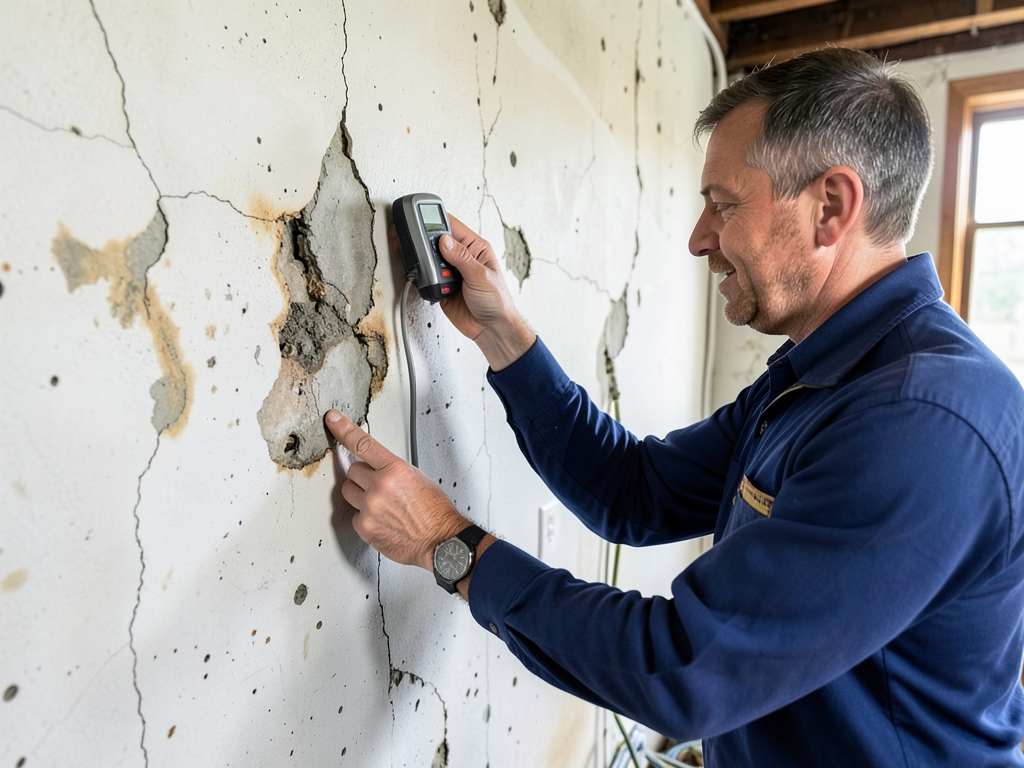
Moisture mapping documents the spread. We measure moisture content in flooring, subflooring, and wall studs using penetrating and non-invasive meters. This data guides drying targets and confirms when materials return to normal moisture levels. For dishwasher overflow emergency services, we often find water has traveled 10 to 15 feet from the source. We track every affected area to prevent callbacks for mold or warped flooring three weeks later.

What Happens When You Call for Emergency Dishwasher Leak Help

Dishwasher Leak Emergency in Boston – 24/7 Response Teams Arrive in Under 60 Minutes
01

Immediate Dispatch and Arrival

You call our emergency line and speak with a live dispatcher, not a voicemail system. We confirm your location, ask about the leak source, and send the closest crew. Our teams stage throughout Boston, so response times average 45 to 60 minutes. We notify you when the crew is en route and provide an estimated arrival window. You receive a callback number to reach the crew directly.
02

Extraction and Damage Assessment

The crew arrives, assesses the visible damage, and begins water extraction immediately. We document the affected areas with photos and moisture readings. You receive a verbal overview of the situation, what materials are at risk, and what drying equipment we will deploy. We explain the timeline and answer questions about insurance documentation. Extraction typically takes 30 to 90 minutes depending on water volume and spread.
03

Drying and Monitoring

We place air movers and dehumidifiers in strategic locations to dry affected materials. Equipment runs continuously for 3 to 5 days. We return daily to check moisture levels, reposition equipment, and confirm drying progress. When moisture readings reach acceptable levels, we remove equipment and provide a completion report. You have documentation for insurance claims and peace of mind that hidden moisture will not cause future problems.

Why Boston Residents Choose Local Water Damage Experts

Boston's housing creates unique restoration challenges. A dishwasher leak in a South End row house affects different structures than one in a Brookline colonial. We understand how water behaves in balloon-framed walls common in pre-1950s construction. We know that many Back Bay condos have radiant heating systems under kitchen floors, requiring specialized drying techniques to avoid damaging tubing.

Local knowledge matters when coordinating with insurance adjusters familiar with Massachusetts claim procedures. We document losses using Xactimate estimating software, the standard for most carriers operating in Boston. We photograph damage, log moisture readings, and provide detailed narratives that satisfy adjuster requirements. You avoid claim delays caused by incomplete documentation.

Our crews train on the building methods prevalent in Boston neighborhoods. Triple-deckers have minimal floor cavity access, so we use injectidry systems to force air into enclosed spaces. Brownstones often feature horsehair plaster walls that absorb water differently than modern drywall. We adjust drying protocols based on building age and construction type, not generic procedures copied from a manual.

We respond across the greater Boston metro, from Somerville to Quincy, and understand neighborhood-specific challenges. Cambridge's older homes near Harvard Square have plaster over wood lath. Roxbury's housing stock includes vinyl-sided triple-deckers where water can migrate behind siding. We have worked in every Boston neighborhood and know how to access crawl spaces, handle shared walls in multi-family buildings, and coordinate with condo associations. You get a crew that has seen your building type before.

What to Expect During Emergency Dishwasher Leak Restoration

Response Time and Availability

We maintain 24/7 availability for dishwasher leak emergencies. Our crews respond to calls received at 2 AM with the same urgency as daytime requests. Average response time across Boston neighborhoods is 45 to 60 minutes, depending on traffic and crew location. We do not put you on a callback list or schedule next-day appointments for active water damage. You receive immediate dispatch, arrival notification, and direct contact with the responding crew. Emergency service means you get help when you need it, not when it fits a schedule.

Assessment and Moisture Detection

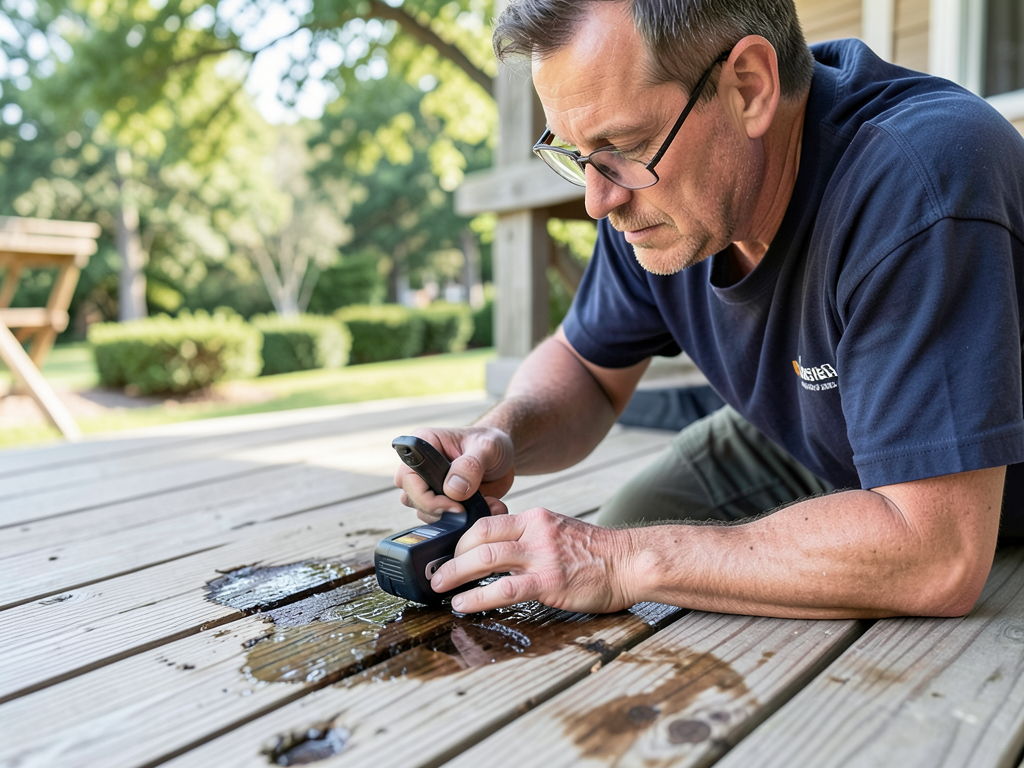
Initial assessment combines visual inspection with thermal imaging and moisture metering. We scan walls, floors, and cabinets to locate hidden water migration. Thermal cameras reveal temperature differentials caused by evaporative cooling in wet materials. Moisture meters provide quantitative data, measuring moisture content as a percentage. We document baseline readings, map affected areas, and identify materials requiring monitoring. You receive a verbal explanation of findings, not technical jargon. We show you the thermal images and explain what the colors indicate. This assessment determines equipment placement and drying goals.

Drying Results and Completion Standards

Drying targets are based on material type and industry standards. Hardwood flooring should return to 6 to 9 percent moisture content. Drywall should measure below 1 percent on a moisture meter scale. We achieve these targets through controlled airflow and dehumidification, not guesswork. Final moisture readings are documented and compared to baseline measurements. You receive a completion certificate showing before and after readings for each affected area. Materials dried to industry standards resist mold growth and structural damage. We do not remove equipment until moisture levels confirm successful drying.

Insurance Coordination and Documentation

We provide detailed documentation for insurance claims, including photos, moisture logs, and equipment placement records. Our estimates use Xactimate software, matching the format most adjusters expect. We can invoice your insurance company directly if you prefer, or provide documentation for you to submit. We explain which damages are typically covered and what exclusions might apply, though final coverage decisions rest with your carrier. You receive copies of all documentation for your records. We communicate with adjusters, answer technical questions, and provide supplemental information as needed. Our goal is to streamline the claim process, not complicate it.

Frequently Asked Questions

You Have Questions,
We Have Answers

Is a dishwasher leak an emergency? +

Yes. A dishwasher leak is an emergency if water spreads across your floor or seeps under cabinets. In Boston homes, especially older buildings with wood subflooring, water moves fast and causes structural damage, mold growth, and ceiling damage to units below. Stop using the appliance immediately, shut off the water supply valve under the sink, and call a water damage restoration team. Every minute counts. Water wicks into drywall, baseboards, and flooring within hours. Do not wait until morning if you see active pooling.

What should I do if my dishwasher is leaking? +

Turn off the dishwasher and the water supply valve under your sink immediately. Mop up visible water with towels and move furniture or rugs away from the wet area. Open cabinet doors to check for water damage underneath. If the leak soaked into flooring or walls, call a restoration professional right away. Boston homes often have hardwood floors that buckle or tile that can loosen. Take photos for insurance documentation. Do not restart the dishwasher. Professional water extraction and drying equipment prevent hidden mold and structural rot.

Who to call if your dishwasher is leaking? +

Call a certified water damage restoration company first if water has spread beyond the dishwasher footprint. They extract water, dry structural materials, and document damage for insurance claims. If the leak is minor and contained, an appliance repair technician can diagnose the mechanical issue. For Boston-area residents facing active flooding or water damage, contact a 24/7 emergency restoration service immediately. They arrive faster than appliance techs and stop secondary damage. You can address the appliance repair after the water emergency is controlled and documented.

How to emergency drain a dishwasher? +

First, turn off the dishwasher mid-cycle. Press cancel or turn the dial to off. Open the door slightly to stop the cycle, then locate the water supply valve under the sink and shut it off. Use towels and a wet vacuum to soak up standing water inside the tub. Remove the bottom dish rack and use a large sponge or cup to bail remaining water into a bucket. For Boston homes with finished basements below kitchens, speed matters. Check the ceiling below for water stains immediately.

How much does it cost to fix a dishwasher leak? +

Appliance repair costs vary based on the problem. A door gasket replacement runs $150 to $250, while pump or valve issues cost $200 to $400. However, if the leak caused water damage to flooring, cabinets, or walls, restoration costs add significantly. Water extraction, drying, and dehumidification range from $500 to $3,000 depending on spread. In Boston triple-deckers or condos, damage to units below increases costs. Homeowners insurance often covers water damage restoration if the leak was sudden and accidental, not from poor maintenance.

Is a water leak considered an emergency? +

Yes. Any active water leak that spreads, soaks into building materials, or threatens property below is an emergency. In Boston, where many homes are multi-unit buildings or have finished basements, water travels through floors and ceilings quickly. Leaks cause mold within 24 to 48 hours, warp hardwood, and damage electrical systems. Shut off the water source immediately and call a restoration team. Standing water or saturated materials require professional extraction and drying equipment. Do not wait to see if it dries on its own. It will not.

Where is the most common place for a dishwasher to leak? +

The door gasket and the bottom of the door are the most common leak points. The rubber gasket degrades over time, cracks, or collects food debris that prevents a tight seal. The door latch assembly can also fail, allowing water to escape during wash cycles. Hose connections at the water inlet valve or drain pump can loosen or crack. In Boston homes with hard water, mineral buildup weakens hose fittings. Check under the dishwasher and around the door during a cycle to pinpoint the source before calling for repair.

Is a leaking dishwasher a fire hazard? +

Yes, in certain conditions. Water that reaches electrical outlets, soaks into walls near wiring, or contacts the dishwasher motor or control board creates a shock and fire risk. Boston homes built before 1980 may lack GFCI outlets in kitchens, increasing danger. If you see water pooling near outlets or the dishwasher sparks, trips the breaker, or smells like burning plastic, shut off power at the breaker panel immediately. Do not touch the appliance or standing water. Call an electrician and a restoration company. Electrical fires from water damage occur silently behind walls.

Can I still use a leaking dishwasher? +

No. Stop using the dishwasher immediately. Running a leaking appliance spreads more water, worsens damage, and risks electrical hazards. Water seeps under flooring, into cabinets, and behind walls with every cycle. In Boston condos and apartments, continued use can flood units below and create liability issues. Hand wash dishes until the leak is repaired and any water damage is professionally dried. Insurance companies may deny claims if you knowingly operated a faulty appliance. Document the leak with photos, shut off the water supply, and call for repair and restoration services.

Is it worth fixing a leaking dishwasher? +

It depends on the dishwasher age and extent of water damage. If the appliance is under five years old and the repair cost is under $300, fix it. If it is over ten years old or the repair exceeds half the replacement cost, replace it. However, water damage to flooring, cabinets, or walls often costs more than the appliance itself. In Boston homes, hidden water damage under cabinets or between floors requires professional restoration even if you replace the dishwasher. Address the water damage first. An insurance claim may cover both restoration and appliance replacement.

How Boston's Old Housing Stock Turns Dishwasher Leaks Into Major Damage Events

Boston's housing inventory includes thousands of homes built before 1950, when kitchens were small and dishwashers did not exist. Many of these homes feature solid hardwood floors with no moisture barrier between the subfloor and finished surface. When a dishwasher leaks, water soaks directly into tongue-and-groove oak or maple, causing cupping within hours. Triple-deckers common in Dorchester and Mattapan have minimal floor cavity ventilation, trapping moisture between floors and creating mold conditions. Emergency dishwasher water cleanup in these older structures requires aggressive drying to prevent permanent flooring damage and microbial growth in enclosed spaces.

Local water damage restoration in Boston requires familiarity with the city's construction history and building methods. We work regularly with adjusters from carriers active in Massachusetts, understand local permitting for any reconstruction work, and maintain relationships with plumbers and electricians for coordinated repairs. Boston homeowners choose local restoration companies because we understand how water behaves in balloon-framed walls, know which neighborhoods have combined sewer systems that can back up during heavy rain, and can navigate the logistics of working in dense urban areas with limited parking and multi-unit buildings. You get a crew that knows Boston buildings, not just generic water damage protocols.

Water Damage Restoration Services in The Boston Area

You can see our service area and our location on the map below. We are proud to serve the entire Boston area and surrounding communities. We're always ready to dispatch our team to your home or business, no matter where you are. We’re committed to a fast, reliable response and ensuring we’re always there when you need us most.

Address:
First Choice Water Damage Restoration Boston, 44 School St., Boston, MA, 02108

Additional Services We Offer

Our news updates

Latest Articles & News from The Blogs

Why Your Milton Chimney is Actually the Source of That Living Room Water Stain That brown water stain on your…

Why Your Milton Chimney is Actually the Source of That Living Room Water Stain

Why Your Milton Chimney is Actually the Source of That Living Room Water Stain That brown water stain on your…

How to Safely Move and Store Your Furniture After a Major Flood in West Roxbury

How to Safely Move and Store Your Furniture After a Major Flood in West Roxbury West Roxbury homes often feature…

Understanding Your Rights as a Boston Tenant When Mold Becomes an Issue

As a Boston tenant facing mold growth in your apartment you need to know your legal rights under Massachusetts law…

Contact Us

Water damage spreads every minute. Call (617) 789-8099 now for immediate dispatch. Our emergency crews are standing by across Boston to extract water, stop damage progression, and protect your home. Do not wait until morning.