Menu

Sump Pump Failure Cleanup in Boston – 24/7 Emergency Response Stops Flooding Fast

When your sump pump fails and water floods your basement, every minute counts. Atlas Water Damage Restoration Providence provides immediate sump pump failure cleanup across Boston with certified technicians on-site within the hour to extract water, prevent mold, and restore your home.

Slider Image 1
Slider Image 2
Slider Image 3
Slider Image 4
Slider Image 5
Slider Image 7
Slider Image 8
Slider Image 9
Slider Image 10
Slider Image 11

Why Sump Pump Failures Cause Catastrophic Flooding in Boston Basements

Boston's unique geology puts your basement at constant risk. The city sits on a mix of fill, marine clay, and bedrock, creating high groundwater tables that fluctuate with the seasons. When spring thaw combines with nor'easters, your sump pump runs nonstop. One mechanical failure, power outage, or overwhelmed discharge line, and you're looking at inches of water in minutes.

Most Boston basements are in older triple-deckers and row houses built before modern waterproofing codes. These foundations rely entirely on functional sump pumps to manage groundwater intrusion. When that pump stops, water has nowhere to go but up through floor drains, cracks in the foundation, and basement windows.

The problem accelerates fast. A broken sump pump creates standing water that seeps into drywall, insulation, and flooring. Within 24 hours, mold spores activate. Within 48 hours, structural damage begins. Homeowners in Jamaica Plain, Dorchester, and South Boston face this emergency repeatedly during heavy rain events.

You need emergency sump pump cleanup services that understand Boston's water table behavior. Sump pump backup water removal requires industrial extractors, not shop vacs. Sump pump failure water extraction must address contamination if the backup mixed with sewage. Broken sump pump water damage restoration goes beyond drying. It requires antimicrobial treatment, humidity control, and documentation for insurance claims.

The longer water sits, the more you lose. Furnaces, water heaters, electrical panels. All at risk in flooded basements.

Why Sump Pump Failures Cause Catastrophic Flooding in Boston Basements
How Atlas Executes Sump Pump Overflow Cleanup to Prevent Secondary Damage

How Atlas Executes Sump Pump Overflow Cleanup to Prevent Secondary Damage

We do not just pump water and leave. Sump pump failure water extraction requires a calculated sequence to prevent additional harm to your property.

First, we assess the water category. If your sump pump backed up and mixed with sewage or exterior drainage, you're dealing with Category 3 contamination. That changes everything. We gear up with PPE, isolate the affected area, and treat all surfaces as biohazards.

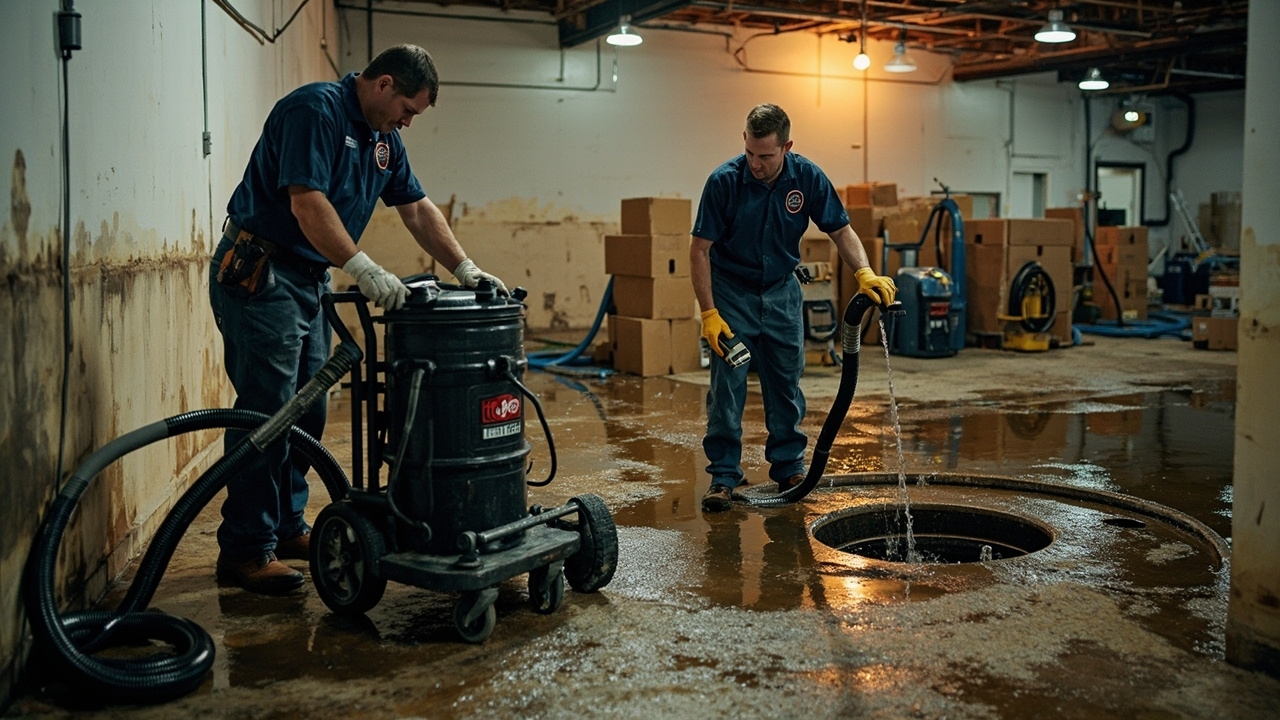
Next, we deploy truck-mounted extractors capable of removing hundreds of gallons per hour. Portable units cannot handle the volume from a failed sump pump. We extract standing water first, then use weighted extractors on carpets and subflooring to pull moisture from porous materials.

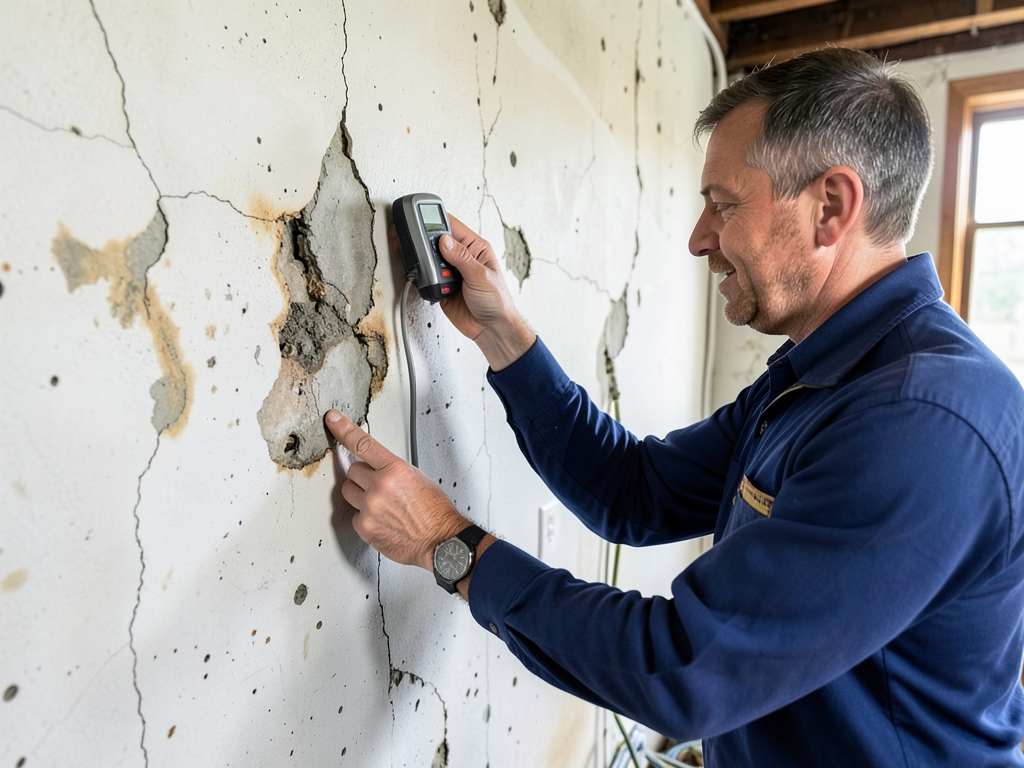
While extraction runs, we document everything. Moisture mapping with thermal cameras shows us where water migrated through walls and into adjacent rooms. This data drives our drying strategy and supports your insurance claim with objective evidence.

Once the bulk water is gone, we place commercial dehumidifiers and air movers in a closed-loop system. We're not just blowing air around. We're creating negative pressure to pull moisture from building materials into the dehumidifier intake. We monitor grain depression, not just relative humidity.

For broken sump pump water damage restoration, we remove unsalvageable materials immediately. Wet insulation, soaked drywall below the cut line, and any porous content that sat in water for more than 48 hours. Leaving compromised materials guarantees mold growth.

We also address the root cause. If your discharge line froze, we note it. If the float switch failed, we document it. This prevents repeat failures and gives you leverage with your pump installer or warranty.

What Happens When You Call for Emergency Sump Pump Failure Cleanup

Sump Pump Failure Cleanup in Boston – 24/7 Emergency Response Stops Flooding Fast
01

Immediate Dispatch and Assessment

You call our emergency line at (617) 789-8099, and we dispatch a crew immediately. No waiting until morning. Our technicians arrive with extraction equipment, moisture meters, and thermal imaging cameras. We assess water depth, contamination level, and affected areas. We identify electrical hazards, shut off power to compromised circuits, and establish safe work zones before beginning sump pump backup water removal.
02

Water Extraction and Containment

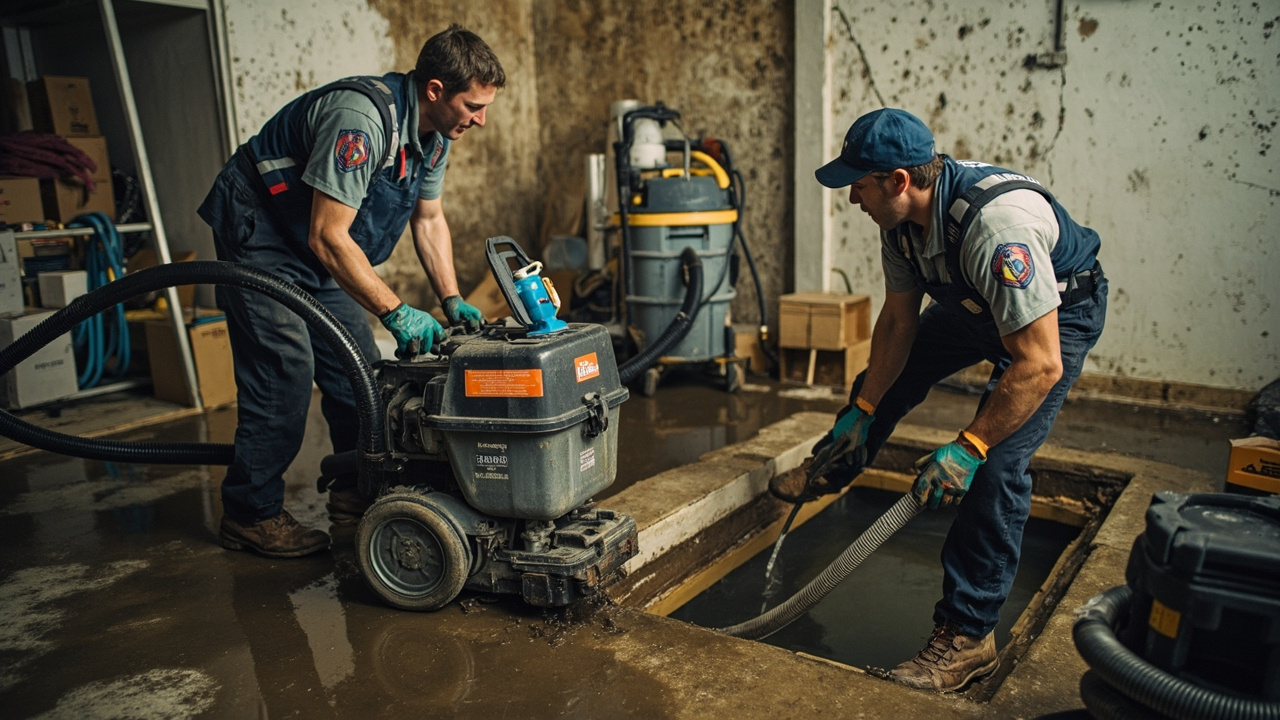
We use truck-mounted extractors to remove standing water within the first hour. Portable units handle tight corners and stairwells. We contain the affected area with plastic sheeting to prevent humidity migration to upper floors. Weighted extraction tools pull water from carpets and padding. We document moisture readings in walls, floors, and structural members to track drying progress and identify hidden saturation.
03

Drying and Restoration Completion

Commercial dehumidifiers and air movers run continuously until moisture levels return to normal. We monitor daily and adjust equipment placement based on moisture meter readings. Once dry, we apply antimicrobial treatment to all affected surfaces. We remove damaged materials, clean salvageable items, and prepare your basement for reconstruction. You receive detailed documentation for insurance, including photos, moisture logs, and equipment runtime records for your sump pump overflow cleanup claim.

Why Boston Homeowners Trust Atlas for Sump Pump Failure Water Extraction

You need a restoration company that understands how Boston's infrastructure affects your basement. We've worked in hundred-year-old brownstones in Back Bay where sump pumps fight groundwater from the Charles River Basin. We've handled flooding in Southie triple-deckers where shared drainage systems overwhelm individual pumps during storm surges.

Boston's mixed construction types demand different approaches. Brick foundations in older homes wick moisture differently than poured concrete in newer builds. We adjust our drying strategy based on your building's materials and age. A one-size approach fails in this city's diverse housing stock.

We also navigate Boston's strict permitting requirements. If your sump pump failure caused structural concerns, we know which inspections the city requires before you can reoccupy the space. We coordinate with your insurance adjuster, your plumber, and your electrician to keep the project moving.

Our technicians carry IICRC certifications in water damage restoration and applied structural drying. That means we follow science-based protocols, not guesswork. We calculate drying time based on material density, ambient conditions, and equipment capacity. We do not pull equipment prematurely to move to the next job.

We're also local. Our warehouse is in Providence, less than an hour from downtown Boston. When a nor'easter knocks out power and your sump pump stops, we're not routing trucks from western Massachusetts. We're already staged and ready.

You also get transparent communication. We explain what we're doing and why. We walk you through the insurance process. We answer your calls. Emergency sump pump cleanup services should not leave you guessing about what happens next.

What to Expect During Your Sump Pump Failure Cleanup in Boston

Response Time and Availability

We answer emergency calls 24/7, including weekends and holidays. When you call (617) 789-8099, you speak to a dispatcher who immediately assigns a crew. Our goal is technicians on-site within 60 minutes for Boston and surrounding neighborhoods. We do not put you on a waiting list. Flooding does not wait, and neither do we. Our trucks carry extraction equipment, so we start removing water the moment we arrive, not after a trip back to the warehouse for tools.

Initial Assessment and Scope

Our lead technician inspects your basement to determine the extent of water intrusion. We use thermal imaging to find hidden moisture in walls and beneath flooring. We test the water to classify contamination level, which dictates our safety protocols and disposal methods. You receive a written scope of work before we begin extraction. This document outlines what we'll remove, what we'll dry in place, and estimated equipment runtime. We also photograph everything for your insurance claim.

Drying Results and Verification

Complete drying typically takes three to five days, depending on the volume of water and affected materials. We do not rely on how things look or feel. We use moisture meters to confirm dryness in structural components. You receive a completion certificate with moisture readings showing your basement returned to pre-loss conditions. This documentation proves to your insurance company and future buyers that the job was done correctly. We also provide recommendations to prevent future sump pump failures.

Insurance Coordination and Documentation

We work directly with your insurance adjuster to streamline your claim. Our team provides detailed loss documentation, including photos, moisture logs, equipment lists, and material disposal records. We use Xactimate estimating software, the same platform most insurance companies use, which reduces disputes over pricing. We also explain what your policy typically covers for sump pump backup water removal versus maintenance neglect. You're not alone in navigating the claims process. We've handled hundreds of insurance claims in the Boston area.

Frequently Asked Questions

You Have Questions,
We Have Answers

How to clean up after sump pump failure? +

Shut off power to the pump immediately to prevent electrical hazards. Remove standing water using a wet vac or pump, prioritizing basements and crawl spaces prone to Boston's high humidity. Extract soaked materials like cardboard, rugs, and damaged insulation within 24 hours to stop mold growth. Set up industrial fans and dehumidifiers to dry structural materials. Disinfect all affected surfaces with antimicrobial solutions. Document damage with photos for insurance claims. If water exceeds two inches or impacts drywall and subflooring, call a certified restoration company. Boston's moisture-heavy climate accelerates mold, making speed critical for proper cleanup.

How much does it cost to have a sump pump cleaned? +

Routine sump pump maintenance typically ranges from minimal to moderate cost, but post-failure cleanup is different. Emergency water extraction, structural drying, and antimicrobial treatment after a pump failure involves specialized equipment and labor. Costs vary based on water volume, affected square footage, and material damage. Boston basements often require longer drying times due to seasonal humidity and older foundation construction. Insurance may cover cleanup if you have water backup coverage. Most restoration companies offer free inspections to assess damage scope. Focus on speed over price. Delayed response turns a cleanup into a mold remediation project, which costs significantly more.

How do you clean sludge out of a sump pump? +

Disconnect power and remove the pump from the basin. Hose down the exterior to remove loose debris. Use a putty knife or stiff brush to scrape hardened sludge from the intake screen and impeller. Flush the pump housing with clean water. For stubborn buildup, soak components in a vinegar solution for 20 minutes. Check the float switch for sediment interference. Clean the discharge pipe opening if clogged. Boston's clay soil and high water tables create heavy sediment loads, requiring more frequent cleaning. Reinstall the pump and test operation. If sludge repeatedly clogs the system, install a sediment filter or upgrade to a more robust pump.

What to do when a sump pump fails? +

Act fast. Turn off electricity to the basement to eliminate shock risk. Stop additional water entry if possible. Begin water removal immediately using a backup pump, wet vac, or call emergency restoration services. Boston basements flood quickly during spring thaw and heavy storms. Move valuables to dry areas. Do not wait to see if water recedes on its own. Every hour increases structural damage and mold risk. Contact your insurance company and document everything with photos. If the pump failed during a storm, prioritize safety and professional help. A failed sump pump in Boston's wet climate demands immediate professional water extraction and drying.

Can I put a chlorine tablet in my sump pump? +

No. Chlorine tablets damage rubber components, seals, and plastic parts in your sump pump system. They also create toxic fumes in enclosed basement spaces, which is dangerous in Boston's older homes with limited ventilation. Chlorine does not prevent pump failure or address the root cause of odors, which stem from bacterial growth in stagnant water. Instead, clean the basin regularly and ensure proper drainage. If odors persist, use a pump-safe antimicrobial treatment or install a sealed lid with a vent pipe. For persistent issues, have a professional inspect for improper venting or drainage problems common in Boston's high water table areas.

How to sanitize a floor after a flood? +

Remove all standing water and debris first. Scrub hard surfaces with hot water and detergent to remove soil and contaminants. Apply an EPA-registered disinfectant designed for flood cleanup. Let it sit for the recommended contact time, typically 10 minutes. Rinse and allow surfaces to air dry completely. Boston floodwater often contains sewage backup from combined sewer systems, requiring stronger disinfection protocols. Porous materials like carpet padding and drywall below the waterline must be removed, not cleaned. Use fans and dehumidifiers aggressively. Do not rely on surface cleaning alone. Hidden moisture in subflooring breeds mold in Boston's humid climate.

What is the most common reason for sump pump failure? +

Power failure tops the list, especially during Boston's nor'easters when you need the pump most. Overwhelmed pumps during heavy spring runoff or storms rank second. Switch malfunctions caused by debris or improper float adjustment are common. Clogged discharge lines freeze during Boston's harsh winters, causing backups. Lack of maintenance allows sediment buildup to jam impellers. Old age and worn components lead to motor burnout. Boston's high water table and clay soil increase pump workload, accelerating wear. Many failures happen because homeowners skip annual testing. A backup battery system and regular maintenance prevent most emergencies. Test your pump before storm season hits.

Does homeowners insurance cover sump pump repair? +

Standard homeowners policies exclude sump pump failure and water backup damage. You need a separate water backup endorsement, which costs minimal annually but covers thousands in damage. This rider covers water that backs up through sewers, drains, and sump pump failures. Boston's aging sewer infrastructure and high water tables make this coverage essential. Review your policy immediately. If you lack coverage, you pay out of pocket for cleanup, drying, and repairs. Flood insurance through NFIP does not cover sump pump mechanical failure either. It only covers rising water from outside sources. Add the endorsement before the next storm season.

How to clean out a sump pump without removing it? +

Disconnect power first. Use a wet vac to remove water from the basin, exposing the pump. Scoop out visible debris with a small bucket or cup. Use a stiff brush or putty knife to scrape sludge from the basin walls and pump exterior while it sits in place. Pour clean water into the basin to rinse loosened sediment, then vacuum again. Manually lift and lower the float switch to check movement. This method works for light maintenance, but Boston's sediment-heavy groundwater requires periodic full removal for deep cleaning. If the pump struggles after cleaning or debris returns quickly, remove it for thorough inspection.

What are the signs of a failing sump pump? +

Listen for unusual noises like grinding, rattling, or humming without water movement. Watch for irregular cycling, running continuously, or not activating when water rises. Visible rust, corrosion, or leaking around seals signals wear. The float switch sticks or fails to trigger the motor. Water drains slowly or not at all from the basin. Age beyond seven years increases failure risk. In Boston, pumps working overtime during spring thaw or heavy rain seasons show strain faster. Test monthly by pouring water into the basin. If the pump hesitates, cycles erratically, or makes strange sounds, replace it before it fails during the next storm.

How Boston's High Groundwater Table Makes Sump Pump Failures More Destructive

Boston sits on reclaimed tidal flats and marshland, creating groundwater levels that fluctuate with precipitation and seasonal thaw. Neighborhoods like the Fenway, Back Bay, and parts of Dorchester experience hydrostatic pressure against basement foundations year-round. When a sump pump fails in these areas, water does not trickle in. It surges through foundation cracks, floor drains, and window wells because the water table sits just feet below your basement floor. Spring flooding from rapid snowmelt combines with aging sump pumps in older homes, creating the perfect conditions for catastrophic basement flooding that requires immediate emergency sump pump cleanup services.

Boston's older housing stock also complicates sump pump failure water extraction. Many triple-deckers and row houses share common walls and drainage systems, meaning one failed sump pump can affect multiple units. Local building codes require specific antimicrobial treatments and drying protocols for shared structures, especially in historic districts where preservation standards apply. Atlas understands these municipal requirements and coordinates with Boston Inspectional Services when needed. We also maintain relationships with local plumbers and electricians who understand the city's aging infrastructure, ensuring your broken sump pump gets properly repaired while we handle the water damage restoration.

Water Damage Restoration Services in The Boston Area

You can see our service area and our location on the map below. We are proud to serve the entire Boston area and surrounding communities. We're always ready to dispatch our team to your home or business, no matter where you are. We’re committed to a fast, reliable response and ensuring we’re always there when you need us most.

Address:
First Choice Water Damage Restoration Boston, 44 School St., Boston, MA, 02108

Additional Services We Offer

Our news updates

Latest Articles & News from The Blogs

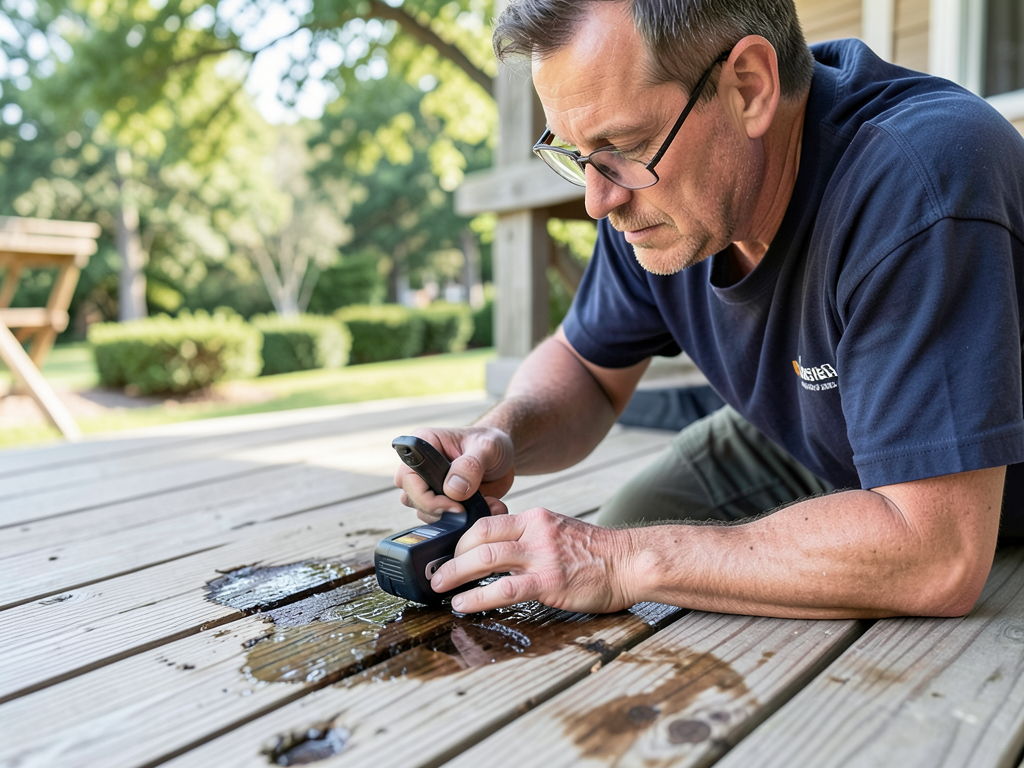
How to Find a Hidden Water Leak Under Your Marblehead Outdoor Deck Living in Marblehead means dealing with coastal moisture,…

How to Find a Hidden Water Leak Under Your Marblehead Outdoor Deck

How to Find a Hidden Water Leak Under Your Marblehead Outdoor Deck Living in Marblehead means dealing with coastal moisture,…

Saving a Luxury Walk In Closet and Designer Wardrobe After a Pipe Burst in Chestnut Hill

When a pipe bursts in your Chestnut Hill home the damage goes far beyond soaked carpets and warped baseboards. For…

Preparing Your Inland Needham Home for Hurricane Season Flooding

Preparing Your Inland Needham Home for Hurricane Season Flooding Living in Needham means enjoying quiet suburban streets and tree-lined neighborhoods.…

Contact Us

Your basement is flooding. Every minute increases the damage and cost. Call Atlas Water Damage Restoration Providence now at (617) 789-8099. Our crews are standing by 24/7 to respond to sump pump failures across Boston. We'll have water extraction equipment on-site within the hour.