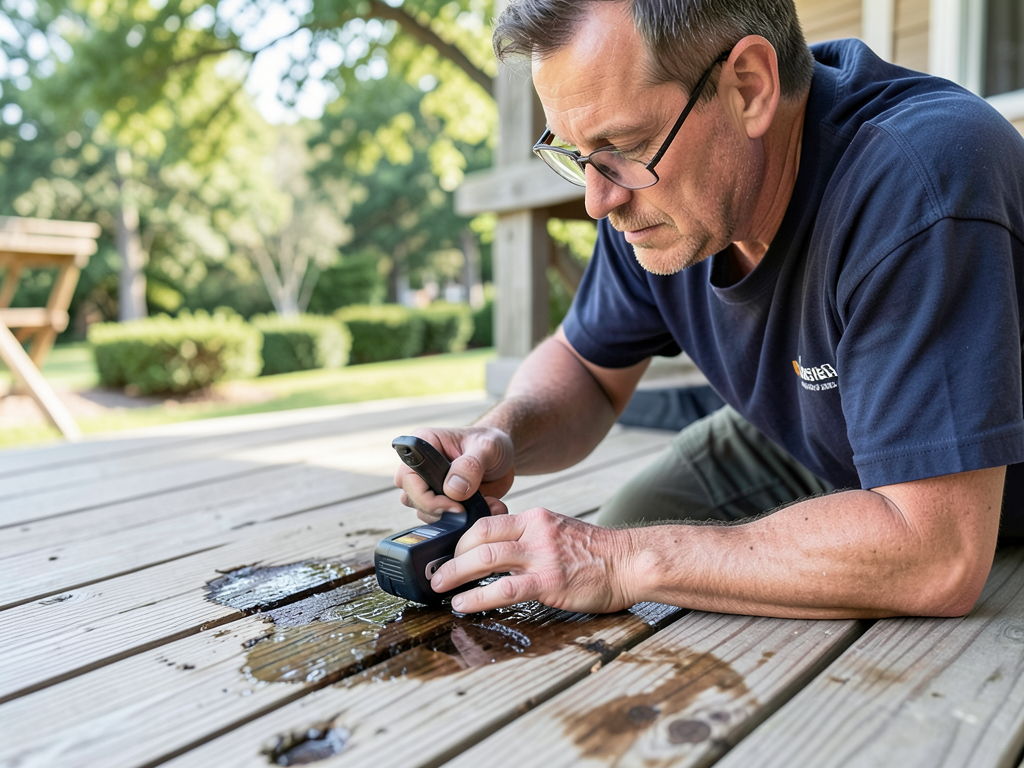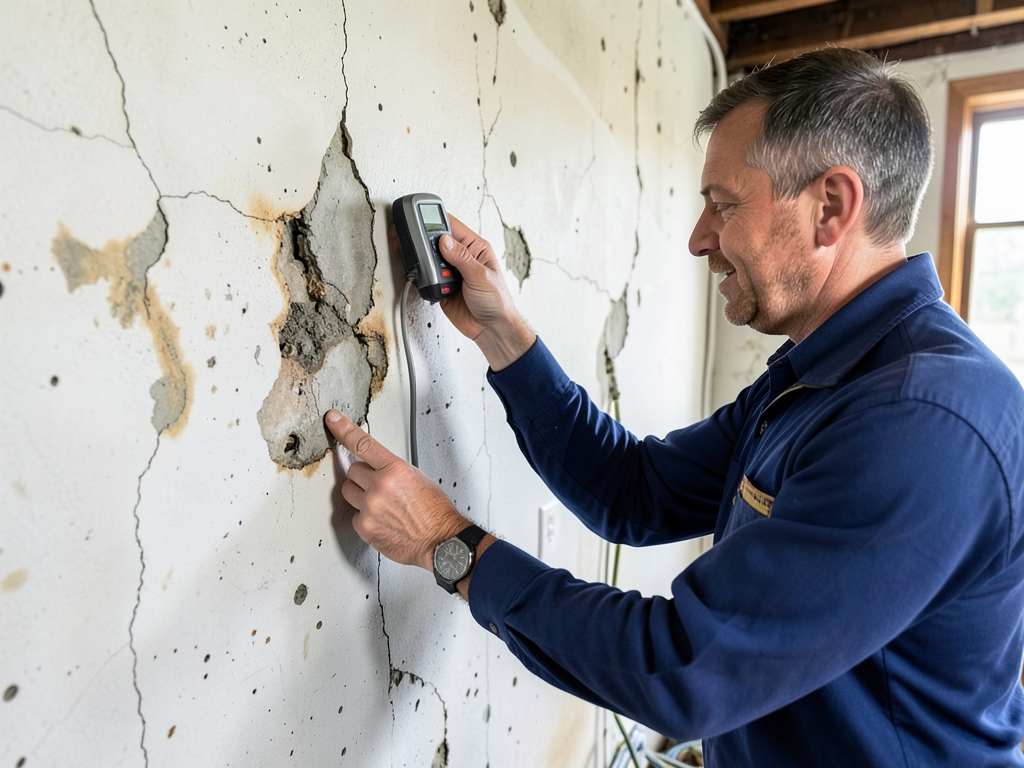


Boston sits on a peninsula surrounded by water. The average relative humidity hovers around 70 percent year-round, and coastal fog adds moisture to the air during spring and fall. This ambient humidity slows natural evaporation and makes structural drying more challenging than in arid climates. A soaked floor joist in Phoenix might air-dry in days. In Boston, that same joist can retain elevated moisture for weeks without mechanical dehumidification. The city's older neighborhoods also feature construction methods that trap water. Balloon framing in triple-deckers allows water to travel vertically through open wall cavities. Brick veneer buildings in Back Bay and Beacon Hill have minimal air gaps between the masonry and interior framing, which limits airflow and moisture escape routes. Structural dehumidification services must account for these variables or risk leaving hidden moisture that leads to rot and mold months later.
Local expertise matters when drying Boston buildings. Many properties in Cambridge and Somerville are over a century old, built with lime plaster, horsehair binder, and wooden lath. These materials dry differently than modern gypsum drywall and require gentler airflow to prevent cracking. Atlas Water Damage Restoration Providence understands these nuances because we work in this market daily. We know that condos in the Seaport District have concrete slabs that require subsurface drying systems. We know that rowhouses in the North End share common walls, which means moisture can migrate between units. This local knowledge shapes our equipment choices, drying timelines, and communication with insurance adjusters who need to understand why rapid structural drying requires specialized tools and techniques in this region.