Menu

Signs of Hidden Mold in Boston – Expert Detection Before It Becomes a Health Crisis

Boston's aging housing stock and coastal humidity create perfect conditions for concealed mold growth. We use thermal imaging and air sampling to identify signs of hidden mold before you see visible damage or experience respiratory symptoms.

Slider Image 1
Slider Image 2
Slider Image 3
Slider Image 4
Slider Image 5
Slider Image 7
Slider Image 8
Slider Image 9
Slider Image 10
Slider Image 11

Why Boston Homes Harbor More Hidden Mold Than You Think

Boston's combination of historical construction methods and coastal climate creates ideal conditions for concealed mold growth. Older homes in neighborhoods like Beacon Hill and the South End feature plaster walls over wood lath, creating air pockets where moisture accumulates undetected. The city's freeze-thaw cycles cause foundation cracks that allow groundwater seepage, while summer humidity above 60 percent feeds mold colonies behind finished surfaces.

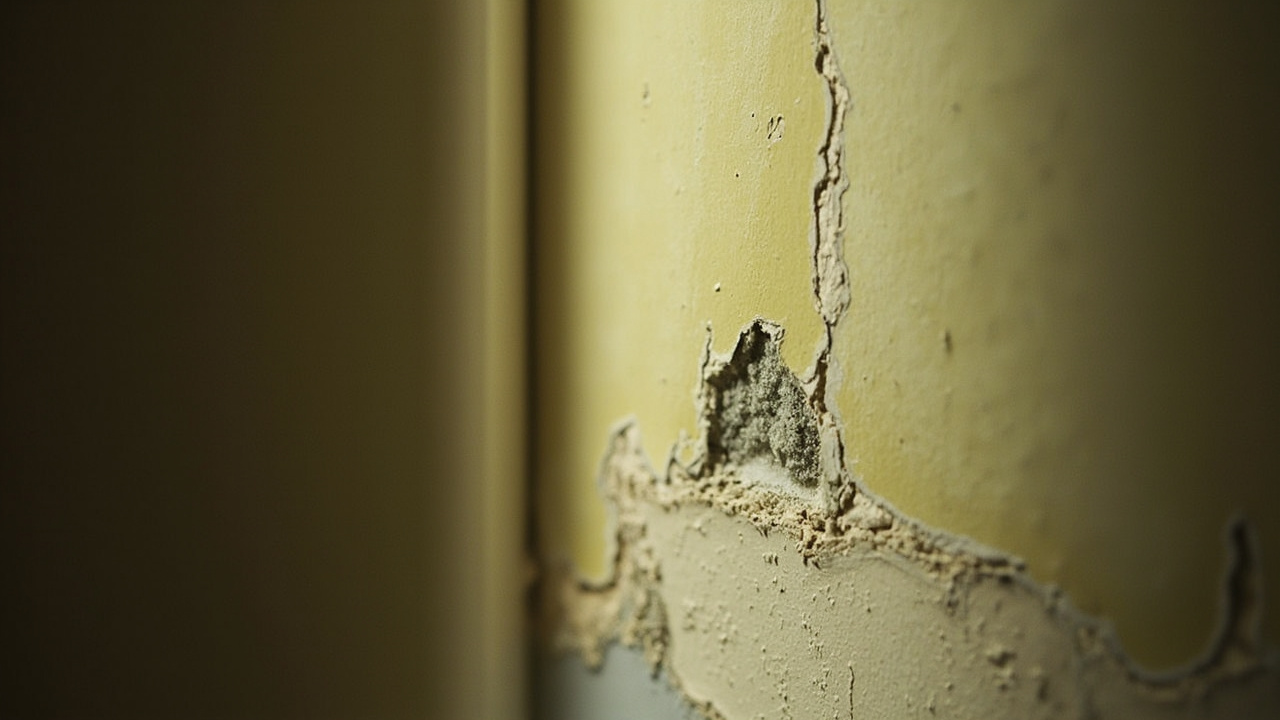
Symptoms of concealed mold often appear long before you see visible growth. You notice musty odors that worsen after rain. Family members develop unexplained allergies or respiratory issues that improve when they leave the house. Paint bubbles or wallpaper peels in corners. Wood floors cup near exterior walls. These indicators of invisible mold signal active growth you cannot see.

Boston's triple-decker construction presents unique detection challenges. Water travels downward through wall cavities between units, spreading mold across floors before tenants notice problems. Roof leaks in these buildings often run along rafter bays to interior walls, creating hidden colonies far from the actual penetration point.

Evidence of unseen mold includes discoloration on ceiling tiles, warping baseboards, and efflorescence on basement walls. You smell something wrong but see nothing obvious. That gap between perception and reality is where hidden mold thrives. In Boston's older building stock, detecting hidden mold requires equipment that sees beyond surface conditions. Visual inspection alone misses 70 percent of active growth in concealed spaces.

The health risks multiply when mold remains undetected. Stachybotrys, Aspergillus, and Penicillium species release mycotoxins into your breathing air. Children and elderly residents face the highest risk. Waiting until you see signs of mold behind walls means you have been breathing spores for weeks or months.

Why Boston Homes Harbor More Hidden Mold Than You Think
Our Four-Layer Detection Protocol for Boston Properties

Our Four-Layer Detection Protocol for Boston Properties

We use a systematic approach that identifies hidden mold regardless of building age or construction type. First Choice Water Damage Restoration Boston combines thermal imaging, moisture mapping, air sampling, and invasive inspection to locate concealed growth other companies miss.

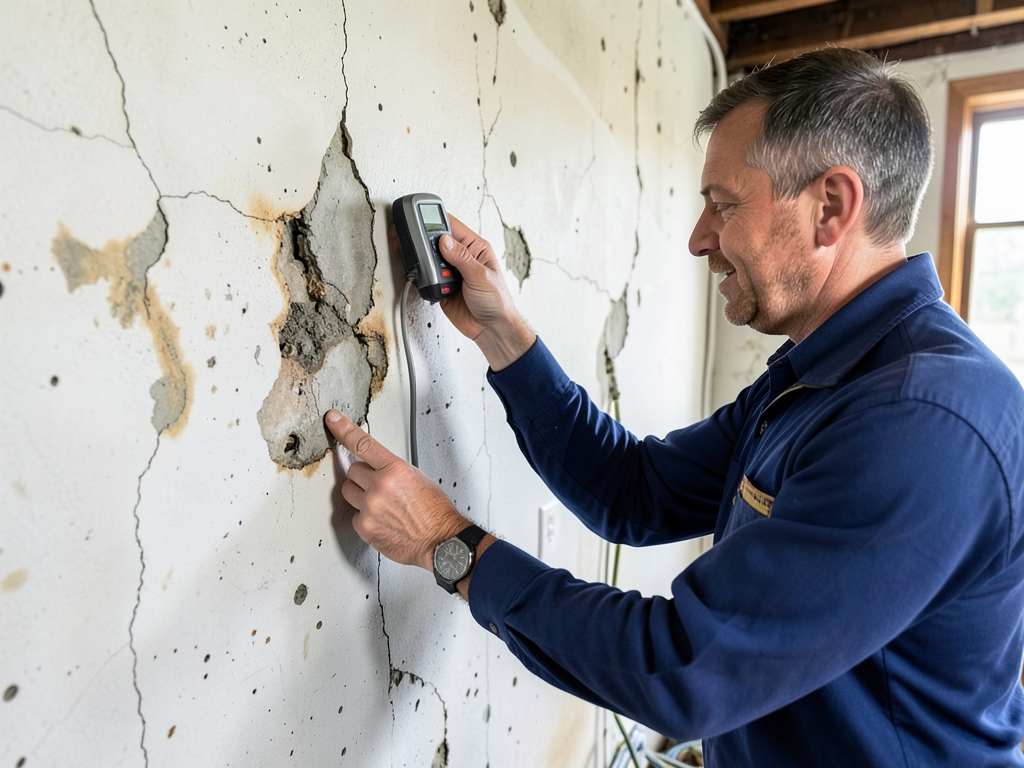
Thermal imaging reveals temperature differentials that indicate moisture presence. Wet building materials appear cooler than surrounding dry surfaces because water conducts heat differently than wood or drywall. We scan wall cavities, ceiling planes, and floor systems to map thermal anomalies. This non-invasive technology shows us exactly where to investigate further without unnecessary demolition.

Moisture meters confirm what thermal cameras suggest. We take pin and pinless readings at suspected locations, measuring moisture content in wood framing, drywall, and insulation. Any reading above 16 percent in wood or 1 percent in drywall indicates conditions that support mold growth. We document these readings room by room, creating a moisture map that guides remediation.

Air sampling quantifies spore concentrations in your indoor environment. We collect samples in affected areas and compare them to outdoor baseline readings. Elevated indoor counts, especially of toxigenic species, confirm active mold growth even when we cannot see colonies. Lab analysis identifies specific mold types and concentration levels, information critical for remediation planning.

Invasive inspection follows when equipment and air sampling indicate hidden growth. We remove small sections of drywall or lift flooring in targeted locations to visually confirm mold presence. This surgical approach minimizes unnecessary damage while providing definitive answers. We document all findings with photos and detailed notes.

Boston's building codes require proper documentation for mold remediation projects. Our detection reports include thermal images, moisture readings, lab results, and photographic evidence. This documentation satisfies insurance requirements and provides the proof you need for claims or legal disputes.

What Happens During Your Hidden Mold Assessment

Signs of Hidden Mold in Boston – Expert Detection Before It Becomes a Health Crisis
01

Initial Site Evaluation

We start with a detailed walkthrough of your property, listening to your concerns about odors, health symptoms, or visible water damage. You show us problem areas while we document building characteristics, ventilation systems, and potential moisture sources. We photograph conditions and note any visible indicators like staining, efflorescence, or material degradation. This conversation and visual inspection establish baseline conditions before we deploy detection equipment.
02

Equipment-Based Detection

We scan walls, ceilings, and floors with thermal cameras, marking anomalies with tape for follow-up moisture testing. Pin meters penetrate drywall to measure moisture in framing lumber. We collect air samples in suspect rooms and establish outdoor baselines for comparison. If thermal imaging or moisture readings suggest hidden growth, we recommend targeted invasive inspection to visually confirm mold presence. This phase typically takes two to four hours depending on property size.
03

Findings and Action Plan

Within 48 hours of air sample collection, we receive lab results identifying mold species and spore concentrations. We compile thermal images, moisture readings, photos, and lab data into a comprehensive report. You receive a detailed explanation of findings, affected areas mapped by room, and a prioritized remediation plan. We answer questions about health risks, insurance coverage, and next steps. This report becomes your roadmap for addressing hidden mold safely and completely.

Why Boston Property Owners Trust Our Detection Methods

Generic mold inspections miss critical details in Boston's diverse building stock. A company unfamiliar with triple-decker construction does not know that water travels horizontally through balloon-framed walls before appearing three rooms away from the leak source. Inspectors who do not understand how brick veneer traps moisture behind wood sheathing miss hidden colonies in the airspace between materials.

We have investigated mold in every Boston neighborhood, from Victorian brownstones in Back Bay to mid-century ranches in West Roxbury. This experience teaches us where to look based on building age, construction type, and common failure points. We know that homes built before 1950 often lack vapor barriers, that additions built in the 1970s used substandard flashing, and that converted attics frequently have inadequate ventilation.

Boston's building code requires specific protocols for mold remediation projects. We structure detection reports to meet these requirements, including proper air sampling methodology, chain of custody for lab samples, and documentation standards that satisfy insurance adjusters. Our reports hold up under scrutiny because we follow IICRC S520 standards for mold remediation.

Local building inspectors recognize our work. When you need permits for remediation, our documentation speeds approval because it includes the technical detail inspectors require. This familiarity with local processes prevents delays that extend your exposure to mold.

We also understand how Boston's real estate transactions involve mold disclosure. Sellers need accurate assessments to price remediation costs. Buyers need reliable detection to negotiate repairs or walk away from problem properties. Our reports provide the objective data both parties need to make informed decisions.

First Choice Water Damage Restoration Boston maintains relationships with industrial hygienists, structural engineers, and remediation contractors throughout the metro area. When detection reveals complex problems, we connect you with specialists who understand Boston buildings. This network ensures you get complete solutions, not just surface fixes that allow mold to return.

What You Get From Our Hidden Mold Detection Service

Response Time and Scheduling

We schedule detection appointments within 48 hours of your call, with same-day availability for urgent situations involving respiratory distress or recent water damage. Most assessments take two to four hours depending on property size and complexity. We work around your schedule, including evenings and weekends, because delaying detection extends health risks. You receive preliminary findings before we leave the property, with detailed written reports and lab results within three business days. This rapid turnaround lets you start remediation quickly, minimizing mold exposure and preventing further growth.

Comprehensive Documentation Package

Your detection report includes thermal images with annotations, moisture content readings by location, air sampling lab results with species identification, and photographs documenting all findings. We map affected areas on floor plans, estimate square footage of contamination, and provide remediation recommendations prioritized by health risk. This documentation satisfies insurance claim requirements and provides contractors with the information they need for accurate remediation bids. You receive both printed and digital copies, with technical support available if you have questions while reviewing results. The report becomes a permanent record of conditions at the time of assessment.

Accurate Problem Identification

Our detection methods eliminate guesswork about mold location and extent. You know exactly where mold grows, what species are present, and how severe the contamination is. This precision prevents unnecessary demolition in clean areas while ensuring complete removal in affected zones. We identify moisture sources feeding mold growth so remediation addresses root causes, not just symptoms. Air sampling confirms whether mold is actively releasing spores or remains dormant. This information determines remediation urgency and helps you make informed decisions about whether to occupy the space during remediation.

Post-Remediation Verification

After contractors complete mold remediation, we return to verify success through clearance testing. We collect post-remediation air samples and compare spore counts to pre-remediation baselines and outdoor levels. Successful remediation reduces indoor counts to normal background levels with no elevation of toxigenic species. This independent verification protects you from contractors who cut corners or leave hidden mold behind. We provide clearance certificates that document safe conditions, satisfying insurance requirements and protecting property value. If clearance testing reveals remaining contamination, we identify problem areas so contractors can address deficiencies before final payment.

Frequently Asked Questions

You Have Questions,
We Have Answers

How do I tell if my house has hidden mold? +

Look for musty odors, especially in basements or behind walls. Check for water stains, discoloration, or peeling paint in areas prone to moisture. Boston's humid summers and freeze-thaw cycles create conditions for hidden growth in crawl spaces, attics, and behind drywall. Feel for damp spots on walls or floors. Notice if allergies worsen indoors. Examine areas around windows, under sinks, and near HVAC systems. Warped flooring or bubbling wallpaper signals moisture intrusion. If you spot visible spores in one area, assume hidden colonies exist nearby. Professional inspection uses thermal imaging and moisture meters to find what you cannot see.

What are signs of mold sickness? +

Respiratory symptoms include persistent coughing, wheezing, and sinus congestion that worsens indoors. You may experience headaches, fatigue, and difficulty concentrating. Skin rashes or itchy eyes are common reactions. Some people develop throat irritation or chronic postnasal drip. In Boston's older housing stock, prolonged exposure in poorly ventilated spaces increases risk. Asthma symptoms may intensify. You might notice brain fog or memory issues. Symptoms often improve when you leave the affected building. Children and elderly residents show heightened sensitivity. If multiple household members develop similar symptoms simultaneously, suspect airborne spores as the cause.

Can mold cause croup? +

Mold does not directly cause croup, but it can trigger respiratory inflammation that worsens symptoms. Croup stems from viral infections, typically in children under five. However, spore exposure inflames airways, making breathing harder during a croup episode. Boston's seasonal humidity encourages growth in homes, increasing airborne irritants. If your child has recurrent croup or severe breathing difficulties, inspect your home for hidden colonies. Mold can compromise immune function, making children more susceptible to viral infections. Focus on reducing indoor moisture and improving ventilation. Consult a pediatrician if croup persists or breathing problems worsen at home.

Can mold cause twitching? +

Mold exposure can cause neurological symptoms, including muscle twitching, in sensitive individuals. Mycotoxins released by certain species affect the nervous system, leading to involuntary muscle spasms or tremors. You may also experience tingling sensations or numbness. Boston homes with chronic water damage and poor air circulation create environments where toxic mold thrives. Twitching often accompanies other symptoms like headaches, dizziness, or cognitive issues. Not everyone reacts this way, but those with prolonged exposure face higher risk. If you notice unexplained twitching alongside respiratory problems or fatigue, investigate your indoor air quality and consult a medical professional.

What are the symptoms of silent mold? +

Silent mold grows without visible signs but causes health effects. You may experience chronic fatigue, headaches, or respiratory issues with no clear source. Brain fog and difficulty concentrating are common. Allergies worsen indoors but improve outside. You might notice a musty smell in certain rooms, especially basements or bathrooms. Boston's older buildings often hide colonies behind walls or under flooring. Sleep disturbances and unexplained skin irritation occur frequently. Some people develop persistent sinus infections. If symptoms improve when you leave home for extended periods, suspect hidden growth. Professional testing identifies airborne spore levels even without visible contamination.

Can I test for mold in the air myself? +

DIY air testing kits exist, but they provide limited accuracy. These kits collect spore samples on petri dishes or adhesive strips, then mail to labs for analysis. However, spore counts fluctuate hourly based on airflow and activity. A single test may miss problem areas. Boston's variable humidity affects results. Professional testing uses calibrated equipment and multiple sampling locations for reliable data. DIY kits cannot identify specific species or toxicity levels. They work as initial screening tools but should not replace professional assessment. If you suspect contamination, hire a certified inspector who uses thermal imaging, moisture meters, and comprehensive air sampling.

What are the 10 warning signs of mold toxicity? +

Watch for chronic fatigue that rest does not fix. Persistent headaches or migraines signal exposure. Respiratory issues like coughing, wheezing, or shortness of breath worsen indoors. Brain fog and memory problems affect daily function. You may experience joint pain or muscle aches. Digestive issues, including nausea or diarrhea, occur in some cases. Sensitivity to light or sound increases. Skin rashes or unexplained itching appear. Mood changes like anxiety or depression develop. Frequent sinus infections or nosebleeds suggest chronic exposure. Boston residents in damp, older homes face higher risk. If you notice multiple symptoms that improve away from home, investigate immediately.

Can air purifiers remove mold spores? +

Air purifiers with HEPA filters capture airborne spores but do not solve the root problem. They reduce circulating spores, improving air quality temporarily. However, they cannot eliminate colonies growing on surfaces or behind walls. In Boston homes with moisture issues, purifiers offer symptom relief but not remediation. Look for units with true HEPA filtration, which traps particles as small as 0.3 microns. Run purifiers continuously in affected rooms. Remember, purifiers address symptoms, not causes. You must fix water leaks, improve ventilation, and remove contaminated materials. Use purifiers as a supplementary tool during and after professional remediation.

How do I test my house for mold? +

Start with a visual inspection of basements, bathrooms, attics, and crawl spaces. Check for water stains, discoloration, or musty odors. Use a moisture meter to identify damp areas behind walls or under flooring. Boston's humid climate and older infrastructure make hidden growth common. Professional inspectors use thermal imaging cameras to detect temperature differences indicating moisture. Air quality testing measures spore concentrations. Surface sampling identifies specific species. Avoid disturbing suspected areas, which releases spores. Hire a certified mold inspector familiar with Massachusetts building codes and local climate challenges. Professional testing provides actionable data for safe, effective remediation.

How do I tell if mold is in my lungs? +

Only a doctor can diagnose pulmonary mold infection through imaging and lab tests. Symptoms include persistent cough, chest pain, and shortness of breath that worsens over time. You may cough up discolored mucus or experience wheezing. Fever and fatigue accompany respiratory distress in severe cases. People with compromised immune systems face higher risk. Boston residents exposed to water-damaged buildings should monitor lung health. A chest X-ray or CT scan reveals fungal masses or inflammation. Blood tests detect antibodies or fungal antigens. If you suspect lung involvement, seek medical attention immediately. Early diagnosis prevents complications. Address home contamination to prevent re-exposure.

How Boston's Coastal Climate Accelerates Hidden Mold Growth

Boston's position on Massachusetts Bay creates humidity levels that fluctuate dramatically with weather systems. Summer dew points above 65 degrees combine with air conditioning to create condensation inside wall cavities. Winter nor'easters drive rain through brick mortar joints and around window frames. Spring and fall bring weeks of 80 percent relative humidity that prevents building materials from drying between rain events. These conditions keep wood framing, insulation, and drywall at moisture levels above 16 percent, the threshold where mold colonizes in 48 to 72 hours. Detecting hidden mold in Boston requires understanding how maritime weather patterns affect indoor moisture dynamics.

Boston's housing stock averages over 70 years old, with significant portions built before modern moisture management practices became standard. These older buildings lack the vapor barriers, proper flashing, and drainage systems that prevent water intrusion. Water damage restoration professionals who understand historical construction methods know where these buildings fail and where mold hides. We have investigated thousands of Boston properties, learning the failure patterns specific to triple-deckers, brownstones, and colonial-era homes. This experience means we find hidden mold faster with less invasive investigation, saving you demolition costs and accelerating remediation timelines.

Water Damage Restoration Services in The Boston Area

You can see our service area and our location on the map below. We are proud to serve the entire Boston area and surrounding communities. We're always ready to dispatch our team to your home or business, no matter where you are. We’re committed to a fast, reliable response and ensuring we’re always there when you need us most.

Address:
First Choice Water Damage Restoration Boston, 44 School St., Boston, MA, 02108

Additional Services We Offer

Our news updates

Latest Articles & News from The Blogs

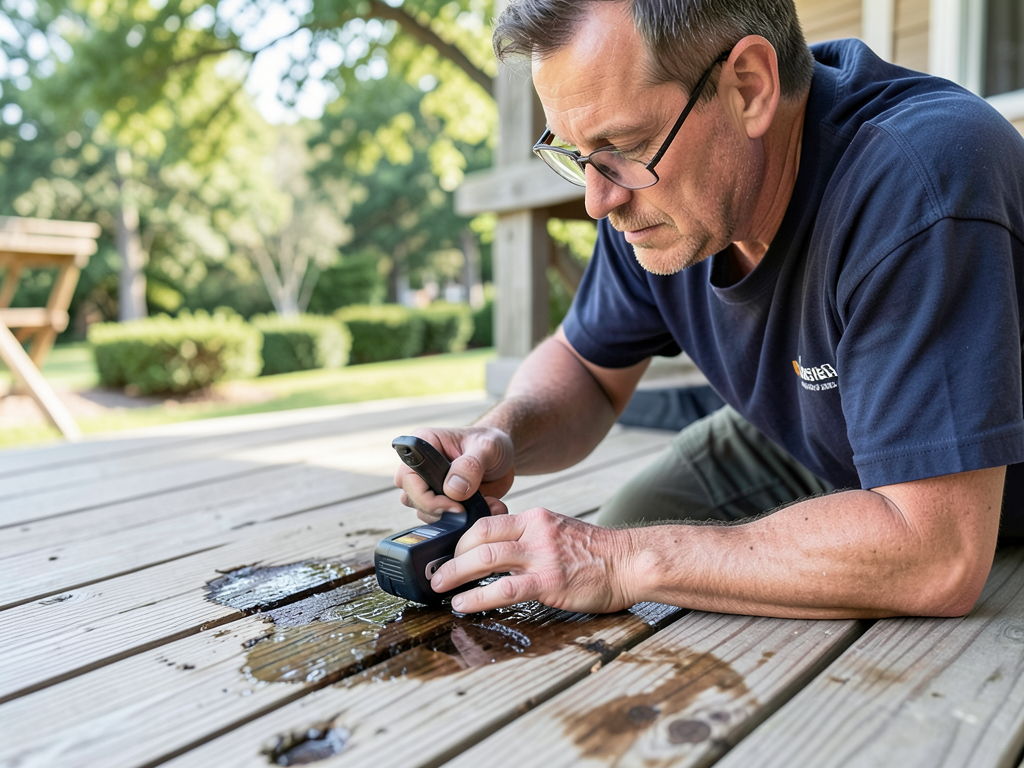
How to Find a Hidden Water Leak Under Your Marblehead Outdoor Deck Living in Marblehead means dealing with coastal moisture,…

How to Find a Hidden Water Leak Under Your Marblehead Outdoor Deck

How to Find a Hidden Water Leak Under Your Marblehead Outdoor Deck Living in Marblehead means dealing with coastal moisture,…

Saving a Luxury Walk In Closet and Designer Wardrobe After a Pipe Burst in Chestnut Hill

When a pipe bursts in your Chestnut Hill home the damage goes far beyond soaked carpets and warped baseboards. For…

Preparing Your Inland Needham Home for Hurricane Season Flooding

Preparing Your Inland Needham Home for Hurricane Season Flooding Living in Needham means enjoying quiet suburban streets and tree-lined neighborhoods.…

Contact Us

Stop wondering whether hidden mold threatens your health or property value. Call (617) 789-8099 now to schedule a comprehensive detection assessment. We provide same-day service for urgent situations and detailed reports within 48 hours. Get the answers you need to breathe easier.