Menu

Attic Water Damage Cleanup in Boston – Expert Attic Flood Restoration to Prevent Structural Loss and Mold Growth

Atlas Water Damage Restoration Providence delivers comprehensive attic water damage cleanup throughout greater Boston, using advanced moisture detection and structural drying protocols to stop mold, protect insulation, and restore your home before costly secondary damage sets in.

Slider Image 1
Slider Image 2
Slider Image 3
Slider Image 4
Slider Image 5
Slider Image 7
Slider Image 8
Slider Image 9
Slider Image 10
Slider Image 11

Why Boston Attics Are Vulnerable to Hidden Water Damage

Boston's freeze-thaw cycles wreak havoc on roofing systems. When snow accumulates on roofs during January and February, then melts rapidly during March thaws, water finds its way through compromised shingles, ice dam formations, and aged flashing around chimneys. Your attic becomes the first line of defense, and when that defense fails, you face saturated insulation, ceiling stains, and structural rot before you even know there's a problem.

Most attic water damage goes unnoticed for weeks. You discover it when a ceiling bulges in your second-floor bedroom or when you smell that distinct musty odor creeping down from above. By then, moisture has already penetrated roof decking, soaked fiberglass batts, and created the perfect environment for mold colonization. Boston's humid summers compound this. When warm, moist air meets cold attic spaces, condensation forms on rafters and sheathing, accelerating deterioration even without an active leak.

Historic homes in neighborhoods like Beacon Hill, Back Bay, and South Boston face additional challenges. Original slate roofs, while beautiful, develop hairline cracks after decades of thermal expansion. Copper valley flashing corrodes. Dormer windows lose their weatherproofing. These homes need attic water removal services that understand period construction methods and can address water intrusion without compromising architectural integrity.

Attic flood restoration becomes urgent after nor'easters. When wind-driven rain penetrates roof penetrations or when backed-up gutters overflow, attics can accumulate several inches of standing water within hours. That water saturates everything it touches, travels along joists, and eventually finds ceiling penetrations for light fixtures or HVAC ducts. Professional attic leak cleanup addresses both the visible damage and the hidden moisture that standard fans cannot reach.

Why Boston Attics Are Vulnerable to Hidden Water Damage
How Professional Attic Water Damage Restoration Works

How Professional Attic Water Damage Restoration Works

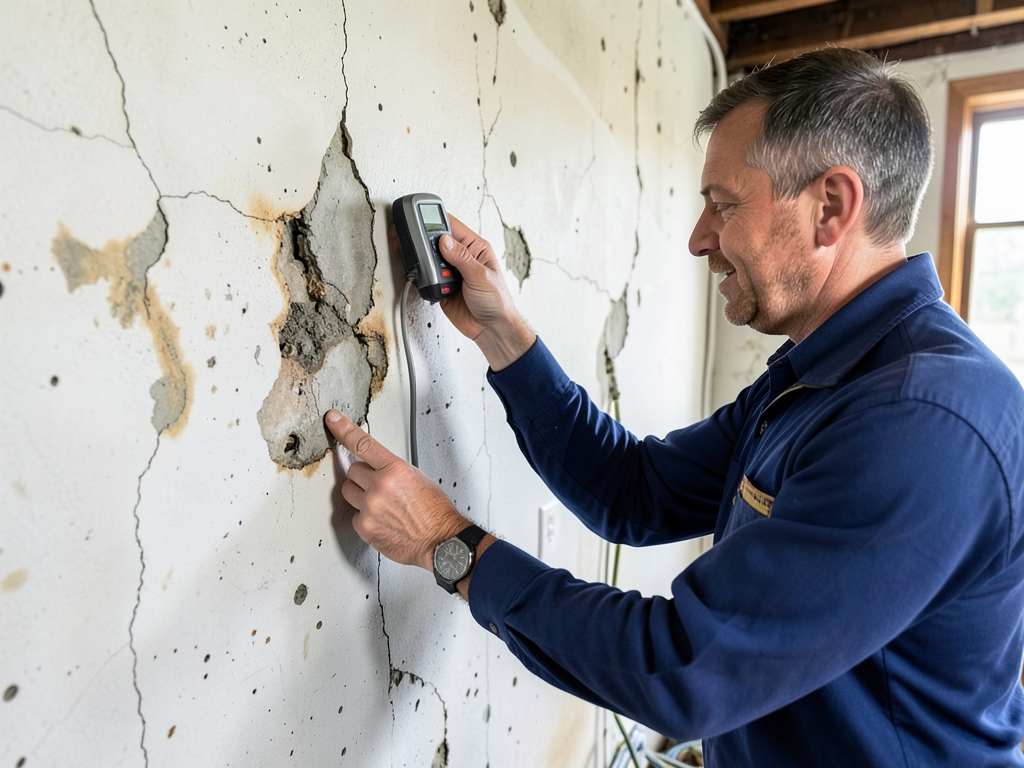
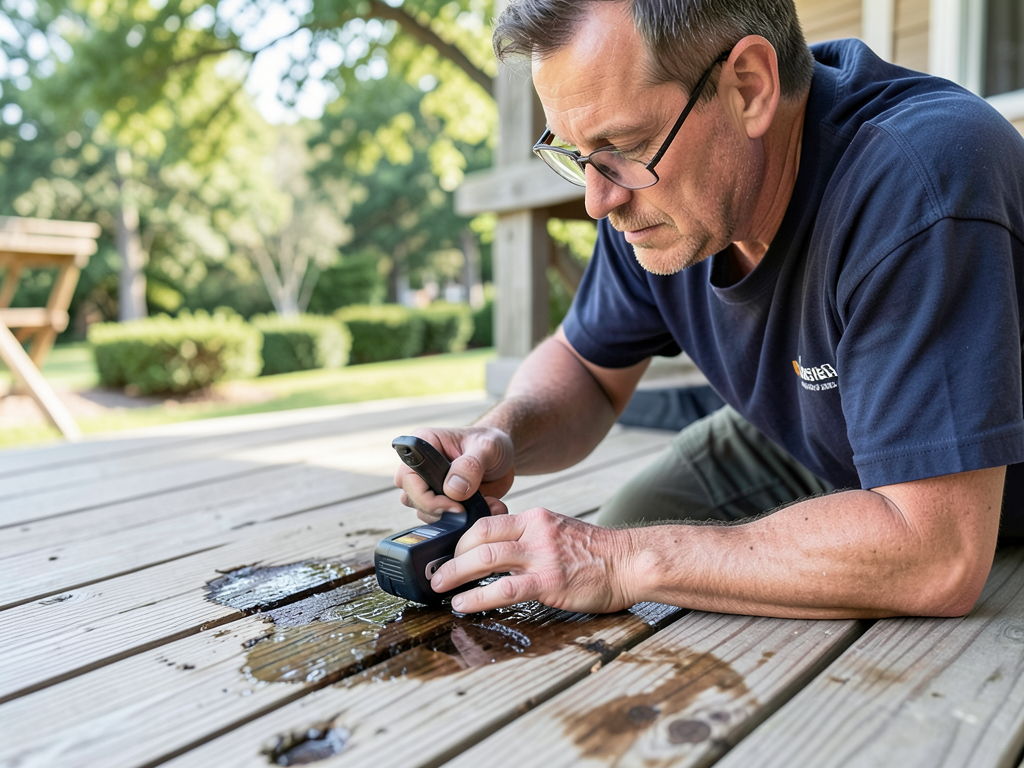
Effective attic water damage cleanup starts with source identification. We do not just extract water and leave. We trace moisture patterns back to the point of entry, whether that's compromised roof shingles, failed pipe boots, condensation from improperly vented bathroom exhaust fans, or HVAC condensate line failures. Thermal imaging cameras reveal temperature differentials that indicate moisture saturation behind surfaces you cannot see. Moisture meters give us exact readings in wood framing members, allowing us to map the full extent of water migration through your attic structure.

Extraction comes next. Standing water gets removed immediately using truck-mounted extractors. But the real challenge is trapped moisture in porous materials. Blown-in cellulose insulation acts like a sponge. Fiberglass batts lose their R-value when wet and must be removed to prevent mold growth and restore thermal performance. We document insulation depth and type before removal, ensuring proper restoration once structural drying is complete.

Structural drying requires industrial-grade equipment positioned strategically. We place axial air movers to create airflow across wet roof decking and rafters. Commercial dehumidifiers pull moisture from the air, dropping relative humidity below 50 percent to prevent mold germination. We monitor drying progress daily using moisture meters, adjusting equipment placement as readings change. Most attic drying takes three to five days, but saturated structural members in older homes may need seven to ten days.

Antimicrobial treatment follows structural drying. We apply EPA-registered antifungal solutions to all affected wood surfaces, creating a protective barrier against mold colonization during the final drying phase. This step is critical in Boston's humid climate where ambient moisture can restart mold growth if conditions remain favorable. Final moisture verification confirms all materials have returned to normal dry standards before reconstruction begins.

What Happens During Your Attic Cleanup Service

Attic Water Damage Cleanup in Boston – Expert Attic Flood Restoration to Prevent Structural Loss and Mold Growth
01

Emergency Assessment and Containment

We arrive within 90 minutes of your call for emergency attic water damage. Our technicians perform a complete attic inspection, documenting water extent with photos and moisture readings. We identify the water source, establish containment barriers to prevent water from spreading to living spaces below, and begin immediate extraction of standing water. You receive a detailed scope of damage and mitigation plan before work begins.
02

Controlled Drying and Monitoring

We remove saturated insulation and position commercial drying equipment throughout your attic space. Air movers create continuous airflow across wet surfaces while dehumidifiers extract moisture from the air. Our technicians return daily to record moisture levels in structural members, adjust equipment placement, and monitor drying progress. We maintain detailed drying logs that document moisture reduction in real time and satisfy insurance requirements.
03

Restoration and Prevention

Once all materials reach dry standard, we apply antimicrobial treatments to prevent mold growth. We reinstall insulation to match or exceed original R-values, repair any damaged roof decking or framing, and address the original water entry point. You receive a comprehensive report documenting all moisture readings, treatments applied, and repairs completed. We provide recommendations for ventilation improvements or roof maintenance to prevent future attic water damage.

Why Boston Property Owners Choose Atlas Water Damage Restoration Providence

Attic water damage restoration in Boston requires specific knowledge of local construction methods and climate challenges. Homes built before 1950 often have minimal attic ventilation. Triple-deckers common in Dorchester and Jamaica Plain have shared attic spaces where water from one unit's roof can migrate laterally, affecting multiple residences. Victorian homes in Cambridge feature complex rooflines with multiple valleys where ice dams form predictably every winter. We have worked in these homes for years and understand how water behaves in each architectural style.

Insurance claim support makes a difference when attic damage costs run into tens of thousands. We document everything. You get itemized estimates that separate emergency mitigation from reconstruction. We photograph moisture readings at multiple stages. We maintain communication with adjusters and provide supplemental documentation when initial estimates fall short of actual scope. Most importantly, we understand Massachusetts insurance regulations and can advocate for proper coverage when carriers attempt to minimize legitimate claims.

Our response time matters during active leaks. When you call at 2 a.m. because your ceiling is dripping, we answer. Our trucks carry extraction equipment, commercial dehumidifiers, and air movers. We do not schedule your emergency for next Tuesday. We stop water damage progression immediately, which directly reduces your final restoration cost. Every hour water sits in attic insulation increases mold risk and structural deterioration.

Technical expertise separates professional attic water removal services from general contractors with shop vacs. Our technicians hold IICRC Water Damage Restoration certification. We use psychrometric calculations to determine proper dehumidification capacity for your attic volume. We understand vapor pressure and know exactly when materials have reached equilibrium moisture content. This precision prevents premature equipment removal that results in returned moisture and mold growth weeks after you thought the problem was solved.

What to Expect from Your Attic Water Damage Cleanup

Response Time and Availability

We maintain 24-hour emergency response throughout Boston and surrounding communities. When you discover attic water damage, you reach a live person, not an answering service. Our dispatch coordinates the nearest available crew, and you receive an estimated arrival time immediately. Most emergency calls get on-site response within 90 minutes. We understand attic leaks do not wait for business hours, so neither do we. Evening and weekend emergencies receive the same priority as weekday calls.

Initial Assessment Process

Your assessment begins with a complete attic inspection using thermal imaging and moisture detection equipment. We map water damage extent, photograph all affected areas, and take moisture readings in structural members. You receive a written scope detailing required mitigation steps, estimated timeline, and equipment needed. We explain what your insurance should cover and identify any exclusions before work begins. This assessment typically takes 45 to 90 minutes depending on attic size and damage complexity. You approve the scope before we proceed.

Quality of Final Restoration

Your attic gets restored to pre-loss condition or better. We do not cut corners on insulation replacement. If you had R-38 fiberglass batts, you get R-38 or higher. Damaged roof decking gets replaced with properly rated plywood or OSB. We match existing framing dimensions when sistering new lumber to damaged joists. All antimicrobial treatments use EPA-registered products safe for residential applications. Final verification confirms all moisture readings fall within acceptable ranges. You receive documentation suitable for insurance claim closure and future property sales.

Post-Restoration Support

We provide written recommendations for preventing future attic water damage based on what we found during restoration. This might include roof maintenance schedules, gutter upgrades, ventilation improvements, or condensation control measures. You receive copies of all moisture logs, treatment applications, and materials used. We remain available for questions after project completion. If you notice any moisture odors or visible mold within 30 days of completion, we return to investigate at no charge. Our goal extends beyond fixing current damage to preventing future problems.

Frequently Asked Questions

You Have Questions,
We Have Answers

How to fix water damage in an attic? +

First, stop the water source. In Boston's freeze-thaw climate, this might mean emergency roof tarping or pipe shut-off. Extract standing water immediately using pumps or wet vacuums. Remove saturated insulation, drywall, and compromised structural materials. Set up industrial dehumidifiers and air movers to dry the attic completely within 48 hours to prevent mold growth. Document everything with photos for insurance. Test moisture levels in framing lumber using a moisture meter. Treat affected wood with antimicrobial solutions. Once dry, inspect for structural damage before reinstalling insulation. Boston's high humidity demands thorough drying, or you risk hidden mold colonies.

What is the 7 and 7 rule for a finished attic? +

The 7 and 7 rule requires at least seven feet of finished ceiling height in at least 50 percent of the attic floor area, with no obstruction lower than seven feet along access paths. This building code standard ensures livable headroom. Boston's older triple-deckers and historic homes often feature steep roof pitches that meet this requirement easily. The rule also mandates proper egress windows for safety. If your attic meets these criteria, finishing becomes feasible. However, Massachusetts building codes also require adequate ventilation, insulation R-values, and structural load calculations before converting attic space into living areas.

Is it worth going through insurance for water damage? +

Yes, if the water damage results from a sudden, accidental event like a burst pipe or ice dam breach. Boston homeowners face frequent ice dam issues during harsh winters, which most policies cover. Insurance typically pays for emergency mitigation, structural repairs, and contents replacement. However, you pay the deductible upfront. For minor damage under $2,000, paying out-of-pocket prevents premium increases. For major attic flooding, always file a claim. Insurance covers cleanup, drying, mold remediation, and reconstruction. Document everything immediately. Neglect or maintenance-related damage gets denied, so act fast when water enters your attic.

How much does it cost to repair water damage in the attic? +

Repair costs vary based on damage extent, affected materials, and water category. Minor attic leaks affecting insulation and drywall range from $1,500 to $4,000. Moderate damage with structural wood treatment, mold remediation, and insulation replacement typically costs $4,000 to $10,000. Extensive damage requiring rafter repair, sheathing replacement, and full attic reconstruction exceeds $10,000. Boston's older housing stock often reveals hidden damage once work begins, increasing costs. Emergency water extraction and drying services add $500 to $3,000. Insurance covers most sudden damage, but you pay the deductible. Get multiple quotes and verify contractors carry proper licensing.

Will homeowners insurance cover water damage from a roof leak? +

Yes, if the roof leak results from sudden storm damage, fallen tree limbs, or wind-driven rain during hurricanes. Boston's nor'easters frequently cause covered roof damage. However, insurance denies claims for leaks caused by poor maintenance, worn shingles, or gradual deterioration. You must prove the damage was sudden and accidental. If your roof was older than 15 years, insurers may apply depreciation or require documentation of regular maintenance. Ice dam damage typically gets covered because it happens suddenly despite preventive measures. Always photograph damage immediately and contact your insurer within 24 hours to strengthen your claim.

Does insulation need to be replaced after water damage? +

Yes. Wet insulation loses R-value permanently and becomes a mold breeding ground. Fiberglass batts compress when soaked, creating air gaps that reduce thermal performance. Cellulose insulation absorbs water like a sponge and takes weeks to dry, promoting microbial growth. In Boston's humid climate, damp insulation never fully recovers. Remove all water-damaged insulation immediately during cleanup. Even if it appears dry on the surface, moisture trapped inside causes long-term problems. Replace with new insulation rated for Massachusetts climate zones. This prevents energy loss during Boston's cold winters and ensures healthy indoor air quality year-round.

What's the average cost to finish an attic? +

Finishing an attic in Boston costs $40,000 to $75,000 for a basic conversion, or $50 to $150 per square foot depending on scope. This includes structural reinforcement, insulation upgrades to meet Massachusetts energy codes, HVAC extensions, electrical wiring, drywall, flooring, and egress windows. Historic homes may require additional permitting and compliance work, increasing costs. Complex roof geometries, dormers, or bathroom additions push prices higher. Labor costs more in the Boston metro than surrounding areas. Budget separately for design, permits, and inspections. This question relates to finishing, not water damage repair. For emergency attic water damage cleanup, costs differ significantly.

Why don't builders finish attics? +

Builders skip attic finishing to reduce construction costs and meet price points. Unfinished attics provide essential ventilation space that prevents ice dams in Boston's snowy winters. They also house mechanical systems, ductwork, and provide access for future roof repairs. Many older Boston homes were built before modern HVAC systems required the space. Finishing attics requires additional structural support, insulation, fire-rated drywall, egress windows, and HVAC extensions. These add $30,000 to $50,000 to construction costs. Builders prioritize main living areas. Homeowners can finish attics later if the structure supports the added weight and meets code requirements.

Is attic restoration worth it? +

Yes, if you need additional living space and your structure supports it. Boston's high real estate costs make attic conversions cost-effective compared to moving or adding on. You gain 200 to 400 square feet of finished space, increasing home value by 10 to 15 percent. Proper insulation also improves energy efficiency during harsh winters. However, restoration only makes sense if your roof is sound, framing is solid, and headroom meets the 7 and 7 rule. If you recently experienced water damage, restoration offers an opportunity to upgrade systems while repairing. Verify permitting requirements with Boston's Inspectional Services Department before starting work.

What type of water damage is not covered by insurance? +

Insurance excludes gradual damage from neglect, ongoing leaks, ground water seepage, and flooding from external sources. Maintenance issues like worn roof shingles, clogged gutters, or ignored small leaks get denied. Mold growth from long-term moisture problems is not covered. Sewer backups require separate endorsements. In Boston, foundation seepage during spring thaw and poor attic ventilation leading to condensation damage are excluded. Flood insurance through FEMA covers rising water, not standard homeowners policies. Always maintain your roof, clean gutters before winter, and address small leaks immediately. Insurance covers sudden, accidental events only, not deferred maintenance consequences.

How Boston's Nor'easters and Ice Dams Make Attic Water Damage Cleanup Essential

Boston receives an average of 44 inches of snow annually, and that snow creates persistent ice dam conditions from December through March. When heat escapes through inadequate attic insulation, it melts snow on your roof. Meltwater runs down until it reaches the cold eave overhang, where it refreezes. This ice buildup creates a dam that forces subsequent meltwater back up under shingles and into your attic. Homes in Somerville, Brookline, and Newton see this pattern repeatedly during winter. Nor'easters compound the problem by depositing heavy, wet snow that creates immediate load stress on roof structures while simultaneously increasing ice dam severity. Professional attic flood restoration addresses both the immediate water intrusion and the underlying insulation or ventilation deficiencies that allowed ice dams to form.

Massachusetts building codes require proper attic ventilation ratios, but many older Boston homes were built before these standards existed. Triple-deckers and Victorian-era homes often have sealed attics with inadequate soffit and ridge venting. When you need attic water damage repair, you want a restoration company that understands how to bring these spaces up to current ventilation standards without compromising historic architectural features. Atlas Water Damage Restoration Providence works regularly with Boston's Inspectional Services Department and understands local permit requirements for structural repairs. We maintain relationships with roofing contractors who specialize in historic home restoration, ensuring your attic water removal services integrate properly with any necessary roof repairs.

Water Damage Restoration Services in The Boston Area

You can see our service area and our location on the map below. We are proud to serve the entire Boston area and surrounding communities. We're always ready to dispatch our team to your home or business, no matter where you are. We’re committed to a fast, reliable response and ensuring we’re always there when you need us most.

Address:
First Choice Water Damage Restoration Boston, 44 School St., Boston, MA, 02108

Additional Services We Offer

Our news updates

Latest Articles & News from The Blogs

Why Your Milton Chimney is Actually the Source of That Living Room Water Stain That brown water stain on your…

Why Your Milton Chimney is Actually the Source of That Living Room Water Stain

Why Your Milton Chimney is Actually the Source of That Living Room Water Stain That brown water stain on your…

How to Safely Move and Store Your Furniture After a Major Flood in West Roxbury

How to Safely Move and Store Your Furniture After a Major Flood in West Roxbury West Roxbury homes often feature…

Understanding Your Rights as a Boston Tenant When Mold Becomes an Issue

As a Boston tenant facing mold growth in your apartment you need to know your legal rights under Massachusetts law…

Contact Us

Attic water damage worsens by the hour. Call (617) 789-8099 now for emergency attic flood restoration. We answer 24 hours a day and dispatch crews immediately throughout Boston. Stop secondary damage before it starts.