Menu

Swollen Baseboards & Trim in Boston – Expert Diagnosis & Proper Repair Before Mold Takes Hold

We identify the hidden moisture source causing your water damaged baseboards, eliminate the threat at the root, and restore your trim correctly using moisture meters and thermal imaging.

Slider Image 1
Slider Image 2
Slider Image 3
Slider Image 4
Slider Image 5
Slider Image 7
Slider Image 8
Slider Image 9
Slider Image 10
Slider Image 11

Why Boston Homes Battle Warped Baseboard Molding Year After Year

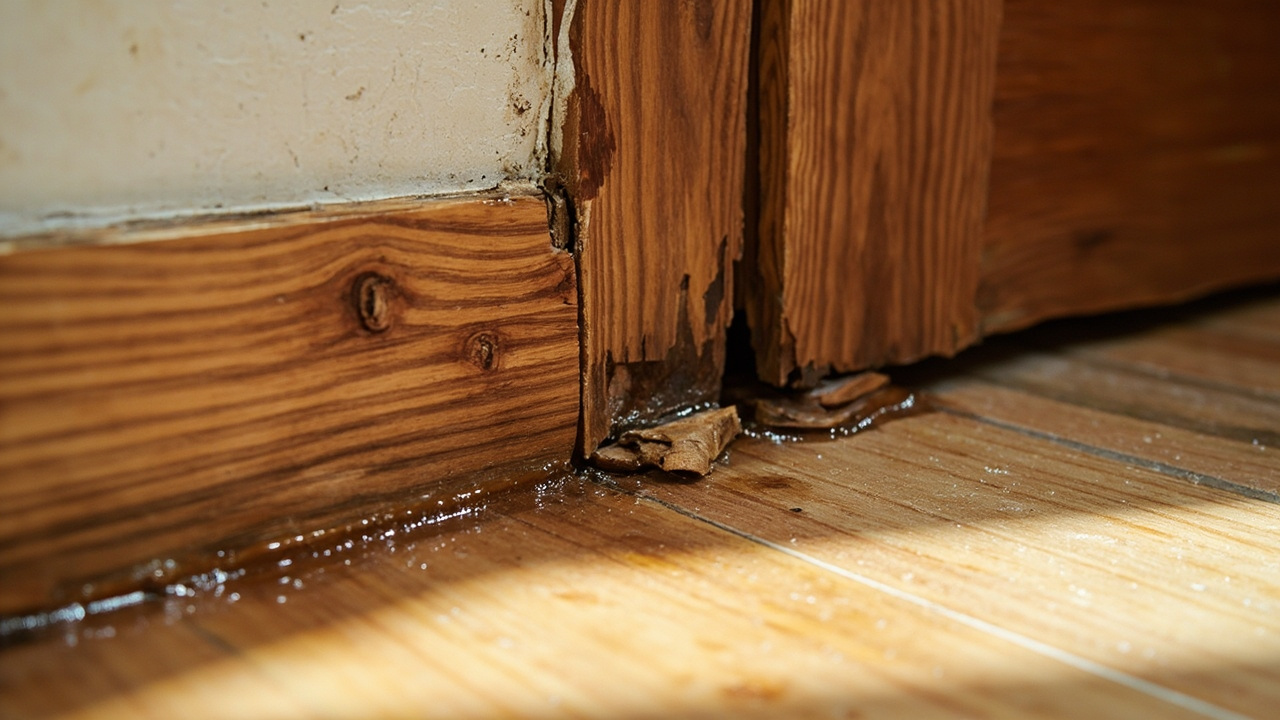
You notice it first near the bathroom or kitchen. The paint cracks. The wood feels soft. Your baseboard trim bows away from the wall like it is breathing. This is moisture swollen baseboards, and in Boston, it happens faster than you think.

Boston's climate is brutal on interior woodwork. Winters bring freeze-thaw cycles that crack foundation walls and push groundwater into finished basements. Spring thaw floods crawl spaces. Summer humidity sits at 70 percent for weeks. That moisture finds its way into your walls, and your baseboards drink it up like a sponge.

Most baseboard molding installed in the last 20 years is MDF, not solid wood. MDF is sawdust and glue. When it absorbs water, it expands permanently. You cannot sand it flat. You cannot repaint it. Expanded MDF trim is ruined trim.

The problem is not the baseboard. The problem is the water source. A slow leak under the sink. A cracked wax ring around the toilet. A failed vapor barrier in the crawl space. Condensation on cold water pipes inside the wall cavity. Ice dams forcing meltwater behind the siding and down into the wall assembly.

Bloated wood trim is a symptom. The disease is hidden moisture. You can replace the baseboard 10 times. If you do not find and fix the water intrusion point, it will swell again in six months.

Boston homeowners often discover warped baseboard molding after a winter pipe freeze, a spring basement seep, or a summer AC condensate overflow. The damage happens slowly, then all at once. You need a moisture assessment, not a handyman with a pry bar.

Why Boston Homes Battle Warped Baseboard Molding Year After Year
How We Diagnose and Repair Water Damaged Baseboards the Right Way

How We Diagnose and Repair Water Damaged Baseboards the Right Way

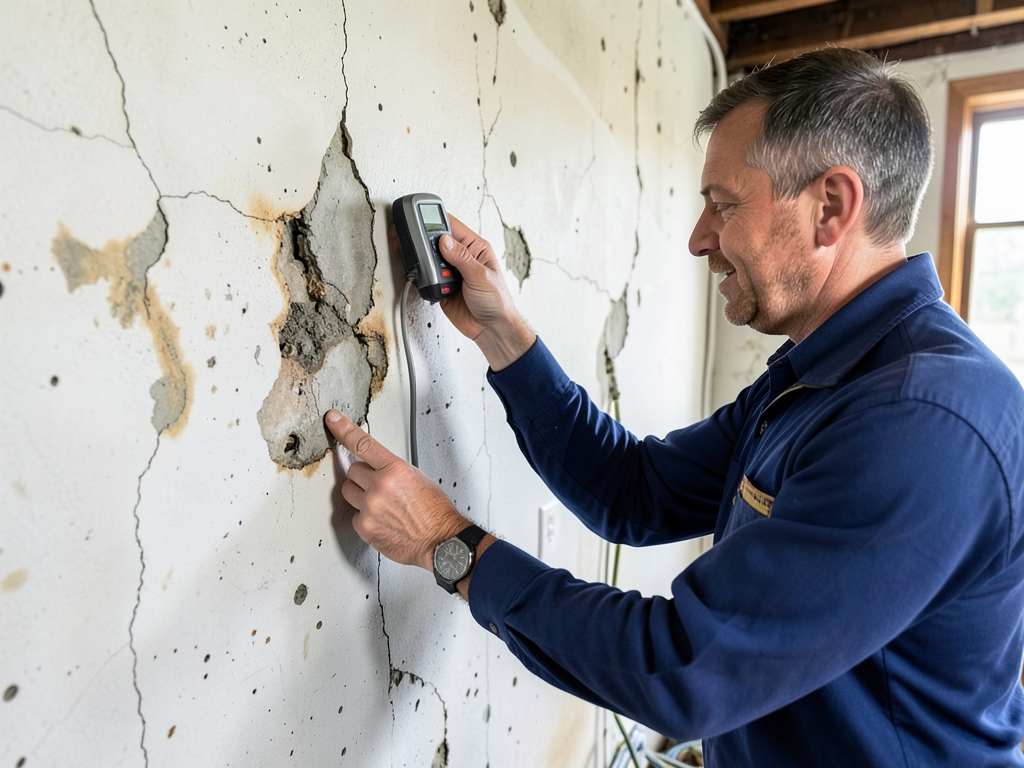
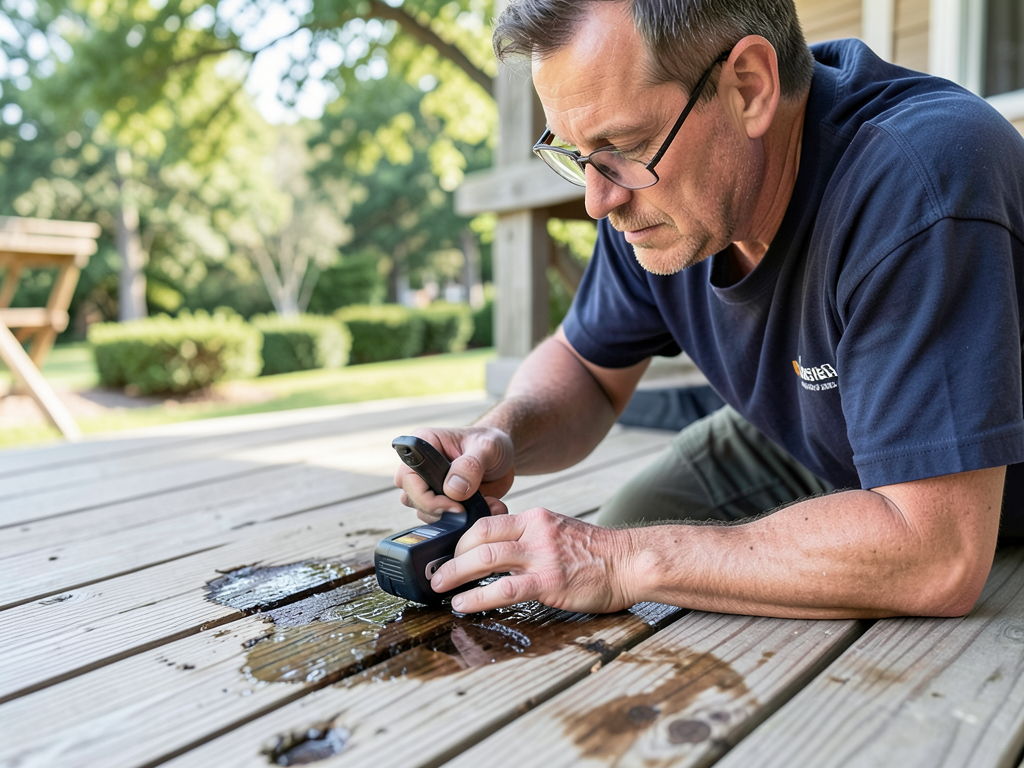
We do not start by ripping out trim. We start with a moisture map. Using calibrated pin-type and non-invasive moisture meters, we scan the wall cavity, subfloor, and framing behind the swollen baseboard. We measure moisture content in the drywall, studs, and sill plate. We map the gradient to find where the water is entering.

Thermal imaging cameras reveal temperature differentials that indicate active leaks, missing insulation, or airflow pathways pulling humid air into the wall. A cold spot on the baseboard in July means condensation. A warm spot in January means a hidden plumbing leak.

We check the foundation for cracks, the grading for negative slope, the downspouts for proper discharge distance, and the crawl space for standing water or failed vapor barriers. In older Boston triple-deckers and brownstones, we inspect the steam radiator zone valves and condensate return lines, which fail and drip inside walls for months before anyone notices.

Once we locate the intrusion point, we remediate the source first. Seal the foundation crack. Repair the leaking drain. Reroute the condensate line. Install a dehumidifier in the basement. Only after the space is dry and stable do we remove the damaged trim.

We document moisture readings before, during, and after drying. We use commercial-grade air movers and dehumidifiers to bring wall cavities below 15 percent moisture content, the threshold for mold growth. We treat framing lumber with antimicrobial solutions if readings were elevated for more than 72 hours.

Replacement trim is primed on all six sides before installation to resist future moisture wicking. We use solid pine or PVC trim in high-risk areas like bathrooms and basements. We caulk the top edge to the wall, not the bottom edge to the floor, so any future moisture can escape and evaporate instead of being trapped behind the molding.

What Happens During Your Baseboard Moisture Assessment

Swollen Baseboards & Trim in Boston – Expert Diagnosis & Proper Repair Before Mold Takes Hold
01

Moisture Mapping

We measure moisture levels in the baseboard, drywall, subfloor, and wall framing using calibrated meters. We document readings in a grid pattern to identify the wettest zones and trace the moisture back to its entry point. This tells us whether the problem is plumbing, groundwater, condensation, or structural.
02

Source Identification

Using thermal imaging and visual inspection, we locate the active water source. We check under sinks, behind toilets, around window sills, and inside crawl spaces. We inspect the foundation exterior for grade problems and the roof for ice dam damage. We identify every contributing factor, not just the obvious one.
03

Drying and Replacement

We extract standing water if present, then deploy air movers and dehumidifiers to dry the wall cavity to safe levels. We monitor daily moisture readings until the structure is stable. Only after the space is verifiably dry do we remove damaged trim and install properly sealed, moisture-resistant replacement molding.

Why Boston Homeowners Trust Us with Their Baseboard Problems

Boston is not a new construction market. Most of our homes were built between 1880 and 1950. Balloon framing. Knob-and-tube wiring pathways that create air channels inside walls. Rubble stone foundations with no waterproofing membrane. These buildings were not designed for modern humidity loads or pressurized plumbing systems.

We understand how these older homes move, breathe, and fail. We know that a swollen baseboard in a South End brownstone means something different than the same symptom in a 1980s Dorchester ranch. The diagnosis requires knowledge of local building practices, not a YouTube video.

Atlas Water Damage Restoration Providence operates throughout the Boston metro and brings commercial-grade equipment to residential jobs. Our moisture meters are calibrated monthly. Our thermal cameras have 320x240 resolution, not the consumer-grade 80x60 units that miss small leaks. Our dehumidifiers pull 180 pints per day, not 50.

We work directly with your insurance adjuster and provide the documentation they need to approve claims. We photograph moisture readings, diagram the affected areas, and provide a scope of loss that matches insurance industry standards. Most homeowner policies cover sudden and accidental water damage, but you need proof of the loss and proof of professional mitigation.

We also know the local code requirements. Boston requires permits for structural repairs that involve more than 100 square feet of wall or ceiling removal. We know when a permit is needed and when it is not. We coordinate inspections and provide the documentation the city requires.

You are not hiring a handyman to slap new trim over a wet wall. You are hiring a water damage restoration contractor who understands building science, mold prevention, and insurance documentation. That difference matters when your basement floods again next spring.

What to Expect When You Call Us About Swollen Baseboards

Response Time and Availability

We schedule assessments within 24 to 48 hours of your call. If you have active water intrusion, like a broken pipe or sump failure, we dispatch immediately. Most moisture assessments take 60 to 90 minutes. We arrive with meters, cameras, and moisture documentation forms. You receive a written diagnosis the same day, along with photos and moisture readings. If the damage is extensive or involves multiple rooms, we may need a follow-up visit to complete the mapping.

The Inspection Process

We do not assume anything. We test everything. We pull furniture away from walls to check behind it. We remove floor registers to inspect the subfloor. We go into the crawl space or basement to check the foundation and framing. We measure ambient humidity and temperature. We ask about your HVAC system, your water heater, your sump pump, and your grading. The goal is to find every moisture source, not just the one causing the baseboard to swell today.

The Quality of Restoration

When we replace trim, it is primed on all sides and sealed correctly. We match profiles and paint grades to your existing woodwork. If your baseboards are original to a 1920s home, we source period-correct molding profiles from local millwork suppliers. We do not use MDF in basements, bathrooms, or any area with a history of moisture problems. The finished work is invisible. You should not be able to tell where the old trim stopped and the new trim started.

Follow-Up and Prevention

We provide a post-mitigation moisture report showing that the structure is dry and stable. We recommend monitoring high-risk areas with a handheld moisture meter, which you can purchase for about 40 dollars. We also provide guidance on dehumidifier sizing, vapor barrier installation, and gutter maintenance. If the damage was caused by a plumbing failure, we refer you to licensed plumbers we trust. If it was a foundation issue, we refer you to waterproofing contractors who do quality work in Boston.

Frequently Asked Questions

You Have Questions,
We Have Answers

How to fix a swollen baseboard? +

First, identify and stop the water source. Remove the swollen baseboard and let it dry completely in a warm, ventilated area for 48-72 hours. If the board returns to shape, sand it lightly and repaint. If it remains warped, replace it. In Boston's humid climate, moisture often hides behind walls, so check for mold or rot on the studs and drywall. Prime replacement boards with oil-based primer before installing to prevent future swelling. If you see staining or soft spots behind the trim, call a water damage professional to inspect for hidden leaks.

What causes baseboards to swell? +

Baseboards swell when they absorb moisture from water intrusion. Common causes include plumbing leaks under sinks, foundation cracks seeping groundwater, HVAC condensation drips, or flooding from Boston's heavy spring rains and nor'easters. Older homes in Beacon Hill or Charlestown with cast iron pipes often experience slow leaks behind walls. High indoor humidity without proper ventilation also causes gradual swelling. MDF baseboards swell faster than solid wood because they act like a sponge. If you spot swollen trim, the water source is likely active and requires immediate attention to prevent structural damage and mold growth.

What is the 7 rule for baseboards? +

The 7 rule states that baseboard height in inches should equal wall height in feet divided by 7. For standard 8-foot ceilings common in Boston triple-deckers, use roughly 5-6 inch baseboards. Taller ceilings in brownstones or Victorian homes warrant 7-8 inch trim for proper proportion. This guideline balances visual weight with room scale. Ignore trends pushing oversized baseboards in smaller spaces. The rule helps maintain architectural consistency, especially in historic districts where design review boards scrutinize exterior-visible trim changes. Choose baseboard height based on ceiling height, not personal preference alone.

How to tell if baseboard has water damage? +

Look for visible swelling, warping, or buckling along the bottom edge. Discoloration, dark staining, or waterlines indicate past water exposure. Press the baseboard with your thumb. Soft, spongy spots mean active water damage and possible rot. Peeling paint or bubbling finish signals moisture trapped beneath. Check for gaps between the baseboard and wall where swelling pushed it outward. In Boston basements prone to groundwater seepage, white chalky deposits or efflorescence on baseboards confirm water wicking up from the foundation. Musty odors near trim suggest hidden mold behind the wall cavity requiring professional moisture testing.

How to fix wood that has swollen? +

Remove the swollen wood from its installed location immediately. Lay it flat in a dry, warm space with good airflow. Use fans or dehumidifiers to speed drying. Do not apply direct heat from hairdryers or heaters, which causes cracking. Allow 3-5 days for thick boards. Once dry, sand the surface smooth and check if it returned to shape. If warping persists, the wood fibers permanently deformed. You can attempt clamping with weight during drying, but results vary. Replace severely damaged pieces. For future protection, seal all six sides with primer before reinstalling, especially in Boston's variable humidity conditions.

Can mice squeeze under baseboards? +

Yes. Mice can compress their bodies to fit through openings as small as a quarter inch. Gaps between baseboards and flooring provide easy entry points, especially in older Boston homes where settling created cracks. Mice follow walls instinctively, making baseboard gaps prime highways. Look for greasy rub marks, droppings, or gnaw marks along trim edges. Seal gaps with steel wool stuffed into openings, then cover with caulk or expandable foam. Rodents cannot chew through steel wool. Check behind swollen baseboards for nesting material or droppings, as moisture attracts pests seeking water sources in wall voids.

Will a swollen wood floor go back to normal? +

It depends on severity and wood type. Minor swelling from brief water exposure may contract as the floor dries, especially in solid hardwood. Engineered flooring with plywood cores often returns to shape better than laminate. However, cupping, crowning, or buckling from prolonged saturation rarely self-corrects. Boston's freeze-thaw cycles worsen damage by expanding trapped moisture. Extract standing water immediately, run dehumidifiers, and monitor for two weeks. If boards remain raised or gaps appear, the subfloor likely sustained damage requiring professional evaluation. Do not sand swollen floors prematurely. The wood needs full drying time before resurfacing decisions.

Does homeowners insurance cover water leaks in walls? +

Most standard homeowners policies cover sudden and accidental water damage, like burst pipes during Boston's winter freezes. However, policies exclude gradual leaks from deferred maintenance or long-term seepage. If a pipe ruptures unexpectedly and damages your walls, you are typically covered. Slow leaks from worn plumbing fixtures or ignored drips are denied. Read your policy's water damage exclusions carefully. Flood damage from external sources requires separate flood insurance, critical for properties near the Charles River or in FEMA flood zones. Document all damage with photos and call your insurer within 24 hours to preserve your claim rights.

What time of year do doors swell? +

Doors swell most during Boston's humid summer months, typically June through August when humidity exceeds 70 percent. Wooden doors absorb moisture from the air, causing expansion that makes them stick in frames. Spring rains and fall dampness also trigger swelling. Winter heating dries indoor air, shrinking doors and creating gaps. Exterior doors facing south or west absorb more solar heat and moisture. If your door sticks seasonally, avoid aggressive sanding. Light planing on the latch edge provides clearance without over-removing material. Apply weather stripping to exterior doors to block moisture infiltration and maintain consistent indoor humidity year-round.

Should baseboards be flush with the floor? +

Baseboards should sit tight against the floor with no visible gap. However, a small 1/8 inch reveal is acceptable on uneven floors common in older Boston homes with settling foundations. The trim should follow floor contours without large gaps that collect dust or allow pest entry. If installing on carpet, leave a slight gap so vacuum cleaners fit underneath. Quarter-round or shoe molding covers minor imperfections where baseboard meets flooring. On hardwood, baseboards must sit flush to prevent moisture from mopping water seeping behind the trim. Use shims during installation to accommodate uneven subflooring while maintaining a clean finished appearance.

How Boston's Freeze-Thaw Cycle Drives Chronic Baseboard Damage

Boston experiences 30 to 40 freeze-thaw cycles per winter. Each cycle expands and contracts the soil beneath your foundation, creating microfractures in concrete and mortar joints. Spring thaw raises the water table and pushes groundwater through those cracks into your basement or crawl space. That moisture migrates up through the sill plate and into your wall cavities, where it saturates the bottom plate and the baseboard nailed to it. Homes in East Boston, Charlestown, and South Boston, which sit near sea level on filled land, experience higher water tables and more chronic moisture intrusion than homes in higher-elevation neighborhoods like Jamaica Plain or Roslindale.

Boston enforces the 9th edition of the Massachusetts State Building Code, which requires vapor barriers in all conditioned crawl spaces and mandates specific R-values for basement insulation. Many older homes were built before these codes existed and have no vapor barrier at all. We work with local building inspectors regularly and understand what upgrades are required when you open a wall for baseboard replacement. Choosing a restoration contractor who knows local code prevents delays, failed inspections, and expensive rework. Our familiarity with Boston's housing stock, from triple-deckers in Dorchester to brick rowhouses in Back Bay, means we diagnose problems faster and fix them correctly the first time.

Water Damage Restoration Services in The Boston Area

You can see our service area and our location on the map below. We are proud to serve the entire Boston area and surrounding communities. We're always ready to dispatch our team to your home or business, no matter where you are. We’re committed to a fast, reliable response and ensuring we’re always there when you need us most.

Address:
First Choice Water Damage Restoration Boston, 44 School St., Boston, MA, 02108

Additional Services We Offer

Our news updates

Latest Articles & News from The Blogs

Professional Water Damage Restoration for Retail Stores in Harvard Square Harvard Square retail stores face unique water damage risks from…

Professional Water Damage Restoration for Retail Stores in Harvard Square

Professional Water Damage Restoration for Retail Stores in Harvard Square Harvard Square retail stores face unique water damage risks from…

How to Dry Out a Damp Crawl Space in Your Belmont Home (And Stop the Smell)

How to Dry Out a Damp Crawl Space in Your Belmont Home (And Stop the Smell) Musty odors creeping up…

Emergency Dishwasher Leak Cleanup for Busy Kitchens in Arlington

Emergency Dishwasher Leak Cleanup for Busy Kitchens in Arlington Did you walk into your kitchen and find water pooling around…

Contact Us

Call Atlas Water Damage Restoration Providence at (617) 789-8099 today. We will schedule your moisture inspection within 48 hours, identify the water source, and provide a written repair plan with no guesswork.