



Cambridge sits at the confluence of the Charles River and Alewife Brook, making basement flooding a constant threat during spring thaw and hurricane season. The city's dense mix of historic homes in neighborhoods like Cambridgeport and Mid-Cambridge means aging cast iron pipes, compromised foundation waterproofing, and outdated drainage systems. Many triple-deckers and Victorian-era buildings feature balloon framing that wicks water vertically through wall cavities, spreading damage across multiple floors before you notice the first ceiling stain.
Winter freeze-thaw cycles crack foundation walls in older homes near Harvard Square and Porter Square. When temperatures drop below freezing, water in those cracks expands, widening gaps that flood basements when snow melts. Cambridge's high water table compounds the problem. Properties near Fresh Pond see groundwater seepage during heavy rain events. The 2021 nor'easter flooded over 400 Cambridge homes in 48 hours. Our crews responded to 67 calls that weekend alone, extracting water from finished basements, crawl spaces, and ground-floor units across the city.
We've been pulling water out of Cambridge properties since 2003, back when most restoration companies operated out of panel vans with shop-vacs. Today we run a fleet of truck-mounted extraction units, industrial dehumidifiers, and thermal imaging cameras that detect hidden moisture in wall cavities and subfloors. Our technicians hold IICRC Water Damage Restoration certification and complete annual training on the latest drying protocols. When your sump pump fails at 2 AM or a supply line bursts while you're at work, you need a crew that shows up fast and knows exactly what to do.
We work directly with every major insurance carrier operating in Massachusetts. That means we submit estimates, document damage with photo evidence, and coordinate scope approvals while you deal with the immediate crisis. No waiting weeks for adjuster appointments or fighting over coverage details. We've processed over 2,400 insurance claims for Cambridge homeowners and know exactly what documentation carriers require for full approval.
Our Cambridge clients include property managers overseeing multi-family buildings in Area Four, condo associations in East Cambridge, and historic home owners in Brattle Street. We understand the specific challenges each property type presents. A flooded triple-decker requires different drying strategies than a brick rowhouse or a wood-frame single-family. We adapt our approach based on construction type, moisture source, and contamination level. You get a customized restoration plan, not a one-size-fits-all response.

Our Cambridge crews stage equipment at our Somerville facility, putting us 12 minutes from any address in the city. We answer calls 24 hours a day, 365 days a year. When you call with active water damage, we dispatch immediately and arrive with extraction equipment, moisture meters, and containment barriers ready to deploy.

We file claims directly with your insurance carrier and handle all documentation, from initial loss reports to final invoices. You pay only your deductible. We manage the rest, including follow-up calls, supplemental estimates, and payment collection. No upfront costs, no reimbursement hassles, no paperwork stress during an already difficult time.
Every technician on our Cambridge crews holds current IICRC Water Damage Restoration certification and completes continuing education in structural drying, antimicrobial application, and moisture detection. We follow ANSI/IICRC S500 standards for every job, ensuring proper drying, documentation, and verification. Your restoration is performed to industry best practices, not guesswork.
We've restored water damage in over 1,800 Cambridge properties, from triple-deckers with knob-and-tube wiring to modern condos with radiant floor heating. We understand local building construction, know which homes have clay tile drains versus PVC, and can identify vintage plumbing configurations that require special handling during water extraction and structural drying.
Water damage restoration requires more than removing standing water. Effective recovery addresses the visible flooding, the hidden moisture trapped in building materials, and the long-term threats like mold growth and structural deterioration. We provide complete water damage mitigation from initial emergency response through final repairs and restoration.
Our Cambridge services divide into three core categories based on urgency, contamination level, and structural impact. Emergency water removal stops active damage and prevents further destruction. Structural drying and dehumidification eliminate moisture from framing, insulation, and subfloors before mold colonies establish. Full property restoration repairs and rebuilds damaged areas, returning your home to pre-loss condition. Each service category requires different equipment, expertise, and timelines. Understanding what your specific situation requires helps you make informed decisions during a stressful time.
When water floods your home, the first 48 hours determine whether you face a manageable cleanup or a major reconstruction project. Our truck-mounted extraction units remove thousands of gallons per hour from basements, crawl spaces, and living areas. We deploy containment barriers to isolate affected zones, pull saturated carpeting and padding, and extract water from hardwood floors before cupping occurs. Immediate water removal prevents category 1 clean water from becoming category 2 grey water as it contacts building materials and contents.
Visible water represents only part of the problem. Moisture wicks into drywall, insulation, framing lumber, and subfloors where it fuels mold growth and wood rot. We use commercial dehumidifiers, air movers, and negative air machines to create controlled drying environments. Thermal imaging cameras identify hidden moisture pockets. Daily moisture readings track drying progress until all materials reach acceptable moisture content levels. Proper structural drying prevents callbacks, insurance disputes, and mold remediation projects six months after the initial water damage event.
After extraction and drying, your home needs repairs. We handle everything from drywall replacement and floor refinishing to cabinet installation and trim work. Our crews include licensed plumbers and electricians who address the source problems that caused flooding in the first place. We match existing finishes, paint colors, and flooring materials so restored areas blend seamlessly with untouched spaces. One company manages your entire project from emergency call to final walkthrough, eliminating coordination headaches and scheduling delays.
Cambridge's combination of aging housing stock, high water tables, and intense weather creates perfect conditions for chronic and catastrophic water damage. Many properties built before 1950 lack proper foundation waterproofing. Original clay tile drain systems crack and collapse, allowing groundwater to seep through foundation walls. Cast iron waste pipes corrode from the inside out, causing catastrophic failures that flood finished basements with sewage.
The Charles River watershed amplifies flooding risk during spring snowmelt and hurricane season. Properties in low-lying areas near Magazine Beach and along Memorial Drive face recurrent basement flooding. Even elevated neighborhoods experience water intrusion when storms overwhelm aging municipal storm drains. Understanding these common problems helps you recognize warning signs before minor moisture issues become expensive restoration projects.
Power outages during storms knock out sump pumps exactly when you need them most. We respond to dozens of flooded basements every hurricane season when pumps fail or can't keep pace with groundwater intrusion. Battery backup systems prevent most floods, but existing water damage requires immediate extraction to prevent mold growth in finished living spaces.
Freezing temperatures crack copper supply lines in exterior walls and unheated spaces. Washing machine hoses fail without warning. Water heaters develop pinhole leaks that spray hundreds of gallons before discovery. These sudden failures flood multiple rooms in minutes, requiring rapid response to minimize damage to flooring, furniture, and personal belongings stored in affected areas.
Tree roots infiltrate aging sewer laterals, causing backups that flood basements with raw sewage. Category 3 black water contains dangerous pathogens requiring specialized cleanup protocols, antimicrobial treatments, and disposal of contaminated porous materials. Insurance typically covers sewage cleanup under separate endorsements. We handle testing, documentation, and remediation to health department standards.
Slow leaks behind washing machines, under sinks, and in crawl spaces go unnoticed for months. By the time you smell musty odors or see visible mold, extensive colonization has occurred. We use moisture meters and thermal cameras to detect hidden water damage, then implement targeted drying strategies that eliminate moisture before mold remediation becomes necessary.
Water damage creates panic. You're watching water spread across floors, wondering how bad things will get, and trying to figure out what to do first. When you call our Cambridge emergency line, you reach a trained dispatcher who asks targeted questions about your situation. Where is water coming from? How many rooms are affected? Do you see active flowing water or standing water? Is anyone in danger? These questions help us send the right equipment and crew size for your specific emergency.
Within 60 minutes, our truck arrives with a crew leader who assesses damage severity, identifies the moisture source, and explains what happens next. You'll get honest answers about timelines, insurance coverage, and what your home will look like during the drying process. We don't sugarcoat problems or downplay damage to get your signature. You receive a detailed scope of work before any restoration begins. Here's what you can count on throughout your project.
You receive daily updates on drying progress, insurance claim status, and project timelines. Our crew leaders explain what equipment is running, why it's necessary, and when it can be removed. If we discover additional damage during demolition or drying, you know immediately with photo documentation and revised estimates. Questions get answered the same day, not three days later after you've called twice. You have direct phone numbers for your project manager, not a general voicemail box at corporate headquarters.
Our crews wear boot covers, place floor protection in travel paths, and contain dust during demolition. Equipment stays organized and out of main traffic areas when possible. We schedule work around your obligations, showing up when we say we will and finishing tasks within promised timeframes. Your home is a disaster right now. We don't make it worse by leaving jobsites messy or showing up three hours late without calling. Small courtesies matter when you're already stressed about damage and displacement.
Water damage restoration means returning your home to the condition it was in before flooding occurred. We don't just dry things out and leave you with bare studs and concrete floors. Our crews rebuild walls, refinish floors, paint surfaces, and reinstall trim. Final walkthrough happens with you present, addressing any concerns before we consider the job complete. We warranty our work for one year from project completion, covering both workmanship and materials.
Every water damage project follows a structured process designed to stop damage progression, eliminate moisture completely, and restore your property to pre-loss condition. Speed and thoroughness both matter.
Our crew arrives within 60 minutes to stop active water intrusion, extract standing water, and assess damage extent. We use moisture meters to identify affected areas, thermal cameras to find hidden water, and document everything with photos for insurance claims. You receive an initial scope of work explaining what needs to happen next. We deploy emergency equipment immediately to begin water extraction and start the drying process before additional damage occurs.
Industrial dehumidifiers and air movers run continuously for three to seven days depending on moisture levels and affected materials. We take daily moisture readings in floors, walls, and structural elements to track drying progress. When readings stabilize at acceptable levels for three consecutive days, we know materials are dry enough to begin repairs. Rushing this phase causes mold growth and insurance disputes later.
After complete drying verification, our reconstruction crews repair damaged areas. We replace drywall, refinish floors, repaint surfaces, and reinstall trim to match existing finishes. Plumbers fix the pipes that burst. Electricians replace damaged wiring. You work with one company throughout the entire process, eliminating coordination delays and finger-pointing between trades. Final walkthrough ensures every detail meets your approval before we close your project.
Professional water damage restoration follows ANSI/IICRC S500 standards, the recognized protocol for water damage mitigation developed by the Institute of Inspection, Cleaning and Restoration Certification. These standards define acceptable moisture content levels for building materials, specify drying equipment requirements, and establish documentation protocols that insurance carriers accept as proof of proper restoration.
Massachusetts requires water damage restoration contractors to address mold prevention under 105 CMR 675.000, the state regulation governing mold assessment and remediation. Any water intrusion that remains unaddressed for more than 48 hours creates conditions for mold colonization. Proper structural drying eliminates moisture before mold spores activate, preventing remediation costs that insurance companies often dispute as maintenance issues rather than covered losses.
We follow a systematic approach for every Cambridge water damage project. First, we classify water by contamination level. Category 1 clean water from supply lines requires basic extraction and drying. Category 2 grey water from washing machine overflows or dishwasher leaks contains contaminants requiring antimicrobial treatment. Category 3 black water from sewage backups demands complete removal of porous materials and specialized disinfection protocols.
Second, we determine affected material classes. Class 1 affects only part of a room with minimal moisture absorption in materials. Class 4 involves specialty drying situations like hardwood floors, plaster walls, or stone surfaces that require specific techniques and extended drying times. Proper classification determines equipment needs, drying duration, and final costs. Understanding these technical factors helps you evaluate whether a restoration company knows what they're doing or just owns a wet-dry vacuum and calls themselves experts.
Lumber used in framing should measure below 16% moisture content before reconstruction begins. Concrete and masonry require different standards. We use pin-type and pinless moisture meters to verify drying across all affected materials. Readings must stabilize for 72 consecutive hours before materials are considered dry. Skipping verification causes mold growth, callbacks, and insurance claim denials for improper restoration practices.
Water damage restoration costs depend on water volume, affected square footage, contamination level, and material types involved. Drying a concrete basement costs less than drying hardwood floors. Category 3 sewage cleanup requires disposal of carpeting and drywall plus antimicrobial treatment, adding significant costs compared to clean water extraction. Most Cambridge projects range from basic emergency extraction to complete basement reconstructions requiring electrical, plumbing, and framing work.
Basic water extraction and drying takes three to seven days for typical residential water damage. Hardwood floors require extended drying times up to 14 days to prevent cupping and warping. Plaster walls in older Cambridge homes absorb moisture slowly and release it even slower, sometimes requiring three weeks of monitoring. We provide realistic timelines based on actual conditions, not optimistic promises designed to win your business.
Massachusetts homeowners policies typically cover sudden and accidental water damage but exclude gradual leaks and maintenance issues. We document damage with timestamped photos, moisture readings, and detailed loss descriptions that establish covered losses. Insurance carriers require specific documentation formats for approval. Our 20 years processing claims means we know exactly what Liberty Mutual, Arbella, and Plymouth Rock need to approve estimates without delays or disputes.
Professional water damage restoration guide for Cambridge, Massachusetts homeowners explaining emergency response procedures, structural drying methods, insurance claim processes, and restoration timelines. Covers common water damage causes in Cambridge properties including basement flooding, burst pipes, sump pump failures, and sewage backups. Details IICRC water damage restoration standards, moisture detection techniques, equipment requirements, and what homeowners should expect during the complete restoration process from initial emergency call through final repairs.
First Choice Water Damage Restoration Boston serves every Cambridge neighborhood from the Charles River to the Arlington border. We've responded to water emergencies in the historic homes along Brattle Street in West Cambridge, triple-deckers throughout Cambridgeport and Area Four, and modern condominiums in East Cambridge near Lechmere. Our crews know these neighborhoods intimately after 20 years of emergency calls. We understand how different construction types in various parts of the city require adapted restoration approaches.
Properties near Harvard Square and Porter Square often feature balloon framing that allows water to travel vertically through wall cavities, spreading damage across multiple floors. Homes in Mid-Cambridge and Neighborhood Nine tend toward dense triple-decker construction where water damage in one unit affects neighbors above and below. The North Cambridge and Alewife areas near Fresh Pond face higher groundwater tables and recurrent basement flooding during heavy precipitation events. East Cambridge properties near the Lechmere area include modern construction with finished basements that flood when sump pumps fail or municipal storm drains overflow during intense rainfall.
We maintain rapid response times across all Cambridge ZIP codes because our equipment staging facility in neighboring Somerville puts us minutes from any address. Routes along Massachusetts Avenue, Cambridge Street, and Memorial Drive mean we reach flooded properties quickly regardless of traffic conditions. Beyond Cambridge proper, we serve surrounding communities including Somerville, Arlington, Belmont, and Watertown. Properties along the Cambridge-Somerville border near Union Square and properties in West Cambridge near Belmont receive the same 60-minute response commitment as addresses in Central Square or Kendall Square.
Water damage doesn't respect municipal boundaries, and neither do we. If you're within our service area and need emergency water extraction, structural drying, or complete restoration services, we respond immediately with the equipment and expertise your specific situation requires. Cambridge homeowners, property managers, and condo associations trust us because we show up fast, work clean, and finish projects on schedule.
Water damage repair costs vary widely based on severity and affected areas. Minor leaks affecting a single room might run a few hundred dollars. Extensive flooding impacting multiple floors, structural elements, or requiring mold remediation can reach several thousand. Cambridge homes, especially older properties near the Charles River or Fresh Pond, face unique risks from aging plumbing and basement seepage. Costs include water extraction, drying equipment, material replacement, and potential mold treatment. Your homeowner's insurance often covers sudden incidents like burst pipes, but gradual damage from neglect typically is not covered. Get a professional assessment before proceeding.
Water damage restoration is absolutely worth it when you consider the alternative. Unaddressed water damage leads to mold growth within 24 to 48 hours, structural rot, and foundation issues that multiply repair costs exponentially. Cambridge's humid summers accelerate these problems. Professional restoration stops the damage cycle, salvages belongings, prevents health hazards, and maintains your property value. Attempting DIY fixes on significant water damage usually misses hidden moisture in wall cavities and subfloors. Professionals use thermal imaging and moisture meters to find what you cannot see. The upfront investment prevents catastrophic long-term damage and protects your family's health.
Floor water damage repair depends on flooring type and saturation level. Hardwood floor drying and refinishing typically costs less than full replacement. Laminate and engineered wood often require complete replacement once waterlogged. Tile floors may only need grout and subflooring attention. Cambridge's many Victorian and triple-decker homes feature original hardwood that can sometimes be saved with professional drying equipment. Costs include water extraction, subfloor inspection, mold prevention, and material replacement. Expect variations based on square footage and whether joists or structural supports need repair. Insurance coverage depends on your policy and damage cause.
Water damage repair costs vary widely based on severity and affected areas. Minor leaks affecting a single room might run a few hundred dollars. Extensive flooding impacting multiple floors, structural elements, or requiring mold remediation can reach several thousand. Cambridge homes, especially older properties near the Charles River or Fresh Pond, face unique risks from aging plumbing and basement seepage. Costs include water extraction, drying equipment, material replacement, and potential mold treatment. Your homeowner's insurance often covers sudden incidents like burst pipes, but gradual damage from neglect typically is not covered. Get a professional assessment before proceeding.
Water damage restoration is absolutely worth it when you consider the alternative. Unaddressed water damage leads to mold growth within 24 to 48 hours, structural rot, and foundation issues that multiply repair costs exponentially. Cambridge's humid summers accelerate these problems. Professional restoration stops the damage cycle, salvages belongings, prevents health hazards, and maintains your property value. Attempting DIY fixes on significant water damage usually misses hidden moisture in wall cavities and subfloors. Professionals use thermal imaging and moisture meters to find what you cannot see. The upfront investment prevents catastrophic long-term damage and protects your family's health.
Floor water damage repair depends on flooring type and saturation level. Hardwood floor drying and refinishing typically costs less than full replacement. Laminate and engineered wood often require complete replacement once waterlogged. Tile floors may only need grout and subflooring attention. Cambridge's many Victorian and triple-decker homes feature original hardwood that can sometimes be saved with professional drying equipment. Costs include water extraction, subfloor inspection, mold prevention, and material replacement. Expect variations based on square footage and whether joists or structural supports need repair. Insurance coverage depends on your policy and damage cause.
Water remediation removes water and prevents further damage through extraction, drying, and antimicrobial treatment. It stops the immediate crisis. Water restoration takes the next step by repairing and rebuilding what was damaged, returning your property to pre-loss condition. Think of remediation as emergency medicine and restoration as surgery and recovery. A Cambridge basement flood requires remediation first: pumping water, setting up dehumidifiers, removing wet materials. Restoration follows: replacing drywall, repainting, installing new flooring. Most companies handle both phases, but understanding the distinction helps you know what services you need and what insurance covers.
Insurance typically pays for water restoration when damage results from sudden, accidental events like burst pipes, appliance malfunctions, or storm-related roof leaks. Cambridge homeowners should review their policies carefully, as standard coverage excludes flood damage from natural disasters. You need separate flood insurance for Charles River overflow or street flooding. Insurance covers the restoration process, including extraction, drying, repairs, and contents replacement, minus your deductible. Gradual damage from ongoing leaks, poor maintenance, or seepage usually is not covered. Document everything with photos, keep receipts, and contact your insurer immediately after discovering damage to maximize your claim.
Insurance pays out for water damage when the cause falls under covered perils in your policy. Sudden pipe bursts, water heater failures, washing machine overflows, and ice dam leaks typically qualify for coverage. Cambridge's freeze-thaw cycles cause frequent pipe bursts that insurance covers. Excluded causes include flooding from external sources, sewer backups without additional coverage, and gradual leaks you failed to address. Your policy has specific exclusions and limits, so read the fine print. File claims promptly with thorough documentation. Adjusters evaluate damage extent and determine payout based on your coverage limits, depreciation, and deductible.
The average water damage insurance claim ranges from several thousand to over ten thousand dollars, depending on severity and location. Cambridge claims often run higher due to elevated property values and the region's older housing stock with aging infrastructure. Simple supply line breaks affecting one room fall on the lower end. Multi-floor flooding requiring extensive demolition, structural drying, and mold remediation pushes costs higher. Your specific claim depends on water volume, exposure time, affected materials, and necessary repairs. Category 3 water from sewage backups costs more to remediate than clean water. Track all expenses and document damage thoroughly.
Mold begins growing within 24 to 48 hours after water exposure in the right conditions. Cambridge's humid climate, especially during summer months, accelerates mold development. Porous materials like drywall, insulation, and carpet absorb water quickly and create ideal mold environments. Temperature, humidity levels, and organic material availability determine growth speed. Basements and crawl spaces in Cambridge homes are particularly vulnerable. This narrow window makes immediate action critical after any water event. Professional water extraction and industrial dehumidifiers remove moisture before mold takes hold. Delay increases health risks, remediation costs, and potential structural damage. Speed matters with water damage.
Call a water restoration company immediately when you discover water damage beyond minor spills. Situations requiring professional help include burst pipes, appliance failures, sewage backups, basement flooding, or storm damage. If water affects multiple rooms, soaks into walls or floors, or you see visible saturation, call professionals. Cambridge homeowners should also call when discovering hidden leaks behind walls or under floors, as moisture meters and thermal imaging locate problems you cannot see. Do not wait to assess if damage seems manageable. The 24 to 48 hour mold growth window demands quick professional response to prevent compounding problems.
Homeowners insurance covers water damage to floors when caused by sudden, accidental events. Burst pipe floods, water heater ruptures, and appliance overflows typically qualify for coverage. Cambridge policies generally exclude gradual damage from ongoing leaks, poor maintenance, or ground water seepage common in older neighborhoods. Flood insurance requires separate coverage beyond standard policies. Your claim payout depends on your specific policy terms, deductible, and whether you have replacement cost or actual cash value coverage. Document damage immediately with photos and contact your insurer. Review your policy exclusions and understand what triggers coverage before filing claims.
Water remediation removes water and prevents further damage through extraction, drying, and antimicrobial treatment. It stops the immediate crisis. Water restoration takes the next step by repairing and rebuilding what was damaged, returning your property to pre-loss condition. Think of remediation as emergency medicine and restoration as surgery and recovery. A Cambridge basement flood requires remediation first: pumping water, setting up dehumidifiers, removing wet materials. Restoration follows: replacing drywall, repainting, installing new flooring. Most companies handle both phases, but understanding the distinction helps you know what services you need and what insurance covers.
Insurance typically pays for water restoration when damage results from sudden, accidental events like burst pipes, appliance malfunctions, or storm-related roof leaks. Cambridge homeowners should review their policies carefully, as standard coverage excludes flood damage from natural disasters. You need separate flood insurance for Charles River overflow or street flooding. Insurance covers the restoration process, including extraction, drying, repairs, and contents replacement, minus your deductible. Gradual damage from ongoing leaks, poor maintenance, or seepage usually is not covered. Document everything with photos, keep receipts, and contact your insurer immediately after discovering damage to maximize your claim.
Insurance pays out for water damage when the cause falls under covered perils in your policy. Sudden pipe bursts, water heater failures, washing machine overflows, and ice dam leaks typically qualify for coverage. Cambridge's freeze-thaw cycles cause frequent pipe bursts that insurance covers. Excluded causes include flooding from external sources, sewer backups without additional coverage, and gradual leaks you failed to address. Your policy has specific exclusions and limits, so read the fine print. File claims promptly with thorough documentation. Adjusters evaluate damage extent and determine payout based on your coverage limits, depreciation, and deductible.
The average water damage insurance claim ranges from several thousand to over ten thousand dollars, depending on severity and location. Cambridge claims often run higher due to elevated property values and the region's older housing stock with aging infrastructure. Simple supply line breaks affecting one room fall on the lower end. Multi-floor flooding requiring extensive demolition, structural drying, and mold remediation pushes costs higher. Your specific claim depends on water volume, exposure time, affected materials, and necessary repairs. Category 3 water from sewage backups costs more to remediate than clean water. Track all expenses and document damage thoroughly.
Mold begins growing within 24 to 48 hours after water exposure in the right conditions. Cambridge's humid climate, especially during summer months, accelerates mold development. Porous materials like drywall, insulation, and carpet absorb water quickly and create ideal mold environments. Temperature, humidity levels, and organic material availability determine growth speed. Basements and crawl spaces in Cambridge homes are particularly vulnerable. This narrow window makes immediate action critical after any water event. Professional water extraction and industrial dehumidifiers remove moisture before mold takes hold. Delay increases health risks, remediation costs, and potential structural damage. Speed matters with water damage.
Call a water restoration company immediately when you discover water damage beyond minor spills. Situations requiring professional help include burst pipes, appliance failures, sewage backups, basement flooding, or storm damage. If water affects multiple rooms, soaks into walls or floors, or you see visible saturation, call professionals. Cambridge homeowners should also call when discovering hidden leaks behind walls or under floors, as moisture meters and thermal imaging locate problems you cannot see. Do not wait to assess if damage seems manageable. The 24 to 48 hour mold growth window demands quick professional response to prevent compounding problems.
Homeowners insurance covers water damage to floors when caused by sudden, accidental events. Burst pipe floods, water heater ruptures, and appliance overflows typically qualify for coverage. Cambridge policies generally exclude gradual damage from ongoing leaks, poor maintenance, or ground water seepage common in older neighborhoods. Flood insurance requires separate coverage beyond standard policies. Your claim payout depends on your specific policy terms, deductible, and whether you have replacement cost or actual cash value coverage. Document damage immediately with photos and contact your insurer. Review your policy exclusions and understand what triggers coverage before filing claims.
You can see our service area and our location on the map below. We are proud to serve the entire Boston area and surrounding communities. We're always ready to dispatch our team to your home or business, no matter where you are. We’re committed to a fast, reliable response and ensuring we’re always there when you need us most.
Address:
Cambridge, MA, 2141
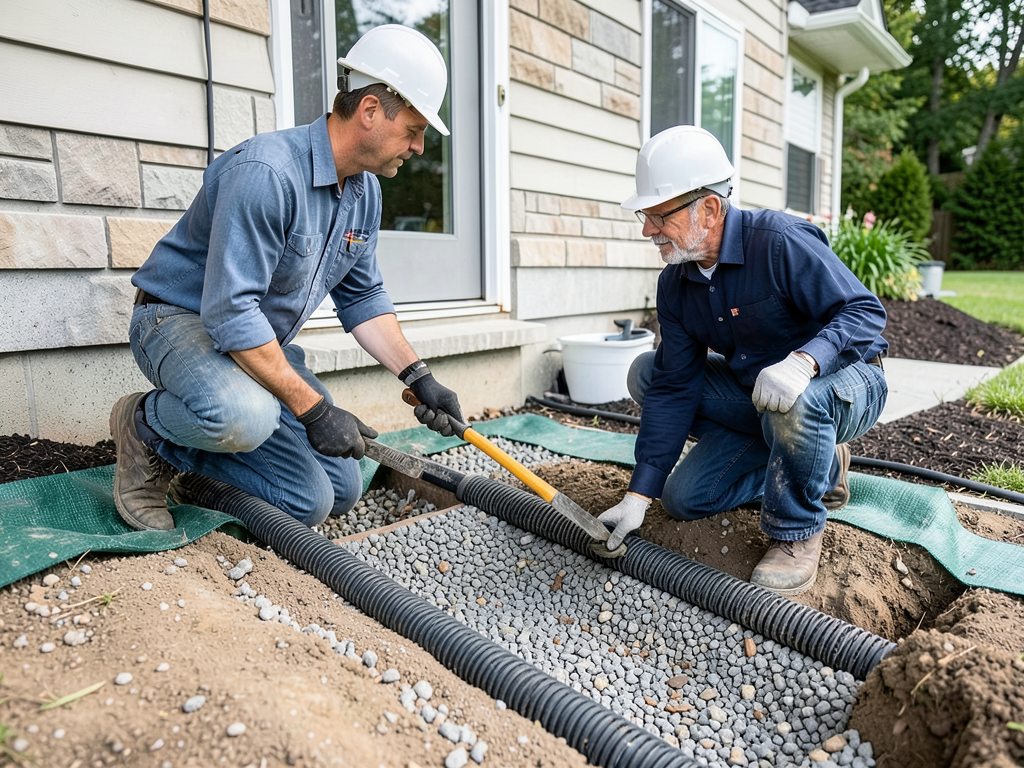
Using Smart Landscaping to Keep Surface Water Away from Your Concord Foundation Your Concord home sits on land shaped by ancient glaciers and fed by seasonal rains. Every year, snowmelt from the Middlesex County watershed…
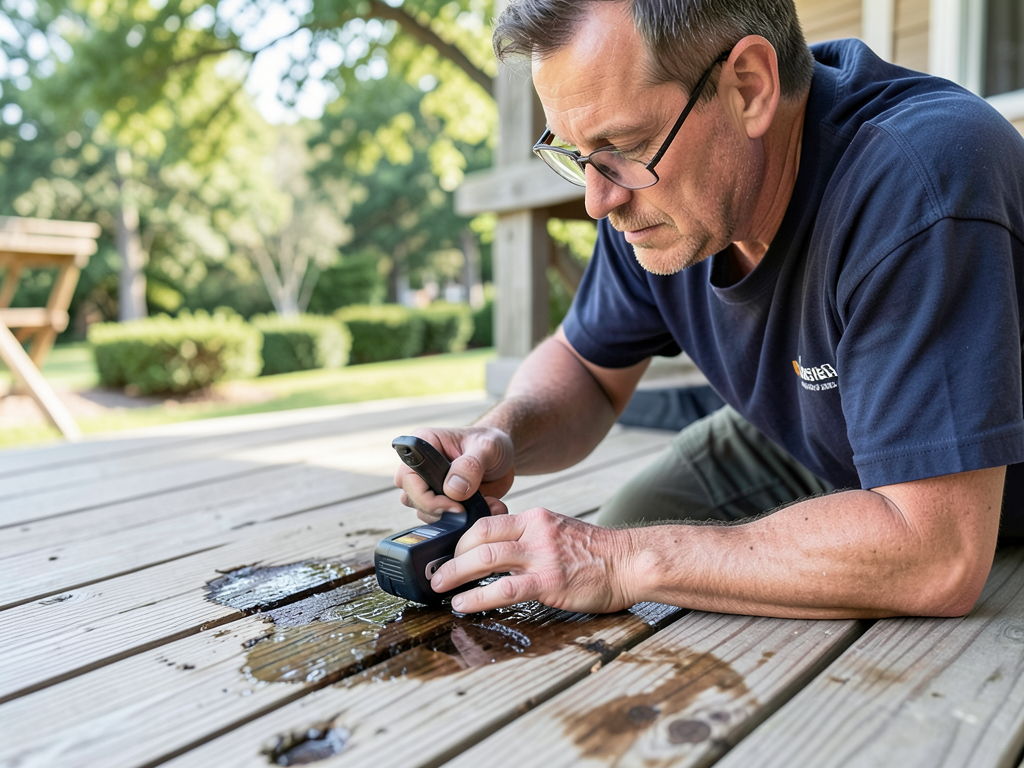
How to Find a Hidden Water Leak Under Your Marblehead Outdoor Deck Living in Marblehead…

When a pipe bursts in your Chestnut Hill home the damage goes far beyond soaked…
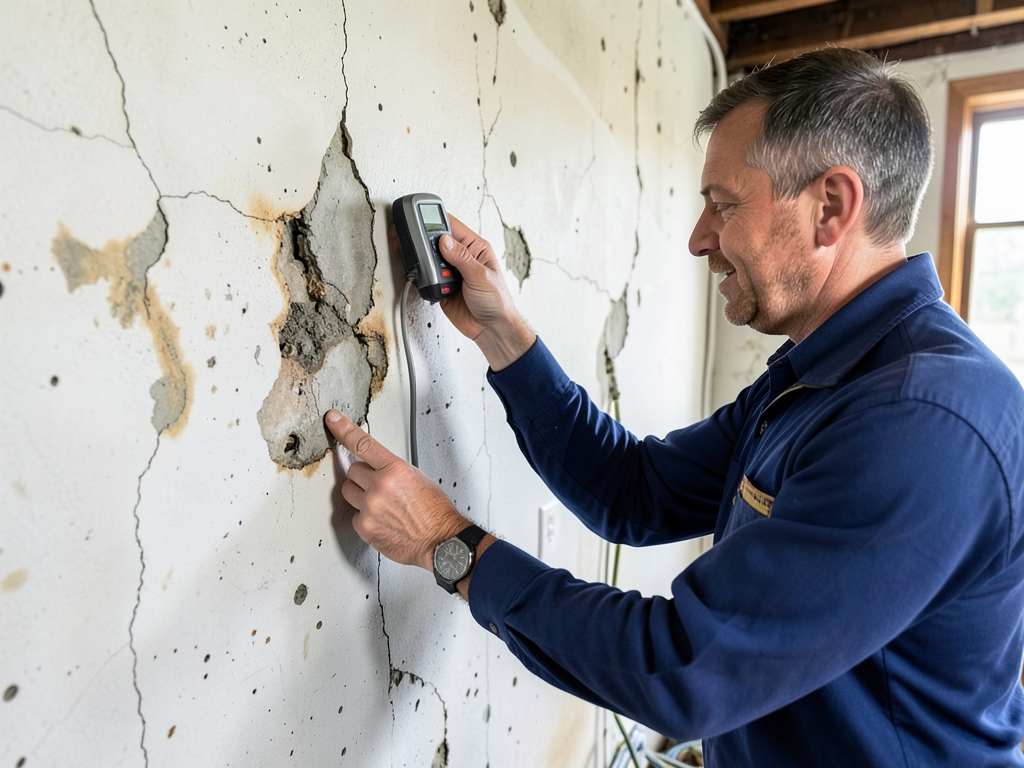
Preparing Your Inland Needham Home for Hurricane Season Flooding Living in Needham means enjoying quiet…
Water damage spreads fast. Every hour without professional extraction increases repair costs and mold risk. Call First Choice Water Damage Restoration Boston right now at (617) 789-8099 for immediate dispatch. Our Cambridge emergency crews respond 24/7 with the equipment and expertise to stop damage and start recovery.