Menu

Water Damage Restoration in Boston – Full-Service Remediation from Flooding to Structural Drying

Comprehensive water damage remediation serving Boston's residential and commercial properties, from emergency water removal to complete structural drying and mold prevention.

Slider Image 1
Slider Image 2
Slider Image 3
Slider Image 4
Slider Image 5
Slider Image 7
Slider Image 8
Slider Image 9
Slider Image 10
Slider Image 11

Why Boston Properties Face Constant Water Damage Threats

Boston's coastal location and severe seasonal weather create perfect conditions for water intrusion. Nor'easters dump torrential rain while driving wind against aging brick facades common in Back Bay and Beacon Hill. Winter freeze-thaw cycles crack foundation walls in Jamaica Plain and Dorchester. Spring snowmelt overwhelms century-old drainage systems in Charlestown and the North End.

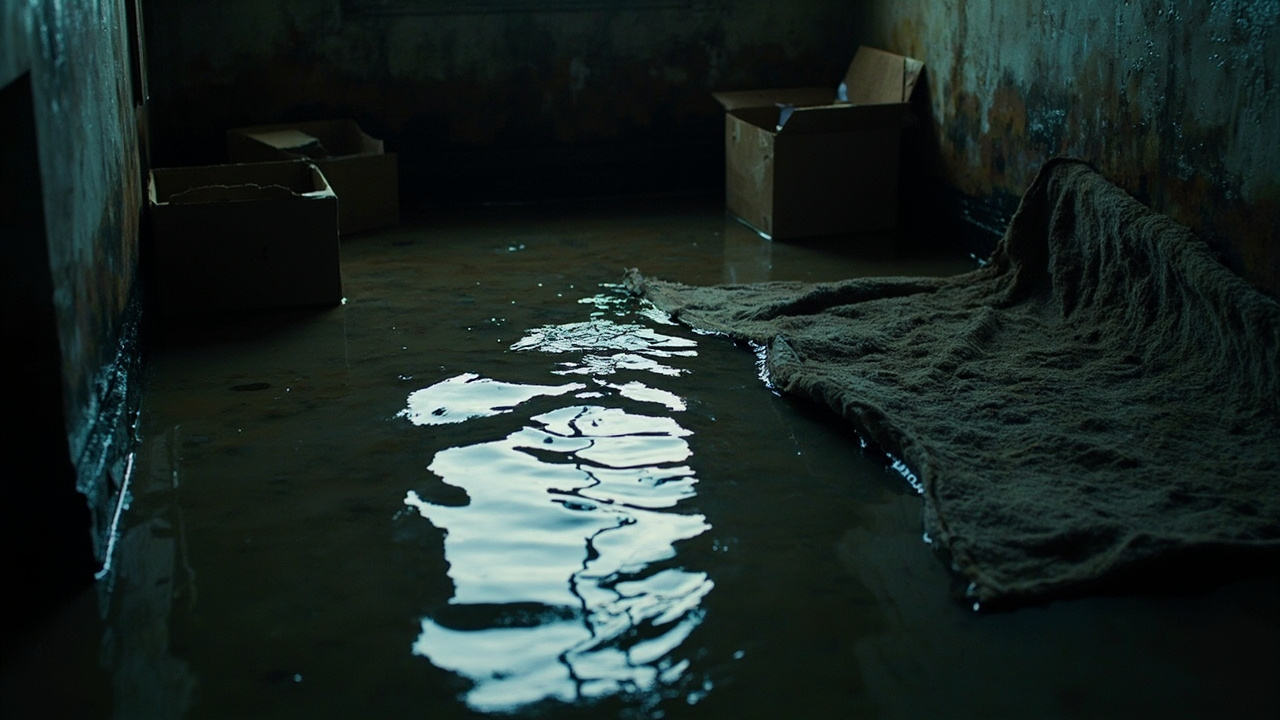
The city's high water table compounds these problems. Basements in low-lying neighborhoods like East Boston and South Boston sit just feet above sea level. Storm surge from Boston Harbor pushes groundwater up through foundation cracks during high tides. You see standing water in your basement, but the real damage happens inside your walls where moisture feeds mold growth.

Water damage cleanup demands immediate action. Within 24 hours, porous materials begin absorbing moisture. Within 48 hours, mold spores colonize damp surfaces. Within a week, structural wood begins to rot and warp. The longer water sits, the more expensive water damage repair becomes.

Boston's triple-decker homes present unique challenges. Water migrates between floors through wall cavities and ceiling joists. A burst pipe on the third floor saturates insulation and drywall two stories down. You need water damage mitigation that addresses hidden moisture, not just visible pooling.

Whether you face a burst pipe, sewer backup, or storm flooding, water damage remediation must be thorough. Surface drying leaves moisture trapped in wall cavities and subflooring. That hidden dampness destroys structural integrity and creates health hazards you cannot see.

Why Boston Properties Face Constant Water Damage Threats
Our Complete Water Damage Restoration Process

Our Complete Water Damage Restoration Process

Effective water damage restoration requires more than extracting standing water. You need comprehensive moisture mapping, controlled drying, and verification testing to ensure complete remediation.

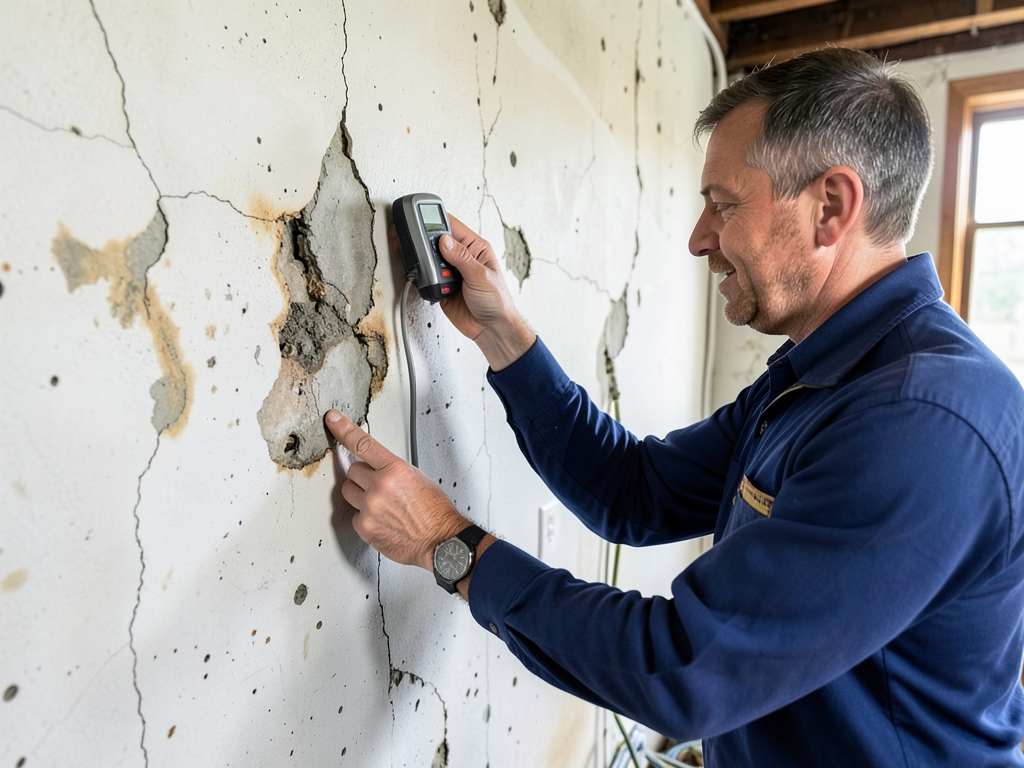
We begin with thermal imaging cameras that detect moisture inside walls and ceilings. These cameras show temperature differentials that indicate trapped water you cannot see or feel. We document moisture readings with calibrated hygrometers at multiple wall heights. This baseline data guides our drying strategy and proves restoration completion to insurance adjusters.

Water removal services start with truck-mounted extractors that pull hundreds of gallons per hour from carpets and padding. For deep flooding, we deploy submersible pumps rated for continuous operation. We extract water before it saturates wall studs and floor joists. Speed matters because porous materials act like sponges.

After extraction, we remove unsalvageable materials. Wet drywall crumbles and harbors mold. Soaked insulation loses R-value and never fully dries. Pad under carpeting stays damp for weeks without removal. We cut drywall two feet above visible water lines because capillary action wicks moisture upward.

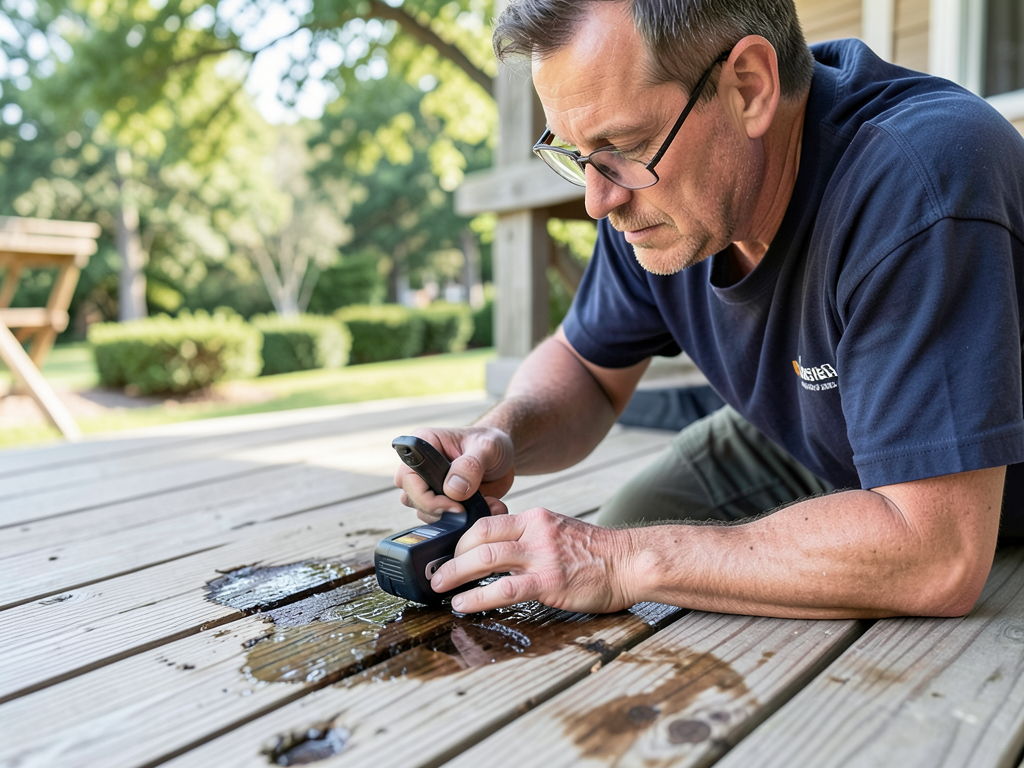
Industrial dehumidifiers and air movers create controlled drying conditions. We calculate grain depression and vapor pressure differentials to optimize equipment placement. Dehumidifiers extract moisture from the air while air movers increase evaporation rates at surface level. We monitor this process with daily moisture readings until materials return to normal levels.

Atlas Water Damage Restoration Providence brings this systematic approach to every Boston property. We do not guess about drying completion. We verify it with calibrated instruments and documented readings your insurance company accepts.

What Happens During Your Water Damage Restoration

Water Damage Restoration in Boston – Full-Service Remediation from Flooding to Structural Drying
01

Emergency Response and Assessment

We arrive within hours of your call to stop ongoing damage. Our team locates the water source and shuts off supply lines or repairs leaks. We assess the contamination category because clean water requires different protocols than sewage backup. Thermal imaging reveals hidden moisture in walls and ceilings. We photograph all damage for insurance documentation and create a detailed moisture map showing affected areas and baseline readings.
02

Water Extraction and Material Removal

Truck-mounted extractors remove standing water from carpets and flooring. We pull soaked carpet padding, wet insulation, and damaged drywall that cannot be salvaged. Baseboards come off to allow air circulation behind walls. We remove contents from affected rooms and inventory everything for insurance claims. Anti-microbial treatments go on all surfaces contacted by contaminated water. This phase creates access for thorough drying and prevents mold colonization.
03

Structural Drying and Verification

Industrial dehumidifiers and air movers run continuously for three to seven days depending on materials and saturation levels. We monitor moisture readings twice daily in floors, walls, and ceilings. Drying continues until materials return to normal moisture content verified by hygrometer readings. We provide daily logs showing moisture reduction progress. Final verification testing confirms complete drying before reconstruction begins. You receive documentation proving your property meets insurance and industry drying standards.

Why Boston Properties Need Local Water Damage Expertise

Boston's building stock requires specialized knowledge. Triple-deckers built between 1880 and 1920 use balloon framing where wall cavities run from foundation to roof. Water travels vertically through these open channels, spreading damage across multiple floors. Restoration teams unfamiliar with this construction miss hidden moisture that causes problems months later.

Historic properties in South End and Back Bay face additional complications. Many buildings sit on rubble stone foundations that absorb groundwater like sponges. Brick veneer walls lack vapor barriers. Original plaster on wood lath holds moisture longer than modern drywall. You need technicians who understand how these materials behave when wet and how long they require to dry properly.

Massachusetts requires licensed construction supervisors for restoration work exceeding certain dollar thresholds. Our team maintains current CSL licenses and understands Title 5 septic regulations that apply when sewage backups affect properties with on-site systems. We navigate Boston's Inspectional Services Department requirements for permits when structural repairs require approval.

Insurance claims move faster when documentation meets adjuster standards. We photograph damage from multiple angles, maintain detailed moisture logs, and provide equipment manifests showing dehumidifier capacity and air mover placement. Adjusters trust our readings because we use calibrated instruments and follow IICRC S500 water damage restoration standards.

Local response time matters during emergencies. We reach most Boston neighborhoods within 90 minutes of your call. Our trucks stock equipment for immediate water extraction. We do not schedule you for next-day service while water saturates your floors and walls.

Atlas Water Damage Restoration Providence has restored properties throughout Greater Boston for years. We know which neighborhoods flood during spring runoff. We understand how coastal storms affect seawall integrity in waterfront areas. That local knowledge means faster diagnosis and more effective remediation.

What to Expect from Professional Water Damage Restoration

Response Time and Availability

We answer emergency calls 24 hours a day, every day of the year. Holidays and weekends make no difference when your basement floods at midnight. Our dispatch team reaches on-call technicians immediately. We typically arrive at Boston properties within 60 to 90 minutes during overnight hours and faster during daytime. Initial response includes water source shutoff, emergency extraction, and damage containment. We bring enough equipment to start drying immediately rather than scheduling equipment delivery for the next business day. Fast response reduces secondary damage that multiplies restoration costs. Every hour water sits increases material saturation and mold risk.

Initial Assessment and Moisture Mapping

Your assessment begins with a complete property inspection using moisture detection technology. Thermal imaging cameras show temperature differences that indicate trapped water inside wall cavities and ceiling spaces. We take moisture readings at baseboard level, mid-wall, and near ceilings because water migrates upward through capillary action. Each affected room gets documented with photographs and written descriptions. We classify water damage by contamination category because gray water and black water require specialized protocols beyond clean water restoration. You receive a detailed scope of work explaining which materials need removal, estimated drying time, and equipment requirements before restoration work begins.

Complete Structural Drying

Thorough drying takes three to seven days depending on materials, saturation depth, and environmental conditions. We do not remove equipment based on calendar dates. Drying continues until moisture meters confirm all building materials have returned to normal moisture content levels. You receive daily moisture logs showing progressive drying in walls, floors, and ceilings. Our technicians adjust dehumidifier settings and air mover placement based on these readings to optimize drying efficiency. Final verification involves testing multiple locations within each affected area. We leave detailed documentation proving complete drying that satisfies insurance requirements and protects you from future mold claims.

Post-Restoration Monitoring and Documentation

After drying completes, we conduct final moisture testing across all previously wet materials. You receive a completion certificate with moisture readings that prove your property meets industry drying standards. This documentation protects you if insurance questions arise later. We provide detailed photo records showing damage progression from initial assessment through final drying. These images support insurance claims and demonstrate thorough remediation. For properties that experienced contaminated water intrusion, we recommend follow-up mold testing by independent hygienists to verify air quality. We explain signs that indicate potential hidden moisture so you can monitor your property confidently after our equipment leaves.

Frequently Asked Questions

You Have Questions,
We Have Answers

How much will it cost to repair water damage? +

Cost depends on the source, category of water, and extent of damage. A small pipe leak in one room runs lower than sewage backup across multiple floors. Boston homes with older plumbing or basement flooding face higher costs due to structural drying needs. Category 1 clean water is cheaper to extract than Category 3 sewage. Mold remediation adds expense if moisture sits too long. Most jobs range from minor extraction and drying to full reconstruction. Get a free assessment to understand your specific scope. Insurance often covers sudden incidents like burst pipes, which reduces your out-of-pocket expense.

Can water damage be repaired? +

Yes. Water damage is repairable when addressed quickly. The key is speed. Water wicks through drywall, insulation, and subflooring within hours. Boston's humidity accelerates mold growth, so extraction and drying must start fast. Professionals use moisture meters, thermal imaging, and industrial dehumidifiers to locate hidden saturation. Hardwood floors can sometimes be saved if dried properly. Drywall often needs replacement if saturated beyond surface level. Structural elements like joists require inspection for rot or warping. The longer water sits, the more materials fail. Act within 24 to 48 hours for the best repair outcomes.

Is water damage restoration worth it? +

Absolutely. Ignoring water damage leads to mold, wood rot, electrical hazards, and structural failure. Boston's freeze-thaw cycles worsen hidden moisture problems. Mold appears within 48 hours and spreads through HVAC systems. Warped floors, sagging ceilings, and compromised framing reduce your home's value and safety. Professional restoration stops secondary damage before it compounds. Insurance typically covers sudden water events, so your cost is often minimal. Restoring now prevents a minor leak from becoming a major reconstruction project. Protect your investment, your health, and your resale value. Water damage does not fix itself. It only gets worse.

Is water damage restoration covered by homeowners insurance? +

Most policies cover sudden and accidental water damage, like burst pipes, appliance malfunctions, or storm-related leaks. Boston homeowners with ice dam damage during winter storms typically qualify for coverage. Flood damage requires separate flood insurance. Gradual leaks from poor maintenance are usually excluded. Sewage backup needs a specific endorsement. Review your policy for limits on mold remediation, which insurers often cap. File your claim immediately and document everything with photos. Restoration companies work directly with adjusters to streamline approvals. Understand your deductible and coverage caps before work begins. Never assume you are covered without reading your policy.

How much does insurance go up after water damage? +

Rates typically do not increase after a single water damage claim, but filing multiple claims within three to five years can trigger higher premiums or policy non-renewal. Insurers view repeat water claims as risk indicators. Boston homes with older plumbing or basement flood history face scrutiny. Some carriers raise rates by 10 to 20 percent after a second claim. If your damage stems from neglect or repeated incidents, expect consequences. One isolated claim from a burst pipe or storm usually will not impact your rate. Shop around if your insurer penalizes you unfairly. Prevention matters more than claims history.

How much does it cost to remove moisture from walls? +

Moisture removal from walls depends on saturation depth and wall construction. Surface drying with air movers and dehumidifiers is less expensive. Deep saturation in plaster or insulation requires wall cavity drying or removal. Boston's older homes often have horsehair plaster, which holds moisture longer than modern drywall. Professionals drill small holes to inject warm air into wall cavities, speeding evaporation. Thermal imaging confirms moisture pockets. Minor drying takes days. Severe saturation may require drywall removal and replacement. Costs vary by square footage and equipment rental duration. Fast action prevents mold and reduces total expense.

How Boston's Coastal Climate and Aging Infrastructure Intensify Water Damage Risks

Boston properties face water intrusion from multiple directions simultaneously. Coastal storm surge pushes saltwater through foundation cracks in East Boston and Seaport District during high tides. Aging combined sewer systems back up during heavy rain events, sending contaminated water into basements across Dorchester and Roxbury. The city's high water table means groundwater sits just feet below basement floors in low-lying areas. When nor'easters dump several inches of rain in hours, that groundwater has nowhere to go but up through foundation walls and floor drains. Historic neighborhoods built before modern waterproofing standards lack proper drainage and vapor barriers. You need water damage cleanup that addresses both immediate flooding and the underlying vulnerabilities that make Boston properties chronically susceptible to moisture intrusion.

Boston's strict building codes and historic preservation requirements demand restoration work that meets specific standards. Properties in designated historic districts require Landmarks Commission approval for exterior modifications. Interior restoration must preserve character-defining features while addressing modern moisture control needs. Our team navigates these requirements regularly and understands which restoration approaches satisfy both preservation mandates and proper water damage mitigation protocols. We maintain relationships with local building inspectors and understand permit requirements for different project scopes. That local expertise means your restoration proceeds without delays from code violations or improper documentation. Insurance companies familiar with Boston properties trust our work because we follow regional standards that adjusters recognize and approve without extended negotiations.
Water Damage Restoration Services in The Boston Area

You can see our service area and our location on the map below. We are proud to serve the entire Boston area and surrounding communities. We're always ready to dispatch our team to your home or business, no matter where you are. We’re committed to a fast, reliable response and ensuring we’re always there when you need us most.

Address:
First Choice Water Damage Restoration Boston, 44 School St., Boston, MA, 02108

Additional Services We Offer

Our news updates

Latest Articles & News from The Blogs

Professional Water Damage Restoration for Retail Stores in Harvard Square Harvard Square retail stores face unique water damage risks from…

Professional Water Damage Restoration for Retail Stores in Harvard Square

Professional Water Damage Restoration for Retail Stores in Harvard Square Harvard Square retail stores face unique water damage risks from…

How to Dry Out a Damp Crawl Space in Your Belmont Home (And Stop the Smell)

How to Dry Out a Damp Crawl Space in Your Belmont Home (And Stop the Smell) Musty odors creeping up…

Emergency Dishwasher Leak Cleanup for Busy Kitchens in Arlington

Emergency Dishwasher Leak Cleanup for Busy Kitchens in Arlington Did you walk into your kitchen and find water pooling around…

Contact Us

Water damage worsens every hour you wait. Call Atlas Water Damage Restoration Providence at (617) 789-8099 right now for emergency response. Our trucks are ready to deploy to your Boston property with professional extraction and drying equipment.