Menu

Commercial Mold Remediation in Boston – Minimize Downtime and Protect Your Business Assets

Atlas Water Damage Restoration Providence delivers industrial-grade commercial mold remediation with phased containment protocols that keep your Boston business operational while we eliminate contamination and restore code compliance.

Slider Image 1
Slider Image 2
Slider Image 3
Slider Image 4
Slider Image 5
Slider Image 7
Slider Image 8
Slider Image 9
Slider Image 10
Slider Image 11

Why Boston Commercial Properties Face Elevated Mold Risk

Boston's coastal humidity and fluctuating freeze-thaw cycles create ideal conditions for mold proliferation in commercial structures. Properties in the Seaport District, Back Bay, and along the Harbor Waterfront experience persistent moisture intrusion through aging HVAC systems, compromised building envelopes, and condensation on metal framework during seasonal transitions.

When mold colonizes commercial spaces, the stakes escalate beyond aesthetics. You face employee health complaints, potential OSHA violations, tenant liability claims, and insurance complications. Retail spaces in Faneuil Hall Marketplace and office buildings in the Financial District cannot afford extended closures or negative publicity from visible contamination.

Commercial mold removal demands different protocols than residential work. Business mold remediation requires containment strategies that isolate affected zones while adjacent areas remain functional. You need commercial mold abatement that accounts for high-traffic patterns, sensitive inventory, and strict timelines that residential projects do not face.

Boston's older commercial infrastructure compounds the problem. Buildings constructed before modern vapor barrier standards show higher susceptibility to moisture migration through masonry and concrete. Properties near the Charles River or in low-lying areas of East Boston deal with seasonal groundwater infiltration that saturates foundation walls and creates chronic humidity problems in lower levels.

Commercial mold mitigation is not about spot-treating visible growth. It requires identifying the moisture source, calculating the contamination scope, and implementing containment barriers that prevent cross-contamination to unaffected spaces. The difference between commercial mold cleanup and residential work lies in scale, complexity, and the operational continuity your business demands.

Why Boston Commercial Properties Face Elevated Mold Risk
How We Execute Commercial Mold Remediation Without Halting Operations

How We Execute Commercial Mold Remediation Without Halting Operations

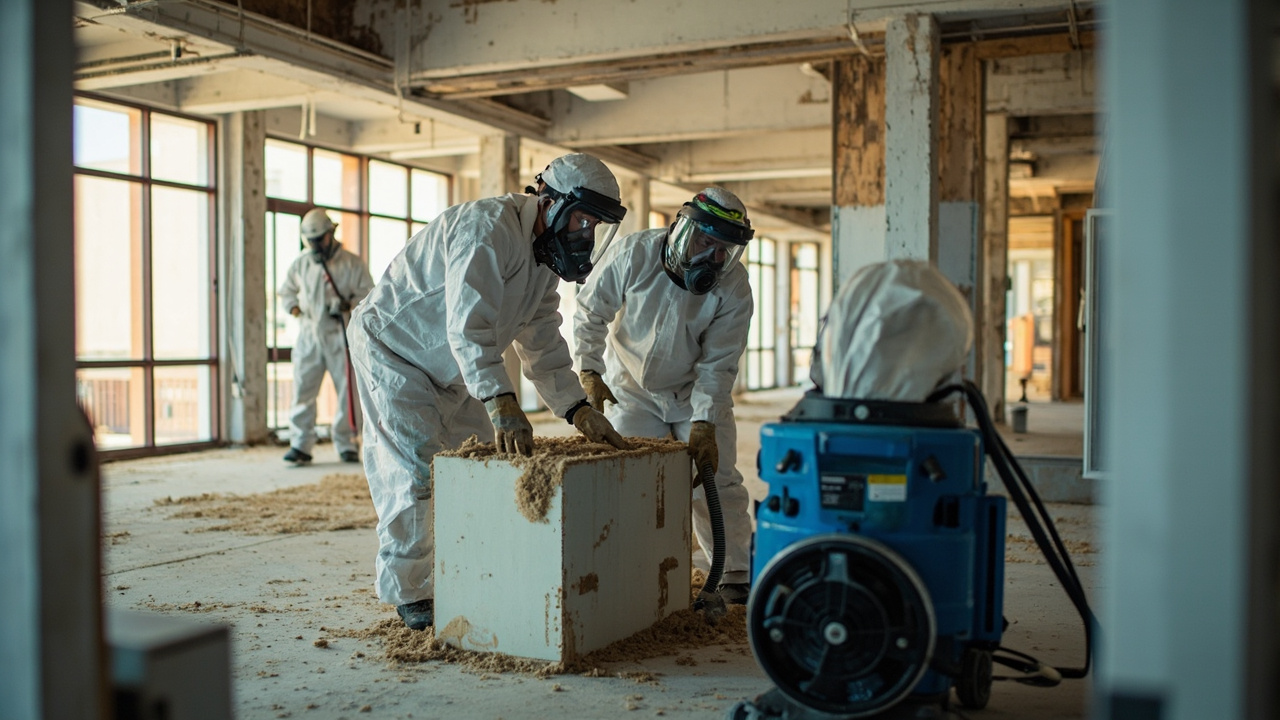
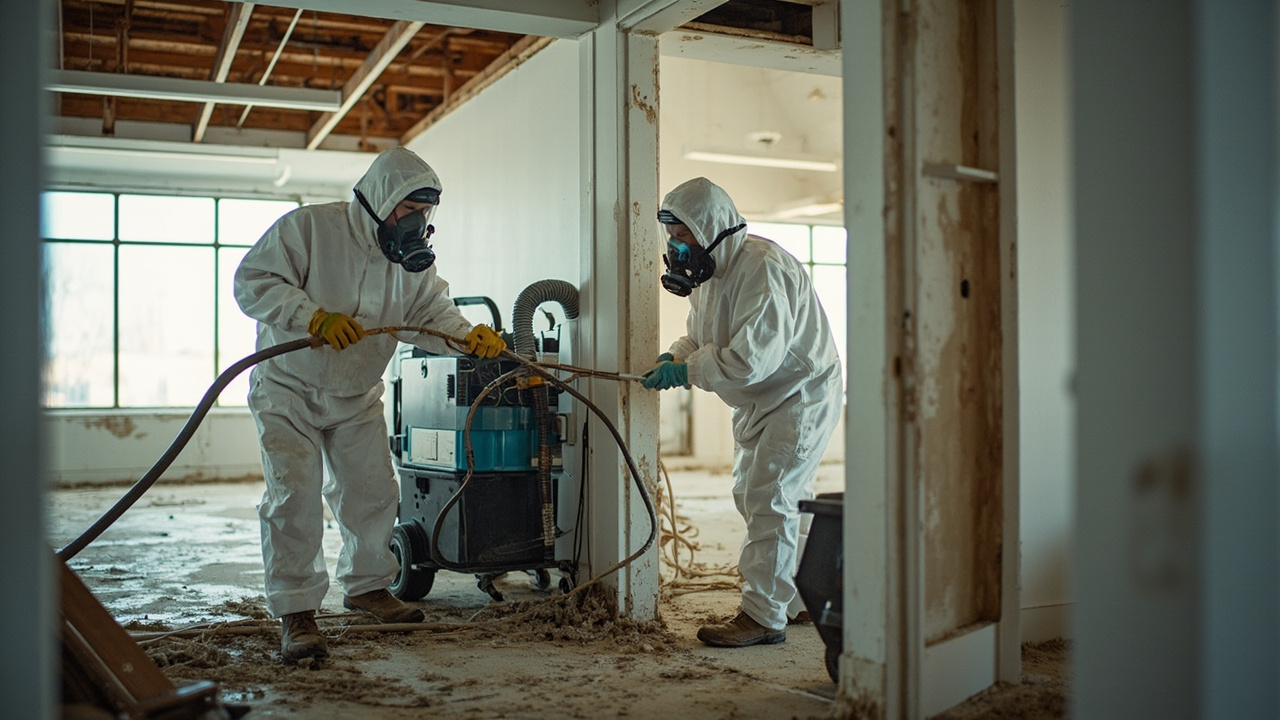
Atlas Water Damage Restoration Providence uses phased containment and negative air pressure systems to isolate contaminated zones while your business continues operations in unaffected areas. We deploy polyethylene barriers with zippered access points and HEPA-filtered air scrubbers that maintain negative pressure differentials, preventing mold spore migration into clean spaces.

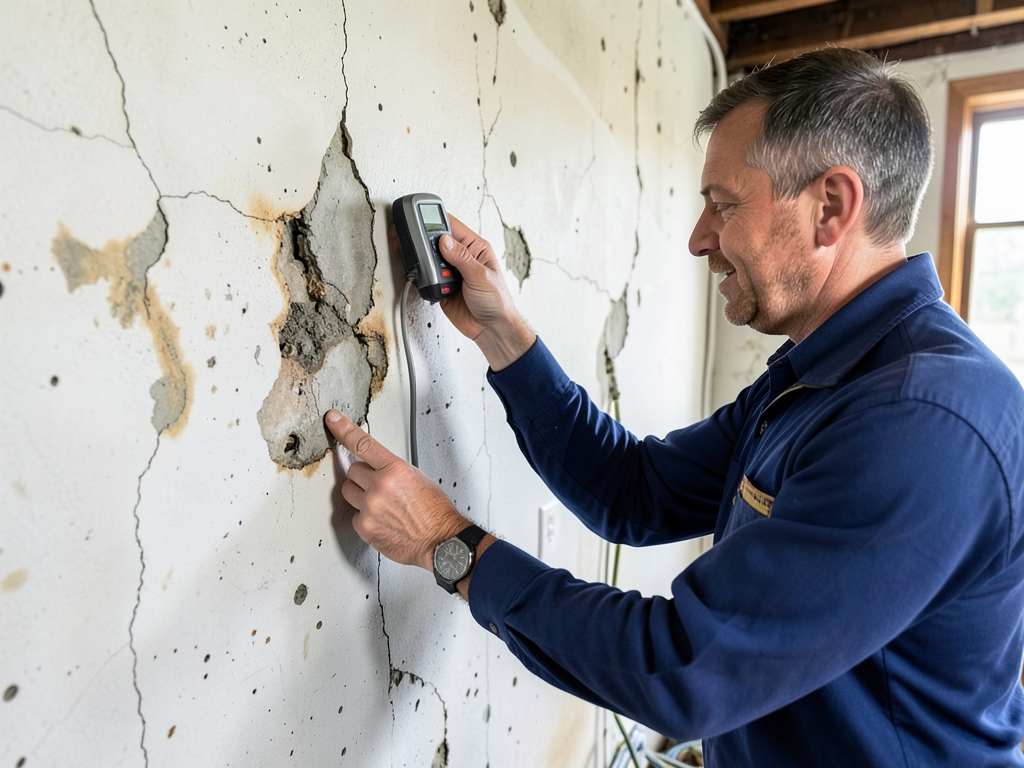
Our commercial approach begins with moisture mapping using thermal imaging cameras and hygrometers to identify hidden water sources behind walls, above ceilings, and beneath flooring systems. We document moisture content readings in structural materials to establish baseline data for insurance claims and to verify complete drying after remediation.

For commercial mold abatement in multi-tenant buildings or active retail environments, we schedule work in phases that minimize disruption. Night shifts and weekend crews allow us to perform aggressive remediation in customer-facing areas without impacting business hours. We coordinate with facility managers to sequence work around peak occupancy times and critical business functions.

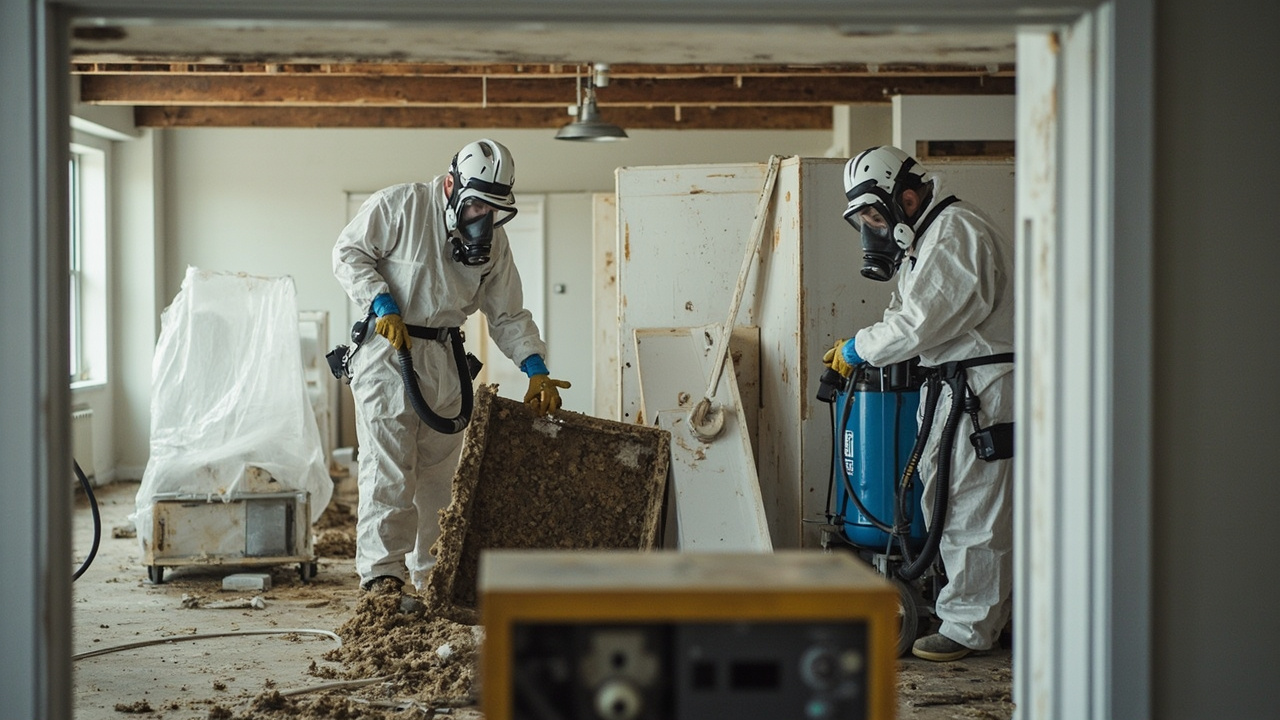
Material removal follows IICRC S520 standards for commercial mold remediation. We remove contaminated porous materials like drywall, insulation, and ceiling tiles while applying antimicrobial treatments to structural framing and concrete that remain in place. Non-porous surfaces receive HEPA vacuuming and antimicrobial wiping to eliminate surface contamination without unnecessary demolition.

Air quality verification closes every project. We conduct post-remediation air sampling to confirm spore counts return to normal ambient levels before removing containment barriers. This documentation protects you from future liability claims and provides evidence of proper remediation for insurance carriers, tenants, and regulatory agencies. Commercial mold cleanup is not complete until independent testing confirms the space meets clearance criteria.

Our Commercial Mold Remediation Workflow

Commercial Mold Remediation in Boston – Minimize Downtime and Protect Your Business Assets
01

Facility Assessment and Containment

We map the contamination perimeter using moisture meters and thermal imaging to identify all affected areas, then establish containment barriers with negative air machines before any material disturbance occurs. This prevents spore dispersal into clean zones and allows unaffected areas to remain operational. We coordinate access schedules with your facility manager to minimize disruption to daily operations and customer traffic patterns.
02

Source Elimination and Material Removal

Our crews repair the underlying moisture problem first, whether that involves HVAC condensate issues, roof leaks, or plumbing failures. We then remove contaminated materials using HEPA-filtered vacuums to capture airborne particles during demolition. Structural elements receive antimicrobial application and thorough drying using commercial dehumidifiers and air movers. All waste exits through containment airlocks to prevent cross-contamination during disposal.
03

Verification and Clearance Testing

After remediation completes, we conduct final HEPA vacuuming of all surfaces within the containment zone and perform visual inspection under high-intensity lighting. Third-party air quality testing confirms spore counts meet clearance criteria before we remove barriers. You receive complete documentation including moisture readings, photographic evidence, and laboratory clearance reports that satisfy insurance requirements and protect against future liability claims.

Why Boston Businesses Choose Atlas for Commercial Mold Projects

Boston's commercial real estate market demands remediation partners who understand the financial implications of extended closures and tenant disputes. Atlas Water Damage Restoration Providence has managed commercial mold mitigation projects in historic brownstones along Commonwealth Avenue, modern office towers in the Financial District, and industrial warehouses in the South Boston Waterfront. We understand how Boston's building codes intersect with commercial mold cleanup requirements.

Our familiarity with Massachusetts state regulations and Boston ISD inspection protocols ensures your remediation meets compliance standards the first time. We coordinate with city inspectors, insurance adjusters, and industrial hygienists to streamline approvals and minimize project delays. When you operate in regulated industries or multi-tenant commercial properties, compliance documentation is not optional.

Commercial mold abatement projects fail when contractors underestimate the scope or use residential-scale equipment for commercial contamination. We deploy truck-mounted desiccant dehumidifiers, commercial-grade negative air machines, and high-capacity HEPA air scrubbers designed for spaces exceeding 10,000 square feet. Our inventory includes sufficient containment materials to isolate entire floors without material delays.

We staff projects with IICRC-certified technicians who understand commercial liability concerns and maintain professional conduct in occupied business environments. Our crews arrive in branded uniforms, use equipment noise-reduction protocols during business hours, and communicate directly with your facility management team. You will not find job site debris in common areas or unsecured containment barriers that create safety hazards for your employees.

Atlas provides detailed project timelines with milestone dates for insurance carriers and property managers. We issue daily progress reports, photographic documentation, and moisture reading logs that track drying progress in real time. When your commercial lease requires tenant notification or your insurance policy demands specific documentation, we deliver the paperwork your situation requires.

What Your Commercial Mold Remediation Project Includes

Rapid Mobilization and Project Scheduling

We dispatch assessment teams within four hours of your call and provide preliminary scope documentation within 24 hours. For urgent situations threatening business operations, we can mobilize containment and drying equipment the same day. Our project managers coordinate work schedules around your operational requirements, including night shifts, weekend crews, and phased approaches that keep critical business areas functional. You receive a detailed timeline with milestone dates before work begins, so you can plan staffing adjustments and communicate closures to tenants or customers.

Comprehensive Contamination Assessment

Our initial assessment uses thermal imaging, moisture meters, and borescope cameras to identify contamination hidden behind walls, above ceilings, and within HVAC ductwork. We document all moisture sources and calculate affected square footage to provide accurate project estimates. You receive a written assessment that details the contamination category, necessary containment protocols, and estimated material removal scope. This documentation supports insurance claims and helps you make informed decisions about temporary relocations or business interruption coverage.

Complete Restoration and Code Compliance

Business mold remediation includes complete restoration of removed materials to pre-loss condition. We rebuild walls, replace ceiling tiles, and repaint affected areas using low-VOC materials suitable for occupied commercial spaces. All reconstruction meets current Massachusetts building codes and Boston fire safety requirements. You receive a space ready for occupancy, not an empty shell requiring additional contractors. Our work includes final cleaning of adjacent areas affected by dust or equipment staging, so your facility is move-in ready when we complete the project.

Post-Remediation Documentation and Monitoring

Every commercial mold cleanup project concludes with third-party air quality testing and clearance documentation. You receive laboratory reports confirming spore counts meet industry standards, photographic evidence of completed work, and moisture verification data showing all materials returned to acceptable dryness levels. We provide recommendations for preventing future contamination, including HVAC maintenance schedules, humidity monitoring protocols, and building envelope improvements. If moisture issues recur within affected areas, we return to investigate the cause and verify our original remediation remains intact.

Frequently Asked Questions

You Have Questions,
We Have Answers

What do professionals use for mold remediation? +

Commercial mold remediation professionals use HEPA filtration systems, negative air machines, antimicrobial agents, and containment barriers to isolate affected areas. They deploy moisture meters and infrared cameras to identify hidden water intrusion. In Boston's humid climate, professionals address underlying moisture sources first, then remove contaminated materials using controlled demolition techniques. EPA-registered biocides treat remaining surfaces. Commercial-grade dehumidifiers restore proper humidity levels. All equipment meets IICRC S520 standards. Professionals document the entire process for insurance claims and regulatory compliance, which protects your business from liability exposure and ensures the work meets Massachusetts building codes.

How much does professional mold removal cost? +

Professional commercial mold removal costs vary based on contamination extent, square footage, and accessibility. Small isolated areas run lower than widespread infestations requiring extensive demolition. Boston's older building stock often increases costs due to hidden growth behind walls or in crawl spaces. Labor, containment setup, disposal fees, and post-remediation verification drive pricing. Multi-story buildings require additional equipment. Your final cost depends on moisture source complexity, structural repairs needed, and business interruption factors. Request detailed estimates that break down containment, removal, disposal, and restoration phases. Most commercial projects require environmental testing before and after, adding to total investment.

Is professional mold removal worth it? +

Professional mold removal is worth it for commercial properties because DIY attempts miss hidden growth and fail to address moisture sources. Boston's freeze-thaw cycles and coastal humidity create persistent mold conditions that surface cleaning cannot resolve. Professionals prevent liability from tenant health complaints, protect your property value, and ensure code compliance. Improper removal spreads spores throughout HVAC systems, contaminating entire buildings. Insurance carriers often require professional certification for claims approval. The cost of business interruption, potential lawsuits, and structural deterioration from unresolved mold far exceeds professional remediation investment. Professional documentation protects you during property transactions and lease negotiations.

What is the typical cost of mold remediation? +

Typical commercial mold remediation costs depend on contamination severity, building size, and location accessibility. Minor projects addressing small areas cost less than major infestations requiring structural demolition. Boston commercial buildings with basement moisture issues or roof leaks face higher costs due to extensive hidden growth. Costs include containment setup, labor, disposal, equipment rental, and post-remediation testing. Multi-tenant buildings increase complexity and expense. Emergency response adds premium charges but prevents exponential damage growth. Your investment scales with square footage affected, material removal required, and business continuity needs. Detailed assessments identify all contaminated zones before pricing final scope.

What kills mold permanently? +

Nothing kills mold permanently without eliminating the moisture source. Mold spores exist everywhere. Professionals remove visible growth, treat surfaces with EPA-registered antimicrobials, and address water intrusion points. In Boston commercial buildings, this means fixing roof leaks, repairing foundation cracks, upgrading ventilation, and controlling indoor humidity below 50 percent. Encapsulation products seal porous surfaces after treatment. Without moisture control, mold returns regardless of cleaning methods used. Professional remediation combines physical removal, antimicrobial application, and moisture engineering. Ongoing maintenance, proper HVAC operation, and humidity monitoring prevent recurrence. The solution is environmental control, not chemical warfare.

How do Japanese bathrooms not get mold? +

Japanese bathrooms prevent mold through superior ventilation design, rapid-dry materials, and immediate water removal. They use exhaust fans that run continuously, heated floors that accelerate drying, and non-porous surfaces that resist moisture penetration. Daily squeegee use removes standing water before evaporation. Boston commercial properties can apply these principles by upgrading ventilation systems, installing moisture-resistant materials during renovations, and implementing maintenance protocols. The key difference is design philosophy. Japanese construction prioritizes water management from the start. Retrofitting these solutions into older Boston buildings requires professional assessment of existing systems and strategic upgrades to match performance without complete reconstruction.

Can you permanently get rid of black mold? +

You can eliminate existing black mold growth through professional remediation, but permanent prevention requires moisture control. Black mold needs organic material and water to survive. Professionals physically remove contaminated materials, treat remaining surfaces, and eliminate water sources. In Boston commercial buildings, this means addressing foundation seepage, roof leaks, plumbing failures, and condensation issues. Without fixing these moisture pathways, black mold returns. Professional remediation includes environmental controls like dehumidification and ventilation improvements. The mold itself can be removed completely. Keeping it gone depends on building maintenance, humidity management, and rapid response to water events. Prevention is engineering, not chemistry.

What are signs of mold exposure? +

Mold exposure signs include respiratory irritation, persistent coughing, throat discomfort, eye irritation, and skin reactions. Building occupants may report headaches, fatigue, or concentration difficulty. In commercial settings, watch for employee complaints clustering in specific areas, musty odors near HVAC returns, and visible discoloration on walls or ceilings. Boston's older buildings often harbor hidden growth that affects air quality without obvious visual cues. Increased absenteeism or health complaints warrant professional air quality testing. Immunocompromised individuals show more severe reactions. Document all health complaints, especially patterns affecting multiple tenants. Professional assessment identifies contamination sources before liability escalates.

Why is mold remediation so expensive? +

Mold remediation costs reflect specialized equipment, containment protocols, disposal requirements, and liability insurance. Commercial projects require negative air machines, HEPA filtration, protective gear, and antimicrobial treatments that meet regulatory standards. Labor costs include certified technicians trained in safe removal procedures. Boston's strict environmental disposal regulations add fees. Containment prevents cross-contamination during removal, protecting unaffected areas and ongoing business operations. Post-remediation testing verifies successful removal. The alternative is cutting corners that spread contamination, fail inspections, and create legal exposure. Professional remediation protects property value, ensures code compliance, and prevents exponential damage growth that costs far more than immediate professional intervention.

Is there a difference between mold removal and mold remediation? +

Mold removal addresses surface cleaning. Mold remediation addresses the entire contamination problem, including moisture sources, air quality, and prevention. Removal wipes visible growth but ignores root causes. Remediation includes assessment, containment, physical removal of affected materials, antimicrobial treatment, moisture control, and verification testing. In Boston commercial properties, remediation means fixing the roof leak causing the mold, not just bleaching the ceiling. Professionals follow IICRC S520 standards for remediation, which removal does not. Remediation returns the environment to normal fungal levels. Removal is a bandaid. Remediation is a cure. Your insurance policy and building code compliance require remediation, not surface removal.

How Boston's Coastal Climate Accelerates Commercial Mold Growth

Boston's position on Massachusetts Bay creates persistent humidity levels that challenge commercial HVAC systems year-round. Summer humidity regularly exceeds 70 percent, while winter heating systems create temperature differentials that cause condensation on metal framing and exterior walls. Properties in the Seaport District and along Atlantic Avenue face salt-laden moisture that corrodes building envelopes and creates entry points for water intrusion. Older commercial buildings in the Financial District and Back Bay lack modern vapor barriers, allowing moisture migration through masonry that saturates interior finishes and creates ideal conditions for mold colonization behind walls and above ceiling systems.

Boston's commercial property market demands remediation contractors who understand local building inspection requirements and insurance claim procedures specific to Massachusetts. Atlas Water Damage Restoration Providence works regularly with Boston ISD inspectors, commercial property managers, and insurance adjusters who handle claims throughout Suffolk County. Our familiarity with local commercial real estate expectations and tenant rights regulations ensures your remediation project avoids delays from documentation gaps or compliance issues. When you choose a contractor who operates exclusively in the Boston metro area, you get a team that knows the local requirements your project must satisfy.
Water Damage Restoration Services in The Boston Area

You can see our service area and our location on the map below. We are proud to serve the entire Boston area and surrounding communities. We're always ready to dispatch our team to your home or business, no matter where you are. We’re committed to a fast, reliable response and ensuring we’re always there when you need us most.

Address:
First Choice Water Damage Restoration Boston, 44 School St., Boston, MA, 02108

Additional Services We Offer

Our news updates

Latest Articles & News from The Blogs

How to Find a Hidden Water Leak Under Your Marblehead Outdoor Deck Living in Marblehead means dealing with coastal moisture,…

How to Find a Hidden Water Leak Under Your Marblehead Outdoor Deck

How to Find a Hidden Water Leak Under Your Marblehead Outdoor Deck Living in Marblehead means dealing with coastal moisture,…

Saving a Luxury Walk In Closet and Designer Wardrobe After a Pipe Burst in Chestnut Hill

When a pipe bursts in your Chestnut Hill home the damage goes far beyond soaked carpets and warped baseboards. For…

Preparing Your Inland Needham Home for Hurricane Season Flooding

Preparing Your Inland Needham Home for Hurricane Season Flooding Living in Needham means enjoying quiet suburban streets and tree-lined neighborhoods.…

Contact Us

Call Atlas Water Damage Restoration Providence at (617) 789-8099 for immediate commercial mold assessment. We dispatch crews throughout Boston and provide project estimates within 24 hours. Your business continuity depends on fast, professional remediation.