Menu

Efflorescence on Concrete in Boston – Expert Diagnosis and Permanent Moisture Solutions

That chalky white residue is not just cosmetic. Our diagnostic approach identifies the moisture source causing efflorescence on your Boston concrete, then we fix it permanently.

Slider Image 1
Slider Image 2
Slider Image 3
Slider Image 4
Slider Image 5
Slider Image 7
Slider Image 8
Slider Image 9
Slider Image 10
Slider Image 11

Why Boston Basements and Foundations Develop White Powder on Concrete

You walk downstairs and see white powder on concrete covering your basement floor. You scrub it away. A week later, it is back. This is efflorescence, and it signals a bigger problem.

Efflorescence happens when water moves through concrete and pulls mineral salts to the surface. When the water evaporates, crystalline deposits remain. Boston's climate makes this worse. High water tables in neighborhoods near the Charles River and Fort Point Channel push hydrostatic pressure against foundation walls. Freeze-thaw cycles during winter crack concrete, creating new pathways for water infiltration. Clay-heavy soil across Dorchester and Roxbury expands when wet and contracts when dry, shifting foundations and opening gaps.

That white residue on concrete is not the enemy. The water behind it is. The mineral salts on concrete you see are calcium, magnesium, or sodium leached from the concrete itself. When you see this, you are watching your foundation slowly degrade. Each cycle of wetting and drying weakens the structural matrix.

Older Boston row houses and triple-deckers built before 1950 often have lime-based mortar and porous brick foundations. These materials wick water aggressively. Modern poured concrete foundations fare better, but poor waterproofing or failed drainage systems still allow moisture penetration. You might also see efflorescence on garage floors, exterior walkways, or cellar walls. The location tells the story. Floor deposits suggest groundwater intrusion. Wall deposits suggest exterior drainage problems or leaking pipes inside the wall cavity.

Do not ignore concrete salt deposits. They warn you that water is moving where it should not.

Why Boston Basements and Foundations Develop White Powder on Concrete
How We Identify and Stop the Moisture Causing Efflorescence

How We Identify and Stop the Moisture Causing Efflorescence

Most contractors treat the symptom. They seal the surface or apply coatings. The efflorescence returns because the water source remains. We work backward from the visible evidence to the hidden failure.

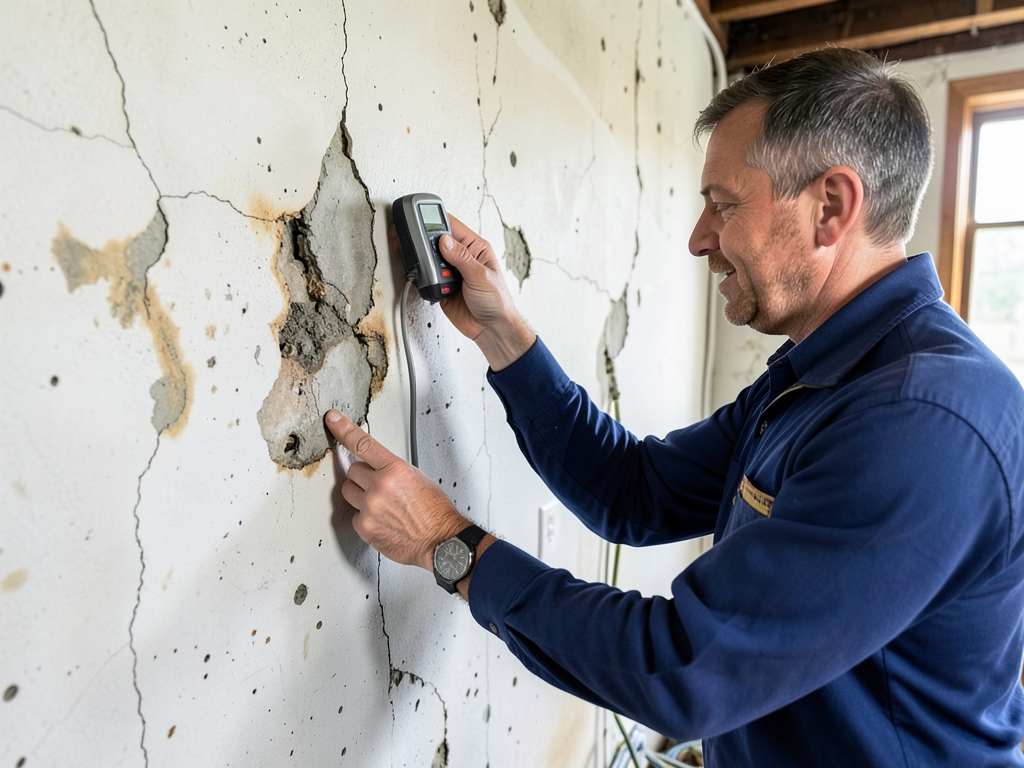
We start with moisture mapping using thermal imaging cameras and invasive moisture meters. We measure the concrete at different depths to determine if water is moving from below the slab, through the wall, or from a plumbing leak. We check relative humidity levels in the space because chronic high humidity can cause surface condensation that mimics groundwater intrusion.

Next, we inspect the exterior grade and drainage. If your property slopes toward the foundation or your gutters dump water within three feet of the basement wall, you have identified the source. We look for missing or damaged foundation drains, failed sump pumps, or undersized discharge lines. In older Boston homes, we often find that the original clay tile drains have collapsed or filled with silt.

Inside, we look for cracks, cold joints, or honeycomb voids in the concrete where water penetrates. We test for active leaks by marking deposit locations and monitoring them over 48 hours. We also check for vapor transmission through the slab using calcium chloride or relative humidity probes if you plan to install flooring later.

Once we isolate the source, we build a remediation plan. This might include exterior excavation and waterproofing, interior drainage systems, crack injection with polyurethane or epoxy, or vapor barriers. We do not guess. We test, map, and verify before we dig or drill. You get a written diagnostic report with photos, moisture readings, and a prioritized repair plan.

What Happens During Your Efflorescence Assessment and Repair

Efflorescence on Concrete in Boston – Expert Diagnosis and Permanent Moisture Solutions
01

Diagnostic Moisture Testing

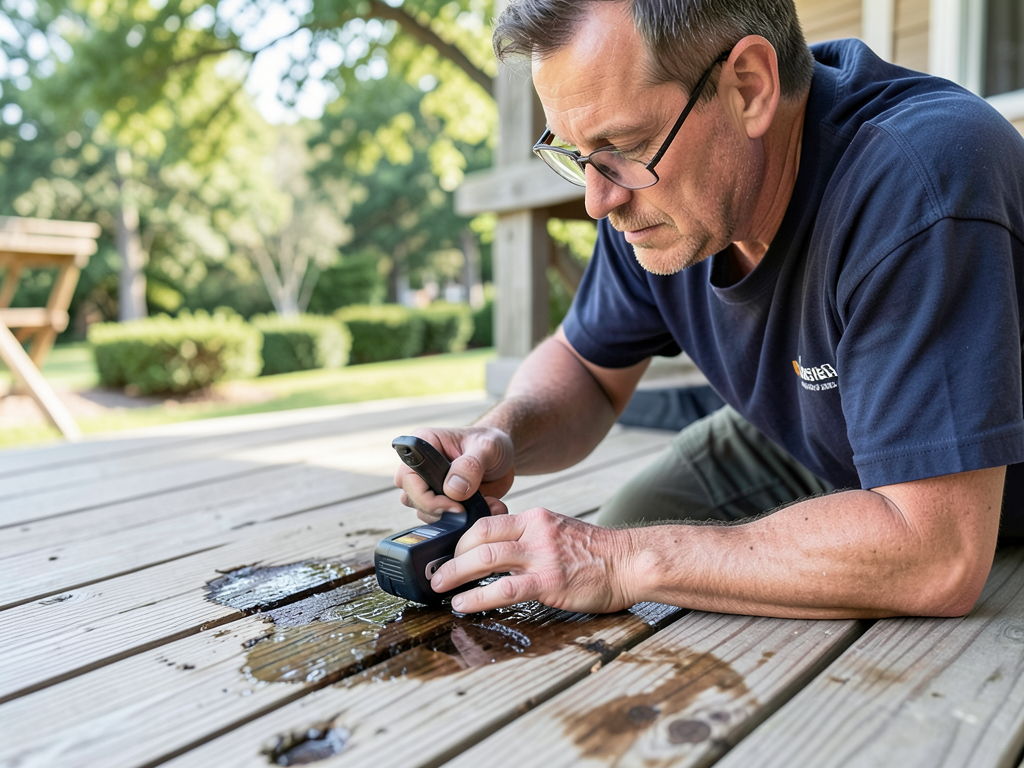
We arrive with thermal imaging and pin-type moisture meters to map the affected areas. We measure moisture content at the surface and two inches deep to confirm whether water is actively migrating through the concrete or trapped from a past event. We photograph all deposits and document baseline conditions. You get a clear picture of what is happening below the surface before we propose any work.
02

Source Isolation and Testing

We trace the water back to its origin. This means inspecting your exterior drainage, testing sump pump operation, pressure testing plumbing lines if necessary, and examining foundation cracks under magnification. We also check vapor transmission rates if groundwater is suspected. We mark active seepage points and monitor them over 24 to 48 hours. By the time we finish this phase, we know exactly where the water is entering and why.
03

Permanent Moisture Remediation

We implement the solution that stops the water for good. This might involve installing a perimeter drain system, injecting cracks with hydrophobic polyurethane, applying crystalline waterproofing to walls, or regrading exterior soil. We remove existing efflorescence with mechanical brushing or dilute acid wash, then treat the concrete to prevent recurrence. You receive documentation of all work, including photos and material specs, so you have a permanent record if you sell the property.

Why Boston Property Owners Choose Atlas Water Damage Restoration Providence for Efflorescence Problems

Boston's building stock is old. More than 60 percent of residential structures were built before 1970. That means foundation materials, drainage design, and waterproofing standards differ wildly from modern construction. A contractor who learned the trade on new suburban homes will miss the nuances of a 1920s South End brownstone or a 1890s Back Bay townhouse.

We work on these buildings every week. We understand how lime mortar behaves differently than portland cement mortar. We know that many older foundations sit on rubble footings with no continuous footing drain. We recognize the signs of differential settlement in row houses where shared walls create load transfer problems. We also know that Boston's clay soil shrinks and swells more than sandy or loamy soil, creating seasonal movement that stresses rigid concrete.

Our diagnostic process accounts for these variables. We do not sell you a generic interior drainage system if the real problem is a clogged exterior drain or a broken downspout. We also understand local code requirements. If we excavate your foundation, we know when the city requires an engineered shoring plan or a street occupancy permit. We coordinate inspections and pull permits so you do not face violations or delays.

You also get transparency. We provide written moisture readings, thermal images, and a scope of work before we start. If we find that your efflorescence is minor and seasonal, we will tell you. We do not upsell. We solve the problem at the right scale. Many of our clients are property managers or landlords who need fast, accurate diagnostics to make budget decisions. We deliver that.

Boston winters are hard on concrete. Efflorescence in November might be minor surface salts. Efflorescence in April after snowmelt might indicate a major groundwater problem. We know the difference because we have seen it in every neighborhood from Charlestown to Mattapan.

What to Expect When You Call Us About Efflorescence on Your Concrete

Response Time and Scheduling

We schedule diagnostic assessments within 48 hours of your call. If you have active water intrusion or flooding, we arrive same-day. Efflorescence itself is not an emergency, but the water causing it might be. During the initial phone consultation, we ask about recent weather events, visible water intrusion, and how long the deposits have been present. This helps us prioritize scheduling and bring the right diagnostic equipment. Assessments typically take 90 minutes to two hours depending on property size and complexity.

The Diagnostic Process

We begin with a visual inspection of all affected surfaces. We document deposits with photos and measure moisture content at multiple depths using calibrated pin and pinless meters. We use thermal imaging to detect temperature differentials that indicate water movement. We inspect the exterior for drainage defects, grading problems, or foundation cracks. If plumbing is suspected, we can coordinate pressure testing with a licensed plumber. You receive a written report with findings, moisture readings, photos, and recommended next steps. We explain everything in plain language so you understand the problem and the fix.

The Repair Outcome

Our goal is dry concrete that stays dry. Depending on the source, repairs might include exterior excavation and bentonite waterproofing, interior perimeter drains with sump pump installation, crack injection, or vapor barrier installation. We remove existing efflorescence mechanically or chemically, then treat the concrete to resist future salt migration. All work is documented with before and after photos. We test moisture levels after completion to confirm the repair is effective. You will know the concrete is dry because we show you the meter readings.

Ongoing Monitoring and Maintenance

Efflorescence should not return if the moisture source is eliminated. We provide written care instructions and recommend seasonal inspections, especially after harsh winters or heavy rain periods. If we installed a drainage system or sump pump, we offer annual maintenance contracts to keep equipment operational. Many foundation repairs come with transferable documentation that protects your property value if you sell. We stay available for follow-up questions and will return to retest moisture levels at no charge if you see new deposits within the first 90 days after repair.

Frequently Asked Questions

You Have Questions,
We Have Answers

Is efflorescence on concrete a problem? +

Efflorescence itself is not dangerous, but it signals a moisture problem in your concrete. The white, chalky deposits form when water moves through the concrete and pulls salts to the surface. In Boston's freeze-thaw climate, this moisture movement can worsen over winter. The real concern is the underlying water intrusion. If left unchecked, that moisture can cause spalling, cracking, and structural damage to basement walls and foundations. Efflorescence is your concrete telling you something is wrong. Address the moisture source before it escalates into expensive repairs.

How do you repair efflorescence in concrete? +

First, identify and fix the moisture source causing the efflorescence. Dry brushing or pressure washing removes surface deposits temporarily. For stubborn buildup, use a diluted muriatic acid solution, but test a small area first and wear protective gear. After cleaning, allow the concrete to dry completely. This can take weeks in Boston's humid summers. Once dry, apply a breathable concrete sealer to prevent future salt migration. If efflorescence returns quickly, you have an active moisture problem that needs professional waterproofing. Surface cleaning alone will not solve recurring issues.

Can you seal concrete over efflorescence? +

No. Sealing over efflorescence traps moisture and salts beneath the surface, causing the sealer to fail or bubble. You must remove all visible deposits and let the concrete dry completely before sealing. In Boston's damp climate, this drying period can take several weeks. Test moisture levels with a meter before sealing. If efflorescence reappears after cleaning, you have an active water intrusion problem. Fix that first. Sealing prematurely wastes money and can worsen spalling. Address the root cause, clean thoroughly, wait for complete dryness, then seal.

When should I be concerned about efflorescence? +

Be concerned when efflorescence appears repeatedly after cleaning, covers large areas, or accompanies other signs like dampness, musty odors, or cracking. In Boston basements, heavy efflorescence after spring thaw or heavy rain signals serious groundwater intrusion. If you see it on exterior foundation walls, check your grading and downspouts. Efflorescence paired with flaking concrete or soft spots means moisture has progressed to structural damage. Do not ignore recurring deposits. They warn of foundation issues, poor drainage, or failing waterproofing that will worsen without intervention.

How do I permanently get rid of efflorescence? +

Permanently stopping efflorescence requires eliminating the moisture source. Install or repair interior and exterior drainage systems. Fix grading issues so water flows away from your foundation. Seal cracks in basement walls. Install a vapor barrier on the exterior side if accessible. In Boston, French drains and sump pumps manage high water tables and seasonal groundwater. After controlling moisture, clean existing deposits and apply a breathable sealer. Surface treatments alone will not work. You must stop water from entering the concrete. This often requires professional waterproofing, not DIY fixes.

Does efflorescence indicate water damage? +

Yes. Efflorescence is a direct indicator of water moving through your concrete. The salts migrate only when dissolved in water, so those white deposits prove moisture intrusion. In Boston, this often stems from groundwater pressure, poor exterior grading, or foundation cracks. While the salts themselves do not damage your home, the water carrying them can. Chronic moisture leads to mold, rot, spalling, and structural decay. Treat efflorescence as a symptom, not the disease. Find where water enters, fix it, and you stop both the deposits and the real damage.

Will efflorescence eventually go away? +

Efflorescence may fade temporarily during dry weather, but it will return if the moisture source remains. Boston's wet springs and humid summers keep efflorescence cycles active in untreated basements. Rain, snowmelt, and groundwater will continue pushing salts to the surface. Each cycle can worsen as more moisture enters the concrete. Do not wait for it to disappear on its own. The underlying water intrusion will cause progressive damage to your foundation. Proper waterproofing and drainage repairs eliminate efflorescence permanently by removing the water that creates it.

Should I buy a house with efflorescence? +

Efflorescence alone should not stop you from buying a house, but it demands investigation before closing. Hire a structural engineer or waterproofing specialist to assess the foundation. In Boston, many older homes show minor efflorescence from seasonal moisture. The question is whether it signals active foundation failure, poor drainage, or simple condensation. Request moisture testing and inspect for cracks, bowing walls, or soft concrete. Use findings to negotiate repairs or pricing. Minor efflorescence with a dry basement and good drainage is manageable. Heavy deposits with structural issues are expensive fixes.

Does waterproofing stop efflorescence? +

Proper waterproofing stops efflorescence by preventing water from entering the concrete. Exterior waterproofing membranes, drainage boards, and French drains redirect groundwater away from your foundation. Interior systems like sump pumps and drain tile manage water that reaches basement walls. In Boston, exterior solutions work best but require excavation. Once moisture stops moving through the concrete, salt migration ends. Surface sealers alone are not waterproofing. They may reduce minor dampness but will not handle hydrostatic pressure or active leaks. True waterproofing addresses water at the source, eliminating efflorescence permanently.

Does Drylok stop efflorescence? +

Drylok and similar masonry sealers can reduce minor efflorescence if moisture levels are low. They create a barrier that slows water vapor transmission. However, Drylok will not stop efflorescence caused by active water intrusion or hydrostatic pressure. In Boston basements with serious groundwater issues, Drylok often fails, bubbles, or peels as trapped moisture pushes through. It works for minor dampness after you fix the root cause. For chronic efflorescence, you need real waterproofing like exterior drainage or interior drain systems. Drylok is a band-aid, not a foundation repair.

How Boston's High Water Table and Clay Soil Accelerate Efflorescence on Concrete

Boston sits on filled wetlands and tidal flats. Neighborhoods like the Back Bay, South End, and Seaport District are built on landfill, creating high water tables and chronic hydrostatic pressure against basement walls. Clay soils in Dorchester, Roxbury, and Mattapan expand when saturated and shrink when dry, creating foundation movement that cracks concrete and opens pathways for water. Combined with freeze-thaw cycles that can exceed 40 events per winter, Boston concrete faces relentless stress. This is why white powder on concrete is so common here. The geology and climate work together to push water through your foundation year-round.

We work exclusively in the Boston metro area, so we know the soil reports, flood zones, and foundation types in every neighborhood. We understand that a row house in Charlestown has different waterproofing challenges than a triple-decker in Jamaica Plain or a single-family home in West Roxbury. We also navigate the city's strict permitting requirements for excavation and structural work. When you hire a local specialist, you get someone who knows the Boston Inspectional Services Department, understands historic district restrictions, and has relationships with engineers and masons who work on these buildings daily.

Water Damage Restoration Services in The Boston Area

You can see our service area and our location on the map below. We are proud to serve the entire Boston area and surrounding communities. We're always ready to dispatch our team to your home or business, no matter where you are. We’re committed to a fast, reliable response and ensuring we’re always there when you need us most.

Address:
First Choice Water Damage Restoration Boston, 44 School St., Boston, MA, 02108

Additional Services We Offer

Our news updates

Latest Articles & News from The Blogs

Professional Water Damage Restoration for Retail Stores in Harvard Square Harvard Square retail stores face unique water damage risks from…

Professional Water Damage Restoration for Retail Stores in Harvard Square

Professional Water Damage Restoration for Retail Stores in Harvard Square Harvard Square retail stores face unique water damage risks from…

How to Dry Out a Damp Crawl Space in Your Belmont Home (And Stop the Smell)

How to Dry Out a Damp Crawl Space in Your Belmont Home (And Stop the Smell) Musty odors creeping up…

Emergency Dishwasher Leak Cleanup for Busy Kitchens in Arlington

Emergency Dishwasher Leak Cleanup for Busy Kitchens in Arlington Did you walk into your kitchen and find water pooling around…

Contact Us

You do not have to live with chalky deposits and damp basements. Call Atlas Water Damage Restoration Providence at (617) 789-8099 for a diagnostic assessment. We will find the source, explain the fix, and restore your concrete to dry, stable condition.