
Menu

Does Insurance Cover Mold in Boston? – Get Clear Answers on Property Insurance Mold Coverage Before You File

Navigate homeowners insurance mold coverage with confidence. We break down when mold remediation insurance claims get approved, what triggers denials, and how to document mold damage correctly for Boston property owners.

Slider Image 1
Slider Image 2
Slider Image 3
Slider Image 4
Slider Image 5
Slider Image 7
Slider Image 8
Slider Image 9
Slider Image 10
Slider Image 11

Why Boston Homeowners Get Denied for Mold Claims

Boston's dense housing stock and volatile weather create a mold breeding ground. Winter freezes crack pipes. Spring thaws flood basements. Summer humidity swells wood frames in triple-deckers from Dorchester to Jamaica Plain. The combination leads to hidden moisture intrusion, and that moisture feeds mold growth behind walls and under floors.

Here's the problem. Most homeowners insurance mold coverage only applies if the mold resulted from a covered peril. A burst pipe from a sudden freeze? Usually covered. Gradual condensation from poor ventilation in your Beacon Hill brownstone? Denied. That distinction trips up thousands of Boston residents every year.

Insurance adjusters look for proof of a triggering event. If you discover black mold creeping up your basement wall after months of unnoticed seepage, is mold damage covered by insurance? Probably not. The carrier will argue you failed to maintain the property. If a washing machine hose ruptures and soaks the laundry room drywall, leading to mold within days? That's a qualifying event for mold remediation insurance claims.

The timeline matters. The cause matters. Documentation matters. You need photos of the water source, moisture readings, and evidence of prompt action. Delaying cleanup gives insurers ammunition to deny your claim. Understanding does home insurance pay for mold removal starts with understanding what triggered the mold in the first place. If you wait weeks to report a leak, you risk losing coverage entirely.

Boston's older housing stock complicates this further. Many homes predate modern waterproofing standards. Fieldstone foundations in Charlestown row houses wick groundwater. Flat roofs in South Boston leak during nor'easters. These chronic issues rarely qualify for property insurance mold coverage unless a sudden, identifiable event caused the water intrusion.

Why Boston Homeowners Get Denied for Mold Claims
How to Document Mold Damage for a Successful Insurance Claim

How to Document Mold Damage for a Successful Insurance Claim

Filing a mold remediation insurance claim requires evidence, not just photos of discolored walls. Adjusters want a clear causation chain. You must prove a covered event caused water intrusion, the water intrusion caused mold, and you acted promptly to mitigate damage.

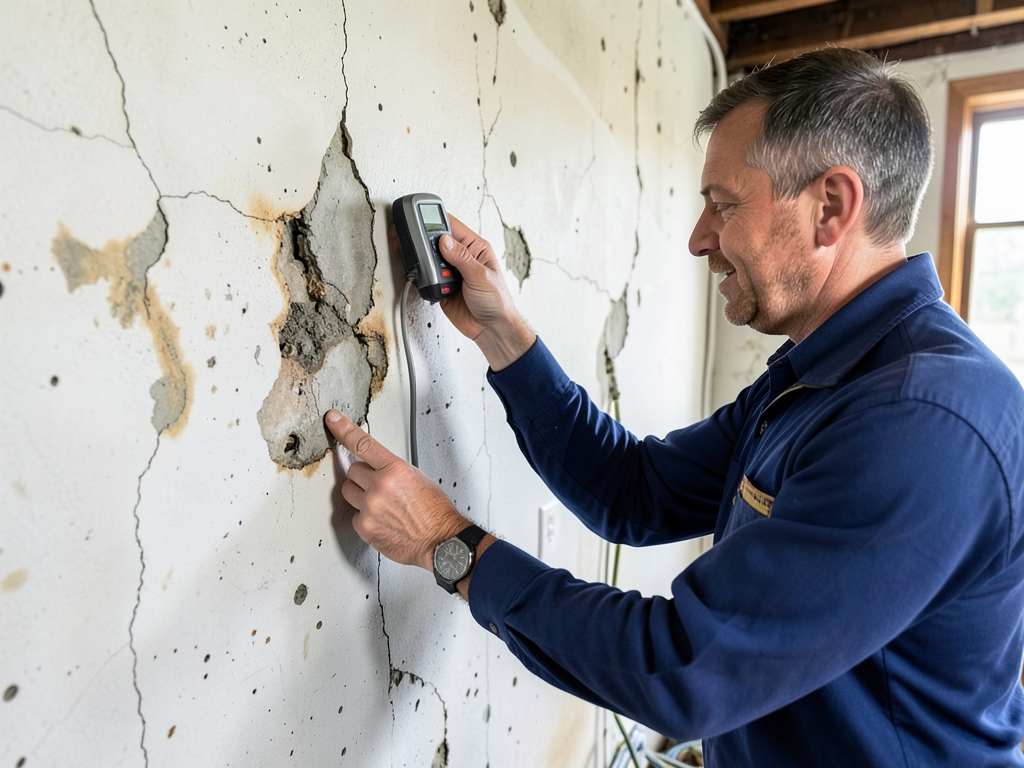
Start with moisture mapping. We use thermal imaging cameras to trace water migration through wall cavities and subfloors. A visible stain on your ceiling might originate from a roof leak three rooms away. Adjusters need to see the source, the pathway, and the endpoint. Without that trail, they assume the mold resulted from maintenance neglect.

Next, document the timeline. If your sump pump failed during a March rainstorm and flooded your Roslindale basement, photograph the standing water immediately. Record the pump failure. Pull weather data showing rainfall totals. These details prove a sudden event, not gradual seepage. Insurance companies scrutinize dates because policies exclude long-term moisture problems.

Air quality testing adds weight to your claim. Elevated spore counts in HVAC systems indicate widespread contamination, not just surface mold. Lab results from a certified industrial hygienist show the mold type, concentration, and health risk. Adjusters can't dismiss hard data from accredited labs.

We also log all remediation work in real time. Containment barriers, HEPA filtration, antimicrobial treatments, and material removal get photographed at every stage. This creates an audit trail showing you followed IICRC S520 mold remediation standards. Insurers look for proof you didn't make the problem worse through improper cleanup.

Finally, separate covered damage from excluded damage. If the burst pipe qualifies but the mold spread because you delayed calling a professional, the carrier might only pay for partial remediation. Atlas Water Damage Restoration Providence works directly with adjusters to itemize what falls under your policy limits and what doesn't, so you avoid surprise denials after the work is done.

What Happens When You File a Mold Insurance Claim

Does Insurance Cover Mold in Boston? – Get Clear Answers on Property Insurance Mold Coverage Before You File
01

Initial Policy Review

We pull your homeowners insurance policy and identify mold coverage limits, typically capped at $5,000 to $10,000 in Massachusetts. We check for exclusions like gradual damage or maintenance neglect. Understanding your policy language before you file prevents wasted time and sets realistic expectations for what the carrier will pay.
02

Evidence Collection and Reporting

You need detailed documentation within hours of discovering mold. We photograph the water source, use moisture meters to log readings in affected materials, and take air samples if contamination is widespread. This evidence package goes to your adjuster with a clear narrative linking the covered event to the mold growth, meeting their burden of proof requirements.
03

Claim Negotiation and Settlement

Adjusters often lowball initial offers or deny claims outright based on technicalities. We provide third-party verification of scope and cost, citing industry standards like IICRC S520 for mold remediation. If the carrier disputes causation, we supply thermal imaging and moisture history logs. This pressure typically results in higher settlements or overturned denials.

Why Boston Homeowners Trust Atlas Water Damage Restoration Providence for Mold Claims

Insurance companies operate on denial rates and loss ratios. Their goal is to pay the minimum allowed under your policy. You need someone who speaks their language and challenges their conclusions with data they can't ignore.

We've worked hundreds of mold remediation insurance claims across Greater Boston. We know how Liberty Mutual, Arbella, and Safety Insurance handle mold coverage in Massachusetts. We know their preferred vendors, their typical settlement ranges, and the documentation they demand. That familiarity gives you leverage.

Boston's housing adds complexity. A 1920s triple-decker in Somerville has different risks than a 1980s condo in Allston. Older homes often have knob-and-tube wiring, cast iron drains, and no vapor barriers. These conditions make mold more likely, but they also make causation harder to prove. We tailor documentation to the age and construction type of your property, anticipating adjuster objections before they arise.

We also understand Massachusetts-specific regulations. State law requires carriers to respond to claims within certain timeframes. If they delay or deny without valid cause, you have legal recourse. We flag these violations and escalate when necessary, putting pressure on bad-faith adjusters who hope you'll give up.

Local knowledge matters in another way. Boston's microclimates vary wildly. Coastal neighborhoods like East Boston face salt air corrosion and storm surge flooding. Inland areas like West Roxbury deal with clay soil expansion and basement seepage. We've seen how these factors trigger mold in specific home types, and we use that history to build stronger claims.

Finally, we work on a direct-bill arrangement with most carriers. You don't pay upfront and wait for reimbursement. We negotiate directly with the adjuster, submit invoices, and handle payment disputes. This removes the financial burden from you during an already stressful situation, and it ensures the work gets done correctly without cutting corners to save money.

What to Expect When Filing a Mold Insurance Claim in Boston

Response Time and Adjuster Assignment

Most carriers assign an adjuster within 24 to 48 hours of filing. The adjuster schedules an inspection, typically within three to five business days. Delays happen during storm seasons when multiple claims flood the system. We push for faster inspections if mold poses a health risk or if active water intrusion continues. The sooner the adjuster documents the scene, the stronger your claim. Waiting weeks allows conditions to change, giving the carrier an excuse to question your timeline or allege you worsened the damage through inaction.

Inspection and Scope Development

The adjuster walks the property, takes photos, and may hire a hygienist for air testing. They estimate repair costs using software like Xactimate, which often undervalues labor rates in Greater Boston. We provide a competing scope with actual local pricing and line-item breakdowns for containment, removal, and reconstruction. If the adjuster's scope misses hidden damage, we use thermal imaging and moisture meters to prove additional work is necessary. This dual-verification process forces them to justify any exclusions or cost cuts.

Approval and Payment Terms

Approved claims typically pay in two stages. You receive an initial check for actual cash value, minus your deductible. After remediation is complete, the carrier releases a second check for recoverable depreciation. Payment timelines vary, but Massachusetts law requires prompt settlement once the claim is approved. We track payment milestones and escalate if the carrier drags out the process. If your claim is denied, we help you file an appeal with supporting documentation, and we can refer you to a public adjuster or attorney if the denial lacks merit.

Post-Claim Monitoring and Prevention

After remediation, we recommend a follow-up air quality test to confirm spore counts returned to normal levels. This protects you if symptoms reappear or if the carrier questions whether the work was effective. We also identify the root cause, whether it's poor grading, clogged gutters, or a failing vapor barrier, and recommend repairs to prevent recurrence. Many policies won't cover a second mold claim if you didn't fix the underlying issue. Preventing future claims keeps your premiums stable and avoids non-renewal.

Frequently Asked Questions

You Have Questions,
We Have Answers

Should I tell my insurance company about mold? +

Yes, report mold immediately if it resulted from a covered peril like a burst pipe or storm damage. Most Boston homeowners policies require prompt notification of water damage claims. Document the mold with photos and note the suspected source before calling your insurer. Do not start cleanup that could destroy evidence. If the mold stems from long-term neglect or maintenance issues common in older Boston homes, your carrier may deny the claim. Be honest about the timeline and cause. Delayed reporting can void coverage even for legitimate claims.

Can you claim for mold on house insurance? +

You can claim mold if it resulted from a sudden covered event like roof storm damage or a plumbing failure. Boston insurers typically cover mold remediation costs when water intrusion was unexpected and accidental. Gradual damage from humidity, condensation, or deferred maintenance gets denied. Review your policy's mold exclusions and sub-limits, which often cap mold coverage between $5,000 and $10,000. File quickly after discovering water damage. The longer moisture sits in your walls or basement, the more insurers argue the mold became a maintenance issue.

How long does it take for mold to spread in walls? +

Mold begins colonizing within 24 to 48 hours after water exposure in Boston's humid climate. Given our fluctuating temperatures and older housing stock with poor ventilation, spores spread rapidly inside wall cavities and behind baseboards. Visible growth appears within 7 to 10 days, but hidden colonies often develop faster. Basements and crawl spaces in triple-deckers and brownstones are especially vulnerable. Once mold penetrates drywall or insulation, professional remediation becomes necessary. Speed matters. Extract standing water and dry affected areas within the first day to prevent colonization.

Is mold exposure covered by insurance? +

Mold exposure itself is not a covered peril under standard homeowners policies. Boston insurers distinguish between property damage and bodily injury. If mold caused by a covered water loss damages your home, remediation costs may be covered under dwelling or personal property limits. Medical expenses or health claims from mold exposure fall under liability coverage, which has strict causation requirements and low success rates. If you develop respiratory issues from mold in your Beacon Hill condo, your health insurance handles treatment. Homeowners insurance addresses the physical removal and structural repairs.

What is the average cost of mold removal? +

Mold removal costs in Boston vary widely based on extent and location. Small isolated patches in a bathroom might run a few hundred dollars for surface treatment. Extensive colonization behind walls or in basements of older homes can reach several thousand dollars, requiring containment barriers, HEPA filtration, and materials replacement. Structural drying, antimicrobial treatment, and post-remediation testing add to the total. Insurance sub-limits often cap mold coverage, leaving you responsible for excess costs. Multiple factors affect pricing including square footage, contamination severity, and accessibility in tight spaces common to historic properties.

Will my rates go up if I file a mold claim? +

Filing a mold claim can increase your premiums, especially if the mold resulted from preventable maintenance neglect. Boston insurers view mold claims as higher risk because they often indicate recurring moisture problems in older homes. A single claim from sudden pipe failure may have minimal impact. Multiple claims or large payouts will trigger rate increases or policy non-renewal. Some carriers add mold exclusions to renewed policies after paying a claim. Weigh the claim payout against potential premium hikes over three to five years. Small mold issues might cost less to handle out of pocket.

How much can you claim for mold? +

Claim amounts depend on your policy's mold sub-limit and the damage extent. Most Boston homeowners policies cap mold coverage between $5,000 and $15,000 unless you purchased additional endorsements. If a covered water loss caused the mold, you may access higher dwelling or personal property limits for repairs. Document all damage thoroughly with photos and professional assessments. Insurers scrutinize mold claims heavily in Massachusetts. The adjuster will verify the mold stemmed from a sudden covered event, not gradual seepage or humidity issues common in our older housing stock.

What to do if you can't afford mold removal? +

If you cannot afford professional mold removal, prioritize health and safety first. Small surface mold under 10 square feet can be cleaned with detergent and water if you wear proper PPE. For extensive growth in your Boston home, contact local housing authorities about emergency assistance programs or low-interest repair loans. Some remediation companies offer payment plans. Address the moisture source immediately to prevent spread. Consider temporary relocation if health risks are severe. Document everything in case you later secure insurance coverage or need to pursue negligent landlord claims in Suffolk County Housing Court.

What types of mold does insurance cover? +

Insurance covers mold resulting from sudden covered perils like burst pipes, appliance malfunctions, storm roof damage, or accidental water discharge. Boston policies exclude mold from flooding, groundwater seepage, or maintenance neglect. The mold itself is not the covered peril. The covered event is the water intrusion that caused it. Policies distinguish between hidden gradual leaks and sudden accidents. If your washing machine hose breaks and floods your Dorchester basement, resulting mold gets covered. If your foundation has been seeping for months, the mold claim gets denied. Timing and causation determine coverage.

What are the first signs of mold sickness? +

Early mold exposure symptoms include persistent coughing, nasal congestion, throat irritation, and watery eyes. Boston residents in damp basement apartments or older buildings may experience worsening asthma or allergic reactions. Headaches, fatigue, and skin rashes also signal exposure. Those with compromised immune systems face more severe respiratory distress. Symptoms often worsen in humid weather or after spending time in affected areas. If you suspect mold illness, see your doctor and identify the source. Massachusetts tenant laws require landlords to address mold issues. Document symptoms and environmental conditions for potential legal or insurance claims.

Why Boston's Freeze-Thaw Cycles Drive Mold Insurance Claims Every Spring

Boston winters freeze water in wall cavities, pipes, and foundation cracks. When March temperatures swing from 15 degrees to 55 degrees in the same week, that ice melts rapidly. The result is hidden water intrusion in places you don't inspect regularly, like attic eaves in Cambridge Victorians or rim joists in Brookline colonials. By the time you notice a musty smell or discolored drywall in May, mold has already colonized the framing. Homeowners insurance mold coverage hinges on proving the freeze-thaw event caused sudden damage, not gradual deterioration. We document temperature records and correlate them with moisture readings to show the exact failure point.

Boston's housing density means shared walls and roof valleys between units. A mold claim in a South End townhouse might stem from your neighbor's leaking gutter. Proving causation across property lines requires forensic investigation, and insurers fight these claims aggressively. We've worked with condo associations, landlords, and individual homeowners to trace water sources through shared structures. Our familiarity with triple-deckers, row houses, and multi-family buildings gives us an edge in complex claims where responsibility isn't immediately clear. Local expertise separates successful claims from denied ones in Greater Boston's unique housing market.

Water Damage Restoration Services in The Boston Area

You can see our service area and our location on the map below. We are proud to serve the entire Boston area and surrounding communities. We're always ready to dispatch our team to your home or business, no matter where you are. We’re committed to a fast, reliable response and ensuring we’re always there when you need us most.

Address:
First Choice Water Damage Restoration Boston, 44 School St., Boston, MA, 02108

Additional Services We Offer

Our news updates

Latest Articles & News from The Blogs

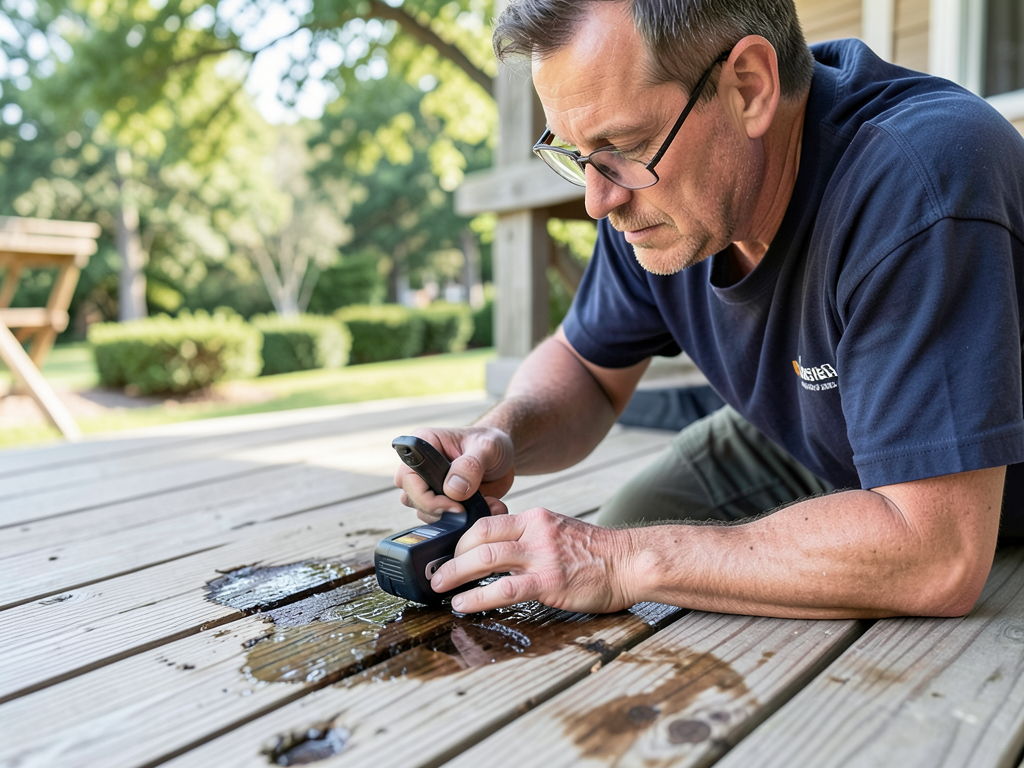
How to Find a Hidden Water Leak Under Your Marblehead Outdoor Deck Living in Marblehead means dealing with coastal moisture,…

How to Find a Hidden Water Leak Under Your Marblehead Outdoor Deck

How to Find a Hidden Water Leak Under Your Marblehead Outdoor Deck Living in Marblehead means dealing with coastal moisture,…

Saving a Luxury Walk In Closet and Designer Wardrobe After a Pipe Burst in Chestnut Hill

When a pipe bursts in your Chestnut Hill home the damage goes far beyond soaked carpets and warped baseboards. For…

Preparing Your Inland Needham Home for Hurricane Season Flooding

Preparing Your Inland Needham Home for Hurricane Season Flooding Living in Needham means enjoying quiet suburban streets and tree-lined neighborhoods.…

Contact Us

Don't let an insurance company deny your claim based on technicalities. We review your policy, document the damage, and fight for full coverage. Call (617) 789-8099 now for a free claim consultation and moisture inspection.