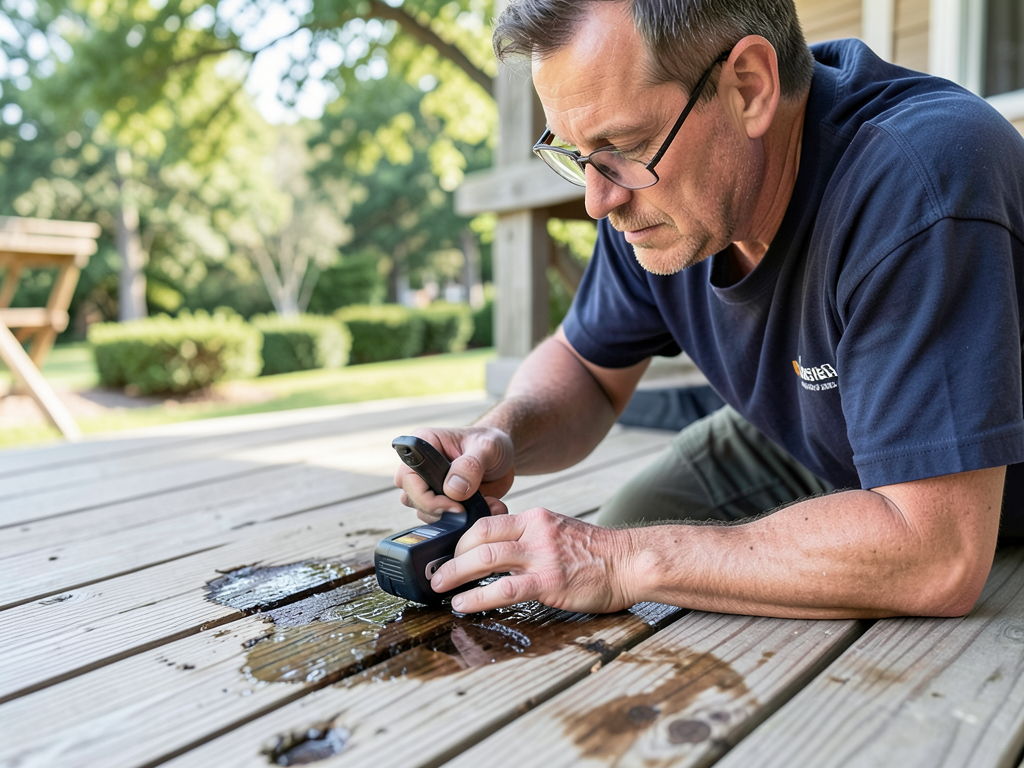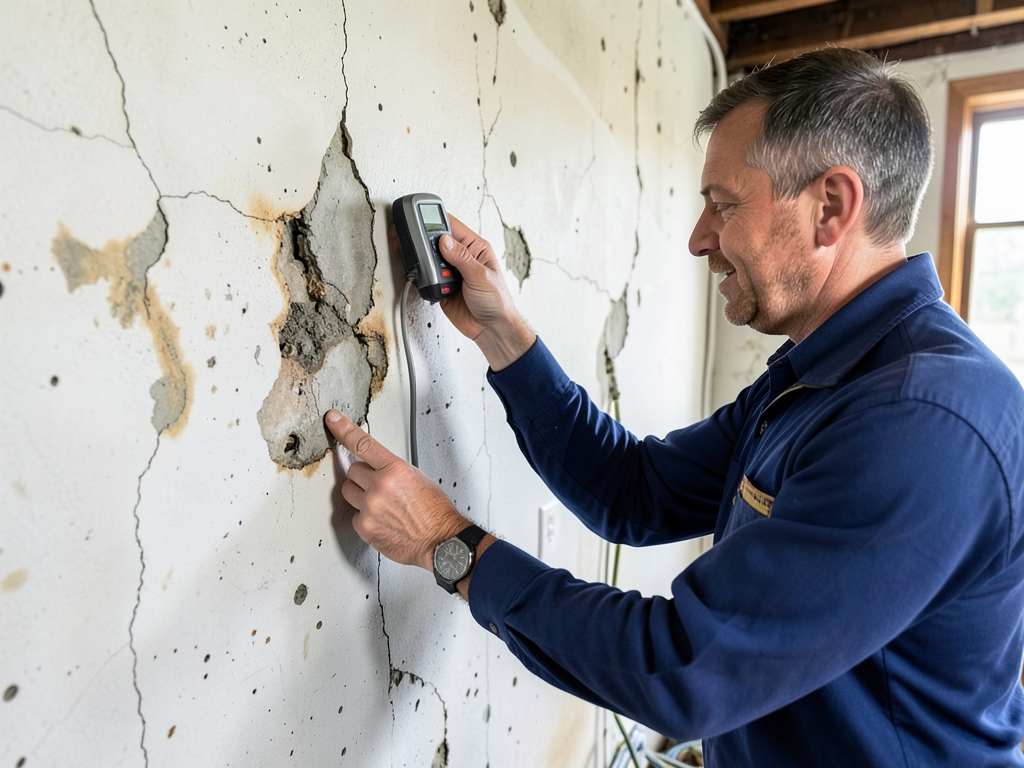


Boston's location on Massachusetts Bay creates unique storm vulnerability. Nor'easters combine high winds with heavy precipitation and storm surge, often lasting multiple days. These prolonged events saturate building materials beyond the capacity of typical drainage systems. Wind-driven rain forces water past building envelope defenses designed for vertical rain, penetrating flashing, siding seams, and window frames. Boston's freeze-thaw cycles compound damage when storm water enters masonry and expands during freezing, cracking mortar joints and creating new entry points for future storms. Properties near the harbor face additional salt spray that accelerates metal corrosion and degrades wood faster than inland locations.
Boston's aging infrastructure creates secondary flooding risks during major storms. Combined sewer systems in older neighborhoods overwhelm during heavy rainfall, backing sewage into basements through floor drains. Storm damage mitigation in these areas requires understanding contaminated water protocols and proper disinfection procedures beyond standard clean water extraction. Local building codes mandate specific procedures for structural repairs and water damage restoration work. Atlas Water Damage Restoration Providence maintains familiarity with Boston Inspectional Services Department requirements and coordinates permit applications when mitigation work requires structural access or temporary shoring. Local expertise prevents code violations that delay reconstruction and create liability.