



Chelsea sits on a narrow peninsula surrounded by the Mystic River, Chelsea Creek, and Island End River. When storms hit, water has nowhere to go. The city's elevation barely rises above sea level, making basement flooding common during spring thaws and coastal storms. Many Chelsea properties were built before modern waterproofing standards existed, with old brick foundations that absorb moisture like sponges.
The dense urban layout creates another problem. When one building floods, water often migrates through shared walls into neighboring units. Triple-deckers in Prattville and Admirals Hill share plumbing systems that can cascade failures across multiple apartments. The city's aging infrastructure means water main breaks happen frequently along Broadway and Everett Avenue, turning basements into swimming pools without warning.
Proximity to Logan Airport and constant harbor traffic means Chelsea sits in a microclimate with high humidity year-round. Condensation builds up inside walls, creating hidden moisture problems that lead to mold within 48 hours. The salt air from the harbor accelerates corrosion in pipes, making sudden failures more common. Properties near the waterfront at Port of Chelsea face storm surge that can push several feet of water into first floors during nor'easters. Chelsea residents don't face water damage if it happens, they face when it happens.
First Choice Water Damage Restoration Boston has responded to over 2,000 water emergencies across Chelsea and the surrounding metro area. We know which neighborhoods flood first during storms, which buildings have chronic plumbing issues, and how water behaves in Chelsea's unique coastal environment. Our team lives and works in the community, not in some distant suburb. When you call at 2 AM because your ceiling is collapsing from water damage, we're already close by.
We maintain relationships with every major insurance carrier operating in Massachusetts. Our estimators speak the language of adjusters and document damage in the exact format they need. This means faster approval, less back and forth, and you getting your life back sooner. We've worked with State Farm, Liberty Mutual, Plymouth Rock, Arbella, and dozens of other carriers on hundreds of Chelsea claims. We know what they require for approval and how to present your damage to get maximum coverage.
Our equipment inventory includes truck-mounted water extractors that can remove thousands of gallons per hour, not the small shop-vacs that other companies use. We deploy thermal imaging cameras to find hidden moisture inside walls before it creates mold. Our industrial dehumidifiers and air movers create airflow patterns that dry structures in days, not weeks. We use moisture meters to verify every surface is completely dry before we leave, preventing callback problems that plague this industry. When we say a structure is dry, we have the readings to prove it. Chelsea properties need serious equipment operated by trained technicians, not a guy with a wet-vac and a fan.

Our teams respond to Chelsea water emergencies within one hour, 24 hours a day, 365 days a year. We dispatch from multiple locations across the metro area, ensuring fast arrival whether you're in Bellingham Square or near Chelsea Clock. Water damage doubles every hour during the first 24 hours. Our rapid response stops the spread and saves your property.

We handle all communication with your insurance company, from initial damage documentation through final payment. Our estimators use Xactimate software to create detailed reports that match exactly what adjusters expect. We photograph everything, track all equipment deployment, and maintain daily progress logs. You focus on your family while we manage your claim.
Every technician on our Chelsea response teams holds Institute of Inspection, Cleaning and Restoration Certification in water damage restoration and applied structural drying. We follow industry protocols for extraction, drying, and microbial prevention. Our training covers EPA mold guidelines, OSHA safety standards, and manufacturer specifications for every piece of equipment we deploy.
We've restored properties in every Chelsea neighborhood from the waterfront industrial areas to residential streets near the Tobin Bridge. We understand how water flows through triple-deckers versus single-family homes, how coastal flooding behaves differently than pipe breaks, and which buildings have chronic moisture problems. This local knowledge means faster diagnosis and more effective mitigation.
Water damage takes many forms in Chelsea. A supply line failure creates different problems than storm surge flooding your basement. Sewage backups require different protocols than clean water from a burst pipe. First Choice Water Damage Restoration Boston provides comprehensive water damage mitigation, structural drying, content restoration, and reconstruction services across all damage categories.
We handle Category 1 clean water from supply lines and appliance failures, Category 2 grey water from washing machine overflows and toilet tank leaks, and Category 3 black water from sewage backups and flood events. Our team deploys appropriate safety equipment and follows EPA protocols for each contamination level. We extract standing water, remove damaged materials, dry structural components to certified moisture levels, treat for microbial growth, deodorize affected areas, and restore your property to pre-loss condition.
Our services extend beyond emergency mitigation. We coordinate with licensed contractors for reconstruction, replace flooring and drywall, rebuild kitchens and bathrooms, and handle all aspects of restoration from first call to final walkthrough. Chelsea property owners work with one company through the entire process, eliminating coordination headaches and finger-pointing between multiple vendors. We take responsibility for the complete restoration.
When water invades your Chelsea property, immediate extraction prevents secondary damage. Our truck-mounted pumps remove thousands of gallons per hour from basements, crawl spaces, and living areas. We pull back carpeting, pad subflooring where needed, remove baseboards to allow wall cavity drying, and deploy air movers to create rapid evaporation. Thermal imaging identifies hidden moisture inside walls and ceilings. We document everything with photos, moisture readings, and detailed notes for your insurance claim. Emergency mitigation stops the damage from spreading.
Removing standing water is just the beginning. Moisture absorbed into walls, floors, and structural framing creates mold growth and rot if not dried completely. We deploy industrial dehumidifiers that pull moisture from the air while air movers create circulation patterns that draw moisture from inside materials. Daily moisture readings track drying progress in floors, walls, and ceilings. We don't leave until moisture meters confirm every surface has returned to normal dry standards. Proper structural drying prevents mold and saves materials that would otherwise require replacement.
Water damages more than just your building. Furniture, electronics, photographs, documents, and personal belongings need specialized treatment. Our content restoration team evaluates each item, removes salvageable property to climate-controlled storage, cleans and deodorizes fabrics and hard goods, and restores items using specialized techniques. We work with electronics specialists for computers and televisions, document restoration experts for papers and photos, and textile cleaners for clothing and upholstery. Our goal is saving what matters to you, not just drying out the building.
Chelsea's location and building stock create predictable water damage patterns. Properties near Chelsea Creek and Island End River face flooding during spring runoff and coastal storms. The city's older triple-deckers share plumbing risers that cascade failures across multiple units when pipes burst. Basements flood regularly in low-lying areas near the waterfront and along Second Street. Understanding these patterns helps property owners recognize warning signs before small problems become catastrophic.
Salt air from the harbor corrodes copper pipes and galvanized steel faster than in inland communities. Pipes that should last 50 years fail in 30 due to constant salt exposure. The freeze-thaw cycles during Massachusetts winters stress plumbing systems already weakened by corrosion. Many Chelsea properties were built before modern waterproofing existed, with stone or brick foundations that allow groundwater infiltration. These factors combine to make water damage a question of when, not if, for most Chelsea property owners.
Massachusetts winters cause pipes to freeze in unheated areas like basements, crawl spaces, and exterior walls. When water freezes, it expands and cracks pipes. The damage often goes unnoticed until temperatures rise and ice melts, releasing hundreds of gallons into living spaces. Chelsea's older buildings often lack proper insulation around plumbing, making freeze damage common during cold snaps. Quick response prevents water from soaking into floors and walls.
Properties near the waterfront face storm surge during nor'easters and hurricanes. High tides combined with storm winds push saltwater several feet above normal levels, flooding first floors and basements. Saltwater is highly corrosive and requires immediate removal and specialized cleaning to prevent long-term damage to building systems. Waterfront owners near the Port of Chelsea and along Marginal Street know this threat arrives with every major storm warning.
Chelsea's combined sewer system overflows during heavy rainfall, pushing sewage back into basement drains, toilets, and floor drains. This Category 3 black water contains dangerous bacteria and requires professional remediation with safety equipment and EPA-approved antimicrobials. Properties in low-lying areas experience backups more frequently because sewage flows downhill. Proper cleanup prevents disease transmission and eliminates health hazards.
Rubber washing machine hoses deteriorate over time and burst without warning, releasing water under full pressure. A failed supply line can discharge 5 to 10 gallons per minute, flooding laundry rooms, adjacent spaces, and lower floors within minutes. Many Chelsea triple-deckers stack laundry areas vertically, so one failure floods multiple units. Quick shutoff at the main valve and immediate extraction prevent catastrophic damage to floors, walls, and ceilings.
Water damage creates panic. Your home or business is flooding, possessions are getting ruined, and you need help immediately. When you call First Choice Water Damage Restoration Boston, you reach a real person who dispatches a crew to your Chelsea location within 60 minutes, day or night. We answer questions clearly, explain what to expect, and start coordinating with your insurance company before we arrive.
Our team shows up with industrial extraction equipment, moisture detection technology, and protective gear. We assess damage severity, identify the water source, stop additional water intrusion if possible, and begin immediate mitigation. You receive clear communication about what we're doing, why we're doing it, and how long each phase will take. We treat your property with respect, protect unaffected areas from damage during our work, and clean up completely when we leave. Water damage restoration should reduce your stress, not add to it.
When you call (617) 789-8099, we answer immediately and dispatch the closest available crew to your Chelsea property. Our response teams carry extraction equipment, moisture meters, and thermal imaging cameras on every truck. We arrive ready to work, not to schedule a future appointment. You receive a call when we're en route with an estimated arrival time. Our technicians introduce themselves, assess the situation quickly, and begin mitigation work within minutes of arrival. Speed matters in water damage because every hour allows more water absorption into building materials.
Our project manager explains the mitigation plan in plain language before work begins. You understand what equipment we're deploying, why specific actions are necessary, and how long drying will take. We provide daily updates on moisture levels, answer questions promptly, and adjust our approach if conditions change. Your insurance company receives detailed documentation including photos, moisture readings, equipment logs, and daily progress reports. You're never left wondering what's happening or when your property will be dry.
We don't pack up equipment based on timelines or assumptions. Our technicians use moisture meters to measure water content in floors, walls, and ceilings. We compare current readings against baseline measurements from unaffected areas. When readings match dry standard ranges for each material type, we document completion and begin equipment removal. You receive a final report showing all moisture readings and confirming your Chelsea property is completely dry. This prevents mold growth and eliminates callbacks for incomplete drying.
Water damage restoration follows a proven sequence. We respond immediately, extract water fast, dry structures completely, and restore your property to pre-loss condition. Each phase builds on the previous one to deliver complete recovery.
You call our 24-hour emergency line at (617) 789-8099 and reach a live person who dispatches a crew immediately. Our team arrives at your Chelsea property within 60 minutes with extraction equipment and assessment tools. We identify the water source, stop ongoing intrusion if possible, evaluate damage extent, and classify water category for proper safety protocols. Photos and detailed notes document initial conditions for your insurance claim. We explain the mitigation plan and begin water removal immediately.
Truck-mounted pumps extract standing water from all affected areas. We remove wet materials that can't be saved, pull back carpeting to dry subflooring, and use thermal imaging to find hidden moisture. Industrial dehumidifiers and air movers create optimal drying conditions. We monitor moisture levels daily in floors, walls, and ceilings, adjusting equipment placement as needed. Antimicrobial treatments prevent mold growth during the drying process. This phase continues until moisture meters confirm all materials have returned to dry standards.
Once structures are completely dry, we begin rebuilding. Our licensed contractors replace drywall, install new flooring, repaint walls and ceilings, and restore kitchens or bathrooms damaged by water. We handle permits, coordinate inspections, and manage all aspects of reconstruction. Your Chelsea property returns to pre-loss condition or better. We conduct a final walkthrough, address any concerns, and ensure you're completely satisfied before closing the project.
The Institute of Inspection, Cleaning and Restoration Certification defines water damage in three categories based on contamination level. Category 1 clean water from supply lines and appliances poses minimal health risk but must be extracted quickly before it degrades to Category 2. Category 2 grey water from washing machines, dishwashers, and toilet tanks contains some contamination requiring antimicrobial treatment. Category 3 black water from sewage backups and flood events contains dangerous pathogens requiring full PPE and EPA-approved disinfection protocols.
Massachusetts doesn't require licensing for water damage restoration, which means anyone can claim expertise. First Choice Water Damage Restoration Boston maintains IICRC certification for all technicians, follows ANSI-IICRC S500 Standard and Reference Guide for Professional Water Damage Restoration, and uses EPA-registered antimicrobials for all treatment applications. Our drying protocols follow manufacturer specifications for equipment deployment and psychrometric principles for optimal moisture removal.
Chelsea's coastal location adds complexity to standard protocols. Saltwater from storm surge corrodes building systems faster than fresh water and requires specialized cleaning procedures. Humidity levels near the harbor remain high year-round, extending drying times compared to inland properties. We adjust equipment deployment based on these local factors, using additional dehumidification capacity and extended monitoring periods to ensure complete drying. Our experience with Chelsea's unique environment prevents the incomplete drying that leads to mold growth weeks after other companies have left.
Water damage restoration requires specific training in extraction techniques, structural drying principles, microbial contamination protocols, and psychrometry. IICRC certification demonstrates competency in these areas through classroom instruction and field examination. Our technicians complete continuing education to maintain certification. We follow ANSI-IICRC S500 standards for all mitigation work, ensuring consistent quality and insurance company acceptance. Certification matters because improper drying creates long-term problems that cost more to fix later.
Water damage restoration costs depend on water volume, affected area size, water category, structural material types, and access difficulty. A basement flood requires different equipment than water between floor levels. Category 3 sewage demands protective equipment and antimicrobial treatments not needed for clean water. Insurance covers most restoration costs, but your deductible applies. We work directly with adjusters to document all necessary work and justify costs based on industry standards.
Complete structural drying typically requires three to seven days depending on materials affected, water volume, and environmental conditions. Concrete and hardwood take longer than drywall and carpet. High humidity extends drying time. We monitor moisture levels daily and don't remove equipment until readings confirm complete drying. Rushing the process by removing equipment too early causes mold growth and callbacks. Chelsea's coastal humidity often requires longer drying periods than inland properties.
Most homeowners and commercial insurance policies cover sudden water damage from pipe failures, appliance malfunctions, and storm events. Flood insurance through NFEMA covers rising water from outside sources. We document all damage with photos, detailed notes, moisture readings, and equipment deployment logs. Our estimates use Xactimate software that insurance adjusters recognize and accept. We communicate directly with your carrier, handle questions, and provide supporting documentation. Proper documentation ensures claim approval and full coverage.
Professional explanation of water damage restoration processes for Chelsea, Massachusetts property owners. Covers emergency response procedures, structural drying techniques, water damage categories, insurance claim documentation, and mold prevention protocols. Includes information about coastal flooding challenges, freeze-related pipe failures, and restoration timelines specific to Chelsea's building types and climate conditions. Features IICRC-certified restoration techniques and equipment deployment strategies for optimal moisture removal and complete structural drying.
First Choice Water Damage Restoration Boston provides emergency water damage response throughout Chelsea and the surrounding metro area. We've restored properties in every neighborhood from the waterfront industrial zones to residential streets near the Tobin Bridge. Our familiarity with Chelsea's geography, building types, and infrastructure challenges ensures efficient response and effective mitigation.
Properties in Admirals Hill face unique challenges due to elevation and the mix of older triple-deckers with aging plumbing systems. We've responded to numerous pipe failures and basement floods in this neighborhood, particularly during winter freeze events. The historic building stock requires careful material selection during restoration to match existing finishes. Prattville's dense residential blocks mean water damage often affects multiple units when one system fails. We coordinate with building owners and multiple tenants to restore all affected spaces while minimizing disruption.
The Bellingham Square commercial district requires fast response to prevent business interruption. We've handled water damage restoration in retail spaces, restaurants, and office buildings where revenue loss adds urgency to physical damage. Properties near Chelsea Clock and along Broadway face flooding during heavy rain because the storm sewer system becomes overwhelmed. Our crews know which streets flood first and position equipment accordingly. The waterfront area along Marginal Street and near the Port of Chelsea faces storm surge during nor'easters. We've responded to numerous coastal flooding events, understanding how saltwater behaves differently than fresh water and requires specialized cleanup procedures.
Neighborhoods near Route 1 and the Tobin Bridge interchange experience vibration-related plumbing failures as heavy truck traffic stresses old pipe connections. We've worked throughout the areas north of Second Street and east of Everett Avenue, familiar with the building patterns and common failure points. Our service area extends beyond Chelsea to include East Boston, Everett, Revere, and other nearby communities. We maintain rapid response capabilities across the entire metro area while understanding the specific challenges each neighborhood presents.
Water damage restoration removes moisture and repairs damage from floods, leaks, or burst pipes. Professionals assess the damage, extract standing water, dry affected areas, and restore your property. Time matters. Mold grows within 24-48 hours of water exposure. Quick action prevents secondary damage and reduces repair needs. Chelsea residents face water damage from storms, aging infrastructure, and plumbing failures. Professional teams use industrial equipment to dry walls, floors, and hidden spaces. They monitor moisture levels throughout the process. Most restoration takes 3-7 days, depending on damage severity and affected areas.
Start by stopping the water source if safe to do so. Turn off your main water valve for plumbing issues. Move valuables and furniture to dry areas. Document all damage with photos and videos for insurance claims. Call a restoration company immediately. Remove standing water with towels or a wet vacuum if the amount is small. Open windows if weather permits. Turn on fans to improve air circulation. Avoid using regular vacuums on wet carpets. Do not enter rooms with standing water if electrical outlets are submerged. Your safety comes first.
Water damage falls into three categories based on contamination level. Category 1 is clean water from supply lines or rain. Category 2 is gray water from appliances or toilet tanks without feces. Category 3 is black water from sewage or flooding. Black water contains dangerous bacteria and requires special handling. Restoration companies assess your water type and follow specific protocols. Clean water damage costs less to remediate. Contaminated water requires disposal of porous materials like drywall and carpet. Understanding your water category helps you prepare for the restoration process.
Water damage restoration removes moisture and repairs damage from floods, leaks, or burst pipes. Professionals assess the damage, extract standing water, dry affected areas, and restore your property. Time matters. Mold grows within 24-48 hours of water exposure. Quick action prevents secondary damage and reduces repair needs. Chelsea residents face water damage from storms, aging infrastructure, and plumbing failures. Professional teams use industrial equipment to dry walls, floors, and hidden spaces. They monitor moisture levels throughout the process. Most restoration takes 3-7 days, depending on damage severity and affected areas.
Start by stopping the water source if safe to do so. Turn off your main water valve for plumbing issues. Move valuables and furniture to dry areas. Document all damage with photos and videos for insurance claims. Call a restoration company immediately. Remove standing water with towels or a wet vacuum if the amount is small. Open windows if weather permits. Turn on fans to improve air circulation. Avoid using regular vacuums on wet carpets. Do not enter rooms with standing water if electrical outlets are submerged. Your safety comes first.
Water damage falls into three categories based on contamination level. Category 1 is clean water from supply lines or rain. Category 2 is gray water from appliances or toilet tanks without feces. Category 3 is black water from sewage or flooding. Black water contains dangerous bacteria and requires special handling. Restoration companies assess your water type and follow specific protocols. Clean water damage costs less to remediate. Contaminated water requires disposal of porous materials like drywall and carpet. Understanding your water category helps you prepare for the restoration process.
Professional restoration teams use moisture meters and infrared cameras to find hidden water. They check behind walls, under floors, and in ceilings. Industrial air movers and dehumidifiers remove moisture from affected areas. Technicians monitor humidity levels daily. They extract standing water with powerful pumps. Anti-microbial treatments prevent mold growth. Teams remove damaged materials like wet insulation and baseboards. Air scrubbers filter airborne particles. The process follows industry standards set by the IICRC. Professionals complete what takes homeowners weeks in just days. Their equipment dries spaces faster and more thoroughly.
Homeowners insurance typically covers sudden and accidental water damage. Burst pipes, appliance malfunctions, and storm damage usually qualify. Flood damage requires separate flood insurance. Gradual damage from poor maintenance gets denied. Review your policy for water damage coverage details. Document everything with photos and detailed notes. Keep receipts for emergency repairs. Contact your insurance company within 24 hours. Most restoration companies work directly with insurance adjusters. They provide detailed reports and itemized estimates. Your deductible applies. Ask about the claims process before starting work.
Mold starts growing within 24-48 hours after water exposure. Spores exist everywhere and need only moisture to multiply. Visible mold appears as black, green, or white patches. You might smell musty odors before seeing growth. Mold damages building materials and affects indoor air quality. Some people experience allergies or respiratory issues. Check walls, ceilings, and floors near water damage. Look in dark, humid spaces like closets and crawl spaces. Professional restoration includes mold prevention treatments. Quick drying stops mold before it starts. Once established, mold requires specialized remediation beyond basic restoration.
Response time determines final damage extent. Professionals arrive within hours of your call. Initial assessment takes 30-60 minutes. Water extraction begins immediately and takes 1-3 hours for most homes. Drying equipment runs for 2-5 days. Technicians visit daily to monitor progress and adjust equipment. Final drying verification happens when moisture levels return to normal. Simple jobs finish in 3 days. Extensive damage takes up to 2 weeks. Reconstruction work happens after drying completes. Your restoration company provides a specific timeline after assessment. Weather and humidity affect drying speed.
Hardwood floors sometimes survive water damage if dried within 24 hours. Cupping and buckling indicate serious damage. Laminate flooring rarely survives and needs replacement. Tile floors usually stay intact, but grout and subflooring get damaged. Carpet stays salvageable only if water is clean and extraction happens quickly. Padding underneath carpet almost always needs replacement. Professionals test moisture levels in flooring materials. They lift carpet to dry the subfloor. Some hardwood floors need sanding and refinishing after drying. Your restoration team evaluates each material and recommends repair or replacement.
Choose a company with IICRC certification and proper training. Check online reviews and ask for local references. Response time matters, so pick a company offering 24/7 emergency service. Verify they have experience with insurance claims. Ask about their equipment and drying methods. Get a detailed written estimate before work begins. Reputable companies provide free inspections and damage assessments. Avoid companies demanding full payment upfront. Local Chelsea companies understand area-specific issues like basement flooding and old building challenges. Interview multiple companies if time allows. Trust your instincts about professionalism and communication.
Inspect appliances and hoses annually. Replace washing machine hoses every 5 years. Check under sinks for leaks monthly. Clean gutters twice yearly to prevent roof leaks. Test your sump pump before storm season. Know where your main water shutoff valve is located. Insulate pipes in unheated areas to prevent freezing. Install water detection alarms near appliances and in basements. Grade soil away from your foundation. Maintain your roof and fix missing shingles promptly. Schedule annual plumbing inspections. Small leaks become big problems. Prevention costs far less than restoration.
Professional restoration teams use moisture meters and infrared cameras to find hidden water. They check behind walls, under floors, and in ceilings. Industrial air movers and dehumidifiers remove moisture from affected areas. Technicians monitor humidity levels daily. They extract standing water with powerful pumps. Anti-microbial treatments prevent mold growth. Teams remove damaged materials like wet insulation and baseboards. Air scrubbers filter airborne particles. The process follows industry standards set by the IICRC. Professionals complete what takes homeowners weeks in just days. Their equipment dries spaces faster and more thoroughly.
Homeowners insurance typically covers sudden and accidental water damage. Burst pipes, appliance malfunctions, and storm damage usually qualify. Flood damage requires separate flood insurance. Gradual damage from poor maintenance gets denied. Review your policy for water damage coverage details. Document everything with photos and detailed notes. Keep receipts for emergency repairs. Contact your insurance company within 24 hours. Most restoration companies work directly with insurance adjusters. They provide detailed reports and itemized estimates. Your deductible applies. Ask about the claims process before starting work.
Mold starts growing within 24-48 hours after water exposure. Spores exist everywhere and need only moisture to multiply. Visible mold appears as black, green, or white patches. You might smell musty odors before seeing growth. Mold damages building materials and affects indoor air quality. Some people experience allergies or respiratory issues. Check walls, ceilings, and floors near water damage. Look in dark, humid spaces like closets and crawl spaces. Professional restoration includes mold prevention treatments. Quick drying stops mold before it starts. Once established, mold requires specialized remediation beyond basic restoration.
Response time determines final damage extent. Professionals arrive within hours of your call. Initial assessment takes 30-60 minutes. Water extraction begins immediately and takes 1-3 hours for most homes. Drying equipment runs for 2-5 days. Technicians visit daily to monitor progress and adjust equipment. Final drying verification happens when moisture levels return to normal. Simple jobs finish in 3 days. Extensive damage takes up to 2 weeks. Reconstruction work happens after drying completes. Your restoration company provides a specific timeline after assessment. Weather and humidity affect drying speed.
Hardwood floors sometimes survive water damage if dried within 24 hours. Cupping and buckling indicate serious damage. Laminate flooring rarely survives and needs replacement. Tile floors usually stay intact, but grout and subflooring get damaged. Carpet stays salvageable only if water is clean and extraction happens quickly. Padding underneath carpet almost always needs replacement. Professionals test moisture levels in flooring materials. They lift carpet to dry the subfloor. Some hardwood floors need sanding and refinishing after drying. Your restoration team evaluates each material and recommends repair or replacement.
Choose a company with IICRC certification and proper training. Check online reviews and ask for local references. Response time matters, so pick a company offering 24/7 emergency service. Verify they have experience with insurance claims. Ask about their equipment and drying methods. Get a detailed written estimate before work begins. Reputable companies provide free inspections and damage assessments. Avoid companies demanding full payment upfront. Local Chelsea companies understand area-specific issues like basement flooding and old building challenges. Interview multiple companies if time allows. Trust your instincts about professionalism and communication.
Inspect appliances and hoses annually. Replace washing machine hoses every 5 years. Check under sinks for leaks monthly. Clean gutters twice yearly to prevent roof leaks. Test your sump pump before storm season. Know where your main water shutoff valve is located. Insulate pipes in unheated areas to prevent freezing. Install water detection alarms near appliances and in basements. Grade soil away from your foundation. Maintain your roof and fix missing shingles promptly. Schedule annual plumbing inspections. Small leaks become big problems. Prevention costs far less than restoration.
You can see our service area and our location on the map below. We are proud to serve the entire Boston area and surrounding communities. We're always ready to dispatch our team to your home or business, no matter where you are. We’re committed to a fast, reliable response and ensuring we’re always there when you need us most.
Address:
Chelsea, MA, 2150
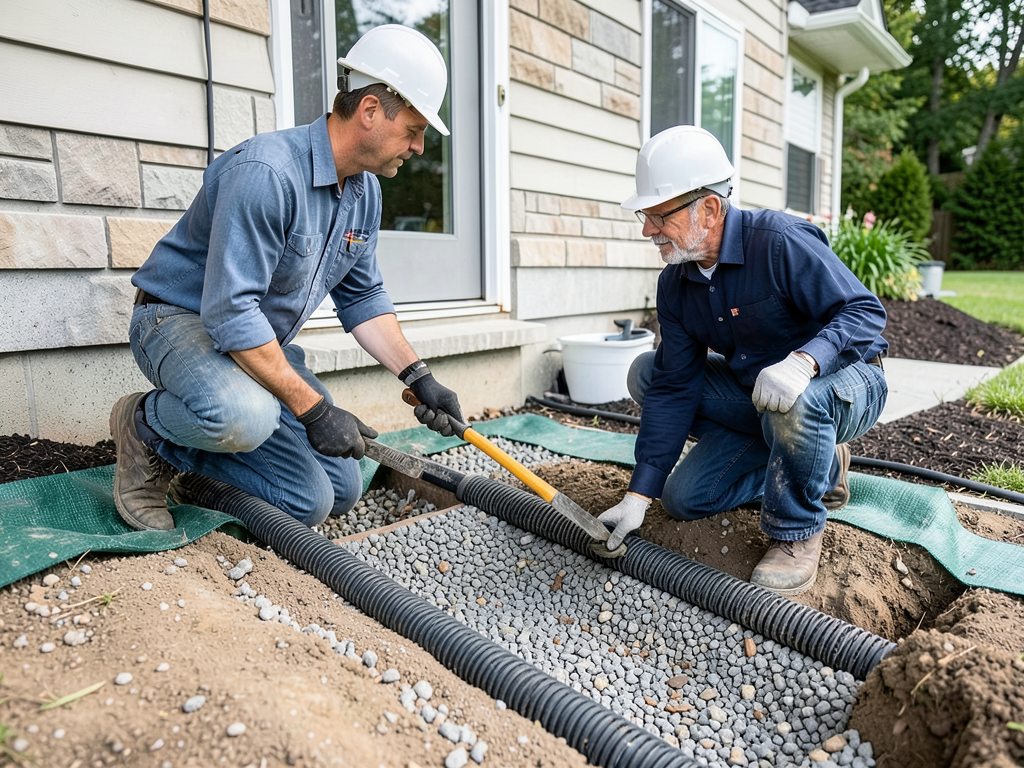
Using Smart Landscaping to Keep Surface Water Away from Your Concord Foundation Your Concord home sits on land shaped by ancient glaciers and fed by seasonal rains. Every year, snowmelt from the Middlesex County watershed…
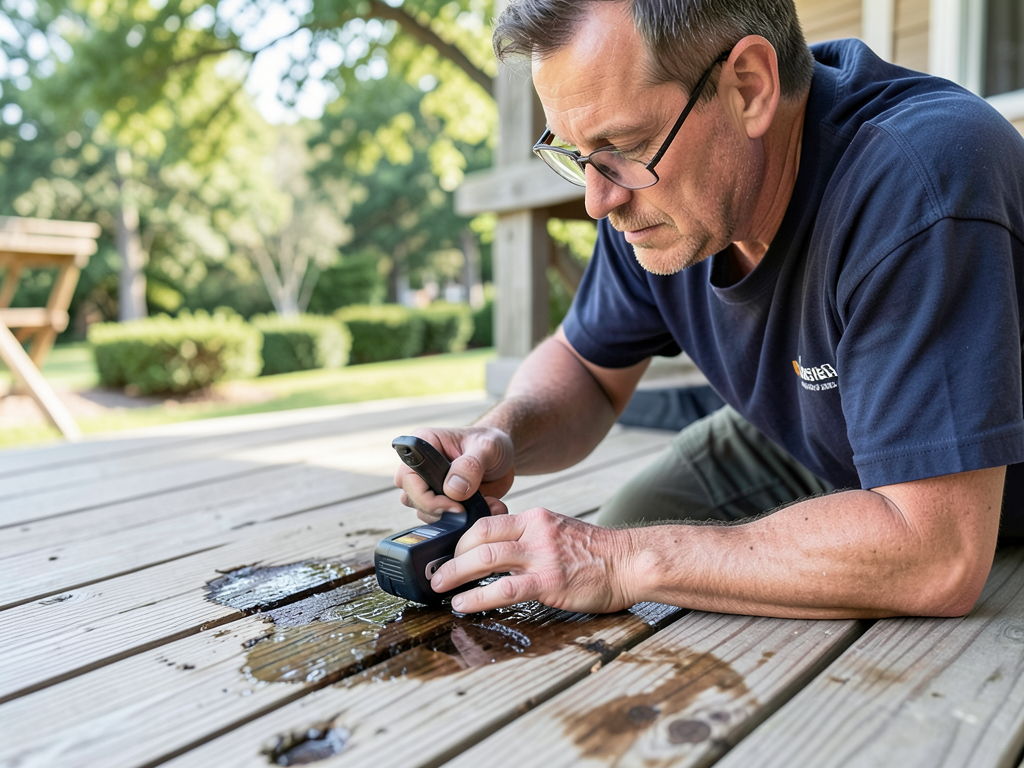
How to Find a Hidden Water Leak Under Your Marblehead Outdoor Deck Living in Marblehead…
When a pipe bursts in your Chestnut Hill home the damage goes far beyond soaked…
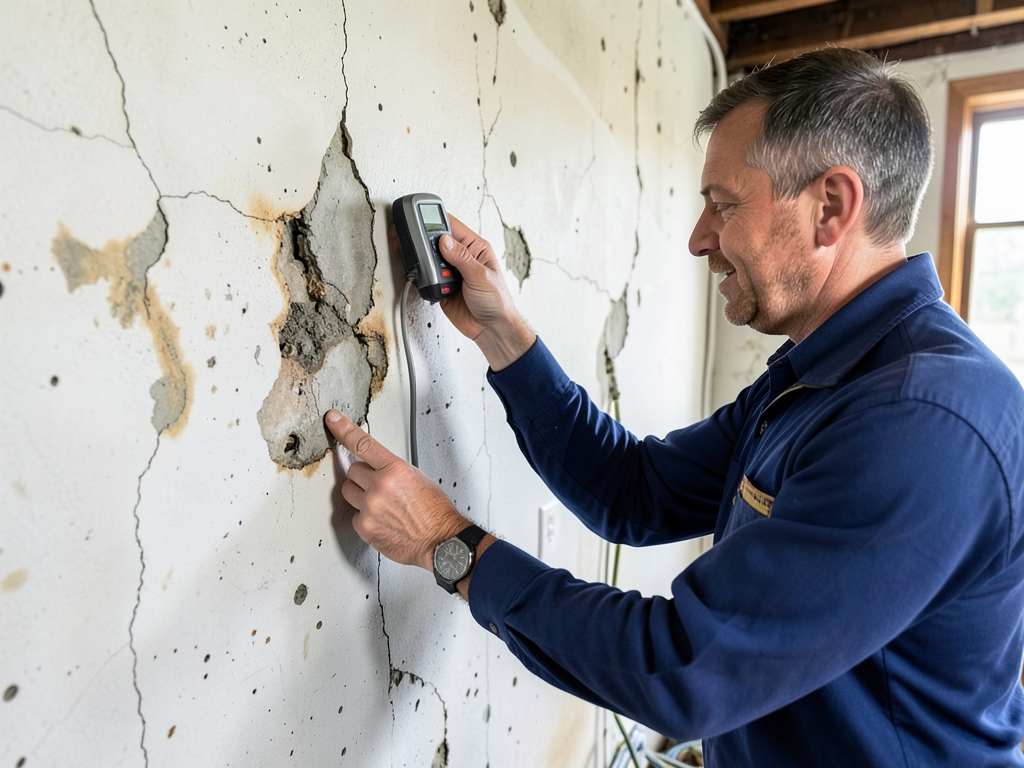
Preparing Your Inland Needham Home for Hurricane Season Flooding Living in Needham means enjoying quiet…
Every hour of delay allows more water absorption, higher restoration costs, and increased mold risk. First Choice Water Damage Restoration Boston responds to Chelsea water emergencies 24 hours a day, 365 days a year. Call (617) 789-8099 now for immediate dispatch. Our crews arrive within 60 minutes with industrial extraction equipment and start saving your property immediately.