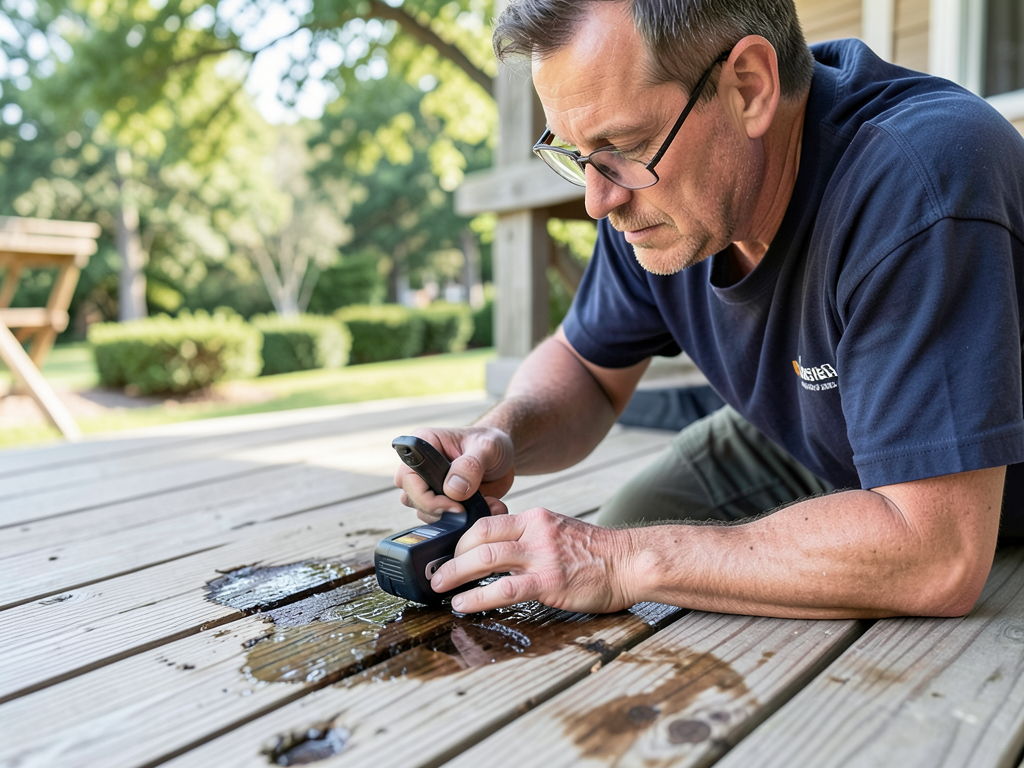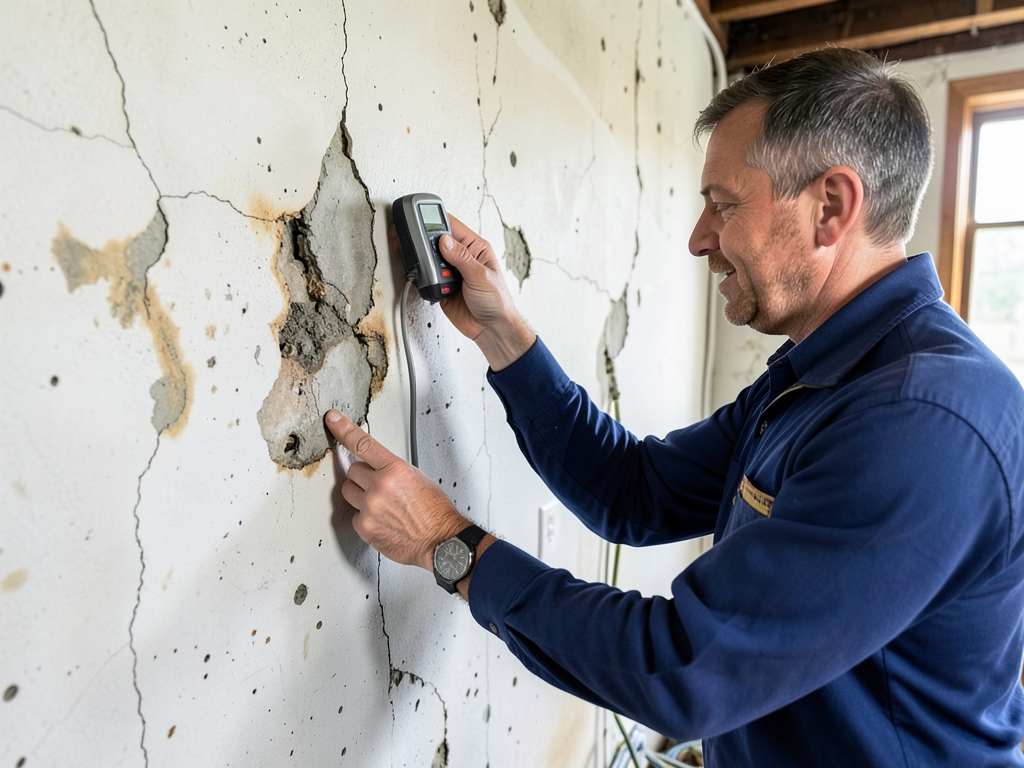
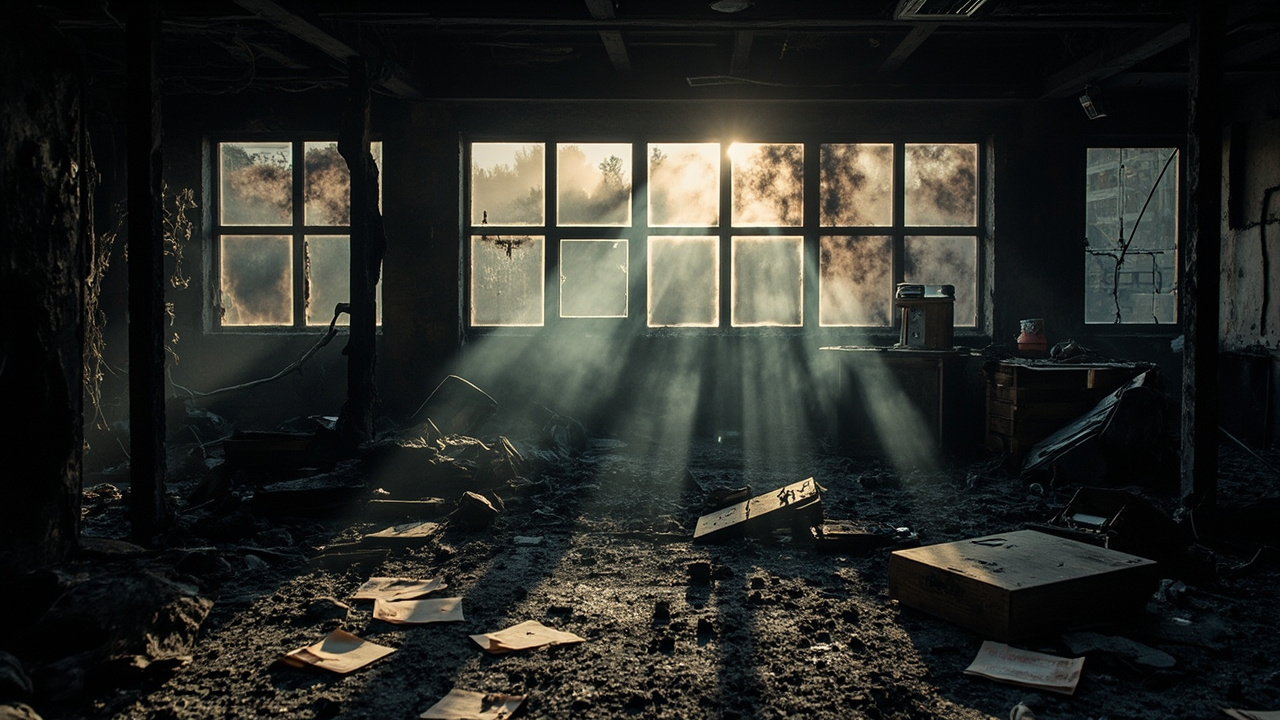

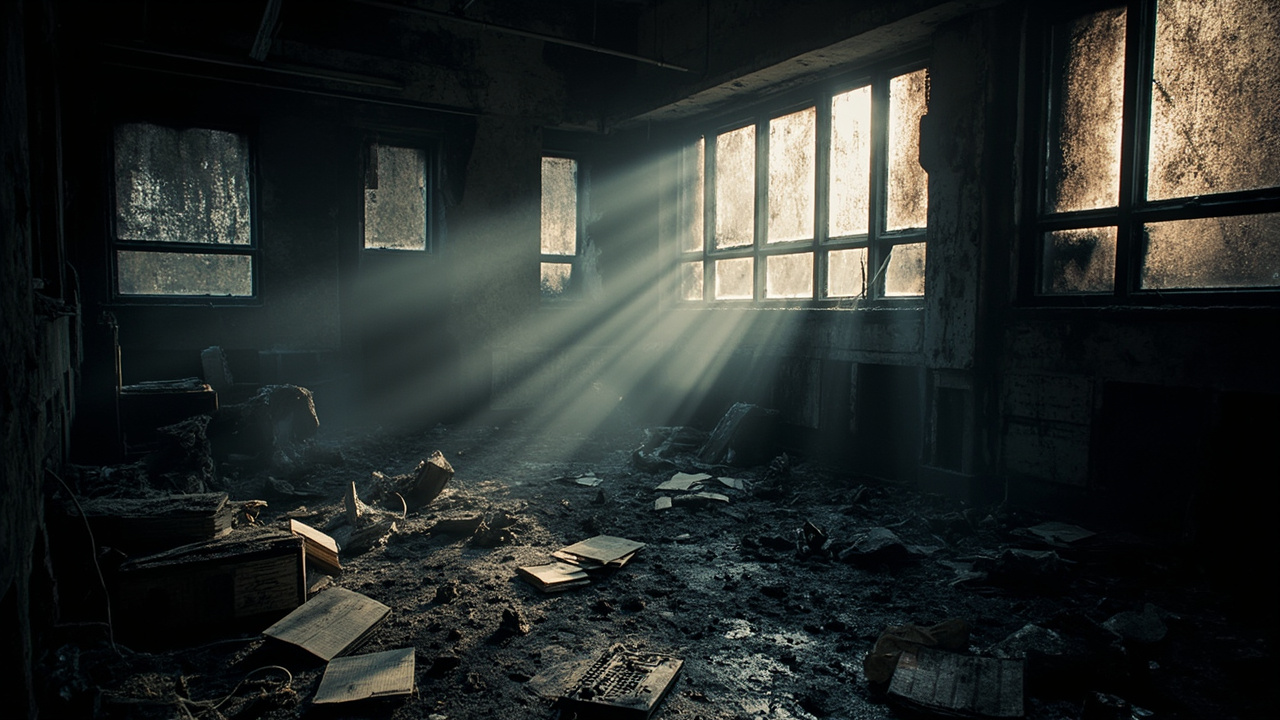
Boston's tightly packed commercial corridors create fire recovery challenges uncommon in newer cities. Shared walls between buildings mean smoke often migrates to adjacent properties, expanding the affected area beyond the origin site. The city's historic construction includes void spaces, chases, and concealed attics where smoke travels unseen, depositing corrosive residue in areas you cannot visually inspect. Basements in older Boston buildings often connect through utility corridors, allowing water and smoke to spread laterally. Commercial fire damage restoration here requires understanding these architectural characteristics, using borescopes and thermal imaging to identify hidden contamination that standard cleaning protocols miss.
Working in Boston's commercial zones means navigating regulations specific to this municipality. The Boston Fire Department requires documentation of all fire-damaged material disposal, tracking hazardous waste through licensed transporters. Properties in Beacon Hill, Back Bay, and other local historic districts need Boston Landmarks Commission review before reconstruction begins, even for interior work invisible from the street. We maintain familiarity with these requirements, coordinating permit applications and inspection schedules that keep your project moving forward. Our relationships with local code officials mean we anticipate their concerns, addressing compliance issues proactively rather than discovering them during inspections that delay your reopening.