Menu

Steps to Take After a Flood in Boston – Your Complete Post-Flood Recovery Checklist

Immediate Actions to Protect Your Home, Navigate Insurance Claims, and Start the Restoration Process After Flooding in Greater Boston

Slider Image 1
Slider Image 2
Slider Image 3
Slider Image 4
Slider Image 5
Slider Image 7
Slider Image 8
Slider Image 9
Slider Image 10
Slider Image 11

Why Boston Homes Face Unique Flood Recovery Challenges

Boston's location on the Atlantic coastline and its aging infrastructure create specific flood vulnerabilities that homeowners need to understand. Coastal flooding from nor'easters combines with stormwater system overflows in neighborhoods like the Back Bay, Fenway, and East Boston. Many properties built before modern drainage codes still have basement foundations that sit below the water table, making complete water removal difficult without professional extraction equipment.

The immediate actions after flooding determine whether you face a simple cleanup or extensive structural damage. Water sits in wood framing for just 24 to 48 hours before mold colonization begins. Boston's humid climate accelerates this timeline. The Charles River basin and surrounding low-lying areas see recurrent flooding, meaning many homeowners need a reliable post-flood recovery checklist they can execute quickly.

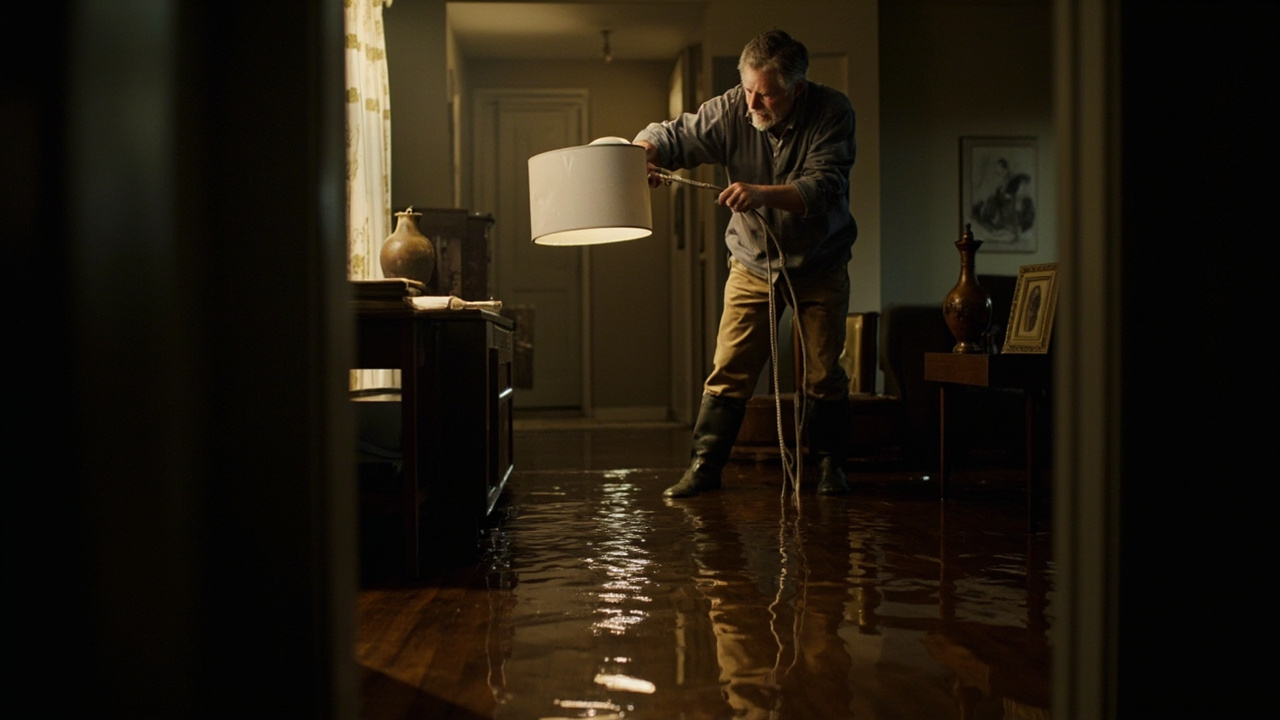
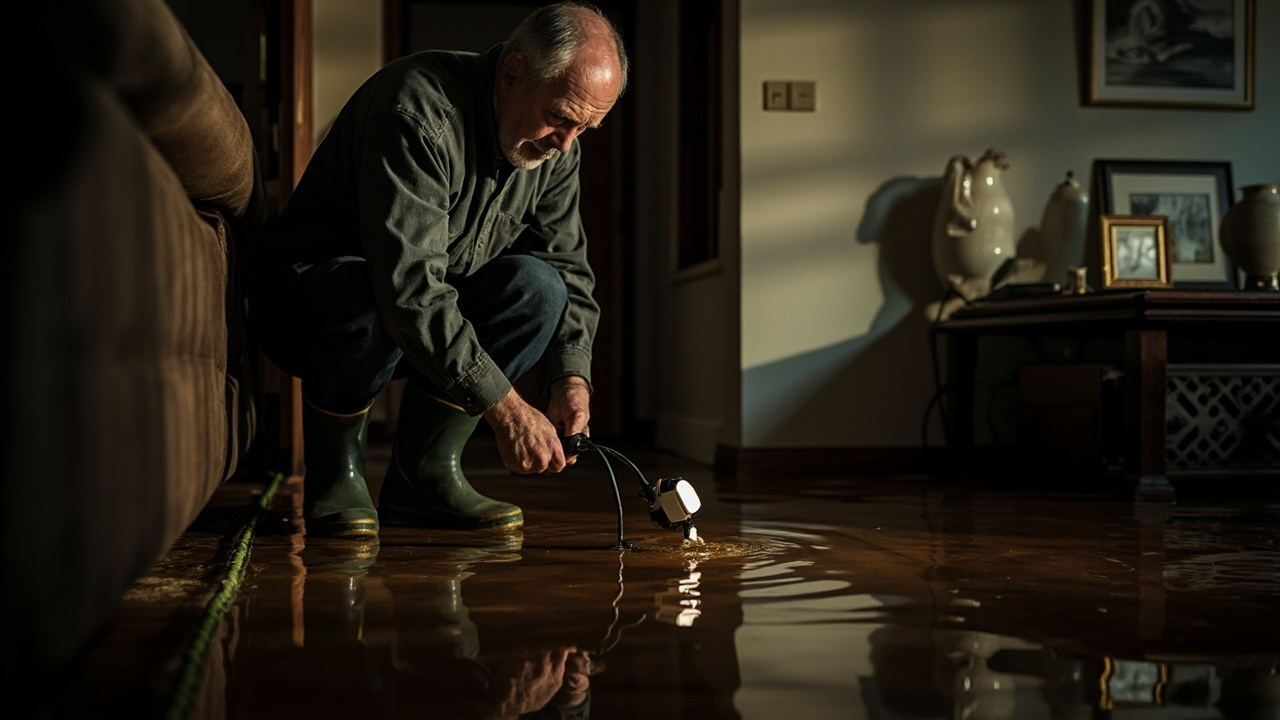
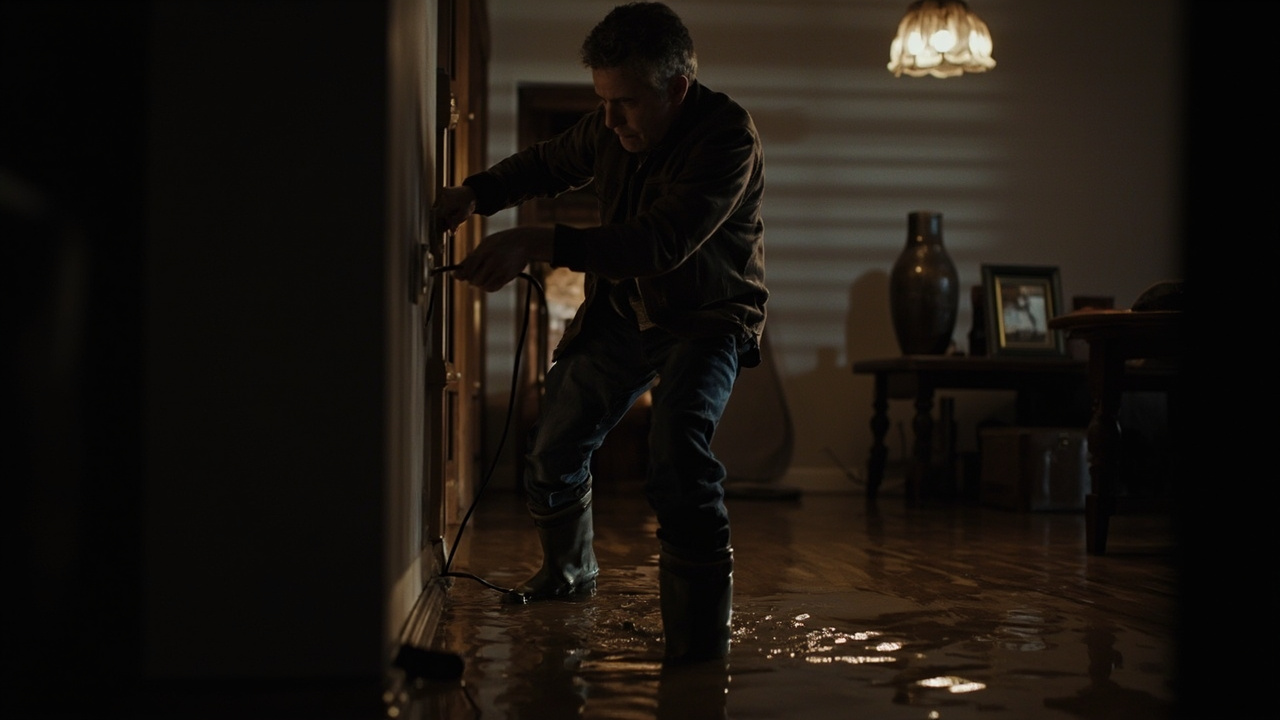
Your first priority is safety. Floodwater often contains sewage, chemicals, and bacteria. Never enter standing water without rubber boots and gloves. Turn off electricity at the main breaker if you can reach it safely. Document everything with photos before you move items. Your insurance adjuster needs this visual record to process your claim accurately.

What to do after a house flood separates salvageable property from total loss. Time matters. Every hour you wait allows water to wick higher into drywall, saturate insulation, and penetrate subflooring. Understanding the water damage clean up steps specific to Boston's housing stock, including triple-deckers and brownstones, helps you protect your investment and your family's health.

Why Boston Homes Face Unique Flood Recovery Challenges
The Critical First 72 Hours After Flood Damage

The Critical First 72 Hours After Flood Damage

Professional water extraction begins within hours, not days. Truck-mounted extractors pull thousands of gallons from carpets, padding, and porous surfaces. Portable pumps handle standing water in basements. This is not a shop-vac job. Residential equipment cannot generate the vacuum pressure or airflow volume needed to remove water trapped in concrete slab pores or between subfloor layers.

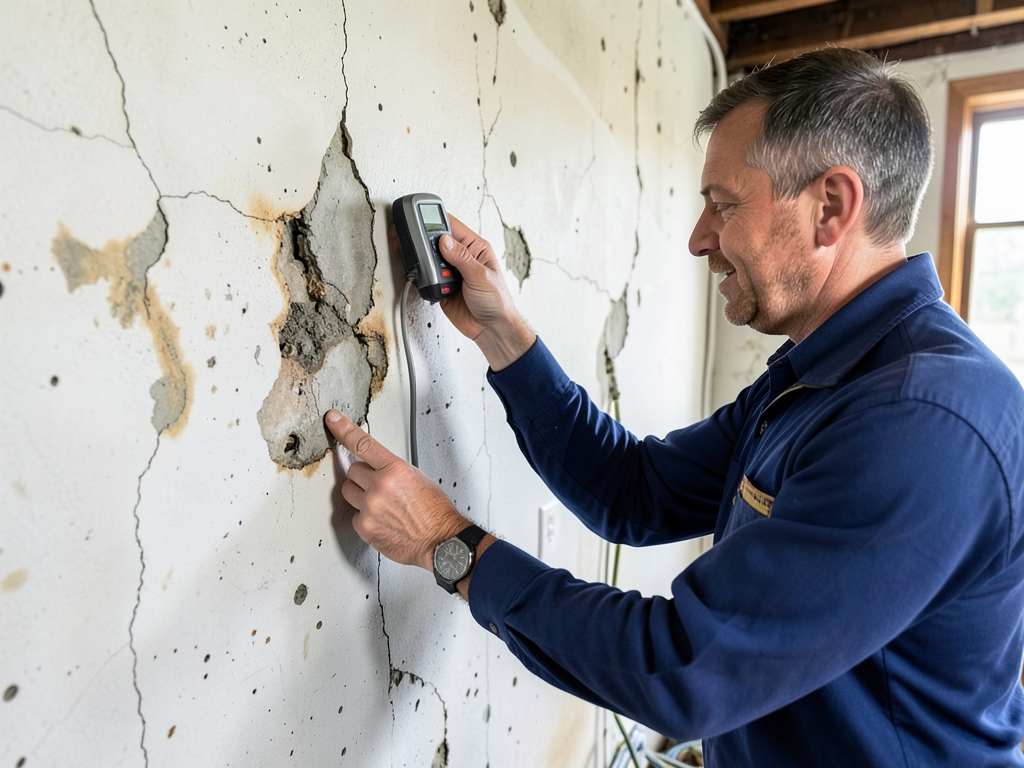
Air movers and commercial dehumidifiers run continuously for three to seven days, depending on saturation levels. We measure moisture content in framing lumber, drywall, and concrete using pin-type and non-invasive meters. Readings guide our drying strategy. Boston's brick and masonry construction holds moisture longer than wood-frame homes, requiring extended drying times and specialized equipment placement.

Antimicrobial application prevents microbial growth on affected surfaces. We apply EPA-registered products to framing, subflooring, and any structural components that contacted floodwater. This is particularly important in Boston's older housing stock, where decades of settled dust and organic material provide nutrients for rapid mold amplification.

Flood damage often compromises building envelope integrity. We inspect foundation walls for hydrostatic pressure cracks, check basement window wells for soil infiltration, and examine bulkhead doors for seal failures. Many older Boston homes have perimeter drains that clog with sediment, causing water to back up against foundation walls during heavy rain events.

Atlas Water Damage Restoration Providence coordinates directly with your insurance carrier, providing detailed moisture mapping, equipment logs, and photographic documentation that supports your claim. We understand Massachusetts insurance regulations and the documentation standards adjusters expect.

Your Guide to Handling Flood Damage Step by Step

Steps to Take After a Flood in Boston – Your Complete Post-Flood Recovery Checklist
01

Safety and Documentation

Shut off electricity and gas if you can access the panels safely. Never enter standing water without confirming power is disconnected. Photograph all damage before moving anything. Your insurance company needs this visual evidence. Mark water lines on walls with tape or marker. Remove valuable items from affected areas immediately. Floodwater continues wicking upward through drywall and into furniture even after visible water recedes.
02

Water Removal and Extraction

Professional extraction equipment removes water from carpets, padding, and flooring within the first 24 hours. Truck-mounted extractors generate powerful suction that household equipment cannot match. Technicians remove baseboards to access wall cavities where water collects. Wet insulation gets pulled from basement rim joists. Standing water in crawl spaces requires submersible pumps rated for debris-laden floodwater, not clean sump applications.
03

Drying and Restoration

Industrial air movers and dehumidifiers run continuously for multiple days, monitored with daily moisture readings. Technicians adjust equipment placement based on drying progress. When moisture meters confirm structural components have reached acceptable levels, antimicrobial treatment protects surfaces from future growth. Final restoration includes replacing drywall, insulation, flooring, and trim. Your property returns to pre-loss condition with proper documentation for insurance settlement.

Why Boston Homeowners Trust Local Flood Restoration Experts

Boston's housing characteristics require specialized knowledge. Triple-deckers common in Dorchester and Jamaica Plain have shared drainage systems between units. Water damage in one apartment often affects adjacent properties. Restoration technicians familiar with these multi-family structures understand how to isolate affected areas, coordinate access with multiple residents, and prevent cross-contamination between units.

Historic properties in Beacon Hill, the North End, and Charlestown face additional complexity. Many buildings predate modern waterproofing standards. Granite block foundations, lime mortar joints, and horsehair plaster require different drying techniques than modern construction materials. Aggressive drying can crack historic plaster. Improper moisture management in old brick causes efflorescence and spalling.

Massachusetts building codes mandate specific procedures for flood-damaged structures. Electrical systems that contacted floodwater require inspection before reconnection. Insulation saturated with category 3 water must be removed and replaced, not dried in place. Local restoration companies understand these code requirements and work directly with city inspectors to ensure compliant repairs.

Insurance claims move faster when restoration companies provide thorough documentation. We photograph moisture readings, log equipment placement and runtime, and maintain detailed narratives of daily progress. This documentation satisfies Massachusetts insurance regulations and gives adjusters the information they need to approve claims without delays.

Atlas Water Damage Restoration Providence has restored flood-damaged properties throughout the Greater Boston area, from single-family homes in West Roxbury to commercial buildings in the Financial District. We understand the immediate actions after flooding that prevent secondary damage and the long-term strategies that protect your property from future events.

What to Expect During Professional Flood Restoration

Emergency Response Time

We dispatch crews within hours of your call, not the next business day. Flood damage worsens by the hour. Immediate water extraction prevents saturation from spreading to unaffected areas. Our technicians arrive with truck-mounted extraction equipment, portable pumps, and moisture detection tools. We assess the damage scope, identify safety hazards, and begin water removal immediately. Emergency response includes temporary power if your electrical system is offline, and emergency board-up if flooding compromised windows or doors.

Comprehensive Damage Assessment

Technicians use thermal imaging cameras to detect hidden moisture in wall cavities, under flooring, and in ceiling assemblies. Pin-type moisture meters measure water content in wood framing and drywall. Non-invasive meters scan large surface areas without creating holes. This data creates a moisture map that guides equipment placement and tracks drying progress. We document contamination levels, classify water category, and identify structural concerns. You receive a detailed scope of work that outlines necessary repairs and estimated timelines.

Complete Property Restoration

Restoration returns your property to pre-loss condition. We replace water-damaged drywall, insulation, flooring, and trim. Subfloor replacement happens when moisture readings indicate structural compromise or when category 3 water contaminated materials beyond salvage. Paint matching ensures repairs blend seamlessly with existing finishes. We coordinate with licensed electricians and plumbers when flood damage affects these systems. The final walkthrough confirms all work meets your standards and satisfies insurance requirements.

Insurance Coordination

We work directly with your insurance carrier from initial contact through final settlement. Our documentation includes detailed estimates, progress photos, moisture logs, and equipment tracking sheets. This paperwork satisfies adjuster requirements and supports your claim. Many homeowners find insurance terminology confusing. We explain coverage limits, deductibles, and claim processes in plain language. If your adjuster questions our scope or pricing, we provide technical justification and industry standards that support our recommendations.

Frequently Asked Questions

You Have Questions,
We Have Answers

What steps to take after a flood? +

Stop the water source if safe, then document everything with photos and video before touching anything. Contact your insurance company immediately. Remove standing water using pumps or wet vacs. Move salvageable items to dry areas. In Boston, basements flood quickly due to aging infrastructure and proximity to the Charles River. Do not enter standing water if electrical systems are submerged. Call a certified water damage professional within 24 hours. Mold grows fast in our humid climate. Turn off HVAC systems to prevent spore spread. Start drying wet materials immediately to limit structural damage.

What should you do after the flood? +

Prioritize safety first. Turn off electricity at the breaker if water reached outlets or appliances. Ventilate the space by opening windows once weather permits. Remove wet carpeting, padding, and soaked insulation. Boston's older triple-deckers and brownstones have plaster walls that absorb water like sponges. Use fans and dehumidifiers to accelerate drying. Disinfect all surfaces that contacted floodwater, which often contains sewage in urban areas. Document losses for insurance claims. Monitor humidity levels. Professionals use moisture meters to detect hidden water in wall cavities and subfloors common in historic Boston properties.

What are the 5 steps of disaster recovery? +

Disaster recovery follows five phases. Assessment: Inspect damage extent and safety hazards. Water Removal: Extract standing water using industrial pumps. Drying and Dehumidification: Remove moisture from structures and contents using commercial equipment. Cleaning and Sanitizing: Disinfect all affected surfaces and materials. Restoration: Repair or rebuild damaged structures. In Boston, the process must account for freeze-thaw cycles that worsen structural issues if moisture remains trapped. Each phase requires documentation for insurance purposes. Professional restoration companies complete this process in days, while DIY attempts often take weeks and miss hidden moisture that leads to mold growth later.

What should you do after a flood? +

Act fast. Standing water damages flooring, drywall, and framing within hours. Contact your insurer before cleanup begins. Photograph everything. Remove water quickly using extraction equipment. Discard porous materials like carpet padding and drywall that stayed wet beyond 48 hours. Boston's high water table means basement floods often contain groundwater mixed with sewage from overwhelmed combined sewer systems. Wear protective gear during cleanup. Monitor indoor humidity. Mold colonizes damp surfaces in 24 to 48 hours in our climate. Professional drying equipment prevents secondary damage. Do not delay. Water wicks upward through walls and spreads damage beyond the visible waterline.

How Boston's Coastal Geography and Aging Infrastructure Impact Flood Recovery

Boston's position at the confluence of the Charles and Mystic Rivers, combined with Atlantic storm surge, creates flood conditions that differ from inland water damage. Saltwater corrosion accelerates metal deterioration in HVAC systems, electrical panels, and appliances. Combined sewer systems in older neighborhoods overflow during heavy rain, introducing sewage contamination that requires category 3 water protocols. Many basement foundations in the Back Bay and South End sit on fill material, causing water to percolate up through concrete slabs even after surface flooding recedes.

Restoration companies familiar with Boston's building stock understand the specific challenges of triple-deckers, brownstones, and historic properties. These structures often have shared drainage systems, interconnected utilities, and construction methods that differ significantly from modern homes. Local expertise means technicians recognize when foundation drainage needs upgrading, when old cast iron plumbing contributes to backup flooding, and how to dry balloon-framed walls without damaging historic plaster. This knowledge prevents recurring problems and ensures repairs meet current code while respecting architectural character.

Water Damage Restoration Services in The Boston Area

You can see our service area and our location on the map below. We are proud to serve the entire Boston area and surrounding communities. We're always ready to dispatch our team to your home or business, no matter where you are. We’re committed to a fast, reliable response and ensuring we’re always there when you need us most.

Address:
First Choice Water Damage Restoration Boston, 44 School St., Boston, MA, 02108

Additional Services We Offer

Our news updates

Latest Articles & News from The Blogs

How to Find a Hidden Water Leak Under Your Marblehead Outdoor Deck Living in Marblehead means dealing with coastal moisture,…

How to Find a Hidden Water Leak Under Your Marblehead Outdoor Deck

How to Find a Hidden Water Leak Under Your Marblehead Outdoor Deck Living in Marblehead means dealing with coastal moisture,…

Saving a Luxury Walk In Closet and Designer Wardrobe After a Pipe Burst in Chestnut Hill

When a pipe bursts in your Chestnut Hill home the damage goes far beyond soaked carpets and warped baseboards. For…

Preparing Your Inland Needham Home for Hurricane Season Flooding

Preparing Your Inland Needham Home for Hurricane Season Flooding Living in Needham means enjoying quiet suburban streets and tree-lined neighborhoods.…

Contact Us

Flood damage worsens every hour you wait. Call Atlas Water Damage Restoration Providence at (617) 789-8099 for immediate dispatch. Our crews respond 24/7 with professional extraction equipment and comprehensive restoration services. We work directly with your insurance company to streamline claims and get your home back to normal.