Menu

Sewage Backup Cleanup in Boston – 24/7 Emergency Response Teams Across Greater Boston

When raw sewage floods your property, every minute counts. Our sewage backup cleanup crews deploy immediately to contain contamination, extract hazardous waste, and restore safety to Boston homes and businesses.

Slider Image 1
Slider Image 2
Slider Image 3
Slider Image 4
Slider Image 5
Slider Image 7
Slider Image 8
Slider Image 9
Slider Image 10
Slider Image 11

Why Boston Properties Face Higher Sewage Backup Risk

Boston's aging underground infrastructure creates a perfect storm for sewage emergencies. The city's combined sewer system, built in the 1800s, carries both stormwater and raw sewage through the same pipes. During heavy rainfall or snowmelt, the system overwhelms, pushing sewage back through floor drains and toilets.

Properties in Charlestown, the North End, and East Boston sit on reclaimed land with high water tables. When the soil saturates during spring thaw or nor'easters, groundwater pressure forces sewage backward through compromised lateral lines. Many brownstones and triple-deckers have century-old clay pipes that crack from freeze-thaw cycles, creating entry points for tree roots and soil intrusion.

The health threat escalates fast. Raw sewage carries E. coli, hepatitis A, salmonella, and parasites. Porous materials like drywall, insulation, and subflooring absorb contaminated water within minutes. Without immediate sewage removal, mold colonizes in 24 to 48 hours. You face dual contamination, sewage bacteria plus toxic mold spores.

Commercial properties face additional pressure. Restaurants in Back Bay or offices in the Financial District cannot operate with sewage exposure. Health inspectors mandate immediate sewage remediation before reopening. The longer raw sewage sits, the more extensive the demolition and reconstruction required.

Boston's density amplifies the problem. A backup in one unit often affects neighbors through shared plumbing stacks. Rapid containment protects adjacent properties and limits liability exposure. Sewage damage restoration requires Category 3 water protocols, the most stringent contamination classification in the restoration industry.

Why Boston Properties Face Higher Sewage Backup Risk
Our Category 3 Contamination Protocol

Our Category 3 Contamination Protocol

Sewage backup cleaning follows hazardous waste procedures, not standard water extraction. Our technicians arrive in full PPE, respirators, gloves, and protective suits. The first priority is stopping the source. We locate the blockage or breach point, whether it's a clogged building drain, failed ejector pump, or municipal main surcharge.

We establish containment zones using negative air pressure and physical barriers. HEPA air scrubbers create directional airflow, preventing airborne pathogens from spreading to unaffected areas. All sewage-contaminated materials are segregated into biohazard bags for proper disposal, not standard construction waste bins.

Extraction uses truck-mounted pumps, not shop vacs. We remove standing sewage, then apply EPA-registered antimicrobial agents to all exposed surfaces. Hard surfaces like concrete and tile get pressure washed with disinfectant solutions. Porous materials, carpet, padding, drywall below the flood line, get removed and disposed of. You cannot save sewage-contaminated porous materials. Attempting to dry them leaves dormant bacteria that reactivate with moisture.

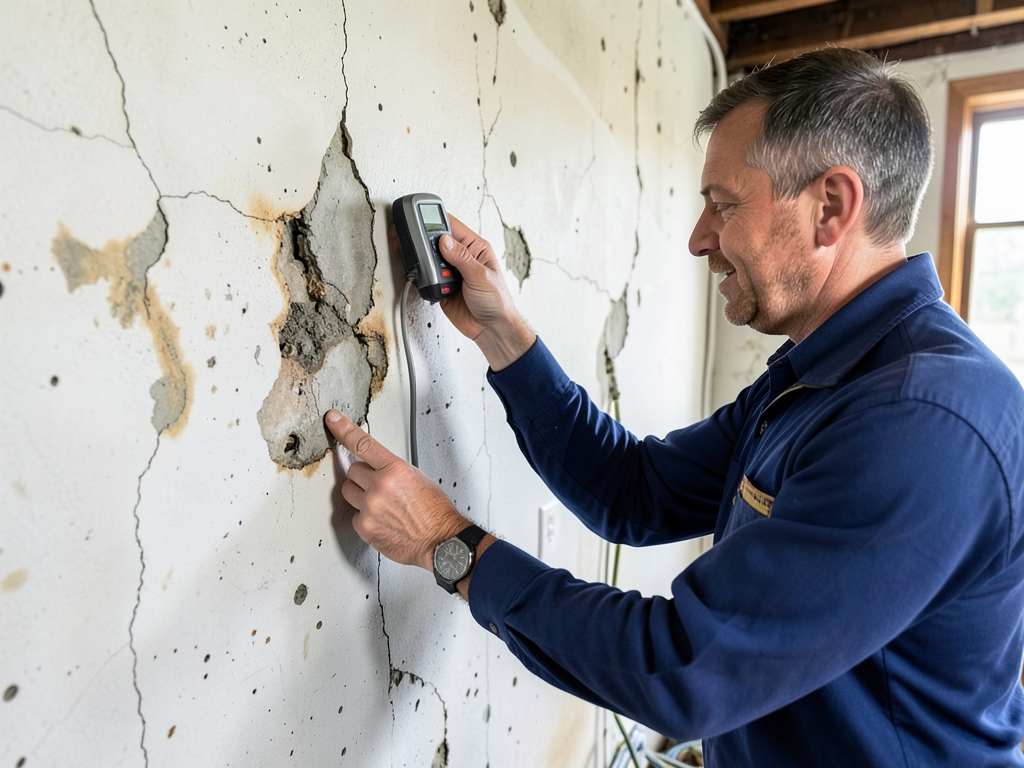
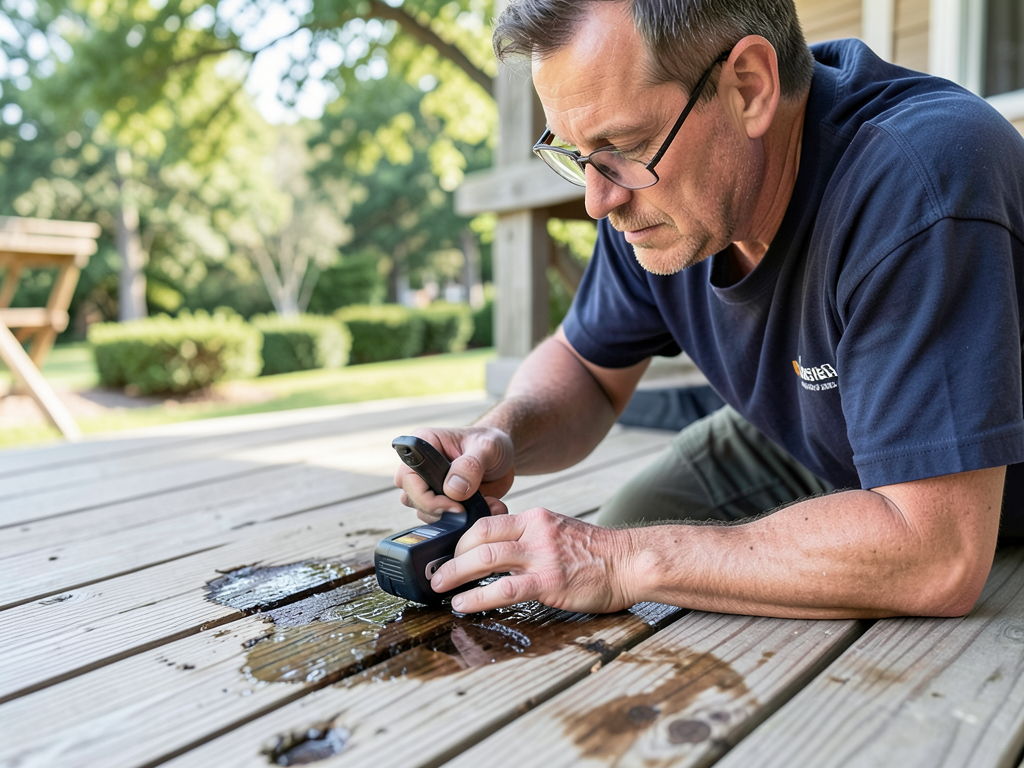
We document moisture readings using thermal imaging and penetrating meters. Even if subflooring appears dry on the surface, trapped moisture between layers creates ongoing contamination risk. Our drying protocol uses commercial dehumidifiers and air movers positioned for maximum vapor pressure differential.

For businesses, we coordinate with health departments and provide documentation required for reopening permits. We also work directly with insurance adjusters who understand the difference between clean water claims and Category 3 events. The scope and pricing are completely different. Proper sewage remediation requires specialized training, equipment, and disposal procedures that general contractors cannot legally perform in Massachusetts.

What Happens During Your Sewage Emergency Response

Sewage Backup Cleanup in Boston – 24/7 Emergency Response Teams Across Greater Boston
01

Immediate Containment and Extraction

We arrive within 60 minutes of your call, assess contamination spread, and begin emergency sewage removal. Technicians establish containment barriers to prevent cross-contamination, shut off affected plumbing if needed, and extract all standing sewage using industrial pumps. We photograph and document the extent of damage for insurance claims before any materials are removed.
02

Demolition and Disinfection

After extraction, we remove all porous materials that contacted sewage, including drywall, insulation, baseboards, and flooring. Non-porous surfaces receive antimicrobial treatment and pressure washing. We treat framing lumber and structural elements with penetrating disinfectants, then verify treatment effectiveness before proceeding. All waste goes into sealed biohazard containers for legal disposal per Massachusetts DEP regulations.
03

Structural Drying and Verification

We install commercial drying equipment and monitor moisture levels in structural materials until they reach acceptable thresholds. This prevents secondary mold growth and ensures safe reconstruction. Final clearance testing confirms no residual contamination remains. You receive detailed documentation showing moisture readings, antimicrobial application records, and disposal manifests proving proper hazardous waste handling. Only then does reconstruction begin.

Why Boston Properties Need Local Sewage Specialists

Sewage backup cleanup is not a DIY project, and it's not a job for general water damage companies. Massachusetts requires specific training and protocols for Category 3 contamination. We hold IICRC Applied Microbial Remediation certifications and follow ANSI standards for sewage remediation.

Boston's building stock demands local expertise. We know which triple-decker layouts share common plumbing stacks, where cast iron drains typically fail in brownstones, and how to access crawl spaces in South Boston row houses. We understand Boston Water and Sewer Commission procedures for reporting main backups versus building-side blockages. This knowledge determines liability and insurance coverage.

We also navigate Boston Inspectional Services requirements. Certain demolition scopes trigger permit requirements. We know which work requires licensed plumbers versus restoration technicians. Attempting unpermitted sewage cleanup in commercial spaces can result in violations that delay reopening and create legal liability.

Our response time matters because we station equipment locally. We're not dispatching from Worcester or Providence. When sewage floods your property at 2 AM, you need extraction pumps and containment supplies immediately, not in four hours.

Insurance processing is the other critical factor. We document everything to IICRC S500 standards, which adjusters recognize and accept. We provide detailed scope sheets separating emergency mitigation from reconstruction, preventing claim disputes. We also work with preferred vendor programs at major carriers, streamlining approval and payment.

First Choice Water Damage Restoration Boston has handled sewage emergencies in landmarks, multi-family buildings, restaurants, medical offices, and residential properties across every Boston neighborhood. We understand the urgency, the health risks, and the regulatory requirements. You need specialists, not generalists, when raw sewage enters your property.

What to Expect During Sewage Remediation

Response Time and Availability

We operate 24/7 with dedicated sewage emergency crews. When you call, you speak with a dispatcher who immediately deploys the nearest available team. We arrive within 60 minutes across greater Boston, including Cambridge, Somerville, Brookline, and inner suburbs. Our trucks carry extraction equipment, containment supplies, PPE, and antimicrobials. We begin work immediately upon arrival, not after returning to get equipment. Night and weekend response carries no surcharge. Sewage contamination is always an emergency requiring immediate action, regardless of when it occurs.

Assessment and Scope Development

During initial assessment, we identify the contamination source, map the affected area, and determine which materials require removal versus treatment. We use moisture meters and thermal imaging to find hidden saturation in walls and subfloors. You receive a detailed scope of work explaining what we will remove, what we will treat, and why. We also provide insurance documentation including photos, moisture readings, and cause-of-loss analysis. Our goal is transparent communication about what's necessary, not upselling unnecessary services. You understand exactly what happens and why before work begins.

Final Conditions and Clearance

Completion means the structure is dry, disinfected, and safe for reconstruction. We do not consider a job complete until moisture readings meet industry thresholds and antimicrobial treatment has been verified. You receive a final report documenting moisture levels, disposal records, and treatment protocols. For commercial properties, we provide documentation required for health department clearance. The space will be ready for contractors to rebuild, or for your own reconstruction team. We coordinate timing with your general contractor to ensure seamless transition from remediation to rebuild.

Post-Remediation Support and Monitoring

After equipment removal, we remain available for moisture checks if reconstruction is delayed. We also provide documentation support if insurance questions arise during the rebuild phase. If you experience recurring backups, we can refer licensed plumbers who specialize in main line repairs and camera inspections. Our goal is complete resolution, not just temporary cleanup. Many sewage backups result from chronic plumbing issues that require permanent repair. We help you understand the underlying cause so you can prevent future incidents. You are not just a job number. We follow through until your property is fully restored and functioning safely.

Frequently Asked Questions

You Have Questions,
We Have Answers

How do you clean up after sewer back up? +

Professional sewage cleanup follows a strict protocol. First, stop the source and eliminate standing water using commercial-grade pumps. Next, remove all contaminated materials like carpet, drywall, and insulation that absorbed sewage. All surfaces get disinfected with EPA-registered antimicrobial agents targeting bacteria, viruses, and pathogens. High-powered air movers and dehumidifiers dry the structure completely to prevent mold growth. In Boston's older homes with tight crawl spaces, this process requires specialized equipment. Finally, technicians apply odor neutralizers and test surfaces to confirm sanitation. Never attempt this yourself. Sewage contains Category 3 contamination requiring professional-grade PPE and disposal protocols.

Is it safe to stay in a house with sewage backup? +

No. You should evacuate immediately. Raw sewage contains dangerous pathogens including E. coli, salmonella, hepatitis A, and parasites that cause severe illness. Airborne bacteria spread quickly through HVAC systems, especially in Boston's older homes with forced-air heating. Children, elderly residents, and anyone with compromised immunity face elevated risk. Sewage gases like hydrogen sulfide and methane create toxic conditions and explosion hazards. Contact with contaminated surfaces transfers bacteria to hands, food, and furnishings. Stay out until professionals complete decontamination and clearance testing. Even dried sewage remains hazardous. Find temporary housing and let certified technicians restore safety before returning.

How much does it cost to have a sewer clean out? +

Professional sewage cleanup costs vary based on contamination extent, affected square footage, and structural damage. Boston's aging infrastructure means backups often impact basements, crawl spaces, and finished living areas differently. Small bathroom backups affecting 100 square feet cost less than basement floods requiring wall removal and foundation work. Factors include water extraction volume, contaminated material disposal, antimicrobial treatment, structural drying time, and reconstruction needs. Many Boston homeowners discover their standard policy excludes sewer backup without specific endorsement. Get multiple estimates and verify the company uses IICRC-certified technicians. Emergency response companies provide free assessments and work directly with insurance adjusters.

How much does it cost to unclog sewage? +

Unclogging a sewer line differs from cleanup. Simple drain snaking for minor clogs costs less than hydro-jetting tree roots or repairing collapsed clay pipes common in Boston's older neighborhoods. Video camera inspection identifies the blockage location and cause. Main line stoppages require different equipment than branch line clogs. If sewage already backed up into your home, you need both plumbing repair and biohazard remediation. The plumber fixes the cause. The restoration company handles contamination. Many Boston properties have original cast iron or clay sewer laterals prone to failure. Address both issues simultaneously to prevent recurrence and protect your family from exposure.

How long do sewage bacteria last on surfaces? +

Sewage bacteria survive for days or weeks on porous surfaces without proper disinfection. E. coli remains viable for weeks in moist conditions. Salmonella persists for months in dried sewage residue. Boston's humid summers create ideal conditions for bacterial growth in contaminated building materials. Hard surfaces retain pathogens in microscopic crevices that household cleaners cannot reach. Porous materials like drywall, insulation, and subflooring absorb contamination deep into fibers where bacteria thrive indefinitely. This is why professionals remove affected materials rather than attempting surface cleaning. Only EPA-registered antimicrobial agents applied at proper concentrations eliminate sewage bacteria. Surface testing confirms decontamination before reconstruction begins.

Can I clean my sewer line myself? +

No. Attempting DIY sewer line cleaning risks health and property damage. You lack proper PPE to prevent pathogen exposure. Standard drain snakes push blockages deeper or damage old pipes. Hydro-jetting requires training to avoid rupturing weakened lines. Boston's century-old sewer laterals often contain brittle clay pipes or corroded cast iron that breaks easily. You cannot identify underlying problems without camera inspection equipment. More importantly, any sewage exposure inside your home requires professional biohazard remediation, not just plumbing repair. Licensed plumbers carry insurance and pull permits for sewer work. They coordinate with the Boston Water and Sewer Commission when lateral repairs affect public infrastructure.

Does homeowners insurance cover sewer back up? +

Standard homeowners insurance excludes sewer backup without specific endorsement. This optional coverage costs extra but protects against water entering through drains, toilets, or sump pumps. It typically covers cleanup, repairs, and belongings damaged by sewage. Boston's combined sewer system means heavy rain overwhelms capacity, forcing sewage back through floor drains. Without backup coverage, you pay all costs out of pocket. Review your policy declarations page for this endorsement. Many Boston homeowners add it after learning standard water damage coverage excludes below-grade backup. The endorsement usually caps at specific limits. Flood insurance through NEMA does not cover sewer backup either.

How long does it take to get sick from sewage exposure? +

Symptoms appear within hours to several days depending on the pathogen and exposure route. Gastrointestinal illness from E. coli or salmonella typically develops within 12 to 72 hours after contact. Respiratory infections from airborne bacteria show symptoms in 24 to 48 hours. Hepatitis A incubation ranges from 15 to 50 days. Direct skin contact causes infections faster than indirect exposure. Children who touch contaminated surfaces then put hands in mouths get sick quickest. Boston's older homes with poor ventilation concentrate airborne pathogens. Seek medical attention immediately if you develop fever, diarrhea, vomiting, or respiratory distress after sewage exposure. Inform doctors about the contamination for proper treatment.

What is the most common cause of sewer backup? +

Tree roots cause most residential sewer backups in Boston. Roots infiltrate joints and cracks in clay or cast iron laterals, creating blockages that trap debris. The city's mature tree canopy and aging infrastructure make this extremely common. Flushing wipes, grease, and feminine products also causes blockages. Boston's combined sewer system backs up during heavy rain when stormwater overwhelms capacity. Collapsed pipes from ground shifting, freezing, or age create sudden blockages. Many South Boston and Back Bay properties have original 100-year-old sewer lines prone to failure. Video inspection identifies the exact cause. Preventive maintenance including periodic cleaning extends sewer line life.

Why is my sewer bill 200 dollars? +

This question confuses sewage cleanup with municipal sewer bills. Your Boston Water and Sewer Commission bill covers wastewater treatment and infrastructure maintenance, not backup cleanup costs. Bills reflect water consumption, property size, and sewer system capacity fees. Boston charges some of the highest rates in Massachusetts due to harbor cleanup mandates and aging infrastructure repairs. High bills result from leaks, increased usage, or rate increases. Check your meter for accuracy and review consumption history. This has nothing to do with sewage backup cleanup costs, which insurance may cover with proper endorsement. Contact BWSC at 617-989-7000 for billing questions.

How Boston's Combined Sewer System Affects Sewage Backup Risk

Boston operates one of the oldest combined sewer systems in the country. Unlike modern separated systems, combined sewers carry both sanitary sewage and stormwater runoff through the same pipes. During heavy rain events, particularly spring nor'easters or tropical systems, the volume overwhelms treatment capacity. The system discharges excess flow into the harbor through permitted outfalls, but it also surcharges backward into lower-lying properties. Basement floor drains and toilet backups surge during these events, particularly in neighborhoods near the harbor like Charlestown, East Boston, and South Boston. The BWSC has upgraded sections of the system, but older areas remain vulnerable. Property owners need emergency sewage removal services ready to respond during weather events, not days later when availability disappears.

Sewage remediation in Boston requires understanding local code enforcement and health regulations. Boston Inspectional Services mandates permits for certain demolition scopes, even in emergencies. The Boston Public Health Commission has authority over contamination incidents affecting multi-family buildings or commercial spaces. We maintain relationships with both departments and understand documentation requirements. Using a restoration company familiar with local procedures prevents compliance issues that delay insurance payment or create legal exposure. Our technicians hold Massachusetts-specific certifications and follow protocols recognized by local adjusters and code officials. This local expertise protects you from the complications that occur when out-of-area companies attempt to navigate Boston's regulatory environment.
Water Damage Restoration Services in The Boston Area

You can see our service area and our location on the map below. We are proud to serve the entire Boston area and surrounding communities. We're always ready to dispatch our team to your home or business, no matter where you are. We’re committed to a fast, reliable response and ensuring we’re always there when you need us most.

Address:
First Choice Water Damage Restoration Boston, 44 School St., Boston, MA, 02108

Additional Services We Offer

Our news updates

Latest Articles & News from The Blogs

Professional Water Damage Restoration for Retail Stores in Harvard Square Harvard Square retail stores face unique water damage risks from…

Professional Water Damage Restoration for Retail Stores in Harvard Square

Professional Water Damage Restoration for Retail Stores in Harvard Square Harvard Square retail stores face unique water damage risks from…

How to Dry Out a Damp Crawl Space in Your Belmont Home (And Stop the Smell)

How to Dry Out a Damp Crawl Space in Your Belmont Home (And Stop the Smell) Musty odors creeping up…

Emergency Dishwasher Leak Cleanup for Busy Kitchens in Arlington

Emergency Dishwasher Leak Cleanup for Busy Kitchens in Arlington Did you walk into your kitchen and find water pooling around…

Contact Us

Sewage contamination worsens every hour. Call First Choice Water Damage Restoration Boston now at (617) 789-8099 for immediate dispatch. We answer 24/7, deploy within 60 minutes, and begin containment immediately. Do not wait. Protect your property and your health.