



Quincy sits on a peninsula surrounded by Quincy Bay, Boston Harbor, and multiple tidal inlets. This coastal location creates persistent humidity that slows drying and accelerates mold growth after water events. The city's housing stock includes thousands of older multi-family homes with original plumbing, cast iron pipes, and outdated drainage systems prone to failure.
Winter freeze-thaw cycles crack foundations and burst pipes in unheated areas. When temperatures drop below freezing, water expands inside pipes, creating pressure that splits copper and PVC lines. Spring thaw floods basements through foundation cracks widened by ice expansion. Quincy's proximity to the ocean means nor'easters drive rain horizontally into siding, windows, and roof penetrations.
The soil composition in neighborhoods like Wollaston and Merrymount includes clay deposits that hold water against foundations. Poor grading around older homes sends rainwater toward basements instead of away. Storm drains in Quincy's dense residential areas often overflow during heavy rain, backing up into street-level properties. These local factors make water damage more frequent and more severe than inland communities face.
We built our reputation responding to Quincy's toughest water emergencies at 2 AM on holidays when other companies don't answer. Our dispatch operates around the clock because water damage doesn't respect business hours. When you call (617) 789-8099, you reach a live person who sends a certified crew to your property within one hour, not a recording that promises a callback tomorrow.
Our technicians carry industrial extraction equipment and commercial dehumidifiers on every truck. We don't need to schedule a second visit to bring the right tools. We start water removal the moment we arrive, placing air movers and dehumidifiers based on moisture meter readings, not guesswork. This immediate response prevents the mold colonization that begins within 24 to 48 hours of water exposure.
We photograph and document every stage of restoration for insurance purposes. Our reports include moisture readings, equipment placement diagrams, and daily progress photos that adjusters need to process claims quickly. We communicate directly with your insurance company to explain scope, answer technical questions, and justify necessary procedures. This documentation has helped Quincy clients recover thousands in claims that might otherwise face denial.
First Choice operates as a full-service restoration contractor, not just a water extraction company. We remove damaged materials, dry structural components, treat for microbial growth, and rebuild affected areas. You work with one team from emergency call through final reconstruction, eliminating coordination headaches between multiple contractors. We return your property to pre-loss condition under one contract with one point of contact.

Our Quincy response teams reach your property within one hour of your emergency call, day or night. Fast response stops water from spreading through walls, under flooring, and into insulation. We begin extraction immediately, preventing the secondary damage that multiplies costs when water sits for hours waiting for contractors to arrive.

We handle documentation and communication with your insurance adjuster from first call through claim settlement. Our detailed moisture mapping, photo documentation, and equipment logs give adjusters the technical evidence they need to approve claims. We speak the language of insurance restoration, eliminating confusion and speeding your claim payment.
Every technician on our crews holds current certification from the Institute of Inspection Cleaning and Restoration Certification. These credentials prove technical competency in water extraction, structural drying, and microbial remediation. IICRC standards guide our moisture measurement protocols, equipment placement, and drying verification processes that protect your property.
We understand how salt air, coastal humidity, and tidal flooding create unique restoration challenges in Quincy. Our drying protocols account for ambient moisture that slows evaporation near the harbor. We treat for the specific mold species that thrive in coastal environments. This local knowledge prevents the mistakes that out-of-area contractors make.
First Choice provides the full spectrum of water damage restoration services Quincy property owners need. We handle everything from initial emergency water removal through final reconstruction and contents restoration. Our service range covers residential homes, multi-family buildings, commercial properties, and institutional facilities throughout Quincy and surrounding communities.
Water damage restoration divides into three critical phases. Emergency mitigation stops active damage and prevents loss from spreading. Structural restoration dries building materials and treats contamination. Reconstruction rebuilds damaged areas to pre-loss condition. Most restoration companies specialize in one phase and subcontract the others. We maintain in-house capability across all three phases, giving you continuity from emergency call through completion.
Our equipment inventory includes truck-mounted extraction systems that remove thousands of gallons per hour, commercial dehumidifiers that process high-volume moisture loads, and thermal imaging cameras that detect hidden water behind walls. We deploy the right equipment for your specific situation, whether that's a small bathroom leak or a flooded basement. The following service categories represent our core restoration capabilities.
Emergency mitigation means stopping water damage in progress. We extract standing water using truck-mounted pumps and portable extraction units. We remove wet contents to prevent permanent damage and create access for drying equipment. We place air movers and dehumidifiers based on moisture meter readings to begin structural drying. This immediate intervention prevents the mold growth, wood swelling, and material delamination that occur when water sits for days. Emergency mitigation protects your property value and reduces total restoration costs by stopping damage progression.
Structural drying removes moisture trapped inside walls, floors, and ceilings using commercial dehumidifiers and focused airflow. We monitor moisture levels daily with penetrating and non-invasive meters, adjusting equipment placement until materials return to dry standard. This process typically takes three to seven days depending on materials affected and ambient conditions. Proper structural drying prevents rot, mold colonization, and structural weakening that destroy property value. We don't remove equipment until independent moisture readings confirm complete drying, eliminating callbacks for mold issues.
Reconstruction rebuilds areas where we removed damaged materials that couldn't be saved. We install new drywall, flooring, baseboards, and trim to match existing finishes. Our crews handle everything from simple drywall patches to complete room rebuilds including plumbing and electrical work. Reconstruction happens after structural drying confirms no hidden moisture remains. Using one contractor for both restoration and reconstruction eliminates finger-pointing about who caused what damage. We guarantee our reconstruction work will match pre-loss condition and pass final inspection.
Quincy's coastal location and aging housing stock create specific water damage patterns we respond to daily. Understanding these common scenarios helps property owners recognize warning signs and respond quickly when problems strike. Early detection and immediate professional response dramatically reduce total damage and restoration costs.
Burst pipes during winter cold snaps represent our highest call volume from December through March. Frozen pipes in exterior walls, unheated basements, and crawl spaces burst when ice thaws, flooding properties with hundreds of gallons. Sewer backups during heavy rain affect street-level properties when storm drains overflow. Roof leaks around chimneys and valleys go undetected until water stains appear on ceilings. Appliance failures from washing machines, water heaters, and dishwashers flood kitchens and laundry rooms. Each scenario requires specific restoration protocols based on water source, contamination level, and materials affected.
Quincy's sub-freezing winter temperatures freeze water inside pipes running through exterior walls and unheated spaces. When ice thaws, split pipes release hundreds of gallons into wall cavities, flooding multiple rooms. We extract water from inside walls using specialized injection ports and dry structural framing before replacing damaged drywall. Immediate response prevents ice dam formation and secondary freezing damage.
Heavy rain overwhelms Quincy's storm drainage system, backing water into basements through floor drains and foundation cracks. Coastal storm surge during nor'easters raises groundwater tables, forcing water through foundation walls. We pump out standing water, dry concrete and framing materials, and treat for contamination since storm water carries bacteria. Proper drying prevents efflorescence and mold growth on basement surfaces.
Wind-driven rain penetrates aging roof systems around chimneys, skylights, and valley flashings. Water travels along rafters before dripping through ceiling insulation and drywall. By the time stains appear, significant hidden damage exists above the ceiling plane. We remove wet insulation, dry ceiling joists and roof decking, and replace damaged materials. Thermal imaging detects moisture spread beyond visible staining.
Washing machine hoses, water heater connections, and dishwasher supply lines fail without warning, flooding kitchens and laundry rooms. Braided steel lines crack from age and pressure cycling. We extract water that flows under cabinets and into adjacent rooms, removing baseboards to dry wall cavities. Hardwood floors often require specialized drying mats to prevent cupping and crowning from moisture absorption.
We understand that water damage creates chaos and stress. You're dealing with property damage, potential displacement, insurance questions, and uncertainty about costs and timelines. Our job is to eliminate that uncertainty by providing clear communication, predictable processes, and reliable execution from first contact through project completion.
When you call our emergency line, you speak with a trained dispatcher who asks specific questions about your situation. We need to know the water source, approximate volume, what materials are wet, and how long water has been present. This information determines equipment needs and crew size. We provide an honest arrival time and call if anything changes. Once on site, our crew supervisor walks you through exactly what will happen over the next hours and days. You'll know what to expect, how long each phase takes, and what decisions you need to make. The following three commitments guide every restoration project we handle.
You receive daily updates on drying progress, equipment changes, and timeline adjustments. Our project manager provides a direct cell number for questions that arise between scheduled updates. We explain technical terms in plain language and show you moisture readings that justify our recommendations. You'll understand why we place equipment where we do, why certain materials must be removed, and what alternatives exist for reconstruction. This transparency eliminates surprises and helps you make informed decisions about your property.
We photograph conditions before we move anything, document all equipment placement and moisture readings, and maintain detailed daily logs. These records become your evidence package for insurance claims. We write estimates in Xactimate software that adjusters use, eliminating disputes about line items and pricing. Our documentation has helped Quincy clients recover full claim value by providing the technical proof adjusters require. We've worked with every major insurance carrier and understand their specific documentation requirements and approval processes.
We don't consider a project complete until final moisture readings confirm dry standard and you approve all reconstruction work. Our crews follow IICRC standards for structural drying and EPA guidelines for microbial remediation. Reconstruction work matches existing finishes and passes local building inspections. We warranty our work against defects and moisture-related callbacks. If you discover issues after we leave, we return to make things right. This commitment to quality protects your property value and eliminates recurring problems.
Every water damage restoration follows a predictable sequence of activities. We've refined this process through thousands of Quincy projects to eliminate wasted time and prevent mistakes that cause callbacks.
Within one hour of your call, our crew arrives with truck-mounted extraction equipment and commercial dehumidifiers. We stop the water source if possible, extract standing water, and move contents to dry areas. Our technician maps moisture using electronic meters, documents conditions with photos, and explains what needs to happen next. You receive a written scope of work before we proceed beyond emergency stabilization. This assessment typically takes 30 to 60 minutes and establishes the foundation for insurance documentation.
We place air movers and dehumidifiers based on moisture readings and building materials affected. Equipment runs continuously while our technicians visit daily to record moisture levels, adjust airflow, and add or remove equipment as conditions change. This phase takes three to seven days depending on materials and saturation levels. We remove damaged materials that can't be saved, treat for microbial growth, and apply antimicrobial solutions to affected surfaces. Drying continues until independent moisture readings match unaffected areas.
After confirming complete drying, our reconstruction crew rebuilds removed materials to match existing finishes. We install new drywall, flooring, trim, and paint to restore pre-loss appearance. Reconstruction timeline depends on project scope but typically completes within five to ten business days for residential projects. You conduct a final walkthrough with our project manager to verify all work meets expectations. We address any concerns before requesting final payment and closing your project file.
Professional water damage restoration follows scientific principles established by the Institute of Inspection Cleaning and Restoration Certification. IICRC Standard S500 defines the protocols for water damage mitigation including contamination categories, material classifications, and drying goals. These standards protect property owners from incomplete drying that causes mold growth and structural damage after contractors leave.
Water is categorized by contamination level. Category 1 water comes from sanitary sources like supply lines and poses minimal health risk. Category 2 water contains chemical or biological contamination from sources like washing machine discharge. Category 3 water is grossly contaminated from sewage backups and storm flooding. Restoration protocols change based on category, with Category 3 requiring complete removal of porous materials and antimicrobial treatment of structural components.
Materials are classified by porosity and drying difficulty. Class 1 involves minimal moisture absorption in materials with low porosity. Class 4 represents specialty drying situations like hardwood floors, plaster, and stone that require extended drying time. Our equipment placement and monitoring frequency adjust based on material class to ensure complete moisture removal.
Psychrometry measures the relationship between temperature, humidity, and moisture-holding capacity of air. We use psychrometric calculations to determine dehumidifier capacity and air movement needed for specific drying conditions. Grain depression, the difference between indoor and outdoor moisture levels, determines drying efficiency. In coastal Quincy, high ambient humidity slows drying, requiring more aggressive dehumidification than inland locations need.
We measure moisture using both penetrating and non-invasive meters. Penetrating pin meters measure moisture content inside materials by measuring electrical resistance. Non-invasive meters detect moisture through surfaces without creating holes. We compare readings from affected areas to unaffected reference areas to establish drying goals. Materials must reach moisture content within 10 percent of unaffected areas before we consider drying complete.
Massachusetts building code requires proper ventilation and moisture control to prevent mold growth. We follow EPA mold remediation guidelines when contamination exists, containing work areas and using HEPA filtration during material removal. Our protocols exceed minimum standards to protect occupant health and prevent recurring mold issues that destroy property value.
The IICRC S500 Standard and Reference Guide for Professional Water Damage Restoration establishes scientifically-based protocols for assessment, equipment placement, and verification of drying. We follow S500 moisture mapping procedures, contamination classifications, and documentation requirements. This industry standard ensures consistent, effective restoration regardless of which certified contractor you hire. Our technicians maintain current IICRC certification demonstrating competency in these technical standards.
Water damage restoration costs depend on water volume, contamination category, materials affected, and how quickly response occurs. Category 3 sewage contamination requires complete removal of porous materials, increasing costs significantly. Hardwood floors and plaster walls need specialty drying that takes longer than drywall and carpet. Delayed response allows water to spread and mold to colonize, multiplying damage scope. Emergency response within hours costs less than remediation that starts days later after severe secondary damage develops.
Structural drying typically requires three to seven days of continuous dehumidification and air movement. Quincy's coastal humidity extends drying time compared to inland locations because ambient moisture slows evaporation. Hardwood floors may need two weeks with specialized drying mats to prevent permanent damage. We monitor moisture daily and adjust equipment based on readings, not arbitrary timelines. Rushing drying causes incomplete moisture removal that leads to mold growth and material failure after we leave.
Massachusetts requires contractors performing water damage restoration to carry general liability insurance and workers compensation coverage. Our company maintains commercial general liability covering property damage and completed operations. This insurance protects you if our work causes additional damage or if an employee is injured on your property. We provide certificates of insurance to property owners and insurance companies documenting current coverage. Never hire restoration contractors who can't provide proof of insurance.
Educational video explaining professional water damage restoration processes for Quincy, Massachusetts properties. Covers emergency water extraction, structural drying protocols using commercial dehumidifiers and air movers, moisture monitoring procedures, and reconstruction phases. Discusses how coastal humidity affects drying timelines, IICRC S500 standards for water damage mitigation, and contamination categories that determine restoration protocols. Explains common water damage scenarios in Quincy including frozen pipe bursts, basement flooding, and roof leaks.
First Choice Water Damage Restoration Boston serves the entire city of Quincy including all neighborhoods from the coastline to the western residential areas. We maintain rapid response capability throughout Norfolk County and respond to properties along the Red Line corridor from North Quincy through Wollaston and Quincy Center down to Quincy Adams.
Our crews know the unique characteristics of Quincy's diverse neighborhoods. Marina Bay's waterfront properties face direct coastal storm exposure and salt air that accelerates corrosion. The luxury condominiums and townhomes in this planned community often experience flooding from underground parking areas when storm surge pushes water through drainage systems. We've restored dozens of Marina Bay units and understand the construction methods and materials used in these newer buildings.
Wollaston Beach and the surrounding streets feature older multi-family homes built on fill near the ocean. These properties sit close to sea level and experience basement flooding during high tides combined with heavy rain. The triple-deckers common to Wollaston often have original plumbing systems from the 1920s that fail without warning. We've worked extensively in this neighborhood and maintain relationships with local property managers who trust our emergency response.
Quincy Center's commercial district includes retail stores, restaurants, and offices in historic buildings with aging infrastructure. Burst pipes in upper floors flood multiple tenant spaces below, creating complex restoration projects that require careful coordination. We understand commercial restoration timelines and work overnight to minimize business interruption. Our insurance documentation helps commercial property owners recover costs from responsible parties.
West Quincy neighborhoods like Germantown and Houghs Neck include single-family homes on larger lots with varied topography. Poor grading and foundation drainage issues cause recurring basement moisture problems. We've addressed chronic water intrusion in these areas by coordinating with foundation specialists and landscapers to fix underlying causes, not just symptoms.
Merrymount and Adams Shore feature mid-century ranch homes on slabs and raised foundations. These neighborhoods sit at higher elevations but still experience water damage from roof leaks, appliance failures, and plumbing problems. The proximity to Route 3 and I-93 means we can reach these southern Quincy neighborhoods quickly from our dispatch location.
We also serve properties in neighboring communities including Braintree, Weymouth, Milton, and Dorchester. Our service area extends throughout Boston's South Shore wherever property owners need immediate water damage response. Whether you're in a historic triple-decker near Wollaston Station or a waterfront condo at Marina Bay, First Choice provides the same rapid response and quality restoration.
Water damage restoration in Quincy MA typically takes 3 to 7 days for most residential projects. Simple situations like a burst pipe affecting one room take 2 to 3 days. Extensive flooding involving multiple floors needs 5 to 10 days. The timeline depends on the water source, affected area size, and materials involved. Carpet and drywall dry faster than hardwood floors or plaster walls. Your restoration company will assess your specific situation and provide a timeline after the initial inspection.
Water damage restoration expenses in Quincy vary based on the damage extent and water source. Small incidents affecting one room cost less than whole-home flooding. Clean water from supply lines requires less treatment than contaminated water from sewage backups. Factors affecting your total include the affected square footage, materials damaged, necessary equipment, and restoration duration. Most Quincy restoration companies provide free inspections and detailed estimates. Contact multiple companies to compare quotes and services before making your decision.
Most homeowners insurance policies in Quincy MA cover sudden and accidental water damage. This includes burst pipes, appliance malfunctions, and roof leaks from storms. Policies typically exclude gradual damage from neglected maintenance or flooding from external sources. Flood damage requires separate flood insurance through the National Flood Insurance Program. Review your policy details and contact your insurance agent immediately after discovering water damage. Document everything with photos and save all receipts for temporary repairs.
Water damage restoration in Quincy MA typically takes 3 to 7 days for most residential projects. Simple situations like a burst pipe affecting one room take 2 to 3 days. Extensive flooding involving multiple floors needs 5 to 10 days. The timeline depends on the water source, affected area size, and materials involved. Carpet and drywall dry faster than hardwood floors or plaster walls. Your restoration company will assess your specific situation and provide a timeline after the initial inspection.
Water damage restoration expenses in Quincy vary based on the damage extent and water source. Small incidents affecting one room cost less than whole-home flooding. Clean water from supply lines requires less treatment than contaminated water from sewage backups. Factors affecting your total include the affected square footage, materials damaged, necessary equipment, and restoration duration. Most Quincy restoration companies provide free inspections and detailed estimates. Contact multiple companies to compare quotes and services before making your decision.
Most homeowners insurance policies in Quincy MA cover sudden and accidental water damage. This includes burst pipes, appliance malfunctions, and roof leaks from storms. Policies typically exclude gradual damage from neglected maintenance or flooding from external sources. Flood damage requires separate flood insurance through the National Flood Insurance Program. Review your policy details and contact your insurance agent immediately after discovering water damage. Document everything with photos and save all receipts for temporary repairs.
Call a water damage restoration company in Quincy within the first hour of discovering water damage. Water spreads rapidly through your home and causes more damage each hour. Mold begins growing within 24 to 48 hours in wet conditions. Quick action prevents structural damage, reduces restoration time, and lowers overall expenses. Most restoration companies offer 24/7 emergency response. While you wait for help, shut off the water source if safe and move valuables to dry areas.
Staying in your Quincy home during water damage restoration depends on the damage severity and affected areas. Minor damage confined to one room often allows you to stay. Extensive damage affecting multiple rooms, electrical systems, or creating safety hazards requires temporary relocation. Mold growth, sewage contamination, or structural instability make your home unsafe. Your restoration company will assess conditions and recommend the safest option. Some insurance policies cover temporary housing expenses during major restoration projects.
Water damage restoration in Quincy MA follows a systematic process. First, technicians inspect your property and assess the damage extent. They extract standing water using pumps and vacuums. Next, they set up industrial dehumidifiers and air movers to dry affected areas. Technicians monitor moisture levels daily until materials reach normal readings. They remove unsalvageable materials like soaked drywall or carpet. Finally, they clean and sanitize all affected surfaces. Restoration includes repairs to return your home to pre-damage condition.
Choose a water damage restoration company in Quincy with proper certifications from the Institute of Inspection, Cleaning and Restoration Certification. Check online reviews on Google and the Better Business Bureau. Ask for references from recent Quincy customers. Verify they offer 24/7 emergency response and use professional equipment. Request a detailed written estimate before work begins. Select a company experienced with insurance claims if you plan to file. Local companies familiar with Quincy properties respond faster and understand regional water damage challenges.
Waiting to fix water damage in your Quincy home creates serious problems. Mold grows within 24 to 48 hours and spreads throughout your home. Wood floors warp and buckle as moisture penetrates deeper. Drywall absorbs water and crumbles, requiring complete replacement. Metal fixtures and appliances rust and corrode. Electrical systems become fire hazards when exposed to moisture. Structural damage worsens as wood beams rot and weaken. Your restoration expenses increase significantly with each passing day. Act immediately to protect your home and health.
Most water damage restoration companies in Quincy work directly with insurance companies. They document damage with photos and detailed reports for your claim. Many companies submit estimates and communicate with adjusters on your behalf. This simplifies the claims process and reduces your stress. Experienced restoration companies understand what insurance policies typically cover. They help you navigate paperwork and advocate for fair settlements. Ask your restoration company about their insurance experience before hiring them. You remain responsible for your deductible and any uncovered expenses.
Restoration companies dry flooded Quincy basements using a multi-step approach. They first extract standing water with powerful pumps and truck-mounted vacuums. Industrial dehumidifiers remove moisture from the air and materials. Air movers create airflow to speed evaporation from walls, floors, and belongings. Technicians monitor moisture levels in concrete, drywall, and wood using specialized meters. They adjust equipment placement as areas dry. Antimicrobial treatments prevent mold growth. The process typically takes 3 to 7 days depending on water depth and basement materials.
Call a water damage restoration company in Quincy within the first hour of discovering water damage. Water spreads rapidly through your home and causes more damage each hour. Mold begins growing within 24 to 48 hours in wet conditions. Quick action prevents structural damage, reduces restoration time, and lowers overall expenses. Most restoration companies offer 24/7 emergency response. While you wait for help, shut off the water source if safe and move valuables to dry areas.
Staying in your Quincy home during water damage restoration depends on the damage severity and affected areas. Minor damage confined to one room often allows you to stay. Extensive damage affecting multiple rooms, electrical systems, or creating safety hazards requires temporary relocation. Mold growth, sewage contamination, or structural instability make your home unsafe. Your restoration company will assess conditions and recommend the safest option. Some insurance policies cover temporary housing expenses during major restoration projects.
Water damage restoration in Quincy MA follows a systematic process. First, technicians inspect your property and assess the damage extent. They extract standing water using pumps and vacuums. Next, they set up industrial dehumidifiers and air movers to dry affected areas. Technicians monitor moisture levels daily until materials reach normal readings. They remove unsalvageable materials like soaked drywall or carpet. Finally, they clean and sanitize all affected surfaces. Restoration includes repairs to return your home to pre-damage condition.
Choose a water damage restoration company in Quincy with proper certifications from the Institute of Inspection, Cleaning and Restoration Certification. Check online reviews on Google and the Better Business Bureau. Ask for references from recent Quincy customers. Verify they offer 24/7 emergency response and use professional equipment. Request a detailed written estimate before work begins. Select a company experienced with insurance claims if you plan to file. Local companies familiar with Quincy properties respond faster and understand regional water damage challenges.
Waiting to fix water damage in your Quincy home creates serious problems. Mold grows within 24 to 48 hours and spreads throughout your home. Wood floors warp and buckle as moisture penetrates deeper. Drywall absorbs water and crumbles, requiring complete replacement. Metal fixtures and appliances rust and corrode. Electrical systems become fire hazards when exposed to moisture. Structural damage worsens as wood beams rot and weaken. Your restoration expenses increase significantly with each passing day. Act immediately to protect your home and health.
Most water damage restoration companies in Quincy work directly with insurance companies. They document damage with photos and detailed reports for your claim. Many companies submit estimates and communicate with adjusters on your behalf. This simplifies the claims process and reduces your stress. Experienced restoration companies understand what insurance policies typically cover. They help you navigate paperwork and advocate for fair settlements. Ask your restoration company about their insurance experience before hiring them. You remain responsible for your deductible and any uncovered expenses.
Restoration companies dry flooded Quincy basements using a multi-step approach. They first extract standing water with powerful pumps and truck-mounted vacuums. Industrial dehumidifiers remove moisture from the air and materials. Air movers create airflow to speed evaporation from walls, floors, and belongings. Technicians monitor moisture levels in concrete, drywall, and wood using specialized meters. They adjust equipment placement as areas dry. Antimicrobial treatments prevent mold growth. The process typically takes 3 to 7 days depending on water depth and basement materials.
You can see our service area and our location on the map below. We are proud to serve the entire Boston area and surrounding communities. We're always ready to dispatch our team to your home or business, no matter where you are. We’re committed to a fast, reliable response and ensuring we’re always there when you need us most.
Address:
Quincy, MA, 2170
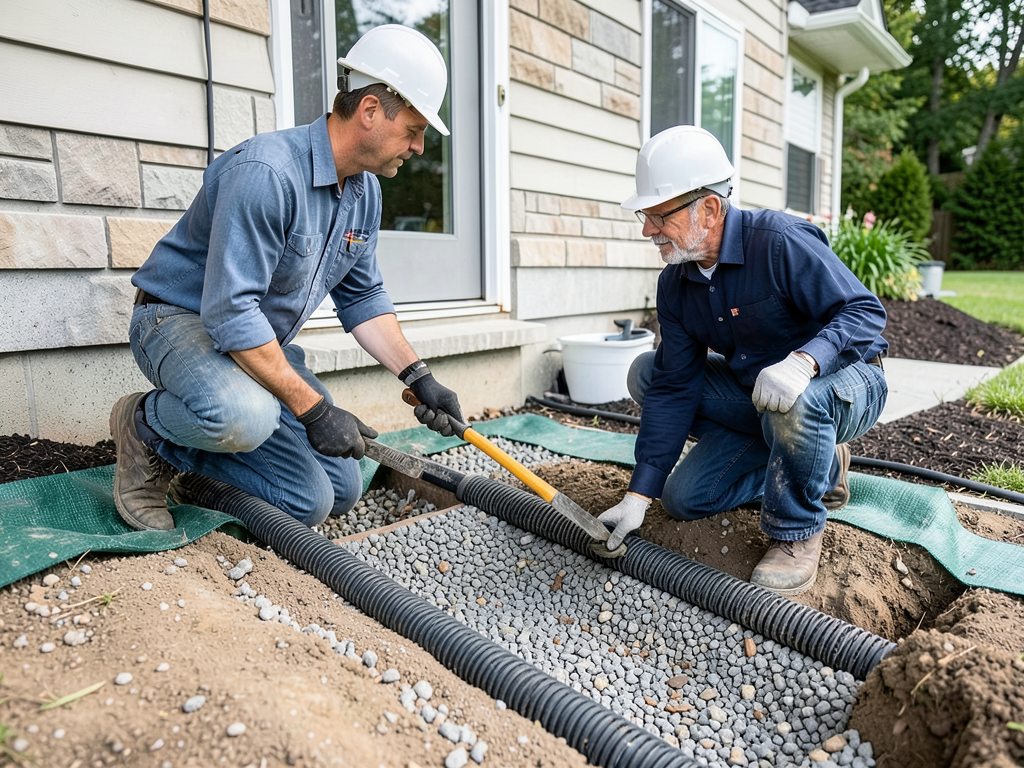
Using Smart Landscaping to Keep Surface Water Away from Your Concord Foundation Your Concord home sits on land shaped by ancient glaciers and fed by seasonal rains. Every year, snowmelt from the Middlesex County watershed…
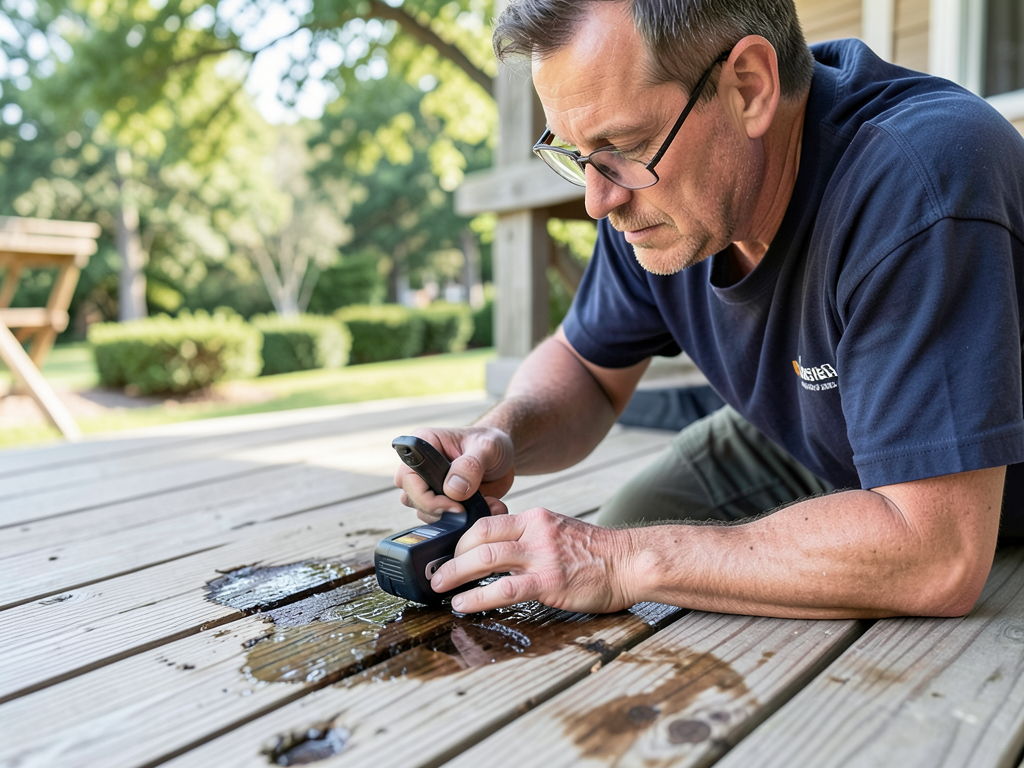
How to Find a Hidden Water Leak Under Your Marblehead Outdoor Deck Living in Marblehead…

When a pipe bursts in your Chestnut Hill home the damage goes far beyond soaked…
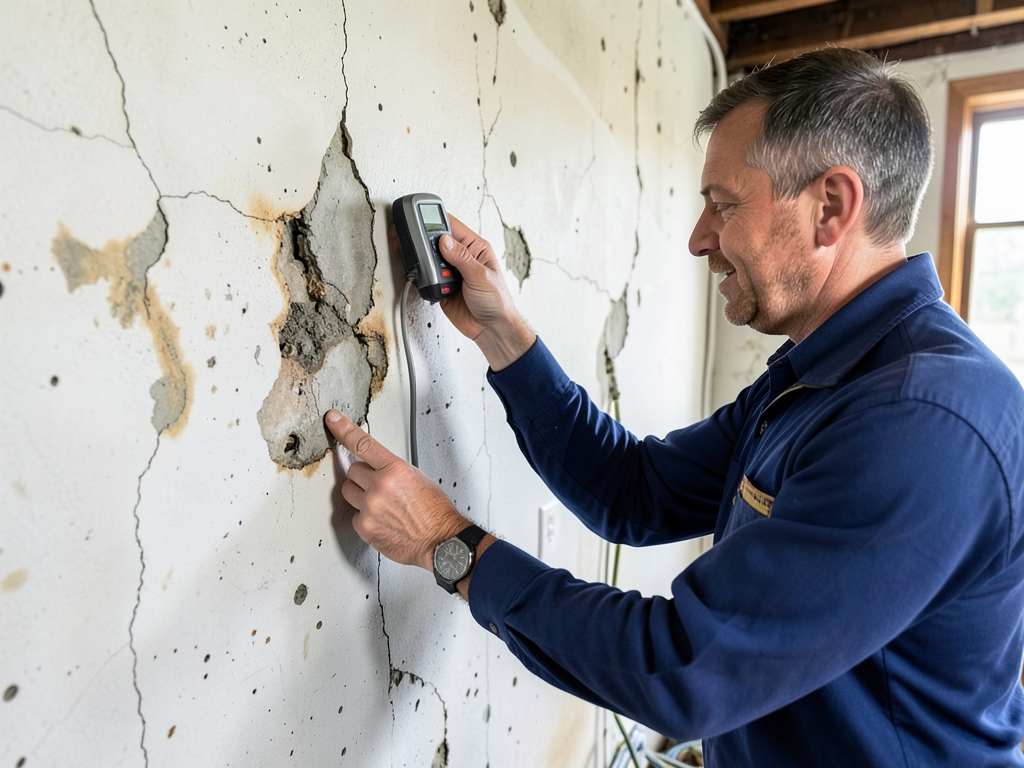
Preparing Your Inland Needham Home for Hurricane Season Flooding Living in Needham means enjoying quiet…
Every hour water sits causes additional damage and increases restoration costs. First Choice Water Damage Restoration Boston responds to Quincy emergencies 24 hours a day, 365 days a year. Call (617) 789-8099 now for immediate dispatch.