



Boston's water damage profile is brutal. The city sits on filled tidal flats and clay soil that shifts with freeze-thaw cycles, cracking foundation walls and creating pathways for groundwater intrusion. Winter temperatures swing from single digits to above freezing multiple times per season, causing pipes to expand and contract until they burst. Historic buildings in neighborhoods like Beacon Hill and the North End feature cast iron plumbing installed before World War II, corroded and ready to fail without warning.
The Charles River basin and Boston Harbor create persistent humidity that accelerates mold growth after water events. Massachusetts building codes require specific moisture barriers and vapor retarders, but older structures were built before these standards existed. Triple-decker apartments common in Roxbury, Jamaica Plain, and Allston stack water damage vertically, one unit's ceiling leak becomes the floor problem below. Nor'easters deliver horizontal rain that penetrates brick mortar joints weakened by salt air exposure.
Boston's dense urban layout means water damage spreads differently than suburban properties. Shared walls in South Boston row houses and Charlestown townhomes create hidden moisture migration between units. The city's aging infrastructure brings sewer backups during heavy rain events, particularly in low-lying areas near Fort Point Channel and the Muddy River. Quick response matters because water damage here compounds fast.
We've been responding to water emergencies across Boston since 2008, building relationships with property managers, insurance adjusters, and homeowners who know we show up ready to work. Our crews are IICRC-certified in water damage restoration and applied structural drying, trained specifically on the construction methods common to Boston's building stock. We understand how water behaves in brick row houses versus wood-frame triple-deckers, how to access crawl spaces in South End brownstones, and how to protect hardwood floors during extraction.
First Choice operates multiple response vehicles stationed strategically across Boston neighborhoods, cutting our arrival time to under an hour for most calls. We maintain relationships with every major insurance carrier doing business in Massachusetts, understand their documentation requirements, and communicate directly with adjusters to streamline your claim process. You get one point of contact who manages the entire project from emergency mitigation through final reconstruction.
Our equipment inventory includes truck-mounted extraction units powerful enough to remove standing water from commercial spaces, low-grain refrigerant dehumidifiers that work in Boston's variable temperatures, and thermal imaging cameras that detect hidden moisture in walls and ceilings. We don't subcontract the work. Every technician on your property is a First Choice employee who's been background checked and trained to our standards.
We price jobs fairly and transparently. You receive a detailed estimate before work begins, with line items broken out so you understand exactly what you're paying for. Emergency mitigation starts immediately to prevent additional damage, then we develop a comprehensive restoration plan. Most insurance policies cover water damage remediation when you act fast, and we help document everything your carrier needs to process the claim efficiently.

We dispatch crews within 60 minutes across Boston neighborhoods, day or night. Our response vehicles carry industrial extraction equipment, air movers, and dehumidifiers to start mitigation immediately. Fast response stops secondary damage and reduces overall restoration costs by preventing mold growth and structural deterioration.

We work directly with your insurance company, providing the documentation and communication adjusters need to process claims quickly. Our estimators use Xactimate software that matches carrier pricing standards, and we handle the paperwork so you don't fight with your insurance company during an already stressful situation.
Every restoration technician holds current IICRC certification in water damage restoration and applied structural drying. They follow industry protocols for moisture mapping, equipment placement, and drying verification. This certification matters because improper drying leads to mold growth, structural damage, and failed insurance claims down the line.
We understand how Boston's unique building types respond to water damage. Brick row houses require different drying strategies than wood-frame structures. Historic properties need careful handling to preserve original materials. Our crews know how to access tight spaces in older buildings and protect architectural details during the restoration process.
Water damage restoration breaks down into three critical phases, each requiring different equipment and expertise. First Choice handles the complete scope from emergency water removal through final reconstruction, so you work with one company instead of coordinating multiple contractors. Our approach follows IICRC S500 standards for water damage remediation, ensuring proper drying and preventing secondary damage that shows up weeks after the initial event.
Emergency mitigation stops active damage and stabilizes your property. Water removal services extract standing water and begin the drying process using commercial dehumidifiers and air movement equipment. Structural drying brings building materials back to normal moisture content, verified with moisture meters and thermal imaging. Finally, restoration repairs or replaces damaged materials, returning your property to pre-loss condition.
Boston properties present unique challenges at each phase. Older buildings have hidden voids where water collects. Brick structures hold moisture longer than wood framing. Hardwood floors common in Boston homes require careful drying to prevent cupping and buckling. We adjust our approach based on your specific building type, the water source, and how long water has been present. The goal is complete drying documented with readings your insurance company accepts.
When you call with active water damage, we dispatch immediately to stop the destruction. Our crews shut off water sources, extract standing water with truck-mounted pumps, and set up drying equipment to halt additional damage. We document moisture levels, photograph affected areas, and create the initial scope for your insurance claim. Emergency mitigation includes content manipulation to protect furniture and belongings, antimicrobial application to prevent mold, and temporary climate control to stabilize the environment. This phase happens fast because every hour of exposure increases restoration costs and the chance of permanent damage.
Removing visible water is just the start. Structural drying removes moisture absorbed into walls, floors, and ceilings, bringing materials back to normal levels before mold grows. We use industrial dehumidifiers, air movers, and specialty equipment like injectidry systems for hardwood floors. Daily moisture readings track drying progress in multiple locations. Thermal imaging cameras detect hidden moisture in wall cavities and under flooring. The process takes three to seven days depending on materials and saturation levels. We provide daily logs and final drying certificates your insurance carrier requires to close the claim.
Once drying is complete and verified, restoration rebuilds what water destroyed. This includes drywall replacement, flooring installation, trim carpentry, painting, and any other repairs needed to return your property to its original state. Our reconstruction crews handle everything from minor cosmetic fixes to major renovations involving multiple rooms. We match existing finishes and materials, working carefully in occupied spaces to minimize disruption. For historic Boston properties, we source period-appropriate materials and use techniques that preserve architectural character. Full restoration eliminates all evidence the water damage ever happened.
Boston's combination of old infrastructure, harsh weather, and unique construction creates water damage scenarios you don't see in newer cities. Cast iron waste lines installed in the 1920s corrode from the inside, suddenly rupturing and flooding finished basements. Roof valleys on triple-deckers collect ice dams that force meltwater under shingles and into wall cavities. Foundation walls built from Boston blue clay brick absorb groundwater during spring thaws, creating persistent dampness and efflorescence.
The Massachusetts State Building Code requires proper drainage and waterproofing, but enforcement varies and older buildings predate current standards. Many Boston properties have inadequate sump pump systems or none at all, leaving basements vulnerable during heavy rain. Galvanized steel supply lines fail after 50 years of service, rupturing without warning and releasing hundreds of gallons before anyone notices. Shared plumbing in multi-unit buildings means one tenant's overflow becomes another's ceiling collapse.
Water damage in Boston often comes with complications. Salt air from the harbor accelerates metal corrosion. Clay soil prevents proper drainage around foundations. Historic district regulations limit exterior modifications that would solve chronic water intrusion. These factors make professional water damage remediation essential rather than optional.
Boston winters cause pipes to freeze and burst in unheated spaces, crawl spaces, and exterior walls with inadequate insulation. Old galvanized and cast iron pipes fail from internal corrosion, rupturing suddenly and flooding living spaces with clean or contaminated water. Supply line failures dump water continuously until someone shuts off the main valve, causing extensive damage in minutes.
Heavy rain overwhelms undersized or failed sump pumps, flooding finished basements common in Boston homes. Hydrostatic pressure forces groundwater through foundation cracks and floor-wall joints during spring thaws. Inadequate exterior drainage directs roof runoff toward foundations rather than away, saturating basement walls and causing chronic moisture problems that lead to mold.
Ice dams form on Boston roofs when heat loss melts snow that refreezes at cold eaves, creating barriers that force water under shingles. Roof valleys concentrate water flow and wear through flashing, letting water enter wall cavities. Flat roofs common on commercial buildings and some residential properties develop ponding areas where membrane failures cause interior leaks.
City sewer lines overwhelmed during heavy rain back up into basement drains, flooding properties with contaminated water that requires specialized cleanup. Tree roots infiltrate aging clay sewer laterals, blocking flow and causing toilets and drains to overflow. Washing machine hoses fail and discharge hundreds of gallons onto finished floors before anyone notices the problem.
The phone call to a water damage company happens during a crisis. You're standing in water, watching it spread, trying to figure out what to do first. We answer 24/7 because water damage doesn't wait for business hours. The person who answers will ask specific questions about the water source, how much water is present, and whether anyone is in danger. We dispatch immediately and give you an estimated arrival time, usually within the hour.
While crews are en route, we'll walk you through immediate steps to protect yourself and limit damage. Shut off the water source if possible. Move valuables to dry areas. Don't enter standing water if electrical outlets are submerged. Stay out of rooms with sagging ceilings. These first minutes matter because they prevent injuries and stop additional destruction.
When our crew arrives, they'll assess the situation, explain what needs to happen, and start work immediately to extract water and stabilize your property. You'll get clear communication about the process, timeline, and what to expect at each phase. We document everything for insurance purposes and keep you informed as the project progresses from emergency mitigation through final restoration.
You'll reach a real person who understands water damage emergencies, not an answering service. We dispatch crews immediately, providing an accurate arrival time and staying in contact if conditions change. Our phone staff can answer basic questions about insurance coverage, what to do while you wait, and what equipment we'll bring. You'll have a direct phone number for your project manager who handles all communication from start to finish.
Crews arrive in marked vehicles with commercial water extraction equipment, industrial dehumidifiers, air movers, and moisture detection tools. Every technician wears identification and protective equipment appropriate to the water category. They'll explain what they're doing, show you moisture readings, and answer questions about the process. Our crews treat your property with respect, using floor protection and taking care around furniture and belongings.
You receive detailed documentation including photos, moisture readings, equipment logs, and a comprehensive estimate formatted for insurance submission. We communicate directly with your adjuster, providing technical information they need to evaluate the claim. Final drying verification includes moisture readings proving materials have returned to normal levels. This documentation protects you if questions arise later about proper mitigation and prevents claim denials based on incomplete restoration.
Water damage restoration follows a specific sequence. Skip steps and you'll have mold growth, structural damage, or insurance claim problems. We follow IICRC standards at every phase to ensure complete restoration and proper documentation.
We arrive fast, assess water category and damage class, identify the source, and create an initial action plan. Crews extract standing water using truck-mounted or portable pumps, move furniture to dry areas, remove saturated materials that can't be saved, and set up initial drying equipment. We document moisture levels in floors, walls, and ceilings using penetrating and non-penetrating meters. This phase includes photographing damage for insurance documentation and creating a preliminary scope of affected areas.
Industrial dehumidifiers and air movers run continuously for three to seven days, removing moisture from building materials. We monitor daily, recording moisture levels, adjusting equipment placement, and tracking drying progress. Thermal imaging verifies hidden moisture is being addressed. Once moisture readings stabilize at or below normal levels for three consecutive days, drying is complete. We provide documentation showing final readings and equipment logs proving proper drying procedures were followed.
With the structure properly dried, reconstruction begins. We replace drywall, install new flooring, rebuild trim and moldings, paint, and handle any other repairs needed. For major projects, we provide a detailed reconstruction estimate separate from mitigation costs. Work proceeds in phases to minimize disruption, with clear communication about timelines and any material selections you need to make. Final walkthrough ensures every detail meets your expectations and matches pre-loss condition.
Professional water damage restoration follows specific technical standards, not guesswork. The Institute of Inspection Cleaning and Restoration Certification publishes the S500 Standard for water damage remediation, which defines proper procedures for assessment, water removal, drying, and documentation. This standard recognizes three categories of water based on contamination level. Category 1 is clean water from supply lines or rainwater. Category 2 contains contaminants that can cause illness, like washing machine overflow or toilet bowl water without feces. Category 3 is grossly contaminated water from sewage backups or flooding that contacted the ground. Water category determines required safety protocols and disposal procedures.
The S500 Standard also defines four classes of water damage based on evaporation load and affected materials. Class 1 involves minimal absorption into materials, affecting only part of a room. Class 2 affects an entire room with significant moisture absorption into materials. Class 3 involves water from overhead, saturating walls and ceilings. Class 4 requires specialty drying for materials like hardwood, plaster, and concrete that hold moisture tenaciously. Proper classification determines equipment needs and expected drying time.
Massachusetts follows the International Residential Code for new construction and renovations, which includes requirements for water-resistive barriers, flashing details, and drainage provisions. Older Boston buildings predate these codes but must meet current standards when repairs involve structural modifications. The Massachusetts State Building Code requires licensed contractors for most restoration work, ensuring proper permitting and inspection.
Moisture measurement uses specific tools and techniques. Moisture meters measure moisture content in wood and other materials, with readings below 15 percent considered dry for most building materials. Thermo-hygrometers measure temperature and relative humidity to calculate grains per pound, which determines dehumidifier effectiveness. Thermal imaging cameras detect temperature differences that indicate hidden moisture in wall cavities and under flooring. Professional restoration companies take multiple readings in affected and unaffected areas to establish baselines and verify when drying is complete.
Insurance carriers require specific documentation to process water damage claims. This includes photos of damage before and after mitigation, moisture readings showing initial conditions and final dry state, equipment logs proving proper drying procedures, and detailed estimates using industry-standard pricing software like Xactimate. Claims can be denied if documentation doesn't prove the restoration was performed according to industry standards.
The S500 Standard defines proper water damage restoration procedures including water classification, damage assessment, drying goals, and documentation requirements. Restoration companies following this standard use appropriate safety equipment, properly categorize water contamination, apply correct drying techniques for different materials, and document results to industry specifications. Insurance carriers expect S500 compliance when evaluating claims.
Water damage restoration costs depend on water category, damage class, affected square footage, materials involved, and required reconstruction. Category 3 sewage cleanup costs more than Category 1 clean water due to disposal requirements and safety protocols. Class 4 drying for hardwood floors requires specialty equipment. Extensive reconstruction after removing damaged materials increases project scope. Most insurance policies cover sudden and accidental water damage when mitigation begins immediately.
Emergency mitigation happens immediately, typically completed within 24 to 48 hours. Structural drying takes three to seven days depending on materials, saturation levels, and environmental conditions. Reconstruction timelines vary based on scope, from a few days for minor repairs to several weeks for major projects involving multiple rooms. We provide realistic timelines upfront and communicate if site conditions require adjustments.
Massachusetts requires contractor licensing for construction work exceeding $1,000. Legitimate restoration companies carry general liability insurance and workers compensation coverage protecting property owners from liability. We provide certificate of insurance before starting work and maintain all required licenses. This protects you legally and ensures work meets state building code requirements when permits are necessary.
This video explains the complete water damage restoration process for Boston properties, including emergency water removal, structural drying techniques, and full reconstruction services. First Choice Water Damage Restoration Boston covers water damage categories, IICRC S500 standards, proper moisture measurement protocols, and insurance documentation requirements. Viewers learn about Boston-specific water damage challenges including burst pipes, basement flooding, ice dam damage, and sewage backups, plus how building age and construction type affect restoration approaches across different Boston neighborhoods.
First Choice Water Damage Restoration Boston serves the entire greater Boston metro area with the same rapid response and professional service. Our coverage area includes downtown Boston neighborhoods like Back Bay, Beacon Hill, the North End, and the Seaport District, where historic buildings and modern high-rises present unique water damage challenges. We respond quickly to calls from South Boston, where row houses and converted industrial spaces require specialized drying techniques to prevent moisture migration between units.
Our crews know Dorchester, Roxbury, and Mattapan well, handling everything from triple-decker apartment flooding to single-family home basement water intrusion. We serve Jamaica Plain, Roslindale, and West Roxbury regularly, areas with older housing stock prone to pipe failures and roof leaks. Charlestown and East Boston properties get the same fast response, important given proximity to the harbor and increased humidity exposure.
We respond throughout Cambridge, Somerville, and Medford, where dense urban development and aging infrastructure create water damage risks. Our service area extends to Brookline, Newton, and Watertown, communities with substantial housing stock built before modern plumbing and drainage standards. We handle water damage calls in Quincy, Revere, Chelsea, and Everett, covering Suffolk and Norfolk County properties within our rapid response zone.
The diverse building types across greater Boston require adaptable restoration approaches. Victorian homes in Jamaica Plain need different drying strategies than concrete and steel buildings in the Seaport. Brick row houses in South Boston hold moisture differently than wood-frame structures common in Dorchester. We adjust equipment and techniques based on construction type, building age, and specific damage conditions.
Boston's neighborhood character also affects restoration planning. Historic district regulations in Beacon Hill and Back Bay limit exterior modifications and require careful handling of original materials. Multi-unit buildings in Allston and Brighton demand coordination between property managers, tenants, and insurance carriers. Commercial properties in downtown Boston need after-hours work to minimize business interruption.
Whether you're dealing with a burst pipe in a Charlestown condo, basement flooding in a Roslindale single-family home, or roof leak damage in a Cambridge apartment building, First Choice responds fast across all Boston neighborhoods. We know the local building types, understand common water damage scenarios in each area, and arrive equipped to handle the specific challenges your property presents.
Water damage remediation costs in Boston range from a few hundred dollars for minor leaks to several thousand for extensive flooding. Factors include the water category (clean, gray, or black water), affected square footage, and structural damage depth. Boston's older housing stock, with plaster walls and wood framing, can increase costs if hidden damage exists. Emergency response on winter pipe bursts often costs more due to frozen access and heating requirements. Get a written estimate that includes extraction, drying, antimicrobial treatment, and disposal. Most reputable companies provide free inspections before quoting.
Yes. Unaddressed water damage in Boston leads to mold growth within 24 to 48 hours, especially given the city's high humidity and fluctuating temperatures. Structural rot weakens floor joists and wall studs in triple-deckers and brownstones. Water seeps into plaster, compromising historic finishes common in Back Bay and Beacon Hill. Professional restoration prevents health risks, preserves property value, and stops secondary damage. Ignoring water damage costs more long-term through mold remediation, structural repairs, and decreased resale value. Restoration also satisfies insurance requirements for covered claims.
Stop the water source if safe. Turn off the main water valve for pipe bursts or appliance leaks. For Boston basements prone to flooding, move valuables to higher floors. Document everything with photos and videos for insurance claims. Call a licensed water damage restoration company immediately. Remove standing water with a wet vacuum if possible, but avoid electrical hazards. Open windows if weather permits to increase airflow. Do not use household fans on Category 3 (black water) contamination. Time matters in Boston's humid climate where mold colonizes fast.
Water damage remediation costs in Boston range from a few hundred dollars for minor leaks to several thousand for extensive flooding. Factors include the water category (clean, gray, or black water), affected square footage, and structural damage depth. Boston's older housing stock, with plaster walls and wood framing, can increase costs if hidden damage exists. Emergency response on winter pipe bursts often costs more due to frozen access and heating requirements. Get a written estimate that includes extraction, drying, antimicrobial treatment, and disposal. Most reputable companies provide free inspections before quoting.
Yes. Unaddressed water damage in Boston leads to mold growth within 24 to 48 hours, especially given the city's high humidity and fluctuating temperatures. Structural rot weakens floor joists and wall studs in triple-deckers and brownstones. Water seeps into plaster, compromising historic finishes common in Back Bay and Beacon Hill. Professional restoration prevents health risks, preserves property value, and stops secondary damage. Ignoring water damage costs more long-term through mold remediation, structural repairs, and decreased resale value. Restoration also satisfies insurance requirements for covered claims.
Stop the water source if safe. Turn off the main water valve for pipe bursts or appliance leaks. For Boston basements prone to flooding, move valuables to higher floors. Document everything with photos and videos for insurance claims. Call a licensed water damage restoration company immediately. Remove standing water with a wet vacuum if possible, but avoid electrical hazards. Open windows if weather permits to increase airflow. Do not use household fans on Category 3 (black water) contamination. Time matters in Boston's humid climate where mold colonizes fast.
Small water damage jobs in Boston take 3 to 5 days for complete drying and restoration. Larger incidents, like basement floods or multi-floor leaks, require 1 to 2 weeks. Drying time depends on materials affected. Hardwood floors and plaster walls, common in Boston's older homes, hold moisture longer than drywall. Winter conditions slow evaporation. Structural repairs or mold remediation add time. Professional-grade dehumidifiers and air movers accelerate drying. Your restoration company monitors moisture levels daily with meters to confirm complete dryness before reconstruction begins.
Yes, if the water damage results from a covered peril. Standard homeowner policies in Massachusetts cover sudden and accidental incidents like burst pipes, appliance malfunctions, or roof leaks from storm damage. They exclude gradual damage, neglect, or flood (which requires separate flood insurance through NFIP or private carriers). Boston homeowners near the Charles River or in flood zones need dedicated flood coverage. File your claim immediately, document all damage, and keep receipts. Restoration companies often work directly with insurance adjusters to streamline the process and maximize your claim.
Yes, for covered perils. Massachusetts insurers pay for water damage from sudden pipe bursts, HVAC leaks, or storm-related roof damage. They deny claims for maintenance neglect, gradual leaks, or groundwater seepage. Boston's freeze-thaw cycles cause frequent pipe failures, which are covered if you maintained heat. Sewer backups require separate endorsements. Deductibles apply. Insurers pay actual cash value or replacement cost depending on your policy. Submit documentation fast. Restoration companies familiar with Massachusetts claim processes help you navigate adjuster negotiations and prevent underpayment on legitimate claims.
Mold can return if moisture sources are not eliminated. Professional remediation in Boston removes visible mold and treats surfaces with antimicrobials, but it does not waterproof your home. If the underlying issue, like a foundation crack, leaking gutter, or poor ventilation, remains unfixed, mold regrows. Boston's humidity and older building envelopes make recurrence common without proper moisture control. After remediation, install dehumidifiers, fix drainage issues, and monitor humidity levels below 50 percent. Remediation companies should identify and recommend fixes for the root cause, not just treat symptoms.
The average water damage insurance claim in the U.S. is around $11,000, but Boston claims often run higher due to the cost of living and older building materials. Basement floods in triple-deckers or brownstone water intrusion can exceed $20,000 when factoring in plaster repair, hardwood refinishing, and structural drying. Pipe bursts in winter average $5,000 to $10,000. Claims vary widely based on damage extent, water category, and required demolition. Insurance adjusters assess depreciation and coverage limits. Work with a restoration company experienced in Massachusetts claims to avoid lowball settlements.
Water remediation is the immediate response. It includes water extraction, drying, and antimicrobial treatment to stop damage and prevent mold. Restoration is the rebuild phase. It involves repairing drywall, replacing flooring, repainting, and returning your Boston home to pre-loss condition. Remediation is emergency mitigation. Restoration is reconstruction. Many companies handle both phases, providing seamless service from emergency call to final walkthrough. In Boston, where historic plaster and hardwood are common, restoration requires skilled tradespeople familiar with older construction methods. Remediation happens first. Restoration follows once everything is dry and safe.
Yes, for significant damage. Insurance covers large losses like basement floods, multi-room pipe bursts, or sewage backups (if endorsed). Boston homeowners benefit from claims when damage exceeds $5,000 to $10,000, depending on deductibles. Minor leaks under $2,000 may not justify filing due to potential rate increases. Insurance also mandates professional drying and documentation, protecting you from future mold liability. Work with a restoration company that handles insurance directly. They document damage thoroughly, communicate with adjusters, and help you recover maximum benefits. Always file for major incidents.
Small water damage jobs in Boston take 3 to 5 days for complete drying and restoration. Larger incidents, like basement floods or multi-floor leaks, require 1 to 2 weeks. Drying time depends on materials affected. Hardwood floors and plaster walls, common in Boston's older homes, hold moisture longer than drywall. Winter conditions slow evaporation. Structural repairs or mold remediation add time. Professional-grade dehumidifiers and air movers accelerate drying. Your restoration company monitors moisture levels daily with meters to confirm complete dryness before reconstruction begins.
Yes, if the water damage results from a covered peril. Standard homeowner policies in Massachusetts cover sudden and accidental incidents like burst pipes, appliance malfunctions, or roof leaks from storm damage. They exclude gradual damage, neglect, or flood (which requires separate flood insurance through NFIP or private carriers). Boston homeowners near the Charles River or in flood zones need dedicated flood coverage. File your claim immediately, document all damage, and keep receipts. Restoration companies often work directly with insurance adjusters to streamline the process and maximize your claim.
Yes, for covered perils. Massachusetts insurers pay for water damage from sudden pipe bursts, HVAC leaks, or storm-related roof damage. They deny claims for maintenance neglect, gradual leaks, or groundwater seepage. Boston's freeze-thaw cycles cause frequent pipe failures, which are covered if you maintained heat. Sewer backups require separate endorsements. Deductibles apply. Insurers pay actual cash value or replacement cost depending on your policy. Submit documentation fast. Restoration companies familiar with Massachusetts claim processes help you navigate adjuster negotiations and prevent underpayment on legitimate claims.
Mold can return if moisture sources are not eliminated. Professional remediation in Boston removes visible mold and treats surfaces with antimicrobials, but it does not waterproof your home. If the underlying issue, like a foundation crack, leaking gutter, or poor ventilation, remains unfixed, mold regrows. Boston's humidity and older building envelopes make recurrence common without proper moisture control. After remediation, install dehumidifiers, fix drainage issues, and monitor humidity levels below 50 percent. Remediation companies should identify and recommend fixes for the root cause, not just treat symptoms.
The average water damage insurance claim in the U.S. is around $11,000, but Boston claims often run higher due to the cost of living and older building materials. Basement floods in triple-deckers or brownstone water intrusion can exceed $20,000 when factoring in plaster repair, hardwood refinishing, and structural drying. Pipe bursts in winter average $5,000 to $10,000. Claims vary widely based on damage extent, water category, and required demolition. Insurance adjusters assess depreciation and coverage limits. Work with a restoration company experienced in Massachusetts claims to avoid lowball settlements.
Water remediation is the immediate response. It includes water extraction, drying, and antimicrobial treatment to stop damage and prevent mold. Restoration is the rebuild phase. It involves repairing drywall, replacing flooring, repainting, and returning your Boston home to pre-loss condition. Remediation is emergency mitigation. Restoration is reconstruction. Many companies handle both phases, providing seamless service from emergency call to final walkthrough. In Boston, where historic plaster and hardwood are common, restoration requires skilled tradespeople familiar with older construction methods. Remediation happens first. Restoration follows once everything is dry and safe.
Yes, for significant damage. Insurance covers large losses like basement floods, multi-room pipe bursts, or sewage backups (if endorsed). Boston homeowners benefit from claims when damage exceeds $5,000 to $10,000, depending on deductibles. Minor leaks under $2,000 may not justify filing due to potential rate increases. Insurance also mandates professional drying and documentation, protecting you from future mold liability. Work with a restoration company that handles insurance directly. They document damage thoroughly, communicate with adjusters, and help you recover maximum benefits. Always file for major incidents.
You can see our service area and our location on the map below. We are proud to serve the entire Boston area and surrounding communities. We're always ready to dispatch our team to your home or business, no matter where you are. We’re committed to a fast, reliable response and ensuring we’re always there when you need us most.
Address:
Boston, MA, 2108
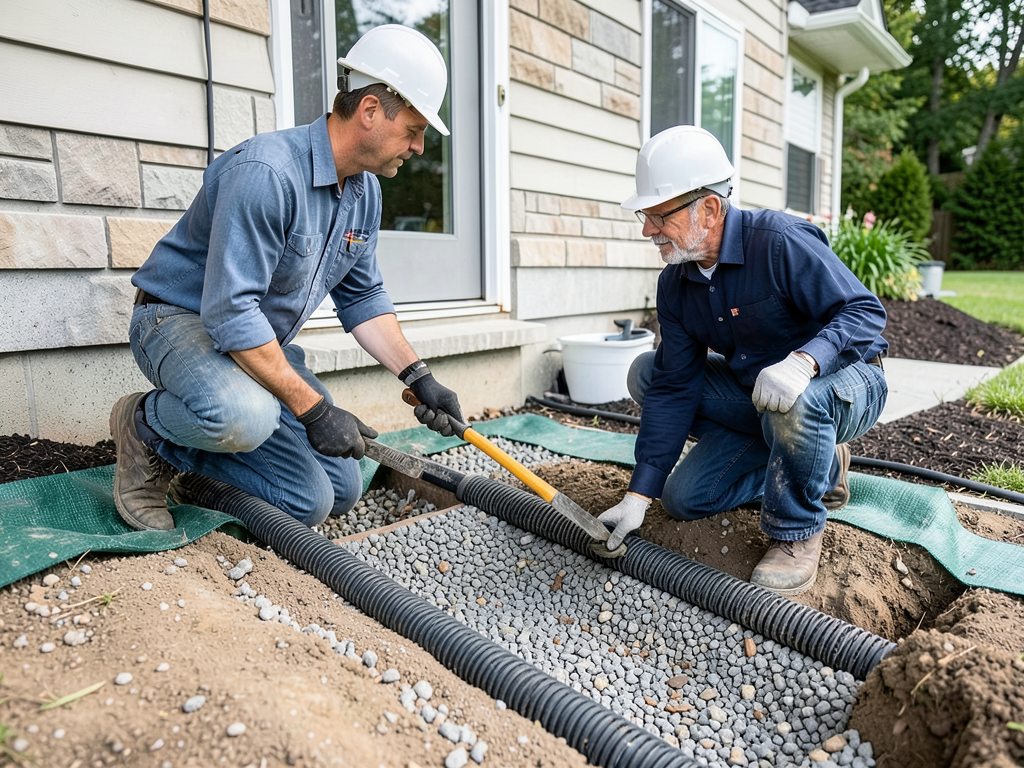
Using Smart Landscaping to Keep Surface Water Away from Your Concord Foundation Your Concord home sits on land shaped by ancient glaciers and fed by seasonal rains. Every year, snowmelt from the Middlesex County watershed…
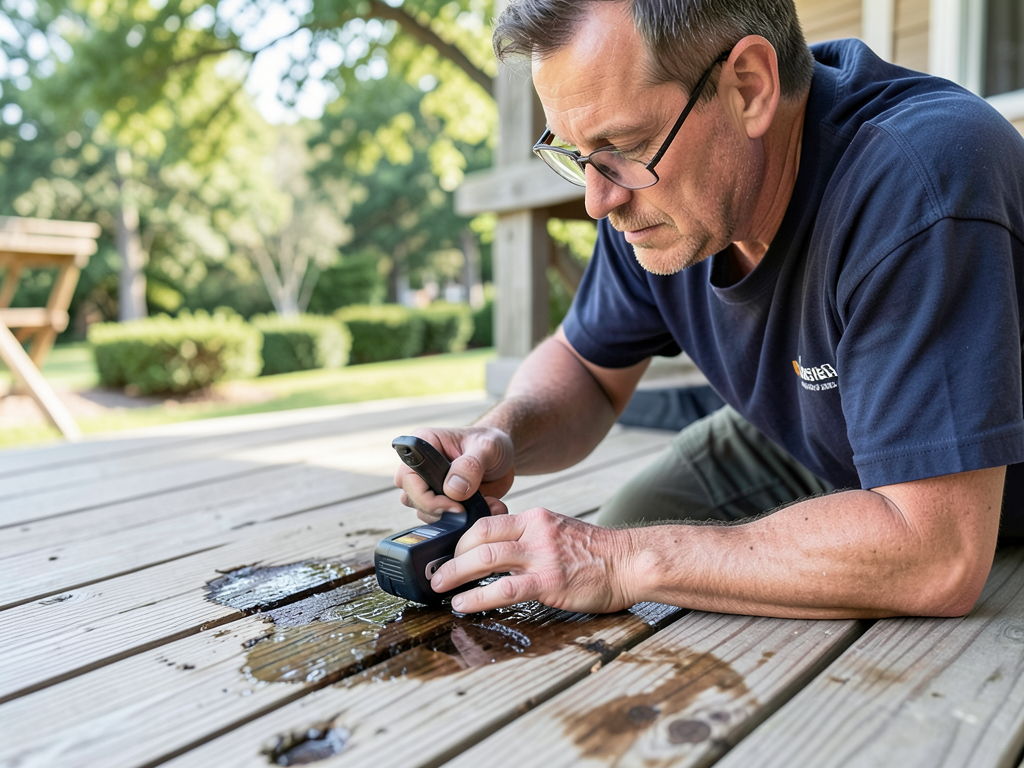
How to Find a Hidden Water Leak Under Your Marblehead Outdoor Deck Living in Marblehead…

When a pipe bursts in your Chestnut Hill home the damage goes far beyond soaked…
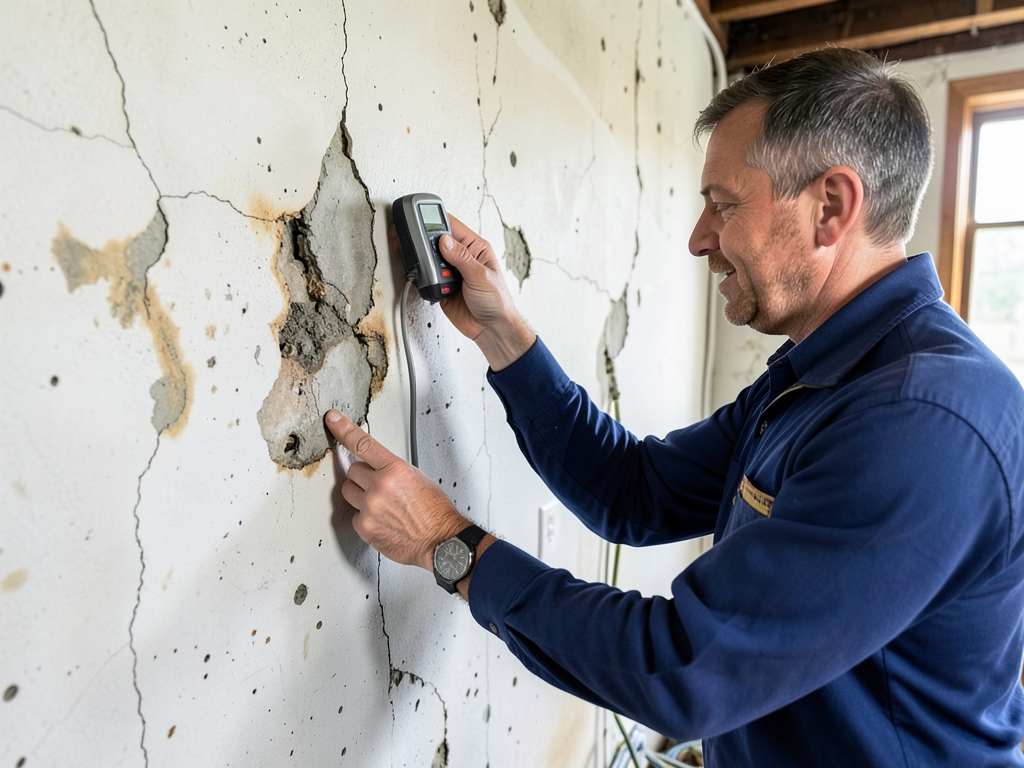
Preparing Your Inland Needham Home for Hurricane Season Flooding Living in Needham means enjoying quiet…
Don't wait while water spreads and damage compounds. First Choice Water Damage Restoration Boston dispatches crews 24/7 across all Boston neighborhoods. Call (617) 789-8099 now for immediate response. We'll stop the damage, dry your property completely, and restore everything water destroyed.