
As a Boston tenant facing mold growth in your apartment you need to know your legal rights under Massachusetts law right now. Mold is not just a nuisance it can create serious health risks and landlords have specific obligations to address it under both state and city codes. Massachusetts General Laws Chapter 186 Section 15B.
The good news is Massachusetts law gives you strong protections through the implied warranty of habitability and the State Sanitary Code. This means your landlord must provide a safe and healthy living environment including addressing mold problems caused by leaks or chronic dampness. You do not have to accept unsafe conditions in your home. State Sanitary Code Chapter II.
Does a Landlord Have to Fix Mold in Boston?
Yes your landlord must fix mold in Boston if it is caused by a maintenance issue or building defect. Under Massachusetts General Laws Chapter 186 Section 15B the implied warranty of habitability requires landlords to keep rental properties in a condition fit for human habitation. This includes addressing moisture problems that lead to mold growth. Boston Inspectional Services Department.
Common landlord responsibilities include repairing roof leaks plumbing leaks and poor ventilation that cause dampness. If mold appears because of these issues your landlord must remediate it. However if mold results from your own actions like not ventilating a bathroom properly the responsibility may shift to you.
Under 105 CMR 410.550 of the State Sanitary Code landlords must also maintain buildings free from chronic dampness and pest infestation. This directly covers mold conditions that affect habitability.
The Boston Sanitary Code (Article II) and Mold Growth
The Boston Board of Health enforces the State Sanitary Code through the Boston Inspectional Services Department (ISD). Under Article II of the State Sanitary Code landlords must maintain rental units in a sanitary condition. This includes addressing mold growth that results from building maintenance failures. Professional sump pump failure cleanup for Newton homeowners.
The ISD can issue citations and fines for code violations. If your apartment has visible mold growth from a leak or poor ventilation the ISD can require your landlord to fix it within specific timeframes. They can also order temporary relocation if conditions are severe.
Boston’s older housing stock particularly triple-deckers and brownstones in neighborhoods like Dorchester and Jamaica Plain often has hidden moisture issues that lead to mold. The city’s humid continental climate with cold wet winters and humid summers creates ideal conditions for mold growth when buildings have poor ventilation or water intrusion. Water Damage Restoration Newton.
Step-by-Step How to Report Mold to the Boston Inspectional Services Department (ISD)
If your landlord will not address mold you can file a complaint with the Boston ISD. Here is the exact process:. Read more about Why Your Jamaica Plain Water Pipes are Sweating and How to Stop the Drip.
- Gather Evidence
Take clear photos of all mold growth. Note dates when you first noticed the problem and any communications with your landlord. Keep copies of repair requests.
- File a Complaint
Call the ISD at (617) 635-5300 or file online through the city website. Provide your address unit number and detailed description of the mold issue.
- ISD Inspection
An inspector will visit your unit within 1-3 business days. They will document the mold and any code violations. If they find violations they will issue a notice to your landlord.
- Landlord Response
Your landlord has 24 hours to respond to emergency violations and 30 days for non-emergency repairs. The ISD monitors compliance and can issue fines for non-compliance.
The ISD can order professional mold remediation if the problem is severe. They can also require temporary relocation if your unit is unsafe. Keep all documentation from the ISD inspection as it strengthens your case if you need to take further legal action.
Can You Withhold Rent for Mold in Boston? (The Legal Risks)
Withholding rent for mold in Boston is legally risky and generally not recommended. Massachusetts law does not give tenants an automatic right to withhold rent for habitability issues. If you withhold rent without following proper procedures your landlord can still evict you for non-payment.
However Massachusetts does allow tenants to use the “repair and deduct” remedy under M.G.L. c. 186 § 15B. This allows you to pay for necessary repairs yourself and deduct the cost from your rent but only under specific conditions:
- You must give your landlord written notice of the problem
- The landlord must fail to make repairs within a reasonable time
- The repair cost cannot exceed four times your monthly rent
- You must provide receipts and documentation
Before withholding rent or using repair and deduct you should consult with a tenants’ rights organization or attorney. The Massachusetts Affordable Housing Alliance and City Life/Vida Urbana offer free advice to Boston tenants.
Professional Mold Remediation vs DIY What Boston Tenants Should Know
Small areas of mold less than 10 square feet might be safely cleaned by tenants using proper protective equipment and cleaning solutions. However larger mold infestations or mold caused by building defects require professional remediation under IICRC S520 standards.
Professional remediation is necessary when:
- Visible mold covers more than 10 square feet
- Mold is in HVAC systems or wall cavities
- Moisture sources are not obvious or accessible
- Occupants have health conditions that make them sensitive to mold
Professional remediation includes containment negative air pressure and proper disposal of contaminated materials. DIY cleaning of large mold areas can spread spores throughout your apartment and building.
Many Boston landlords use professional remediation services to ensure compliance with ISD requirements and to protect their property value. If your landlord refuses professional remediation you can use your ISD inspection report to strengthen your case.

Tenant FAQ Common Questions on Boston Housing Rights
What if my landlord tries to evict me for reporting mold?
Massachusetts law prohibits retaliation against tenants who exercise their legal rights. If your landlord attempts eviction within six months of you reporting mold to the ISD or taking legal action this constitutes retaliation which is illegal.
Can I break my lease because of mold?
You may have grounds to break your lease if mold makes your unit uninhabitable and your landlord fails to address it after proper notice. However you should document everything and consider legal advice before breaking your lease to avoid potential liability for rent. Steps to Take After a Flood.
Does renters insurance cover mold damage?
Most standard renters insurance policies do not cover mold damage to the structure since you do not own it. However they may cover damage to your personal property from covered perils like burst pipes. Some policies offer mold coverage as an add-on.
How long does a landlord have to fix mold in Boston?
Emergency violations like active water leaks causing mold growth require response within 24 hours. Non-emergency repairs typically allow 30 days but the ISD can require faster action based on severity. Chronic dampness issues may require immediate attention. Getting immediate help for a burst pipe in your Back Bay brownstone.
What health risks are associated with mold exposure?
Mold exposure can cause respiratory issues allergic reactions and asthma attacks particularly in children elderly people and those with compromised immune systems. Black mold Stachybotrys chartarum though less common than other molds can produce mycotoxins that cause more severe symptoms.
Health Impacts Linking Mold Exposure to Respiratory Issues
Boston has some of the highest asthma rates in the country particularly in low-income neighborhoods and communities of color. Mold exposure can trigger asthma attacks and worsen respiratory conditions. The Boston Public Health Commission has documented connections between indoor mold and increased emergency room visits for respiratory issues.
Common symptoms of mold exposure include coughing wheezing nasal congestion and skin irritation. For people with asthma or allergies symptoms can be more severe. Children exposed to mold in early childhood have higher rates of developing asthma later in life.
Professional air quality testing can identify mold spore levels and species present in your apartment. This documentation is valuable for both health reasons and legal cases against landlords who fail to address mold problems.
Documentation Checklist What Photos and Logs a Tenant Needs to Keep
Proper documentation is essential for protecting your rights as a Boston tenant dealing with mold. Keep detailed records including:
- Photos of all mold growth with dates
- Written communications with your landlord including repair requests
- ISD inspection reports and violation notices
- Medical records if you experience health issues
- Receipts for any repairs or cleaning you perform
- Witness statements from neighbors with similar issues
Create a timeline of events starting from when you first noticed the mold. Note any weather events leaks or maintenance that might have contributed to the problem. This documentation helps establish that the mold resulted from building defects rather than your actions.
Consider having a professional inspection done even if you plan to handle small mold areas yourself. A professional inspection provides independent documentation of the problem and recommendations for remediation that you can share with your landlord. How to handle a sudden sewage backup in your Somerville home.
Professional Inspection Why a 3rd Party Air Quality Test is Needed to Prove a Violation
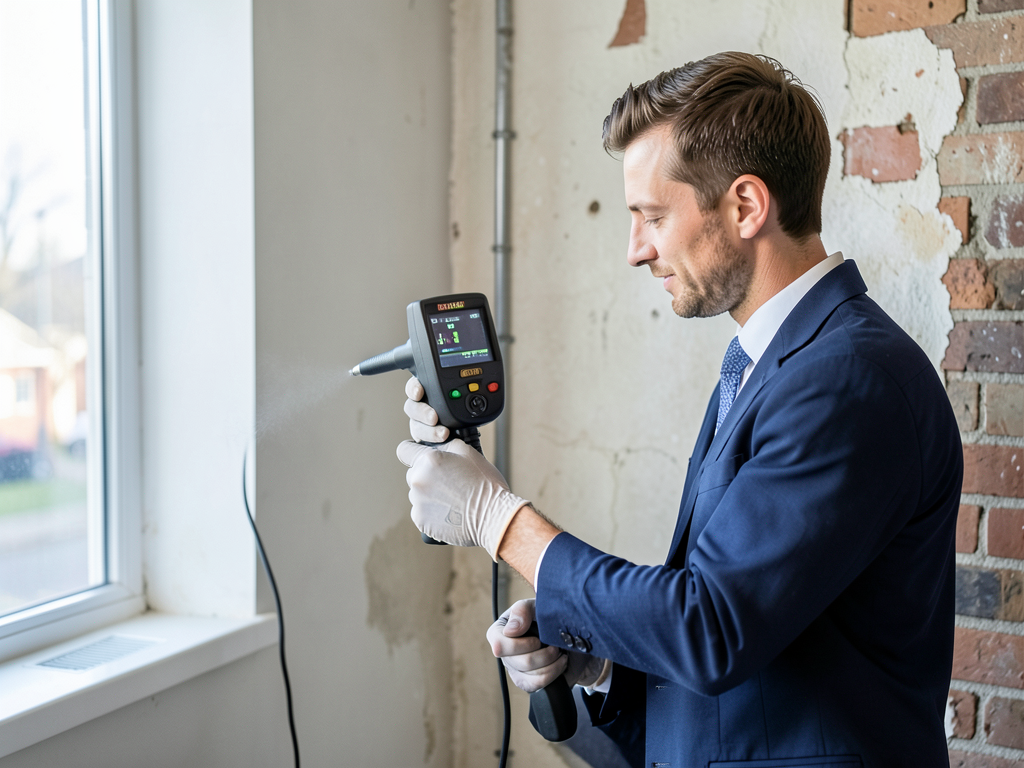
While the ISD inspection is valuable a third-party professional inspection provides additional evidence for your case. Professional mold inspectors use moisture meters thermal imaging and air sampling to identify hidden mold and moisture sources that visual inspections might miss.
Professional air quality testing measures mold spore concentrations both inside and outside your apartment. This helps determine if indoor levels are elevated indicating a mold problem. Testing also identifies specific mold species which is important since some species pose greater health risks than others.
The cost of professional inspection typically ranges from $300 to $600 but this investment can be worthwhile if your landlord disputes the severity of the problem. Many inspectors provide detailed reports suitable for legal proceedings or insurance claims.
Landlord’s ‘Repair and Deduct’ Law in MA What You Can Actually Claim
Massachusetts General Laws Chapter 186 Section 15B allows tenants to make necessary repairs and deduct costs from rent but only under strict conditions. You can only deduct up to four times your monthly rent and you must follow specific procedures.
The repair must be necessary for the tenant’s safe and sanitary use of the premises. Mold remediation from building defects typically qualifies but cleaning your own bathroom mold might not. You must give your landlord written notice and allow reasonable time for them to make repairs first.
Keep all receipts and documentation of repairs. Provide your landlord with copies of receipts and a written explanation of the deduction. If your landlord disputes the deduction you may need to defend your actions in housing court.
Moving Forward Protecting Your Rights as a Boston Tenant
Mold in your rental unit is a serious issue that requires prompt attention from your landlord. Massachusetts law provides strong protections for tenants but you must know your rights and follow proper procedures to enforce them. Document everything communicate in writing and use city resources like the ISD when necessary.
If your landlord continues to ignore mold problems despite proper notice and ISD involvement consider contacting a tenants’ rights organization or attorney. The cost of professional legal advice is often worthwhile compared to the health risks and potential property damage from unaddressed mold.
Remember you have the right to a safe and healthy living environment. Do not accept unsafe conditions in your home. Take action to protect yourself and your family from the health risks of mold exposure.
Call (617) 789-8099 today to schedule your inspection if you need professional mold remediation services in Boston. Our certified technicians can assess your situation and provide the documentation you need to protect your rights as a tenant.
{
“@context”: “https://schema.org”,
“@type”: “BlogPosting”,
“headline”: “Understanding Your Rights as a Boston Tenant When Mold Becomes an Issue”,
“description”: “Learn your legal rights as a Boston tenant facing mold. Massachusetts law requires landlords to fix mold from leaks. Get expert guidance on reporting and remediation.”,
“wordCount”: 1940,
“datePublished”: “2026-05-30T15:41:00.000Z”,
“dateModified”: “2026-05-30T15:41:00.000Z”,
“inLanguage”: “en-US”,
“mainEntityOfPage”: {
“@type”: “WebPage”,
“@id”: “https://firstchoicewaterdamagerestorationboston.com”
},
“publisher”: {
“@type”: “LocalBusiness”,
“name”: “First Choice Water Damage Restoration Boston”,
“url”: “https://firstchoicewaterdamagerestorationboston.com”
},
“author”: {
“@type”: “Organization”,
“name”: “First Choice Water Damage Restoration Boston”,
“url”: “https://firstchoicewaterdamagerestorationboston.com”
},
“image”: {
“@type”: “ImageObject”,
“url”: “https://firstchoicewaterdamagerestorationboston.com/wp-content/uploads/2026/03/understanding-your-rights-as-a-boston-tenant-when-1.png”
}
}
{
“@context”: “https://schema.org”,
“@type”: “LocalBusiness”,
“name”: “First Choice Water Damage Restoration Boston”,
“url”: “https://firstchoicewaterdamagerestorationboston.com”,
“address”: {
“@type”: “PostalAddress”,
“addressLocality”: “Boston”
},
“areaServed”: {
“@type”: “City”,
“name”: “Boston”
}
}
{
“@context”: “https://schema.org”,
“@type”: “FAQPage”,
“mainEntity”: [
{
“@type”: “Question”,
“name”: “Does a Landlord Have to Fix Mold in Boston?”,
“acceptedAnswer”: {
“@type”: “Answer”,
“text”: “Yes your landlord must fix mold in Boston if it is caused by a maintenance issue or building defect. Under Massachusetts General Laws Chapter 186 Section 15B the implied warranty of habitability requires landlords to keep rental properties in a condition fit for human habitation. This includes addressing moisture problems that lead to mold growth. Boston Inspectional Services Department.”
}
},
{
“@type”: “Question”,
“name”: “What if my landlord tries to evict me for reporting mold?”,
“acceptedAnswer”: {
“@type”: “Answer”,
“text”: “Massachusetts law prohibits retaliation against tenants who exercise their legal rights. If your landlord attempts eviction within six months of you reporting mold to the ISD or taking legal action this constitutes retaliation which is illegal.”
}
},
{
“@type”: “Question”,
“name”: “Can I break my lease because of mold?”,
“acceptedAnswer”: {
“@type”: “Answer”,
“text”: “You may have grounds to break your lease if mold makes your unit uninhabitable and your landlord fails to address it after proper notice. However you should document everything and consider legal advice before breaking your lease to avoid potential liability for rent. Steps to Take After a Flood.”
}
},
{
“@type”: “Question”,
“name”: “Does renters insurance cover mold damage?”,
“acceptedAnswer”: {
“@type”: “Answer”,
“text”: “Most standard renters insurance policies do not cover mold damage to the structure since you do not own it. However they may cover damage to your personal property from covered perils like burst pipes. Some policies offer mold coverage as an add-on.”
}
},
{
“@type”: “Question”,
“name”: “How long does a landlord have to fix mold in Boston?”,
“acceptedAnswer”: {
“@type”: “Answer”,
“text”: “Emergency violations like active water leaks causing mold growth require response within 24 hours. Non-emergency repairs typically allow 30 days but the ISD can require faster action based on severity. Chronic dampness issues may require immediate attention. Getting immediate help for a burst pipe in your Back Bay brownstone.”
}
},
{
“@type”: “Question”,
“name”: “What health risks are associated with mold exposure?”,
“acceptedAnswer”: {
“@type”: “Answer”,
“text”: “Mold exposure can cause respiratory issues allergic reactions and asthma attacks particularly in children elderly people and those with compromised immune systems. Black mold Stachybotrys chartarum though less common than other molds can produce mycotoxins that cause more severe symptoms.”
}
}
]
}
{
“@context”: “https://schema.org”,
“@type”: “HowTo”,
“name”: “How to Report Mold to Boston ISD”,
“step”: [
{
“@type”: “HowToStep”,
“position”: 1,
“name”: “Gather Evidence”,
“text”: “Take clear photos of all mold growth. Note dates when you first noticed the problem and any communications with your landlord. Keep copies of repair requests.”
},
{
“@type”: “HowToStep”,
“position”: 2,
“name”: “File a Complaint”,
“text”: “Call the ISD at (617) 635-5300 or file online through the city website. Provide your address unit number and detailed description of the mold issue.”
},
{
“@type”: “HowToStep”,
“position”: 3,
“name”: “ISD Inspection”,
“text”: “An inspector will visit your unit within 1-3 business days. They will document the mold and any code violations. If they find violations they will issue a notice to your landlord.”
},
{
“@type”: “HowToStep”,
“position”: 4,
“name”: “Landlord Response”,
“text”: “Your landlord has 24 hours to respond to emergency violations and 30 days for non-emergency repairs. The ISD monitors compliance and can issue fines for non-compliance.”
}
],
“image”: “https://firstchoicewaterdamagerestorationboston.com/wp-content/uploads/2026/03/understanding-your-rights-as-a-boston-tenant-when-1.png”
}
{
“@context”: “https://schema.org”,
“@type”: “BreadcrumbList”,
“itemListElement”: [
{
“@type”: “ListItem”,
“position”: 1,
“name”: “Home”,
“item”: “https://firstchoicewaterdamagerestorationboston.com”
},
{
“@type”: “ListItem”,
“position”: 2,
“name”: “Blog”,
“item”: “https://firstchoicewaterdamagerestorationboston.com/blog”
},
{
“@type”: “ListItem”,
“position”: 3,
“name”: “Understanding Your Rights as a Boston Tenant When Mold Becomes an Issue”
}
]
}
{
“@context”: “https://schema.org”,
“@type”: “Service”,
“serviceType”: “Water Damage Restoration”,
“provider”: {
“@type”: “LocalBusiness”,
“name”: “First Choice Water Damage Restoration Boston”,
“url”: “https://firstchoicewaterdamagerestorationboston.com”
},
“areaServed”: {
“@type”: “City”,
“name”: “Boston”
},
“description”: “Learn your legal rights as a Boston tenant facing mold. Massachusetts law requires landlords to fix mold from leaks. Get expert guidance on reporting and remediation.”
}