Menu

Peeling Paint & Wallpaper in Boston – Fast Diagnosis of Hidden Water Damage

Expert moisture detection and wall restoration for Boston homes dealing with bubbling paint, blistering wall paint, and lifting wallpaper caused by water intrusion

Slider Image 1
Slider Image 2
Slider Image 3
Slider Image 4
Slider Image 5
Slider Image 7
Slider Image 8
Slider Image 9
Slider Image 10
Slider Image 11

Why Your Walls Are Failing You

You notice it first thing in the morning. A bubble in the hallway paint. Wallpaper lifting near the baseboard in your bedroom. Flaking paint along the crown molding in your dining room. You assume it's just age or poor workmanship. It's not.

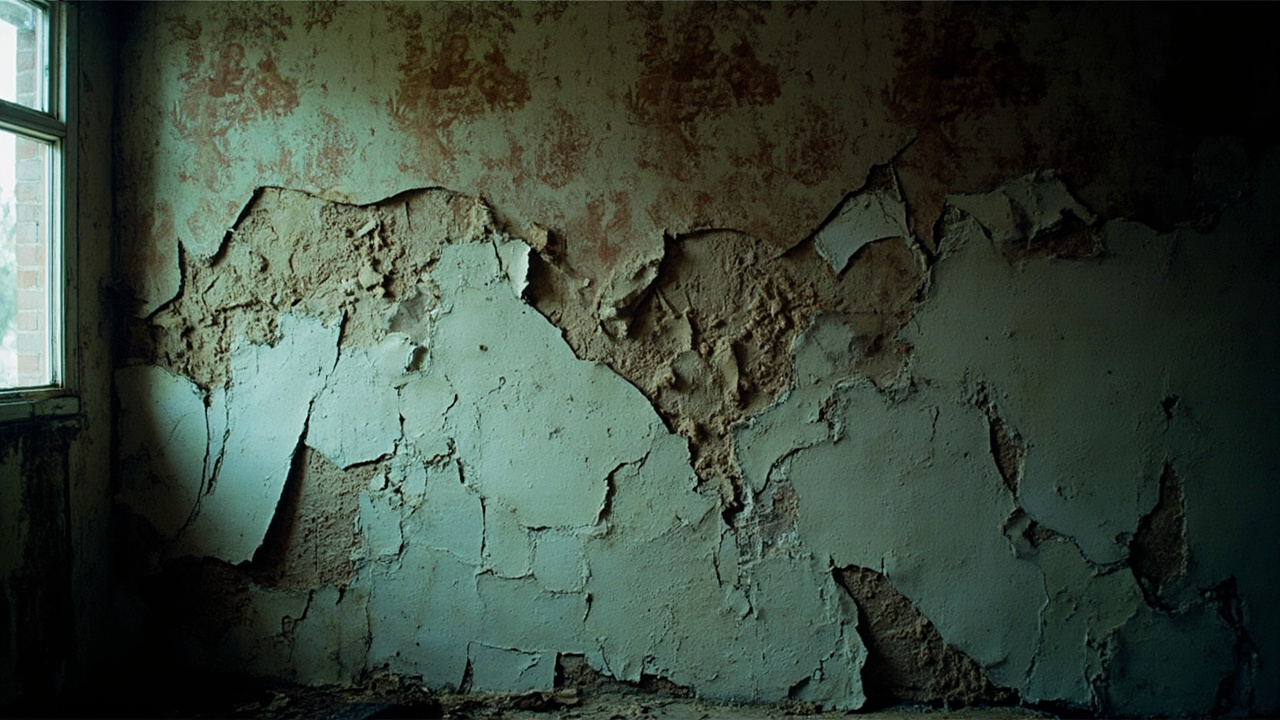
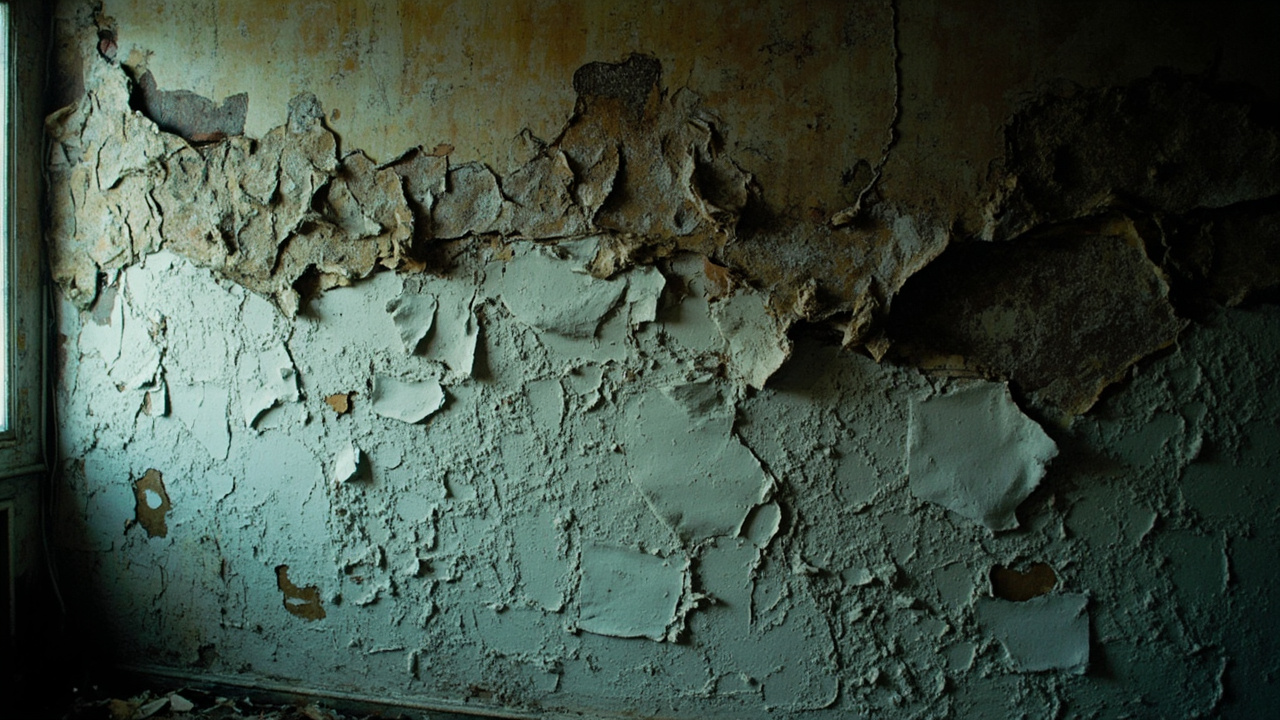
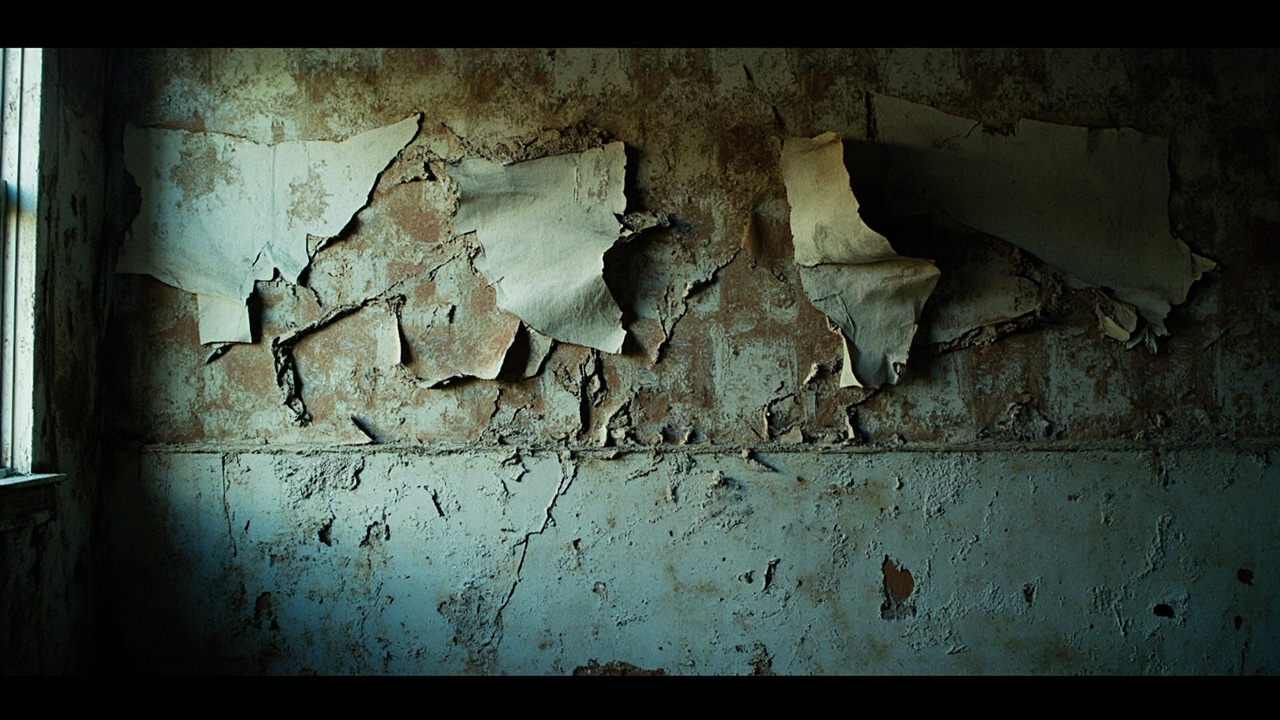
Boston's freeze-thaw cycles create unique stress on your home's envelope. Water penetrates exterior cladding during fall rains, freezes behind your walls in winter, then thaws in spring. This cycle forces moisture through brick, siding, and mortar directly into your interior wall cavities. The result shows up as blistering wall paint, bubbling paint around windows, and loose wallpaper that peels away in sheets.

Coastal humidity compounds the problem. Boston sits at the convergence of cold Atlantic air and warmer inland temperatures. This creates condensation inside wall cavities, particularly in older homes with inadequate vapor barriers. Brownstones and triple-deckers in Back Bay, South End, and Dorchester face this constantly.

The lifting wallpaper in your bathroom is not a cosmetic issue. It signals active moisture intrusion. The flaking paint above your windows indicates failed flashing or compromised sill pans. These are symptoms of water damage that worsens every day you wait. The longer moisture sits in your wall cavities, the more extensive the damage becomes. Drywall deteriorates. Studs rot. Mold colonizes. What starts as bubbling paint becomes a structural liability and a health hazard.

You need to understand what's happening behind your walls before you repaint or re-wallpaper. Covering the symptom without addressing the source guarantees the problem returns within months.

Why Your Walls Are Failing You
How We Find and Fix the Real Problem

How We Find and Fix the Real Problem

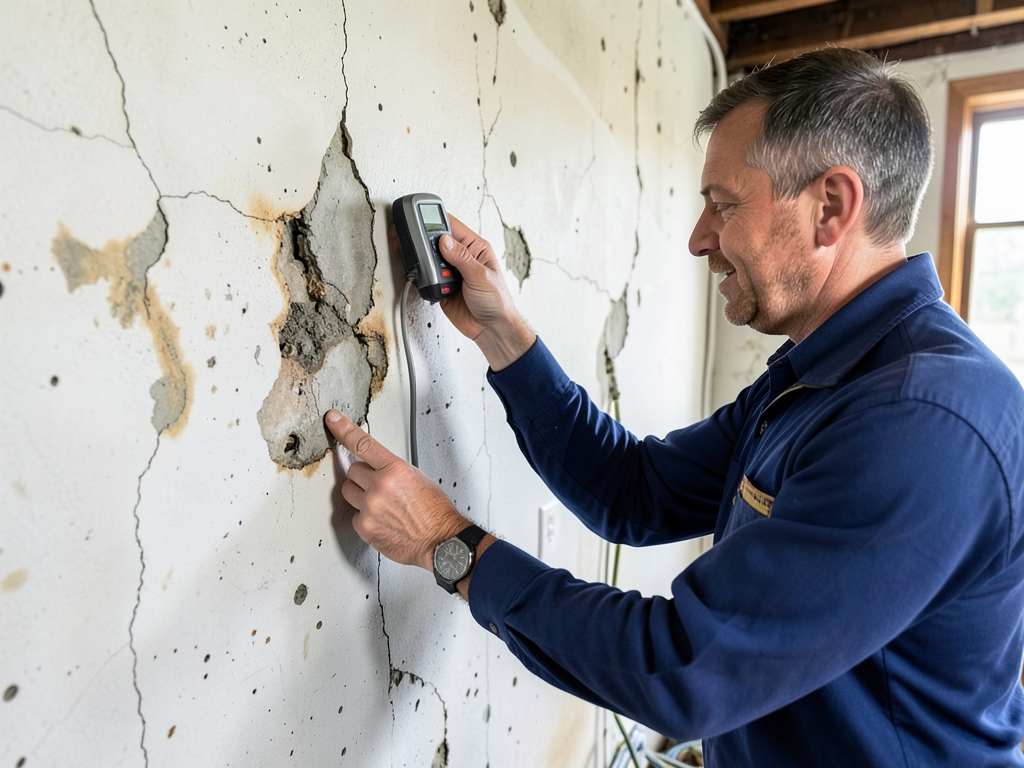
We do not guess. We measure. When you call Atlas Water Damage Restoration Providence for peeling paint or wallpaper issues, we arrive with thermal imaging cameras and moisture meters calibrated for building materials. We scan your walls to map moisture levels in drywall, plaster, and framing lumber. This tells us exactly where water is entering and how far it has migrated.

Most contractors see blistering wall paint and recommend a new paint job. We remove a section of the affected material to inspect the substrate. We check for mold growth on the back of the drywall. We examine the studs for rot. We trace the moisture source to its origin, whether that's a leaking window, failed roof flashing, or compromised exterior cladding.

Boston's building stock demands this precision. Victorian-era homes use plaster over wood lath. Mid-century homes have drywall over balloon framing. Modern condos have cement board behind tile. Each material responds differently to moisture intrusion. We document moisture readings at multiple depths to understand the full extent of water penetration.

After we identify the source, we address it. This might mean resealing window flashing, repairing roof valleys, or correcting negative grading around your foundation. We then remove all water-damaged materials. Wet drywall cannot be dried and reused. Moldy insulation must be extracted. We dry the framing lumber to below 15% moisture content using commercial dehumidifiers and air movers. Only then do we rebuild.

We replace damaged materials with moisture-resistant alternatives where appropriate. We install proper vapor barriers. We ensure your walls can breathe while preventing future water intrusion. This is the difference between a repair that lasts and one that fails within a year.

What Happens When We Inspect Your Walls

Peeling Paint & Wallpaper in Boston – Fast Diagnosis of Hidden Water Damage
01

Moisture Mapping

We scan your walls with thermal imaging to locate temperature differentials that indicate moisture presence. We then confirm with pin-type and pinless moisture meters, taking readings at multiple points across the affected area and surrounding walls. This creates a moisture map showing the full extent of water intrusion, not just the visible symptoms of bubbling paint or lifting wallpaper.
02

Invasive Inspection

We cut exploratory openings in your drywall or plaster to visually inspect the wall cavity. We examine insulation, vapor barriers, framing lumber, and the back side of exterior cladding. We document any mold growth, wood rot, or compromised building materials. We trace plumbing lines and check for leaks. This step reveals what caused the flaking paint or blistering wall paint you see on the surface.
03

Source Repair and Drying

We fix the water intrusion point first, whether that's exterior flashing, a plumbing leak, or compromised weatherproofing. We then extract all wet materials and dry the structure to acceptable moisture levels. We run dehumidifiers and air movers until moisture meters confirm your framing is below 15%. Only after complete structural drying do we rebuild your walls with appropriate materials and vapor control.

Why Boston Homeowners Choose Us for Wall Failures

You need someone who understands how Boston buildings fail. Triple-deckers built in the 1920s have different moisture vulnerabilities than brownstones from the 1880s or condos from the 1990s. We have worked in every neighborhood from Charlestown to West Roxbury. We know which building types experience which problems.

Boston's Inspectional Services Department enforces the Massachusetts State Building Code with local amendments. When we open your walls and find mold or structural damage, we know exactly what remediation standards apply. We document our work to meet local code requirements. This matters if you plan to sell your home or if your insurance company requires proof of proper remediation.

We understand the climate challenges specific to coastal New England. Winter ice dams force water behind your gutters and under your roof shingles. Spring nor'easters drive rain horizontally into your siding. Summer humidity creates condensation in wall cavities with inadequate ventilation. Fall temperature swings cause expansion and contraction that opens gaps in your building envelope. Each season attacks your walls differently. We have seen every failure mode.

Atlas Water Damage Restoration Providence responds quickly because we know how fast water damage escalates. Loose wallpaper today becomes black mold next month. We schedule inspections within 24 hours of your call. We provide written moisture assessments within 48 hours. We start remediation as soon as you approve the scope of work.

You also need someone who communicates clearly with your insurance company. We document moisture levels, photograph damage, and provide detailed scope documents that meet adjuster requirements. We help you navigate the claims process so you can focus on getting your home restored.

This is not about painting over the problem. It's about fixing what's broken so your walls stay intact.

What to Expect When You Call Us

Response Time and Availability

We schedule inspections within 24 hours of your initial call. Peeling paint and loose wallpaper indicate active moisture problems that worsen daily. We understand urgency. Our technicians arrive with moisture detection equipment and complete a full assessment during the first visit. You receive a preliminary moisture report before we leave your property. We provide a detailed written scope of work within 48 hours. If your situation requires immediate water extraction or emergency board-up, we dispatch crews the same day you call.

Inspection and Assessment Process

Our technicians use thermal imaging cameras to scan all affected walls and adjacent areas. We take moisture readings with pin-type meters inserted into drywall and pinless meters for surface scanning. We photograph all bubbling paint, blistering wall paint, and lifting wallpaper. We cut exploratory openings to inspect wall cavities, framing, and insulation. We test for mold if we find organic growth. You receive a comprehensive report with moisture readings, photographs, and a detailed explanation of what caused your wall failures. We explain exactly what needs repair and why.

Restoration Quality and Standards

We remove all water-damaged materials down to dry, sound substrate. We do not attempt to dry and reuse wet drywall or plaster. We repair the water intrusion source before we rebuild anything. We dry your framing lumber to below 15% moisture content, confirmed with meter readings. We install appropriate vapor barriers and moisture-resistant materials. We match your existing wall finish, whether that's plaster, drywall, or specialty materials. We prime all new surfaces with stain-blocking primer before finish painting. Your walls are restored to pre-loss condition with improved moisture resistance.

Follow-Up and Moisture Monitoring

We return 30 days after project completion to re-scan your walls with moisture meters. This confirms your building envelope is performing correctly and moisture levels remain stable. We provide a post-restoration moisture report for your records. If you experience any recurring issues with flaking paint or bubbling paint within the first year, we re-inspect at no charge to determine if the original water source was fully addressed. We also provide guidance on seasonal maintenance to prevent future moisture intrusion, including gutter cleaning schedules and exterior caulking inspection.

Frequently Asked Questions

You Have Questions,
We Have Answers

What is the downside to peel and stick wallpaper? +

Peel and stick wallpaper fails when moisture gets behind it. In Boston's humid summers and freezing winters, temperature swings cause adhesive breakdown. The backing does not breathe, trapping moisture from poorly sealed walls. You will see bubbling, lifting edges, and eventual failure. It works on perfectly smooth drywall but fails on plaster common in Boston's older homes. The adhesive leaves residue that is hard to remove. It does not hold up in bathrooms or kitchens where steam is present. If you see peeling, moisture is the root cause, not just bad product.

Why is my paint peeling like wallpaper? +

Paint peels in large sheets when water gets between the paint film and substrate. In Boston, this happens from ice damming, failing flashing around chimneys, or interior plumbing leaks inside walls. The moisture breaks the bond. You will see this pattern after roof leaks or when gutters overflow during nor'easters. Poor surface prep also causes it. If the previous layer was glossy or dirty, new paint never bonded. Latex over oil-based paint without primer fails this way. Address the water source first or new paint will peel again within months.

What to do when paint peels off a wall? +

Scrape all loose paint back to stable edges using a putty knife. Do not leave any flaking material. Sand the edges smooth so you cannot feel a ridge. If you see black mold or staining under the paint, you have active moisture. Stop and fix the leak before repainting. Prime bare spots with a bonding primer. In Boston's older homes, test for lead paint before sanding if built before 1978. Patch holes with joint compound, sand smooth, then repaint. If large areas peel, the problem is water intrusion, not just bad paint.

Can I just paint over peeling paint? +

No. New paint will not bond to failing paint. The weight of wet paint accelerates peeling. You end up with more loose material within weeks. You must scrape loose paint back to a stable edge, sand smooth, then prime exposed substrate. Skipping this step wastes time and money. In Boston's climate, moisture cycles will lift any paint applied over loose material. The only exception is small hairline cracks where edges are tight. If you can lift paint with your fingernail, you must remove it before repainting or the problem spreads.

What are common mistakes with peel and stick wallpaper? +

The biggest mistake is applying peel and stick over textured or damaged walls. It needs a smooth, clean surface to bond. Skipping wall prep causes immediate failure. Another mistake is using it in high moisture areas like bathrooms. Steam breaks down adhesive quickly. Not allowing the wall to acclimate after painting also causes problems. Fresh paint needs 30 days to cure fully. In Boston's older homes, applying it over cracked plaster without repair guarantees lifting. Not cleaning walls with TSP or degreaser before install leaves residue that blocks adhesion.

Is wallpaper out of style in 2025? +

Wallpaper is back in modern design, especially in powder rooms, accent walls, and dining rooms. Bold patterns and textured styles are trending in 2025. It fell out of favor when cheap vinyl dominated, but quality materials changed the market. In Boston's historic neighborhoods, period-appropriate wallpaper adds value to restored homes. Commercial spaces use it for branding. The key is professional install and avoiding moisture-prone areas. Peel and stick options make it easier for renters. If you choose wallpaper, pick washable or scrubbable types for durability in New England's humidity.

Will Kilz stop peeling paint? +

Kilz primer will not stop paint from peeling if moisture is present. It seals stains and provides a bonding surface, but it does not create adhesion to failing paint. You must scrape loose paint first. Kilz works after you remove damaged material and expose stable substrate. If water still enters the wall, Kilz will peel too. In Boston, this happens with ongoing roof leaks or condensation from poor insulation. Use Kilz after fixing the moisture source and scraping. It helps new paint bond to bare wood or plaster, but it is not a magic fix.

Can peeling paint be fixed? +

Yes, but only after you fix the cause. Peeling paint is a symptom of moisture intrusion, poor prep, or incompatible layers. In Boston, check for ice damming, failed window caulking, or interior humidity from bathrooms without exhaust fans. Scrape loose paint, sand edges smooth, and prime bare spots. If the substrate is damaged, repair it first. Plaster repairs need time to cure before painting. Once dry and prepped, repaint with quality exterior or interior paint matched to the location. If you skip the diagnostic step, peeling returns within one season.

Can I wallpaper over peeling paint? +

Never apply wallpaper over peeling paint. The wallpaper adhesive will not bond to failing substrate. You will see bubbles, lifting, and failure within days. Scrape all loose paint, sand smooth, and repair the wall first. If peeling is widespread, strip to bare substrate. Prime with a bonding primer before wallpapering. In Boston's older homes with plaster walls, skim coat damaged areas for a smooth finish. Wallpaper hides minor imperfections but magnifies major defects. If paint peeled from moisture, fix the leak or wallpaper will also fail. Proper prep is non-negotiable.

What is the difference between flaking and peeling paint? +

Flaking is surface failure where small chips or scales break off. It happens from weathering, poor quality paint, or thin coats. You see it on exterior trim exposed to Boston's freeze-thaw cycles. Peeling is delamination where paint separates in sheets from the substrate. Peeling indicates moisture intrusion or bond failure between layers. Flaking is cosmetic and fixable with scraping and repainting. Peeling signals a deeper problem requiring investigation. Both need scraping before repair, but peeling demands you find and fix the water source or it returns. Flaking is aging, peeling is active damage.

How Boston's Coastal Climate Accelerates Wall Deterioration

Boston's location on the Atlantic coast creates a perfect environment for wall damage. Salt air penetrates brick mortar and corrodes metal flashing. Nor'easters drive rain into microscopic cracks in your exterior cladding. Winter temperatures drop below freezing an average of 90 days per year, causing water inside your walls to freeze and expand. This expansion force breaks paint bonds and separates wallpaper from substrate. Spring thaws create massive moisture loads as ice melts inside wall cavities faster than it can evaporate. Homes in waterfront neighborhoods like the Seaport, Charlestown Navy Yard, and East Boston face even more aggressive salt exposure that degrades building materials at accelerated rates.

Boston's building codes reflect these challenges. The Massachusetts State Building Code requires specific vapor barrier installation and insulation R-values to combat our climate. Older homes built before these codes took effect lack proper moisture control. Atlas Water Damage Restoration Providence understands how to bring older buildings into compliance while preserving their historic character. We work regularly with Boston's Landmarks Commission on projects in historic districts. We know which restoration methods meet both code requirements and historic preservation standards. This local expertise ensures your wall repairs are done correctly the first time.
Water Damage Restoration Services in The Boston Area

You can see our service area and our location on the map below. We are proud to serve the entire Boston area and surrounding communities. We're always ready to dispatch our team to your home or business, no matter where you are. We’re committed to a fast, reliable response and ensuring we’re always there when you need us most.

Address:
First Choice Water Damage Restoration Boston, 44 School St., Boston, MA, 02108

Additional Services We Offer

Our news updates

Latest Articles & News from The Blogs

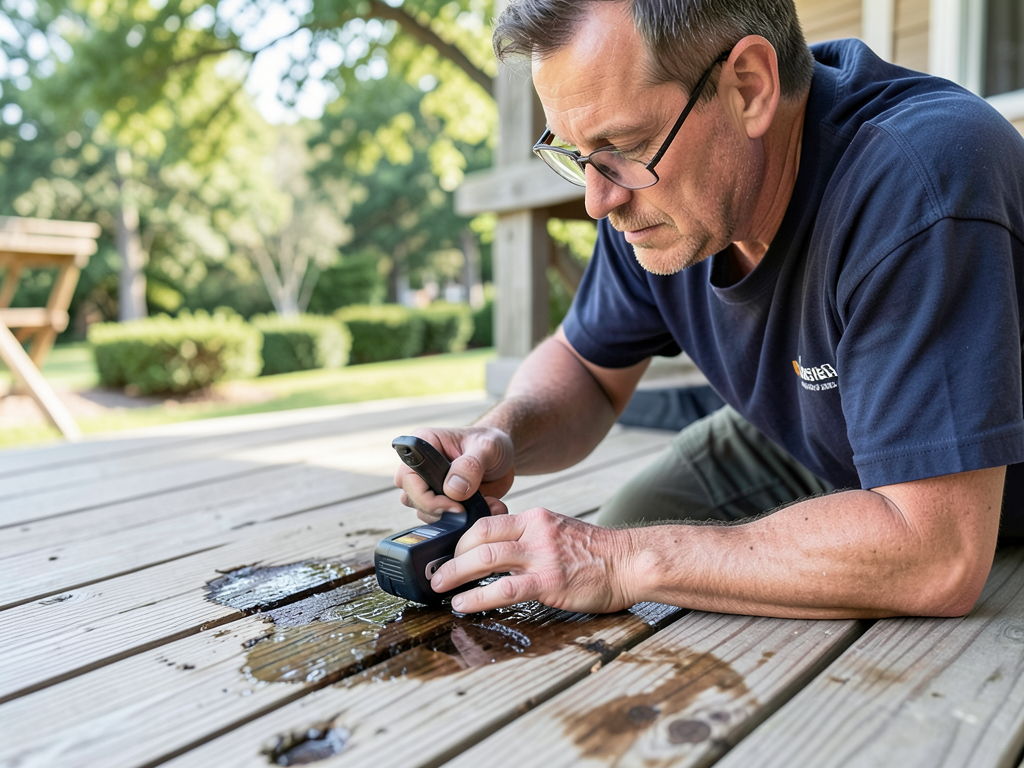
How to Find a Hidden Water Leak Under Your Marblehead Outdoor Deck Living in Marblehead means dealing with coastal moisture,…

How to Find a Hidden Water Leak Under Your Marblehead Outdoor Deck

How to Find a Hidden Water Leak Under Your Marblehead Outdoor Deck Living in Marblehead means dealing with coastal moisture,…

Saving a Luxury Walk In Closet and Designer Wardrobe After a Pipe Burst in Chestnut Hill

When a pipe bursts in your Chestnut Hill home the damage goes far beyond soaked carpets and warped baseboards. For…

Preparing Your Inland Needham Home for Hurricane Season Flooding

Preparing Your Inland Needham Home for Hurricane Season Flooding Living in Needham means enjoying quiet suburban streets and tree-lined neighborhoods.…

Contact Us

Your walls are telling you something is wrong. We will find the source and fix it correctly. Call Atlas Water Damage Restoration Providence at (617) 789-8099 today for a comprehensive moisture assessment. We respond within 24 hours.