Menu

Mold Remediation & Removal in Boston – Expert Abatement for Homes and Businesses

Professional mold mitigation and decontamination services protecting Boston properties from toxic growth, structural damage, and health hazards caused by the city's humid climate and aging building stock.

Slider Image 1
Slider Image 2
Slider Image 3
Slider Image 4
Slider Image 5
Slider Image 7
Slider Image 8
Slider Image 9
Slider Image 10
Slider Image 11

Why Mold Growth Is a Serious Problem in Boston Properties

Boston's coastal climate creates the perfect breeding ground for mold. High humidity levels, especially during summer months when moisture sits above 60 percent, combined with frequent nor'easters and winter freeze-thaw cycles, mean your property is under constant assault. Older triple-deckers and brownstones in neighborhoods like Dorchester, Roxbury, and Jamaica Plain were built before modern vapor barriers existed. Water intrusion through cracked brick, failed roof flashing, and aging foundation walls becomes invisible until black spots appear on your ceiling or that unmistakable musty smell fills your basement.

Mold does not wait. Once spores find moisture, they colonize in 24 to 48 hours. What starts as a small patch behind drywall can spread through your HVAC system, contaminating every room. You might notice respiratory issues, persistent coughing, or aggravated asthma. Maybe you see discoloration around window frames or feel dampness in your crawl space. These are not cosmetic problems. Professional mold removal addresses the root cause, not just surface cleaning.

Boston building codes require proper mold abatement in commercial properties, but residential owners often underestimate the scope. DIY bleach treatments push spores deeper into porous materials like wood studs and insulation. Without containment barriers and HEPA filtration, you spread contamination. Mold decontamination demands controlled removal, antimicrobial treatment, and moisture correction. Anything less guarantees regrowth within months.

The longer you wait, the more extensive the damage. Mold eats organic materials. Your floor joists, wall studs, and roof decking become structurally compromised. Insurance claims get denied when carriers see delayed remediation. You need mold mitigation that follows IICRC S520 standards and actually solves the problem.

Why Mold Growth Is a Serious Problem in Boston Properties
How Professional Mold Cleanup Services Work in Boston

How Professional Mold Cleanup Services Work in Boston

Effective mold remediation starts with containment. We seal off affected areas with 6-mil polyethylene sheeting and create negative air pressure using HEPA-filtered air scrubbers. This prevents cross-contamination to clean areas of your home or business. Boston's multi-family buildings require extra care. Spores travel through shared wall cavities and ductwork. We address the entire contaminated zone, not just visible growth.

Next comes removal. Non-porous materials like metal and glass get cleaned with antimicrobial solutions. Porous materials like drywall, insulation, and carpeting usually require removal and disposal. We bag contaminated materials in double-layered, sealed bags before transport. You cannot salvage moldy drywall. The paper backing is food for mold, and spores penetrate deep into the gypsum core.

After physical removal, we treat all surfaces with EPA-registered antimicrobial agents. This kills remaining spores and inhibits regrowth. Then we address the moisture source. Maybe your basement needs a vapor barrier and sump pump. Maybe your bathroom exhaust fan vents into the attic instead of outside. We find the water entry point and fix it, or the mold returns.

Final verification uses moisture meters and thermal imaging to confirm dryness. We test air quality with spore trap samples analyzed by independent labs. You get documentation showing spore counts match outdoor ambient levels. This matters for insurance claims and future property sales.

Atlas Water Damage Restoration Providence brings this process to Boston properties with crews trained in containment protocols and moisture science. We handle everything from small bathroom mold cleanup services to large commercial mold abatement projects requiring full building containment. The methodology stays consistent because mold biology does not change.

What Happens During Your Mold Remediation Project

Mold Remediation & Removal in Boston – Expert Abatement for Homes and Businesses
01

Initial Assessment and Containment

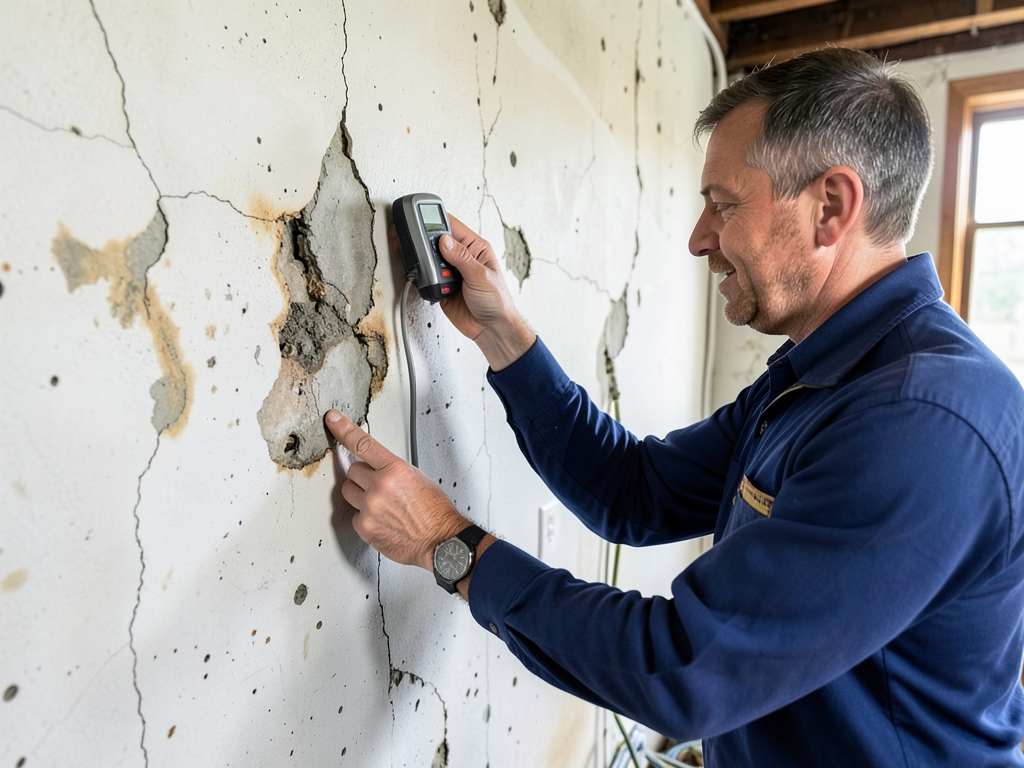
Our technicians inspect your property with moisture meters and thermal cameras to map the full extent of contamination. We identify the water source, whether it is a leaking pipe, roof penetration, or foundation seepage. Containment barriers go up immediately to isolate the work zone. Air scrubbers with HEPA filters create negative pressure, preventing spore migration to clean areas. You get a detailed scope of work before we start removal.
02

Removal and Decontamination

We physically remove contaminated materials, bagging and sealing everything for safe disposal. Structural elements get treated with antimicrobial solutions. HEPA vacuums capture airborne spores. We do not just clean surfaces. We address hidden mold in wall cavities, under flooring, and inside HVAC systems. The goal is complete decontamination, not cosmetic coverage. Every surface gets treated to kill remaining spores and prevent regrowth.
03

Verification and Moisture Control

After remediation, we verify dryness with moisture meters and conduct air quality testing. Independent labs analyze spore samples to confirm clearance levels. We document the moisture source correction, whether that means installing dehumidifiers, repairing drainage systems, or sealing foundation cracks. You receive a full report with lab results and photographic documentation. This creates a clean record for insurance claims and protects your property value.

Why Boston Properties Need Local Mold Remediation Expertise

Boston's housing stock presents unique challenges. Triple-deckers built in the early 1900s lack vapor barriers and proper ventilation. Brick buildings in Back Bay and Beacon Hill absorb moisture through porous masonry. Historic districts have strict renovation codes that affect remediation approaches. You cannot just rip out walls in a landmarked brownstone without proper permits and preservation guidelines.

We understand these local conditions. Boston's coastal humidity means basements stay damp year-round without mechanical dehumidification. The Charles River and Boston Harbor create microclimate conditions that keep relative humidity elevated. Winter heating systems dry out indoor air, causing condensation in wall cavities when warm air meets cold exterior walls. These moisture dynamics drive mold growth patterns specific to New England construction.

Local building codes require proper documentation for mold remediation in commercial properties. The Massachusetts Department of Public Health has specific guidelines for schools and healthcare facilities. We know these regulations and document our work to meet compliance standards. Insurance carriers operating in Massachusetts expect remediation to follow IICRC S520 protocols. We provide the documentation they require for claims approval.

Atlas Water Damage Restoration Providence serves the greater Boston metro with technicians who have worked in these buildings for years. We know which neighborhoods have high water tables, which construction types are vulnerable, and how to navigate local permit requirements. A national franchise might send inexperienced crews who treat Boston mold like Arizona mold. The biology is the same, but the building science is completely different.

You need someone who understands that your 1920s Jamaica Plain triple-decker has no foundation drainage and sits in clay soil that holds water. Someone who knows your North End apartment building shares HVAC systems between units, requiring whole-building containment. That local knowledge protects your property and your health.

What to Expect from Professional Mold Remediation in Boston

Response Time and Project Duration

We respond to mold emergencies within hours, not days. Initial assessment happens the same day you call. Small projects like bathroom mold cleanup take one to two days. Larger whole-house remediation might require three to five days depending on contamination extent. Commercial projects vary based on square footage and containment complexity. We work efficiently to minimize disruption while maintaining proper protocols. Rushing remediation causes incomplete removal and regrowth. We balance speed with thoroughness, keeping you informed at every phase.

Inspection and Moisture Mapping

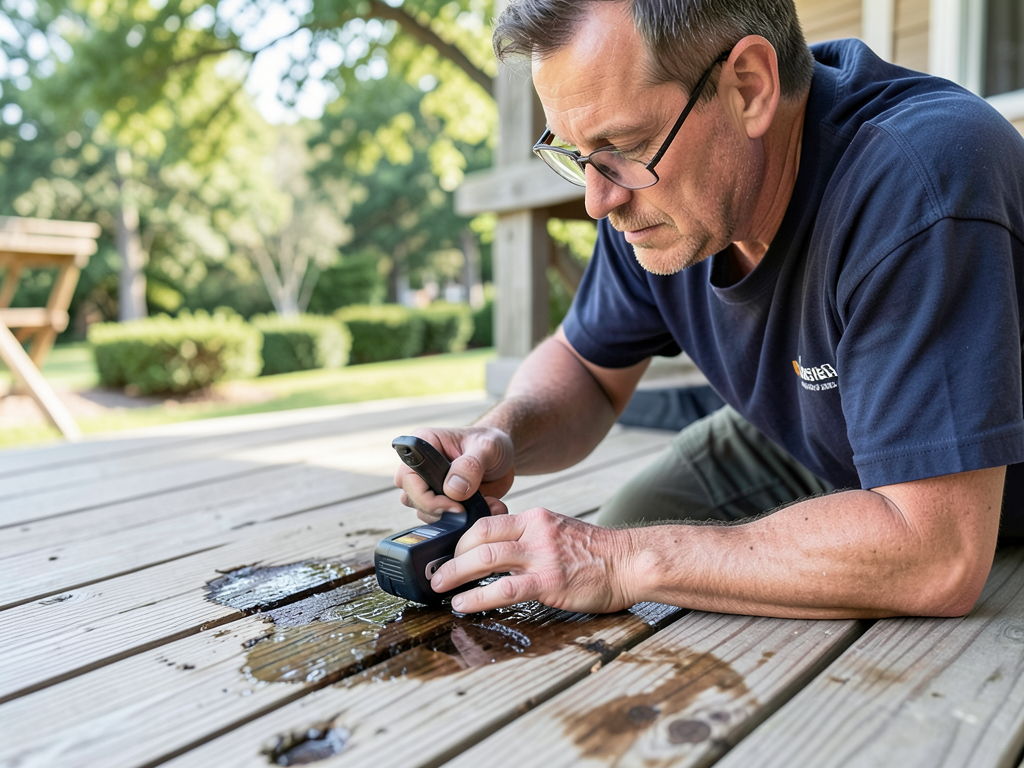
Our initial assessment uses moisture meters, thermal imaging cameras, and visual inspection to find all contaminated areas. We check behind baseboards, inside wall cavities, and under flooring. You get a written scope detailing affected materials, moisture sources, and remediation approach. We explain what needs removal versus what can be cleaned. If air quality testing is warranted, we coordinate with independent labs. This assessment happens before you commit to full remediation, giving you complete information to make decisions.

Final Results and Documentation

You receive a property restored to pre-loss condition with verified air quality. All contaminated materials are removed and disposed of properly. Treated surfaces show no visible growth and test negative for elevated spore counts. We provide full photographic documentation, moisture readings, and lab reports if testing was conducted. Your insurance carrier gets the documentation they need for claims processing. The goal is not just clean surfaces but verified safe indoor air quality that protects your family or employees.

Moisture Control and Prevention

Remediation without moisture control guarantees regrowth. We identify and correct the water source, whether that means repairing plumbing leaks, improving ventilation, installing dehumidifiers, or fixing exterior drainage. You get recommendations for ongoing moisture management specific to your property. Boston basements often need permanent dehumidification systems. Bathrooms require proper exhaust venting. We explain what maintenance prevents future problems and help you implement long-term solutions that keep your property dry.

Frequently Asked Questions

You Have Questions,
We Have Answers

How much does it cost to remove mold? +

Mold removal costs in Boston vary based on the size of the affected area and the mold type. Small jobs under 10 square feet typically start around a few hundred dollars. Larger infestations affecting multiple rooms or hidden areas like crawl spaces can run several thousand. Factors that impact price include containment needs, air filtration equipment, structural repairs, and whether HVAC systems need cleaning. Boston's older housing stock often requires wall cavity inspection, which adds cost. Insurance may cover mold if it resulted from a covered water damage event. Get a detailed inspection before committing to treatment.

What is the difference between mold removal and mold remediation? +

Mold removal refers to physically wiping away visible surface mold. Mold remediation is a comprehensive process that addresses the root cause and prevents future growth. Remediation includes containment to stop spore spread, air filtration, removing contaminated materials, treating surfaces with antimicrobial agents, fixing the moisture source, and verifying clearance through testing. In Boston's humid climate and older building structures, simple removal often fails because moisture issues persist in basements, behind walls, or in poorly ventilated attics. Professional remediation targets the entire problem, not just what you see.

How expensive is it to remediate mold? +

Mold remediation costs depend on contamination extent and structural complexity. Small bathroom mold might cost a few hundred dollars. Extensive basement contamination common in Boston's flood-prone areas or attic mold from ice dam leaks can reach several thousand. Costs include containment barriers, negative air machines, disposal of damaged drywall or insulation, HVAC cleaning, and post-remediation testing. Boston's historic homes often have hidden mold in wall cavities or under old flooring, requiring more invasive work. The longer you wait, the more expensive it becomes as mold spreads through building materials.

Can mold be fully removed from a house? +

Mold spores exist everywhere and cannot be completely eliminated. Professional remediation reduces spore counts to normal background levels and removes active growth. The goal is returning your home to a safe, healthy state. Success requires eliminating the moisture source, removing contaminated porous materials like drywall or insulation, and treating hard surfaces. Boston's climate creates ongoing risk in basements, crawl spaces, and areas with poor ventilation. Long-term mold control depends on maintaining proper humidity below 60 percent, fixing leaks promptly, and ensuring adequate ventilation, especially in bathrooms and kitchens.

What kills mold permanently? +

Nothing kills mold permanently because spores are always present in the environment. Professional remediation uses EPA-registered antimicrobial agents to kill active growth and inhibit future colonization on treated surfaces. The real solution is moisture control. Mold needs water to grow. Fix the leak, improve ventilation, and maintain humidity below 60 percent. In Boston, this often means addressing basement seepage, fixing roof leaks from ice dams, repairing failed gutters, and using dehumidifiers in damp spaces. Without controlling moisture, mold returns regardless of what cleaning products you use.

Is professional mold removal worth it? +

Professional mold removal is worth it when contamination exceeds 10 square feet, affects HVAC systems, or involves toxic species like black mold. Professionals use containment barriers, negative air pressure, and HEPA filtration to prevent spreading spores during removal. They identify hidden mold in wall cavities, under flooring, and in ductwork that you cannot see. In Boston's older homes with complex plumbing and ventilation systems, professionals locate the moisture source and prevent recurrence. DIY attempts often spread contamination and fail to address underlying causes, leading to bigger problems and higher costs later.

What are the first signs of mold sickness? +

Early mold exposure symptoms include persistent coughing, sneezing, nasal congestion, itchy eyes, skin rashes, and headaches. Some people experience fatigue, difficulty concentrating, or worsening asthma symptoms. Reactions vary based on sensitivity and mold type. Black mold exposure can cause more severe respiratory issues. Boston's humid summers and poorly ventilated older buildings increase exposure risk. If symptoms improve when you leave home and return when you come back, mold is likely the cause. Children, elderly individuals, and those with compromised immune systems face higher risk. See a doctor if symptoms persist.

What to do if you can't afford mold remediation? +

If you cannot afford full remediation, start by stopping the moisture source. Fix leaks, improve ventilation, and run dehumidifiers to prevent spread. Small surface mold under 10 square feet can be cleaned with detergent and water if you wear N95 masks and gloves. Some Boston homeowners insurance policies cover mold from sudden water damage, so check your policy. Contact local health departments for guidance. Consider payment plans with remediation companies. Leaving mold untreated worsens structural damage and health risks, ultimately costing more. Prioritize areas where you spend the most time, like bedrooms and living spaces.

How long should you stay out of house after mold remediation? +

You can typically return home within 24 to 48 hours after mold remediation, once air quality testing confirms safe spore levels. The timeline depends on the scope of work and drying time for treated areas. If antimicrobial chemicals were used, proper ventilation must occur first. Boston's humid climate can slow drying, especially in basements. Professionals should provide clearance documentation showing spore counts meet acceptable standards. If you have respiratory issues or mold sensitivity, wait until all odors dissipate. Ensure the moisture problem is fixed before moving back in to prevent immediate regrowth.

Can I remediate mold myself? +

You can handle small mold spots under 10 square feet on non-porous surfaces like tile or glass using detergent, water, and protective gear including N95 masks and gloves. Larger areas, hidden mold, or contamination in HVAC systems require professionals. DIY risks include spreading spores throughout your home, incomplete removal, and missing the moisture source. Boston's older homes often have mold in wall cavities, crawl spaces, or behind finished basements where you cannot safely access it. If you have health conditions, see visible mold on drywall or insulation, or smell musty odors, hire a professional.

How Boston's Coastal Climate Accelerates Mold Growth in Homes and Buildings

Boston sits at sea level with average relative humidity above 60 percent year-round. Summer dew points regularly exceed 65 degrees, creating condensation on cool surfaces inside air-conditioned buildings. Winter nor'easters drive wind-driven rain through brick mortar joints and aging window frames. The freeze-thaw cycle cracks foundation walls, creating new water entry points each spring. Older neighborhoods built before 1950 lack vapor barriers, meaning ground moisture wicks directly into basement walls. These conditions make professional mold decontamination essential, not optional. Surface cleaning fails because moisture stays trapped in building materials, feeding continuous spore germination.

Massachusetts requires licensed contractors for commercial mold projects exceeding specific square footage thresholds. Boston's Inspectional Services Department enforces strict remediation protocols in multi-family buildings to protect tenant health. We maintain relationships with local building inspectors, understand permit requirements, and document our work to meet municipal standards. When you hire Atlas Water Damage Restoration Providence for mold mitigation in Boston, you get a team familiar with local construction methods, seasonal moisture patterns, and regulatory requirements. That local expertise means faster permitting, proper containment in shared buildings, and remediation that actually passes inspection the first time.
Water Damage Restoration Services in The Boston Area

You can see our service area and our location on the map below. We are proud to serve the entire Boston area and surrounding communities. We're always ready to dispatch our team to your home or business, no matter where you are. We’re committed to a fast, reliable response and ensuring we’re always there when you need us most.

Address:
First Choice Water Damage Restoration Boston, 44 School St., Boston, MA, 02108

Additional Services We Offer

Our news updates

Latest Articles & News from The Blogs

Why Your Milton Chimney is Actually the Source of That Living Room Water Stain That brown water stain on your…

Why Your Milton Chimney is Actually the Source of That Living Room Water Stain

Why Your Milton Chimney is Actually the Source of That Living Room Water Stain That brown water stain on your…

How to Safely Move and Store Your Furniture After a Major Flood in West Roxbury

How to Safely Move and Store Your Furniture After a Major Flood in West Roxbury West Roxbury homes often feature…

Understanding Your Rights as a Boston Tenant When Mold Becomes an Issue

As a Boston tenant facing mold growth in your apartment you need to know your legal rights under Massachusetts law…

Contact Us

Mold spreads fast. Every day of delay means more contamination and higher remediation costs. Call Atlas Water Damage Restoration Providence at (617) 789-8099 for immediate assessment. We respond quickly, contain the problem, and restore your property to safe conditions.