Menu

Visible Mold Growth on Walls in Boston – Expert Diagnosis and Permanent Remediation

Our certified technicians identify the moisture source behind your visible mold growth on walls, eliminate black mold spots on drywall at the root, and restore safe indoor air quality throughout your Boston property.

Slider Image 1
Slider Image 2
Slider Image 3
Slider Image 4
Slider Image 5
Slider Image 7
Slider Image 8
Slider Image 9
Slider Image 10
Slider Image 11

Why Boston Walls Develop Mold Faster Than You Think

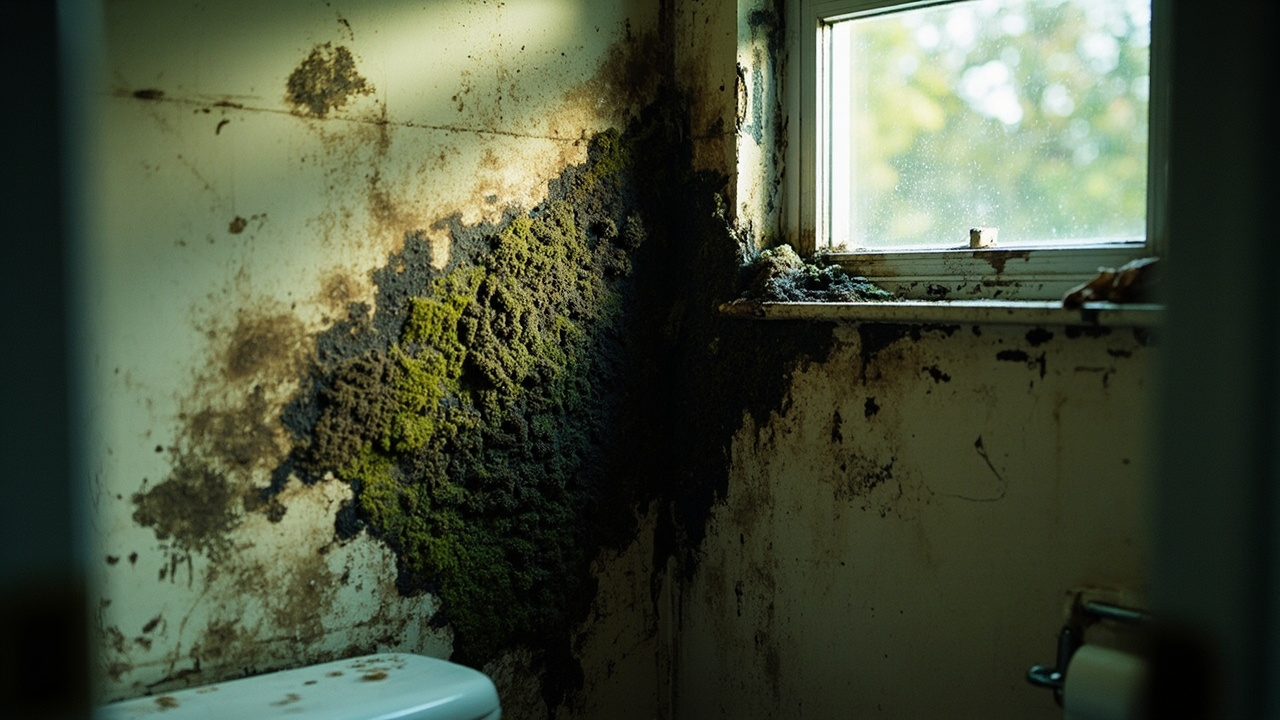
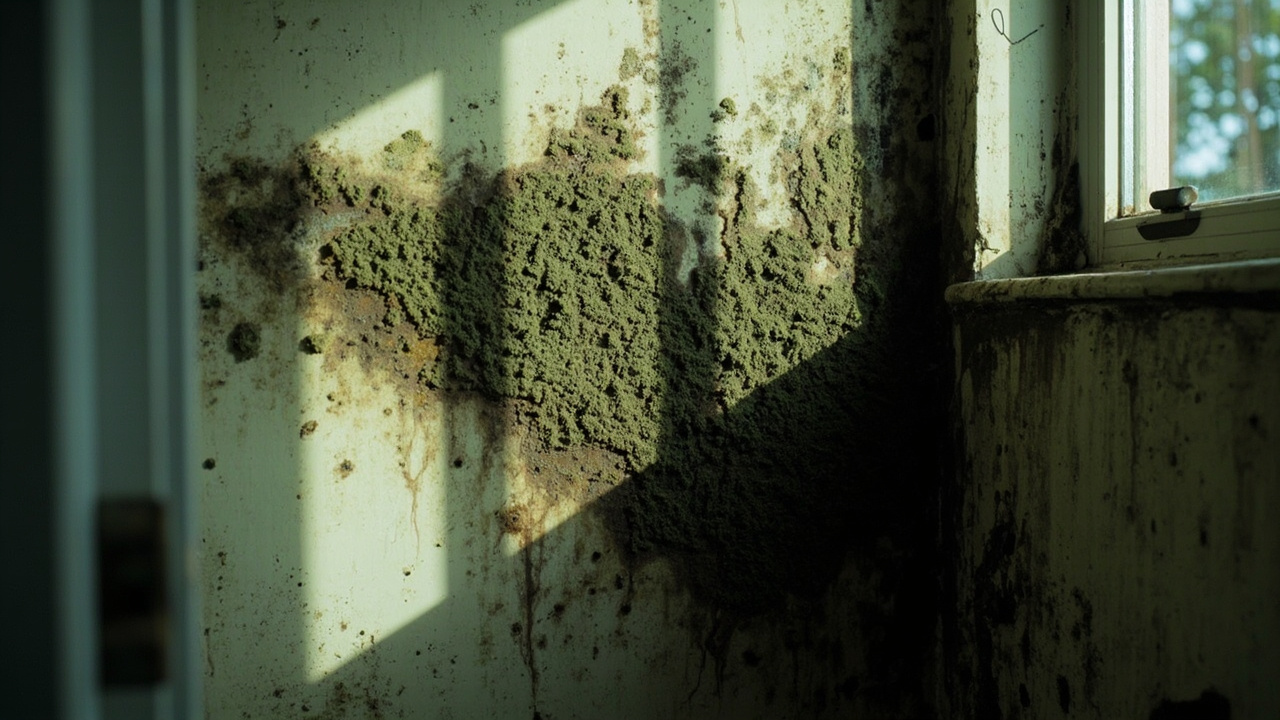
You walk past the same spot every day until you finally see it. Black mold spots on drywall near the window. Fungal growth on wall surfaces in the basement. Visible mildew on painted walls that appeared overnight after a humid week.

Boston's coastal climate creates the perfect breeding ground for wall mold infestation. The combination of maritime humidity, seasonal temperature swings, and older housing stock with minimal vapor barriers means your walls stay damp longer than they should. When summer humidity pushes 80 percent and your aging HVAC system struggles to dehumidify, moisture condenses inside wall cavities. When winter freezing creates ice dams on triple-deckers in Dorchester or Charleston row homes, snowmelt seeps behind siding and saturates sheathing.

The result is mold patches on sheetrock that spread faster than you expect. What starts as a small discoloration becomes a health hazard within 48 to 72 hours. You might smell the musty odor before you see the stain. You might notice respiratory irritation or allergy symptoms that worsen indoors.

The mistake most homeowners make is treating the symptom instead of the cause. Bleach kills surface mold but does nothing about the moisture source. Paint covers the stain until it bleeds through again. The mold returns because the wall cavity remains wet. Without proper remediation that addresses both the fungal growth and the underlying water intrusion, you are just buying time before the problem reappears worse than before.

Why Boston Walls Develop Mold Faster Than You Think
How We Eliminate Wall Mold and Stop It From Coming Back

How We Eliminate Wall Mold and Stop It From Coming Back

We do not spray and pray. We locate the moisture source first, then we remediate the mold, then we fix the building envelope to prevent recurrence.

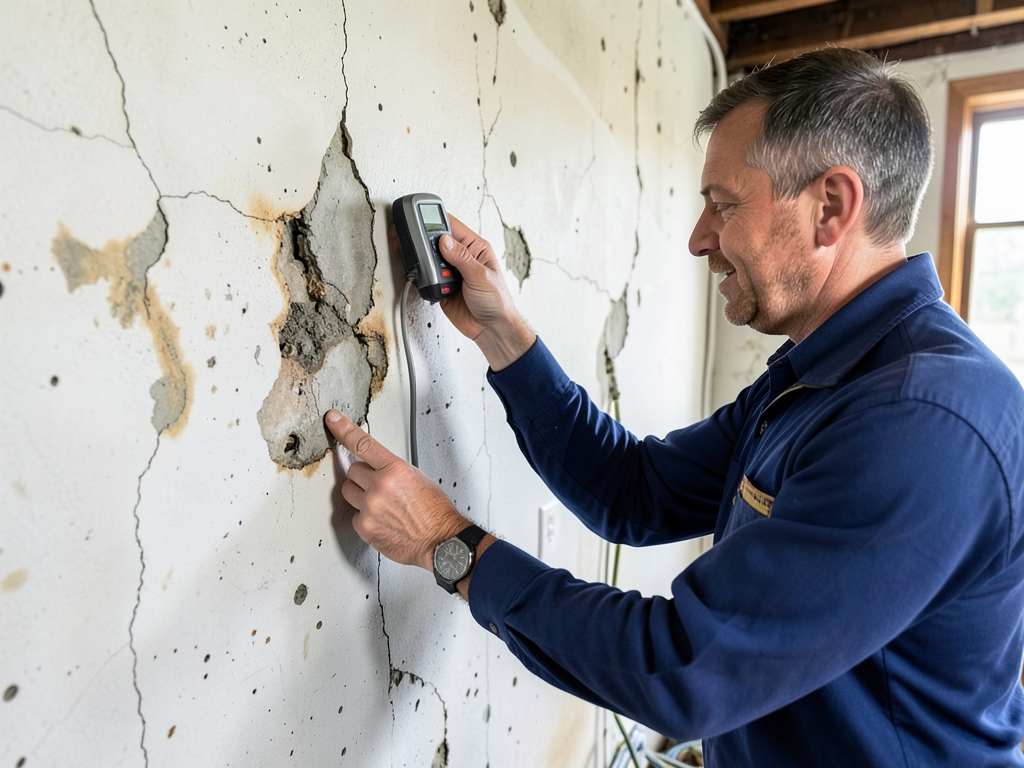
Our process begins with thermal imaging and moisture meters to map exactly where water is entering your wall assembly. We check for failed window flashing, compromised housewrap, condensation from missing insulation, plumbing leaks behind drywall, and roof penetrations that allow water intrusion. In Boston's older homes, we often find balloon framing that creates vertical air channels where humid air rises and condenses on cool surfaces. We test air samples and surface samples to identify mold species and spore concentration levels.

Once we identify the source, we establish containment barriers with negative air pressure to prevent cross-contamination. We remove contaminated materials using HEPA filtration and dispose of them according to Massachusetts Department of Public Health guidelines. We do not just cut out the visible section. We remove all affected sheathing, insulation, and drywall within the contaminated zone, plus an additional safety margin.

We treat structural framing with antimicrobial solutions and encapsulants rated for cellulose and wood substrates. We verify remediation success with post-clearance air sampling before we rebuild. Then we address the building science failure that caused the problem. We install proper flashing details, seal penetrations with appropriate sealants, upgrade insulation to prevent thermal bridging, and improve ventilation to control humidity levels. The goal is not just to remove mold but to create wall assemblies that resist future growth.

What Happens During Your Mold Remediation

Visible Mold Growth on Walls in Boston – Expert Diagnosis and Permanent Remediation
01

Source Investigation

We use infrared cameras and pin-type moisture meters to trace water intrusion pathways through your wall assembly. This diagnostic phase identifies whether you are dealing with exterior envelope failure, interior condensation, or hidden plumbing leaks. We document moisture levels in wood framing, drywall, and insulation to establish the full scope of contamination before we begin demo.
02

Containment and Removal

We seal off the work area with polyethylene barriers and establish negative air pressure using HEPA air scrubbers. Our technicians wear respirators and protective suits while removing contaminated materials. We bag and dispose of moldy drywall, insulation, and damaged framing members according to state protocols. All demolition debris is double-bagged and removed from your property the same day.
03

Treatment and Verification

After removal, we apply EPA-registered antimicrobials to all exposed framing and sheathing. We run air scrubbers for 48 to 72 hours to capture airborne spores, then conduct post-remediation air sampling to verify spore counts meet clearance standards. Only after lab results confirm successful remediation do we begin reconstruction with mold-resistant materials and proper moisture barriers.

Why Boston Properties Need Local Mold Remediation Expertise

Generic mold removal does not work in Boston's housing stock. You need technicians who understand how triple-deckers in Southie differ from brownstones in Back Bay, how vinyl-sided Colonials in West Roxbury trap moisture differently than brick row homes in the North End.

Our team knows that most Boston homes built before 1950 lack vapor barriers. We know that adding exterior insulation without addressing interior humidity creates condensation planes that grow mold. We understand how the State Sanitary Code Chapter II 410.020 requires habitability standards that include mold remediation. We work with insurance adjusters who know Massachusetts claim protocols and documentation requirements.

We also understand Boston's seasonal mold patterns. Spring thaw creates basement seepage. Summer humidity drives condensation in air-conditioned spaces. Fall nor'easters push wind-driven rain through aging siding. Winter ice dams send snowmelt into wall cavities. Each season creates different moisture challenges that require different remediation approaches.

When you hire First Choice Water Damage Restoration Boston, you get technicians trained in building science principles specific to New England construction. We do not just remove mold. We fix the building envelope failures that caused it. We understand how to flash windows in brick veneer, how to detail roof-to-wall transitions on mansard roofs, how to ventilate enclosed porches and additions that trap moisture.

You also get access to structural engineers and industrial hygienists when necessary. Large-scale contamination in multi-family properties requires engineered solutions and third-party verification. We coordinate with certified hygienists for air sampling protocols and clearance testing that satisfy both insurance requirements and Massachusetts regulatory standards.

What You Can Expect From Professional Mold Remediation

Emergency Response Availability

We arrive within two hours for emergency calls throughout Boston. Our initial assessment takes 60 to 90 minutes and includes thermal imaging, moisture mapping, and preliminary air sampling. You receive a written scope of work within 24 hours that details contamination extent, remediation protocol, and timeline. Most residential projects take three to five days from containment setup through post-clearance verification. Commercial projects depend on square footage and access constraints, but we work nights and weekends to minimize business disruption.

Comprehensive Property Assessment

Your initial evaluation includes moisture mapping of all suspect areas, thermal imaging to detect hidden water intrusion, and documentation photography for insurance claims. We test surface samples and air samples when necessary to identify mold species and spore concentration. You get a detailed report that explains the moisture source, contamination severity, and recommended remediation approach. We provide this assessment even if you choose to handle repairs yourself. The goal is to give you complete information about what you are dealing with before you make decisions.

Verified Clean Environment

We do not consider a job complete until air sampling confirms spore counts meet industry clearance standards. You receive lab reports showing pre-remediation spore levels and post-remediation levels that document successful cleanup. All reconstruction uses mold-resistant drywall, vapor barriers appropriate for your wall assembly, and insulation that prevents thermal bridging. We fix the building envelope details that caused the original problem, whether that means new window flashing, upgraded roof-to-wall transitions, or improved ventilation systems.

Prevention Strategy and Monitoring

After remediation, we provide a written maintenance plan specific to your property. This includes recommended humidity levels, seasonal inspection points, and early warning signs of moisture problems. We offer annual follow-up inspections that use moisture meters and thermal imaging to verify your building envelope remains dry. If you experience recurrence within the first year, we return to investigate why the building science solution failed and correct it. Prevention is less expensive than repeated remediation.

Frequently Asked Questions

You Have Questions,
We Have Answers

What to do if I see mold on my wall? +

Stop using the area immediately and avoid touching the mold. Open windows if weather permits to increase ventilation. Do not attempt to clean visible mold yourself if it covers more than 10 square feet, as disturbing it releases spores into the air. Boston's humid summers and older housing stock create ideal mold conditions, so the problem often runs deeper than what you see on the surface. Document the area with photos for insurance purposes. Contact a licensed mold remediation specialist to inspect behind the wall and identify the moisture source. Fast action prevents spread and protects your family's health.

Can mold make a baby cough? +

Yes. Mold spores irritate a baby's developing respiratory system and can trigger persistent coughing, wheezing, and congestion. Infants breathe faster than adults, so they inhale more spores relative to their body weight. Black mold and other toxigenic species release mycotoxins that worsen symptoms. In Boston's older triple-deckers and historic homes, hidden mold behind walls or in crawl spaces often goes undetected until health symptoms appear. If your baby has an unexplained cough lasting more than a week, inspect your home for water damage, musty odors, or visible growth. Professional testing identifies the mold type and contamination level.

Can mold cause twitching? +

Mold exposure can cause neurological symptoms, including muscle twitching, tremors, and difficulty concentrating. Mycotoxins from toxic mold species cross the blood-brain barrier and affect nerve function. Symptoms vary based on exposure duration, mold type, and individual sensitivity. Twitching often accompanies other signs like headaches, brain fog, and fatigue. Boston's damp basements and poorly ventilated bathrooms create chronic mold issues that compound over time. If you experience unexplained twitching and suspect mold, see a doctor familiar with environmental illness. Remove yourself from the contaminated space and hire a certified remediation company to test air quality and eliminate the source.

Does black mold affect pregnancy? +

Black mold exposure during pregnancy poses serious risks. Mycotoxins can trigger respiratory issues, allergic reactions, and immune system suppression in expectant mothers. Some studies link prenatal mold exposure to complications like preterm birth and low birth weight. Pregnant women are more vulnerable because their immune systems naturally suppress to protect the fetus. Boston's high humidity and aging housing infrastructure increase mold risk, particularly in basement units and poorly maintained rentals. If you discover black mold in your home while pregnant, leave the remediation to professionals. Avoid the area entirely, as disturbing mold releases dangerous spore concentrations into the air you breathe.

What kills mold permanently on walls? +

Nothing kills mold permanently without removing the moisture source. Bleach kills surface mold temporarily but does not penetrate porous materials like drywall or wood. Mold roots remain embedded and regrow within days. Professional remediation uses antimicrobial treatments, HEPA vacuuming, and complete removal of contaminated materials. Boston's freeze-thaw cycles and coastal humidity create recurring moisture problems that feed mold growth. You must fix leaks, improve ventilation, and control indoor humidity below 50 percent. For walls with extensive growth, removal and replacement of affected drywall is the only permanent solution. Surface cleaning without addressing the water problem guarantees mold returns.

Will mold go away if it dries out? +

No. Mold does not die when it dries out. It goes dormant and reactivates the moment moisture returns. Dried mold still releases spores and mycotoxins that trigger allergic reactions and respiratory issues. In Boston, where basements flood during spring thaw and roofs leak from ice dams, mold cycles between active growth and dormancy throughout the year. The spores remain viable for years, waiting for the next water event. You must physically remove mold-contaminated materials and treat surfaces with antimicrobial solutions. Simply drying the area leaves a hidden health hazard that will spread when humidity rises again during summer months.

What are the first signs of mold sickness? +

Early mold sickness symptoms include persistent sinus congestion, chronic cough, watery eyes, headaches, and fatigue that worsens at home. You may notice brain fog, difficulty concentrating, or unexplained skin rashes. Symptoms often improve when you leave the building and return when you come back. Boston's triple-deckers and older homes with poor ventilation trap mold spores indoors at high concentrations. People with asthma or allergies react faster and more severely. If multiple household members develop similar symptoms without an obvious cause, mold exposure is likely. Professional air quality testing measures spore counts and identifies specific mold species causing your symptoms.

Can air purifiers remove mold spores? +

Air purifiers with true HEPA filters capture mold spores from the air but do not solve the underlying problem. They reduce airborne spore counts temporarily, providing symptom relief while you address the source. Purifiers cannot remove mold growing inside walls, under floors, or in HVAC systems. Boston homes need purifiers rated for the specific square footage and equipped with activated carbon to absorb mycotoxins and musty odors. Run purifiers continuously in affected rooms, but understand they are a bandaid, not a cure. You must eliminate the moisture source and physically remove contaminated materials. Purifiers help during remediation by controlling spore spread.

How to test your house for mold? +

Start with a visual inspection of basements, bathrooms, attics, and areas with past water damage. Look for discoloration, peeling paint, and musty odors. Check behind furniture and inside closets. Boston's humid climate makes crawl spaces and rim joists common problem areas. DIY test kits from hardware stores provide limited value because mold exists everywhere. Professional air quality testing measures spore concentrations and identifies specific species. Inspectors use moisture meters and thermal imaging to find hidden water intrusion behind walls. If you see visible mold or smell mustiness, skip DIY tests and hire a certified mold assessor for accurate results and remediation planning.

Is brain damage from mold reversible? +

Limited research exists on full recovery from mold-related brain damage, but removing exposure often improves symptoms. Mycotoxins cause inflammation and oxidative stress in brain tissue, leading to memory problems, mood changes, and cognitive decline. Some people recover significantly after remediation and medical treatment, while others experience lasting effects. Boston residents in older buildings with chronic mold problems face prolonged exposure that worsens outcomes. Early intervention matters. If you suspect mold is affecting your neurological health, leave the contaminated environment immediately, consult a doctor experienced in environmental medicine, and hire certified professionals to eliminate the source completely. Brain inflammation can decrease with time and treatment.

How Boston's Triple-Decker Construction Creates Hidden Mold Problems

Boston's signature triple-deckers create unique mold challenges that most remediation companies miss. These buildings use balloon framing with no fire blocking between floors, which creates vertical air channels that transport humid air from basement to attic. When warm, moist air rises through wall cavities and hits cold sheathing in winter, you get condensation and mold growth hidden behind drywall. The problem worsens when someone air-seals the building without addressing mechanical ventilation. You trap moisture inside wall assemblies with no escape path.

First Choice Water Damage Restoration Boston has remediated mold in hundreds of triple-deckers, row homes, and historic properties throughout Boston neighborhoods. We understand how these buildings were designed to breathe and what happens when you add modern insulation without updating ventilation. We work with building inspectors who enforce the Massachusetts State Building Code and understand remediation protocols that preserve historic fabric while meeting modern performance standards. Local expertise matters when your building envelope predates modern moisture management principles.

Water Damage Restoration Services in The Boston Area

You can see our service area and our location on the map below. We are proud to serve the entire Boston area and surrounding communities. We're always ready to dispatch our team to your home or business, no matter where you are. We’re committed to a fast, reliable response and ensuring we’re always there when you need us most.

Address:
First Choice Water Damage Restoration Boston, 44 School St., Boston, MA, 02108

Additional Services We Offer

Our news updates

Latest Articles & News from The Blogs

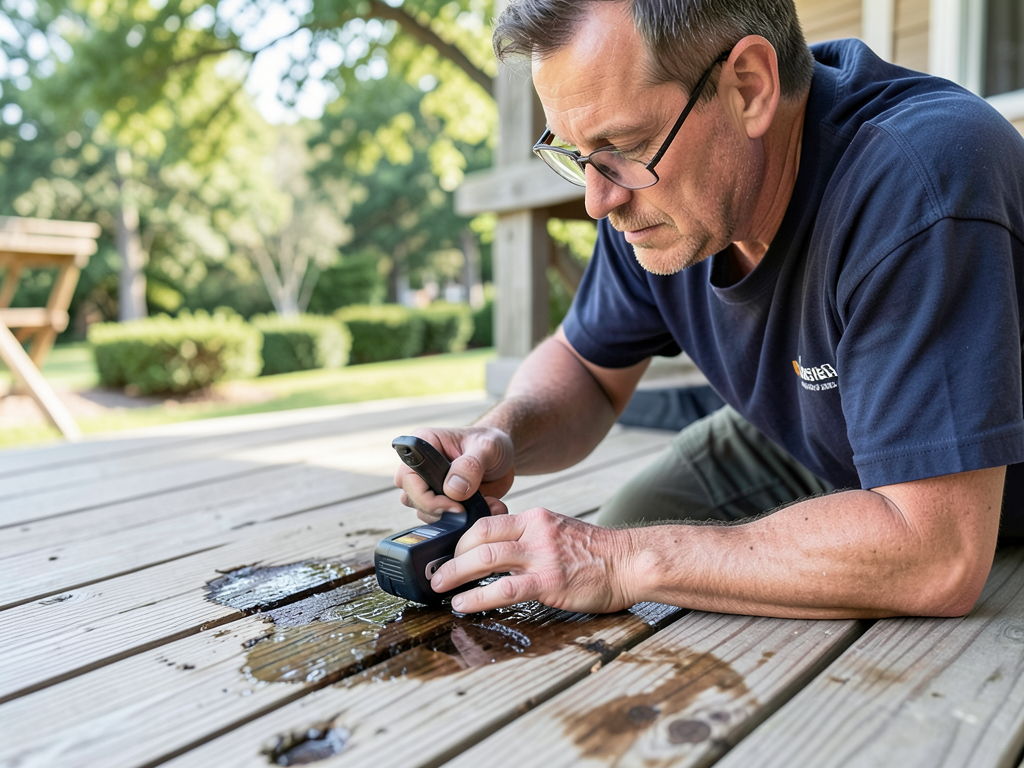
How to Find a Hidden Water Leak Under Your Marblehead Outdoor Deck Living in Marblehead means dealing with coastal moisture,…

How to Find a Hidden Water Leak Under Your Marblehead Outdoor Deck

How to Find a Hidden Water Leak Under Your Marblehead Outdoor Deck Living in Marblehead means dealing with coastal moisture,…

Saving a Luxury Walk In Closet and Designer Wardrobe After a Pipe Burst in Chestnut Hill

When a pipe bursts in your Chestnut Hill home the damage goes far beyond soaked carpets and warped baseboards. For…

Preparing Your Inland Needham Home for Hurricane Season Flooding

Preparing Your Inland Needham Home for Hurricane Season Flooding Living in Needham means enjoying quiet suburban streets and tree-lined neighborhoods.…

Contact Us

Visible mold means hidden water damage. Every day you wait allows spores to spread and structural damage to worsen. Call First Choice Water Damage Restoration Boston at (617) 789-8099 for a comprehensive assessment that identifies the source and scope of your mold problem.