Menu

Business Interruption Mitigation in Boston – Protecting Revenue and Restoring Operations in Hours, Not Days

Atlas Water Damage Restoration Providence delivers business continuity restoration with emergency extraction, infrastructure stabilization, and phased operational recovery that keeps critical business functions online while we rebuild damaged areas.

Slider Image 1
Slider Image 2
Slider Image 3
Slider Image 4
Slider Image 5
Slider Image 7
Slider Image 8
Slider Image 9
Slider Image 10
Slider Image 11

Boston's Coastal Climate Creates High-Stakes Commercial Water Damage Risks

Every hour your Boston business stays offline costs money. Payroll continues. Lease payments do not pause. Client contracts face penalties. When water intrusion shuts down operations, you are not dealing with inconvenience. You are managing a liability event.

Boston's position on the Atlantic coast creates compounding risks for commercial properties. Nor'easter storm surges push seawater into basement electrical rooms. Freeze-thaw cycles rupture supply lines in older buildings throughout the Financial District and Seaport. Humidity from the harbor accelerates mold proliferation in HVAC systems. These conditions make minimizing business downtime a technical challenge, not just a cleanup job.

The real damage is not always visible. Water migrates through concrete slabs, saturates insulation behind drywall, and pools under raised server room floors. Surface drying does not address structural moisture. You need moisture mapping with thermal imaging to locate hidden water pockets before they compromise load-bearing elements or create indoor air quality violations.

Commercial water damage in Boston requires a different response than residential work. You cannot afford to wait three days for a mitigation team to arrive. You need immediate containment, rapid extraction, and a phased restoration plan that prioritizes revenue-generating areas first. Atlas Water Damage Restoration Providence structures every commercial response around business continuity restoration, not cosmetic repair timelines.

Reducing operational downtime means making strategic decisions in the first four hours. Which areas can remain functional? What equipment can be salvaged versus replaced? How do you maintain environmental controls while extraction equipment runs? These are the questions that separate a fast cleanup from a true mitigation strategy.

Boston's Coastal Climate Creates High-Stakes Commercial Water Damage Risks
Our Commercial Water Damage Methodology Prioritizes Operational Continuity

Our Commercial Water Damage Methodology Prioritizes Operational Continuity

Atlas Water Damage Restoration Providence does not treat commercial properties like oversized homes. Our response protocol starts with a business impact assessment before we place a single air mover. We identify which spaces generate revenue, which systems support operations, and which areas can tolerate staged restoration without compromising safety or code compliance.

Within 90 minutes of your call, our team arrives with commercial-grade extraction equipment, moisture detection technology, and a project manager who maps your facility's critical path. We perform psychrometric calculations to determine drying capacity, identify vapor pressure differentials, and establish containment zones that isolate damaged areas from active workspaces. This is not guesswork. It is applied building science.

Our extraction process uses truck-mounted units that remove thousands of gallons per hour, not small shop vacuums. We deploy desiccant dehumidifiers in spaces where refrigerant units cannot achieve target grain depression. For properties with sensitive equipment, we install HEPA-filtered negative air machines to prevent cross-contamination during demolition phases.

Mitigating commercial downtime requires coordination with your insurance adjuster, property manager, and often your IT team. We document every stage with photographic evidence, moisture logs, and equipment placement diagrams that satisfy both your carrier's requirements and your internal audit trail. You receive daily progress reports with measured outcomes, not vague updates.

Atlas Water Damage Restoration Providence works in phases. We stabilize the environment first. Then we restore essential functions. Finally, we address cosmetic repairs on a timeline that does not force you to relocate operations or break lease agreements. This sequencing approach is what separates limiting business disruption from simply drying out a building.

How We Execute Commercial Water Damage Response in Boston

Business Interruption Mitigation in Boston – Protecting Revenue and Restoring Operations in Hours, Not Days
01

Emergency Containment and Assessment

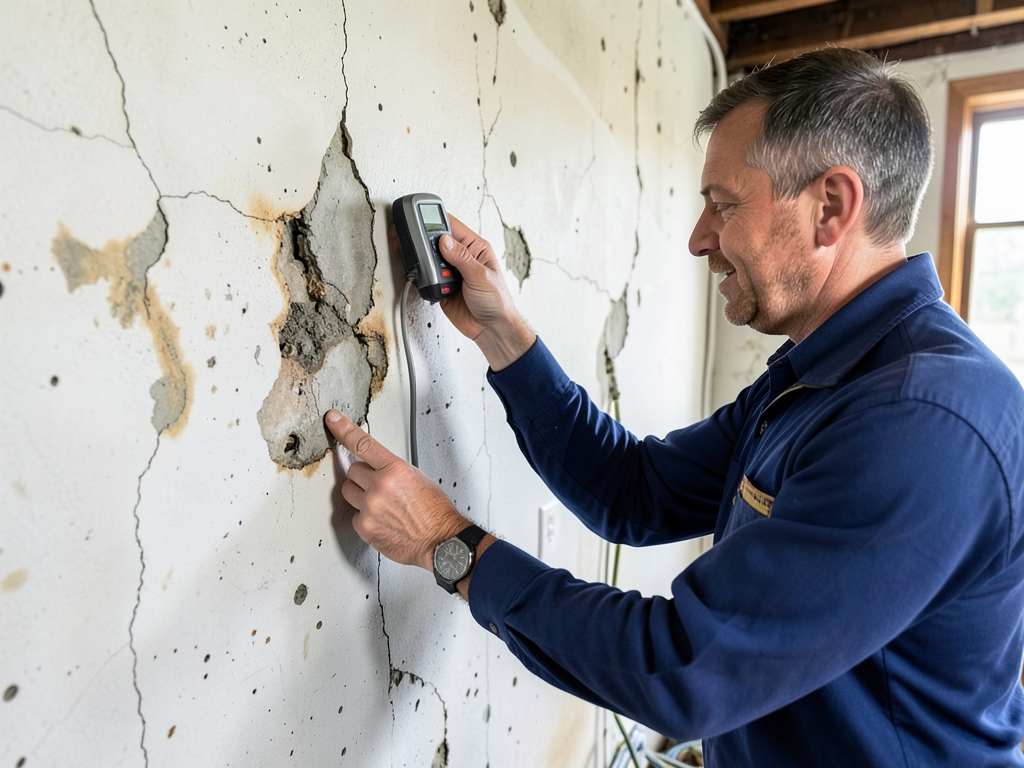
We arrive with infrared cameras and moisture meters to map water migration paths through your facility. Our team isolates affected zones with physical barriers, stops ongoing water intrusion at the source, and performs a facility-wide impact assessment that categorizes damage by contamination level and structural risk. You receive a preliminary scope document within three hours that outlines mitigation priorities and projected recovery timelines for each operational area.
02

Extraction and Environmental Stabilization

Truck-mounted extraction units remove standing water while desiccant dehumidifiers begin atmospheric moisture reduction. We monitor temperature, relative humidity, and dew point every four hours to ensure drying conditions meet IICRC S500 standards. Air movers are positioned using computational fluid dynamics principles to maximize evaporation rates without creating turbulence that spreads contaminants. Antimicrobial treatments are applied to porous materials based on water category classification. This phase continues until moisture readings return to baseline.
03

Phased Reconstruction and Handoff

Once structural drying is verified with moisture mapping, we rebuild damaged areas in coordination with your operational schedule. Non-revenue spaces are restored first to minimize impact on cash flow. We coordinate with electrical, HVAC, and plumbing contractors to restore building systems to full function. Final inspection includes air quality testing, surface sampling for microbial growth, and thermal imaging to confirm no residual moisture remains in wall cavities or ceiling plenums. You receive full documentation for insurance reconciliation and facility records.

Why Boston Businesses Trust Atlas for Critical Water Damage Response

Atlas Water Damage Restoration Providence operates across the greater Boston metro with an understanding of what makes commercial properties here different. We know that buildings in the Leather District still use cast iron drainage stacks that corrode from the inside. We understand that properties along Atlantic Avenue face elevated flood risk from spring high tides combined with stormwater surges. We have worked in facilities regulated by Massachusetts Division of Occupational Safety, where air quality monitoring is not optional.

Boston's commercial real estate market does not tolerate extended vacancies. When a tenant improvement project floods or a roof membrane fails during a winter storm, you need a team that can work within occupied buildings without forcing business closure. Atlas structures restoration work in swing shifts to avoid peak operational hours. We have completed projects in active medical offices, running data centers, and retail spaces that could not afford to lose weekend revenue.

Our project managers communicate in the language of risk management, not construction jargon. You will know your exposure timeline, your code compliance status, and your insurance claim position at every stage. We provide forensic documentation that supports subrogation claims when vendor negligence or product failure causes the loss. This level of detail protects your balance sheet when liability becomes a question.

Choosing a local provider means working with professionals who understand Boston's building inventory. We know the difference between restoring a brick-and-beam warehouse in Fort Point versus a steel-frame office tower in the Financial District. We know which materials are available locally and which require lead time. We know how to navigate permitting in Boston when reconstruction involves structural modifications. This knowledge base reduces your project risk and accelerates your return to normal operations.

What to Expect When You Call Atlas for Commercial Water Damage

Rapid Mobilization and Site Control

Atlas maintains response teams on call across the Boston metro area. When you contact us, a project manager and extraction crew are dispatched immediately. Most Boston properties receive on-site response within 90 minutes. Our team arrives with containment equipment, extraction tools, and moisture detection technology ready to deploy. We establish site control, secure the affected area, and begin water removal while other providers are still scheduling callbacks. This response speed directly impacts your total loss cost and operational recovery timeline.

Comprehensive Loss Documentation and Moisture Assessment

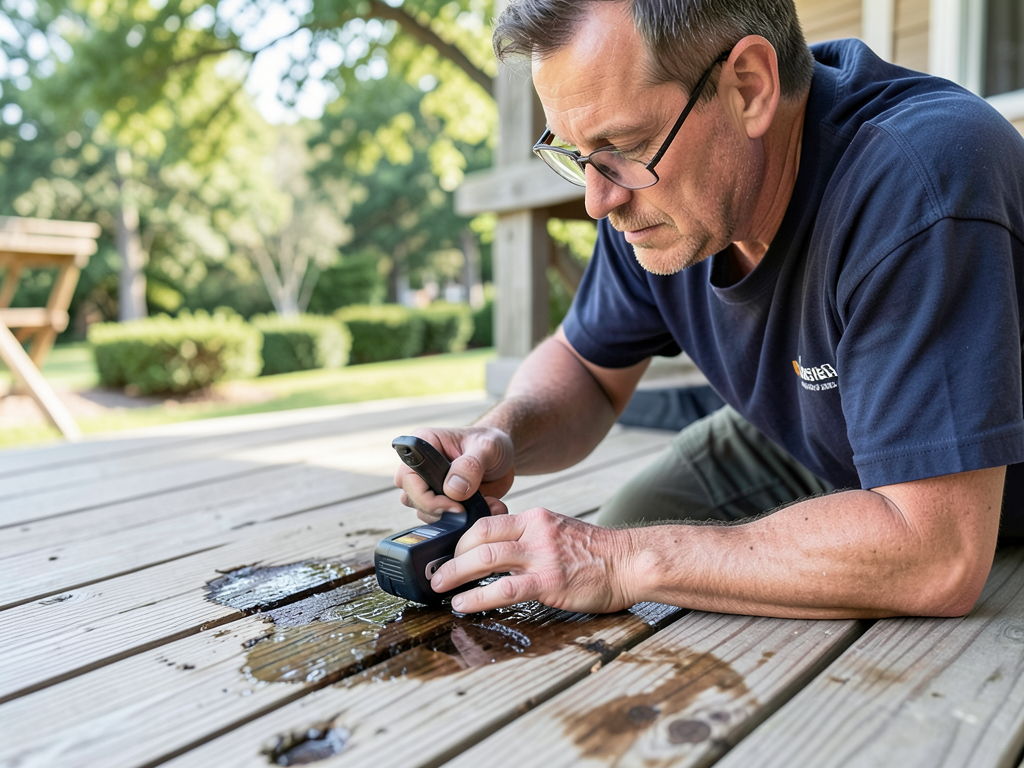
Every commercial project begins with a facility walkthrough that identifies all affected systems, materials, and structural elements. We use thermal imaging to detect water intrusion in concealed spaces. Moisture meters measure material saturation levels in flooring, drywall, and insulation. We photograph all damaged areas and create a detailed loss inventory. You receive a preliminary report within hours that categorizes damage by severity, identifies contamination risk, and outlines the restoration scope. This documentation supports your insurance claim and helps you make informed decisions about business continuity options.

Measured Outcomes and Environmental Compliance

Atlas does not rely on subjective assessments. We use psychrometric data to establish baseline drying conditions and monitor progress with calibrated instruments. Daily moisture logs track grain depression, temperature, and relative humidity. We adjust equipment placement based on measured performance, not assumptions. Air quality testing verifies that microbial contamination has not spread to unaffected areas. Final clearance includes thermal imaging to confirm no residual moisture remains in structural cavities. This data-driven approach ensures your building is genuinely dry, not just visually clean.

Post-Restoration Monitoring and Facility Handoff

After reconstruction is complete, Atlas performs a final facility inspection that includes moisture verification testing and air quality sampling. We provide you with a comprehensive project binder containing all documentation, material certifications, and equipment logs. For properties with elevated risk profiles, we offer ongoing monitoring services that track humidity levels and identify potential water intrusion before it becomes a loss event. Our goal is not just to restore your facility but to help you implement controls that prevent future interruptions.

Frequently Asked Questions

You Have Questions,
We Have Answers

What is an example of mitigation in business? +

Mitigation in business refers to actions that reduce downtime and financial loss after a covered event. For a Boston commercial property with water damage, this means immediate water extraction, dehumidification, and structural drying to prevent mold growth and secondary damage. Documenting all damage with photos and invoices is critical for insurance claims. Relocating operations temporarily, securing alternate supply chains, or shifting to remote work are additional mitigation measures. Insurers expect you to act quickly. Delays can void coverage. In Boston's humid climate, water damage escalates fast. Mitigation protects your balance sheet and maintains business continuity during restoration.

What are the exercises to minimize business interruptions? +

Exercises to minimize business interruptions include tabletop simulations where management reviews response protocols for fires, floods, or power outages. Conduct annual drills for evacuations and data backup restoration. Test backup generators and redundant systems quarterly. In Boston, where nor'easters and freeze-thaw cycles threaten infrastructure, scenario planning for winter storms or burst pipes is essential. Review vendor contracts to ensure alternate suppliers exist. Cross-train employees so critical roles have coverage. Document all procedures in a written continuity plan. Regular exercises reveal gaps before real events occur. Preparedness reduces downtime and keeps revenue flowing during disruptions.

What does business interruption coverage cover? +

Business interruption coverage compensates for lost income and ongoing expenses when a covered peril forces your operation to close temporarily. It covers lost profits, fixed costs like rent and payroll, and extra expenses incurred to minimize downtime. Coverage kicks in after property damage from fire, storm, or water events. In Boston, where winter freezing can burst pipes and shut down facilities, this coverage bridges the gap between closure and reopening. It does not cover pandemics, government shutdowns, or utility failures unless specifically endorsed. Review your policy carefully. Coverage limits and waiting periods vary by carrier.

What are the ways of mitigating risks in business? +

Mitigating business risks requires layered strategies. Diversify suppliers and revenue streams to avoid single points of failure. Invest in preventive maintenance for HVAC, plumbing, and roofing systems, especially in Boston's freeze-thaw environment. Maintain adequate insurance with business interruption and property coverage. Establish a crisis management team and written continuity plan. Conduct regular risk assessments to identify vulnerabilities like aging infrastructure or outdated fire suppression systems. Use contracts to transfer risk to vendors or subcontractors when feasible. Train employees on emergency protocols. Proactive measures reduce the likelihood and severity of operational disruptions.

What are 5 examples of mitigation? +

Five examples of mitigation include installing automatic shut-off valves to prevent water damage, upgrading fire suppression systems to stop blaze spread, reinforcing roofs to handle snow loads common in Boston winters, storing critical documents offsite or in the cloud, and maintaining backup power generators. Each action reduces exposure to specific threats. Water detection sensors can alert you to leaks before catastrophic flooding. Redundant data systems ensure records survive fires. Physical hardening of structures limits damage. Mitigation is about reducing consequences. Every dollar spent on prevention saves ten dollars in emergency repairs and lost revenue.

What are the 4 mitigation strategies? +

The four mitigation strategies are avoidance, reduction, transfer, and acceptance. Avoidance means eliminating the risk entirely, like relocating out of a floodplain. Reduction involves minimizing impact through backup systems, preventive maintenance, or structural upgrades. Transfer shifts risk to insurers or third parties via contracts. Acceptance means acknowledging residual risk and preparing financial reserves. For Boston commercial properties, reduction strategies like roof reinforcement for snow loads and pipe insulation for freezing temperatures are common. Transfer through comprehensive insurance policies is essential. No strategy eliminates all risk. Effective mitigation combines multiple approaches to protect operations and cash flow.

What are the 4 P's of business continuity? +

The four P's of business continuity are people, processes, premises, and providers. People includes staffing plans and employee safety protocols. Processes covers critical workflows and decision-making hierarchies during disruptions. Premises addresses facility access, alternate worksites, and physical infrastructure resilience. Providers refers to supply chains, vendors, and third-party dependencies. In Boston, where winter weather can isolate facilities, having redundant suppliers and remote work capabilities is critical. Each P must function independently yet integrate seamlessly. A failure in one area cascades to others. Map dependencies, identify vulnerabilities, and document recovery steps for all four elements.

How to professionally tell someone to stop interrupting? +

This question does not relate to business interruption mitigation in the commercial property damage context. If you are managing a crisis response and team members are talking over critical updates, address it directly in private. State the behavior, its impact on decision-making, and request they hold questions until briefings conclude. In high-stress restoration scenarios, clear communication saves time. Establish a command structure where one person leads incident response and others listen first, then contribute. Interruptions during damage assessments or insurance walkthroughs create confusion and delays. Set expectations early. Professionalism and efficiency prevent further loss.

What is probably the most common cause of a business interruption? +

The most common cause of business interruption is water damage from burst pipes, roof leaks, or storm flooding. In Boston, freeze-thaw cycles stress aging plumbing and roofing systems. A single pipe rupture can flood multiple floors, halt operations, and destroy inventory or equipment. Fire and power outages follow closely. Unlike fires, water damage often goes undetected until significant harm occurs. Mold develops within 48 hours in humid conditions. Mitigation requires immediate water extraction and drying. Delayed response increases downtime and repair costs. Proactive maintenance and monitoring systems reduce this risk substantially.

What is not covered under business interruption? +

Business interruption insurance does not cover pandemics, government-mandated closures, or utility failures unless specifically endorsed. It excludes losses from poor management, voluntary shutdowns, or pre-existing damage. In Boston, if a winter storm causes city-wide power outages but does not damage your property, you likely have no coverage. Losses from cyber attacks, employee strikes, or supply chain disruptions unrelated to physical property damage are excluded. Policies require direct physical loss to the insured premises. Read your policy endorsements carefully. Many businesses discovered pandemic exclusions during COVID-19. Gap analysis identifies coverage deficiencies before claims are denied.

Why Boston's Coastal Location Makes Business Interruption Mitigation a Strategic Priority

Boston's proximity to the Atlantic Ocean creates unique water damage risks for commercial properties. Nor'easter storm events push seawater into below-grade spaces, contaminating electrical rooms and mechanical systems with saltwater that accelerates corrosion. Winter freeze-thaw cycles rupture supply lines in buildings constructed before modern insulation standards were adopted. Tidal flooding in the Seaport and Fort Point neighborhoods forces businesses to maintain water intrusion contingency plans. These conditions make reducing operational downtime a matter of preparation, not just reaction. Properties without pre-loss mitigation strategies face extended recovery timelines when water intrusion occurs.

Atlas Water Damage Restoration Providence has worked throughout the greater Boston metro, building relationships with property managers, insurance adjusters, and facility directors who understand what rapid response means in a high-density commercial market. We know the permitting requirements when restoration work affects historic structures in Beacon Hill or the North End. We understand the code compliance standards enforced by Boston Inspectional Services when reconstruction involves plumbing or electrical systems. This local knowledge reduces project friction and keeps your timeline on track. When business continuity restoration depends on understanding local conditions, experience in Boston is not optional.
Water Damage Restoration Services in The Boston Area

You can see our service area and our location on the map below. We are proud to serve the entire Boston area and surrounding communities. We're always ready to dispatch our team to your home or business, no matter where you are. We’re committed to a fast, reliable response and ensuring we’re always there when you need us most.

Address:
First Choice Water Damage Restoration Boston, 44 School St., Boston, MA, 02108

Additional Services We Offer

Our news updates

Latest Articles & News from The Blogs

Professional Water Damage Restoration for Retail Stores in Harvard Square Harvard Square retail stores face unique water damage risks from…

Professional Water Damage Restoration for Retail Stores in Harvard Square

Professional Water Damage Restoration for Retail Stores in Harvard Square Harvard Square retail stores face unique water damage risks from…

How to Dry Out a Damp Crawl Space in Your Belmont Home (And Stop the Smell)

How to Dry Out a Damp Crawl Space in Your Belmont Home (And Stop the Smell) Musty odors creeping up…

Emergency Dishwasher Leak Cleanup for Busy Kitchens in Arlington

Emergency Dishwasher Leak Cleanup for Busy Kitchens in Arlington Did you walk into your kitchen and find water pooling around…

Contact Us

Water damage does not wait for business hours. Call Atlas Water Damage Restoration Providence at (617) 789-8099 for immediate commercial response. Our team is on standby to minimize your loss and restore operations.