Menu

Risks of DIY Water Cleanup in Boston – Why Amateur Restoration Can Cost You Thousands in Hidden Damage

Boston homeowners attempting do-it-yourself water removal face structural damage, mold growth, and insurance claim denials that professional restoration prevents through proper extraction, drying protocols, and documentation.

Slider Image 1
Slider Image 2
Slider Image 3
Slider Image 4
Slider Image 5
Slider Image 7
Slider Image 8
Slider Image 9
Slider Image 10
Slider Image 11

Why DIY Water Cleanup Fails in Boston's Humid Climate

You found water in your basement after a pipe burst. Your first instinct is to grab towels, rent a shop vac, and handle it yourself. That decision could cost you thousands.

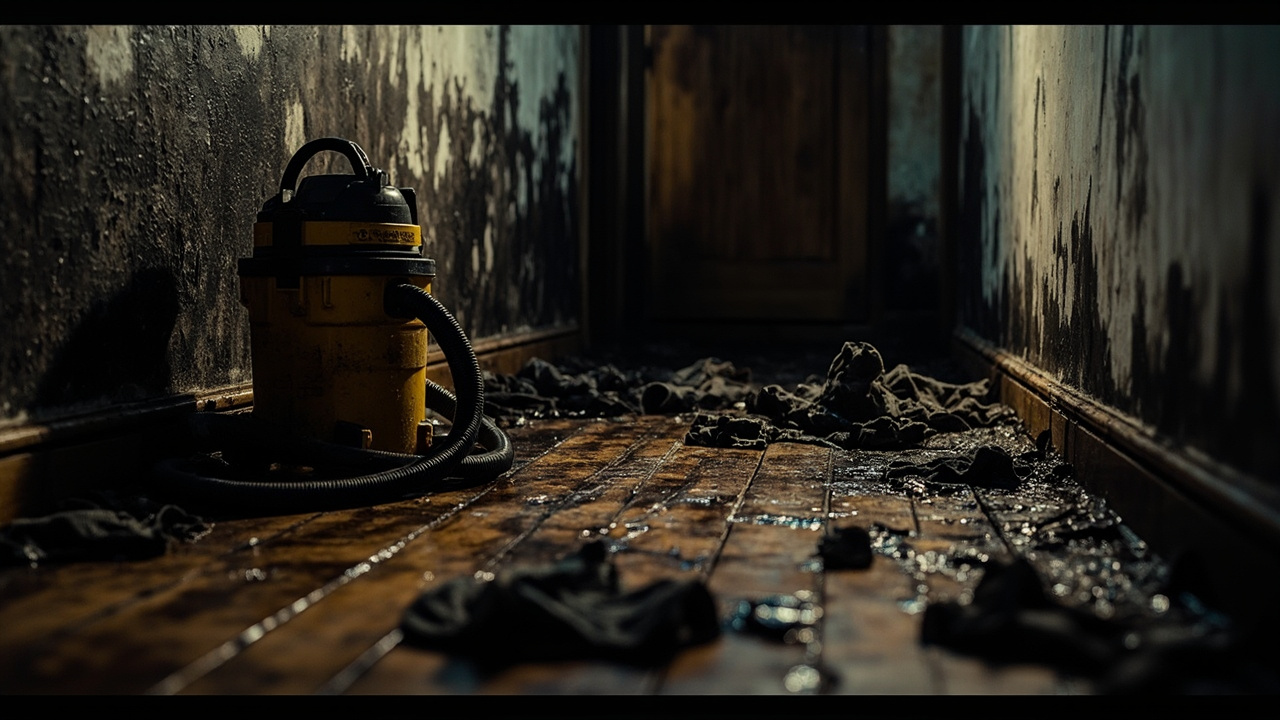
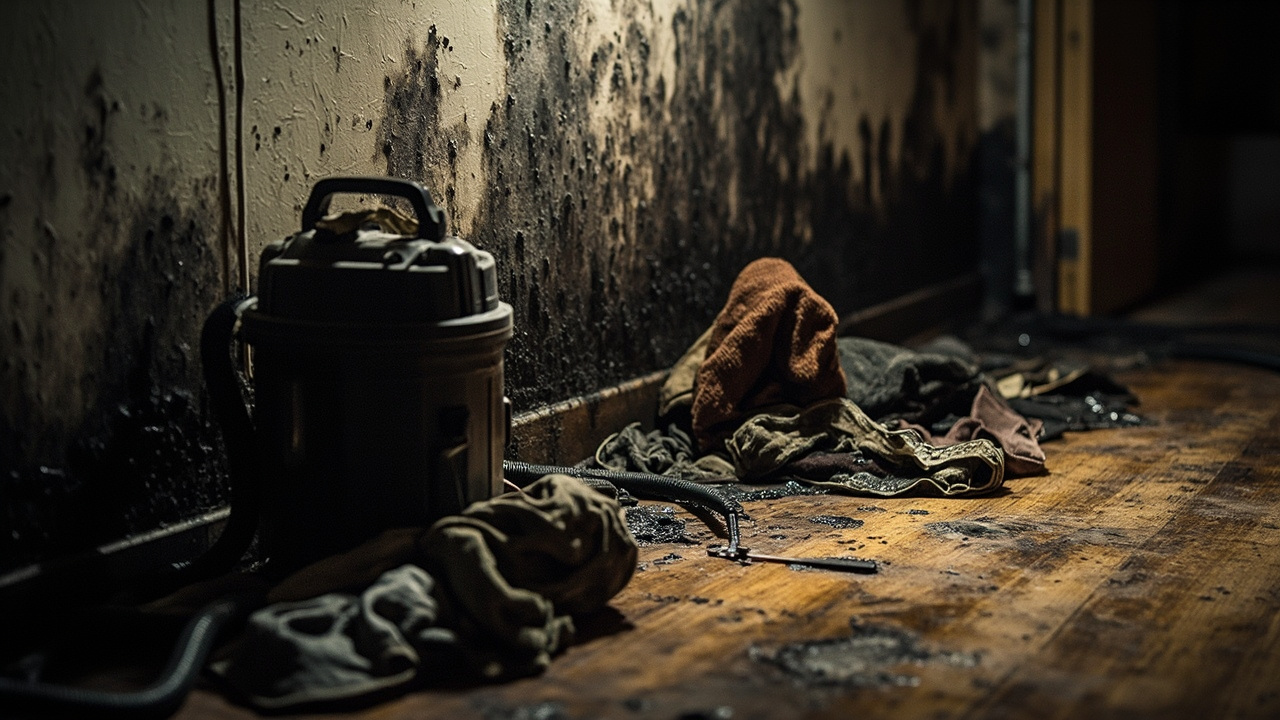
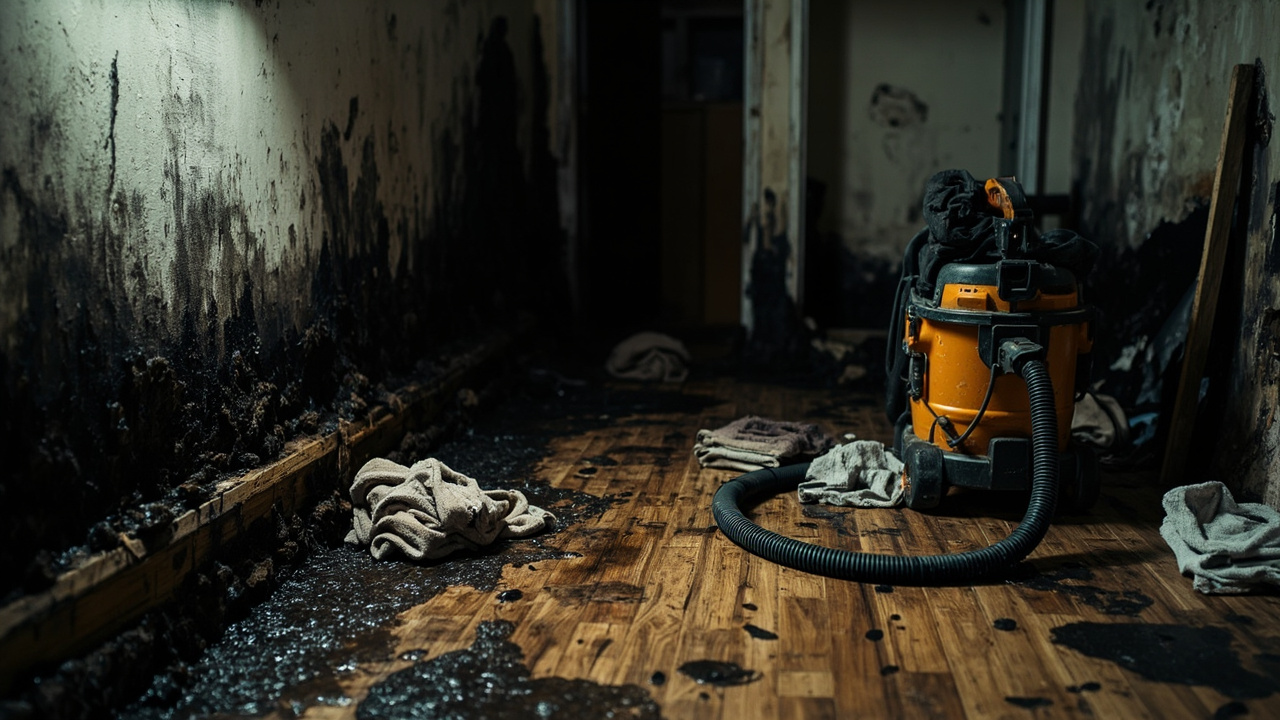
Boston's high humidity creates perfect conditions for mold growth within 24 to 48 hours of water exposure. When you use household equipment to remove standing water, you are only addressing surface moisture. Water migrates into wall cavities, subfloors, and insulation where your rented equipment cannot reach. The dangers of DIY water damage restoration become apparent when mold appears three weeks later behind your drywall.

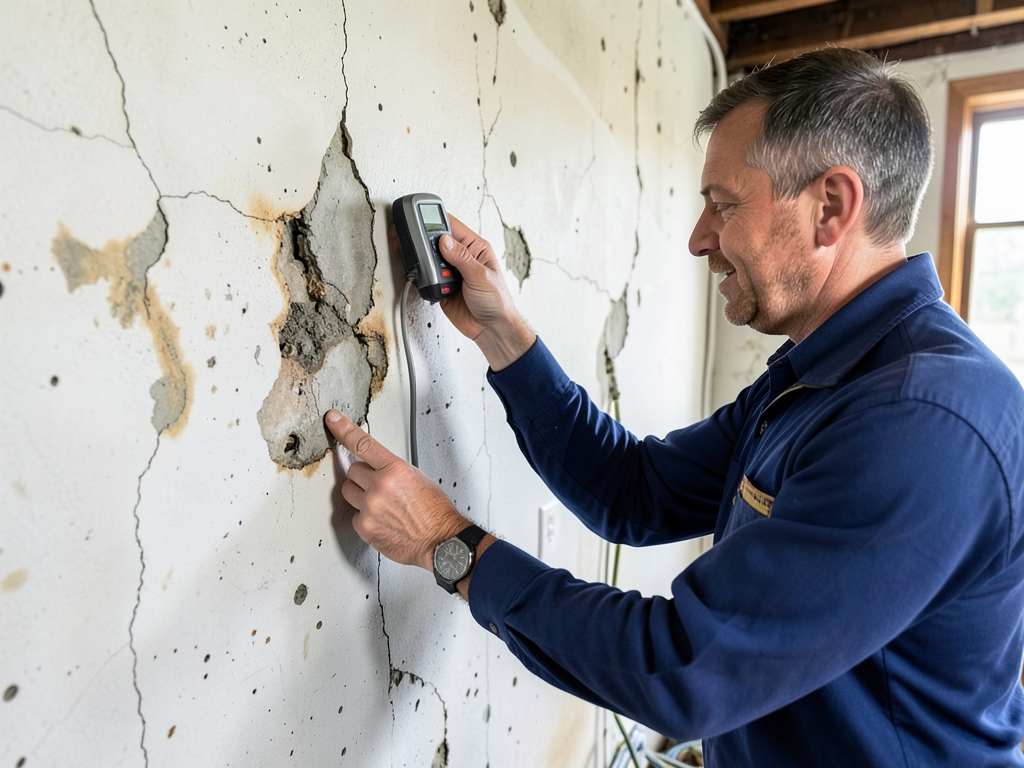
The hazards of do-it-yourself water removal extend beyond incomplete drying. Boston's older housing stock, particularly triple-deckers and Victorian homes in Dorchester and Jamaica Plain, contains materials that absorb water differently. Horsehair plaster, hardwood subfloors, and lathe construction require specific extraction techniques that shop vacs cannot provide. You think you removed the water, but moisture meters would tell a different story.

The consequences of amateur water cleanup include structural damage you cannot see. Water wicks upward through capillary action in masonry foundations common to Boston homes. It travels horizontally through floor joists. It saturates insulation that loses R-value and becomes a breeding ground for microbial growth. Your DIY effort removed visible water but left the hidden moisture that causes the real damage.

Insurance companies document everything. When you attempt cleanup yourself, you eliminate the professional documentation that supports your claim. The hidden risks of self-managed water mitigation include claim denials because you cannot prove the extent of the original damage or demonstrate proper mitigation protocols.

Why DIY Water Cleanup Fails in Boston's Humid Climate
How Professional Water Restoration Eliminates Hidden Moisture

How Professional Water Restoration Eliminates Hidden Moisture

Professional water damage restoration follows IICRC S500 standards that define proper drying protocols. We use thermal imaging cameras to identify moisture in wall cavities and ceilings that remain completely invisible to the naked eye. These cameras detect temperature differentials that indicate wet building materials, allowing us to map the full extent of water migration.

Our truck-mounted extraction units remove 10 to 15 times more water than rental equipment. We pull water from carpet padding, subfloors, and concrete using weighted extraction wands that create powerful suction impossible to achieve with consumer-grade tools. This initial extraction reduces drying time and prevents secondary damage.

We measure moisture content using penetrating and non-penetrating meters calibrated to specific building materials. Drywall requires different moisture readings than hardwood or concrete. We establish baseline readings in unaffected areas, then monitor affected materials daily until they return to normal moisture levels. You cannot rent this equipment or interpret the data without training.

Air movement follows specific principles in structural drying. We position commercial air movers to create circulation patterns that promote evaporation without spreading contamination. The placement depends on the class of water damage, room configuration, and materials affected. Random fan placement actually slows drying and can drive moisture deeper into building assemblies.

Dehumidification removes moisture from the air that evaporates from wet materials. We calculate the specific number of dehumidifiers needed based on cubic footage, moisture load, and target drying time. Boston's ambient humidity requires refrigerant dehumidifiers that can handle the moisture load our air movers generate. The pitfalls of DIY water extraction become apparent when your single rental dehumidifier cannot keep pace with evaporation, and materials remain damp for weeks.

What Happens When You Skip Professional Assessment

Risks of DIY Water Cleanup in Boston – Why Amateur Restoration Can Cost You Thousands in Hidden Damage
01

Incomplete Moisture Removal

Shop vacs extract surface water but leave moisture in subfloors, wall cavities, and insulation. Without thermal imaging and moisture meters, you miss 60 to 70 percent of affected materials. Water continues migrating through building assemblies while you assume the problem is solved. Structural damage accelerates in areas you cannot see or access with household equipment.
02

Mold Contamination Development

Mold spores germinate on damp building materials within 24 to 48 hours. Your incomplete drying creates ideal conditions for Stachybotrys, Aspergillus, and Penicillium growth behind walls and under flooring. By the time you smell musty odors or see visible growth, contamination has spread throughout the HVAC system. Mold remediation costs three to five times more than proper initial drying.
03

Insurance Claim Complications

Insurance adjusters require professional documentation of moisture readings, extraction equipment used, and drying timelines. Your DIY cleanup eliminates the evidence chain that supports your claim. Adjusters can deny coverage because you failed to mitigate properly or because you cannot prove the extent of original damage versus damage from delayed drying. Professional restoration includes the documentation insurance companies demand.

Why Boston Properties Require Specialized Restoration Knowledge

Atlas Water Damage Restoration Providence understands the construction methods common to Boston's housing stock. Triple-deckers built between 1880 and 1920 use balloon framing that creates vertical channels where water travels between floors. We know to check for moisture migration in these concealed spaces that DIY efforts miss completely.

Boston's freeze-thaw cycles create unique challenges for water damage restoration. Water that remains in exterior walls during winter months freezes, expands, and causes structural damage that manifests months after the initial water event. We dry exterior walls to specific moisture content levels that account for seasonal temperature variations and prevent freeze damage in unheated wall cavities.

We work with insurance companies daily and understand Massachusetts claim requirements. We photograph all affected areas, document moisture readings in standardized formats, and provide detailed estimates that align with Xactimate pricing. This documentation protects your claim and ensures you receive appropriate compensation for all covered damages. Your DIY cleanup provides none of this protection.

Local building codes in Boston require specific procedures for water damage affecting load-bearing walls, floor joists, and foundation elements. We know when structural engineers need to assess damage and when building permits are required for restoration work. We coordinate inspections with the city's Inspectional Services Department and ensure all repairs meet code requirements. You cannot navigate these regulatory requirements without professional guidance.

Our technicians train continuously on new drying technologies and restoration methods. We maintain certifications from the Institute of Inspection, Cleaning and Restoration Certification. We invest in equipment calibration, continuing education, and quality control systems that ensure consistent results. This expertise cannot be replicated with rented equipment and internet research.

What Professional Water Damage Restoration Delivers

Immediate Emergency Response

We dispatch technicians to Boston properties within 60 to 90 minutes of your call. Our trucks carry truck-mounted extraction units, thermal imaging cameras, moisture meters, air movers, and dehumidifiers. We arrive prepared to begin water removal immediately, not after a trip to the rental store. Speed matters in water damage. Every hour of delay increases drying time, restoration costs, and the probability of mold growth. We stop damage progression while you are still researching rental equipment options.

Comprehensive Damage Assessment

We inspect all areas where water could migrate, not just where you see standing water. Thermal imaging reveals moisture in ceilings below bathrooms, in wall cavities adjacent to water sources, and in subfloors under multiple rooms. We test moisture content in all affected materials and establish monitoring schedules. This assessment identifies the full scope of damage and prevents surprises weeks later when hidden moisture causes secondary problems. You receive a detailed damage map with moisture readings, photos, and recommended restoration procedures.

Complete Structural Drying

We dry your property to pre-loss moisture content levels using commercial equipment and proven drying protocols. Daily monitoring ensures materials are drying on schedule. We adjust equipment placement and dehumidification capacity based on moisture meter readings. Drying continues until all materials return to normal moisture levels, typically three to five days for most residential water damage. You receive daily documentation showing moisture reduction progress. This complete drying prevents mold growth, eliminates musty odors, and restores your property to safe, habitable condition.

Insurance Coordination and Documentation

We communicate directly with your insurance adjuster and provide all documentation required for claim approval. This includes initial damage assessment photos, daily moisture logs, equipment placement diagrams, and detailed estimates. We follow your insurer's preferred vendors list requirements when applicable and work within approved scopes. You avoid claim denials caused by inadequate documentation or improper mitigation procedures. Our documentation creates a clear record of damage extent, restoration procedures performed, and costs incurred. This protects your claim and streamlines the settlement process.

Frequently Asked Questions

You Have Questions,
We Have Answers

How Boston's Coastal Climate Accelerates Water Damage Complications

Boston's location on Massachusetts Bay creates consistently high relative humidity that slows natural drying and accelerates mold growth. Summer humidity levels regularly exceed 70 percent, which means wet building materials cannot dry through air exchange alone. Properties in East Boston, Charlestown, and South Boston near the harbor face even higher ambient moisture levels. The consequences of amateur water cleanup multiply in this climate because materials remain damp longer and microbial growth develops faster. Professional dehumidification becomes necessary, not optional, because Boston's humid air cannot absorb the moisture evaporating from water-damaged materials. Your rental dehumidifier removes a fraction of the moisture load commercial equipment handles, extending drying time from days to weeks.

Atlas Water Damage Restoration Providence serves Boston properties with an understanding of local construction methods and climate challenges. We know which neighborhoods have older cast iron drain lines prone to failure, which areas experience frequent basement flooding during nor'easters, and which building types require specialized drying approaches. Our technicians work throughout Greater Boston daily and maintain relationships with local insurance adjusters, building inspectors, and restoration suppliers. This local knowledge ensures your water damage restoration accounts for Boston-specific factors that out-of-town providers and DIY attempts miss. When you choose local expertise, you get restoration methods calibrated to Boston's unique combination of old housing stock, coastal humidity, and seasonal weather extremes.
Water Damage Restoration Services in The Boston Area

You can see our service area and our location on the map below. We are proud to serve the entire Boston area and surrounding communities. We're always ready to dispatch our team to your home or business, no matter where you are. We’re committed to a fast, reliable response and ensuring we’re always there when you need us most.

Address:
First Choice Water Damage Restoration Boston, 44 School St., Boston, MA, 02108

Additional Services We Offer

Our news updates

Latest Articles & News from The Blogs

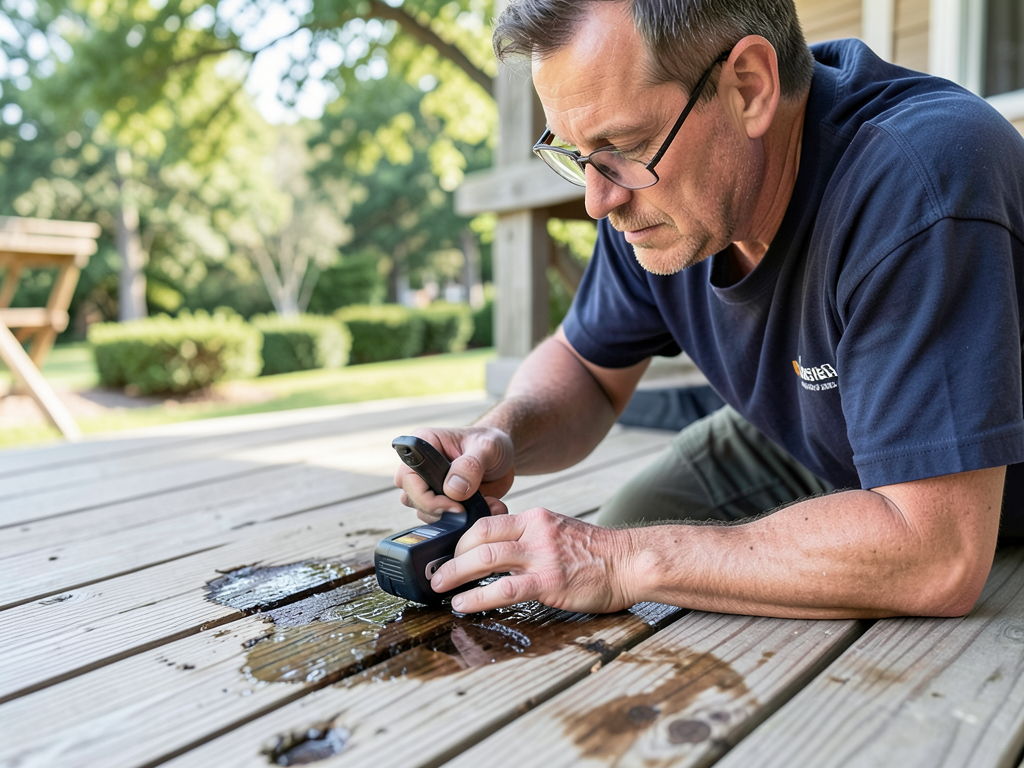
How to Find a Hidden Water Leak Under Your Marblehead Outdoor Deck Living in Marblehead means dealing with coastal moisture,…

How to Find a Hidden Water Leak Under Your Marblehead Outdoor Deck

How to Find a Hidden Water Leak Under Your Marblehead Outdoor Deck Living in Marblehead means dealing with coastal moisture,…

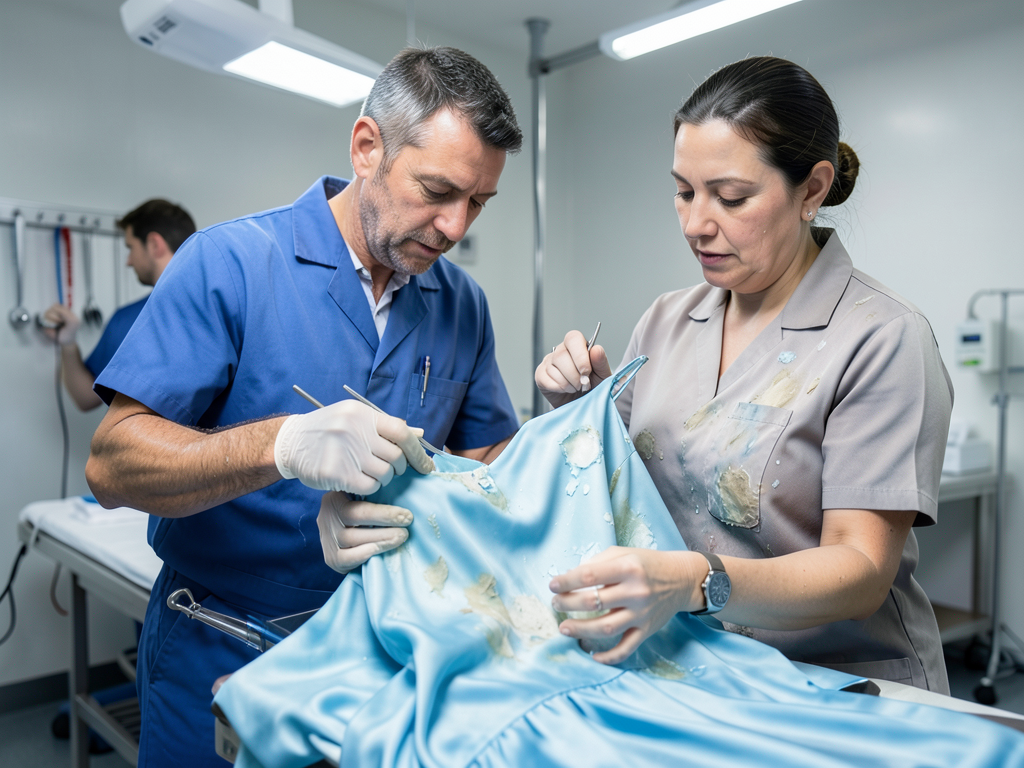
Saving a Luxury Walk In Closet and Designer Wardrobe After a Pipe Burst in Chestnut Hill

When a pipe bursts in your Chestnut Hill home the damage goes far beyond soaked carpets and warped baseboards. For…

Preparing Your Inland Needham Home for Hurricane Season Flooding

Preparing Your Inland Needham Home for Hurricane Season Flooding Living in Needham means enjoying quiet suburban streets and tree-lined neighborhoods.…

Contact Us

Call Atlas Water Damage Restoration Providence at (617) 789-8099 now for immediate dispatch to your Boston property. Our technicians arrive equipped to begin professional water extraction and structural drying that prevents mold growth, protects your insurance claim, and stops hidden damage progression.