Menu

Sanitization & Odor Removal in Boston – Complete Disinfection and Deodorization After Water Damage

Atlas Water Damage Restoration Providence delivers antimicrobial treatment and odor control services that eliminate bacteria, mold spores, and persistent smells in homes and businesses across Boston.

Slider Image 1
Slider Image 2
Slider Image 3
Slider Image 4
Slider Image 5
Slider Image 7
Slider Image 8
Slider Image 9
Slider Image 10
Slider Image 11

Why Boston Properties Need Professional Sanitization After Water Damage

Water intrusion in Boston properties creates the perfect environment for bacterial growth and mold proliferation. The city's humid summers, combined with freeze-thaw cycles that stress building envelopes, mean water damage rarely happens in isolation. When sewage backs up in Beacon Hill brownstones or storm surge floods South Boston basements, contaminated water leaves behind invisible threats that simple drying cannot address.

You cannot see bacteria. You cannot always smell mold spores in their early stages. But both can trigger respiratory issues, allergic reactions, and long-term health problems if you skip proper disinfection and deodorization. Category 2 (grey water) and Category 3 (black water) intrusions require antimicrobial treatment to eliminate pathogens that standard cleaning misses.

Boston's aging housing stock, much of it built before modern moisture barriers became standard, complicates the problem. Water wicks into plaster walls, old wood framing, and subfloors where it sits and festers. The smell you notice three days after a leak is not just dampness. It is microbial growth releasing volatile organic compounds as waste products.

Insurance companies increasingly deny claims when policyholders attempt DIY cleanup for contaminated water events. They require professional sanitizing and deodorizing with documented procedures and EPA-registered disinfectants. Atlas Water Damage Restoration Providence follows IICRC S500 standards for water damage restoration, including specific protocols for odor abatement and surface disinfection that meet both health codes and insurance requirements.

Why Boston Properties Need Professional Sanitization After Water Damage
Our Multi-Stage Approach to Complete Sanitization

Our Multi-Stage Approach to Complete Sanitization

Atlas Water Damage Restoration Providence uses a systematic protocol that addresses both surface contamination and airborne pathogens. We start with source identification because you cannot sanitize effectively if contaminants keep entering the space. Our technicians trace the water category, document affected materials, and establish containment barriers to prevent cross-contamination during the restoration process.

We apply EPA-registered antimicrobial agents specific to the contamination type. Sewage backups require different disinfectants than river flooding. Our solutions target gram-positive and gram-negative bacteria, fungi, and viruses without leaving harmful residues. We use electrostatic sprayers that coat surfaces evenly, reaching crevices that hand-wiping misses.

Porous materials like drywall, insulation, and carpeting often require removal after Category 3 exposure. No amount of sanitizing makes sewage-soaked insulation safe. We follow health department guidelines for disposal and replacement. For salvageable materials like hardwood flooring or structural framing, we use penetrating antimicrobials that reach below the surface.

Odor control services extend beyond masking agents. We identify odor sources at the molecular level. Thermal fogging introduces microscopic deodorizing particles that bond with odor molecules and neutralize them. Hydroxyl generators break down VOCs without producing ozone, making them safe for occupied spaces. We also use activated charcoal filtration and negative air machines with HEPA filters to remove airborne contaminants during the drying process.

We verify our work with ATP testing that measures biological contamination on surfaces. This objective data confirms that sanitizing and deodorizing achieved the required cleanliness levels before we close out the project.

How We Restore Safe, Odor-Free Environments

Sanitization & Odor Removal in Boston – Complete Disinfection and Deodorization After Water Damage
01

Contamination Assessment and Containment

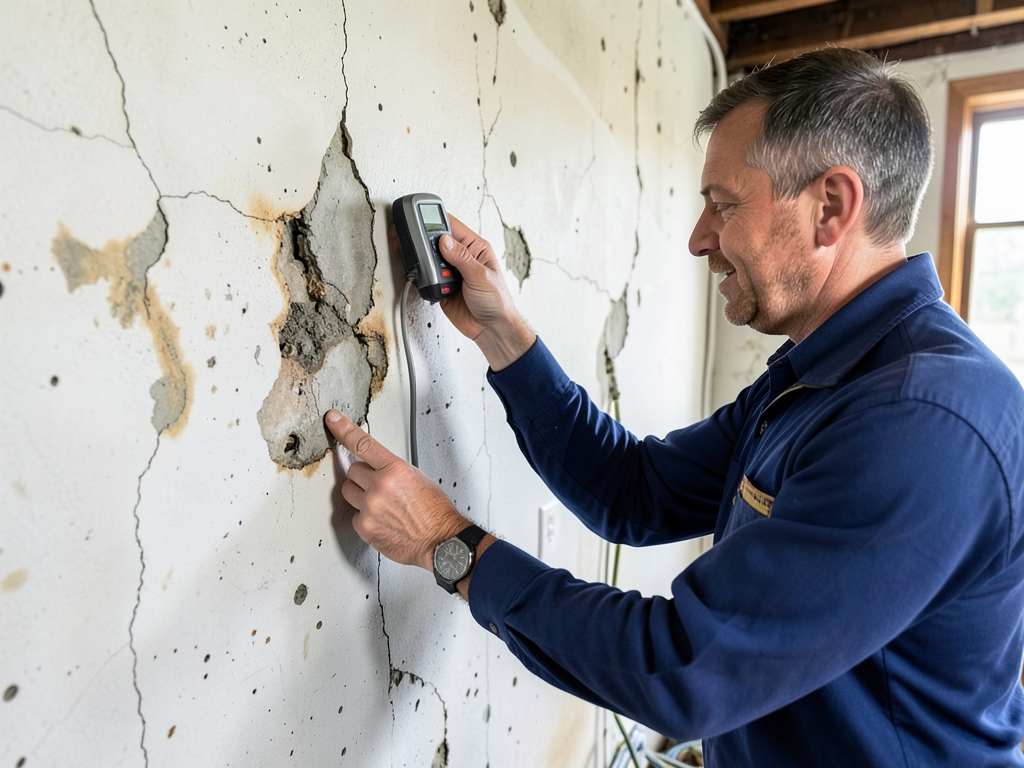
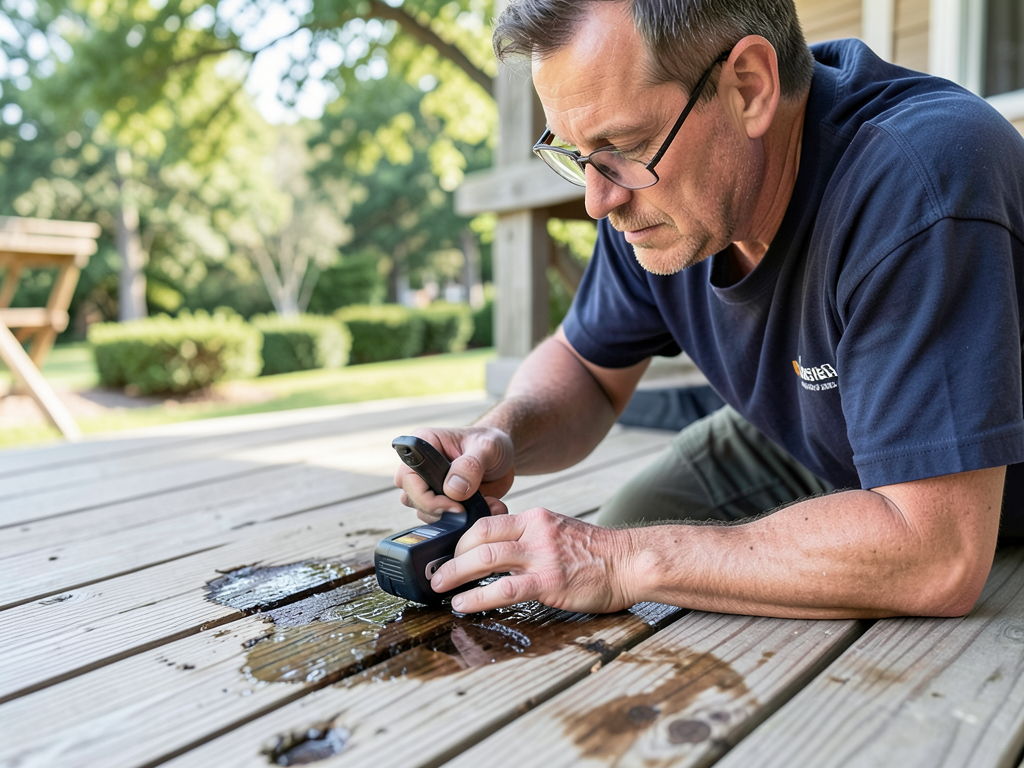
Our technicians identify the water category and contamination extent using moisture meters and thermal imaging. We establish physical barriers with poly sheeting and negative air pressure to prevent contaminant spread to unaffected areas. This containment protects your family or employees during the restoration process and prevents secondary damage to clean spaces.
02

Antimicrobial Application and Material Treatment

We apply EPA-registered disinfectants using electrostatic sprayers and penetrating treatments. Salvageable materials receive deep cleaning and antimicrobial treatment. Non-salvageable materials get removed according to health department protocols. Air scrubbers with HEPA filtration run continuously to capture airborne pathogens and particulates released during the cleaning process.
03

Odor Neutralization and Verification

We deploy thermal foggers and hydroxyl generators to neutralize odors at the molecular level. ATP surface testing verifies that bacterial counts meet safety standards. We conduct a final walkthrough to confirm no odors remain and all surfaces meet cleanliness requirements. You receive documentation of all treatments performed, which satisfies insurance requirements and provides peace of mind.

Why Boston Property Owners Choose Atlas for Sanitization Services

Atlas Water Damage Restoration Providence understands how Boston's building characteristics affect sanitization requirements. We have cleaned flood damage in North End buildings where brick facades and limited ventilation trap moisture. We have treated sewage backups in Dorchester triple-deckers where shared plumbing creates cascading contamination between units. We know which local materials can be salvaged and which must be replaced to meet health standards.

Our technicians receive ongoing training in IICRC standards and OSHA safety protocols for handling contaminated materials. We maintain current certifications in water damage restoration and applied microbial remediation. This training matters because improper sanitization creates liability. If someone gets sick from inadequate disinfection, you face lawsuits and insurance complications.

We carry full liability coverage and workers compensation insurance. When our team enters your property, you have protection if something goes wrong. Many restoration companies skip proper sanitization because it takes longer and costs more than basic drying. We do not cut corners because your health depends on proper disinfection and deodorization.

Boston's Department of Inspectional Services enforces strict requirements for water damage restoration in residential and commercial buildings. We document every step with photos, moisture readings, and treatment records. This documentation proves due diligence if you sell the property or need to demonstrate proper remediation to tenants or business partners.

We respond 24/7 because contamination worsens with time. Bacteria populations double every 20 minutes in ideal conditions. Mold colonizes in 48 to 72 hours. Fast response reduces health risks and restoration costs.

What You Can Expect During the Sanitization Process

Rapid Response and Immediate Action

We dispatch crews within 90 minutes of your call, 24 hours a day. Our trucks carry antimicrobial agents, containment equipment, and air filtration systems so we begin sanitization immediately. Time matters because bacterial growth accelerates in warm, wet environments. We establish containment and start disinfection on the first visit. You do not wait days for treatment to begin while contamination spreads through your property.

Detailed Contamination Mapping and Treatment Planning

We document every affected surface with photos and notes. Our assessment identifies the water category, lists all impacted materials, and creates a treatment protocol specific to your contamination type. You receive a written scope of work that explains which materials get cleaned, which get removed, and why. This transparency helps you understand the process and provides documentation for insurance claims. We answer questions about health risks and explain our methodology in plain language.

Verified Results with Objective Testing

Our sanitization work concludes with ATP testing that measures biological contamination on surfaces. These tests provide objective data showing that bacterial counts meet safety standards. You receive test results in your final documentation package. We do not rely on visual inspection alone. The testing proves that disinfection worked and your property is safe to reoccupy. This verification protects your health and provides legal protection if questions arise later.

Post-Restoration Support and Moisture Monitoring

We provide follow-up moisture readings to confirm that all materials have dried completely and no hidden pockets of dampness remain. You receive care instructions for treated areas and guidance on preventing future water intrusion. If odors return or you notice signs of mold growth within 30 days, we return to investigate at no charge. Our documentation includes all antimicrobial products used, application rates, and contact times, giving you a complete record of the restoration work.

Frequently Asked Questions

You Have Questions,
We Have Answers

What is the strongest odor eliminator? +

Professional-grade hydroxyl generators and ozone machines eliminate the strongest odors by breaking down odor molecules at the source. Hydroxyl technology works safely in occupied spaces and targets smoke, mold, and biohazard smells. Ozone treatment requires evacuation but penetrates porous materials like wood and drywall. In Boston homes, where older construction and humidity create stubborn odor problems, these technologies outperform consumer sprays. Enzymatic cleaners work well for organic odors like pet urine. The strongest solution depends on the odor source. Water damage restoration professionals assess the cause before choosing the right elimination method.

What do nursing homes use to get rid of urine smell? +

Nursing homes use enzymatic cleaners that break down uric acid crystals, which cause persistent urine odor. These bio-based products contain bacteria that digest organic waste rather than mask smells. Facilities also use oxidizing agents like hydrogen peroxide vapor and hydroxyl generators for room-level treatment. In Boston's older care facilities, proper ventilation and moisture control prevent odor from settling into porous surfaces. Staff apply enzyme treatments to mattresses, flooring, and upholstery. The process requires thorough cleaning first, then enzyme application, followed by proper drying. Professional sanitization services use hospital-grade products that eliminate odor while meeting health code requirements.

How do I permanently get rid of a bad smell in my house? +

Permanently eliminating household odors requires identifying and removing the source, not masking it. Common culprits include hidden water damage, mold growth in wall cavities, dead rodents, or bacterial contamination in HVAC systems. Boston's humid summers and cold winters trap moisture in older homes, creating conditions for mold and mildew. Professional odor removal starts with inspection using moisture meters and thermal imaging. Technicians remove contaminated materials, treat affected areas with antimicrobial solutions, and use hydroxyl or ozone treatment. Simply cleaning surfaces or using air fresheners allows odor-causing bacteria to return. Source removal plus professional treatment provides permanent results.

What do nurses use to block smells? +

Nurses apply mentholated ointment under their nostrils to block strong smells during patient care. Products like Vicks VapoRub create a vapor barrier that reduces odor perception. Some nurses use essential oil blends with peppermint or eucalyptus on surgical masks. Activated charcoal masks also filter airborne odor molecules. These methods provide temporary relief during exposure to biological smells but do not eliminate the source. In healthcare settings, proper ventilation and immediate cleaning prevent odors from spreading. Home caregivers in Boston dealing with similar challenges can use these techniques while addressing the underlying cause through professional cleaning and sanitization.

What kills all smells? +

Nothing kills all smells universally because different odors require different chemistry. Ozone oxidizes organic molecules but does not work on all chemical odors. Enzymatic cleaners digest biological waste like urine and feces but fail against smoke. Hydroxyl generators neutralize most airborne odors safely. Activated charcoal absorbs odor molecules through adsorption. Boston homeowners facing multiple odor sources need targeted approaches. Smoke damage requires thermal fogging. Sewage backup needs antimicrobial treatment and material removal. Mold odor demands source remediation and air scrubbing. Professional odor removal technicians match the treatment chemistry to the odor source for complete elimination.

What do realtors use to make a house smell good? +

Realtors use neutral scents like vanilla, citrus, or fresh linen to create welcoming environments without triggering allergies. They avoid strong fragrances that suggest masking problems. Professional stagers bake cookies or brew coffee before showings to create comforting associations. Many use plug-in diffusers with subtle essential oils. In Boston's competitive real estate market, smart realtors address odor sources before adding pleasant scents. They hire professionals to remove pet odors, cigarette smoke, or mustiness from basements. Clean, neutral air sells better than artificial fragrances. If a home needs scent to smell good, buyers question what problems are being hidden.

What is the old lady's smell called? +

The musty smell associated with aging is called nonenal. This organic compound increases in human skin oils after age 40 due to oxidation of fatty acids. The scent accumulates in fabrics, bedding, and poorly ventilated spaces. Boston's older homes with limited airflow worsen the concentration. The smell is not caused by poor hygiene but by natural chemical changes. Regular washing of textiles, improved ventilation, and air purification reduce nonenal buildup. Professional cleaning services use oxidizing treatments and enzyme cleaners to remove the compound from carpets and upholstery. Fresh air circulation prevents accumulation better than air fresheners.

How do professionals remove pee smell? +

Professionals remove urine smell by treating uric acid crystals embedded in flooring and subflooring. Surface cleaning only addresses the liquid, but crystals remain and reactivate with humidity. Technicians use moisture meters to map contamination extent, then apply enzymatic cleaners that break down uric acid at the molecular level. Severe cases require removing carpet padding or subflooring. Boston's seasonal humidity fluctuations cause untreated urine odors to intensify. Professionals seal treated areas with odor-blocking primers before refinishing. UV light inspection reveals hidden contamination invisible to the eye. This thorough approach eliminates odor permanently rather than temporarily masking it with fragrances.

What do morticians use to block smells? +

Morticians use wintergreen oil, eucalyptus, and commercial embalming fluid vapors to block decomposition odors during preparation. They also apply mentholated gel inside their nostrils. Morgues use negative air pressure ventilation systems that prevent odors from escaping preparation areas. Activated charcoal filters scrub exhaust air. Professional mortuary facilities in Boston maintain strict ventilation codes due to urban proximity. These blocking techniques protect workers but do not eliminate odors. For homes dealing with biohazard situations like undiscovered deaths, professional remediation teams use similar personal protection while performing source removal, antimicrobial treatment, and hydroxyl neutralization to restore safe air quality.

What is the hardest smell to get rid of in a house? +

Cigarette smoke is the hardest odor to eliminate because tar and nicotine penetrate porous materials and create sticky residue on every surface. Smoke particles infiltrate drywall, insulation, ductwork, and subflooring. In Boston's older homes with plaster walls and wooden structures, smoke absorption is extensive. Removal requires washing all surfaces with TSP solution, sealing with shellac-based primer, replacing soft materials, and cleaning HVAC systems. Ozone treatment helps but cannot reach embedded particles. Many landlords discover that repainting alone fails because odor bleeds through. Professional restoration includes comprehensive cleaning, sealing, and air treatment to achieve complete smoke odor elimination.

How Boston's Coastal Climate and Aging Infrastructure Complicate Sanitization

Boston's location on Massachusetts Bay creates persistent humidity that slows drying and accelerates microbial growth after water damage. The city averages 220 days per year with relative humidity above 60 percent, well above the threshold where mold colonizes. Combined with the urban heat island effect that keeps temperatures elevated in dense neighborhoods like Roxbury and Jamaica Plain, you get ideal conditions for bacterial proliferation. Many Boston buildings also have basements below the water table, creating chronic moisture problems that compromise sanitization efforts. We account for these environmental factors when designing treatment protocols and drying strategies.

Atlas Water Damage Restoration Providence maintains relationships with local environmental consultants and industrial hygienists who provide independent verification for complex contamination events. We understand Boston Building Code requirements for moisture control and mold prevention in renovated spaces. Our documentation meets the standards required by local health departments and condominium associations. When you hire a restoration company that knows Boston's regulatory environment and building characteristics, you avoid compliance problems and ensure that sanitization work meets all applicable standards.
Water Damage Restoration Services in The Boston Area

You can see our service area and our location on the map below. We are proud to serve the entire Boston area and surrounding communities. We're always ready to dispatch our team to your home or business, no matter where you are. We’re committed to a fast, reliable response and ensuring we’re always there when you need us most.

Address:
First Choice Water Damage Restoration Boston, 44 School St., Boston, MA, 02108

Additional Services We Offer

Our news updates

Latest Articles & News from The Blogs

Professional Water Damage Restoration for Retail Stores in Harvard Square Harvard Square retail stores face unique water damage risks from…

Professional Water Damage Restoration for Retail Stores in Harvard Square

Professional Water Damage Restoration for Retail Stores in Harvard Square Harvard Square retail stores face unique water damage risks from…

How to Dry Out a Damp Crawl Space in Your Belmont Home (And Stop the Smell)

How to Dry Out a Damp Crawl Space in Your Belmont Home (And Stop the Smell) Musty odors creeping up…

Emergency Dishwasher Leak Cleanup for Busy Kitchens in Arlington

Emergency Dishwasher Leak Cleanup for Busy Kitchens in Arlington Did you walk into your kitchen and find water pooling around…

Contact Us

Do not risk your health with incomplete disinfection. Call Atlas Water Damage Restoration Providence at (617) 789-8099 for immediate sanitization services. We respond 24/7 with the equipment and expertise to eliminate contamination and odors completely.