
Menu

Understanding Mold Toxicity in Boston – Recognizing Health Risks Before They Escalate

Learn how to identify mold illness symptoms, decode signs of mold poisoning, and understand black mold health risks affecting Boston residents in older homes and humid neighborhoods across the city.

Slider Image 1
Slider Image 2
Slider Image 3
Slider Image 4
Slider Image 5
Slider Image 7
Slider Image 8
Slider Image 9
Slider Image 10
Slider Image 11

Why Boston Homes Face Elevated Mold Toxicity Risks

Boston's climate creates a perfect breeding ground for toxic mold growth. The combination of harsh winters, humid summers, and aging housing stock means your home faces constant moisture challenges. Victorian brownstones in Back Bay, triple-deckers in Dorchester, and brick row houses in Charlestown all share common vulnerabilities. Poor attic ventilation traps moisture. Basement seepage from the city's high water table feeds hidden colonies. Winter freeze-thaw cycles crack foundation walls, letting water migrate into wall cavities where black mold thrives undetected.

Mold illness symptoms often get mistaken for seasonal allergies or common colds. You might experience persistent headaches, brain fog, chronic fatigue, or respiratory issues that never fully resolve. Signs of mold poisoning include skin rashes, joint pain, digestive problems, and mood changes. Black mold health risks extend beyond surface-level discomfort. Stachybotrys chartarum produces mycotoxins that suppress immune function and trigger inflammatory responses throughout your body.

The effects of mold exposure compound over time. What starts as mild congestion can progress to chronic sinusitis, asthma, or neurological symptoms. Mycotoxin illness affects different people in varying degrees based on genetic susceptibility, exposure duration, and overall health status. Children, elderly residents, and anyone with compromised immunity face heightened vulnerability. You cannot see most mold growth happening behind walls, under floors, or above ceilings. By the time visible colonies appear, the contamination has often spread throughout multiple building cavities.

Why Boston Homes Face Elevated Mold Toxicity Risks
How Water Damage Creates Toxic Mold Conditions

How Water Damage Creates Toxic Mold Conditions

Water damage initiates a 24 to 48-hour countdown to mold colonization. Understanding this timeline helps you grasp why swift action matters. When water infiltrates building materials like drywall, insulation, or wood framing, it creates ideal conditions for spore germination. Temperature ranges between 60 and 80 degrees, combined with organic food sources and moisture, trigger rapid fungal growth.

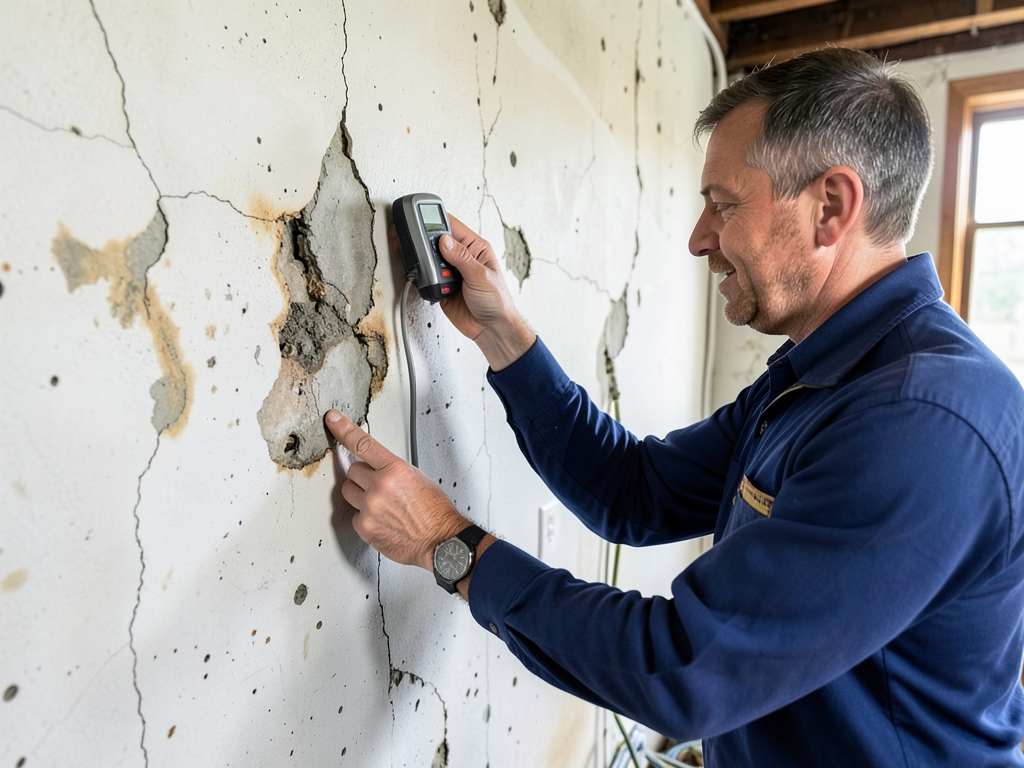
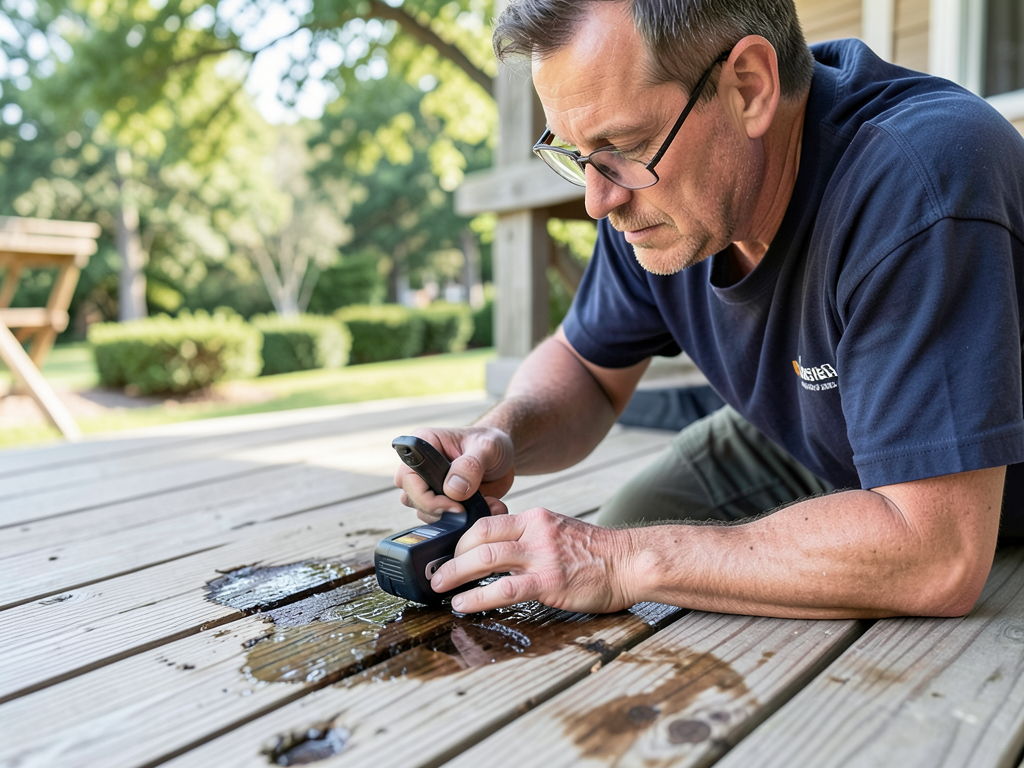
Atlas Water Damage Restoration Providence approaches mold toxicity through comprehensive moisture mapping and environmental sampling. We use thermal imaging cameras to detect hidden water intrusion patterns invisible to visual inspection. Moisture meters measure exact water content percentages in walls, floors, and ceilings. These readings determine contamination severity and guide remediation scope.

Air quality testing identifies specific mold species present and quantifies spore concentrations. This data separates normal background levels from dangerous concentrations requiring professional intervention. We collect surface samples from suspected growth areas and air samples from living spaces. Laboratory analysis provides genus-level identification, revealing whether you face common allergens or toxigenic species like Stachybotrys, Aspergillus, or Penicillium.

The relationship between water damage and mold toxicity follows predictable patterns. Roof leaks saturate attic insulation. Plumbing failures flood wall cavities. Basement seepage migrates through concrete. Each scenario creates distinct contamination patterns requiring targeted solutions. Generic spray-and-pray approaches fail because they ignore the underlying moisture source. You must eliminate water intrusion, remove contaminated materials, and restore proper environmental conditions. Anything less guarantees recurrence within months.

What Happens During Mold Toxicity Assessment

Understanding Mold Toxicity in Boston – Recognizing Health Risks Before They Escalate
01

Initial Health Consultation

We start by documenting your health symptoms and exposure timeline. This conversation identifies patterns linking your symptoms to specific building areas or recent water events. We ask about musty odors, visible staining, recent flooding, plumbing failures, or humidity problems. Understanding your experience guides our inspection focus and helps correlate environmental findings with health complaints you are experiencing.
02

Environmental Testing Protocol

We deploy moisture meters, thermal cameras, and air sampling equipment throughout affected areas. Moisture mapping reveals hidden water damage driving mold growth. Air samples capture spore concentrations in living spaces. Surface samples identify specific species growing on building materials. We collect baseline samples from unaffected areas for comparison. This data quantifies contamination severity and determines whether toxigenic species require specialized remediation protocols.
03

Results Interpretation and Recommendations

Laboratory results return within 48 to 72 hours showing exact mold species, spore counts, and contamination extent. We explain findings in plain language, connecting test results to your health concerns. You receive a detailed report outlining moisture sources, contaminated materials, and remediation scope. We provide clear next steps whether you need full remediation, targeted cleaning, or moisture control improvements to prevent future growth.

Why Local Expertise Matters for Boston Mold Issues

Boston's building stock presents unique mold challenges that require local knowledge. The city's 19th-century construction methods used materials and techniques that trap moisture. Horsehair plaster walls absorb humidity. Balloon framing creates continuous cavities where mold spreads vertically. Brick veneer construction allows water to accumulate between exterior masonry and interior framing. We have worked inside hundreds of Boston homes and understand how these older systems behave.

Neighborhood-specific factors affect mold risk profiles. Homes near the Charles River, Boston Harbor, or in low-lying areas face elevated groundwater pressure. The Fenway, parts of the South End, and sections of East Boston sit on filled land with poor drainage. These geological realities create chronic basement moisture problems that generic remediation companies misdiagnose. We account for your specific location when developing moisture control strategies.

Massachusetts regulations require specific protocols for mold remediation in residential properties. The state's Residential Lead Law overlaps with mold work in pre-1978 housing, requiring additional precautions. Boston's Inspectional Services Department enforces building code requirements for ventilation, moisture barriers, and habitability standards. We navigate these regulatory requirements daily and ensure your remediation work meets all applicable codes.

Atlas Water Damage Restoration Providence maintains relationships with local industrial hygienists, environmental engineers, and medical professionals specializing in mold-related illness. This network provides you with comprehensive support beyond basic remediation. We can connect you with physicians who understand mycotoxin illness, air quality specialists who verify clearance testing, and contractors who rebuild using mold-resistant materials and modern moisture management techniques.

What to Expect During Your Mold Assessment

Response Timeline and Availability

We schedule mold assessments within 24 to 48 hours of your initial contact. Emergency situations involving active water damage or severe health symptoms receive same-day response. Assessment appointments typically last two to three hours depending on property size and complexity. You receive preliminary findings immediately after inspection. Written reports with laboratory results follow within three to five business days. We remain available throughout the process to answer questions and explain technical findings in language you understand without medical training.

Comprehensive Testing Approach

Our assessment combines visual inspection, moisture detection, and laboratory testing to build a complete picture of contamination. We inspect all suspected areas plus common problem zones like basements, attics, bathrooms, and kitchens. Thermal imaging identifies temperature differentials indicating moisture intrusion. Air sampling measures spore concentrations in breathing zones. Surface samples identify growth on materials. We test HVAC systems since ductwork often distributes spores throughout homes. You receive exact spore counts, species identification, and moisture readings for every tested location.

Actionable Results and Solutions

Laboratory reports provide genus and species-level identification of all detected mold types. We explain which species pose health risks, which indicate water damage, and which fall within normal background levels. Your report includes photographs, moisture maps, and clear remediation recommendations. We outline required scope of work, material removal needs, and moisture control improvements. You understand exactly what contamination exists, why it happened, and what solutions will permanently resolve the problem rather than temporarily mask symptoms.

Follow-Up and Verification

After remediation, we conduct post-clearance testing to verify successful mold removal. Air samples confirm spore counts have returned to normal background levels. Visual inspection ensures all contaminated materials were properly removed and disposed. We document moisture levels proving the underlying water problem was corrected. You receive final clearance reports suitable for insurance claims, real estate transactions, or personal health records. We provide ongoing moisture monitoring recommendations to prevent future contamination and protect your investment.

Frequently Asked Questions

You Have Questions,
We Have Answers

What are the 10 warning signs of mold toxicity? +

Common warning signs include persistent fatigue that does not improve with rest, chronic sinus congestion, frequent headaches, difficulty concentrating or brain fog, memory problems, unexplained muscle aches, skin rashes or irritation, respiratory issues like wheezing or coughing, digestive problems, and mood changes like anxiety or depression. Boston's older housing stock and humid climate create ideal conditions for mold growth, especially in basements and poorly ventilated bathrooms. If you experience multiple symptoms after moving into a new home or following water damage, mold exposure may be the cause. Document your symptoms and consult a physician familiar with mold-related illness.

How do you know if you have mold toxicity in your body? +

Your body signals mold toxicity through multiple pathways. Watch for respiratory symptoms that worsen indoors, persistent sinus infections despite treatment, unexplained skin reactions, chronic fatigue unrelated to sleep quality, and cognitive issues like memory lapses or difficulty focusing. Many Boston residents notice symptoms intensify during humid summer months or after spending time in damp basements common in older homes. Keep a symptom journal noting when issues worsen and improve. If patterns emerge linking symptoms to specific indoor environments, discuss mold exposure with your doctor. Blood tests measuring mycotoxins or immune response can confirm exposure, though clinical diagnosis often relies on symptom patterns.

Can mold cause heartburn? +

Mold exposure can trigger heartburn and acid reflux in some people. Mycotoxins released by certain mold species cause inflammation throughout the digestive system, potentially weakening the lower esophageal sphincter. This allows stomach acid to flow back into the esophagus. Mold spores you inhale can also trigger inflammatory responses affecting gut function. If you notice heartburn worsening in specific locations like your basement or after humid weather common in Boston, mold may be contributing. Address the moisture source causing mold growth and consult a gastroenterologist if symptoms persist. Remove yourself from moldy environments while investigating the connection between your symptoms and exposure.

Can mold cause UTI? +

Mold does not directly cause urinary tract infections. UTIs result from bacterial infections, typically E. coli entering the urinary tract. Mold exposure can weaken your immune system, making you more susceptible to bacterial infections including UTIs. Chronic mold exposure taxes your immune response, reducing your body's ability to fight off common pathogens. If you experience recurrent UTIs and live in a water-damaged Boston home, addressing mold problems may help strengthen your immune function. Focus on eliminating moisture sources in bathrooms and basements where mold thrives. Treat UTIs with appropriate antibiotics while simultaneously investigating and remediating mold issues in your environment.

How do I test myself for mold toxicity? +

Testing for mold toxicity requires medical evaluation. Schedule an appointment with a physician experienced in environmental medicine or mold-related illness. Your doctor may order urine mycotoxin tests that detect mold toxins your body has absorbed. Blood tests can measure antibodies indicating immune response to specific mold species. Some practitioners use Visual Contrast Sensitivity testing to assess neurological impacts from biotoxin exposure. Before medical testing, document your symptoms, exposure history, and any correlation between symptoms and specific locations in your Boston home. Home mold testing identifies the presence of mold but does not measure your body's toxic load. Combine environmental assessment with medical testing for complete evaluation.

Can air purifiers remove mold spores? +

Air purifiers equipped with true HEPA filters can capture airborne mold spores effectively. HEPA filtration removes 99.97 percent of particles 0.3 microns or larger, which includes most mold spores. Air purifiers reduce airborne spore counts but do not eliminate the mold source. In Boston's humid climate, air purifiers help manage spore levels but must work alongside proper moisture control and mold remediation. Place units in rooms where you spend the most time, especially bedrooms and living areas. Change filters regularly according to manufacturer specifications. Air purifiers complement professional mold removal but cannot replace it. Address water leaks and humidity issues to prevent mold growth at the source.

How Boston's Coastal Climate Accelerates Mold Growth and Mycotoxin Production

Boston's position on Massachusetts Bay creates persistent humidity challenges that accelerate mold colonization. Summer dew points regularly exceed 65 degrees, creating condensation on cool basement walls and within air-conditioned spaces. Sea breezes push moisture-laden air inland, saturating building materials in coastal neighborhoods like Charlestown, East Boston, and South Boston. Winter nor'easters drive wind-blown rain into brick facades and around window frames. This constant moisture cycling provides ideal conditions for toxigenic mold species to establish colonies and produce mycotoxins. The city's aging infrastructure, combined with marine air, means mold illness symptoms affect Boston residents at higher rates than inland communities. Understanding mold toxicity requires recognizing how local climate drives contamination patterns unique to this coastal environment.

Boston building codes have evolved to address moisture management, but thousands of pre-code homes lack proper vapor barriers, ventilation, and drainage systems. The city's Inspectional Services Department requires remediation work to follow industry standards, but enforcement varies. We maintain current knowledge of Massachusetts environmental regulations and Boston-specific requirements affecting remediation projects. Our familiarity with local housing types, from Beacon Hill townhouses to Jamaica Plain triple-deckers, means we recognize mold patterns before testing confirms them. This local expertise helps you avoid generic solutions that fail within Boston's unique environmental conditions and regulatory framework.
Water Damage Restoration Services in The Boston Area

You can see our service area and our location on the map below. We are proud to serve the entire Boston area and surrounding communities. We're always ready to dispatch our team to your home or business, no matter where you are. We’re committed to a fast, reliable response and ensuring we’re always there when you need us most.

Address:
First Choice Water Damage Restoration Boston, 44 School St., Boston, MA, 02108

Additional Services We Offer

Our news updates

Latest Articles & News from The Blogs

Professional Water Damage Restoration for Retail Stores in Harvard Square Harvard Square retail stores face unique water damage risks from…

Professional Water Damage Restoration for Retail Stores in Harvard Square

Professional Water Damage Restoration for Retail Stores in Harvard Square Harvard Square retail stores face unique water damage risks from…

How to Dry Out a Damp Crawl Space in Your Belmont Home (And Stop the Smell)

How to Dry Out a Damp Crawl Space in Your Belmont Home (And Stop the Smell) Musty odors creeping up…

Emergency Dishwasher Leak Cleanup for Busy Kitchens in Arlington

Emergency Dishwasher Leak Cleanup for Busy Kitchens in Arlington Did you walk into your kitchen and find water pooling around…

Contact Us

Stop wondering whether your health symptoms connect to hidden mold growth. Call Atlas Water Damage Restoration Providence at (617) 789-8099 for comprehensive mold testing and expert interpretation of results. We respond quickly, test thoroughly, and explain findings clearly so you can make informed decisions about your health and home.