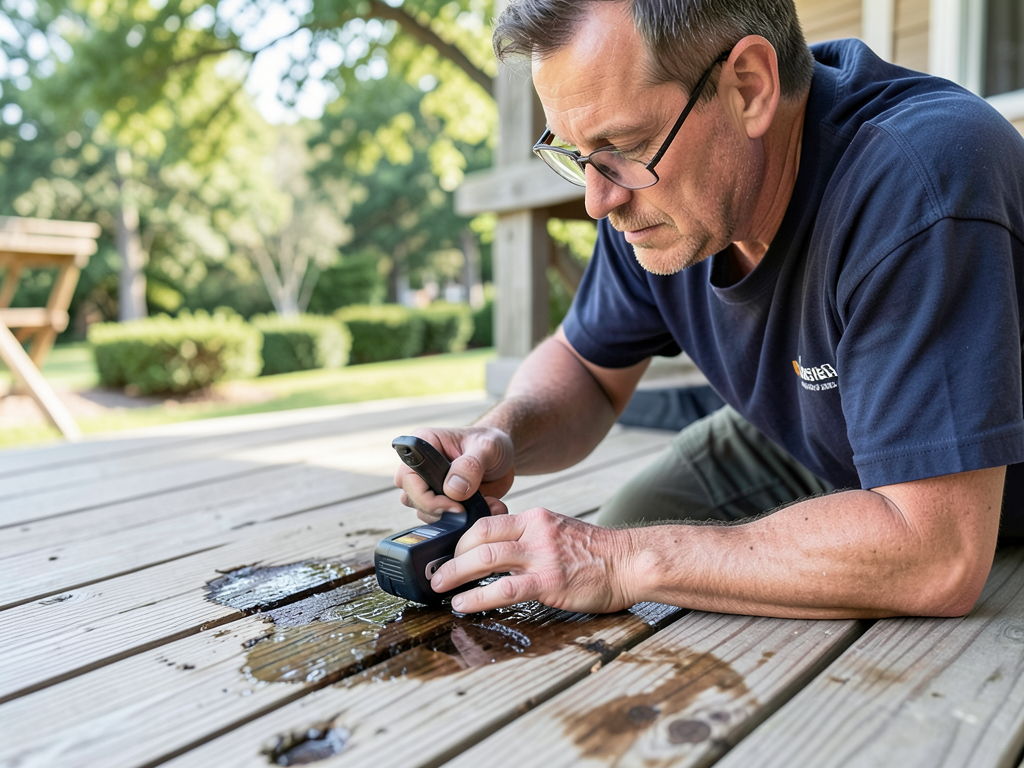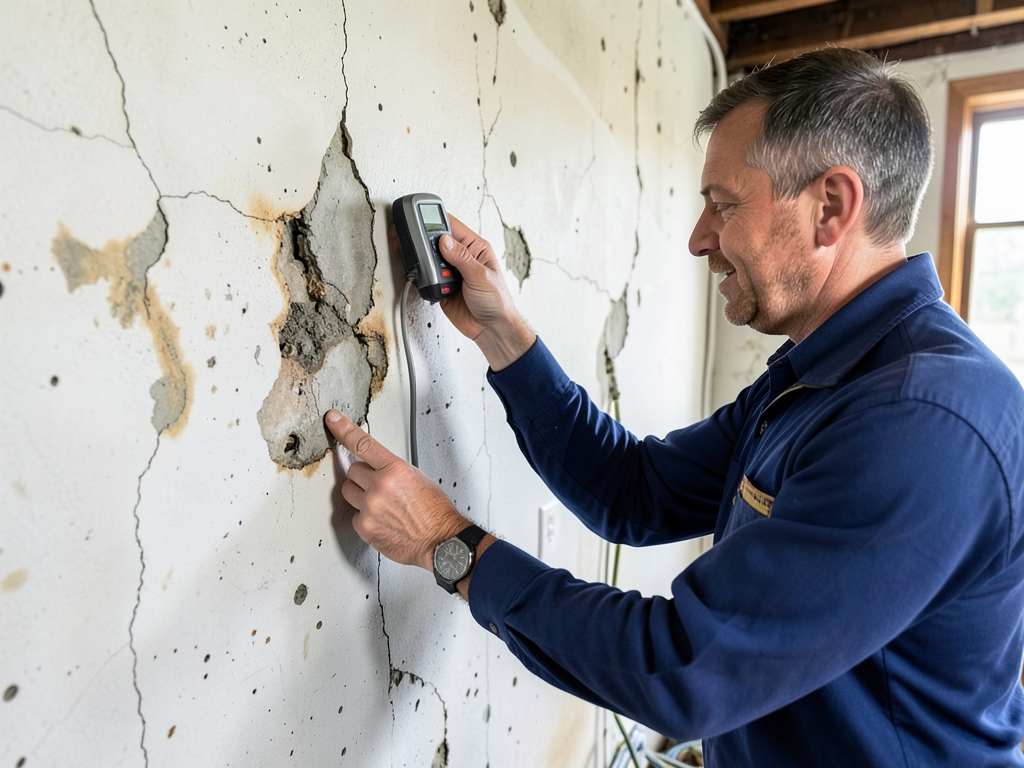

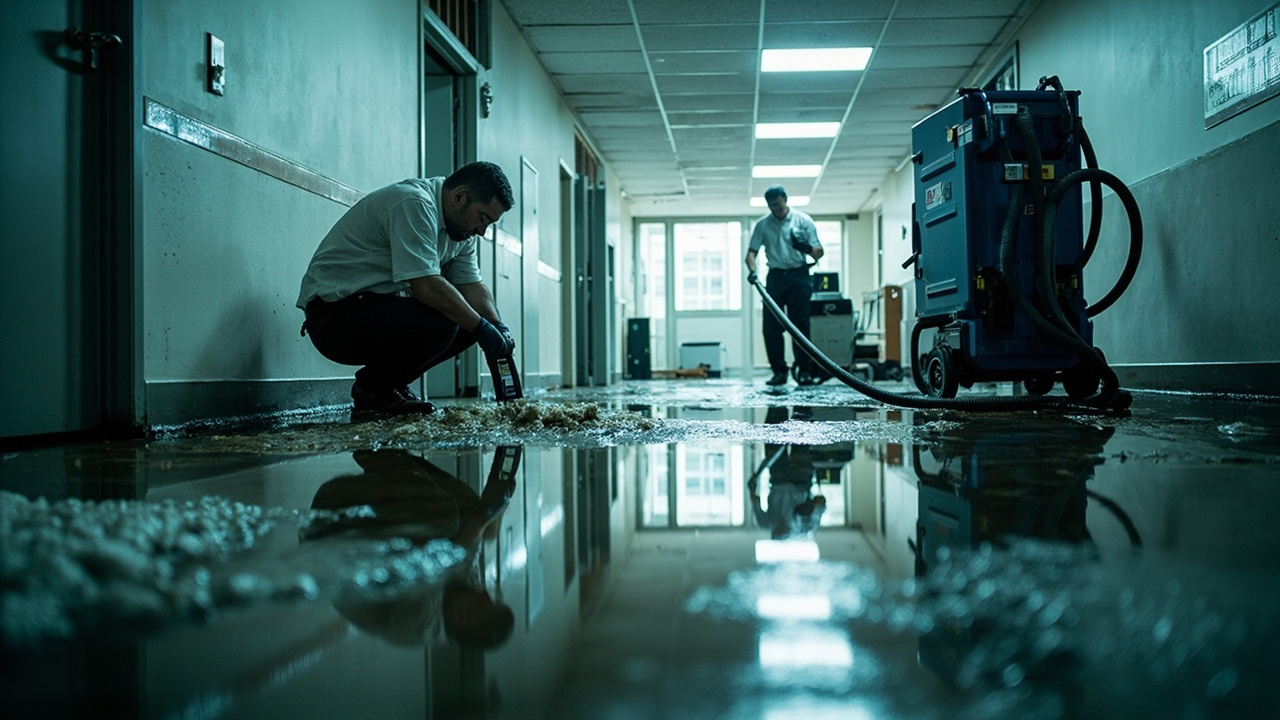
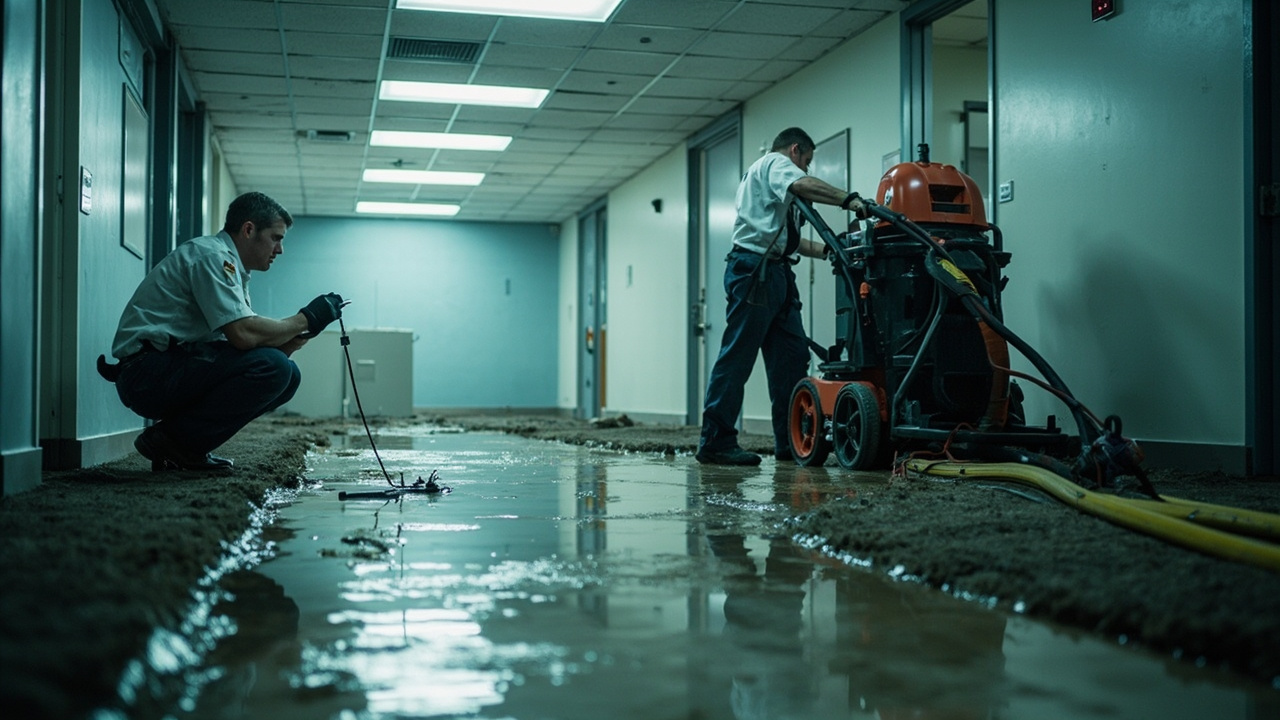
Boston's commercial inventory includes buildings constructed before modern plumbing and waterproofing standards existed. Office buildings in the Financial District and Downtown Crossing often feature cast iron drain stacks, galvanized supply lines, and brick cavity walls that accelerate water damage once moisture infiltrates. The city's coastal location and high water table create hydrostatic pressure against basement foundations that older waterproofing membranes cannot withstand. When water enters these structures through failed pipe connections or roof drainage systems, it migrates through porous masonry and compromises structural elements that newer construction isolates with vapor barriers and proper flashing details.
Massachusetts building codes and historic preservation requirements add complexity to commercial water damage projects in designated districts. The Boston Landmarks Commission reviews exterior alterations on properties within local historic districts, which can affect roof repairs or facade work necessitated by water damage. Proper restoration requires familiarity with these regulatory layers and relationships with city inspectors who enforce commercial building codes. Local restoration companies understand permit requirements, know which repairs trigger code upgrades, and coordinate with the authorities having jurisdiction to keep your project moving without compliance delays that extend tenant displacement.