Menu

Basement Flood Cleanup in Boston – Fast Water Extraction & Full Structural Drying

Atlas Water Damage Restoration Providence delivers rapid basement flood restoration for Boston homeowners, removing standing water and preventing structural damage with industrial-grade equipment and proven drying protocols.

Slider Image 1
Slider Image 2
Slider Image 3
Slider Image 4
Slider Image 5
Slider Image 7
Slider Image 8
Slider Image 9
Slider Image 10
Slider Image 11

Why Boston Basements Flood and Why Speed Matters

Boston's aging infrastructure and below-sea-level neighborhoods make basement flooding a persistent risk. Heavy snowmelt in March and April, combined with the city's high water table near the Charles River and Boston Harbor, creates constant hydrostatic pressure against foundation walls. Add in the freeze-thaw cycles that crack concrete and the clay soil common in Dorchester and Roxbury that shifts during heavy rain, and you have a recipe for water intrusion.

When your basement floods, the clock starts immediately. Standing water saturates drywall, insulation, and floor joists within 24 hours. By 48 hours, mold colonies begin forming in dark, damp spaces. The longer water sits, the more it wicks up walls and compromises structural integrity. Flooded basement water removal is not optional. It is urgent.

Boston's older homes, especially in neighborhoods like South End and Jamaica Plain, often have fieldstone foundations with mortar joints that deteriorate over time. These homes are particularly vulnerable during heavy rain events or rapid snowmelt. You need flooded basement pumping and basement water extraction that happens fast, before secondary damage multiplies your losses.

The problem is not just the water you see. It is the moisture trapped in wall cavities, under subflooring, and inside HVAC ducts. Without proper basement flood restoration, you are left with hidden moisture that fuels mold growth, attracts pests, and weakens structural components. This is where professional flooded basement remediation makes the difference between a quick recovery and a prolonged disaster.

Why Boston Basements Flood and Why Speed Matters
How Professional Basement Flood Cleanup Works

How Professional Basement Flood Cleanup Works

Basement flood cleanup is not about mopping floors and running box fans. It requires controlled extraction, staged drying, and continuous monitoring with calibrated equipment. Atlas Water Damage Restoration Providence uses submersible pumps and truck-mounted extractors to remove standing water, followed by industrial air movers and low-grain refrigerant (LGR) dehumidifiers to pull moisture from materials.

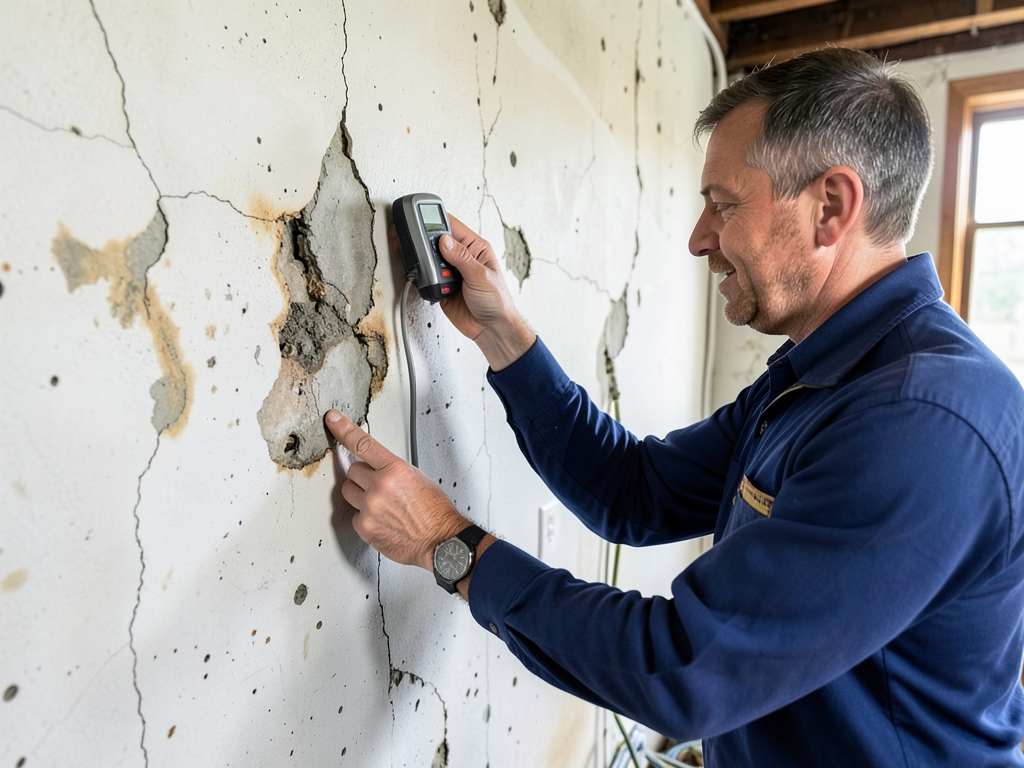
We start with a moisture map. Using thermal imaging cameras and pin-type moisture meters, we identify saturation in walls, floors, and ceilings. This tells us where water has traveled and what materials need attention. In Boston's brick row houses and triple-deckers, water often migrates laterally through shared walls or down into crawl spaces. We trace every pathway.

Next comes controlled demolition. Wet drywall below the flood line gets removed to expose wall cavities for drying. Soaked insulation is pulled. Baseboards come off to allow airflow behind walls. This is not cosmetic work. It is structural preservation. Leaving wet materials in place guarantees mold growth and wood rot.

We position equipment based on airflow science, not guesswork. Air movers create circulation patterns that move humid air across wet surfaces and into dehumidifiers. We monitor daily with moisture readings and adjust equipment placement until materials reach dry standard. This process typically takes three to five days, depending on the scope of saturation and the materials involved.

Flooded basement water removal is the first step. Basement water extraction gets the bulk of the water out. But flooded basement remediation is the full process: extraction, drying, sanitizing, and verifying dry conditions with data. Skipping steps leaves you vulnerable to long-term problems that cost far more than doing it right the first time.

What Happens During Your Basement Flood Restoration

Basement Flood Cleanup in Boston – Fast Water Extraction & Full Structural Drying
01

Emergency Water Extraction

We arrive with truck-mounted extractors and submersible pumps to remove standing water from your basement. Our team assesses the water source, shuts off the supply if needed, and begins flooded basement pumping immediately. We extract water from floors, carpets, and porous materials, clearing the space for the drying phase. This initial step prevents further absorption and reduces the risk of structural damage.
02

Controlled Structural Drying

After extraction, we deploy air movers and LGR dehumidifiers to create controlled airflow and humidity reduction. We remove wet insulation, drywall below the waterline, and baseboards to expose hidden moisture. Moisture meters and thermal imaging guide our equipment placement. This phase runs continuously for several days, with daily monitoring to track progress. We adjust equipment as needed until materials reach verified dry standards.
03

Final Verification and Documentation

Once drying is complete, we conduct final moisture readings across all affected areas. We document the entire process with photos, equipment logs, and moisture data. This documentation is critical for insurance claims and proves your basement is truly dry. We walk you through next steps for reconstruction and provide referrals if needed. Your basement is safe, dry, and ready for repairs.

Why Boston Homeowners Choose Atlas Water Damage Restoration Providence

Boston's housing stock is old. Many homes in Charlestown, Beacon Hill, and Back Bay were built in the 1800s. These homes have unique construction challenges that require local knowledge. We understand how brick absorbs water differently than wood. We know how to work around knob-and-tube wiring in older homes. We recognize the difference between fieldstone foundations and poured concrete.

We also understand Boston's building codes and permitting requirements. If your flood damage requires structural repairs, we know what needs inspection and what documentation the city requires. This local expertise saves you time and prevents costly mistakes.

Our team responds quickly because we know how fast damage escalates in Boston's humid climate. Spring and fall bring high humidity levels that slow natural evaporation and accelerate mold growth. We do not wait. We mobilize within hours, not days.

We also work directly with insurance adjusters. Basement flood restoration often involves complex claims, especially when the cause is sewer backup, sump pump failure, or groundwater intrusion. We document everything with photos, moisture logs, and detailed scope reports. This makes your claim process smoother and increases the likelihood of full coverage.

Atlas Water Damage Restoration Providence is not a national franchise with rotating technicians. We are a local team that lives and works in the greater Boston metro. We know the neighborhoods, the common problems, and the right solutions. When you call us, you get someone who understands your home and your situation.

Choosing the right restoration company is not about price. It is about preventing long-term damage. Cheap drying jobs leave hidden moisture that costs you thousands later in mold remediation and structural repairs. We do it right the first time.

What to Expect When You Call Atlas Water Damage Restoration Providence

Rapid Response Time

We answer calls 24 hours a day, seven days a week. When your basement floods, waiting until morning is not an option. We dispatch a crew within two hours of your call. Our team arrives with extraction equipment, moisture meters, and containment barriers. We begin work immediately to stop the spread of water and start the drying process. Speed is everything in basement flood cleanup. The faster we extract water and begin drying, the less damage you sustain. We prioritize emergency calls and treat every job as urgent because we know how quickly conditions deteriorate in Boston's climate.

Detailed Damage Assessment

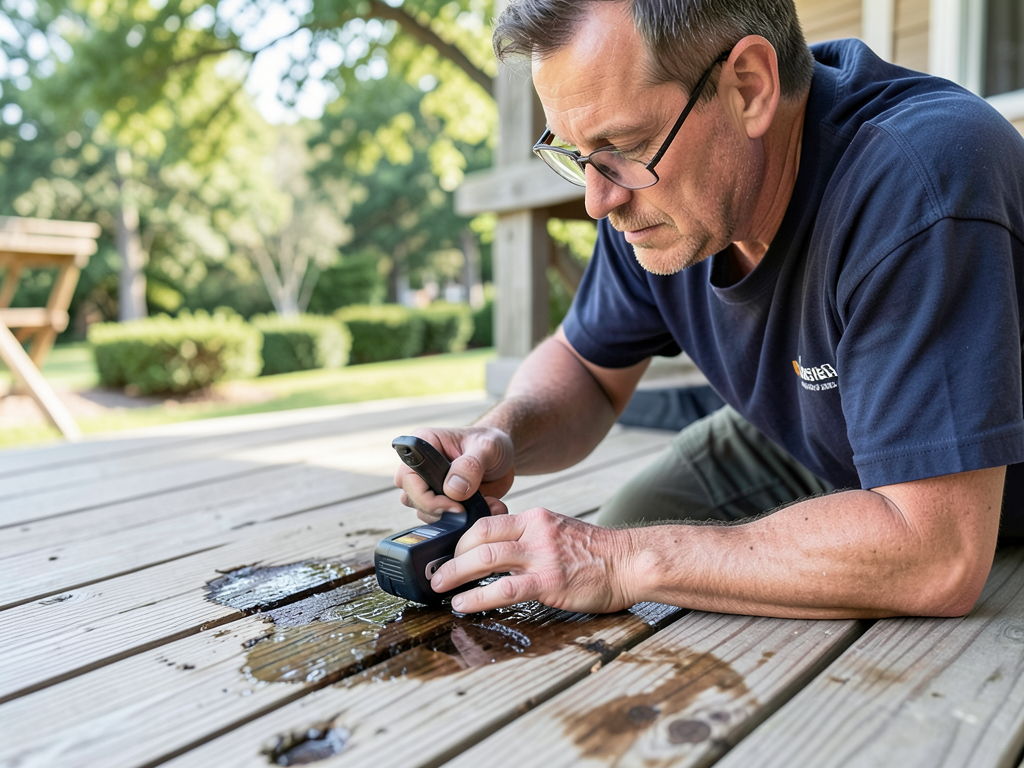
Before we start drying, we map the damage. Using thermal imaging and moisture meters, we identify every area affected by water. This includes hidden moisture behind walls, under flooring, and in ceiling cavities. We document the source of the flood, the category of water, and the scope of saturation. This assessment guides our restoration plan and provides the documentation you need for insurance claims. We walk you through our findings and explain what needs to happen next. You get a clear picture of the work involved before we proceed.

Verified Dry Conditions

We do not stop drying when the floor feels dry. We stop when moisture readings confirm all materials are at or below dry standard. This means concrete, wood framing, drywall, and insulation all test dry with calibrated meters. We provide you with final moisture logs that show starting and ending readings. This data proves your basement is fully restored and protects you from future problems. Verified dry conditions are your guarantee that the job is complete and your home is safe.

Post-Restoration Guidance

After drying is complete, we provide recommendations to prevent future flooding. This may include sump pump upgrades, foundation sealing, or improved drainage solutions. We also connect you with trusted contractors for reconstruction if your flood required demolition. Our job does not end when the equipment is removed. We stay available to answer questions and provide guidance as you move forward with repairs. Your basement is dry, and you have the information you need to protect it going forward.

Frequently Asked Questions

You Have Questions,
We Have Answers

How much does it cost to clean up a flooded basement? +

Basement flood cleanup costs in Boston range from $500 for minor water removal to $10,000+ for significant structural damage. Factors include water volume, contamination level (clean, gray, or black water), time standing, and square footage. Boston's older housing stock often requires additional mold remediation due to poor ventilation and damp foundations common in the area. Emergency extraction typically starts at $3 per square foot. Structural drying, dehumidification, and damaged material removal add costs. Insurance coverage depends on your flood cause. A professional assessment determines your exact needs before you commit to any work.

How to clean up after a flooded basement? +

First, shut off electricity to your basement to prevent shock hazards. Document all damage with photos for insurance claims. Remove standing water using a sump pump or wet vacuum. In Boston's humid climate, start dehumidifiers and fans immediately to prevent mold growth. Remove wet contents and materials like drywall, insulation, and carpeting within 24-48 hours. Disinfect all surfaces with antimicrobial solutions since floodwater often contains contaminants. Scrub walls and floors thoroughly. For sewage backups or extensive flooding common in Boston's aging sewer systems, call certified water damage professionals to ensure safe, complete cleanup.

How much does Servpro cost to clean a basement? +

Servpro pricing varies by project scope, but expect to pay $3-7 per square foot for basic water extraction and drying in Boston. A typical basement flood cleanup ranges from $2,000 to $8,000 depending on water category, square footage, and damage extent. Like other national franchises, Servpro prices reflect brand overhead. Always get multiple quotes from local restoration companies. Boston has many qualified water damage specialists who often provide competitive rates with faster response times. Request itemized estimates comparing extraction, drying equipment rental, antimicrobial treatment, and disposal costs before choosing any provider.

Will insurance pay for a flooded basement? +

It depends on your flood cause and policy type. Standard homeowners insurance covers sudden, accidental water damage like burst pipes or appliance failures common in Boston's freeze-thaw cycles. It does not cover gradual seepage, sewer backups (without riders), or groundwater flooding. Boston sits near sea level with high water tables, making flood insurance through FEMA's National Flood Insurance Program essential for many neighborhoods. Review your policy exclusions. Document everything immediately. File claims within your policy timeframe. Most insurers require professional mitigation to prevent further damage, making quick action critical.

How long does it take to dry out a basement after a flood? +

Proper basement drying takes 3-7 days with professional equipment. Boston's humidity extends drying times compared to drier climates. Small areas with minimal water may dry in 72 hours using industrial dehumidifiers and air movers. Larger floods affecting concrete, insulation, or structural elements require 5-10 days. Never rely on air drying alone in Boston's moisture-heavy environment. Foundations stay damp longer due to concrete porosity. Professional restoration teams use moisture meters to confirm dryness before reconstruction begins. Rushing this process guarantees mold growth within days, creating bigger problems than the original flood.

What is the most expensive part of finishing a basement? +

This question addresses finishing, not flood cleanup. For basement flood restoration, the most expensive component is structural drying and dehumidification, which prevents mold but requires industrial equipment running continuously for days. Specialized drying costs $200-500 daily for equipment rental. In Boston's older homes, foundation repairs or waterproofing to prevent future flooding can exceed $5,000. Mold remediation adds $500-6,000 depending on contamination extent. Black water extraction (sewage) requires hazmat protocols, dramatically increasing costs. Prevention through sump pump installation and proper grading saves money compared to repeated flood damage.

What kills mold after a flood? +

Nothing truly kills all mold spores, but antimicrobial solutions control growth after floods. Professional restoration companies use EPA-registered biocides and fungicides. For surfaces you can save, scrub with detergent, then apply antimicrobial treatments. Bleach works on non-porous surfaces but does not penetrate porous materials like drywall or wood studs common in Boston basements. HEPA filtration removes airborne spores during cleanup. The key is removing moisture quickly. Boston's humidity accelerates mold growth. Porous materials exposed to flood water for over 48 hours require removal, not treatment. Professionals use containment barriers to prevent cross-contamination during remediation.

What type of professional fixes flooded basements? +

Water damage restoration specialists fix flooded basements. These IICRC-certified professionals handle extraction, structural drying, dehumidification, mold remediation, and rebuilding. In Boston, look for companies with specific experience in the area's older foundation types and seasonal flooding patterns from snowmelt and nor'easters. Plumbers address pipe bursts or sewer backups causing floods. Foundation specialists handle structural waterproofing to prevent future issues. General contractors rebuild after drying completes. For comprehensive service, choose a restoration company managing the entire process from emergency extraction through final repairs. Verify licensing, insurance, and local references before hiring anyone.

How long does it take for mold to grow after flooding? +

Mold begins growing within 24-48 hours after flooding in favorable conditions. Boston's humid climate accelerates this timeline. Spores present in all environments need only moisture, organic material (drywall, wood, carpet), and temperatures above 40 degrees to colonize. Visible growth appears within 3-5 days but colonies start forming microscopically much sooner. This narrow window makes immediate water extraction critical. Every hour of delay increases contamination and removal costs. Boston's older housing stock with poor ventilation and damp basements provides ideal mold conditions. Professional drying within 24 hours prevents most mold issues and protects your property value.

How much does it cost to finish a 2000 sq ft basement? +

This question addresses finishing costs, not flood cleanup. Basement flood cleanup for a 2,000 square foot space typically costs $6,000-$20,000 depending on water category, damage extent, and required repairs. Clean water extraction and drying starts around $6,000. Gray water (appliances, sump failure) adds antimicrobial treatment costs. Black water (sewage backups common in Boston's combined sewer areas) requires hazmat protocols, disposal fees, and extensive disinfection, reaching $15,000-$25,000. Foundation repairs, mold remediation, and structural work increase totals. Always get itemized estimates from certified Boston restoration companies before starting any flood cleanup project.

How Boston's High Water Table Increases Basement Flooding Risk

Boston sits on a peninsula surrounded by water. The Charles River, Boston Harbor, and the Atlantic Ocean create a high water table that puts constant pressure on basement walls and floor slabs. Neighborhoods near the waterfront, including East Boston, Seaport, and parts of Dorchester, experience seasonal groundwater intrusion during spring thaw and heavy rain. This hydrostatic pressure forces water through foundation cracks, cold joints, and floor drains. Even homes with functioning sump pumps can flood if the pump fails or the discharge line freezes. Flooded basement water removal is not a rare event in Boston. It is a recurring risk that requires preparation and fast response.

Boston's building codes and flood zone regulations reflect this reality. Many properties in low-lying areas are required to have backflow preventers and sump pump systems. But codes do not prevent flooding. They only mitigate risk. When flooding happens, you need a restoration team that understands local construction methods, knows how water moves through Boston's soil and foundation types, and can document damage for insurance adjusters familiar with local claims. Atlas Water Damage Restoration Providence works exclusively in the greater Boston metro. We know the challenges, the solutions, and the local standards that apply to your property.

Water Damage Restoration Services in The Boston Area

You can see our service area and our location on the map below. We are proud to serve the entire Boston area and surrounding communities. We're always ready to dispatch our team to your home or business, no matter where you are. We’re committed to a fast, reliable response and ensuring we’re always there when you need us most.

Address:
First Choice Water Damage Restoration Boston, 44 School St., Boston, MA, 02108

Additional Services We Offer

Our news updates

Latest Articles & News from The Blogs

Why Your Milton Chimney is Actually the Source of That Living Room Water Stain That brown water stain on your…

Why Your Milton Chimney is Actually the Source of That Living Room Water Stain

Why Your Milton Chimney is Actually the Source of That Living Room Water Stain That brown water stain on your…

How to Safely Move and Store Your Furniture After a Major Flood in West Roxbury

How to Safely Move and Store Your Furniture After a Major Flood in West Roxbury West Roxbury homes often feature…

Understanding Your Rights as a Boston Tenant When Mold Becomes an Issue

As a Boston tenant facing mold growth in your apartment you need to know your legal rights under Massachusetts law…

Contact Us

Every hour of delay increases damage and cost. Call Atlas Water Damage Restoration Providence now at (617) 789-8099 for immediate basement flood cleanup in Boston. We respond 24/7 with the equipment and expertise to protect your home.