Menu

Commercial Sewage Cleanup in Boston – Minimize Downtime and Restore Operations Fast

Atlas Water Damage Restoration Providence delivers rapid commercial sewage remediation across Boston, deploying industrial-grade black water extraction systems to protect your facility, employees, and bottom line with minimal business interruption.

Slider Image 1
Slider Image 2
Slider Image 3
Slider Image 4
Slider Image 5
Slider Image 7
Slider Image 8
Slider Image 9
Slider Image 10
Slider Image 11

Why Commercial Sewage Emergencies Demand Immediate Action in Boston

A sewage backup in your Boston facility is not just a maintenance issue. It is a business continuity crisis that exposes you to employee health hazards, regulatory violations, and potential lawsuit liability. Boston's aging combined sewer infrastructure, particularly in Downtown and the Seaport District, creates elevated risk during heavy rainfall when stormwater overloads sanitary lines and forces raw sewage back into commercial basements and ground-level facilities.

Category 3 black water contains pathogens, chemicals, and biological contaminants that require immediate industrial sewage cleanup protocols. Every hour of delay increases contamination spread, deepens material degradation, and extends your operational shutdown. Massachusetts Department of Public Health regulations mandate specific decontamination procedures for commercial spaces exposed to sewage, and failure to document proper remediation creates long-term liability exposure.

Commercial sewer backup cleaning differs fundamentally from residential work. Your facility requires capacity for large-volume extraction, commercial-grade antimicrobial application, and coordination with local health inspectors. Atlas Water Damage Restoration Providence deploys truck-mounted extraction units capable of removing thousands of gallons per hour, specialized containment barriers to isolate affected zones, and EPA-registered disinfectants approved for food service and healthcare environments.

Boston businesses face additional pressure from landlord agreements, tenant displacement concerns, and the need to maintain customer-facing operations. We understand that your priority is minimizing revenue loss and protecting your reputation. Commercial sewage removal demands speed, discretion, and verifiable compliance documentation that satisfies insurance adjusters and regulatory authorities.

Why Commercial Sewage Emergencies Demand Immediate Action in Boston
Our Commercial Sewage Remediation Methodology

Our Commercial Sewage Remediation Methodology

Atlas Water Damage Restoration Providence follows IICRC S500 standards for commercial black water extraction, modified for Boston's specific building stock and regulatory environment. Our process begins with source isolation. We identify whether the backup stems from building-specific line failure or municipal system overload, a common distinction in older Boston neighborhoods where clay tile sewer laterals connect to brick main lines installed before 1950.

We establish containment zones using negative air pressure and physical barriers to prevent cross-contamination into unaffected areas. This is critical in multi-tenant buildings common throughout Boston's Financial District and Back Bay, where sewage in one ground-floor unit can migrate through shared floor assemblies. Our truck-mounted extractors generate sufficient vacuum force to pull standing water from below-grade spaces and within wall cavities without damaging structural elements.

All porous materials contacted by sewage require removal. This includes drywall, insulation, carpet, and ceiling tiles. Non-porous surfaces undergo three-stage decontamination: physical debris removal, antimicrobial treatment with quaternary ammonium compounds, and verification testing. We document every step with timestamped photography and chain-of-custody logs that satisfy both insurance requirements and potential legal discovery.

Commercial sewage cleanup generates regulated waste. We coordinate disposal through licensed medical waste haulers when necessary and provide manifest documentation. Air scrubbers equipped with HEPA filtration run continuously during remediation to capture airborne particulates and reduce odor migration. This matters in Boston's dense commercial corridors where neighboring tenants and street-level businesses demand discretion. Our teams arrive in unmarked vehicles and work during off-peak hours when requested to protect your business reputation.

How We Execute Commercial Sewage Cleanup Projects

Commercial Sewage Cleanup in Boston – Minimize Downtime and Restore Operations Fast
01

Emergency Response Mobilization

Our dispatch coordinates with your facility manager to assess scope, secure utility shutoffs, and deploy appropriate equipment within two hours. We bring extraction units, containment supplies, and PPE suited to Category 3 water exposure. Initial walkthrough identifies contamination boundaries and structural vulnerabilities before work begins. You receive a preliminary scope document and timeline estimate before equipment enters your building.
02

Extraction and Decontamination

Truck-mounted pumps remove standing sewage at rates exceeding 200 gallons per minute. Technicians remove all affected porous materials and bag waste according to Massachusetts solid waste regulations. We apply hospital-grade disinfectants to all hard surfaces and use thermal imaging to verify moisture elimination within wall cavities. Air movers and dehumidifiers establish drying conditions while HEPA scrubbers control airborne contaminants. You receive daily progress updates and revised timelines as conditions change.
03

Verification and Documentation

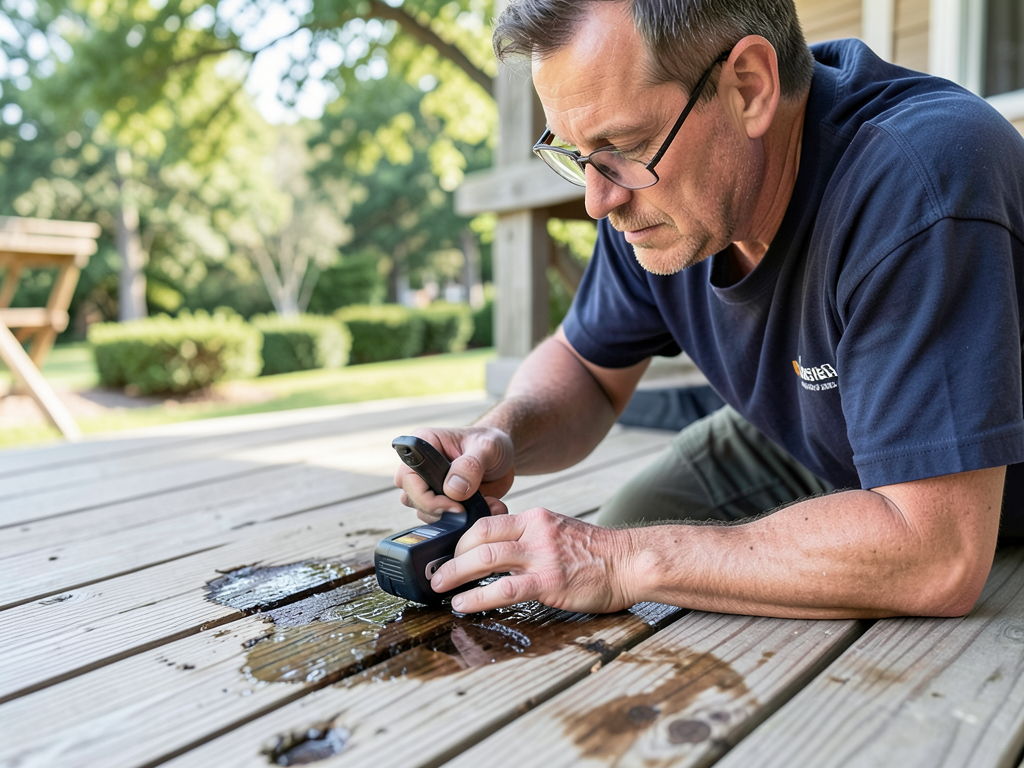
We conduct ATP surface testing to verify microbial load reduction and moisture meter readings to confirm structural drying. You receive a comprehensive remediation report with photographic documentation, waste manifests, and certificates of decontamination suitable for regulatory submission. Our report includes recommendations for plumbing upgrades or backflow prevention if the failure resulted from inadequate building infrastructure. This documentation protects you during insurance claims and potential tenant disputes.

Why Boston Businesses Choose Atlas Water Damage Restoration Providence

Commercial sewage incidents require vendors who understand both the technical remediation protocols and the business implications of facility downtime. Atlas Water Damage Restoration Providence has managed sewage cleanup projects across Boston's diverse commercial sectors, from waterfront restaurants in the Seaport dealing with tidal backflow issues to Fenway-area medical offices where patient safety and HIPAA compliance complicate traditional remediation approaches.

We maintain relationships with Boston's building inspectors and public health officials, which accelerates permit acquisition and final clearance approvals. Boston requires specific notification procedures for sewage releases that impact adjacent properties or public ways. Our team handles these reporting requirements and coordinates with the Boston Water and Sewer Commission when municipal infrastructure failure contributed to your incident. This local regulatory knowledge prevents compliance gaps that delay your reopening.

Our equipment inventory includes industrial capacity fans, commercial dehumidifiers, and extraction units that match the scale of multi-story buildings and large floor plates common in Boston's commercial districts. We stock antimicrobial products approved for sensitive environments including food preparation areas, childcare facilities, and healthcare settings. This matters when your Certificate of Occupancy depends on demonstrating proper decontamination to sector-specific regulators.

Boston's commercial real estate market demands fast turnaround. Lease agreements often include strict timelines for restoring premises to usable condition after casualties. We provide documentation that satisfies landlord requirements and insurance adjusters, including detailed scope narratives, material disposal records, and professional certification of proper remediation. Our familiarity with standard Boston commercial lease language helps you navigate tenant notification obligations and potential rent abatement disputes. We protect your business interests while executing the technical work.

What Your Business Can Expect During Commercial Sewage Cleanup

Rapid Deployment Timeline

We mobilize within two hours of your call, arriving with assessment tools and initial containment supplies. Full remediation equipment deployment occurs within four hours for most Boston locations. Small-scale incidents in single rooms may complete within 48 hours. Larger projects involving multiple floors or extensive structural contamination require three to seven days depending on drying conditions and material removal complexity. We provide realistic timelines during initial assessment and update you twice daily as work progresses. Evening and weekend work prevents disruption to normal business hours when your operations allow phased remediation.

Comprehensive Site Assessment

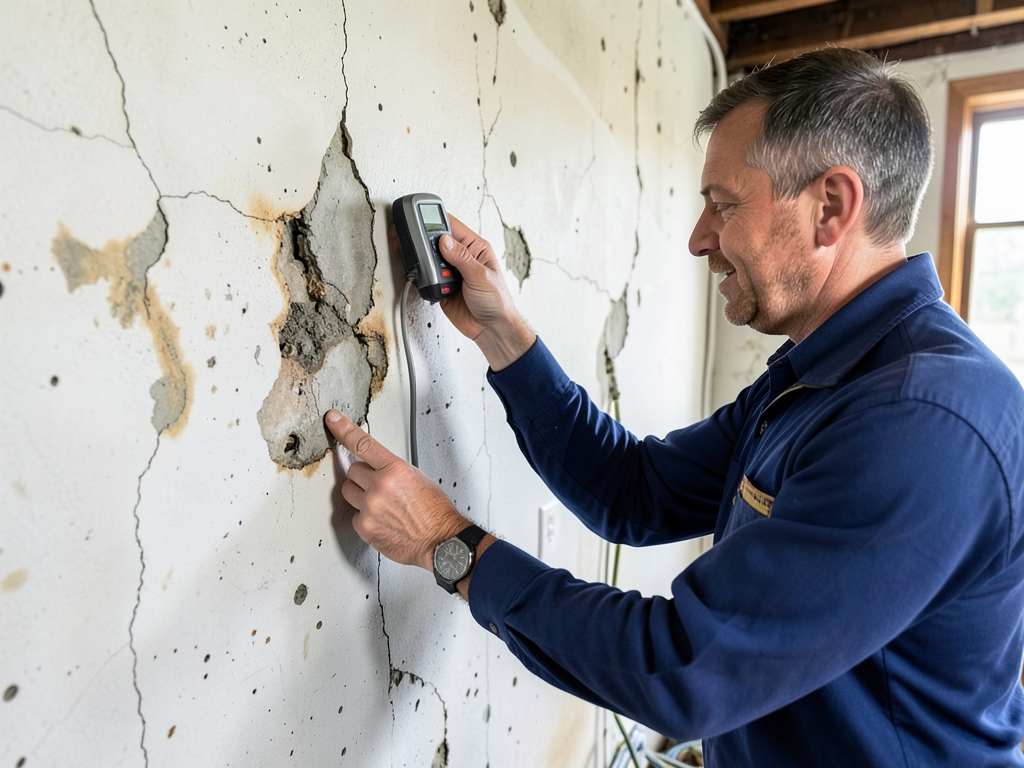
Our initial evaluation maps contamination extent using moisture meters and thermal imaging cameras that detect hidden water migration. We photograph all affected areas and document pre-existing conditions to protect you from liability disputes. You receive a written scope within four hours detailing required demolition, anticipated drying time, and regulatory compliance steps. We identify whether your incident requires Massachusetts Department of Environmental Protection notification based on volume and discharge location. This assessment includes frank discussion of business interruption duration so you can make informed decisions about temporary relocation or partial facility closure.

Verifiable Decontamination Results

Atlas Water Damage Restoration Providence delivers facilities returned to pre-loss condition with documented proof of microbial decontamination. We provide surface testing results, moisture readings confirming structural drying below 15 percent moisture content, and photographic evidence of proper material removal. Your final report includes certificates suitable for submission to health departments, insurance carriers, and building owners. We coordinate final inspections with local authorities when required and obtain clearance documentation before demobilizing equipment. You receive both digital and physical copies of all remediation records for your permanent files.

Post-Remediation Support

Following cleanup completion, we provide recommendations for preventing future incidents, including backflow preventer installation and sump pump upgrades. Our team remains available for 30 days post-project to address any questions from your insurance adjuster or building inspector. We offer optional follow-up moisture monitoring for facilities where hidden cavity drying presents ongoing concern. If reconstruction is required, we coordinate with licensed general contractors familiar with Boston's commercial building codes and can manage the full restoration process. This continuity prevents coordination gaps and keeps your project on a single timeline.

Frequently Asked Questions

You Have Questions,
We Have Answers

How much does sewage cleanup cost? +

Commercial sewage cleanup costs vary based on contamination category, affected square footage, and structural damage. Category 3 water (raw sewage) requires full containment, antimicrobial treatment, and material removal. Expect costs to reflect equipment mobilization, PPE, disposal fees, and labor intensity. Factors include ceiling height, HVAC exposure, and whether subfloor or wall cavities are compromised. Boston commercial properties often face higher costs due to older plumbing infrastructure and strict disposal regulations. Request a detailed scope before work begins. Focus on minimizing downtime and protecting your liability exposure, not just the invoice total.

Does insurance cover sewage cleanup? +

Most commercial property policies cover sudden and accidental sewage backups, but coverage depends on policy language and contamination source. If a municipal line failure causes the backup, coverage applies. If neglected maintenance or gradual deterioration is the root cause, your claim may be denied. Boston businesses should verify they carry adequate污水 backup endorsements and understand exclusions. Document everything immediately. Restoration companies can coordinate directly with adjusters, but your obligation is business interruption mitigation. Review your policy annually and confirm coverage limits match your property value and occupancy risk.

What is an example of commercial sewage? +

Commercial sewage includes wastewater from toilets, urinals, floor drains, and any discharge containing fecal matter or pathogens. In Boston, this also covers restaurant grease trap overflows, medical facility waste, and industrial effluent. Category 3 water is grossly contaminated and poses serious health risks. Examples include overflow from shared sewer lines, backup through floor drains in basements, or compromised ejector pits. Any contact with raw sewage mandates full remediation protocols, protective equipment, and proper disposal. Do not treat this as standard water damage. Pathogen exposure creates liability for building owners and tenants alike.

How long do sewage bacteria last on surfaces? +

Sewage bacteria can survive on porous and non-porous surfaces for days to weeks, depending on temperature, humidity, and organic matter presence. E. coli persists up to several days on hard surfaces. Salmonella and other pathogens remain viable longer in damp conditions common to Boston basements and HVAC systems. Biofilm formation extends survival time significantly. Surface cleaning alone does not eliminate microbial reservoirs embedded in grout, drywall, or subflooring. Professional remediation includes antimicrobial fogging, air scrubbing, and material removal to eliminate pathogen reservoirs. Delaying treatment increases cross-contamination risk and employee exposure liability.

How long does sewage cleanup take? +

Commercial sewage cleanup typically takes three to seven days, depending on contamination extent and drying requirements. Initial extraction and containment occur within hours. Demolition of affected materials, antimicrobial treatment, and dehumidification follow. Boston properties with concrete slab foundations or multi-story exposure require longer drying cycles due to humidity and older construction methods. Business interruption is minimized through phased containment and strategic staging. Regulatory disposal of contaminated materials adds time. Expect inspections before reconstruction begins. Faster timelines depend on immediate response, access to equipment, and clear decision-making authority from ownership. Delays compound costs and liability.

Why is my sewer bill 200 dollars? +

High sewer bills result from water consumption volume, not sewage cleanup services. Boston Water and Sewer Commission calculates charges based on metered water use, assuming equivalent wastewater discharge. Commercial properties with irrigation, cooling towers, or high-volume restrooms see elevated bills. Leaks, running toilets, or faulty backflow preventers inflate usage unexpectedly. A sudden spike may indicate a hidden leak or mainline issue requiring investigation. If you received a bill after sewage backup, verify it reflects standard utility charges, not restoration costs. Review your meter readings quarterly and audit fixtures. Sewer bills are operational expenses unrelated to emergency remediation.

How much does a biohazard clean up cost? +

Biohazard cleanup costs range widely based on contamination type, area size, and disposal requirements. Sewage backups fall under biohazard protocols due to pathogen content. Pricing factors include containment setup, antimicrobial application, material removal, and regulated waste disposal. Boston properties face strict Massachusetts DEP disposal mandates, increasing costs compared to other regions. Larger commercial spaces require more equipment, labor hours, and air filtration. Costs escalate if HVAC systems are contaminated or if structural components need removal. Biohazard work demands certified technicians, specialized PPE, and documentation for liability protection. Prioritize compliance and thoroughness over cost cutting.

What is the average lifespan of a sewer line? +

Commercial sewer lines last 50 to 100 years, depending on material and installation quality. Cast iron pipes, common in older Boston buildings, corrode and fail faster due to age and freeze-thaw cycles. PVC and ABS lines installed after 1980 offer longer lifespans with proper maintenance. Tree root intrusion, ground shifting, and heavy traffic loads accelerate deterioration. Properties in historic districts or near waterfront areas face additional stress from settling and water table fluctuations. Regular camera inspections identify cracks, bellies, and blockages before catastrophic failure. Proactive replacement avoids emergency backups, business downtime, and contamination liability.

How much is covered for debris removal? +

Debris removal coverage depends on your commercial property policy limits and whether the debris results from a covered peril. Standard policies often cap debris removal at 25 percent of the loss amount or a fixed dollar limit. Sewage-damaged materials, drywall, flooring, and contents require proper disposal under biohazard protocols, which increases removal costs. Boston properties must comply with local waste disposal regulations, adding expense. Review your policy endorsements for additional debris removal coverage. Document all removed materials with photos and manifests. Insufficient coverage leaves you paying disposal fees out of pocket. Confirm limits before loss occurs.

What are the three types of sewage treatment? +

The three types of sewage treatment are primary, secondary, and tertiary. Primary treatment removes solids through screening and sedimentation. Secondary treatment uses biological processes to break down organic matter via aeration and microbial digestion. Tertiary treatment applies advanced filtration, disinfection, and nutrient removal before discharge. Boston discharges treated wastewater into Boston Harbor after meeting EPA and Massachusetts DEP standards. Commercial properties connect to municipal systems, but on-site grease traps and interceptors require maintenance to prevent backups. Understanding treatment processes helps facility managers recognize when upstream failures or blockages create sewage emergencies requiring immediate professional response.

Boston's Combined Sewer System and Commercial Sewage Risk

Boston operates one of the oldest combined sewer systems in the United States, where a single pipe network carries both sanitary sewage and stormwater runoff. During heavy rainfall, this system reaches capacity and forces sewage backups into low-lying commercial properties, particularly in the North End, downtown waterfront, and sections of Dorchester. The Boston Water and Sewer Commission has invested billions in overflow reduction, but aging infrastructure and increased development create ongoing vulnerability. Commercial properties built before 1950 face elevated risk due to clay tile laterals and inadequate backflow prevention. Commercial sewage cleanup in Boston must account for both building-specific failures and municipal system limitations.

Massachusetts regulations governing commercial sewage incidents are stricter than residential standards, particularly for food service and healthcare facilities. Boston's Inspectional Services Department requires specific documentation before reissuing occupancy permits after sewage contamination. Working with a remediation contractor who understands these local requirements prevents costly delays and potential enforcement actions. Atlas Water Damage Restoration Providence maintains direct relationships with Boston health inspectors and building officials, which accelerates approval processes and ensures your documentation meets municipal standards. Choosing a vendor unfamiliar with Boston's regulatory environment extends your downtime and increases compliance risk.
Water Damage Restoration Services in The Boston Area

You can see our service area and our location on the map below. We are proud to serve the entire Boston area and surrounding communities. We're always ready to dispatch our team to your home or business, no matter where you are. We’re committed to a fast, reliable response and ensuring we’re always there when you need us most.

Address:
First Choice Water Damage Restoration Boston, 44 School St., Boston, MA, 02108

Additional Services We Offer

Our news updates

Latest Articles & News from The Blogs

Professional Water Damage Restoration for Retail Stores in Harvard Square Harvard Square retail stores face unique water damage risks from…

Professional Water Damage Restoration for Retail Stores in Harvard Square

Professional Water Damage Restoration for Retail Stores in Harvard Square Harvard Square retail stores face unique water damage risks from…

How to Dry Out a Damp Crawl Space in Your Belmont Home (And Stop the Smell)

How to Dry Out a Damp Crawl Space in Your Belmont Home (And Stop the Smell) Musty odors creeping up…

Emergency Dishwasher Leak Cleanup for Busy Kitchens in Arlington

Emergency Dishwasher Leak Cleanup for Busy Kitchens in Arlington Did you walk into your kitchen and find water pooling around…

Contact Us

Sewage contamination costs you money every hour your facility remains offline. Atlas Water Damage Restoration Providence responds immediately with industrial-grade equipment and regulatory expertise. Call (617) 789-8099 now for emergency commercial sewage cleanup.