Menu

Document Drying & Restoration in Boston – Minimizing Business Downtime After Water Damage

Atlas Water Damage Restoration Providence delivers industrial-grade document recovery services that protect your critical business records, legal files, and archived materials with vacuum freeze drying technology and rapid response protocols designed to minimize operational disruption.

Slider Image 1
Slider Image 2
Slider Image 3
Slider Image 4
Slider Image 5
Slider Image 7
Slider Image 8
Slider Image 9
Slider Image 10
Slider Image 11

Why Boston Businesses Face Elevated Document Loss Risk

Boston's coastal location and aging infrastructure create specific vulnerabilities for commercial document storage. When water intrudes into your facility, whether from a sprinkler malfunction, storm surge, or pipe failure, you have 24 to 48 hours before permanent document degradation begins.

The financial district's high concentration of aging buildings compounds this risk. Many structures predate modern waterproofing standards, and basement archive rooms sit below sea level during spring tides. Water damaged records restoration becomes urgent when contracts, compliance documents, or legal pleadings are at stake.

Boston's humidity further accelerates deterioration. Wet documents begin breeding mold spores within 48 hours, and ink starts bleeding across pages as cellulose fibers swell. For medical practices, law firms, and financial institutions, losing archived records creates liability exposure that extends beyond immediate business interruption.

The distinction between salvageable and total loss depends on response speed. Coated paper stock, like photographs or glossy marketing materials, adheres within hours. Bound volumes swell and warp, damaging spines permanently. Archive drying services must begin immediately to prevent cascading damage that transforms a contained incident into a compliance crisis.

Your exposure increases if you store documents in ground-level spaces common to Boston's North End and Seaport District buildings. These areas flood first during coastal storms, and standard dehumidification cannot address the specialized needs of wet document salvage before bacterial contamination sets in.

Why Boston Businesses Face Elevated Document Loss Risk
How Professional Document Recovery Services Differ From Standard Drying

How Professional Document Recovery Services Differ From Standard Drying

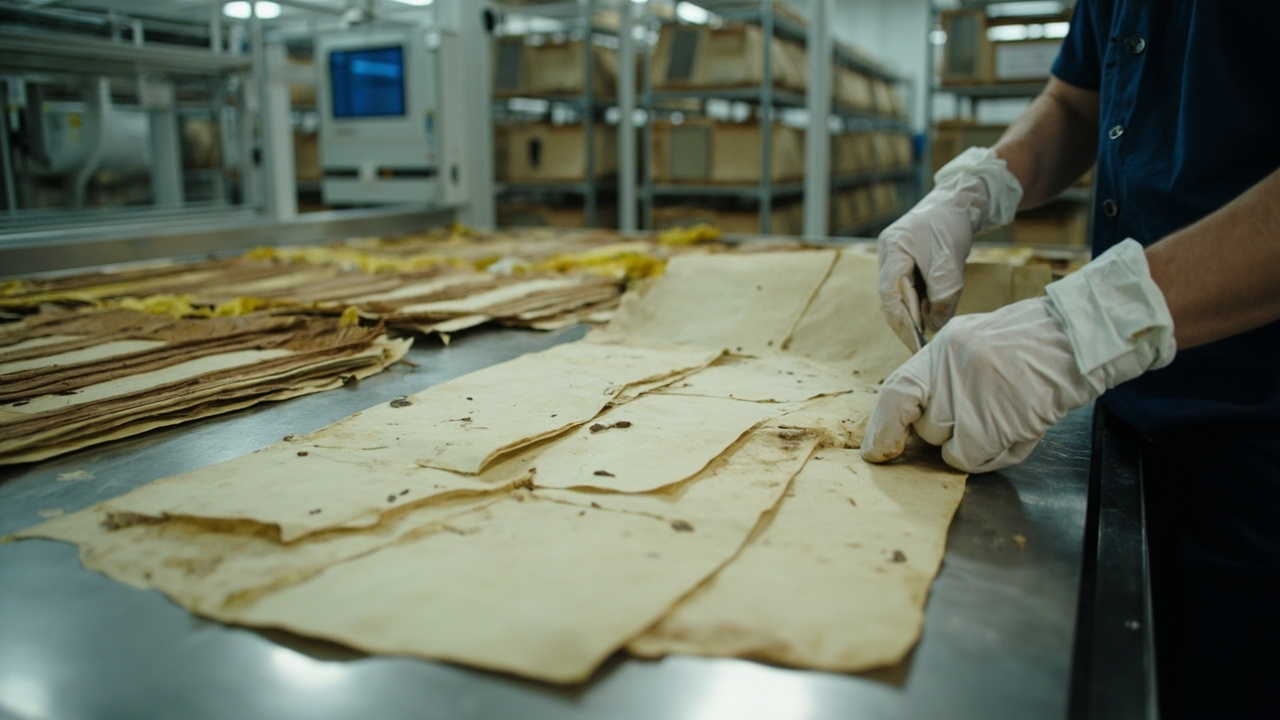
Document drying requires different protocols than structural drying. Atlas Water Damage Restoration Providence uses vacuum freeze drying technology, the only method that removes moisture without additional mechanical stress on paper fibers.

The process begins with immediate stabilization. We pack wet documents in freezer-grade polyethylene within hours of your call, halting deterioration while we transport materials to our climate-controlled facility. Freezing prevents ink migration and stops mold germination, buying time for proper processing.

Vacuum freeze drying removes moisture through sublimation. We place frozen documents in a vacuum chamber where ice converts directly to vapor without passing through a liquid phase. This prevents the fiber distortion that occurs when paper dries through evaporation. The result is dimensionally stable documents with minimal cockling or warping.

For bound materials, we interleave sheets with absorbent paper before freezing, drawing moisture outward while maintaining structural integrity. This prevents pages from adhering and preserves spine flexibility. Legal volumes, medical charts, and archived ledgers require this specialized handling.

We categorize materials by paper type, binding method, and contamination level. Coated stocks need different chamber pressures than uncoated bond paper. Water-soluble inks require lower temperatures than laser prints. This granular approach differentiates professional document recovery services from generic drying operations.

Your business continuity depends on this precision. We document chain of custody, photograph damage before processing, and coordinate with your insurance adjuster to substantiate claims. For Boston firms handling sensitive materials, this documentation protects against liability while restoring operational capacity.

How Document Recovery Works After Water Intrusion

Document Drying & Restoration in Boston – Minimizing Business Downtime After Water Damage
01

Immediate Damage Assessment

We arrive on-site within hours to evaluate document condition, categorize materials by salvage priority, and stabilize high-value items. Our team identifies contamination sources, measures moisture content using hygrometers, and determines which materials require vacuum freeze drying versus air drying. This triage prevents secondary damage while we prepare transport logistics for your most critical records.
02

Controlled Freeze Stabilization

Wet documents move directly into blast freezers at our facility, where temperatures drop to negative 10 degrees Fahrenheit within 30 minutes. This rapid freeze prevents ice crystal formation that would rupture paper fibers. We separate individual sheets when possible and pack bound volumes in moisture-barrier bags. Freezing stops all biological activity and locks documents in their current state until vacuum chamber processing begins.
03

Vacuum Sublimation Processing

Frozen materials enter vacuum chambers where pressure drops below 0.1 torr. At this pressure, ice sublimates directly into vapor without melting, removing moisture while preserving document structure. Processing cycles run 72 to 120 hours depending on paper density and binding type. We monitor dimensional stability throughout, adjusting temperature and pressure to prevent warping. Documents emerge dry, flat, and ready for rebinding or scanning into digital archives.

Why Boston Businesses Trust Atlas Water Damage Restoration Providence

Atlas Water Damage Restoration Providence operates specialized document recovery equipment designed for commercial volume. When a Seaport District law firm loses discovery materials or a Back Bay medical practice floods its records room, you need capacity beyond residential drying equipment.

We process thousands of documents simultaneously using multiple vacuum chambers calibrated for different paper stocks. This matters when you face regulatory deadlines or litigation holds that require specific documents within days. Our facility handles bound volumes, loose sheets, blueprints, and magnetic media using protocols developed for archival institutions.

Boston's concentration of regulated industries means document loss creates compliance exposure. Healthcare providers face HIPAA violations if patient records become unrecoverable. Law firms risk malpractice claims when pleadings or evidence deteriorate. Financial institutions must maintain transaction records per federal retention requirements. We understand these obligations and structure recovery efforts to meet your regulatory timeline.

Our team coordinates with your insurance carrier to document damage, justify recovery costs, and substantiate business interruption claims. We photograph materials before processing, maintain chain of custody logs, and provide detailed inventories that support your claim submission. This documentation becomes critical when adjusters question whether recovery costs exceed replacement value.

Geographic proximity matters during document emergencies. We serve the greater Boston metro from our Providence facility, putting response teams within 90 minutes of your location. This speed prevents the progressive damage that occurs when wet documents sit in ambient conditions while you wait for out-of-state contractors.

We have restored materials for Boston financial institutions after pipe failures, recovered legal files from flooded basements in Beacon Hill, and salvaged medical charts following sprinkler malfunctions in Longwood Medical Area facilities. This local experience means we understand the specific document types and regulatory requirements common to Boston's commercial sectors.

What Document Recovery Timeline and Process Look Like

Emergency Response Speed

We deploy document recovery teams within two hours of your call during business hours, with 24-hour emergency response available for after-hours incidents. Our crews arrive with freezer transport containers, packing materials, and moisture meters to begin stabilization immediately. You get a preliminary damage assessment and salvage estimate on-site before materials leave your facility. We prioritize high-value documents first, moving critical files into frozen storage while addressing secondary materials. This rapid deployment prevents the progressive damage that occurs during the first 48 hours after water intrusion, when mold germination and ink migration accelerate exponentially.

Detailed Material Categorization

Our initial assessment separates documents by paper type, binding method, and contamination level. Coated papers require different processing than uncoated bond stock. Leather-bound volumes need specialized handling compared to perfect-bound paperbacks. Water-soluble inks demand lower processing temperatures than laser prints. We photograph representative samples from each category and create detailed inventories that track materials through every processing stage. This documentation serves two purposes: it gives you visibility into recovery progress, and it provides the evidence your insurance carrier needs to process claims efficiently. You receive daily updates during processing with photographs showing material condition.

Dimensionally Stable Results

Vacuum freeze drying produces documents that remain flat and readable without the cockling, warping, or brittleness that occurs with air drying. Pages separate cleanly in bound volumes, preserving spine integrity and allowing rebinding when necessary. Inks remain legible without bleeding or fading, and photographs retain their original clarity without emulsion separation. Materials emerge from processing ready for immediate use, digital scanning, or archival storage. We can arrange rebinding services for damaged volumes, coordinate with document scanning vendors to digitize recovered materials, or provide archival-grade storage recommendations that prevent future water damage exposure. The final deliverable matches your operational needs.

Ongoing Consultation Access

Document recovery does not end when materials return to your facility. We provide recommendations for improved storage practices that reduce future flood risk, suggest environmental controls that prevent mold growth in archival spaces, and identify vulnerabilities in your current document protection protocols. Our team remains available to answer questions about material handling, recommend conservation specialists for high-value items requiring additional restoration, and consult on disaster preparedness planning that minimizes document loss during future incidents. For businesses managing ongoing regulatory compliance, we offer periodic reviews of your document storage environment to identify moisture intrusion before it becomes visible damage. This proactive approach protects your investment in critical business records.

Frequently Asked Questions

You Have Questions,
We Have Answers

How much does document restoration cost? +

Document restoration cost depends on volume, damage severity, and document type. Water-damaged paper records typically cost less than restoring blueprints, photographs, or bound materials. Factors include contamination level, drying method required, and whether you need digital conversion. For Boston businesses dealing with flooding from aging infrastructure or storm surges, prioritize mission-critical documents first to control costs. Insurance often covers commercial document restoration when tied to a covered water loss event. Request a detailed scope assessment before authorizing work. Professional vendors provide itemized quotes based on linear feet or boxes processed, not vague estimates.

What is the best way to dry documents? +

The best drying method depends on paper type, ink stability, and contamination. Freeze drying works well for large volumes and coated papers common in Boston corporate archives. Air drying suits small batches of uncoated documents. Vacuum thermal drying handles contaminated materials. Never use heat guns or hairdryers. These cause cockling, ink bleeding, and mold growth. For commercial losses, professional restoration facilities use controlled humidity chambers and document-specific protocols. Time matters. Documents left wet beyond 48 hours face irreversible mold colonization and fiber breakdown. Boston's high humidity accelerates degradation. Move fast and use proven methods.

Where can I get an old document restored? +

Professional document restoration facilities handle old, fragile, or historically significant materials. Boston has specialized conservators serving businesses, law firms, and institutions with archival collections. Look for vendors with controlled freezer storage, clean rooms, and experience with varied media types including parchment, vellum, and thermal paper. Verify they follow American Institute for Conservation standards. University archives and historical societies often maintain vendor lists. For commercial clients, prioritize firms offering secure chain of custody documentation and compliance with data protection regulations. Old documents require different handling than modern office paper. Choose specialists, not generalists.

How to restore water damaged documents? +

Stop additional water exposure immediately. Do not separate stuck pages. Place documents flat on absorbent material in a cool, dry location. For commercial volumes, freeze within 48 hours to halt mold and prevent further ink migration. Professional restoration uses freeze drying, vacuum thermal drying, or air drying based on paper composition and contamination. Remove binders and fasteners carefully. Boston businesses face Category 2 or 3 water frequently due to older plumbing and sewer backups. Contaminated documents require antimicrobial treatment. Digital scanning during restoration preserves content even if originals remain damaged. Prioritize legal, financial, and compliance records first.

How Boston's Coastal Climate Accelerates Document Deterioration

Boston's position on Massachusetts Bay creates year-round humidity that accelerates water damage in commercial document storage. Summer dewpoints regularly exceed 65 degrees, and salt air penetrates HVAC systems in buildings near the waterfront. When water intrudes into this environment, mold spores germinate within 24 hours instead of the 48 to 72 hours typical in drier climates. Financial district buildings in particular face elevated risk because many lack modern vapor barriers, and basement archives sit in direct contact with groundwater during high tides. This combination means Boston businesses need faster document recovery response than their counterparts in lower-humidity regions. Vacuum freeze drying becomes essential rather than optional because air drying cannot remove moisture quickly enough to prevent biological contamination in this climate.

Atlas Water Damage Restoration Providence understands the specific document vulnerabilities common to Boston's commercial sectors. We have recovered materials from law firms in the financial district after sprinkler failures, salvaged patient records from Longwood Medical Area facilities following pipe breaks, and restored archived contracts for Seaport District technology companies after storm surge flooding. This local experience means we recognize the regulatory timelines your business faces and structure recovery efforts to meet compliance deadlines. Boston firms handling sensitive materials need contractors who understand both the technical requirements of document drying and the legal obligations that govern record retention. Our team coordinates with your legal counsel, compliance officers, and insurance adjusters to ensure recovered materials meet evidentiary standards.
Water Damage Restoration Services in The Boston Area

You can see our service area and our location on the map below. We are proud to serve the entire Boston area and surrounding communities. We're always ready to dispatch our team to your home or business, no matter where you are. We’re committed to a fast, reliable response and ensuring we’re always there when you need us most.

Address:
First Choice Water Damage Restoration Boston, 44 School St., Boston, MA, 02108

Additional Services We Offer

Our news updates

Latest Articles & News from The Blogs

Professional Water Damage Restoration for Retail Stores in Harvard Square Harvard Square retail stores face unique water damage risks from…

Professional Water Damage Restoration for Retail Stores in Harvard Square

Professional Water Damage Restoration for Retail Stores in Harvard Square Harvard Square retail stores face unique water damage risks from…

How to Dry Out a Damp Crawl Space in Your Belmont Home (And Stop the Smell)

How to Dry Out a Damp Crawl Space in Your Belmont Home (And Stop the Smell) Musty odors creeping up…

Emergency Dishwasher Leak Cleanup for Busy Kitchens in Arlington

Emergency Dishwasher Leak Cleanup for Busy Kitchens in Arlington Did you walk into your kitchen and find water pooling around…

Contact Us

Water damage to critical business documents requires immediate response. Contact Atlas Water Damage Restoration Providence at (617) 789-8099 for 24-hour emergency document recovery services throughout Boston. Our vacuum freeze drying facility can begin stabilizing your materials within hours.