Menu

School & University Restoration in Boston | Minimizing Downtime for Educational Facilities

Atlas Water Damage Restoration Providence delivers rapid response school disaster recovery services across Boston's academic institutions, from K-12 buildings to university campuses, with specialized protocols that protect students, preserve operations, and meet strict compliance standards.

Slider Image 1
Slider Image 2
Slider Image 3
Slider Image 4
Slider Image 5
Slider Image 7
Slider Image 8
Slider Image 9
Slider Image 10
Slider Image 11

Why Boston Educational Facilities Face Higher Water Damage Risk

Boston's educational landscape spans centuries-old buildings in Beacon Hill to modern campus expansions along the Charles River. This architectural diversity creates unique vulnerabilities. Historic university buildings feature aging plumbing systems never designed for modern student loads. Freeze-thaw cycles from November through March stress pipes in dormitories and academic halls. Coastal proximity means humidity affects buildings from BU's waterfront campus to institutions in Jamaica Plain.

Educational facilities face compounding risks. A burst pipe in a chemistry lab creates contamination concerns that a residential flood never would. Sprinkler malfunctions in dormitories displace hundreds of students overnight. Roof leaks in libraries threaten irreplaceable archives. The financial impact extends beyond repair costs. Every day a classroom stays closed, you lose tuition value, research productivity, and accreditation standing.

Boston's strict building codes for educational facilities add complexity. You must maintain egress routes during repairs. Fire suppression systems cannot go offline. HVAC modifications require municipal permits that delay reopening. Insurance claims demand documentation that proves you minimized business interruption.

The fall semester brings peak enrollment and maximum building stress. Aging infrastructure in schools across Dorchester and Roxbury fails during the worst possible timing. University flood cleanup services cannot wait for normal business hours when 3,000 students need housing. Educational facility water damage restoration requires contractors who understand your operational calendar, your regulatory obligations, and your reputational stakes.

Most restoration companies treat schools like oversized homes. They do not account for the liability exposure when students return to incompletely dried buildings. They do not understand the coordination required with facilities management, environmental health, and risk management departments.

Why Boston Educational Facilities Face Higher Water Damage Risk
Our Academic Building Water Damage Repair Methodology

Our Academic Building Water Damage Repair Methodology

Atlas Water Damage Restoration Providence deploys specialized teams trained in educational facility protocols. We do not use the same approach for a elementary school cafeteria flood that we would for a graduate research building. Each environment demands different containment strategies, different drying timelines, and different safety clearances.

Our response begins with source isolation and damage assessment within two hours of your call. We map affected zones using thermal imaging to identify hidden moisture in wall cavities and ceiling plenums. This technology prevents the common mistake of declaring areas dry while moisture remains trapped in structural elements. We establish containment barriers using negative air pressure to prevent cross-contamination into unaffected classrooms or dormitories.

Water extraction uses truck-mounted systems that remove standing water faster than portable units. Speed matters because every hour of saturation increases the likelihood of secondary microbial growth. We pull baseboards and drill weep holes in wall systems to ensure cavity drying. Commercial-grade dehumidifiers and air movers run continuously, with real-time monitoring via hygrometers that track moisture content in building materials, not just ambient humidity.

College campus water remediation often involves specialized materials. We handle water-damaged laboratory equipment differently than office furniture. Chemistry or biology labs require decontamination protocols before drying begins. Athletic facilities need antimicrobial treatments on porous surfaces like locker room wood or gymnasium flooring.

Documentation runs parallel to physical restoration. We photograph every stage, log moisture readings twice daily, and maintain chain-of-custody records for contents removal. This creates the evidence your insurance carrier and your legal team need if questions arise months later. We coordinate directly with your environmental health and safety office to ensure clearance testing happens before reoccupancy.

How We Restore Your Educational Facility to Full Operation

School & University Restoration in Boston | Minimizing Downtime for Educational Facilities
01

Emergency Mobilization and Containment

We dispatch teams to your Boston campus within 90 minutes of contact, arriving with containment barriers, extraction equipment, and safety gear. Our first priority is stopping water intrusion and isolating affected areas to protect students, staff, and unaffected spaces. We establish incident command communication with your facilities director, coordinate with campus security for after-hours access, and begin preliminary moisture mapping to determine the full scope of involvement across classrooms, administrative offices, or residential halls.
02

Controlled Drying and Monitoring

We deploy commercial dehumidifiers and air movers in configurations specific to your building type. Historic masonry buildings require different airflow patterns than modern steel-frame construction. Moisture meters track drying progress in structural materials like concrete slab, wood framing, and drywall. We adjust equipment placement every 24 hours based on readings. Our teams work overnight and weekend shifts to compress timelines and return spaces to service before the next academic session begins. Real-time reporting keeps your administration informed of progress.
03

Verification and Reoccupancy Clearance

We do not consider a space restored until independent testing confirms moisture levels match unaffected areas and air quality meets ANSI/IICRC S500 standards for school environments. Our final walkthrough includes your facilities team, environmental health officer, and insurance adjuster. We provide certification documentation that protects your institution from future liability claims. Contents are returned to original locations, and we coordinate with your IT department to reconnect equipment in labs or offices. You receive a digital record of the entire restoration process for your risk management files.

Why Boston Institutions Choose Atlas for School Disaster Recovery Services

Educational facilities cannot afford trial and error with restoration contractors. Your choice determines whether students return in three days or three weeks. Atlas Water Damage Restoration Providence operates across the greater Boston metro with crews experienced in the specific challenges of academic buildings. We have restored water damage in facilities from Cambridge to Quincy, working within the constraints of active campuses where classes continue in adjacent wings.

Boston's municipal codes for educational occupancies require restoration work that maintains egress compliance and fire separation. We coordinate permit applications with the Boston Inspectional Services Department when structural drying requires temporary HVAC modifications or electrical shutdowns. This knowledge prevents the costly delays that occur when general contractors discover mid-project that their approach violates occupancy requirements.

Our relationships with local environmental testing laboratories accelerate the clearance process. We know which labs can deliver 24-hour turnaround on air quality sampling and which ones require 72 hours. When your semester start date is non-negotiable, that difference determines success. We also maintain direct communication channels with major insurance carriers that cover Boston educational institutions, streamlining the documentation process that often bottlenecks claim approvals.

Atlas operates with capacity that matches institutional scale. A flooded dormitory wing requires 15 dehumidifiers, not three. We maintain equipment inventory that handles simultaneous multi-floor incidents without pulling resources from other projects. Our crews undergo background checks compatible with campus security requirements, and we carry liability coverage that meets the minimum thresholds most institutions require from vendors.

You also gain a partner who understands operational priorities. We know that residence halls must reopen before academic buildings. We know that accessibility compliance cannot lapse during repairs. We structure work schedules around your exam periods, move-in weekends, and accreditation visits. This is not flexibility. This is understanding how educational facilities actually function.

What to Expect When You Contact Atlas for University Flood Cleanup Services

Immediate Response and Arrival Timeline

You reach a live person at (617) 789-8099 24 hours a day, 365 days a year. Our dispatch protocol activates a crew within 15 minutes of your call. We arrive on your Boston campus within 90 minutes, regardless of whether the incident occurs at 2 PM on Tuesday or 2 AM on Saturday. Our initial response includes a project manager who will serve as your single point of contact throughout the restoration. You receive an preliminary assessment within four hours that outlines the scope, estimated timeline, and immediate safety concerns. This assessment allows your administration to make informed decisions about building closures, class relocations, and student notifications.

Comprehensive Damage Assessment and Planning

Our assessment protocol uses moisture meters, thermal imaging, and visual inspection to map the full extent of water intrusion. We test moisture content in flooring, wall assemblies, and ceiling systems. You receive a written scope that identifies affected building materials, required demolition, drying timelines, and restoration phases. This document serves as your blueprint for insurance claims and your communication tool for campus stakeholders. We identify any hazardous materials concerns, such as asbestos in older buildings or lead paint, that require specialized abatement before drying begins. The assessment includes coordination meetings with your facilities director, safety officer, and insurance representative to align expectations and approve the work plan.

Certified Dry and Documented Restoration

We follow IICRC S500 standards for water damage restoration, which means drying continues until moisture readings in affected materials match readings in unaffected areas. You receive daily progress reports with updated moisture levels and projected completion dates. Our equipment remains onsite until independent testing confirms the space meets reoccupancy standards. The final deliverable includes a complete photo record of the damage, daily moisture logs, air quality test results, and certificates of completion. This documentation package protects your institution if questions arise during insurance audits or if occupants report health concerns months after the incident. You receive both physical and digital copies for your permanent facilities records.

Post-Restoration Support and Follow-Up

Atlas provides a 30-day follow-up inspection at no charge to verify that restored spaces remain dry and functional. We return to retest moisture levels and address any concerns your facilities team identifies. If the incident revealed underlying maintenance issues, such as aging plumbing or inadequate roof drainage, we provide recommendations for corrective action that can prevent future losses. Our project documentation includes thermal imaging records that establish a baseline for your building systems. This data helps your maintenance staff identify abnormal conditions during future routine inspections. You also gain access to our emergency line for consultation if questions arise about building performance after restoration is complete.

Frequently Asked Questions

You Have Questions,
We Have Answers

How Boston's Historic Campus Architecture Complicates Water Damage Restoration

Boston's educational institutions occupy some of the oldest academic buildings in North America. Universities along Commonwealth Avenue and colleges in the Back Bay operate in structures built when plumbing was an afterthought. These buildings feature solid masonry walls, plaster over wood lath, and drainage systems installed during the Eisenhower administration. When a pipe bursts in a 1920s dormitory, water migrates through wall cavities for days before you see ceiling stains. Traditional drying methods fail because you cannot access the interstitial spaces where moisture accumulates. Educational facility water damage restoration in Boston requires contractors who know how to dry balloon-framed walls without demolishing historic plasterwork that would cost hundreds of thousands to replicate.

Boston's concentration of universities creates a specialized restoration market. The city hosts over 50 colleges serving 250,000 students. This density means contractors either develop expertise in academic building restoration or they stay in the residential sector. Atlas Water Damage Restoration Providence has built relationships with environmental consultants, structural engineers, and testing laboratories that understand educational compliance requirements. We know that university flood cleanup services in Boston require coordination with the Boston Water and Sewer Commission when the water source involves main breaks. We understand that school disaster recovery services must account for Massachusetts Title 5 requirements when restoration affects buildings near the Charles River Basin. Local expertise prevents the mistakes that turn a three-day drying project into a three-week regulatory dispute.
Water Damage Restoration Services in The Boston Area

You can see our service area and our location on the map below. We are proud to serve the entire Boston area and surrounding communities. We're always ready to dispatch our team to your home or business, no matter where you are. We’re committed to a fast, reliable response and ensuring we’re always there when you need us most.

Address:
First Choice Water Damage Restoration Boston, 44 School St., Boston, MA, 02108

Additional Services We Offer

Our news updates

Latest Articles & News from The Blogs

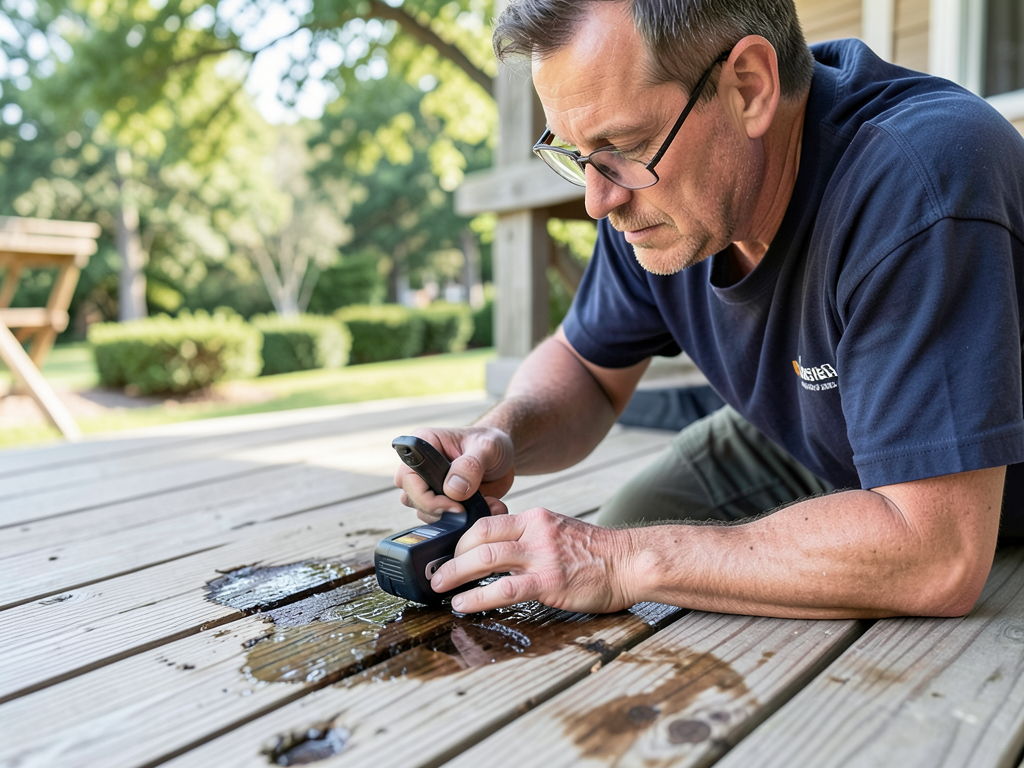
How to Find a Hidden Water Leak Under Your Marblehead Outdoor Deck Living in Marblehead means dealing with coastal moisture,…

How to Find a Hidden Water Leak Under Your Marblehead Outdoor Deck

How to Find a Hidden Water Leak Under Your Marblehead Outdoor Deck Living in Marblehead means dealing with coastal moisture,…

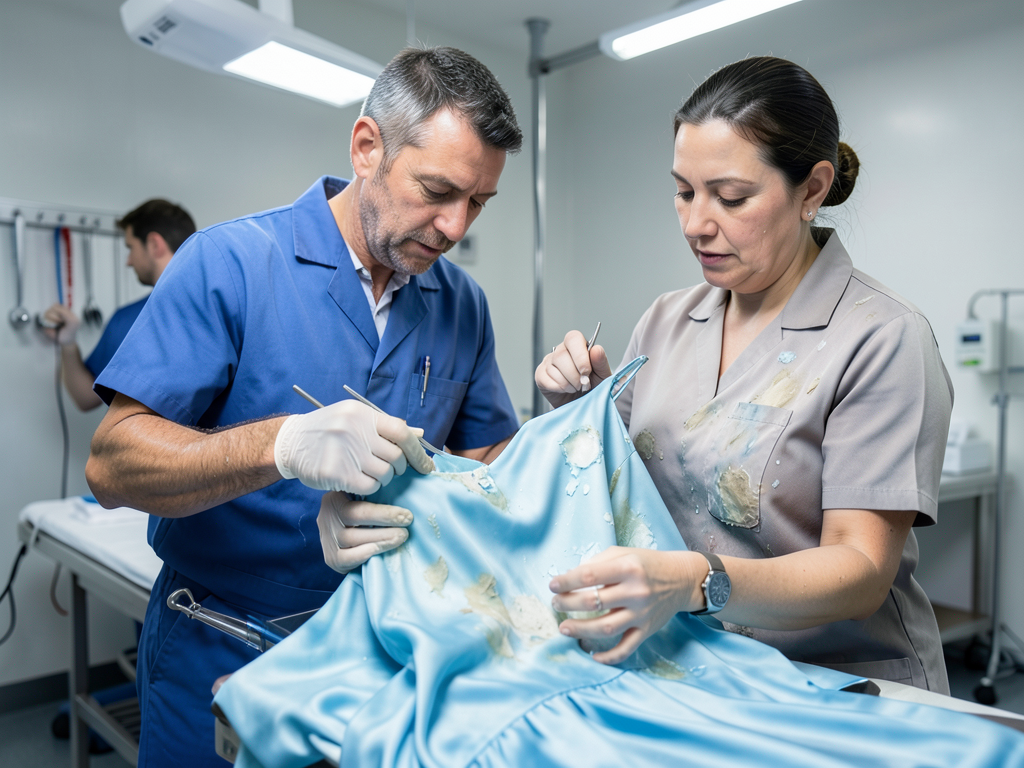
Saving a Luxury Walk In Closet and Designer Wardrobe After a Pipe Burst in Chestnut Hill

When a pipe bursts in your Chestnut Hill home the damage goes far beyond soaked carpets and warped baseboards. For…

Preparing Your Inland Needham Home for Hurricane Season Flooding

Preparing Your Inland Needham Home for Hurricane Season Flooding Living in Needham means enjoying quiet suburban streets and tree-lined neighborhoods.…

Contact Us

Water damage in educational facilities escalates quickly. Call Atlas Water Damage Restoration Providence at (617) 789-8099 now for immediate dispatch to your Boston campus. Our teams mobilize within 90 minutes to contain damage, protect students, and begin the restoration process that returns your facility to full operation.