



Malden sits in the Mystic River watershed with clay-heavy soils that trap water against foundations. When spring thaw hits after a hard freeze, basement seepage becomes inevitable across neighborhoods from Linden to Maplewood. The city's mix of triple-deckers from the 1920s and newer construction means aging cast iron plumbing runs through walls that were never designed for modern water pressure.
Massachusetts sees temperature swings of 60 degrees between January and July. These cycles expand and contract your pipes, stressing joints until they fail. Most Malden homes use forced hot water systems with boiler pipes snaking through uninsulated rim joists. One frozen supply line can dump 400 gallons per hour into your finished basement.
The Malden River and Spot Pond Brook create high water tables that push groundwater through foundation cracks during heavy rain events. When storm systems stall over Eastern Massachusetts, sump pumps run continuously until they burn out. Properties near Bell Rock Memorial Park and along the Eastern Route see chronic drainage issues that standard waterproofing can't fix.
Colonial-era construction used lime mortar in foundation walls. Modern pointing with Portland cement traps moisture inside the masonry, causing freeze damage and interior water intrusion. Your century-old Malden home needs specialized assessment, not generic fixes.
We stage equipment throughout Greater Boston with dedicated coverage for Malden, Medford, and Everett. When you call our dispatch at 3 AM, a crew with truck-mounted extractors and thermal cameras is rolling within 45 minutes. We don't subcontract emergency calls to untrained franchisees. Every technician carries IICRC Water Damage Restoration certification and knows how to read moisture meters in balloon-framed walls.
First Choice owns our extraction and drying equipment outright. No rental delays, no waiting for corporate approval to deploy extra dehumidifiers. We bring 40 air movers and commercial dehumidifiers to every job, adjusting equipment daily based on moisture readings, not guesswork. Our thermal imaging cameras cost $12,000 each because they detect hidden water in ceiling cavities before mold starts growing.
We've restored water damage in Malden since 2008, working on everything from Victorian mansions in Edgeworth to apartment buildings along Pleasant Street. Our crews understand local building inspectors, know which permits matter for structural drying, and maintain relationships with insurance adjusters who cover this territory. When State Farm or Liberty Mutual needs documentation, we provide itemized moisture logs that satisfy their engineers without endless back-and-forth.
Your neighbors have watched us work. We park clearly marked trucks, contain work areas with plastic sheeting, and explain every step. No surprise charges, no pressure tactics. Just fast response and complete mitigation that stops damage from spreading.

We stage crews and equipment throughout Greater Boston specifically to serve Malden within 45-60 minutes. Our dispatcher confirms ETAs by GPS, not vague promises. When water is actively flooding your property, every minute increases damage and replacement costs. We arrive with extraction equipment ready to deploy immediately, not schedule you for tomorrow.

We document every step with photos, moisture readings, and equipment logs that satisfy insurance engineers. Our estimates match Xactimate pricing that adjusters use, eliminating disputes over scope. We upload documentation to your claim portal within 24 hours, handle supplement requests, and communicate directly with your adjuster. You don't chase paperwork while your home sits wet.
Every crew member holds current Water Damage Restoration certification from the Institute of Inspection Cleaning and Restoration. They understand psychrometric charts, know when to remove baseboards versus drywall, and follow ANSI/IICRC S500 standards for structural drying. Certification isn't optional here. We invest in ongoing training because improper drying creates mold problems that cost more than the original flood.
We've worked in Malden's triple-deckers, ranches, and colonials for over 15 years. Our crews know which inspectors require permits for structural drying, where shut-off valves hide in pre-war buildings, and how clay soils affect basement waterproofing. Local knowledge means faster response, fewer surprises, and restoration that accounts for your home's actual construction methods.
Water damage restoration breaks into three distinct phases, each requiring different equipment and expertise. Emergency water removal stops active flooding and prevents immediate structural damage. Structural drying uses industrial dehumidifiers and air movers to eliminate moisture trapped in building materials. Final restoration repairs damaged surfaces and returns your property to pre-loss condition.
First Choice handles all three phases without handing your job to subcontractors. Our crews extract standing water, monitor drying progress with daily moisture readings, and coordinate repairs with licensed plumbers and electricians when needed. We don't disappear after extraction, leaving you to find your own contractors for reconstruction.
The scope depends on water category and how long materials stayed wet. Clean water from supply lines requires different protocols than sewage backups. Hardwood floors might survive if we start drying within 48 hours, but wait four days and you're looking at replacement. We assess damage honestly, explain what insurance typically covers, and document findings before starting work. You make informed decisions about repairs, not emergency choices under pressure.
Standing water destroys flooring, wicks up drywall, and saturates insulation within hours. Our truck-mounted extractors remove hundreds of gallons per minute from basements, crawl spaces, and living areas. We pull waterlogged carpets, extract padding, and use weighted extraction tools on hardwood floors. Thermal imaging identifies water migration paths behind walls before it spreads to unaffected rooms. Submersible pumps handle deep basement flooding while portable extractors clean up residual moisture. Speed determines what you save versus what gets torn out.
Removing visible water is step one. Eliminating moisture trapped in wall cavities, subfloors, and framing prevents mold growth and structural rot. We deploy 40-plus air movers and refrigerant dehumidifiers calibrated to your home's cubic footage and outdoor humidity levels. Technicians drill inspection holes, insert moisture probes, and document readings twice daily. Drying takes three to seven days depending on materials and saturation levels. We don't pull equipment early to move to the next job. Equipment stays until moisture content matches pre-loss readings or IICRC dry standards.
Some materials can't be saved. Drywall soaked with sewage gets removed to the studs. Insulation loses R-value when saturated. Hardwood floors cup and buckle if water sits too long. First Choice handles demolition, framing repairs, drywall installation, painting, and flooring replacement. We coordinate with licensed electricians when outlets get submerged and plumbers when supply lines need replacing. One crew, one contract, one point of contact from emergency call through final walkthrough. Your insurance claim stays simple because you're not managing five different contractors.
Malden's housing stock and geography create specific water damage patterns. The city developed rapidly between 1880 and 1950, so you're dealing with construction methods that predate modern waterproofing and plumbing codes. Triple-deckers pack three families into buildings designed before washing machines and dishwashers added gallons of daily water use. Sewer laterals installed in 1920 weren't sized for modern fixture counts.
Clay soils across Malden trap groundwater against foundations. Properties near the Malden River and Spot Pond Brook fight seasonal high water tables that overwhelm perimeter drains. When spring thaw combines with heavy rain, sump pumps run continuously until motors burn out. Finished basements flood repeatedly because the real problem is exterior drainage, not interior waterproofing.
Freeze-thaw cycles stress every pipe connection. Copper supply lines installed in the 1960s develop pinhole leaks from corrosion. Cast iron drain stacks rust through. PEX repiping solves supply line problems but does nothing for aging drain systems. Most insurance claims we handle involve failures in plumbing infrastructure that's decades past its design life.
January cold snaps freeze supply lines in uninsulated rim joists and exterior walls. Pipes burst when you turn the heat back up. One split copper line floods living spaces with 300-400 gallons per hour until you find the main shutoff. Triple-deckers see catastrophic damage when third-floor pipes burst and water cascades through lower units. Prevention means insulating vulnerable pipes before winter hits.
Clay soils and high water tables push groundwater through foundation cracks and cove joints. Heavy rain saturates soil faster than it can drain away. Finished basements with carpet and drywall suffer repeated damage when perimeter drains fail or sump pumps quit. Interior waterproofing only works if exterior drainage moves water away from the foundation. Band-aid fixes fail without addressing grading and downspouts.
Cast iron drain stacks rust through after 70-80 years. Galvanized supply lines corrode from inside, reducing water pressure until they fail. Most Malden homes have original plumbing from the 1920s to 1960s. Insurance covers sudden pipe failures but not gradual deterioration. Repiping costs $8,000-$15,000 but prevents flood damage that displaces your family for weeks and creates mold contamination.
Washing machine hoses fail without warning. Water heaters rust through and dump 40-50 gallons. Dishwasher supply lines crack. Toilet wax rings deteriorate and leak sewage under flooring. These slow leaks often go unnoticed until you smell mold or see staining. By then, subfloors are rotted and mold is growing in wall cavities. Regular inspection of supply lines and appliance connections prevents catastrophic failures.
Water damage creates panic. Your basement is flooding, water is pouring through the ceiling, or you've discovered mold behind furniture. You need someone who answers the phone immediately, dispatches a crew fast, and explains what happens next in clear terms.
First Choice operates 24/7 dispatch. Call (617) 789-8099 at 2 AM on Sunday and you'll reach a live person who can deploy a crew, not an answering service taking messages. Our dispatcher asks about water source, affected areas, and whether power is safe. We provide an estimated arrival time based on crew location and confirm by text when the truck is 10 minutes out.
Crews arrive with extraction equipment, moisture meters, and thermal cameras ready to work. The lead technician walks through affected areas, identifies the water source if it's not obvious, and explains the mitigation process. You'll understand what equipment we're deploying, how long drying typically takes, and what comes next. We take photos and moisture readings before starting work, documenting conditions for insurance.
Communication continues throughout the job. We check in daily, provide updated moisture readings, and explain any scope changes. You're not left guessing when equipment gets pulled or what reconstruction involves. Transparency and clear updates reduce stress when your property is torn apart.
You'll speak with our dispatcher within two rings, not navigate phone trees. We gather essential information about the emergency, confirm your Malden address, and dispatch the nearest crew. You receive a text confirming truck number, technician name, and estimated arrival window. GPS tracking means we can update you if traffic delays the crew. When they arrive, the lead technician introduces the team and confirms you're the property owner or authorized contact before starting work.
Our technician documents damage with photos and thermal imaging before extracting water. You'll see where moisture has migrated and understand what materials are affected. We explain what insurance typically covers, provide a detailed estimate using Xactimate pricing software, and clarify any out-of-pocket costs before starting demolition. No surprise charges appear on your final invoice. If we discover additional damage during teardown, we contact you and your adjuster before expanding scope.
Technicians check moisture levels twice daily and log readings on equipment sheets left at the property. You can call our office anytime for status updates or questions. We don't pull drying equipment early to move onto the next job. Equipment stays until moisture content reaches acceptable levels per IICRC standards. When we complete reconstruction, you walk through finished work before we collect final payment. Your signature confirms satisfaction, not just completion.
Every water damage job follows the same proven sequence. Speed matters in extraction, precision matters in drying, and quality matters in restoration. We follow IICRC S500 standards that define proper water damage remediation.
Crews arrive with truck-mounted extraction units and portable pumps ready to deploy immediately. We identify and stop the water source if possible, then remove standing water from all affected areas. Carpets get pulled, padding gets removed, and weighted extraction tools press water from hardwood floors. Thermal imaging reveals moisture migration behind walls and under subflooring. We extract everything accessible before moving to the drying phase. Speed prevents secondary damage to unaffected areas.
Industrial dehumidifiers and 40-plus air movers get positioned throughout affected areas based on moisture readings and airflow patterns. We drill small inspection holes to check wall cavities and insert moisture probes into subflooring and framing. Technicians return twice daily to log readings, adjust equipment, and verify drying progress. Equipment runs 24/7 for three to seven days depending on saturation levels and materials. We don't pull equipment until readings confirm complete drying.
Once drying is complete, we handle all repairs needed to restore your property to pre-loss condition. This includes removing damaged drywall, replacing insulation, installing new subfloors, hanging and finishing drywall, painting, and reinstalling flooring. We coordinate licensed electricians and plumbers for any systems damaged by water. You get one crew managing the entire project from emergency extraction through final paint touchup. Final walkthrough confirms everything meets your standards before we collect payment.
Professional water damage restoration follows established standards, not guesswork. The Institute of Inspection Cleaning and Restoration Certification publishes ANSI/IICRC S500, the definitive standard for water damage remediation. This document defines water categories, classifies damage by evaporation load, and establishes acceptable moisture content levels for building materials. Massachusetts doesn't license water damage contractors, so IICRC certification separates trained professionals from guys with shop vacs.
Water breaks into three categories based on contamination level. Category 1 is clean water from supply lines or rainwater. Category 2 is gray water from washing machines, dishwashers, or toilet tanks without feces. Category 3 is black water containing sewage, which requires specialized handling and disposal. Categories matter because they determine what materials can be dried versus what gets removed and trashed. Insurance adjusters expect documentation showing water category and explaining why specific materials were deemed unsalvageable.
Structural drying follows psychrometric principles. You can't dry materials by pointing fans at them. Proper drying requires controlling temperature, humidity, and air movement to create a vapor pressure gradient that pulls moisture from materials into the air. Dehumidifiers must match room volume and outdoor conditions. Moisture meters track progress in wood framing, concrete, drywall, and subflooring. Materials are considered dry when readings match unaffected reference areas or published dry standards.
Massachusetts building codes require permits for structural work including framing repairs and electrical modifications. Malden inspectors expect proper documentation showing fire-rated assemblies get restored to code. We pull permits when needed and coordinate inspections so reconstruction doesn't create compliance issues down the road. Cutting corners during restoration creates problems when you try to sell the property or file future insurance claims.
Water Damage Restoration certification requires classroom training in psychrometry, moisture detection, and drying principles. Technicians must pass written exams covering water categories, equipment operation, and documentation procedures. Certification expires every year, requiring continuing education to maintain credentials. Our entire crew holds current WRT certification, not just the supervisor who never touches equipment. Training separates professionals from unqualified operators doing more harm than good.
Pricing depends on water volume, affected square footage, water category, and how long materials stayed wet. Emergency extraction costs less than complete reconstruction. Clean water affecting 500 square feet of basement concrete is simpler than sewage backup saturating hardwood floors throughout a house. Equipment rental, labor, disposal fees, and material replacement all factor into estimates. We use Xactimate pricing that matches what insurance adjusters use, eliminating disputes over fair market rates.
Structural drying takes three to seven days for most residential losses. Concrete and masonry dry slower than wood framing and drywall. High humidity slows evaporation, extending timelines. We can't rush physics by pulling equipment early. Materials pulled before reaching acceptable moisture content will develop mold within 72 hours. Insurance pays for equipment rental as long as necessary. Patience during drying prevents costly mold remediation after premature closure.
Insurance companies require photo documentation, moisture logs, equipment placement diagrams, and daily progress notes. We track readings using industry-standard forms that adjusters recognize. Thermal images show moisture migration that visual inspection misses. Proper documentation prevents claim disputes and speeds payment. Massachusetts doesn't require water damage contractor licenses, but Malden building permits are mandatory for structural repairs. We handle permitting and inspections as part of complete restoration service.
Professional overview of water damage restoration processes specific to Malden MA properties. Covers emergency water extraction techniques, structural drying protocols using IICRC standards, moisture monitoring procedures, and complete reconstruction services. Addresses local challenges including clay soil drainage issues, aging plumbing infrastructure, freeze-thaw pipe failures, and seasonal flooding patterns. Explains water damage categories, equipment requirements, insurance coordination, and realistic timeline expectations for residential and commercial properties throughout Malden neighborhoods.
First Choice maintains rapid response capability throughout Malden, from Edgeworth and Forestdale to Linden Square and Maplewood. We've restored water damage in the Victorian homes near Bell Rock Park, triple-deckers along Pleasant Street, and ranch houses in the Faulkner neighborhood. Each area presents unique challenges based on housing age, construction methods, and proximity to waterways.
Properties near the Malden River and areas bordering Medford face higher groundwater tables during spring thaw and heavy rain events. Homes in Forestdale and along the Eastern Route deal with clay soils that trap water against foundations, overwhelming perimeter drains. The historic district around Edgeworth features older construction with brick foundations and limited waterproofing, requiring specialized assessment when basements flood.
Linden Square and downtown Malden include multi-family buildings where upper-floor pipe failures cause cascading damage through lower units. These losses require coordination between multiple property owners and insurance carriers. We document damage separately for each affected unit while managing drying equipment throughout the building.
West Malden neighborhoods near Fellsmere Park and the Spot Pond Brook area see seasonal flooding when storm systems stall over Eastern Massachusetts. Properties here benefit from exterior drainage improvements in addition to emergency water removal. We assess grading, downspouts, and foundation conditions to recommend permanent solutions that prevent recurring losses.
Our crews know Malden's street layout, where to stage equipment trucks, and how to navigate narrow driveways in older neighborhoods. We work with the city's inspection department on permits for structural repairs and maintain relationships with local plumbers and electricians for after-hours emergency shutoffs. Fast response anywhere in Malden means pre-positioned equipment and crews who know the territory without GPS directions.
Water damage restoration in Malden MA typically takes 3-5 days for minor damage and 1-2 weeks for severe cases. The timeline depends on the extent of damage, affected materials, and drying requirements. Hardwood floors need 5-7 days to dry completely. Walls with insulation take longer than surface water removal. Your restoration team will assess the damage and provide a specific timeline. Weather conditions in Malden affect drying times. High humidity extends the process. Professionals use moisture meters to confirm complete drying before reconstruction begins.
Water damage restoration expenses vary widely based on damage severity, affected area size, and necessary repairs. Small incidents involving one room typically require less investment than multi-floor damage. The process includes water extraction, drying, sanitizing, and reconstruction. Your total reflects materials removed, equipment used, and labor time. Severe structural damage increases expenses significantly. Get written estimates from multiple Malden companies. Most professionals offer free inspections. Request itemized quotes to understand what services you need and compare options effectively.
Homeowners insurance typically covers sudden and accidental water damage in Malden MA. Burst pipes, appliance malfunctions, and storm damage qualify for coverage. Flood damage requires separate flood insurance. Gradual damage from neglected maintenance usually gets denied. Review your policy for specific exclusions and coverage limits. Document everything with photos and videos. Contact your insurance company immediately after discovering damage. Keep all receipts and communication records. Your adjuster will determine what qualifies for reimbursement based on your policy terms.
Water damage restoration in Malden MA typically takes 3-5 days for minor damage and 1-2 weeks for severe cases. The timeline depends on the extent of damage, affected materials, and drying requirements. Hardwood floors need 5-7 days to dry completely. Walls with insulation take longer than surface water removal. Your restoration team will assess the damage and provide a specific timeline. Weather conditions in Malden affect drying times. High humidity extends the process. Professionals use moisture meters to confirm complete drying before reconstruction begins.
Water damage restoration expenses vary widely based on damage severity, affected area size, and necessary repairs. Small incidents involving one room typically require less investment than multi-floor damage. The process includes water extraction, drying, sanitizing, and reconstruction. Your total reflects materials removed, equipment used, and labor time. Severe structural damage increases expenses significantly. Get written estimates from multiple Malden companies. Most professionals offer free inspections. Request itemized quotes to understand what services you need and compare options effectively.
Homeowners insurance typically covers sudden and accidental water damage in Malden MA. Burst pipes, appliance malfunctions, and storm damage qualify for coverage. Flood damage requires separate flood insurance. Gradual damage from neglected maintenance usually gets denied. Review your policy for specific exclusions and coverage limits. Document everything with photos and videos. Contact your insurance company immediately after discovering damage. Keep all receipts and communication records. Your adjuster will determine what qualifies for reimbursement based on your policy terms.
You need emergency water damage restoration in Malden when water actively floods your home, affects electrical systems, or comes from contaminated sources. Sewage backups require immediate professional help. Ceiling stains indicate water above you. Visible mold growth within 24-48 hours signals urgent attention. Standing water deeper than two inches needs professional extraction. Water near your electrical panel creates safety hazards. Structural sagging or buckling walls demand immediate response. When in doubt, call professionals. Quick action prevents secondary damage and reduces restoration complexity.
You might stay in your Malden home during minor water damage restoration affecting one room. Extensive damage requiring multiple rooms, electrical work, or mold remediation usually needs temporary relocation. Air quality concerns arise during drying and mold treatment. Loud equipment runs 24/7 during extraction and drying phases. Contractors need clear access to work areas. Your restoration company will assess safety and recommend whether staying is practical. Consider children, elderly family members, and pets when deciding. Hotels or temporary housing become necessary for major restoration projects.
Mold grows in Malden homes after water damage when moisture remains longer than 24-48 hours. High humidity levels above 60% create ideal conditions. Poor ventilation traps moisture inside walls and crawl spaces. Porous materials like drywall, insulation, and carpet retain water. Warm temperatures between 77-86 degrees speed mold growth. Hidden moisture behind walls goes undetected. Incomplete drying leaves pockets of dampness. Malden's humid summers worsen the problem. Professional moisture detection and thorough drying prevent mold development. Address water damage immediately to avoid contamination.
Yes, water damage restoration companies in Malden regularly work with insurance adjusters. They document damage with photos and detailed reports. Professionals provide itemized estimates for your claim. Many companies handle direct billing with your insurance carrier. They meet with adjusters during property inspections. Experienced teams understand insurance requirements and documentation standards. They help you navigate the claims process and explain coverage questions. This partnership streamlines approval and payment. Choose a company familiar with major insurance providers. Their expertise helps maximize your claim while ensuring proper restoration.
Call a water damage restoration company in Malden within the first hour of discovering damage. Water spreads quickly through floors, walls, and belongings. Mold begins growing within 24-48 hours. Structural damage worsens as materials absorb moisture. Quick response reduces restoration time and expense. Professionals extract water immediately and start drying equipment. Delaying even a few hours increases secondary damage exponentially. Keep emergency numbers handy year-round. Many Malden companies offer 24/7 emergency response. Your fast action protects your property and limits total damage.
Malden water damage restoration companies use industrial-grade equipment for thorough recovery. Truck-mounted extraction units remove standing water quickly. Commercial air movers circulate air and speed drying. Low-grain refrigerant dehumidifiers pull moisture from air and materials. Moisture meters and thermal imaging cameras detect hidden water. Air scrubbers filter contaminants and improve air quality. Hydroxyl generators eliminate odors safely. Injection drying systems target water inside walls. Professional equipment works faster and more effectively than consumer products. Companies maintain and calibrate equipment regularly for optimal performance.
Choose a Malden water damage restoration company with IICRC certification and local experience. Check online reviews and ask for references from recent customers. Verify they offer 24/7 emergency response. Confirm they handle insurance claims and provide written estimates. Ask about their drying methods and equipment quality. Local companies understand Malden building codes and climate challenges. Visit their office if possible. Request proof of proper training for technicians. Compare at least three companies before deciding. Quick response time and clear communication matter most during emergencies.
You need emergency water damage restoration in Malden when water actively floods your home, affects electrical systems, or comes from contaminated sources. Sewage backups require immediate professional help. Ceiling stains indicate water above you. Visible mold growth within 24-48 hours signals urgent attention. Standing water deeper than two inches needs professional extraction. Water near your electrical panel creates safety hazards. Structural sagging or buckling walls demand immediate response. When in doubt, call professionals. Quick action prevents secondary damage and reduces restoration complexity.
You might stay in your Malden home during minor water damage restoration affecting one room. Extensive damage requiring multiple rooms, electrical work, or mold remediation usually needs temporary relocation. Air quality concerns arise during drying and mold treatment. Loud equipment runs 24/7 during extraction and drying phases. Contractors need clear access to work areas. Your restoration company will assess safety and recommend whether staying is practical. Consider children, elderly family members, and pets when deciding. Hotels or temporary housing become necessary for major restoration projects.
Mold grows in Malden homes after water damage when moisture remains longer than 24-48 hours. High humidity levels above 60% create ideal conditions. Poor ventilation traps moisture inside walls and crawl spaces. Porous materials like drywall, insulation, and carpet retain water. Warm temperatures between 77-86 degrees speed mold growth. Hidden moisture behind walls goes undetected. Incomplete drying leaves pockets of dampness. Malden's humid summers worsen the problem. Professional moisture detection and thorough drying prevent mold development. Address water damage immediately to avoid contamination.
Yes, water damage restoration companies in Malden regularly work with insurance adjusters. They document damage with photos and detailed reports. Professionals provide itemized estimates for your claim. Many companies handle direct billing with your insurance carrier. They meet with adjusters during property inspections. Experienced teams understand insurance requirements and documentation standards. They help you navigate the claims process and explain coverage questions. This partnership streamlines approval and payment. Choose a company familiar with major insurance providers. Their expertise helps maximize your claim while ensuring proper restoration.
Call a water damage restoration company in Malden within the first hour of discovering damage. Water spreads quickly through floors, walls, and belongings. Mold begins growing within 24-48 hours. Structural damage worsens as materials absorb moisture. Quick response reduces restoration time and expense. Professionals extract water immediately and start drying equipment. Delaying even a few hours increases secondary damage exponentially. Keep emergency numbers handy year-round. Many Malden companies offer 24/7 emergency response. Your fast action protects your property and limits total damage.
Malden water damage restoration companies use industrial-grade equipment for thorough recovery. Truck-mounted extraction units remove standing water quickly. Commercial air movers circulate air and speed drying. Low-grain refrigerant dehumidifiers pull moisture from air and materials. Moisture meters and thermal imaging cameras detect hidden water. Air scrubbers filter contaminants and improve air quality. Hydroxyl generators eliminate odors safely. Injection drying systems target water inside walls. Professional equipment works faster and more effectively than consumer products. Companies maintain and calibrate equipment regularly for optimal performance.
Choose a Malden water damage restoration company with IICRC certification and local experience. Check online reviews and ask for references from recent customers. Verify they offer 24/7 emergency response. Confirm they handle insurance claims and provide written estimates. Ask about their drying methods and equipment quality. Local companies understand Malden building codes and climate challenges. Visit their office if possible. Request proof of proper training for technicians. Compare at least three companies before deciding. Quick response time and clear communication matter most during emergencies.
You can see our service area and our location on the map below. We are proud to serve the entire Boston area and surrounding communities. We're always ready to dispatch our team to your home or business, no matter where you are. We’re committed to a fast, reliable response and ensuring we’re always there when you need us most.
Address:
Malden, MA, 2148
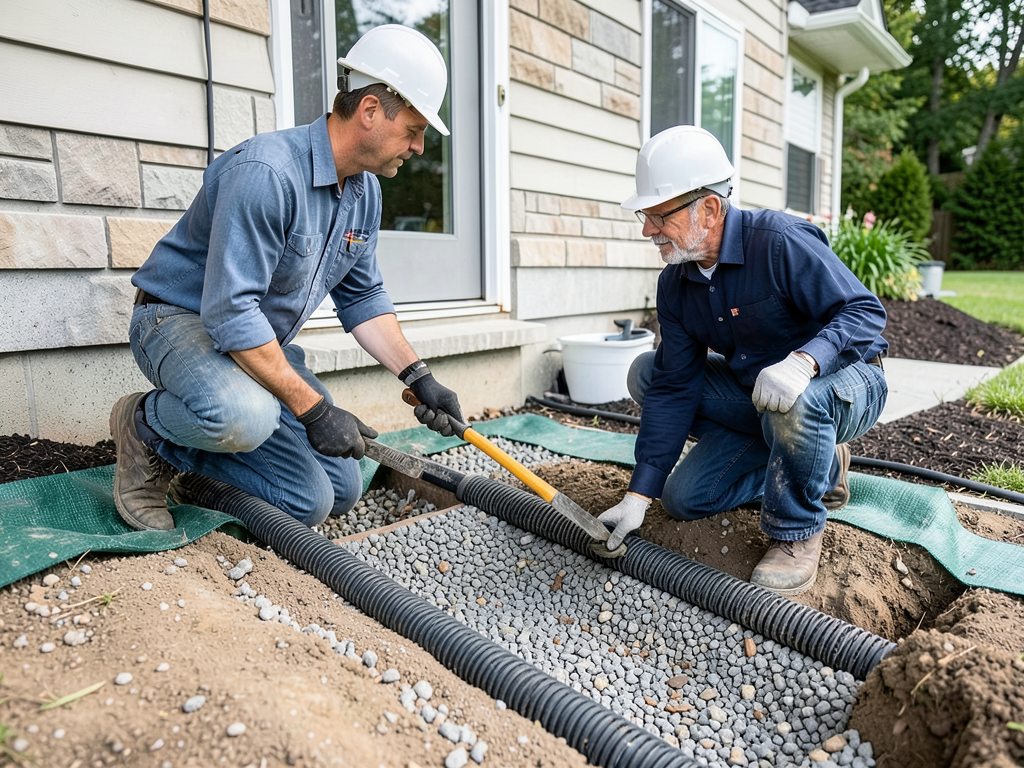
Using Smart Landscaping to Keep Surface Water Away from Your Concord Foundation Your Concord home sits on land shaped by ancient glaciers and fed by seasonal rains. Every year, snowmelt from the Middlesex County watershed…
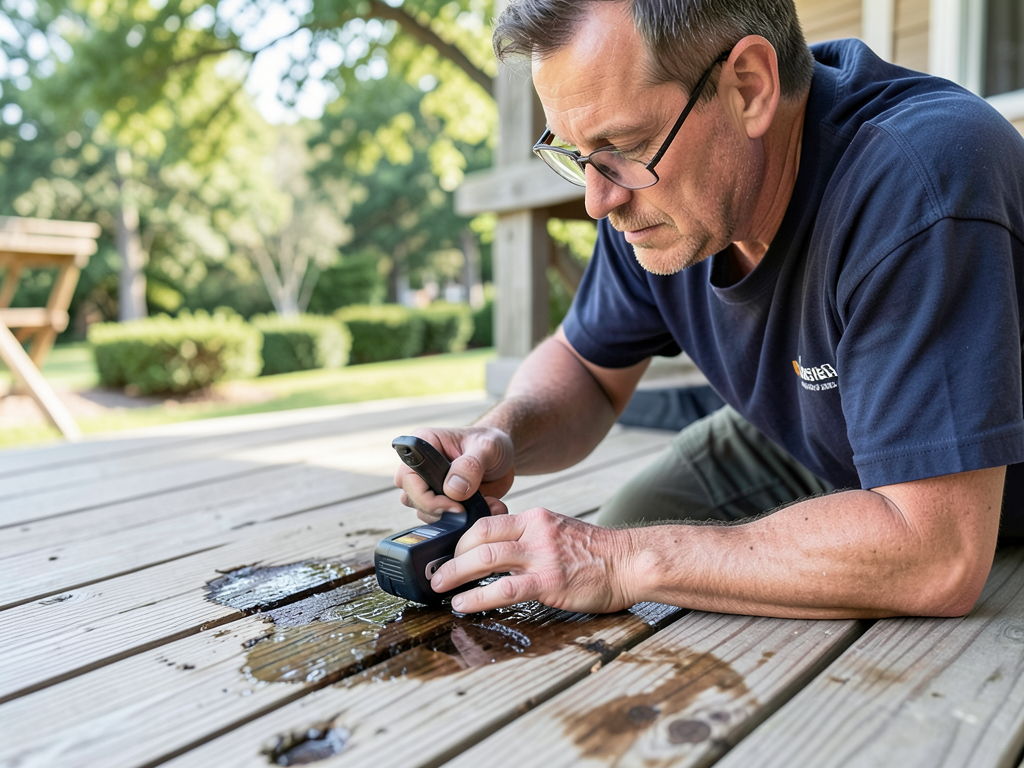
How to Find a Hidden Water Leak Under Your Marblehead Outdoor Deck Living in Marblehead…
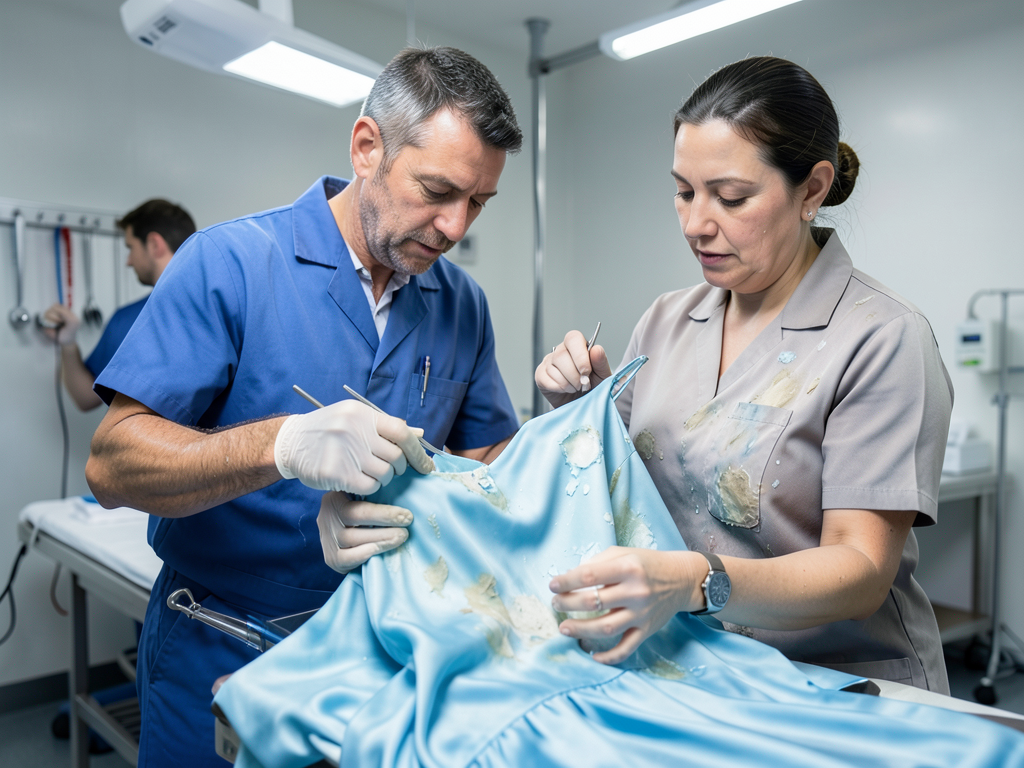
When a pipe bursts in your Chestnut Hill home the damage goes far beyond soaked…
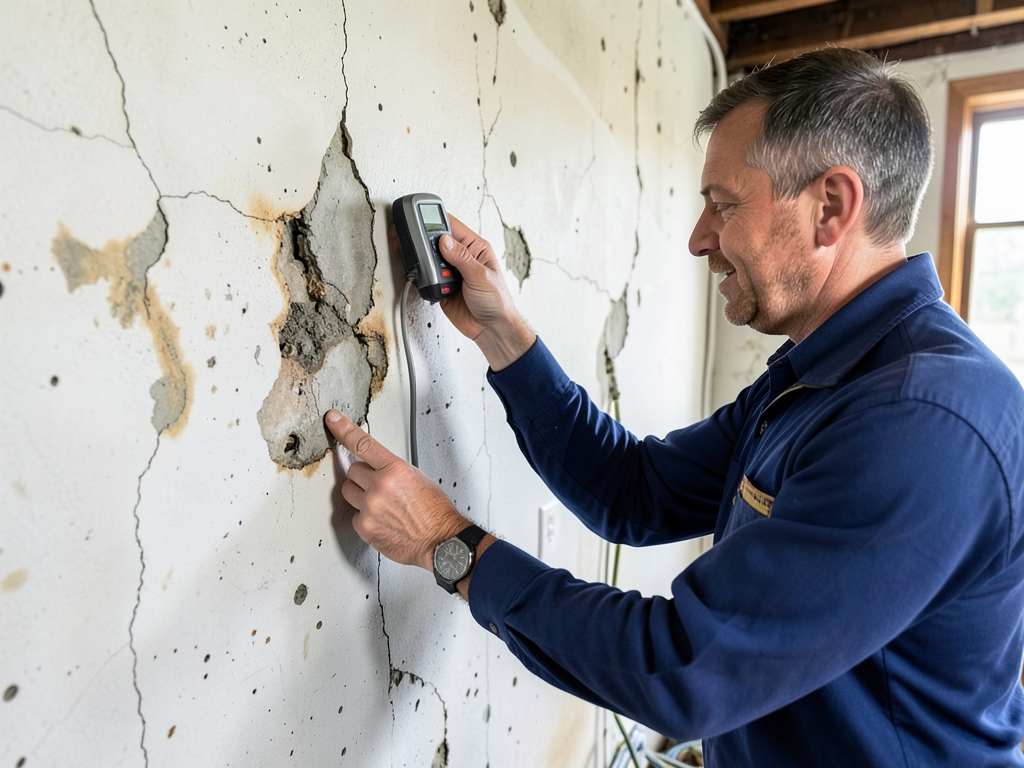
Preparing Your Inland Needham Home for Hurricane Season Flooding Living in Needham means enjoying quiet…
Every hour water sits in your Malden property increases damage and restoration costs. First Choice dispatches IICRC-certified crews 24/7 with industrial extraction and drying equipment ready to deploy. Stop the damage now. Call (617) 789-8099 for immediate response.