
Menu

Water Damage Restoration Cost 2026 in Boston – Complete Price Breakdown & Budget Planning Guide

Understand exactly what you'll pay for water damage restoration cost 2026 in Boston, from emergency extraction to structural drying, with transparent pricing factors and realistic budget expectations for every restoration scenario.

Slider Image 1
Slider Image 2
Slider Image 3
Slider Image 4
Slider Image 5
Slider Image 7
Slider Image 8
Slider Image 9
Slider Image 10
Slider Image 11

Why Water Damage Restoration Costs Vary So Dramatically in Boston

You call three restoration companies. One quotes you $2,500. Another says $8,000. The third won't give you a number until they "inspect." What gives?

Water damage remediation expenses in Boston depend on six critical variables. Category of water matters first. Clean water from a burst pipe costs less to extract than sewage backup, which requires biohazard protocols and antimicrobial treatment. Class of damage matters second. A wet carpet is Class 1. Saturated drywall and insulation is Class 3, requiring wall cavity drying and potential demolition.

Boston's housing stock complicates pricing further. You live in a region packed with historic homes built before 1940, many with plaster walls, hardwood subfloors, and zero vapor barriers. These materials absorb water differently than modern drywall. Plaster requires careful drying to prevent cracking. Hardwood subfloors can cup and buckle if extraction happens too slowly.

Your basement flooding is common here because of the water table and aging sewer infrastructure in neighborhoods like Dorchester and Jamaica Plain. Storm surges from nor'easters push water into foundations. Average water damage cleanup pricing reflects this reality. You're not just paying for extraction. You're paying for foundation assessment, mold prevention in damp basements, and compliance with Massachusetts building codes during reconstruction.

Water mitigation cost estimates also factor in response time. Emergency calls at 2 a.m. cost more than scheduled appointments. Containment matters too. If water migrated to three rooms instead of one, you're paying for more equipment, more labor, and longer drying cycles. Price to repair water damage includes hidden work like subfloor inspection, insulation replacement, and air quality testing after drying completes.

Why Water Damage Restoration Costs Vary So Dramatically in Boston
How Professional Restoration Pricing Actually Works

How Professional Restoration Pricing Actually Works

Water restoration service rates break into three phases. Extraction and mitigation happen first. Crews remove standing water using truck-mounted extractors and submersible pumps. You pay for equipment runtime, disposal fees for contaminated water, and labor. Technicians then place air movers and dehumidifiers to dry structural materials. This phase runs 3 to 7 days depending on humidity levels and material saturation.

Drying costs depend on psychrometric readings. Technicians use moisture meters and thermal imaging cameras to track moisture content in walls, ceilings, and subfloors. They adjust equipment daily based on readings. You're paying for daily monitoring visits, not just equipment placement. Boston's humidity makes drying slower in summer months. Basements without adequate ventilation take longer to dry than second-floor bathrooms with windows.

Reconstruction is the final phase. This is where pricing explodes if structural damage occurred. Replacing drywall costs less than replacing floor joists. Cosmetic repairs like paint and trim are minor expenses. Structural repairs like sistering joists or replacing subfloors require licensed contractors and building permits in Boston.

Atlas Water Damage Restoration Providence uses documented pricing models. You receive an itemized estimate after the initial assessment. We separate mitigation costs from reconstruction costs so you understand what insurance typically covers versus out-of-pocket expenses. We document every moisture reading, every equipment placement, and every material removed. This documentation matters when you file your claim. Adjusters want proof of necessary work. We provide that proof with photos, psychrometric logs, and detailed scope-of-work documents. No surprise bills. No vague line items. You know what you're paying for before work begins.

What Happens When You Request a Cost Estimate

Water Damage Restoration Cost 2026 in Boston – Complete Price Breakdown & Budget Planning Guide
01

Initial Damage Assessment

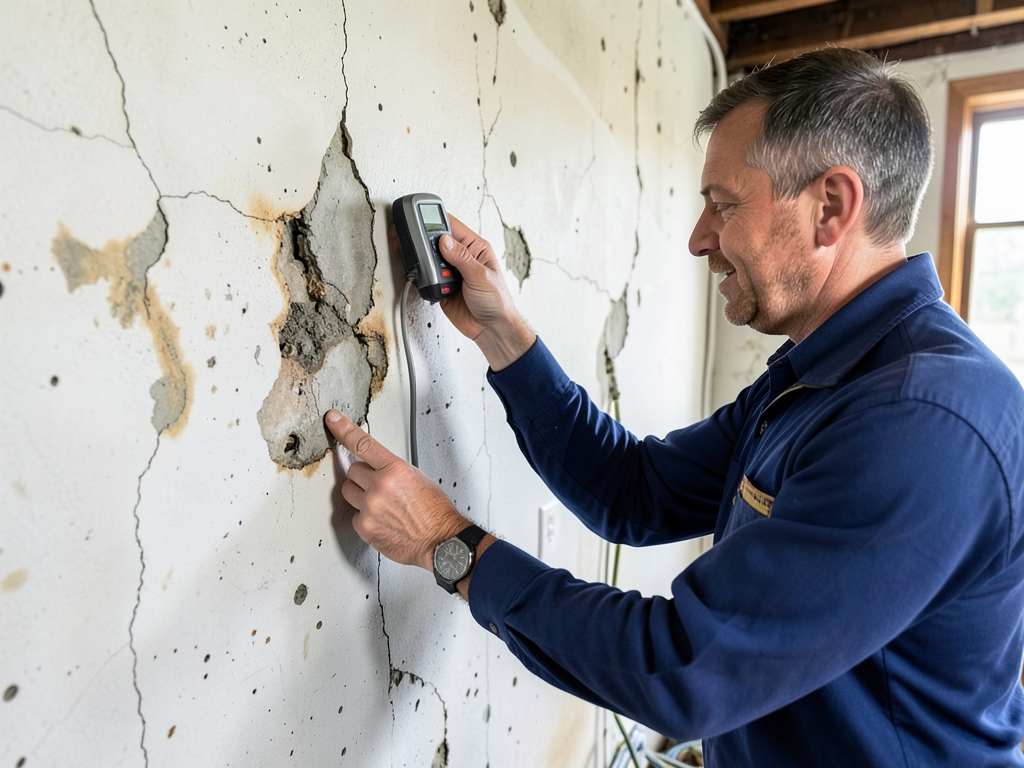
A certified technician arrives within hours to inspect your property. They use moisture meters to measure saturation levels in walls, floors, and ceilings. They identify the water source, determine the category of water, and classify the damage extent. You receive a verbal overview of necessary work and a ballpark range before any equipment gets deployed. This visit is free and creates the foundation for your written estimate.
02

Detailed Scope Development

The technician documents affected areas with photos and diagrams. They calculate square footage requiring extraction, drying equipment needed, and estimated runtime hours. They note any structural concerns like sagging ceilings or warped flooring. You receive a written estimate within 24 hours that breaks down mitigation costs separately from reconstruction costs. This document includes equipment lists, labor hours, and material quantities for transparency.
03

Insurance Coordination

Your estimate includes documentation formatted for insurance submission. We help you understand what your policy typically covers versus exclusions. If you approve the work, we begin mitigation immediately while you file your claim. We provide daily progress updates and maintain detailed logs that satisfy adjuster requirements. You receive final invoicing only after all work passes your inspection and moisture readings confirm complete drying.

Why Local Experience Matters for Accurate Pricing

Boston restoration isn't like restoration in Phoenix. You have freeze-thaw cycles that crack foundation walls. You have 200-year-old row houses with shared walls and complex water routing. You have triple-deckers where water from a third-floor bathroom travels down wall cavities to the first floor. Pricing accuracy requires understanding these local realities.

Atlas Water Damage Restoration Providence has worked in Boston's unique housing stock for years. We know that Back Bay brownstones have different drying requirements than South Boston condos. We understand that Cambridge multi-families often have galvanized pipes prone to corrosion. We factor in local permit costs when reconstruction requires electrical or plumbing work. Boston requires permits for structural drywall replacement in many cases. That permit cost and inspection time affects your timeline and budget.

We also understand Massachusetts insurance practices. Policies here often have different coverage limits for sewer backup versus storm damage. We document causation carefully so your claim gets processed correctly. An adjuster who sees "basement flooding" might deny coverage if the policy excludes groundwater intrusion. We document the actual cause, whether that's a burst pipe, appliance failure, or storm surge.

Our pricing reflects real costs in this market. Labor rates in Boston exceed national averages. Equipment rental costs are higher. Disposal fees for contaminated materials follow Massachusetts regulations. We don't lowball estimates to win jobs, then surprise you with change orders. We price jobs accurately from the start because we know what restoration actually costs in this region. You get honest numbers based on hundreds of similar projects completed in similar homes throughout Greater Boston, Brookline, Cambridge, and surrounding communities.

What Your Investment Covers

Response Speed and Equipment Deployment

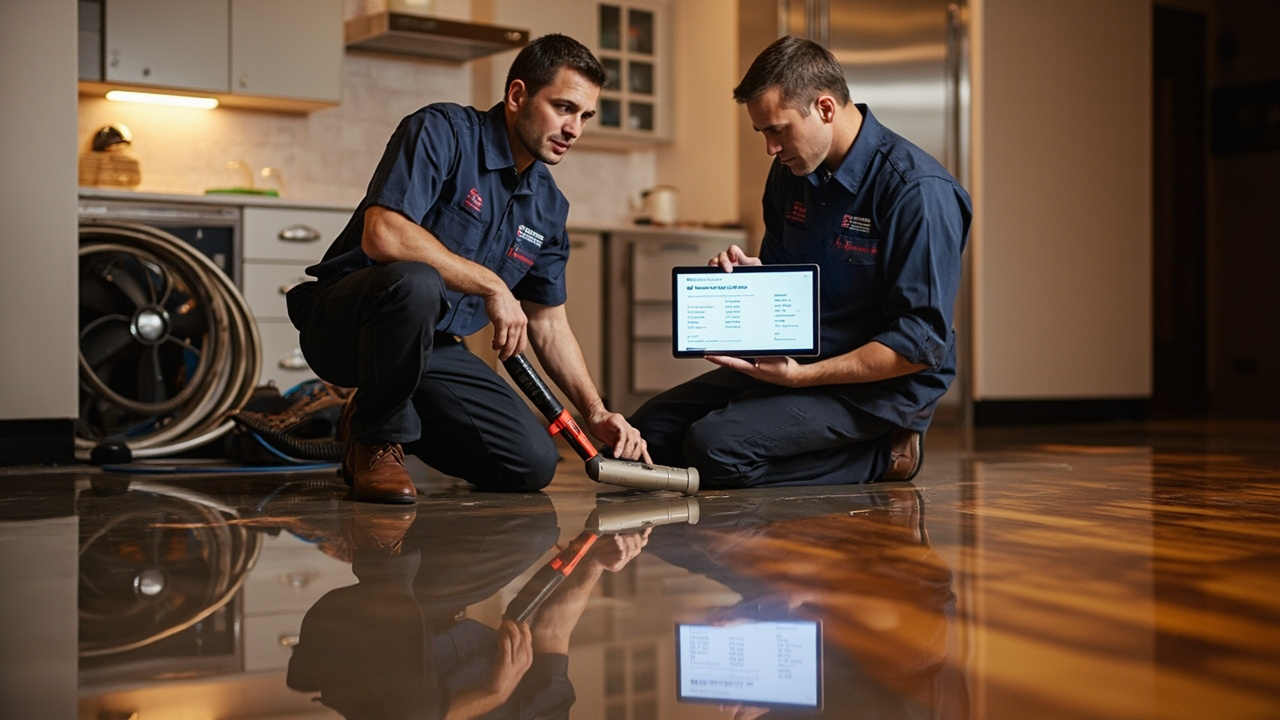
Emergency calls receive response within 90 minutes. You're paying for 24/7 availability, maintained equipment inventory, and trained crews ready to deploy immediately. We arrive with truck-mounted extractors, industrial dehumidifiers, air movers, and moisture detection equipment. Rapid response prevents secondary damage. Every hour of delay allows water to migrate further into porous materials. Quick extraction reduces overall drying time, which reduces your total cost. We start mitigation the moment we arrive, not after you sign paperwork. Equipment begins running while we document the initial assessment.

Comprehensive Damage Evaluation

Your assessment includes more than surface inspection. We use thermal imaging cameras to detect hidden moisture in wall cavities and under flooring. We test humidity levels in affected rooms and create psychrometric baselines for monitoring. We inspect HVAC systems for water intrusion that could spread contamination throughout your home. We check insulation in walls and ceilings for saturation requiring removal. You receive a detailed map showing moisture distribution and affected materials. This documentation serves two purposes: it guides our mitigation strategy and provides evidence for your insurance claim.

Certified Drying and Verification

Proper drying is not guesswork. We follow IICRC S500 standards for water damage restoration. Technicians visit daily to record moisture readings and adjust equipment placement. We maintain optimal drying conditions using calculated air movement and dehumidification. Drying continues until moisture content matches unaffected areas of your home. You receive documentation showing moisture levels at project start, during drying, and at completion. This proves complete drying occurred, which protects you from mold growth and structural degradation. Insurance adjusters require this documentation to close claims.

Post-Restoration Monitoring

After reconstruction completes, we provide moisture monitoring recommendations. Some situations warrant follow-up inspections 30 days after completion to verify no residual moisture remains. We explain warning signs that indicate recurring problems, like musty odors or new staining. We document all work performed, materials used, and areas treated. You receive a comprehensive project file including before and after photos, equipment logs, and moisture readings. This documentation is valuable for future home sales, insurance renewals, and warranty claims on reconstruction work performed by contractors.

Frequently Asked Questions

You Have Questions,
We Have Answers

How much will it cost to repair water damage? +

Water damage repair costs vary based on severity and source. Minor leaks affecting a single room typically run lower, while burst pipes or flooding across multiple floors cost significantly more. In Boston, freeze-thaw cycles and aging infrastructure increase complexity. Costs include water extraction, structural drying, mold prevention, and material replacement. Insurance often covers sudden incidents like pipe bursts, but not gradual leaks or maintenance issues. A professional assessment identifies hidden damage in walls and subfloors common in older Boston homes. Get multiple estimates and verify the company carries proper licensure before starting work.

Is water damage restoration worth it? +

Water damage restoration is worth it when you consider the alternative. Untreated water damage leads to mold growth within 24 to 48 hours, structural rot, and plummeting home value. In Boston's humid climate, moisture problems escalate quickly. Professional restoration removes standing water, dries structural components thoroughly, and prevents secondary damage that costs far more later. Insurance typically covers sudden water events, making restoration financially practical. Skipping professional help to save money often backfires when hidden moisture causes foundation issues or toxic mold requiring expensive remediation. Protect your investment and health by addressing water damage immediately.

How much does it cost to repair a water damaged floor? +

Water damaged floor repair costs depend on flooring type, damage extent, and subfloor condition. Hardwood floors in Boston's historic homes may need refinishing or replacement. Laminate and carpet usually require full replacement when saturated. Tile floors survive better but grout and underlayment often need attention. Subfloor damage adds significant cost, especially if floor joists show rot. Boston's older construction means water often travels between floors through voids and plumbing chases. Professional moisture meters detect hidden dampness under finished surfaces. Insurance may cover sudden flooding but not slow leaks from neglected maintenance.

Is water damage restoration profitable? +

This question targets business owners researching the water damage restoration industry, not property owners needing services. Profitability in restoration depends on operational efficiency, equipment investment, insurance relationships, and market demand. Boston's aging building stock and harsh winters create consistent demand for emergency water services. Successful restoration companies balance 24-hour availability with efficient scheduling and skilled technicians. High equipment costs, insurance complexities, and tight profit margins require solid business management. Market saturation in metro Boston makes differentiation critical. Focus on customer outcomes if you need restoration services, not industry profitability metrics.

Is water damage in walls covered by insurance? +

Insurance coverage for water damage in walls depends on the cause. Sudden and accidental events like burst pipes, appliance failures, or storm damage typically receive coverage. Gradual damage from slow leaks, poor maintenance, or humidity is usually excluded. Boston homeowners policies vary, so review your declarations page. Insurance adjusters look for evidence of maintenance neglect. Document everything with photos and timestamps. File claims immediately after discovering damage. Hidden water in walls causes mold and structural rot quickly in New England's climate. Professional water damage companies work directly with insurance adjusters to document losses and streamline claims.

Why is water damage so expensive? +

Water damage costs add up because restoration requires specialized equipment, skilled labor, and comprehensive processes. Industrial dehumidifiers, air movers, and moisture detection tools are expensive to operate 24 hours daily. Technicians must remove water quickly to prevent mold, then dry structural materials to specific moisture levels. In Boston, older homes with plaster walls, hardwood floors, and brick foundations take longer to dry than modern construction. Hidden damage behind walls and under floors multiplies costs. Secondary issues like mold remediation, structural repairs, and content restoration add expenses. Emergency availability and insurance coordination also factor into pricing.

How long does water damage restoration take? +

Water damage restoration takes three to five days for minor incidents and up to several weeks for major flooding. Timeline depends on water category, affected area size, and material types. Boston's humid summers slow drying compared to winter heating season. Extraction happens within hours, but structural drying requires monitoring moisture levels until materials reach safe thresholds. Hardwood floors, plaster walls, and basement concrete common in Boston take longer than drywall and carpet. Mold prevention requires thorough drying before reconstruction begins. Insurance claims processing may extend timelines. Professionals provide specific estimates after assessing damage extent and moisture readings.

Does water damage decrease home value? +

Untreated water damage significantly decreases home value. Buyers and inspectors look for water stains, mold, musty odors, and structural issues. In competitive Boston real estate markets, any hint of moisture problems kills deals or triggers major price reductions. Proper restoration with documentation maintains value. Disclose past water events honestly, but show professional remediation records and mold clearance testing. Hidden water damage discovered during inspections creates trust issues and renegotiation leverage for buyers. Homes with restoration history sell better than those with active moisture problems. Address water damage immediately to protect your investment and future marketability.

What is the difference between water remediation and restoration? +

Water remediation stops damage progression by removing water and drying structures. It includes extraction, dehumidification, antimicrobial treatment, and moisture monitoring. Restoration rebuilds and repairs damaged materials to pre-loss condition. It includes replacing drywall, flooring, paint, and trim. In Boston projects, remediation happens first to prevent mold in the humid climate, then restoration follows. Some companies handle both phases, others specialize. Insurance policies often separate coverage between emergency mitigation and reconstruction. Remediation starts immediately to minimize loss. Restoration begins after insurance approval and complete drying. Both require different skills, equipment, and timelines for successful completion.

How much does insurance go up after water damage? +

Insurance rates rarely increase after a single water damage claim, but multiple claims within three to five years raise premiums or cause non-renewal. Boston area insurers track claim history through databases shared across companies. Large claims exceeding certain thresholds trigger closer scrutiny. Water damage from maintenance neglect may cause bigger rate impacts than sudden pipe bursts. Some policies offer claim-free discounts that disappear after filing. Shop for new coverage if your carrier raises rates excessively. Preventive measures like leak detection systems, sump pump backups, and regular maintenance help justify better rates. Document all mitigation efforts when discussing renewals.

How Boston's Climate and Housing Stock Affect Water Damage Restoration Cost 2026

Boston experiences 44 inches of precipitation annually, spread across 130 rain days. Your homes face constant moisture exposure from Atlantic weather systems. Nor'easters dump heavy rain while driving wind forces water through aging window frames and roof penetrations. Winter freeze-thaw cycles crack foundation walls and burst pipes in unheated spaces. Spring melt overwhelms aging drainage systems in neighborhoods like Allston and Brighton. These conditions create persistent water intrusion risks. Restoration here requires understanding how moisture behaves in New England construction. Your triple-deckers and row houses share walls, so water migrates between units. Your older homes lack vapor barriers, so moisture wicks through plaster and brick. Water damage restoration cost 2026 pricing reflects these challenges. Average water damage cleanup pricing includes containment strategies specific to attached housing and materials common in pre-war construction.

Massachusetts requires contractors to follow strict mold remediation protocols when water damage involves Category 2 or 3 water. Your restoration company must document containment procedures, disposal methods, and air quality testing. These regulatory requirements increase labor time and material costs compared to less regulated states. Atlas Water Damage Restoration Providence maintains Massachusetts contractor licensing and follows state environmental regulations for contaminated material disposal. We understand Boston Inspectional Services permit requirements for reconstruction work. We know which restoration activities trigger permit requirements and factor those timelines into project schedules. Choosing a local restoration company means working with professionals who understand regional compliance requirements that affect your project cost and timeline.

Water Damage Restoration Services in The Boston Area

You can see our service area and our location on the map below. We are proud to serve the entire Boston area and surrounding communities. We're always ready to dispatch our team to your home or business, no matter where you are. We’re committed to a fast, reliable response and ensuring we’re always there when you need us most.

Address:
First Choice Water Damage Restoration Boston, 44 School St., Boston, MA, 02108

Additional Services We Offer

Our news updates

Latest Articles & News from The Blogs

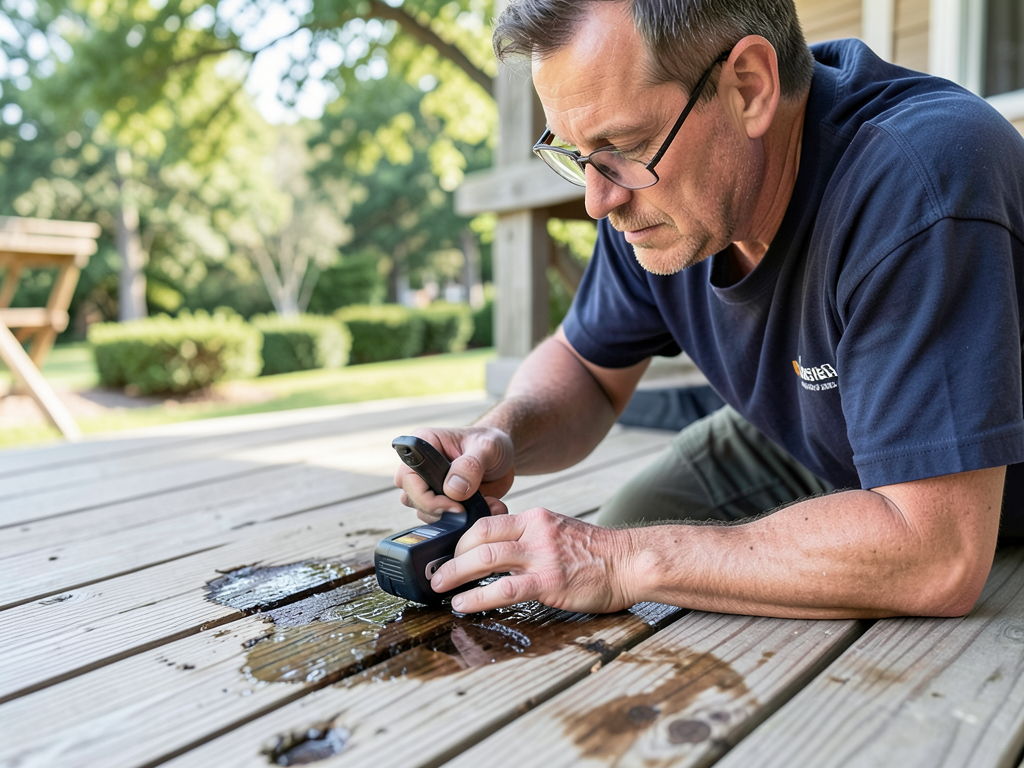
How to Find a Hidden Water Leak Under Your Marblehead Outdoor Deck Living in Marblehead means dealing with coastal moisture,…

How to Find a Hidden Water Leak Under Your Marblehead Outdoor Deck

How to Find a Hidden Water Leak Under Your Marblehead Outdoor Deck Living in Marblehead means dealing with coastal moisture,…

Saving a Luxury Walk In Closet and Designer Wardrobe After a Pipe Burst in Chestnut Hill

When a pipe bursts in your Chestnut Hill home the damage goes far beyond soaked carpets and warped baseboards. For…

Preparing Your Inland Needham Home for Hurricane Season Flooding

Preparing Your Inland Needham Home for Hurricane Season Flooding Living in Needham means enjoying quiet suburban streets and tree-lined neighborhoods.…

Contact Us

Stop guessing about restoration expenses. Call Atlas Water Damage Restoration Providence at (617) 789-8099 for a transparent assessment. We provide itemized estimates, help with insurance documentation, and start mitigation immediately. Available 24/7 for emergencies throughout Greater Boston.