Menu

Categories of Water in Boston – Understanding Contamination Levels That Impact Your Home and Health

Learn the IICRC Water Categories That Determine Your Restoration Approach, Insurance Coverage, and Safety Protocols When Flooding Strikes Your Boston Property

Slider Image 1
Slider Image 2
Slider Image 3
Slider Image 4
Slider Image 5
Slider Image 7
Slider Image 8
Slider Image 9
Slider Image 10
Slider Image 11

Why Boston Property Owners Need to Understand Water Contamination Classifications

You just discovered standing water in your basement. Before you grab a mop, you need to understand one critical fact: not all water is created equal. The type of water flooding your Boston home determines everything from the restoration method to your health risk.

Boston's unique challenges make water contamination levels particularly dangerous here. Our aging sewer infrastructure, built over 150 years ago in neighborhoods like Beacon Hill and the North End, means Category 3 sewage backups happen more often than in newer cities. The Charles River and Boston Harbor proximity means storm surge flooding brings contaminated harbor water directly into basement living spaces. Winter freeze-thaw cycles rupture pipes in older brownstones, while summer humidity creates perfect conditions for rapid bacterial growth once flooding occurs.

The IICRC defines three water damage categories based on contamination level. Category 1 is clean water from supply lines or rain. Category 2 is gray water containing chemicals or biological contaminants. Category 3 is black water from sewage or flooding that carries dangerous pathogens.

These water quality classifications matter because Boston sees all three types regularly. A burst pipe in your Dorchester triple-decker starts as Category 1, but becomes Category 2 within 48 hours as bacteria multiply. Storm flooding from the harbor arrives as Category 3 immediately. Understanding these types of water contamination helps you make smart decisions about DIY cleanup versus professional help.

Your health depends on correctly identifying water contamination levels. Category 3 exposure without proper protective equipment causes serious illness. Many homeowners make the mistake of treating black water like clean water, exposing their families to E. coli, hepatitis, and other pathogens.

Why Boston Property Owners Need to Understand Water Contamination Classifications
How We Assess and Classify Water Categories in Your Boston Property

How We Assess and Classify Water Categories in Your Boston Property

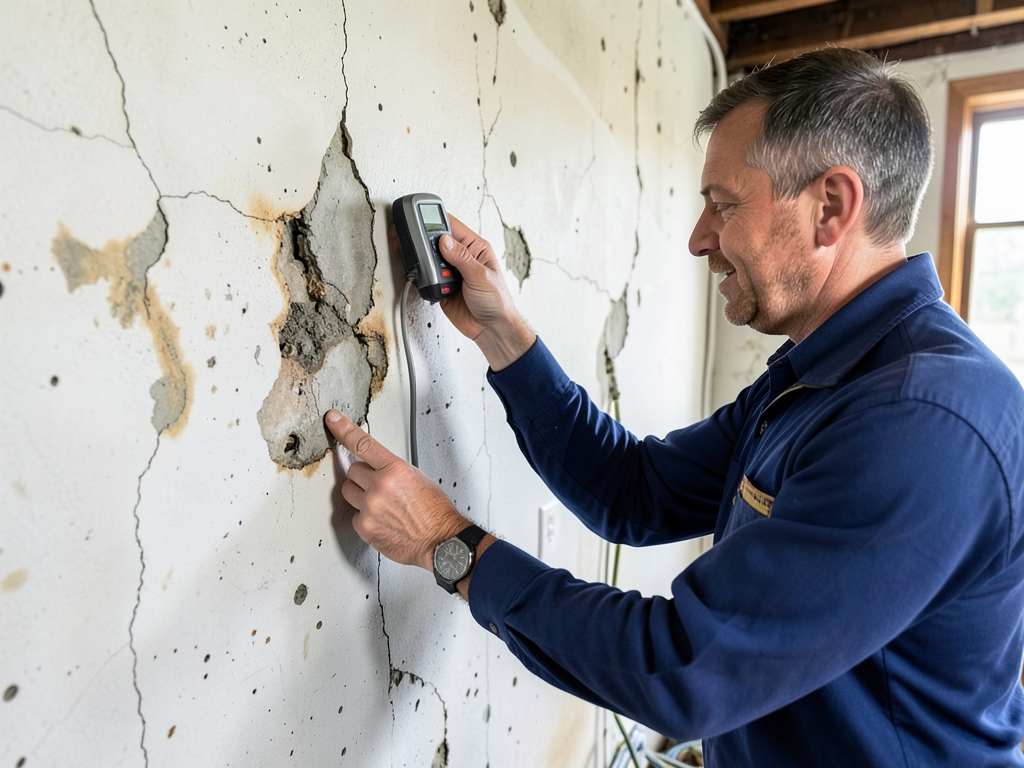
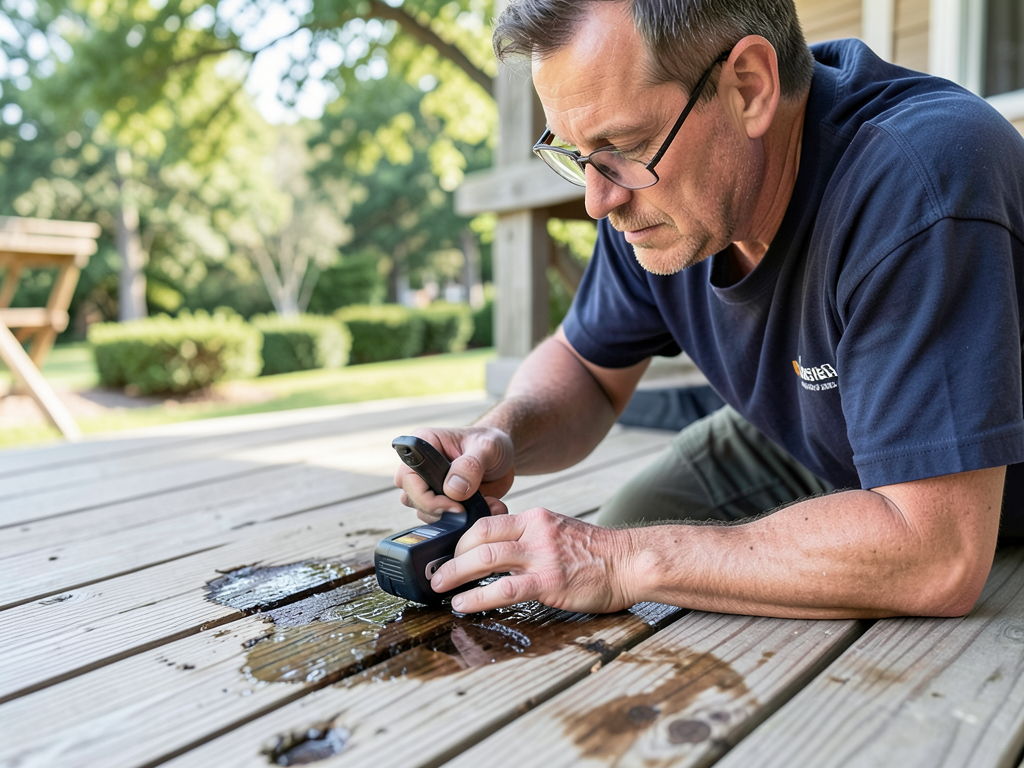
When you call us for water damage, our first step is determining the exact contamination category. We do not guess. We use moisture meters, thermal imaging, and visual inspection to trace the water source and assess exposure time.

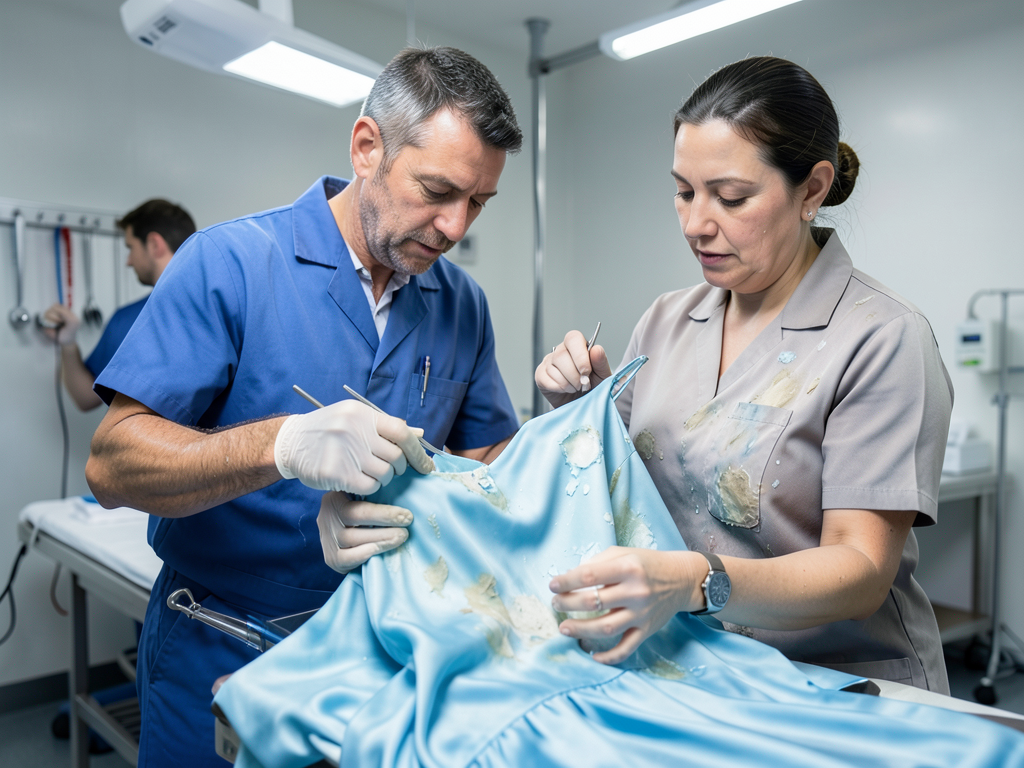
Our technicians arrive equipped with category-specific personal protective equipment. Category 1 jobs require gloves and eye protection. Category 3 requires full Tyvek suits, respirators, and nitrile gloves because we treat black water like the biohazard it is. This distinction matters because improper protection puts restoration workers and occupants at risk.

We document the initial water damage category in writing because insurance claims depend on accurate classification. Your policy treats Category 1 differently than Category 3. We photograph the source, measure affected square footage, and note any cross-contamination factors like contact with building materials or soil.

Boston's older building stock complicates category assessment. Water travels through century-old wall cavities, picking up lead paint dust, asbestos particles, and rodent droppings. A Category 1 supply line break can become Category 2 the moment it contacts contaminated materials behind your walls. We inspect hidden spaces with borescopes to track migration paths.

Time matters because categories degrade. Clean water sitting for 72 hours in your South End brownstone becomes gray water as bacterial colonies establish. We mark the time of loss and calculate how long water has been present. This determines whether affected materials can be dried and saved or must be removed entirely.

Category classification drives our entire restoration protocol. Category 1 allows for extraction and drying. Category 2 requires antimicrobial treatment. Category 3 demands complete removal of porous materials like drywall, insulation, and carpet because contamination penetrates too deeply for safe cleaning.

What Happens During a Professional Water Category Assessment

Categories of Water in Boston – Understanding Contamination Levels That Impact Your Home and Health
01

Source Identification

We trace water to its origin point using moisture detection equipment and visual inspection. A broken supply line, sewer backup, or storm intrusion each carries different contamination risks. We photograph and document the source because your insurance adjuster needs proof of category for claim processing. Boston's complex plumbing systems in multi-family buildings require careful investigation to determine if water originated from your unit or a neighbor's space.
02

Contamination Testing

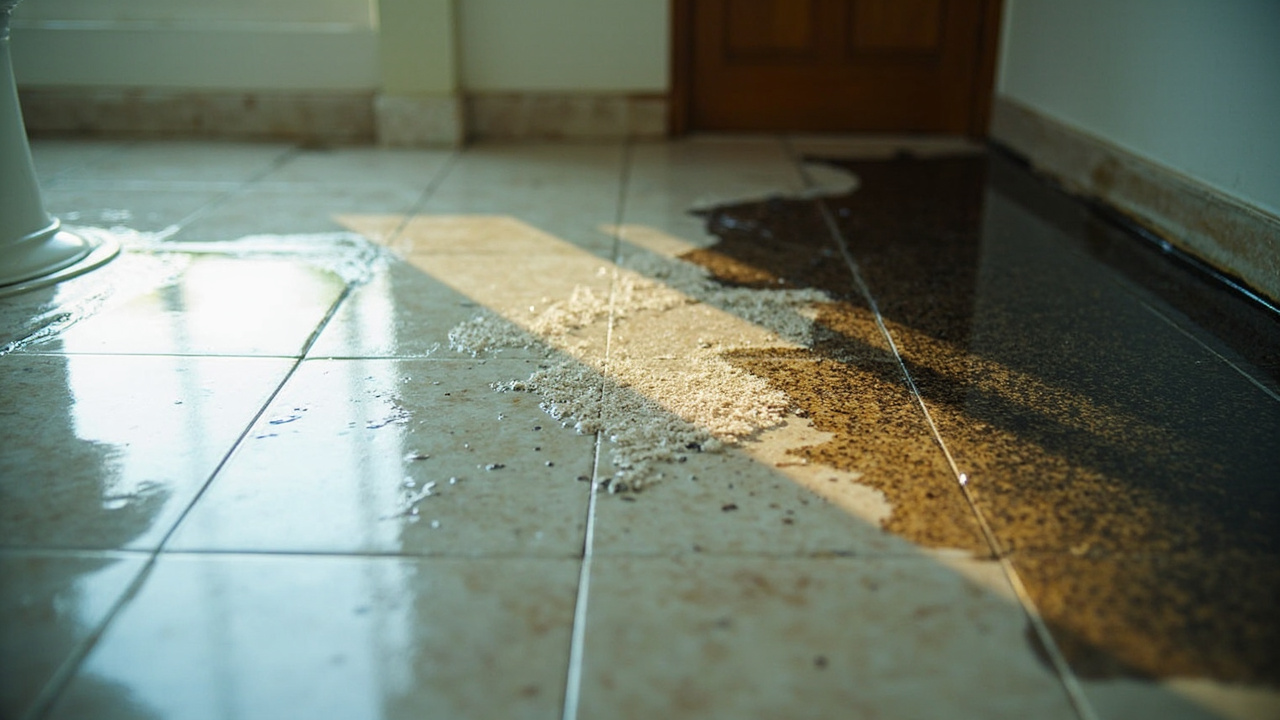
We evaluate contamination indicators including color, odor, and visible debris. Black water from sewage contains obvious fecal matter and toilet paper. Gray water from washing machines shows detergent residue. We test moisture content in building materials to determine how deeply contamination has penetrated. Porous materials like drywall absorb contaminants within hours, making them unsalvageable in Category 2 and 3 situations regardless of surface appearance.
03

Protocol Development

We create a category-specific restoration plan that follows IICRC S500 standards. Category 1 jobs use standard extraction and drying. Category 2 requires antimicrobial application after drying. Category 3 demands controlled demolition with containment barriers to prevent cross-contamination. We explain exactly which materials can be saved and which must go. Your safety determines our approach, not cost savings.

Why Boston Properties Require Expert Category Assessment

Boston's building characteristics create unique contamination risks that generic restoration companies miss. Our team understands how water behaves in structures built between 1850 and 1950, which make up most of the housing stock in neighborhoods from Jamaica Plain to Charlestown.

Older homes have balloon framing that allows water to travel vertically through open wall cavities. A Category 1 leak on the third floor can pick up contaminants as it descends, arriving in your first-floor unit as Category 2. We inspect the entire vertical chase, not just visible damage.

Boston's combined sewer system creates severe contamination events during heavy rain. When storm drains overflow, sewage backs up through basement floor drains. Many homeowners think they have a Category 1 flooding problem when they actually face Category 3 contamination. We test drainage patterns and check for fecal indicators before making the call.

The city's coastal location means salt water intrusion during nor'easters and hurricanes. Salt water is automatically Category 3 because it carries harbor bacteria, industrial pollutants, and petroleum products. Atlas Water Damage Restoration Providence trains specifically on coastal flooding protocols that inland companies do not understand.

We work directly with Boston building inspectors and health department officials on Category 3 projects. These jobs require permits, inspection, and clearance testing before reoccupancy. Our relationships with local officials streamline the approval process.

Massachusetts mold disclosure laws make proper category assessment critical. If we misclassify water damage and mold grows later, you face legal liability when selling your home. We document everything to protect you from future claims.

Our team holds IICRC Water Restoration Technician certification with specialized training in microbial contamination. We understand the difference between opportunistic fungi and pathogenic bacteria. This expertise matters when your family's health is on the line.

What to Expect During Category Assessment and Restoration

Immediate Response Time

We arrive within 60 minutes for emergency calls anywhere in Boston. Category degradation happens fast, so speed determines whether materials can be saved. Our trucks carry category-specific equipment including containment barriers, HEPA air scrubbers, and antimicrobial treatments. We start extraction immediately while completing the assessment because every hour matters. Evening and weekend calls receive the same rapid response because water damage does not wait for business hours.

Detailed Category Documentation

We provide written documentation of water category determination within 24 hours. This report includes source photos, moisture readings, affected area measurements, and category justification based on IICRC standards. Your insurance company needs this documentation to process your claim correctly. We explain our findings in plain language so you understand why certain materials must be removed rather than dried. Our reports stand up to adjuster scrutiny because we follow industry protocols exactly.

Category-Specific Restoration

Category 1 projects focus on rapid drying to prevent degradation to Category 2. Category 2 jobs include antimicrobial treatment of all affected surfaces after moisture removal. Category 3 requires controlled demolition with negative air pressure containment to prevent airborne contamination spread. We bag and dispose of Category 3 materials according to Massachusetts health regulations. You receive a clean, dry, sanitized space regardless of which category affected your property. We do not cut corners on contaminated jobs.

Post-Restoration Verification

Category 2 and 3 jobs receive final verification testing before we consider the project complete. We take surface swabs to confirm bacterial counts meet safe levels. Moisture meters verify all materials have reached appropriate dryness standards to prevent mold growth. You receive a certificate of completion showing your property is safe for reoccupancy. Category 3 projects that required permits receive city inspection and sign-off. We provide documentation for your property records and future sale disclosures.

Frequently Asked Questions

You Have Questions,
We Have Answers

What are the 5 types of water? +

Water damage pros classify water into three categories, not five. Category 1 is clean water from supply lines or rain. Category 2 is gray water from appliances like dishwashers or washing machines, containing some contaminants. Category 3 is black water from sewage backups or flooding, posing serious health risks. In Boston, basement floods during spring thaw or coastal storm surges often start as Category 1 but quickly degrade to Category 2 or 3 as they contact building materials and soil contaminants. Understanding these categories helps you assess risk and response urgency.

What is category 1, 2, and 3 water? +

Category 1 water is clean and poses no immediate health threat. It comes from broken supply lines, sink overflows, or rainwater. Category 2, or gray water, contains contaminants from sources like washing machines, dishwashers, or toilet bowls with urine. It can cause discomfort or illness if contacted. Category 3, or black water, is grossly contaminated with sewage, chemicals, or floodwater. It causes severe illness or death if ingested. Boston properties often face Category 3 events during nor'easters when combined sewer systems overflow or historic buildings with aging plumbing experience backup issues.

What are the 7 types of water? +

The water damage restoration industry recognizes three categories, not seven. Category 1 is clean water. Category 2 is gray water with contaminants. Category 3 is black water containing dangerous pathogens and toxins. These categories can shift. Clean water becomes gray water within 48 hours as bacteria multiply. Gray water becomes black water if it contacts sewage or sits stagnant. Boston homes face unique risks from nor'easters, where floodwater mixes with street runoff and sewer systems, immediately creating Category 3 conditions requiring professional extraction, disinfection, and structural drying to prevent mold and health hazards.

What are the three categories of water? +

The three water categories classify contamination levels and health risks. Category 1 is clean water from sanitary sources like supply lines or rainwater before ground contact. Category 2 is gray water with chemical or biological contaminants from appliances, posing moderate health risks. Category 3 is black water containing sewage, toxins, or pathogens, creating severe health hazards. In Boston, basement flooding during heavy rain or coastal storms quickly escalates from Category 1 to Category 3 as water contacts soil, heating oil tanks, or sewer lines. Professional assessment determines proper safety protocols and restoration methods.

How Boston's Aging Infrastructure Creates Category 3 Contamination Events

Boston's sewer system dates to the 1870s in many neighborhoods. These combined sewers carry both wastewater and stormwater in the same pipes. During heavy rain, which happens frequently thanks to our 47 inches of annual precipitation, the system overflows and sewage backs up through basement drains. This creates immediate Category 3 contamination that many property owners mistake for simple storm flooding. The Massachusetts Water Resources Authority has documented hundreds of combined sewer overflow events annually affecting properties near the Charles River, Fort Point Channel, and Boston Harbor tributaries.

Local expertise matters because Boston water damage patterns differ dramatically by neighborhood. Atlas Water Damage Restoration Providence understands that Back Bay properties face groundwater intrusion through their wooden pile foundations. South Boston experiences coastal flooding with Category 3 salt water. Allston triple-deckers suffer Category 1 pipe bursts from freeze-thaw cycles. We have restored properties in every Boston zip code and understand the specific contamination risks your location faces. This knowledge helps us respond faster and more accurately than national chains following generic protocols.
Water Damage Restoration Services in The Boston Area

You can see our service area and our location on the map below. We are proud to serve the entire Boston area and surrounding communities. We're always ready to dispatch our team to your home or business, no matter where you are. We’re committed to a fast, reliable response and ensuring we’re always there when you need us most.

Address:
First Choice Water Damage Restoration Boston, 44 School St., Boston, MA, 02108

Additional Services We Offer

Our news updates

Latest Articles & News from The Blogs

Professional Water Damage Restoration for Retail Stores in Harvard Square Harvard Square retail stores face unique water damage risks from…

Professional Water Damage Restoration for Retail Stores in Harvard Square

Professional Water Damage Restoration for Retail Stores in Harvard Square Harvard Square retail stores face unique water damage risks from…

How to Dry Out a Damp Crawl Space in Your Belmont Home (And Stop the Smell)

How to Dry Out a Damp Crawl Space in Your Belmont Home (And Stop the Smell) Musty odors creeping up…

Emergency Dishwasher Leak Cleanup for Busy Kitchens in Arlington

Emergency Dishwasher Leak Cleanup for Busy Kitchens in Arlington Did you walk into your kitchen and find water pooling around…

Contact Us

Your family's health depends on accurate contamination assessment. Do not guess about water categories. Call Atlas Water Damage Restoration Providence at (617) 789-8099 for immediate category evaluation. We provide honest assessment, proper documentation, and category-specific restoration that keeps your property and family safe.