Menu

Basement Waterproofing Guide in Boston – Protect Your Home from New England's Freeze-Thaw Cycles and Seasonal Flooding

Master proven basement sealing techniques and foundation waterproofing methods designed specifically for Boston's challenging climate, with expert insights on preventing water intrusion before it threatens your property.

Slider Image 1
Slider Image 2
Slider Image 3
Slider Image 4
Slider Image 5
Slider Image 7
Slider Image 8
Slider Image 9
Slider Image 10
Slider Image 11

Why Boston Basements Face Unique Water Intrusion Risks

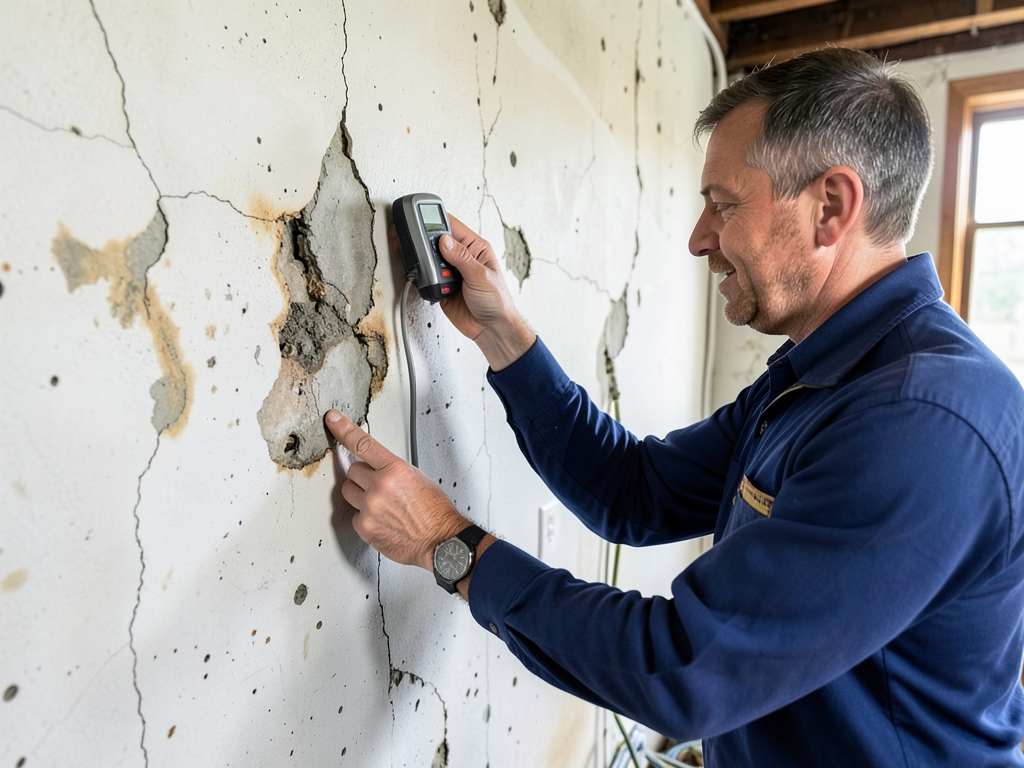
Boston homeowners know the reality. Between November and March, temperatures swing from 15°F to 45°F multiple times each week. This freeze-thaw cycle creates expansion and contraction in foundation walls, opening hairline cracks that turn into water highways by April.

Add in 47 inches of annual precipitation, antiquated storm drainage in neighborhoods like Back Bay and Beacon Hill, and you have a recipe for chronic basement moisture problems. The city's predominant foundation types, fieldstone and brick from the 1800s, lack modern vapor barriers. These porous materials wick groundwater directly into living spaces.

Spring snowmelt compounds the issue. When three feet of accumulated snow melts in two weeks, the clay-rich soil around Greater Boston becomes saturated. Water follows the path of least resistance, which means it flows toward your foundation and through any weakness it finds.

Understanding how to waterproof a basement starts with acknowledging these regional factors. Generic wet basement solutions that work in dry climates fail here. You need foundation waterproofing methods engineered for New England's hydrostatic pressure patterns, soil composition, and architectural heritage.

The symptoms show up predictably. White mineral deposits on foundation walls signal active water migration. Musty odors indicate mold colonization in wall cavities. Efflorescence on basement floors means groundwater is wicking through the slab. These are not cosmetic issues. They are structural warnings that demand immediate attention through proper basement sealing techniques.

Ignoring these signs leads to compromised structural integrity, mold remediation bills exceeding five figures, and decreased property values that real estate agents in Boston neighborhoods recognize immediately during inspections.

Why Boston Basements Face Unique Water Intrusion Risks
Comprehensive Basement Waterproofing Methods That Address Root Causes

Comprehensive Basement Waterproofing Methods That Address Root Causes

Effective basement waterproofing requires a diagnostic approach, not a one-size-fits-all product application. The process begins with identifying the water source. Is it surface water runoff, groundwater seepage, or condensation? Each demands different intervention strategies.

Exterior waterproofing provides the most durable solution but requires excavation. This involves exposing the foundation wall, applying a rubberized asphalt membrane or bentonite clay panels, and installing a perimeter drain system that redirects water away from the structure. For Boston's historic properties with fieldstone foundations, this also means repointing deteriorated mortar joints before sealing.

Interior waterproofing focuses on managing water that has already penetrated. This includes installing a perimeter drainage channel along the basement floor's edge, routing collected water to a sump pump system, and applying crystalline waterproofing compounds to foundation walls. These compounds penetrate concrete pores and form insoluble crystals that block water passage while allowing vapor transmission.

Proper grading and gutter management cannot be overlooked. Six inches of slope away from the foundation over the first ten feet prevents 80% of basement water problems. Gutters must discharge at least ten feet from the foundation through solid downspout extensions, not perforated pipes that release water too close to the structure.

French drains provide critical relief for properties on slopes or with high water tables. These gravel-filled trenches with perforated pipe collect and redirect subsurface water before it reaches the foundation. In Boston's dense neighborhoods, this often requires coordinating with adjacent property owners when drainage patterns cross property lines.

Vapor barriers on interior walls address condensation issues common in humid basements. However, installing these incorrectly traps moisture inside wall cavities and accelerates deterioration. Professional assessment determines whether your basement needs breathable or impermeable barriers based on wall composition and moisture source.

How Professional Basement Waterproofing Assessment Works

Basement Waterproofing Guide in Boston – Protect Your Home from New England's Freeze-Thaw Cycles and Seasonal Flooding
01

Moisture Source Identification

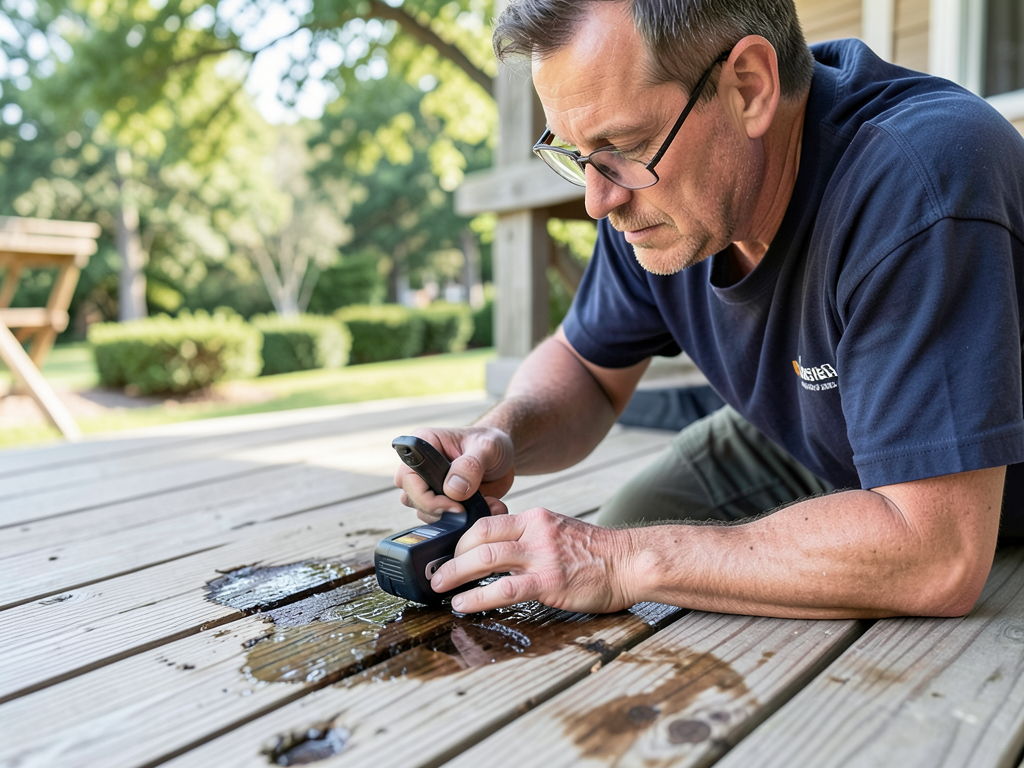
We conduct a systematic evaluation using moisture meters, thermal imaging cameras, and hydrostatic pressure testing to pinpoint exactly where water enters your basement. This includes examining foundation walls, floor joints, utility penetrations, and window wells. We differentiate between active leaks, capillary action through porous materials, and condensation. This diagnostic precision prevents wasted money on solutions that address symptoms rather than causes. Boston's varied foundation types require this tailored assessment approach.
02

Solution Design and Material Selection

Based on diagnostic findings, we engineer a waterproofing strategy matched to your foundation type, soil conditions, and water pressure patterns. For fieldstone foundations common in Dorchester and Jamaica Plain, this might combine exterior membrane application with interior drainage. For poured concrete foundations, crystalline sealers paired with sump systems often provide adequate protection. We specify pumps with battery backup systems, knowing Boston's storm-related power outages make this critical. Material selection accounts for freeze-thaw durability and compatibility with historic masonry.
03

Long-Term Monitoring Plan

Waterproofing is not a one-time event. We establish a monitoring protocol that includes annual sump pump testing before spring thaw, gutter inspection before fall rains, and foundation crack monitoring using date-stamped photographs. You receive a maintenance schedule specific to your system components. This proactive approach catches small issues before they become expensive emergencies. We also provide guidance on when to run dehumidifiers based on Boston's seasonal humidity patterns to maintain optimal basement conditions year-round.

Why Boston Homeowners Trust Local Waterproofing Expertise

Out-of-state contractors miss critical details that define success in Boston basements. They do not understand that the city's building code requires backwater valves in flood-prone areas like the Seaport District. They do not know that Historic District Commission approval is required before exterior excavation in Beacon Hill or Bay Village. These oversights create permit delays, failed inspections, and incomplete protection.

Local expertise means understanding that many Boston triple-deckers share common foundation walls, requiring coordination between units during waterproofing projects. It means knowing which neighborhoods have combined sewer systems where heavy rains cause backflow into basement floor drains. It means recognizing that properties near the Charles River Basin face different hydrostatic pressure than those on higher elevations in West Roxbury.

First Choice Water Damage Restoration Boston has worked with foundations built in every decade from the 1800s forward. We understand the specific challenges of rubble-stone foundations that lack footings, brick foundations with deteriorated lime mortar, and mid-century block foundations prone to bowing under lateral soil pressure. This historical knowledge directly impacts solution effectiveness.

We maintain relationships with structural engineers familiar with Boston's soil conditions and can coordinate complex projects requiring both waterproofing and foundation stabilization. When we encounter situations beyond standard waterproofing scope, we connect you with vetted specialists rather than attempting repairs outside our expertise.

Our familiarity with local material suppliers means we source products proven effective in New England conditions, not generic national brands that fail during harsh winters. We know which crystalline sealers maintain flexibility during freeze-thaw cycles and which membrane systems resist degradation from the salt-laden soil common near roads treated for ice.

Insurance companies operating in Massachusetts recognize professional waterproofing documentation. When you eventually sell your Boston property, proper waterproofing records and transferable warranties significantly impact buyer confidence and appraisal values in a market where basement moisture history affects every offer.

What to Expect from Professional Basement Waterproofing

Project Timeline and Scheduling

Interior waterproofing projects typically require three to five days depending on basement size and complexity. Exterior excavation projects extend to seven to ten days due to foundation exposure, membrane application, and proper backfill compaction. Boston's seasonal considerations matter. We avoid exterior excavation during ground freeze periods from December through February and schedule around spring mud season when trenching becomes difficult. Most projects happen between May and November for optimal curing conditions. Emergency situations involving active flooding receive same-day response with temporary mitigation while permanent solutions are scheduled. We coordinate timing around your occupancy needs and provide clear daily schedules.

Initial Assessment Process

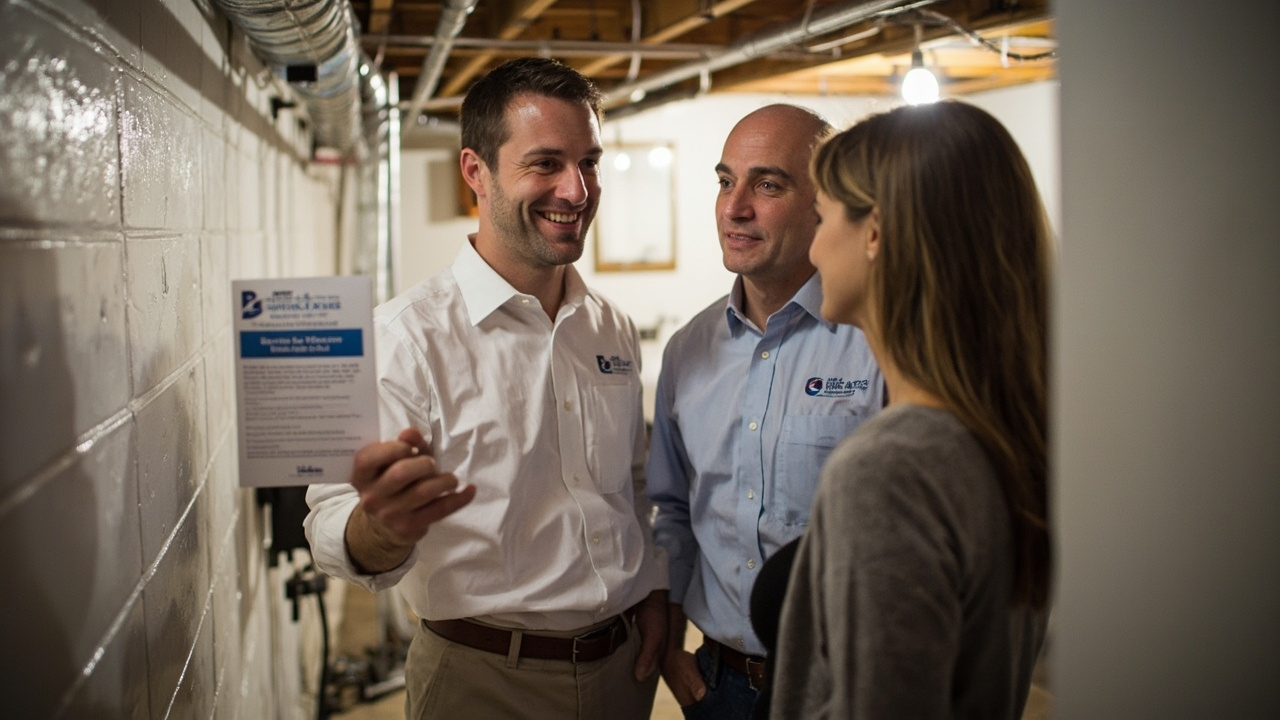
Your assessment begins with a detailed consultation where we document your basement's moisture history, visible damage, and any previous repair attempts. We inspect both interior and exterior foundation conditions, evaluate grading and drainage patterns, and test moisture levels at multiple wall and floor locations. Thermal imaging reveals hidden moisture migration paths invisible to standard inspection. We examine sump pump functionality if present and assess capacity for your foundation footprint. You receive a written diagnostic report explaining moisture sources, recommended solutions with alternatives, and a detailed cost breakdown. This assessment takes approximately 90 minutes and provides the foundation for informed decision-making about waterproofing approaches.

Quality of Final Results

Professional waterproofing delivers a basement environment where relative humidity stays below 60%, mold growth is eliminated, and stored items remain protected during severe weather events. You should see no water intrusion during spring snowmelt or heavy rainstorms. Foundation walls dry out completely within weeks after interior crystalline sealer application. Sump pumps activate only during significant rain events, not constantly. Musty odors disappear as moisture levels normalize. Your basement becomes usable finished space rather than damp storage. The concrete floor remains dry enough for direct carpet installation if desired. These results depend on comprehensive solutions, not partial fixes. Properly executed waterproofing lasts decades with minimal maintenance beyond standard pump testing.

Ongoing Support and Maintenance

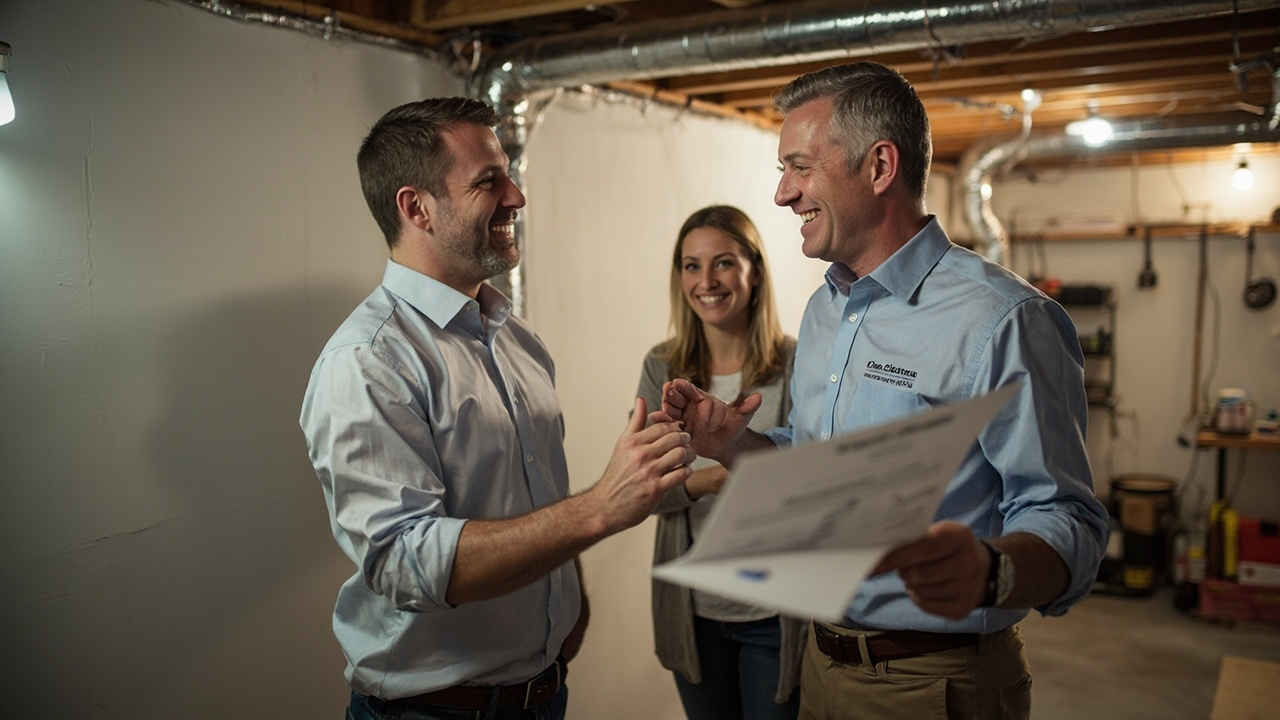
We provide written maintenance guidelines specific to your installed system components. This includes sump pump testing procedures, gutter cleaning schedules, and signs that require professional attention. Annual system checks ensure pumps operate correctly, drainage channels remain clear, and any new foundation cracks are addressed early. We offer priority scheduling for existing customers when you need seasonal adjustments or component replacements. Many waterproofing materials carry manufacturer warranties ranging from ten years to lifetime, which we help you register and maintain. Our documentation includes before and after photos, material specifications, and installation details that satisfy insurance requirements and help during property sales. You receive direct contact information for questions that arise between scheduled maintenance visits.

Frequently Asked Questions

You Have Questions,
We Have Answers

How Boston's Historic Foundations and Coastal Climate Demand Specialized Waterproofing Approaches

Boston's position on Massachusetts Bay creates moisture challenges unknown to inland cities. Salt air accelerates concrete spalling and metal corrosion in foundation systems. Coastal storm surge during nor'easters raises water tables temporarily, creating hydrostatic pressure spikes that overwhelm inadequate drainage. The city's glacially deposited soils, heavy clay mixed with marine sediments, retain moisture and expand during wet periods, putting lateral pressure on foundation walls. Many Boston neighborhoods sit on filled tidal flats, meaning basements exist below the historic water table. These properties require robust perimeter drainage and reliable pumping systems, not simple surface treatments. Understanding these geological realities separates effective waterproofing from temporary fixes that fail during the first major storm.

Boston's architectural heritage creates unique waterproofing considerations. The Boston Landmarks Commission governs modifications to properties in historic districts, requiring specific materials and methods that preserve original foundation character. Triple-deckers and row houses common throughout Dorchester, Somerville, and Cambridge often share foundation walls between units, requiring coordinated waterproofing approaches. Victorian-era homes feature stone foundations built without modern footings or drainage systems. These structures need specialized retrofitting that addresses water intrusion without compromising structural integrity. Contractors unfamiliar with these building types often recommend inappropriate solutions. Local expertise means understanding that a Beacon Hill brownstone foundation requires different treatment than a Jamaica Plain wood-frame foundation, and knowing which historic preservation protocols apply to your specific property location.

Water Damage Restoration Services in The Boston Area

You can see our service area and our location on the map below. We are proud to serve the entire Boston area and surrounding communities. We're always ready to dispatch our team to your home or business, no matter where you are. We’re committed to a fast, reliable response and ensuring we’re always there when you need us most.

Address:
First Choice Water Damage Restoration Boston, 44 School St., Boston, MA, 02108

Additional Services We Offer

Our news updates

Latest Articles & News from The Blogs

Professional Water Damage Restoration for Retail Stores in Harvard Square Harvard Square retail stores face unique water damage risks from…

Professional Water Damage Restoration for Retail Stores in Harvard Square

Professional Water Damage Restoration for Retail Stores in Harvard Square Harvard Square retail stores face unique water damage risks from…

How to Dry Out a Damp Crawl Space in Your Belmont Home (And Stop the Smell)

How to Dry Out a Damp Crawl Space in Your Belmont Home (And Stop the Smell) Musty odors creeping up…

Emergency Dishwasher Leak Cleanup for Busy Kitchens in Arlington

Emergency Dishwasher Leak Cleanup for Busy Kitchens in Arlington Did you walk into your kitchen and find water pooling around…

Contact Us

Stop worrying about spring flooding and basement moisture damage. Call First Choice Water Damage Restoration Boston at (617) 789-8099 for a comprehensive assessment. We will identify your specific water intrusion sources and recommend proven solutions designed for Boston's climate and foundation types. Protect your investment before the next storm.