Menu

How Long Does Drying Take in Boston? – Get Accurate Timelines Based on Real Damage Conditions

Understanding water damage drying time in Boston means accounting for moisture levels, structural materials, and climate factors. We break down the structural drying duration you can expect for your specific situation.

Slider Image 1
Slider Image 2
Slider Image 3
Slider Image 4
Slider Image 5
Slider Image 7
Slider Image 8
Slider Image 9
Slider Image 10
Slider Image 11

Why Boston's Climate Makes Drying Time Unpredictable

You want a straight answer. The problem is that water damage drying time depends on factors most homeowners never consider until it's too late.

Boston's humid summers and freeze-thaw cycles complicate the water restoration drying timeline. When moisture enters your walls during a humid July week, evaporation slows dramatically. The air is already saturated. Add older construction common in neighborhoods like Charlestown or Jamaica Plain, where plaster walls and hardwood subfloors absorb water differently than modern drywall, and the structural drying duration extends further.

Water damage spreads in three dimensions. It moves horizontally through flooring, vertically up walls through capillary action, and laterally through insulation. The time to dry out water damage increases exponentially when water reaches porous materials like wood framing or older brick foundations common in Boston's historic building stock.

Temperature matters. A flooded basement in February takes longer to dry than the same event in August because cold air holds less moisture. Basements in Boston often sit below grade against fieldstone or brick foundations that stay damp year-round. This constant moisture source prolongs the drying process length.

The type of water changes everything. Clean water from a supply line dries faster than the contaminated water from a sewer backup. Category 3 water requires material removal, not just drying. Most online estimates ignore this distinction. They give you best-case numbers that rarely reflect real conditions on the ground in older Boston properties.

Why Boston's Climate Makes Drying Time Unpredictable
How Professional Structural Drying Actually Works

How Professional Structural Drying Actually Works

Professional water damage drying time starts with psychrometry, the science of air and moisture interaction. We measure temperature, relative humidity, and specific humidity using calibrated thermo-hygrometers. These readings tell us the vapor pressure gradient between wet materials and the surrounding air. If the gradient is low, drying slows. If it's high, we accelerate evaporation.

We establish a drying chamber. Air movers create airflow across wet surfaces at 400 to 600 feet per minute. This removes the saturated boundary layer of air clinging to wet materials. Without this constant airflow, evaporation stalls. We position air movers at specific angles to maximize surface exposure without creating dead zones where moisture lingers.

Dehumidification removes moisture from the air. We use refrigerant dehumidifiers in moderate conditions and desiccant dehumidifiers when temperatures drop or humidity spikes. Desiccant units work in Boston basements during winter when refrigerant systems lose efficiency. We calculate the grains per pound (GPP) of moisture removal needed based on the volume of affected space and the moisture content of materials.

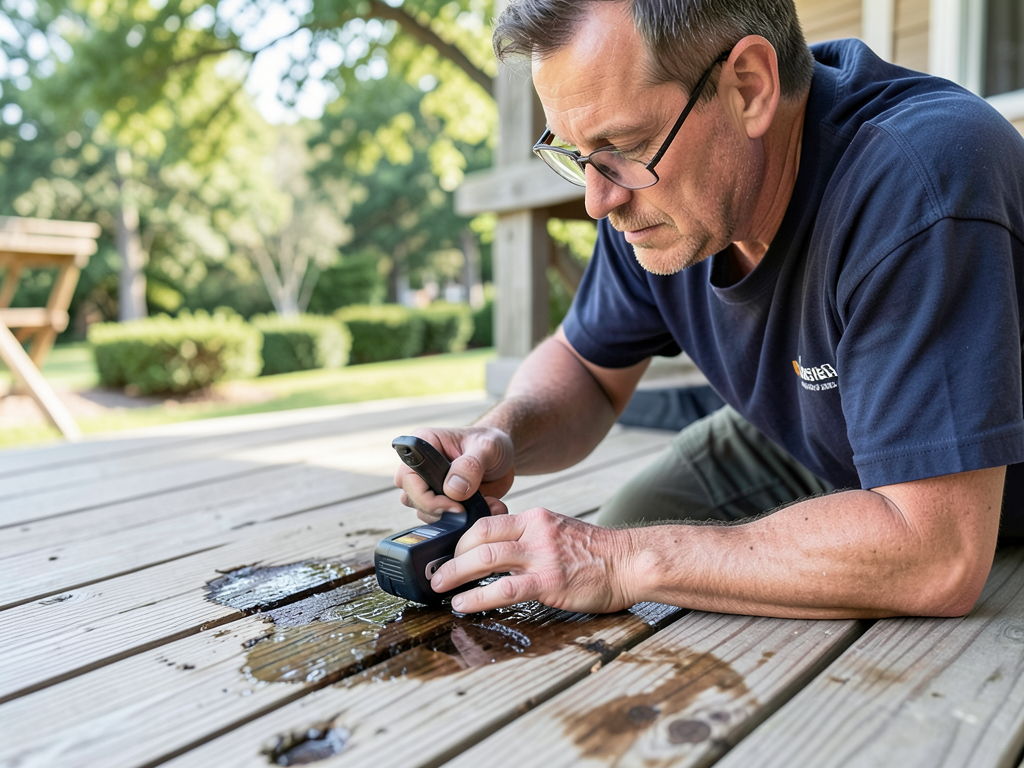
We monitor moisture content daily using pin-type and pinless moisture meters. Wood framing should dry to 15 percent moisture content or lower. Concrete slabs need to reach equilibrium moisture conditions appropriate for their thickness and age. We document these readings to track the water restoration drying timeline and adjust equipment placement.

The structural drying duration depends on material density and thickness. Drywall dries in 3 to 5 days under ideal conditions. Hardwood flooring takes 7 to 10 days. Plaster walls in older Boston homes can require 10 to 14 days because plaster is denser and absorbs more water than modern drywall.

What Happens During Your Drying Timeline

How Long Does Drying Take in Boston? – Get Accurate Timelines Based on Real Damage Conditions
01

Initial Assessment and Measurement

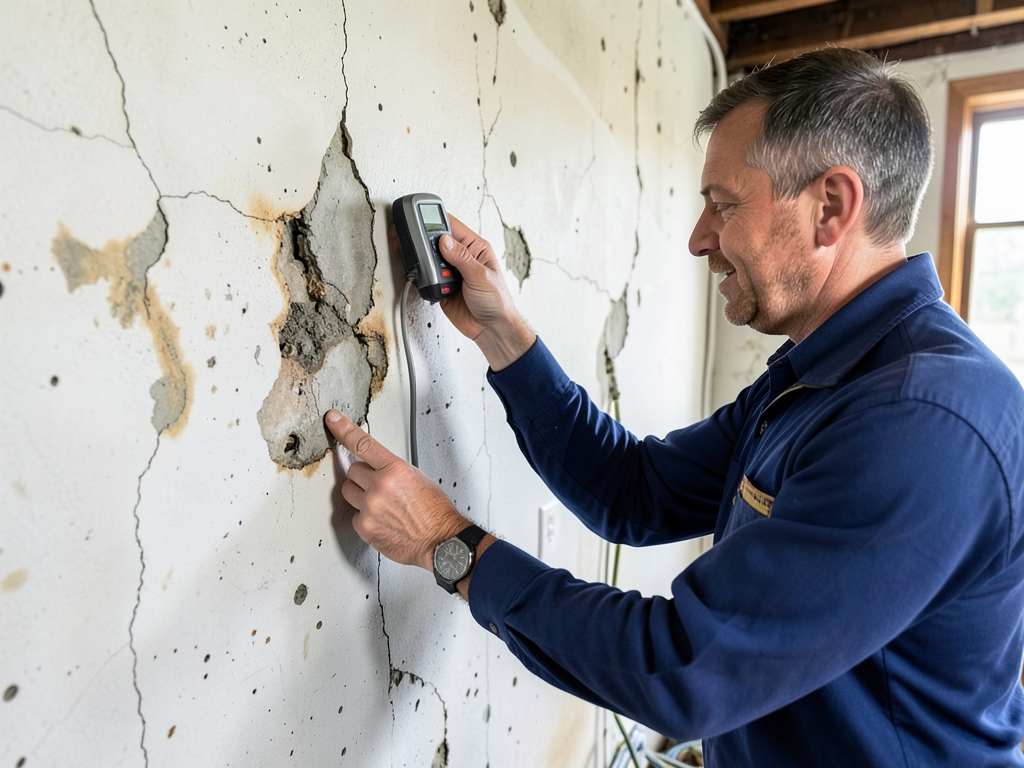
We arrive and immediately measure moisture levels in all affected materials using calibrated meters. This establishes baseline readings that determine equipment type, placement density, and projected water damage drying time. We test walls, flooring, subfloors, and structural framing. We document temperature and humidity to calculate vapor pressure. This data determines whether you face a 4-day or 14-day timeline before we place a single piece of equipment.
02

Equipment Deployment and Monitoring

We position air movers and dehumidifiers based on moisture meter readings and airflow patterns. Equipment runs continuously. We return every 24 to 48 hours to take new moisture readings and adjust equipment. If readings plateau, we modify airflow direction or add supplemental heat. We track specific humidity and grains per pound to ensure moisture is actually leaving the structure, not just moving around. This active management prevents mold growth and reduces overall structural drying duration.
03

Dry Standard Verification

Drying ends when materials reach dry standard, which means moisture content matches unaffected areas of your home. We take final readings in multiple locations and compare them to control readings. We document everything for your insurance claim. Only when all readings confirm dry standard do we remove equipment. Rushing this step invites mold, rot, and structural damage weeks later. The time to dry out water damage is complete only when verification confirms it.

Why Boston Properties Require Local Drying Expertise

Atlas Water Damage Restoration Providence understands the specific challenges of drying Boston properties because we work in them every day. We know that triple-decker homes in Dorchester have balloon framing that allows water to travel between floors. We know that South End brownstones have brick walls that wick moisture from below grade. We know that newer construction in Seaport has vapor barriers that trap moisture if not handled correctly.

Local building codes in Boston require specific moisture standards before reconstruction begins. We document compliance with these standards because we work with local inspectors regularly. We know what they expect to see in moisture logs and drying documentation. This familiarity prevents delays in your restoration timeline.

Boston's coastal humidity adds days to the water restoration drying timeline compared to drier climates. Summer dew points regularly hit 65 to 70 degrees, which slows evaporation significantly. We adjust equipment and strategies based on current weather conditions, not generic online calculators. When a humid front moves in, we increase dehumidification capacity to compensate.

Insurance companies operating in Boston expect documentation that follows IICRC S500 standards. We provide daily moisture logs, equipment logs, and psychrometric calculations that satisfy adjuster requirements. This documentation prevents claim disputes and speeds payment. Many restoration companies skip this step or provide incomplete records. We do not.

We respond quickly because water damage spreads rapidly in Boston's dense housing stock. A leak in your unit can affect neighboring units within hours. Fast response reduces drying time by preventing secondary moisture migration. We arrive with commercial-grade equipment, not homeowner-grade fans from a hardware store. This equipment difference can cut drying time in half.

What to Expect During the Drying Process

Realistic Timeline Expectations

Minor water damage affecting drywall and carpet typically dries in 3 to 5 days under controlled conditions. Moderate damage involving hardwood floors, plaster walls, or insulation extends the timeline to 7 to 10 days. Severe damage to structural framing, subfloors, or older masonry walls can require 10 to 14 days or longer. The structural drying duration increases if we encounter hidden moisture pockets, high humidity weather, or dense building materials. We provide updated timelines every 48 hours based on moisture meter readings. You will know where you stand at every stage. Equipment runs 24 hours daily until dry standard is achieved.

Initial Inspection and Moisture Mapping

The initial inspection takes 45 to 90 minutes depending on property size. We use thermal imaging cameras to detect hidden moisture behind walls and under flooring. We measure moisture content in all affected materials and create a moisture map showing water migration patterns. We test the air for temperature, relative humidity, and specific humidity. This data determines equipment type, quantity, and placement. We explain our findings in clear terms and provide a written estimate of the water damage drying time based on current conditions. You receive a detailed scope of work before we begin drying operations.

Daily Monitoring and Adjustments

We return every 24 to 48 hours to measure drying progress. Each visit includes moisture meter readings in 10 to 20 locations depending on affected area size. We document temperature, humidity, and airflow to verify equipment effectiveness. If drying slows, we adjust air mover positions, add supplemental dehumidifiers, or introduce heat to accelerate evaporation. We communicate progress through text, email, or phone based on your preference. You receive updated moisture logs showing the trend toward dry standard. This active monitoring prevents mold growth and ensures the shortest possible drying process length without compromising quality.

Post-Drying Verification and Documentation

Drying ends with final verification using moisture meters and psychrometric measurements. We compare affected areas to unaffected control areas in your home. Materials must read within 5 to 10 percent of control readings to meet dry standard. We photograph moisture meter readings and provide a completion certificate documenting that your property meets IICRC drying standards. This documentation satisfies insurance requirements and protects you from future liability if mold appears due to incomplete drying. We remove all equipment only after verification confirms successful drying. You receive all moisture logs, equipment logs, and psychrometric data in a single report for your records.

Frequently Asked Questions

You Have Questions,
We Have Answers

How long does normal drying take? +

Water damage drying takes 3 to 5 days for most residential structures in Boston. The timeline depends on the extent of water intrusion, affected materials, and indoor humidity levels. Hardwood floors, plaster walls, and basement concrete common in Boston neighborhoods require longer drying periods due to moisture absorption. Professional restoration teams use commercial dehumidifiers and air movers to accelerate evaporation. Boston's coastal humidity can slow natural drying, making equipment necessary. Structural drying must reach moisture content below 15% to prevent mold growth. Never assume surfaces are dry based on touch alone. Moisture meters confirm safe levels before reconstruction begins.

Is 40 minutes enough for a dryer? +

This question relates to clothing dryers, not water damage restoration. For structural drying after flooding or leaks in Boston homes, you cannot use residential dryers. Water damage requires commercial-grade dehumidification and air movement equipment. Carpet, drywall, insulation, and subflooring hold significant water volume that standard appliances cannot address. Professional restoration technicians monitor moisture readings daily using thermal imaging and hygrometers. Boston's older housing stock, particularly triple-deckers and brownstones, requires specialized drying techniques. Attempting DIY drying with household equipment risks hidden moisture pockets, leading to mold colonization within 48 to 72 hours. Professional equipment placement ensures complete evaporation.

Is 30 minutes enough to dry clothes? +

This question addresses laundry drying, not structural water damage restoration. After water damage in Boston properties, drying timelines depend on building materials and saturation levels. Porous materials like wood framing, plaster, and insulation absorb water quickly and release it slowly. A flooded basement in Dorchester or Back Bay requires days of continuous dehumidification, not minutes. Professional moisture mapping identifies wet zones behind walls and under floors. Boston's high ambient humidity during summer months extends drying periods. Restoration teams adjust equipment daily based on moisture meter readings. Complete drying prevents secondary damage like warping, staining, and microbial growth. Never rely on surface-level assessments.

Is 20 minutes in the dryer enough? +

This question pertains to clothing dryers, not water damage restoration services. For structural drying after pipe bursts or roof leaks in Boston homes, timelines range from 72 hours to a week. The drying process requires industrial dehumidifiers running continuously, not short cycles. Boston's freeze-thaw cycles cause unique water damage scenarios in winter, where ice dams and burst pipes saturate wall cavities and attics. Professional technicians monitor grain depression and specific humidity to calculate drying progress. Rushed drying leads to trapped moisture in framing and insulation. Proper drying protects your investment and prevents insurance claim complications. Equipment must stay in place until readings confirm stability.

How quickly should hair dry? +

This question addresses personal grooming, not water damage restoration. For structural drying after flooding in Boston properties, hair dryers are irrelevant. Water-saturated buildings require commercial restoration equipment capable of moving thousands of cubic feet per minute. Boston's triple-deckers and brownstones feature dense plaster walls and hardwood floors that trap moisture deep within layers. Professional drying uses thermodynamic principles to lower humidity and accelerate evaporation. Technicians calculate vapor pressure differentials to optimize equipment placement. A flooded basement in Allston or Jamaica Plain needs days of controlled drying, not household appliances. Moisture left in building materials causes rot, mold, and structural weakening. Professional monitoring ensures complete restoration.

Is 2 hours too long to dry clothes? +

For clothing dryers, 2 hours can indicate machine inefficiency. For water damage restoration in Boston properties, 2 hours represents the initial assessment phase only. Complete structural drying requires 3 to 5 days minimum. Boston's coastal climate and older building stock create challenging drying conditions. Brick facades, plaster interiors, and oak flooring common in neighborhoods like Beacon Hill and South End absorb significant water volume. Professional restoration teams deploy multiple dehumidifiers and air movers simultaneously. They monitor temperature, relative humidity, and material moisture content continuously. Rushing drying causes hidden moisture problems. Insurance companies require documented drying logs showing readings every 24 hours until materials reach equilibrium moisture content.

How to speed up drying clothes? +

Speed up structural drying after water damage by calling professionals immediately. In Boston properties, rapid equipment deployment within the first 24 hours prevents secondary damage. Technicians place commercial dehumidifiers to extract moisture from the air and position air movers to increase evaporation rates across wet surfaces. Remove standing water quickly using extraction equipment. Increase air circulation throughout affected areas. Control indoor temperature between 70 and 90 degrees to optimize drying conditions. Boston's humidity requires aggressive dehumidification strategies. Remove wet contents and peel back saturated carpet to expose the subfloor. Professional moisture mapping identifies hidden wet areas behind baseboards and inside wall cavities. Faster drying means less mold risk.

How long is too long in a dryer? +

Leaving clothes in a dryer too long causes wrinkles, not damage. For water damage restoration equipment in Boston homes, dehumidifiers and air movers run continuously for 3 to 5 days minimum. There is no maximum runtime when properly monitored. Restoration technicians adjust equipment placement and settings daily based on moisture readings. Boston properties with significant flooding require extended drying periods. Hardwood subfloors, plaster walls, and insulation release moisture slowly. Professional teams monitor amperage draw and filter cleanliness to prevent equipment failure. Stopping drying too early traps moisture in building cavities. The goal is reaching equilibrium moisture content, not arbitrary time limits. Proper drying prevents long-term structural issues and mold colonization.

Does putting a towel in the dryer help? +

Adding a dry towel to laundry can absorb some moisture. For water damage restoration in Boston properties, towels are ineffective. Professional drying requires equipment that processes thousands of pints of water daily from building materials. A single commercial dehumidifier removes 10 to 20 times more moisture than household methods. Boston's older homes with plaster walls, hardwood floors, and brick foundations need industrial capacity. Technicians calculate the psychrometric conditions needed to dry specific materials. Trying DIY solutions with towels, fans, or household dehumidifiers leaves hidden moisture in wall cavities and subfloors. This moisture feeds mold growth and causes structural rot. Professional equipment and monitoring ensure complete water removal.

Does high heat dry faster? +

High heat accelerates evaporation but can damage building materials during water damage restoration. In Boston properties, controlled temperature between 70 and 90 degrees optimizes drying without warping hardwood floors or cracking plaster. Professional restoration technicians balance heat, airflow, and dehumidification. Excessive heat can delaminate engineered flooring common in newer Boston condos or cause historic millwork to crack in older brownstones. The key is vapor pressure differential, not just temperature. Strategic air mover placement increases evaporation rates at material surfaces. Dehumidifiers remove moisture from the air, maintaining low relative humidity. Boston's seasonal temperature swings require adapted drying strategies. Proper technique dries materials safely without causing secondary damage.

How Boston's Freeze-Thaw Cycles Affect Water Damage Drying Time

Boston experiences an average of 23 freeze-thaw cycles each winter. Water absorbed into masonry, wood framing, or foundation materials expands when it freezes and contracts when it thaws. This cycle creates microfractures that allow deeper water penetration and extend structural drying duration significantly. Older homes in neighborhoods like Back Bay or Beacon Hill have brick and mortar construction especially vulnerable to freeze-thaw damage. When water damage occurs during winter months, these materials require longer drying times because moisture trapped in microfractures takes days longer to evaporate compared to summer conditions. Professional drying equipment and active monitoring become critical during Boston winters to prevent this cycle from causing permanent structural compromise.

Atlas Water Damage Restoration Providence maintains relationships with Boston-area insurance adjusters, contractors, and building inspectors who understand local construction methods and climate challenges. We document our water restoration drying timeline using IICRC S500 standards recognized by Massachusetts courts and insurance companies. Our familiarity with Boston building codes, particularly moisture control requirements in the 9th Edition Massachusetts Building Code, ensures your property meets regulatory standards before reconstruction begins. Local expertise matters because generic drying timelines published online do not account for Boston's coastal humidity, older building materials, or winter conditions. We adjust our approach based on the specific neighborhood, building age, and construction type common to your location.
Water Damage Restoration Services in The Boston Area

You can see our service area and our location on the map below. We are proud to serve the entire Boston area and surrounding communities. We're always ready to dispatch our team to your home or business, no matter where you are. We’re committed to a fast, reliable response and ensuring we’re always there when you need us most.

Address:
First Choice Water Damage Restoration Boston, 44 School St., Boston, MA, 02108

Additional Services We Offer

Our news updates

Latest Articles & News from The Blogs

Professional Water Damage Restoration for Retail Stores in Harvard Square Harvard Square retail stores face unique water damage risks from…

Professional Water Damage Restoration for Retail Stores in Harvard Square

Professional Water Damage Restoration for Retail Stores in Harvard Square Harvard Square retail stores face unique water damage risks from…

How to Dry Out a Damp Crawl Space in Your Belmont Home (And Stop the Smell)

How to Dry Out a Damp Crawl Space in Your Belmont Home (And Stop the Smell) Musty odors creeping up…

Emergency Dishwasher Leak Cleanup for Busy Kitchens in Arlington

Emergency Dishwasher Leak Cleanup for Busy Kitchens in Arlington Did you walk into your kitchen and find water pooling around…

Contact Us

Stop guessing how long your property will take to dry. Call Atlas Water Damage Restoration Providence at (617) 789-8099 right now. We provide a detailed assessment and realistic timeline based on your specific damage conditions, not online estimates.